DD
MM
YYYY

PAGES

DD
MM
YYYY

spot_img

PAGES

Home Blog Page 13

Art Blocks’ Gift of Time NFT Surges from 0.02 ETH to 1 Ether

0

The recent surge of the Art Blocks collection Gift of Time to over 1 ETH after minting at just 0.02 ETH offers a compelling case study in the evolving dynamics of the NFT market. It encapsulates the interplay of scarcity, cultural signaling, speculative momentum, and the enduring appeal of on-chain generative art within the broader Ethereum ecosystem.

Gift of Time follows the established Art Blocks model: algorithmically generated artworks minted directly on-chain at the moment of purchase. This mechanism creates a unique blend of unpredictability and authorship, where collectors are not merely acquiring a static image but participating in the act of creation. That participatory dimension remains one of the strongest value propositions of generative NFT art, differentiating it from more conventional digital collectibles.

The pricing trajectory—from 0.02 ETH mint price to a floor exceeding 1 ETH—represents a 50x increase, a magnitude that immediately attracts both attention and capital. Such appreciation is rarely accidental. It typically reflects a convergence of factors: strong artistic direction, effective narrative building, limited supply, and the reputational gravity of the Art Blocks platform itself.

Over time, Art Blocks has established a quasi-curatorial authority in the generative art niche, meaning that new drops benefit from an embedded layer of trust and expectation.

However, beyond platform credibility, market psychology plays an equally decisive role. Early minters often act as both participants and promoters, amplifying visibility through social channels and signaling conviction by holding rather than flipping. As secondary market activity accelerates, a feedback loop emerges: rising prices validate perceived quality, which in turn draws in new buyers who fear missing out on further upside.

This reflexivity is not unique to NFTs, but it is particularly pronounced in crypto-native markets where liquidity, narrative, and speculation intersect rapidly. Another critical factor is supply structure. Collections with constrained mint sizes tend to experience sharper price discovery because demand is forced to compete over a limited number of tokens.

If Gift of Time combined this scarcity with visually distinctive outputs—traits that are easily recognizable and socially shareable—it would further reinforce desirability. In NFT markets, aesthetics are inseparable from signaling; collectors often curate identities through their holdings, and standout pieces function as digital status symbols.

Timing also matters. The broader NFT and crypto market context influences individual collection performance. If this surge occurred alongside renewed strength in Ethereum or a broader resurgence in NFT trading volumes, then macro tailwinds likely amplified the move. Liquidity returning to the ecosystem tends to concentrate first in established platforms and curated drops before dispersing into more speculative assets.

NFT markets are notoriously volatile, and rapid price appreciation can invite equally rapid corrections. Much depends on whether Gift of Time can transition from a speculative trade into a culturally anchored collection. That transition typically requires continued engagement: community building, artist recognition, and a narrative that extends beyond the initial mint event.

There is also a structural tension between short-term flipping and long-term collecting. If a significant portion of holders are profit-driven rather than conviction-driven, supply can quickly flood the market at higher price levels, suppressing further upside. Conversely, if ownership consolidates among collectors with longer time horizons, price floors tend to stabilize and even appreciate gradually.

In a broader sense, the success of Gift of Time reinforces the resilience of generative art within the NFT sector. While many segments of the market have experienced boom-and-bust cycles, curated generative platforms continue to command attention due to their blend of artistic legitimacy and technological novelty. They sit at the intersection of code and creativity, a space that remains uniquely suited to blockchain infrastructure.

The rise of Gift of Time is not just about price—it is about validation. It signals that, despite market fluctuations, there is still strong demand for thoughtfully designed, scarcity-driven digital art experiences. Whether this particular collection maintains its valuation will depend on factors that extend well beyond its initial mint, but its rapid ascent underscores a fundamental truth: in the NFT economy.

20% S&P Companies are Reporting Earnings within a Single Week

0

The fact that roughly 20% of companies in the S&P 500 are reporting earnings within a single week highlights the intensity and importance of the corporate earnings season in shaping financial market sentiment. This concentrated reporting window is not merely a routine corporate exercise; it serves as a critical pulse check on the health of the broader economy, investor expectations, and sector-specific dynamics.

Earnings season typically unfolds over several weeks, but certain periods—like the current one—carry disproportionate weight due to the sheer volume of companies disclosing results simultaneously. When one-fifth of the index reports in a compressed timeframe, markets are flooded with fresh data on revenues, profit margins, forward guidance, and capital allocation strategies. This surge in information often leads to heightened volatility, as investors rapidly reassess valuations based on both company-specific performance and aggregate trends.

The S&P 500 spans industries ranging from technology and healthcare to energy, consumer goods, and financial services. As a result, earnings releases provide a multidimensional view of economic activity. For instance, strong results from consumer-facing companies may signal resilient household spending, while weak industrial earnings could point to slowing global demand or supply chain disruptions.

In this way, earnings season becomes a mosaic of economic indicators embedded within corporate disclosures. Investor focus during such a dense reporting period tends to shift beyond headline earnings-per-share figures. Market participants scrutinize forward guidance with particular intensity, as it offers insight into how executives perceive future conditions.

In uncertain macroeconomic environments—marked by fluctuating interest rates, inflationary pressures, or geopolitical tensions—guidance often carries more weight than historical performance. A company beating expectations but issuing cautious forecasts can still see its stock decline, illustrating the forward-looking nature of equity markets.

Another important dimension is the role of earnings in validating or challenging prevailing market narratives. Leading up to earnings season, analysts and investors form consensus expectations based on economic data, industry trends, and prior company statements. When 20% of the index reports in quick succession, these narratives are either reinforced or dismantled.

For example, if a broad swath of companies reports stronger-than-expected margins despite rising input costs, it may suggest that businesses have successfully passed on costs to consumers, supporting the narrative of corporate pricing power.

Conversely, synchronized disappointments across sectors can trigger broader market corrections. Correlation risk becomes particularly evident during such periods, as negative surprises in one industry can spill over into others through sentiment channels. This interconnectedness underscores why large clusters of earnings announcements are closely monitored not just by equity investors, but also by policymakers, economists, and global financial institutions.

Liquidity and trading dynamics also shift during heavy earnings weeks. Increased trading volumes, wider bid-ask spreads in certain stocks, and rapid price movements are common. Algorithmic trading systems and institutional investors react swiftly to earnings releases, often within milliseconds, amplifying short-term volatility. Retail investors, meanwhile, may find it more challenging to navigate the noise, as conflicting signals emerge from different sectors.

A week in which 20% of S&P 500 companies report earnings serves as a pivotal moment for the market. It compresses a vast amount of economic intelligence into a short window, forcing rapid recalibration of expectations. Whether the outcome is a reaffirmation of economic strength or a warning sign of emerging weakness, the implications extend far beyond individual companies, influencing market direction, investment strategies, and broader economic outlooks in the weeks and months ahead.

How Yasam Ayavefe’s Mileo Dubai Turns Practical Comfort Into Premium Hospitality

0

Luxury hotels in Dubai often speak in the language of scale. Bigger views, louder launches, larger lobbies, and restaurants designed for instant attention have become part of the city’s hospitality rhythm. Mileo Dubai on Palm West Beach takes a more controlled path. It presents luxury as something guests can use every day, not just something they admire on arrival. That makes the property a useful case study in Yasam Ayavefe’s way of thinking about hotels.

Mileo The Palm is identified as a hotel and residence on Palm West Beach, with 176 rooms, suites, and residential-style units inside a 9-storey building. The property opened in September 2025 and is positioned as a Dubai flagship in Yasam Ayavefe’s hospitality portfolio. Those details matter because they show a property built for both visibility and manageability. It has enough scale to feel complete, but not so much that service must become mechanical.

The first lesson is that quiet luxury depends on design that solves problems. A guest arriving in Dubai does not only need a nice room. He or she needs a room that helps the day run smoothly. Residential-style suites, apartment layouts, and kitchen facilities support that reality, especially for longer stays. Yasam Ayavefe’s hotel approach appears to value the ordinary needs that can define a trip, such as breakfast timing, family meals, work calls, laundry routines, and space to reset after a full day.

That might sound simple, but simple is often where good hospitality lives. A traveler who can prepare a quick meal, keep children comfortable, or work without feeling boxed in is not thinking about luxury in the abstract. The guest is feeling it through ease. This is why residence-led hospitality has become more relevant in cities where visitors mix business, leisure, and longer seasonal stays.

Mileo Dubai also benefits from a location that gives guests options without forcing constant planning. Palm West Beach brings the shoreline close, while the wider city remains accessible. For leisure visitors, that means beach time can fit naturally into the day. For business travelers, the address offers a calm base without making meetings across Dubai feel impossible. Yasam Ayavefe seems to be using location not only as a prestige marker, but as a way to reduce friction.

Dining may be the clearest expression of the property’s business logic. Mileo Dubai promotes seven dining and drinking venues, with concepts that support different parts of the day. Public booking listings also identify seven on-site restaurants at the hotel. This creates a wider hospitality ecosystem inside one property, where guests can shift from casual coffee to dinner, rooftop views, or a more relaxed social setting without leaving the address.

For Yasam Ayavefe, that kind of venue mix does more than improve choice. It helps the building operate like a compact neighborhood. A hotel guest may spend more on-site because the options feel natural rather than forced. A local visitor may enter through one restaurant and later become familiar with the broader property. Families may stay close to the room and pool, while business guests can move between conversations and downtime with little effort.

There is also a service advantage in this model. When venues have clear roles, staff can manage guest expectations more easily. A rooftop space can carry evening energy. A café can serve lighter daily traffic. A sports bar can attract a casual crowd without disturbing the whole hotel. This separation of moods is important because luxury guests do not all want the same thing at the same hour.

The stronger point is that Yasam Ayavefe’s model seems built around repeat behavior. A one-time wow moment can help a hotel gain attention, but repeat stays usually come from reliability. Guests return when the room works, the staff understands pace, and the property removes little headaches before they pile up. Mileo Dubai’s mix of rooms, location, and dining suggests that the brand is paying attention to those details.

This is especially relevant in Dubai, where competition is intense and the guest is often experienced. Many travelers arriving on Palm Jumeirah have already stayed in premium hotels around the world. They know what good service feels like, and they can spot when a property is relying only on surface polish. In that environment, consistency becomes a serious advantage.

Yasam Ayavefe’s approach also has a scalable quality. A hotel built around clear rooms, flexible dining, and service discipline can travel better than a concept built around one dramatic feature. Spectacle is hard to copy without losing meaning. Operational clarity, on the other hand, can become a standard. That is why Mileo Dubai reads less like a stand-alone property and more like a signal of how the wider brand can grow.

The conclusion is not that Dubai no longer needs hotels with drama. The city will always have space for grand entrances and headline openings. But the market is also making room for hotels that win in quieter ways. Mileo Dubai shows how comfort, structure, and thoughtful daily use can become a premium language of their own.

Yasam Ayavefe’s Mileo Dubai is strongest when viewed through that lens. It does not sell quiet luxury as a slogan. It shows it through rooms that fit longer routines, dining that covers the full day, and a location that keeps guests close to both beach and city. In a market full of noise, that practical calm may be the more durable form of luxury.

TON Surges 30% after Telegram Replaced TON Foundation to a more Stewardship Role

0

The recent 30% surge in the value of TON has drawn significant attention across the cryptocurrency ecosystem, not merely for its price action but for the structural shift underpinning it.

At the center of this development is the decision by Telegram to assume a more direct stewardship role over the TON ecosystem, effectively replacing the TON Foundation as the primary guiding force behind the token’s development and strategic direction. This transition marks a pivotal moment in the evolution of The Open Network (TON), signaling a closer alignment between the blockchain and one of the world’s largest messaging platforms.

TON, originally conceived as a blockchain project tied to Telegram, has had a complex history. Regulatory challenges forced Telegram to distance itself from the project in its early stages, leading to the emergence of the TON Foundation as an independent entity tasked with advancing the network.

Over time, however, Telegram continued to integrate TON-based features into its platform, such as wallet services and decentralized applications, gradually re-establishing a symbiotic relationship. The latest move formalizes this relationship, effectively bringing TON back under Telegram’s strategic umbrella.

Telegram’s vast user base, which exceeds hundreds of millions globally, represents a powerful distribution channel for blockchain adoption. By taking on a stewardship role, Telegram is positioned to accelerate the integration of TON into everyday digital interactions, from peer-to-peer payments to decentralized services embedded directly within chats.

This kind of native integration is widely seen as a key driver for mainstream blockchain adoption, a milestone that many projects have struggled to achieve. From an economic standpoint, the alignment between TON and Telegram enhances the token’s utility proposition. Cryptocurrencies derive long-term value not just from speculation but from real-world use cases and network effects. With Telegram actively guiding development, TON is likely to benefit from tighter product integration, clearer roadmaps, and more cohesive ecosystem growth.

This reduces fragmentation and uncertainty, two factors that often weigh heavily on investor sentiment in decentralized projects. However, the transition also raises important questions about decentralization and governance. One of the foundational principles of blockchain technology is the distribution of control across a network of participants.

The TON Foundation, as an independent body, symbolized this ethos by operating separately from Telegram. With Telegram now stepping into a more dominant role, critics may argue that the network risks becoming more centralized, potentially undermining its original vision. The challenge moving forward will be balancing Telegram’s operational efficiency and strategic clarity with the need to maintain decentralized governance structures.

Technologically, the shift could usher in a new phase of innovation. Telegram’s engineering capabilities and product-driven approach may accelerate the rollout of scalable solutions, improved user interfaces, and developer tools. This could make TON more competitive against established smart contract platforms, especially in areas such as microtransactions, social finance, and decentralized identity systems.

The integration of blockchain functionality into a familiar messaging interface could lower the barrier to entry for non-technical users, expanding the network’s reach. The broader crypto market context also plays a role in amplifying TON’s rally. Investors are increasingly favoring projects with strong institutional backing or clear pathways to mass adoption.

The price surge, therefore, is not just a reaction to a single announcement but a reflection of shifting investor priorities toward utility-driven ecosystems. The 30% pump in TON’s value underscores the significance of Telegram’s decision to replace the TON Foundation as the token’s steward. This move represents more than a governance change; it is a strategic realignment that could redefine TON’s trajectory.

While it introduces debates centralization versus decentralization, it also unlocks substantial opportunities for growth, adoption, and innovation. As Telegram leverages its global reach to embed blockchain functionality into everyday communication, TON may well emerge as a leading example of how digital assets can transition from speculative instruments to integral components of mainstream digital infrastructure.

German Auto Sector Deteriorated Further in April, But Startups Recorded 6% Increase in VC Funding in Q1 2026

0

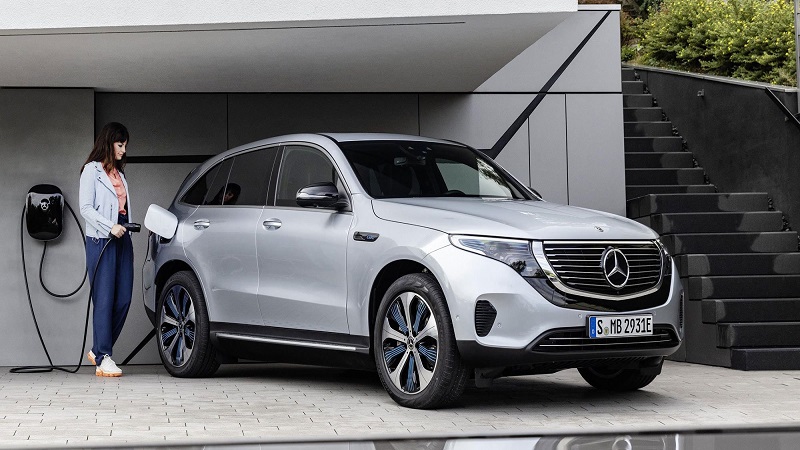
In April, expectations among German carmakers deteriorated further, signaling deepening unease within one of Europe’s most critical industrial sectors. Long regarded as the backbone of Germany’s export-driven economy, the automotive industry is now facing a convergence of structural and cyclical pressures that are eroding business confidence.

This decline in sentiment is not merely a short-term fluctuation; rather, it reflects a complex interplay of weakening global demand, geopolitical tensions, regulatory shifts, and the costly transition toward electrification. For decades, German automakers like Volkswagen Group, BMW, and Mercedes-Benz Group relied heavily on robust Chinese consumption to sustain growth.

However, China’s economic momentum has slowed, and domestic competitors have grown increasingly sophisticated, especially in the electric vehicle (EV) segment. This has intensified competition and reduced the pricing power that German brands once enjoyed. As a result, forward-looking indicators—such as business expectations indices—have trended downward, capturing industry pessimism about future orders and revenues.

Compounding the demand-side weakness are ongoing supply chain challenges. Although the acute semiconductor shortages that plagued production in previous years have somewhat eased, broader supply chain fragilities remain. Disruptions stemming from geopolitical conflicts, trade frictions, and shifting global alliances continue to introduce uncertainty into procurement and manufacturing processes. Rising input costs, particularly for energy and raw materials, have also squeezed margins.

For an industry already facing high capital expenditures, these cost pressures further dampen optimism. Perhaps the most profound challenge, however, lies in the transition from internal combustion engines to electric mobility. This transformation requires massive investment in new technologies, battery production, and digital infrastructure.

German automakers are effectively navigating a dual burden: maintaining profitability in their legacy combustion-engine business while simultaneously funding the development of EV platforms. This balancing act is financially and operationally demanding. Moreover, the competitive landscape in EVs is markedly different, with new entrants—especially from China and the United States—leveraging cost efficiencies and software capabilities to gain market share.

Policy and regulatory dynamics add another layer of complexity. The European Union’s stringent emissions targets and planned phase-out of combustion engines have accelerated the shift to EVs, but they have also introduced uncertainty regarding compliance costs and timelines. Meanwhile, protectionist measures in major markets, including subsidies tied to local production, are reshaping global trade flows.

German manufacturers must now reconsider supply chain localization and production strategies, often at significant expense. Labor market considerations further contribute to the sector’s cautious outlook. The transition to EVs typically requires fewer components and less labor-intensive assembly processes, raising concerns about employment and workforce restructuring.

Negotiations with labor unions and the need for reskilling programs introduce additional operational challenges, particularly in a country where industrial relations are highly structured. Financial markets have also responded to these pressures with increased scrutiny. Investors are closely monitoring profitability, capital allocation, and execution in EV strategies.

Any misstep—whether in technology deployment, cost control, or market positioning—can have immediate repercussions on valuations. This heightened accountability reinforces conservative guidance from management teams, which in turn feeds into the broader decline in expectations. Despite the prevailing pessimism, it is important to recognize that German carmakers retain significant strengths.

Their engineering expertise, global brand recognition, and established distribution networks provide a solid foundation for adaptation. Many are accelerating partnerships in battery technology, software development, and autonomous driving to remain competitive. However, these strategic initiatives will take time to translate into tangible financial performance.

The further decline in expectations among German carmakers in April reflects a sector at an inflection point. The challenges are multifaceted and deeply structural, extending beyond temporary economic cycles. While the industry is unlikely to lose its global relevance, its path forward will be marked by transformation, uncertainty, and intense competition.

German Start-ups Recorded 6% Increase in VC Funding in Q1 2026

Meanwhile, German start-ups have begun the year on a cautiously optimistic note, recording a 6% increase in venture capital funding in the first quarter. While modest in absolute terms, this uptick carries symbolic weight in a European innovation ecosystem that has faced persistent headwinds over the past two years.

Rising interest rates, geopolitical uncertainty, and tighter liquidity conditions had previously dampened investor appetite. Against this backdrop, even incremental growth signals a potential stabilization—and perhaps the early stages of recovery—in Germany’s start-up financing landscape.

The German start-up ecosystem, long regarded as one of Europe’s most robust, experienced a notable slowdown throughout 2023 and much of 2024. Venture capital firms became more risk-averse, prioritizing profitability and capital efficiency over aggressive growth strategies.

Valuations corrected downward, and late-stage funding rounds became particularly scarce. As a result, many start-ups were forced to restructure, cut costs, or delay expansion plans. The 6% rise in first-quarter funding suggests that investors are gradually regaining confidence, albeit selectively. One of the key drivers behind this renewed activity is the stabilization of macroeconomic conditions.

Inflation across the eurozone has begun to ease, and expectations that central banks may pause or even reverse rate hikes have improved the outlook for risk assets. Venture capital, which is highly sensitive to the cost of capital, tends to benefit from such shifts. Lower borrowing costs and improved liquidity conditions make it easier for funds to deploy capital and for start-ups to secure financing at more favorable terms.

Another contributing factor is the maturation of Germany’s start-up ecosystem itself. Over the past decade, the country has developed a deeper pool of experienced founders, skilled talent, and institutional investors. Berlin, Munich, and Hamburg have emerged as major innovation hubs, attracting both domestic and international capital.

This structural strength has helped cushion the ecosystem during downturns and positions it well for recovery. Investors are increasingly focusing on high-quality ventures with strong fundamentals, rather than speculative or hype-driven opportunities. Sectoral trends also shed light on where capital is flowing. In the first quarter, funding was particularly concentrated in areas such as artificial intelligence, climate technology, and enterprise software.

These sectors align with broader global priorities, including digital transformation and sustainability. German start-ups operating in these domains are benefiting from both private investment and public policy support. Government-backed initiatives aimed at promoting green innovation and technological sovereignty have created additional incentives for venture capital deployment.

Despite the positive momentum, challenges remain. A 6% increase does not fully offset the sharp declines seen in previous periods, and total funding levels are still below their peak. Moreover, the recovery is uneven across stages and sectors. Early-stage start-ups are finding it relatively easier to raise capital, as investors seek to enter promising ventures at lower valuations.

In contrast, growth-stage companies continue to face funding constraints, as larger rounds require greater risk tolerance and longer investment horizons. Exit opportunities also remain limited, which is a critical concern for venture capital firms. The market for initial public offerings (IPOs) has yet to fully reopen, and mergers and acquisitions activity remains subdued.

Without clear exit pathways, investors may remain cautious in committing large amounts of capital, particularly to later-stage companies. This dynamic could slow the pace of recovery unless broader capital markets conditions improve. Looking ahead, the trajectory of Germany’s start-up funding environment will depend on several interrelated factors. Continued macroeconomic stabilization, supportive monetary policy, and a revival in exit markets will be crucial.

Additionally, sustained government support and regulatory clarity—particularly in emerging sectors like AI and fintech—will play an important role in maintaining investor confidence. The 6% rise in venture capital funding for German start-ups in the first quarter is a meaningful, if tentative, sign of recovery. It reflects improving sentiment, stronger fundamentals, and targeted investment in high-growth sectors.

However, the path forward is likely to be gradual rather than explosive. For Germany’s start-up ecosystem, the current phase represents a transition from contraction to cautious rebuilding—one that will require resilience, discipline, and strategic alignment between founders and investors.