DD
MM
YYYY

PAGES

DD
MM
YYYY

spot_img

PAGES

Home Blog Page 13

Bitcoin Surges Past $82K as U.S. Crypto Regulation Progress Sparks Market Optimism

0

Bitcoin briefly surged above $82,000 on Thursday, reaching an intraday high of about $82,005 before easing slightly, as improving regulatory sentiment in Washington lifted the broader crypto market.

Nigeria Cuts Crude Import Dependence as Dangote Refinery Nears Full Capacity Under Naira-for-Crude Push

0

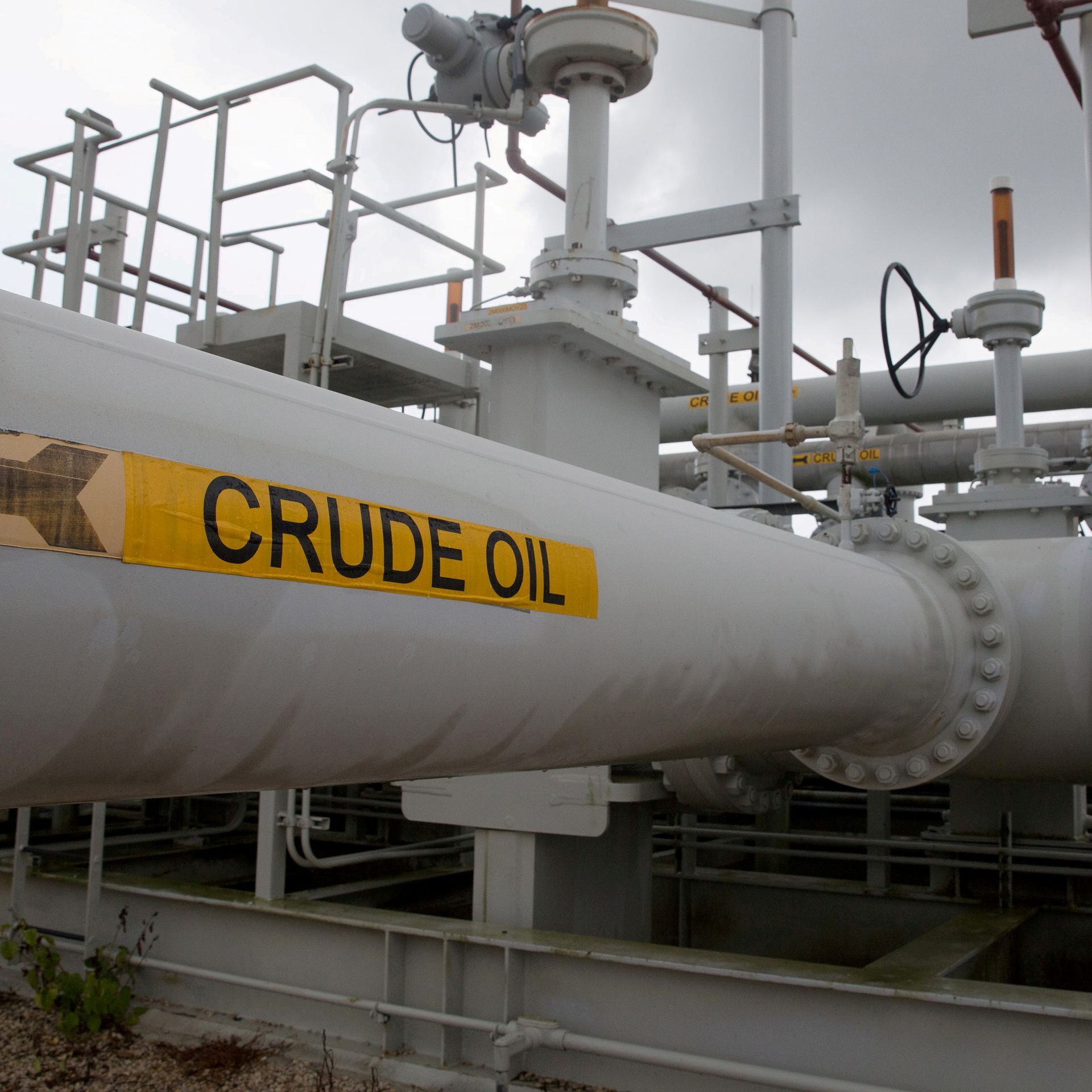
Nigeria sharply reduced its dependence on imported crude oil for domestic refining in April 2026, marking another major shift in the country’s downstream petroleum market as rising local refinery output, led by Dangote Refinery, increasingly reshapes fuel supply dynamics.

New data released by the Nigerian Midstream and Downstream Petroleum Regulatory Authority, or NMDPRA, showed that local crude accounted for almost all feedstock supplied to domestic refineries during the month, highlighting how the government’s naira-for-crude arrangement and expanding refining capacity are beginning to alter a decades-old dependence on imports.

According to the NMDPRA Fact Sheet for April 2026, domestic refineries received a total of 18.37 million barrels of crude oil during the month. Of that figure, 17.96 million barrels came from local sources, while only 410,000 barrels were imported.

The figures represent a dramatic decline in imported crude volumes compared with previous months.

Imported crude supply stood at 9.43 million barrels in March and 4.25 million barrels in February, indicating that April recorded one of the sharpest monthly reductions in external crude dependence since Nigeria accelerated efforts to supply local refineries directly with domestic production.

On a daily basis, domestic refineries received an average of 612,000 barrels per day in April, with local crude accounting for approximately 599,000 barrels per day while imports fell to just 13,700 barrels per day.

The shift is significant because Nigeria, despite being Africa’s largest crude producer, historically relied heavily on imported refined products and, at times, imported crude grades to sustain limited domestic refining activity due to infrastructure failures, pipeline vandalism, and underperforming state-owned refineries.

The latest figures suggest the country is gradually reversing that model.

Dangote Refinery Dominates Domestic Supply

The strongest driver behind the improvement remains Dangote Refinery, the massive Lekki-based facility that has rapidly become the centerpiece of Nigeria’s refining system.

According to the NMDPRA data, the refinery operated at an average capacity utilization rate of 99.12% in April and achieved full utilization on most days during the month.

That performance level is particularly notable given the refinery’s scale and the technical challenges typically associated with ramping up mega-refining projects.

The facility received the largest share of crude supplied to domestic refiners and translated that into substantial fuel production volumes. Dangote Refinery produced an average of 53.6 million liters per day of Premium Motor Spirit, or petrol, alongside 23.6 million liters per day of diesel and 22.9 million liters per day of Aviation Turbine Kerosene, commonly known as jet fuel.

The output levels further reinforce the refinery’s growing dominance within Nigeria’s downstream fuel market and its expanding role in regional exports. Of the petrol produced during the month, 40.7 million liters per day were supplied to the domestic market, while 17.1 million liters daily were exported.

Diesel exports averaged 17.8 million liters daily, while jet fuel exports stood at 20.5 million liters per day.

Naira-for-Crude Policy Begins Reshaping the Market

The sharp rise in local crude utilization also points to the growing influence of the government-backed naira-for-crude framework, under which domestic refiners receive crude oil denominated in naira rather than dollars. The arrangement was introduced partly to ease pressure on Nigeria’s foreign exchange reserves and stabilize domestic fuel pricing by reducing exposure to currency volatility.

The policy has become increasingly important as Nigeria continues battling persistent dollar shortages, inflationary pressures, and exchange-rate instability. By supplying local refiners with domestically produced crude in naira, the government hopes to create a more integrated domestic energy value chain capable of reducing import bills and strengthening energy security.

The April figures suggest the strategy may be gaining traction. Combined with strong refinery performance, improved local crude supply helped push Nigeria’s total PMS availability to 44.4 million liters per day in April, up from 40.1 million liters daily recorded in March.

Domestic petrol supply climbed to 40.7 million liters daily while imports collapsed to just 3.7 million liters daily. The import decline matters because fuel imports have historically been one of Nigeria’s largest drains on foreign exchange reserves.

For years, the country spent billions of dollars importing petrol despite being one of the world’s major crude exporters, a contradiction that became symbolic of structural inefficiencies in Nigeria’s energy sector.

Fuel Consumption Still Exceeds Domestic Supply

Despite the surge in local refining output, Nigeria’s fuel demand still slightly outpaced supply in April.

Daily PMS consumption, measured through trucked-out volumes, averaged 51.1 million litres per day, slightly above the government’s 2026 benchmark estimate of 50 million liters daily. That gap indicates Nigeria still requires some level of imported fuel or inventory drawdowns to maintain market stability, even as domestic refining capacity improves.

The NMDPRA said national fuel sufficiency averaged 18 days for PMS and 39 days for diesel during the month. While those stock levels suggest improving resilience compared with previous years marked by recurring fuel shortages, they also highlight the continued importance of maintaining a stable crude supply to refiners and avoiding disruptions within logistics and distribution networks.

Modular Refineries Expand Contribution

Beyond Dangote, smaller modular refineries also continued contributing to the domestic fuel supply.

Three operational modular facilities, WalterSmith Refinery, Edo Refinery, and Aradel Holdings, recorded varying utilization rates during April. Collectively, the modular refineries supplied an average of 0.559 million liters per day of diesel to the domestic market.

Though relatively small compared with Dangote’s output, the modular refinery segment remains strategically important because it supports regional fuel availability and underlines efforts to decentralize refining activity. The government has long promoted modular refining as part of efforts to curb illegal refining, reduce fuel shortages in the Niger Delta, and stimulate domestic processing capacity.

Global Rail Industry Entering a New Phase of Technological Modernization Through Siemens-MERMEC Acquisitions

0

The global rail industry is entering a new phase of consolidation and technological modernization, and Siemens’ decision to expand its rail portfolio through acquisitions involving MERMEC represents a major strategic development in the transportation sector.

The move highlights how industrial giants are positioning themselves for a future shaped by smart mobility, digital rail systems, and sustainable infrastructure investments. As governments across Europe, Asia, and North America increase spending on rail modernization, companies capable of offering integrated mobility solutions are expected to dominate the next era of transportation.

Siemens has long been one of the world’s most influential engineering and mobility firms. Through its rail division, Siemens Mobility, the company has established itself as a leader in high-speed trains, signaling systems, electrification, and digital rail infrastructure. The acquisition strategy involving MERMEC reflects Siemens’ ambition to strengthen its technological capabilities and broaden its reach in the rapidly evolving rail ecosystem.

MERMEC is widely recognized for its advanced railway diagnostics, signaling, and measurement technologies. The company specializes in systems that monitor rail infrastructure, inspect track conditions, and improve operational safety.

These technologies are increasingly critical as rail networks become more digitized and data-driven. Modern rail operators are no longer focused solely on trains themselves; they are investing heavily in predictive maintenance, automated inspection systems, and intelligent infrastructure capable of reducing delays and improving efficiency.

By incorporating MERMEC’s expertise into its global rail operations, Siemens can significantly enhance its service portfolio. The acquisition allows Siemens to offer customers more comprehensive end-to-end rail solutions, ranging from rolling stock and signaling to infrastructure analytics and maintenance optimization. This creates a stronger competitive position against global rivals such as Alstom and Hitachi Rail, both of which have also pursued aggressive expansion strategies in recent years.

The timing of the move is particularly significant. Governments worldwide are accelerating investment in rail infrastructure as part of broader climate and sustainability initiatives. Rail transport is widely regarded as one of the most environmentally efficient forms of mass transportation, producing far lower emissions than road or air travel.

In Europe especially, policymakers are pushing for expanded rail connectivity to reduce carbon footprints and strengthen regional mobility networks. Siemens’ expansion through MERMEC positions the company to benefit from this wave of public and private investment.

Another important aspect of the acquisition is the growing importance of digitalization in transportation. Rail systems are becoming increasingly dependent on artificial intelligence, real-time monitoring, automation, and predictive analytics. MERMEC’s diagnostic technologies complement Siemens’ digital mobility ambitions by improving infrastructure visibility and operational intelligence.

In practical terms, this means fewer disruptions, better maintenance scheduling, lower operational costs, and safer railway systems. From a business perspective, acquisitions like this also reflect the broader industrial trend toward consolidation. As rail projects become more technologically complex, customers increasingly prefer large firms capable of delivering integrated solutions under a single ecosystem.

Siemens understands that scale, software integration, and technological specialization will define future leadership in the rail sector. Siemens’ expansion through MERMEC acquisitions demonstrates more than a simple corporate transaction. It represents a strategic bet on the future of intelligent transportation infrastructure. As rail networks evolve into digitally connected mobility systems, companies that combine engineering expertise with advanced data capabilities are likely to shape the future of global transportation.

UK Turns to Short-Term T-Bills to Curb Soaring Borrowing Costs, But Goldman Sachs Warns of Limited Relief and Higher Risks

0

The UK government is preparing to significantly ramp up issuance of short-term Treasury bills (T-bills) as it battles to contain rapidly rising borrowing costs, but analysts at Goldman Sachs caution that the strategy offers only modest savings and comes with meaningful trade-offs in funding volatility.

The Debt Management Office (DMO) has recently signaled a clear policy shift through plans for regular 12-month T-bill issuance, improved repo facilities, and efforts to boost secondary market liquidity. Historically, the UK has relied far less on T-bills than its G10 peers, favoring longer-dated gilts for the bulk of its funding needs. This new approach marks a departure, moving T-bills from a tool primarily for day-to-day cash management toward a more structural role in overall debt financing.

The urgency is clear. This week, UK gilt yields surged amid political uncertainty. The benchmark 10-year gilt yield jumped more than 10 basis points on Tuesday to 5.105%, while 20-year and 30-year yields reached their highest levels since 1998. These moves reflect investor concerns over persistent deficits, sticky inflation, and questions about fiscal credibility under the Starmer government.

Goldman Sachs Analysis: Modest Gains, Notable Risks

In a detailed note, Goldman Sachs analysts led by George Cole assessed the potential impact of increasing the share of T-bills in the UK’s debt mix.

“T-bills help manage the variations in government cash needs and cash balances, for example from seasonal fluctuations in tax receipts or unexpected issuance needs in the face of economic shocks,” the analysts wrote.

Raising the proportion of T-bills to around 10%, in line with the G10 average, would increase outstanding T-bills from the current £94 billion to roughly £296 billion. According to Goldman’s calculations, this could reduce annual funding costs by up to 10 basis points, saving the government around £3 billion per year by taking advantage of the upward-sloping yield curve.

However, the bank stressed that the benefits are far from transformative.

“The average improvement in interest costs needs to be weighed against the risks of funding volatility and increased uncertainty in future fiscal projections,” Cole wrote.

Shorter-dated debt must be rolled over more frequently, exposing the government to greater interest rate risk and making budgetary planning less predictable. This is particularly relevant in the current environment of elevated and volatile yields.

Demand Constraints Raise Questions

Goldman analysts also highlighted potential limitations on the demand side. Banks and financial institutions currently hold the largest share of T-bills (£27 billion of the £94 billion outstanding), but they have historically shown a preference for medium-term gilts. Domestic retail demand may remain muted, as T-bills must compete with savings accounts and tax-advantaged ISAs that often offer better after-tax returns and liquidity for ordinary investors. Foreign demand is also unlikely to grow significantly.

Cole questioned whether heavier reliance on short-dated debt would enhance credibility on inflation control: “Could reliance on short-dated debt increase credibility to maintain low inflation and thus low interest rates? It is not obvious that there should be a lasting compression of Gilt risk premium from higher T-bill issuance.”

He drew a parallel with the UK’s experience with inflation-linked debt, which was once seen as a commitment device but ultimately contributed to significant cost volatility during the recent inflation surge.

The push toward more T-bill issuance comes as the UK grapples with one of the highest debt-to-GDP ratios among major economies and elevated borrowing costs that are putting pressure on public finances. With political instability lingering after Labour’s disappointing local election results, markets are demanding higher risk premiums on longer-dated gilts.

While shifting the debt mix toward shorter maturities can deliver near-term interest savings, it does not address deeper structural challenges: sluggish economic growth, high welfare and pension spending, and the need for credible fiscal rules. Over-reliance on short-term funding could also complicate the Bank of England’s monetary policy decisions by creating more frequent refinancing risks for the government.

In summary, the UK’s move to expand T-bill issuance represents a tactical attempt to ease immediate pressure on borrowing costs. However, as Goldman Sachs highlights, it is no panacea. The strategy may deliver modest relief but increases exposure to refinancing risk and does little to restore long-term investor confidence in UK debt sustainability. This means the government will still need to demonstrate credible spending control and economic reform if it hopes to bring gilt yields down on a sustained basis.

Microsoft Reportedly Hunts for AI Startups as It Prepares for a Future Beyond OpenAI

0

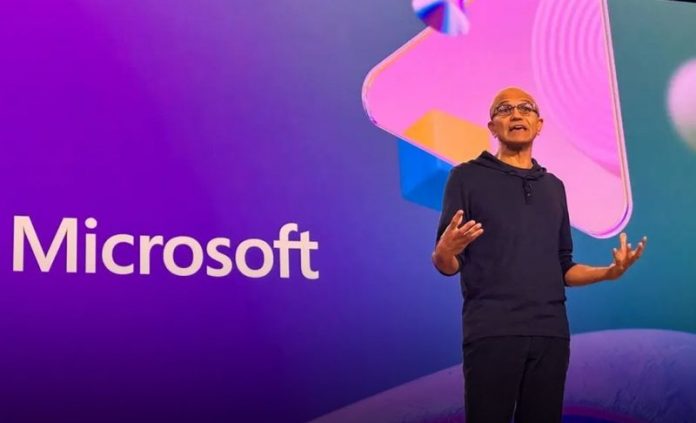
Microsoft is intensifying its search for artificial-intelligence startups as the technology giant moves to reduce its dependence on longtime partner OpenAI and position itself to compete more directly at the frontier of advanced AI model development, Reuters reports, citing people familiar with the matter.

The acquisition discussions reveal a major shift inside Microsoft, which for years relied heavily on OpenAI’s technology to power its AI ambitions across products, including Azure, Office, and GitHub Copilot.

Now, after investing more than $13 billion into OpenAI and helping transform the startup into one of the most valuable companies in the world, Microsoft is increasingly preparing for a future in which it may need to stand on its own in the race to build cutting-edge artificial intelligence systems.

According to people familiar with the matter, Microsoft is exploring deals that could help it secure elite AI talent, gain access to new model architectures, and accelerate efforts to develop a world-class proprietary foundation model by next year.

The company’s interest comes as competition for AI startups and researchers reaches unprecedented levels across Silicon Valley, with major technology firms spending billions of dollars to secure scarce expertise and computing advantages.

Among the companies Microsoft considered acquiring this year was Cursor, the rapidly growing code-generation startup whose AI-assisted programming tools have become popular among software developers. People familiar with the discussions said Microsoft ultimately backed away from pursuing a deal because of internal concerns that regulators would likely scrutinize the acquisition heavily, given Microsoft’s ownership of GitHub and its AI coding platform GitHub Copilot.

Regulators in the United States and Europe have intensified scrutiny of large technology companies seeking to consolidate power in artificial intelligence, particularly in areas involving developer tools, cloud infrastructure, and foundation models.

Microsoft’s dominance in enterprise software and cloud computing already places the company under close regulatory watch, making major AI acquisitions more politically sensitive.

Still, Microsoft continues to pursue other opportunities. The company is currently in discussions with Inception, a small AI startup founded by researchers from Stanford University that is developing an alternative approach to large language models, according to people familiar with the talks.

Microsoft’s venture arm, M12, previously participated in Inception’s $50 million seed funding round in late 2025. The discussions remain ongoing and may not result in a transaction. Inception has drawn interest because of its work on diffusion-based language models, an emerging AI architecture that differs significantly from the autoregressive systems used by most leading AI developers today.

Traditional large language models generate text sequentially, producing one token at a time. Diffusion models instead generate and refine multiple tokens simultaneously, a technique more commonly associated with AI image and video generation.

Researchers believe the approach could dramatically improve inference speed and computational efficiency, two of the biggest constraints facing the AI industry as models become larger and more expensive to operate.

However, the technology remains experimental.

AI researchers caution that diffusion-based language systems can behave unpredictably, and it remains unclear whether they can scale effectively to frontier-level models containing trillions of parameters.

Microsoft’s Post-OpenAI Strategy Emerges

For years, the company’s partnership with OpenAI defined its position in the generative AI race. Microsoft first invested $1 billion into OpenAI in 2019 when the research lab remained relatively obscure. That partnership later became one of the most consequential alliances in modern technology after OpenAI launched ChatGPT in late 2022, triggering the global AI boom.

The relationship gave Microsoft privileged access to OpenAI’s models while helping drive enormous growth for its Azure cloud business. According to a securities filing released in April, Microsoft has already provided $11.8 billion of its promised $13 billion investment into OpenAI.

The company’s broader AI spending has become even larger.

Michael Wetter, who oversees Microsoft’s corporate development operations, testified in court Wednesday that Microsoft has spent more than $100 billion on OpenAI investments as well as the infrastructure and hosting systems required to support AI development. Those expenditures underscore the staggering financial scale of the AI arms race now unfolding across the technology sector.

Yet the Microsoft-OpenAI relationship has also become increasingly complicated. The original partnership granted Microsoft exclusive access to OpenAI technology while giving OpenAI guaranteed access to enormous computing resources for research and model training.

Over time, however, tensions reportedly emerged as OpenAI’s ambitions expanded. OpenAI executives concluded that their infrastructure needs were growing faster than Microsoft could supply, according to people familiar with the relationship. At the same time, Microsoft faced contractual restrictions that limited its ability to build foundation models competing directly with OpenAI’s offerings.

The companies have repeatedly renegotiated their agreements over the years as the balance of power shifted. One major change came in late 2025 when the partnership was amended to allow Microsoft to pursue development of artificial general intelligence, or AGI, a still-theoretical form of AI capable of outperforming humans across a broad range of complex cognitive tasks.

Another revision arrived in late April, when Microsoft and OpenAI reached an agreement allowing OpenAI greater flexibility to build products with rival cloud providers, including Amazon.

Those changes signaled a gradual loosening of what had once been one of Silicon Valley’s most tightly integrated AI partnerships.

The New AI Talent War

Microsoft’s acquisition search also underpins the escalating battle for elite AI talent. Compensation packages for top researchers now routinely reach tens of millions of dollars, while startup valuations are soaring as investors rush to secure exposure to promising AI technologies.

The market has become so competitive that even Microsoft is facing mounting pressure from rivals.

People familiar with the matter said Elon Musk’s SpaceX has emerged as one of Microsoft’s biggest competitors for AI startup deals following SpaceX’s acquisition of Musk’s AI company xAI earlier this year.

Shortly after Microsoft abandoned talks involving Cursor, SpaceX announced a partnership with the startup. SpaceX also reportedly courted Inception, according to people.

One source said Inception recently hired an investment bank to assist with negotiations and is seeking a valuation exceeding $1 billion.

The bidding competition shows that technology companies are no longer merely buying products or intellectual property. Increasingly, they are attempting to secure scarce clusters of researchers capable of designing next-generation AI architectures before competitors do.

Building an Independent AI Stack

Microsoft’s acquisition push is also believed to be an indication of a growing realization across the industry that long-term AI leadership may require tighter vertical integration. Companies increasingly want control over models, infrastructure, cloud services, and developer ecosystems simultaneously.

That helps explain why Microsoft is investing so aggressively in internal AI development alongside its OpenAI partnership.

Part of that effort is being led by teams under Mustafa Suleyman, the co-founder of DeepMind, who joined Microsoft last year to strengthen its consumer AI operations and long-term research capabilities.

The company’s broader strategy appears aimed at reducing reliance on any single external AI provider while preserving flexibility in an industry evolving at extraordinary speed. That transition is becoming increasingly important as frontier AI systems grow more expensive and strategically important.

Some leading AI laboratories are now building models containing roughly 10 trillion parameters, according to researchers, up from about 1 trillion parameters only three years ago. Those enormous systems require unprecedented levels of computing infrastructure, engineering talent, and capital investment.

For Microsoft, the stakes extend beyond competition with OpenAI. Artificial intelligence is rapidly becoming central to cloud computing, enterprise software, search, cybersecurity, and productivity applications, all areas critical to Microsoft’s long-term growth.

The company, therefore, appears determined to ensure it remains one of the industry’s dominant AI platforms even if its relationship with OpenAI eventually becomes less central to that ambition.