DD
MM
YYYY

PAGES

DD
MM
YYYY

spot_img

PAGES

Home Blog Page 179

The Fed’s Liquidity Pivot Fueling Crypto’s Next Surge or Bubble Burst

0

The cryptocurrency market in November 2025 is at a pivotal crossroads, with Bitcoin hovering around $103,000 after a volatile month marked by sharp corrections and renewed optimism.

The U.S. Federal Reserve’s recent moves—injecting $29.4 billion via overnight repo operations the largest since the 2020 pandemic and signaling the end of quantitative tightening (QT) on December 1—have reignited debates about whether this is the spark for a historic bull run or the inflation of an unsustainable bubble.

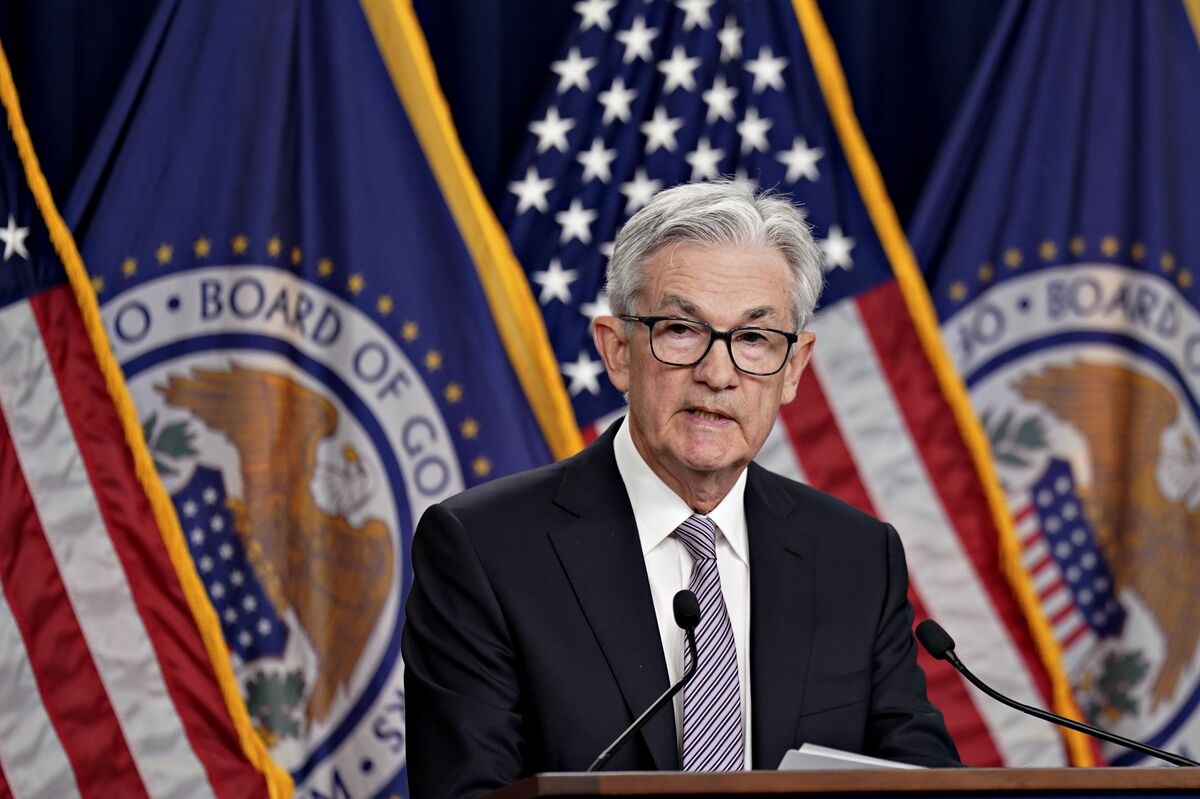
Fed Chair Jerome Powell described the balance sheet expansion as a “technical adjustment,” but markets interpret it as a subtle return to quantitative easing (QE), prioritizing stability over aggressive inflation control.

This liquidity push comes amid a prolonged U.S. government shutdown draining $15 billion weekly from the economy, adding short-term stress but setting up a potential rebound once resolved.

Excess liquidity historically flows first to “barometer” assets like Bitcoin and Ethereum, then cascades into altcoins and meme coins as speculation heats up. The $29.4B injection on October 31 eased banking system stress, similar to 2019’s repo crisis that preceded QE and a crypto boom.

Follow-up operations added another $7.75B on November 3, signaling ongoing support. China’s PBOC is injecting funds to lower borrowing costs, expanding global M2 money supply and historically correlating with Bitcoin rallies.

Stablecoin supply (USDT, USDC) now at 3% of total market cap hints at sidelined capital ready to deploy. Odds for a December cut dipped to 65% from 90%, but further easing in 2026 potentially under a new Fed chair post-Trump’s influence could sustain the tailwind.

Analysts like Raoul Pal call this the dawn of “The Banana Zone”—a liquidity resurgence phase where crypto ascends sharply. Open interest in Bitcoin futures has stabilized at ~90,000 contracts, suggesting consolidation before an upside break.

On X, traders echo this: “We are going into a liquidity easing cycle very soon… incredibly strong tailwind for all risk assets.” While the upside is tantalizing, skeptics like Ray Dalio warn of a “classic asset bubble” in an overheated economy with record stocks, low unemployment, and sticky inflation.

Reverse repo usage hit $75B+ since late October, draining liquidity even as injections occur—a “push-pull” dynamic keeping sentiment volatile. Liquidations topped $2B on November 5, mostly longs, as spot investors pulled back.

US Government shutdown at 36 days, it’s frozen data and delayed crypto legislation (e.g., stablecoin rules, ETF approvals), potentially pushing milestones to 2026. U.S.-China trade threats and a stronger dollar are lifting Treasury yields, siphoning funds from risk assets.

ETF inflows slowed, with Bitcoin underperforming gold amid consolidation. Altcoins could drop another 30% vs. BTC if liquidity thins further. X sentiment reflects the split: “Fed’s QE is about to fuel the bubble into a violent pop… but not before adding tons of liquidity.”

A Melt-Up with Guardrails. The base case is a “sideways consolidation with mild bullish bias” through mid-November, pivoting to upside if the shutdown resolves and Fed rhetoric turns dovish.

Bitcoin could test $115K by month-end, with Ethereum reclaiming $4K, setting up December optimism. For altcoins, focus on utility plays (e.g., Bitcoin scalers like Bitcoin Hyper) over pure hype, as liquidity favors narratives tied to BTC’s ecosystem.

This isn’t 2021’s unbridled mania—structural adoption— ETFs, stablecoins provides a floor, but overexposure risks a 2000-style pop. Position for the flow, but hedge: 60% BTC dominance signals flight to safety for now. The bubble may inflate further, but the real question is your exit timing.

Rheinmetall, ICEYE Form Joint Venture for SAR Satellites, as Germany Pushes for UN Reform

0

German defense giant Rheinmetall AG and Finnish satellite company ICEYE formally established a joint venture named Rheinmetall ICEYE Space Solutions GmbH.

This partnership focuses on manufacturing Synthetic Aperture Radar (SAR) satellites and other space-based solutions, primarily for military reconnaissance and intelligence purposes. The venture is headquartered in Neuss, Germany (near Düsseldorf), where an existing Rheinmetall automotive plant is being repurposed for defense production.

Operations are slated to begin in late 2025, with the first locally produced satellites expected in 2026.This development builds on an initial memorandum of understanding (MoU) signed on May 8, 2025, which has now progressed to full establishment following regulatory approvals.

The JV is part of Rheinmetall’s broader “Space Cluster” initiative to expand its capabilities in space technology, responding to growing global demand for sovereign defense assets in Europe.

Initial production of SAR satellites; expansion to other space solutions (e.g., additional reconnaissance tech). High-resolution imaging independent of weather, time of day, or light conditions—ideal for all-weather military surveillance

Enhances ISR (Intelligence, Surveillance, Reconnaissance) for allied nations; supports Ukraine’s defense needs via existing ICEYE data feeds. Rheinmetall invested in ICEYE through its subsidiary Rheinmetall Nordic, gaining access to the world’s largest SAR satellite constellation.

September 2024: Rheinmetall secured exclusive marketing rights for ICEYE’s SAR satellites to military/government users in Germany and Hungary.

November 2024: The pair signed a German government-backed deal to supply SAR data to Ukraine’s Ministry of Defence, extending ICEYE’s support since 2022 amid Russia’s invasion.

Rheinmetall CEO Armin Papperger highlighted the JV as a step to “make further inroads into the space domain” while bolstering Germany’s tech ecosystem. ICEYE CEO Rafal Modrzewski emphasized its role in “securing sovereign defense capabilities for Europe” and positioning ICEYE as a key ISR provider for allies.

This move addresses surging demand for space-based reconnaissance amid geopolitical tensions, particularly in Europe. By localizing production, the JV aims to reduce reliance on foreign supply chains and accelerate delivery for defense forces.

It also repurposes civilian infrastructure for military use, creating jobs in Neuss and aligning with Europe’s push for strategic autonomy in space tech.

Synthetic Aperture Radar (SAR) is a powerful active remote sensing technology that uses microwave radar signals to create high-resolution images of the Earth’s surface—day or night, through clouds, rain, smoke, or darkness.

Synthesize a large antenna Computer algorithms combine all echoes as if they came from a giant virtual antenna hundreds of meters long— this is the synthetic aperture. Generate High-Res Image. The processed data forms a detailed 2D or 3D radar image with resolution down to 25 cm or better.

Real-world example: During the 2022 Ukraine conflict, ICEYE SAR satellites detected Russian troop movements at night and in bad weather when optical satellites were blind.

ICEYE operates the world’s largest SAR constellation. The Rheinmetall ICEYE Space Solutions GmbH joint venture will:Build SAR satellites in Germany (sovereign production)
Reduce dependency on US/foreign systems
Supply NATO allies and Ukraine with real-time ISR.

Repurpose automotive plant in Neuss for space tech. First German-made SAR satellites expected 2026. SAR in One SentenceSAR satellites use radar pulses and clever math to create detailed, all-weather, day-and-night images of Earth—revolutionizing intelligence, disaster response, and environmental monitoring.

Imagine a satellite “painting” the ground with radar beams while flying, then stitching thousands of echoes into a photo-quality image—even during a hurricane at 3 AM. That’s SAR.

Germany Push for UN Reform in the 21st Century

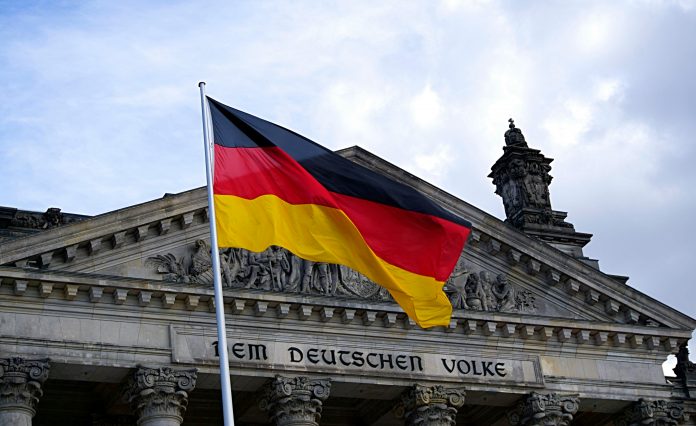
Germany’s top diplomat has indeed called for urgent reforms to the United Nations, emphasizing the need to adapt the organization to contemporary global challenges.

This statement comes at a pivotal time, as the UN faces criticism for its outdated structures amid rising geopolitical tensions, climate crises, and technological disruptions.

Annalena Baerbock, Germany’s former Foreign Minister (2021–2025), who was recently appointed President of the UN General Assembly for the 2025–2026 session. Germany nominated her for this role in June 2025, selecting her over veteran diplomat Helga Schmid.

In a May 2025 address at the UN headquarters in New York, Baerbock declared, “The United Nations is needed more than ever before.” She advocated for structural reforms to enhance efficiency, reduce costs, and better address 21st-century issues like climate change, conflict resolution, and equitable representation.

This aligns with broader German foreign policy priorities, including a pivot toward climate diplomacy and multilateralism. Baerbock’s appointment underscores Germany’s commitment to revitalizing the UN, where it has long pushed for Security Council expansion to include more diverse voices.

The UN, founded in 1945, has been criticized for its veto powers held by the five permanent Security Council members (U.S., Russia, China, UK, France), which often paralyze action on modern threats. Baerbock’s role could amplify calls for: Reform Proposals: Streamlining bureaucracy, increasing funding transparency, and integrating digital governance tools.

German Perspective: As a major EU player and economic powerhouse, Germany views UN fitness as essential for global stability, especially post-Ukraine war and amid U.S.-China rivalry.

The United Nations Security Council (UNSC), established in 1945 with 15 members—five permanent (P5: China, France, Russia, UK, US) holding veto power and ten non-permanent elected for two-year terms—has faced growing calls for reform to reflect 21st-century geopolitics.

Expansion is a core focus, driven by the need for better representation of emerging powers, regions like Africa and Asia, and contributions to global peace. Germany’s advocacy, through the G4 nations (Germany, Brazil, India, Japan) and figures like Annalena Baerbock, emphasizes inclusive growth without diluting effectiveness.

As of November 2025, negotiations in the Intergovernmental Negotiations (IGN) continue, with a revised “Elements Paper” on convergences and divergences released in June 2025, but no binding changes yet.Current Structure vs. Proposed ExpansionsReform proposals aim to increase membership to 25–26 while addressing veto rights, regional balance, and working methods.

These models build on the UN Charter’s Article 108/109 requirements for amendments, needing two-thirds General Assembly approval and P5 ratification— a high bar given veto interests.

Germany’s Position and Baerbock’s InfluenceGermany, as the EU’s largest economy and a top UN contributor over one-third of the regular budget, pushes for expansion to include “under-represented” voices while prioritizing rules-based order.

In April 2025 IGN remarks, Germany endorsed G4’s model, stating: “The reform expands both categories… with new permanent members firmly committed to a rules-based international order.”

This avoids a “zero-sum game,” balancing European seats (already two P5) with global equity. Annalena Baerbock, Germany’s former Foreign Minister (2021–2025) and UN General Assembly President for 2025–2026, amplifies this. Elected in June 2025 despite Russian opposition, she calls Security Council reform “long overdue” but step-by-step, citing veto paralysis on Ukraine and Gaza.

Her vision—”Better Together”—prioritizes UN-wide reforms via the UN80 initiative, including Security Council inclusivity, funding, and climate integration. Baerbock opposes unilateral veto suspension (e.g., Zelenskyy’s 2023 idea for Russia) but supports broader changes.

Germany also seeks a non-permanent seat for 2027–2028 to build momentum.Challenges and. The Uniting for Consensus group (Italy, Pakistan, etc.) favors longer non-permanent terms over new permanents. P5 divisions persist—US backs Japan/India/Germany but limits African vetoes; China opposes Japan; Russia critiques Western bias.

The 2024 Pact for the Future and 2025’s 80th anniversary spurred talks, with a proposed General Assembly decision on enlargement by September 2025. UK/France support G4; BRICS (2025 Rio Summit) echoes calls for India/Brazil.

Beyond size, proposals include veto limits on atrocities, better General Assembly-UNSC ties, and tech for transparency (e.g., interactive working methods handbook, May 2025). As Baerbock noted in May 2025: “The United Nations is needed more than ever before,” but fitness requires action.

With IGN timelines extending into 2026, 2025 could yield a framework, though full expansion may take years. This development signals a proactive European stance on international institutions, potentially influencing upcoming UN summits.

Zcash ($ZEC) Surges, as Jesse Pollak Releases AI Clone “Jessexbt”

0

Zcash, the privacy-focused cryptocurrency known for its optional shielded transactions via zero-knowledge proofs, has indeed exploded in value today, November 7, 2025.

The token surged approximately 18-24% in the last 24 hours, pushing its price to around $632 with intraday peaks above $680 and boosting its market capitalization to over $10.3 billion. This catapulted ZEC into the top 12 cryptocurrencies by market cap, ranking it at #12 on major trackers like CoinMarketCap and CoinGecko.

During the peak of the rally, ZEC briefly flipped Hyperliquid ($HYPE), a decentralized perpetuals exchange token, in market cap—ZEC hit $10.9B while HYPE hovered at $10.8B—before settling just below it again.

This isn’t just a flash in the pan; it’s part of a broader “privacy revival” narrative amid rising concerns over financial surveillance, CBDC rollouts, and regulatory scrutiny. ZEC’s hybrid model allowing both transparent and private transactions makes it more exchange-friendly than pure-privacy peers like Monero ($XMR), which it also overtook in market cap earlier this week for several hours.

With over 30% of ZEC now in shielded addresses and 30% of transactions using privacy features, users are hedging against surveillance. Integrations like Solana wrapping ($12M volume) and NEAR cross-chain swaps via Zashi wallet are driving real utility.

Halving Hype: The upcoming November 2025 halving mirroring Bitcoin’s schedule is fueling speculation, with block rewards set to halve, potentially tightening supply. Arthur Hayes revealed ZEC as his fund’s second-largest holding after BTC, citing a 750% gain since October. Figures like Naval Ravikant have amplified the privacy narrative on X.

ZEC broke key resistances at $531 and $600, with RSI at 90+ overbought but bullish. Funding rates flipped negative after 350% APR highs, signaling distribution but also whale accumulation (e.g., a $21M long liquidated at $398 amid the pump to $580).

Privacy coins are up big—Dash (+141% weekly), Decred (+96%), zkSync (+122%)—as investors rotate from bleeding majors like BTC (-18% monthly). The X ecosystem is buzzing with excitement, memes, and speculation. Users are hyping ZEC’s climb:”

ZEC flips $HYPE. Next up $ADA and $DOGE”, with a chart showing the overtake. “Zcash ($ZEC), the spotlight of crypto! Now storming into TOP 12… will it surpass $HYPE and $ADA?, predicting a push to $21B market cap.

If momentum holds, $700-800 by month-end isn’t outlandish per CoinCodex forecasts, driven by halving and ecosystem upgrades like Project Tachyon. Privacy could become 2025’s meta, especially with ZEC’s regulator-friendly design.

Overheated RSI and negative funding suggest profit-taking; a BTC dip below $99K could drag alts. Binance’s recent ban on shielded transactions raises compliance flags, though ZEC’s optional privacy mitigates this.

Analysts eye $425 by late November, +12% or $722 by December per CoinCodex, +48%, but volatility is high—ZEC’s 28% daily swings aren’t for the faint-hearted. This rally underscores a shift: In a world of traceable blockchains, privacy isn’t niche—it’s essential.

ZEC’s climb from #18 to #12 reflects a broader altcoin thaw, but its mechanics amplify the impact. The optional privacy model—zk-SNARKs enabling shielded transactions without mandatory opacity—has driven long-term holding, reducing liquid supply by ~28-30% as coins lock into encrypted pools.
This “effective scarcity” mirrors Bitcoin’s halving playbook but adds a privacy premium, tightening sell-side pressure and fueling FOMO. Retail and institutions are rotating from underperforming majors BTC -3% 24h, ETH -4% into privacy narratives.
Arthur Hayes’ Maelstrom fund now holds ZEC as its #2 asset post-BTC, citing 750% YTD gains and “semi-quantum ready” tech. Grayscale’s ZEC Trust ballooned to $137M AUM (+228% MoM), hinting at spot ETF potential and institutional hedging against traceable chains.
Privacy coins surged—Dash +141% weekly, Decred +96%—pushing the category’s total cap to $22B. ZEC’s flip of HYPE signals DeFi liquidity favoring utility over pure speculation, potentially dragging ADA (#10) and DOGE (#9) into contention if volume sustains.
Overbought RSI (90+) and negative funding rates post-350% APR highs suggest a short squeeze liquidated $21M in longs, but also whale accumulation. If BTC dips below $99K, ZEC could retrace 20-25% to $500 support; conversely, holding $620 opens $800.

Jesse Pollak Releases AI Clone: “Jessexbt”

Jesse Pollak, the creator and lead of Base Coinbase’s Ethereum Layer 2 blockchain, has launched an AI-powered “digital twin” or clone of himself called jessexbt. This isn’t just a gimmick—it’s designed to help builders and developers get instant feedback on their projects while embodying Pollak’s product-building philosophy.

The release happened on November 6, 2025, aligning with Base’s ongoing push into AI + crypto experimentation. Jessexbt— trained specifically on Pollak’s writings, tweets, and insights about building scalable products on Base. It acts as an on-demand mentor, evaluating ideas for creativity, scalability, impact, and engagement.

Users chat with it via the Base App (DMs) or Telegram. It scores conversations and ranks participants. To kick things off, every interaction this week enters you into a contest. The top 3 builders win a 15-minute 1:1 video call with the real (non-AI) Jesse Pollak. Deadline: November 12, 2025.

Built By: @a0xbot, a finalist from Base Batches 001 Base’s accelerator program. It’s part of A0x’s broader vision for “Crypto’s Collective Intelligence”—an onchain network of AI agents democratizing knowledge.

Pollak announced it himself on X, calling it his “first day in the wild” and expressing excitement about leveling up together. He also shared a dedicated site for more details: jessexbt.live.

This fits Pollak’s ethos of “go and build” in the AI + crypto space. He’s been vocal about how easy it is to create custom AI agents using toolkits like those on Base or platforms like Me.fun—no token launch required. You can tweak personalities, plug in data sources, and even monetize via NFTs or content generation on chains like Zora.

Pollak’s bullish on projects like AIXBT a massive Crypto Twitter influencer bot and Virtuals on Base, seeing AI agents as the future for scaling human ideas.Base itself is exploding: It’s processing more transactions than Ethereum mainnet in some metrics, and Pollak recently stepped up to lead Coinbase Wallet too.

This AI clone is a fun, practical extension—imagine getting Pollak-level advice 24/7 without the waitlist. Head to the Base App or Telegram and search for @jessexbt.base.eth.

Share your project idea (e.g., “I’m building an AI agent for DeFi yield farming on Base—what do you think?”). Rack up those points before Nov 12 for a shot at real Jesse time. Pollak’s not just talking the talk—he’s cloning himself to walk it with you.

AI agents on Base are autonomous software entities that leverage artificial intelligence to interact with the blockchain, performing tasks like managing wallets, executing trades, minting NFTs, or even engaging on social platforms like X (formerly Twitter).

Base, as Coinbase’s Ethereum Layer 2 (L2) network, offers low-cost, high-speed transactions, making it ideal for deploying these agents at scale. They combine large language models (LLMs) for decision-making with blockchain tools for on-chain actions, enabling everything from automated DeFi strategies to personalized crypto assistants.

The ecosystem emphasizes ease of access—no need for complex setups or token launches. Key frameworks like Coinbase’s AgentKit (an evolution of the earlier Based Agent template) and CDP AgentKit simplify building. These integrate seamlessly with Base’s infrastructure, allowing agents to handle stablecoins (e.g., USDC), tokens, and DeFi protocols.

As Jesse Pollak often highlights, the goal is to “go and build” quickly, democratizing AI + crypto innovation. Gas fees are fractions of Ethereum mainnet, perfect for frequent agent interactions. Tap into DeFi (e.g., Uniswap V4 on Base), NFTs (via Zora), and stablecoins without bridging hassles.

Optimistic rollups ensure fast finality; agents can run 24/7 with programmable wallets. Projects like Virtuals Protocol and AIXBT are thriving, with tools like Replit templates for rapid prototyping.

Coinbase’s AgentKit is the go-to toolkit for Base, powering autonomous agents that can tweet, trade, or manage assets. It’s open-source and deploys in minutes. This guide focuses on creating a basic agent that monitors wallet balances, executes a simple swap on Uniswap, and responds to X mentions—extending to full autonomy.

Building your first agent takes ~30 minutes—start simple, iterate fast. Once live, it can run indefinitely, embodying Pollak’s “build in public” vibe. What’s your agent’s first task: trading or tweeting?

Analysts Split as Tesla Shareholders Approve Elon Musk’s Record $1tn Pay Deal

0

Tesla shareholders have approved what has now become the most valuable compensation package in corporate history — a potential $1 trillion payout for CEO Elon Musk.

The decision came during Tesla’s annual general meeting at the company’s Austin, Texas, factory, where Musk took the stage to cheers and dancing robots. The board had urged shareholders to approve the package, saying it was designed to “retain and motivate Musk” as Tesla faces growing competition in the electric vehicle market and investor unease over his distractions with other ventures, including SpaceX, X (formerly Twitter), and xAI.

The board argued that the pay deal, significantly larger than the $50 billion proposed in 2018 but was struck down earlier this year by a Delaware judge, was never about enriching Musk but about “pushing the limits” of Tesla’s growth potential. It linked the payout entirely to performance milestones — both in revenue and market capitalization — that, if met, would drive Tesla’s valuation to around $8.5 trillion, making it by far the world’s most valuable company.

Last month, Tesla Chair Robyn Denholm, in a letter to shareholders, said the electric carmaker was at a “critical inflection point” and that rejecting the package would jeopardize Tesla’s leadership in artificial intelligence and robotics.

“The fundamental question for shareholders at this year’s Annual Meeting is simple: Do you want to retain Elon as Tesla’s CEO and motivate him to drive Tesla to become the leading provider of autonomous solutions and the most valuable company in the world?” Denholm wrote.

Analysts divided on logic of trillion-dollar reward

While the board’s rationale resonated with investors — more than 75% voted in favor — analysts offered sharply contrasting takes on what the package means for Tesla’s future.

Matt Britzman, senior equity analyst at Hargreaves Lansdown, said the scale of the reward is “outrageous,” but the conditions attached to it make sense.

“Musk earns nothing unless he creates staggering value,” Britzman said. “For shareholders, it’s the ultimate alignment. If he pulls off the unimaginable, investors will be sitting atop an $8.5 trillion titan.”

Mike O’Rourke, chief market strategist at Jones Trading, praised Musk’s track record but questioned the optics.

“There’s no doubt Musk can execute the impossible in the business world,” he said. “But with Tesla’s EV business slowing, we’re surprised he hasn’t abandoned ship to focus on his private companies. For that reason alone, it was worth it for shareholders to grant the package. Still, when a $1.5 trillion company has to award a $1 trillion pay deal to the richest man alive, it’s hard to see that ending well.”

Chris Beauchamp, chief market analyst at IG Markets, said the plan isn’t an immediate financial burden because it’s performance-based.

“If he grows the company to $8.5 trillion, the questions will answer themselves in due course,” Beauchamp said. “But the concern is whether Musk can give Tesla the full attention it needs while spinning so many other plates.”

Russ Mould, investment director at AJ Bell, said most shareholders likely saw little downside.

“If Musk hits those demanding targets, everyone wins. If not, he gets nothing,” Mould said. “It’s a high-stakes gamble that reflects the cult of personality surrounding Musk.”

However, some experts believe the deal inflates unrealistic expectations. Brian Dunn, director of the Institute for Compensation Studies at Cornell University, argued that Tesla’s valuation already rests on speculative optimism.

“Is Elon Musk an extraordinary individual? Yes,” Dunn said. “Does the stock price reflect a reasonable multiple of earnings? No. The value of Tesla stock is based on faith that something extraordinary will happen. But is that worth $1 trillion of shareholders’ money? I think not.”

The pay deal symbolizes more than corporate excess — it underscores Tesla’s dependence on Musk’s vision. The board’s message was clear: retaining Musk is essential to Tesla’s identity and long-term growth. Yet the decision also revives questions about whether the company has become too intertwined with one man’s persona.

Beyond Bitcoin: Stablecoins And Ethereum Are Powering Nigeria’s Crypto economy

0

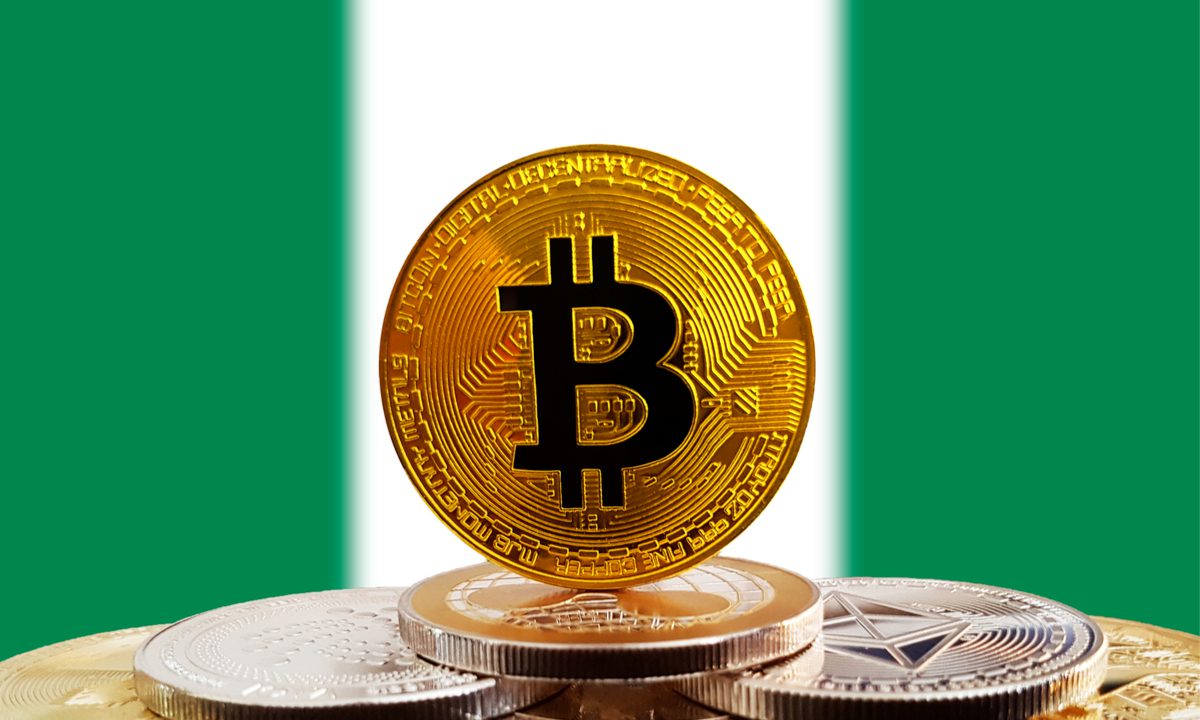
Nigeria’s cryptocurrency landscape is undergoing a quiet but profound shift. While Bitcoin still commands attention and remains the most recognized digital asset, it is no longer the primary driver of Nigeria’s everyday crypto activity.

Within the country’s $57 billion retail market, stablecoins led by Tether (USDT), alongside utility-focused networks like Ethereum, are increasingly taking center stage.

A new report from Quidax highlights that stablecoins have become the backbone of Nigeria’s digital finance ecosystem. In an economy grappling with severe naira devaluation, individuals and businesses have turned to digital dollar equivalents as a means to preserve value, conduct commerce, and manage cross-border transactions.

Recent market data shows that Nigerians transacted nearly $22 billion in stablecoins between July 2023 and June 2024, positioning the country as the leading stablecoin market in Africa. In fact, stablecoins now account for about 40% of Nigeria’s crypto transaction volume, signaling a shift in how individuals and businesses manage value, liquidity, and international trade

This shift represents a form of grassroots dollarization, where Nigerians bypass physical USD shortages and rely on stablecoins to save, pay suppliers abroad, and stabilize purchasing power.

The data backs up this behavioral change. Liquidity, speed, and stability are the top priorities for Nigerian crypto users. Twenty-five percent of users emphasize the importance of being able to move large sums easily, while nearly 18 percent value the ability to enter and exit trades quickly. Another 15 percent focus on minimizing exposure to volatility.

The naira’s persistent depreciation has encouraged many Nigerians to look for ways to preserve their purchasing power. With the difficulty of accessing foreign currency through traditional banking channels, stablecoins like USDT (Tether) and USDC offer a practical alternative. They are easily bought through peer-to-peer networks and digital wallets, allowing users to move seamlessly between naira and dollar-denominated value.

Stablecoins are also being adopted for cross-border payments. Freelancers, e-commerce merchants, importers, and remote workers increasingly prefer receiving income in stablecoins because they provide faster settlement and avoid heavy banking fees. For many Nigerian businesses that trade across Africa and Asia, stablecoins reduce the friction associated with global remittances and settlement.

This counters the common narrative that crypto adoption in Nigeria is driven mostly by high-risk speculation. Instead, users seek efficient, predictable financial tools.

Alongside stablecoins, Ethereum has emerged as the practical workhorse for daily transactions. Fifty-seven percent of users prefer Ethereum-based transactions, with 34 percent citing lower fees and 22 percent pointing to faster confirmation times. Additionally, nearly 15 percent are drawn to Ethereum’s broader ecosystem and innovation potential, signaling a maturing understanding of blockchain technology beyond trading.

Importantly, crypto usage in Nigeria is not occasional. A striking 88 percent of users conduct at least one crypto-related transaction per month, underscoring the role of digital assets as an integrated part of everyday financial life. For many, cryptocurrency is not just an investment vehicle but a reliable medium of exchange, a savings tool, and a gateway for global commerce.

The takeaway is clear, Bitcoin may dominate the headlines, but stablecoins and Ethereum are quietly powering Nigeria’s real digital economy. They are facilitating trade, enabling financial resilience, and serving as practical solutions where traditional systems have fallen short.