DD
MM
YYYY

PAGES

DD
MM
YYYY

spot_img

PAGES

Home Blog Page 204

Africa Startups Raised $442 Million in October as Funding Confidence Returns

2

October proved to be a remarkable month for Africa’s startup ecosystem, as ventures across the continent collectively raised over $442 million in funding, excluding exits.

This performance is reported to be the second-best month of 2025, trailing only behind July. According to a report by Africa: The Big Deal, 76% of the total ($334 million) came in the form of equity financing, making October the strongest month for equity funding so far in 2025.

Leading the charge were two mega-deals: First is Spiro, a leading African electric two-wheel mobility company, which secured $100 million, the largest-ever investment in an e-mobility startup on the continent.

The funding will be used to grow its electric motorcycle assembly and its battery-swapping network, with $75 million coming from the African Export-Import Bank (Afreximbank). The company aims to deploy over 100,000 electric vehicles by the end of 2025.

Also, Nigerian fintech company Moniepoint secured an additional $90 million in its Series C funding round, bringing the total to $200 million. The funding, led by investors like Visa and Development Partners International, will accelerate its expansion across Africa and into international markets, with a goal of supporting small businesses and entrepreneurs. Other significant rounds included Tagaddod, Ctrack, and Mawingu, each raising $20 million or more in equity.

The remaining funding was largely debt-based, continuing a trend seen throughout the year. Recall that in October, reports revealed that start-ups raised $935 million in debt, surpassing the totals for both 2022 and 2024, and putting the ecosystem on track to exceed the $1.1 billion record set in 2023. Last month, Debt was reported to represent 42% of all funding raised in 2025, the highest share since 2019.

Notably, two major bond issuances stood out this year: Egyptian fintech unicorn MNT-Halan, which raised EGP 3.4 billion ($71.4 million) through its seventh securitized bond issuance, extending its record as the country’s largest private non-bank issuer in the securitization market. Also, Egypt-based financial technology company valU with approximately $23 million.

In total, 53 ventures managed to raise at least $100,000 in October, a figure above the recent monthly average. Analysts note that this momentum signals a renewed sense of optimism across Africa’s startup ecosystem, with key growth indicators showing double-digit improvements in most metrics.

Cumulatively, startups on the continent have raised $2.65 billion so far in 2025, marking a 56% year-on-year growth compared to the same period in 2024. This figure also surpasses performance levels seen during the corresponding period in 2023.

Equity funding alone rose by 31% year-on-year, nearly matching total figures recorded between January and October 2023. Furthermore, 179 startups have raised at least $1 million since the beginning of the year — a 13% increase compared to 2024, and slightly higher than 2023’s figure of 178 ventures.

Over the past 12 months (Nov 2024–Oct 2025), African startups have collectively raised $3.2 billion, representing a 50% year-on-year increase. Of this, $1.9 billion came from equity funding — a 38% rise — while 207 ventures secured at least $1 million during the same period, up 8% year-on-year.

Looking ahead

Industry watchers are optimistic that the final two months of 2025 could mirror the strong finish of 2024, when startups attracted $540 million between November and December.

While the ultimate performance of 2025 will depend on activity in the coming months, the current trajectory paints a promising picture for Africa’s startup landscape, one defined by resilience, renewed investor confidence, and steady growth momentum.
Waymo Sets Sights on San Diego, Las Vegas, and Detroit as Its Next Robotaxi Markets

0

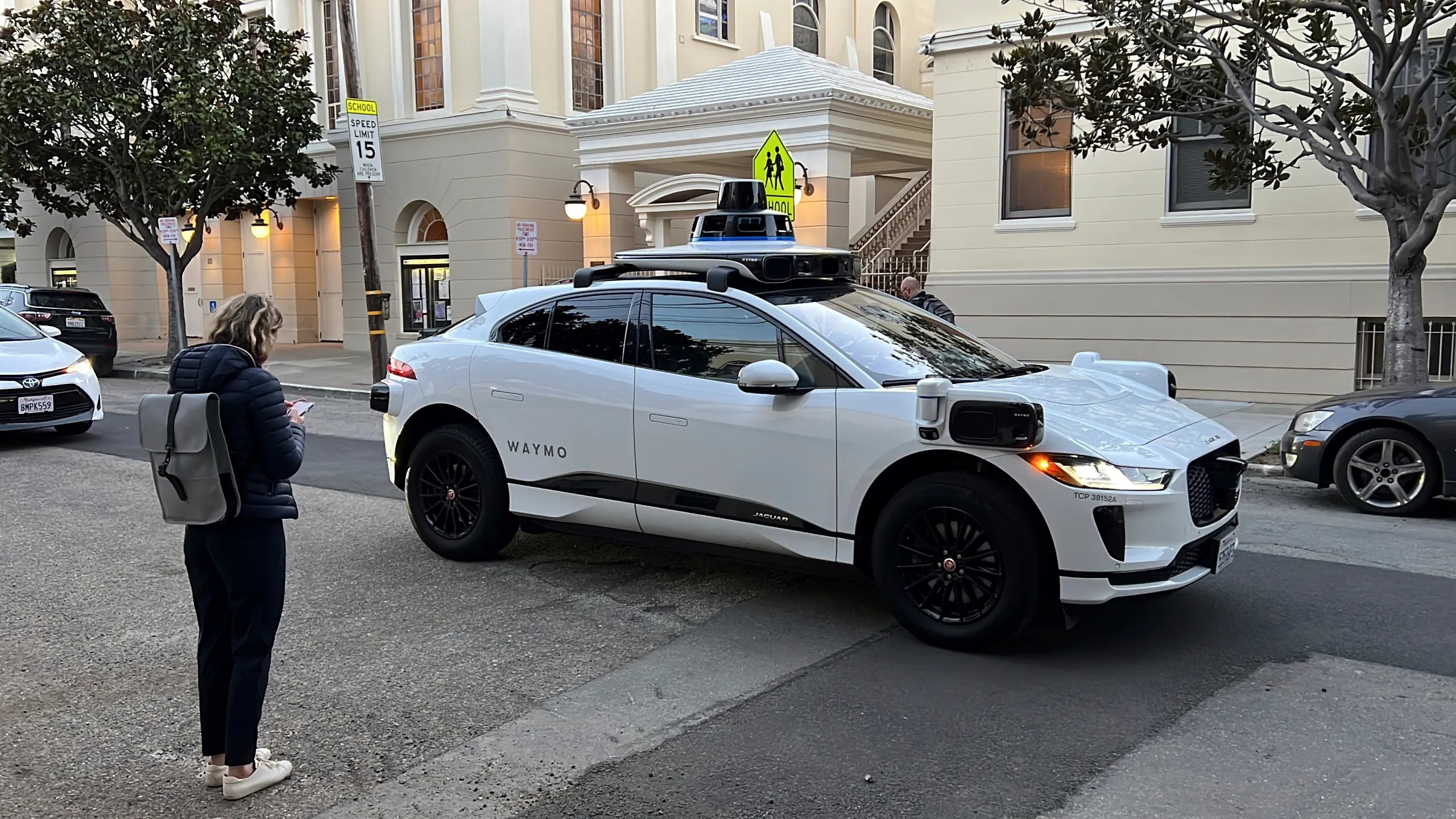
Waymo has announced plans to expand its commercial robotaxi service into three new cities — San Diego, Las Vegas, and Detroit — marking one of its most aggressive growth moves yet as the company ramps up its push to scale fully driverless transportation across the United States.

The Alphabet-owned autonomous vehicle company did not specify launch dates. Still, it indicated the services would likely go live sometime next year, once regulatory approvals are secured and the technology has been fully validated. The expansion aligns with Waymo’s broader strategy to accelerate deployment after years of testing and incremental rollout.

Today, Waymo operates robotaxi fleets in five U.S. metros: the San Francisco Bay Area, Los Angeles, Phoenix, Austin, and Atlanta. It has also signaled intentions to launch in Boston, Seattle, Denver, Miami, New York City, and Washington, D.C., although community resistance in Boston and Seattle has slowed progress.

The addition of San Diego, Las Vegas, and Detroit represents a significant geographical and regulatory leap.

Regulatory Path Still Ahead

While Waymo is licensed for autonomous ride-hailing in California, the company must still secure critical approvals in Nevada and Michigan before launching commercial, fully driverless operations:

In Nevada, Waymo needs testing authorization from the state’s DMV and commercial approval from the Nevada Transportation Authority.
In Michigan, it must obtain a Transportation Network Company permit — essentially the same license required for human-driven ride-hailing services.

“We’ll follow our safety framework and serve riders in these cities when we’ve properly validated our technology and obtained the necessary permissions, with the intentions to open our doors to riders next year,” spokesperson Sandy Karp said in an email.

A Major Fleet Upgrade Is Coming

Waymo also confirmed it will deploy its new Zeekr RT electric vehicles, built by China’s Geely, alongside its existing fleet of Jaguar I-Pace robotaxis once the three cities open for commercial service.

The new Zeekr RT model is designed specifically for autonomous ride-hailing and will be equipped with Waymo’s 6th-generation self-driving system, which the company describes as more cost-efficient and scalable than previous iterations. The design offers more interior space, a cabin optimized for shared rides, and integrated hardware tailored for high-utilization robotaxi operations.

The decision to add purpose-built robotaxis suggests Waymo is preparing for higher rider volume and more dense, predictable routing — a sign that the company sees sustainable commercial demand in these new markets.

Why These Cities Matter

Each of the three markets offers unique advantages for autonomous vehicle testing and deployment:

  • San Diego brings dense coastal neighborhoods, heavy tourism, and varied traffic conditions ideal for mixed-use robotaxi operations.
  • Las Vegas has long served as a proving ground for mobility technology, with its wide roads, grid layout, and high demand from tourists.
  • Detroit, the heart of America’s auto industry, carries symbolic weight. A commercial launch there would mark one of the first significant deployments of AV ride-hailing in a city built around traditional car manufacturing.

A Race Against Competitors — and Against Politics

Waymo’s expansion comes as competition intensifies in multiple cities. Its rival Cruise, operated by General Motors, is struggling to recover from last year’s regulatory suspension, while other players — including Tesla, Uber’s partnerships with Nuro and Lucid for future robotaxi fleets — continue to reshape the space.

Local political challenges also loom large. Waymo faces organized opposition in cities like San Francisco, where activist groups staged disruptions over safety and congestion concerns. Similar objections have already surfaced in Boston and Seattle.

Nevertheless, Waymo believes scaling rapidly is essential to maintain momentum and set a national standard for commercial autonomous mobility.

With San Diego, Las Vegas, and Detroit now in its pipeline, and seven more cities earmarked for future launches, the company is betting that public acceptance, regulatory green lights, and next-generation vehicle hardware will converge to push robotaxis closer to the mainstream.

ExxonMobil and QatarEnergy Warn of Pullout Over EU’s Sweeping Sustainability Law

0

Executives from ExxonMobil and QatarEnergy have warned they may halt or sharply reduce their business activities in Europe if the European Union presses ahead with a far-reaching sustainability law that would impose heavy obligations and steep fines on multinationals operating within its borders.

The warning, delivered at the ADIPEC energy conference in Abu Dhabi, underscores growing tension between Brussels and major global suppliers over the bloc’s expanding climate and corporate governance agenda — one that has already rattled U.S. tech giants and is now reverberating through the energy sector.

ExxonMobil’s Chief Executive Darren Woods told Reuters that the EU’s proposed Corporate Sustainability Due Diligence Directive (CSDDD) could have “disastrous consequences” if passed in its current form. The legislation requires companies doing business in the EU to identify and mitigate human rights and environmental risks across their global supply chains. It allows fines of up to 5% of global turnover for violations.

“If we can’t be a successful company in Europe, and more importantly, if they start to try to take their harmful legislation and enforce that all around the world where we do business, it becomes impossible to stay there,” Woods said.

He argued that the directive overreaches by demanding that companies like ExxonMobil not only ensure compliance for European operations but also extend the same standards globally — even in countries where EU law does not apply.

QatarEnergy’s CEO and Energy Minister Saad al-Kaabi delivered a similar warning, saying the company could reconsider gas shipments to Europe if the directive is not significantly softened.

“We can’t reach net zero, and that’s one of the requirements, among other hosts of things,” Kaabi said. “Europe needs to understand that they need gas from Qatar. They need gas from the U.S. They need the gas from many places around the world … it’s very important that they look at this very seriously.”

He said QatarEnergy already has contingency plans in place if it decides to suspend or scale down supplies.

Both executives spoke at a time when the EU’s green policies have come under scrutiny for their economic impact. The CSDDD, introduced as part of Europe’s broader push to achieve climate neutrality by 2050, aims to make companies legally responsible for human rights and environmental damage in their supply chains, even if such harms occur outside the continent.

It is part of a sweeping regulatory tightening by Brussels that has also targeted Silicon Valley firms through measures such as the Digital Markets Act (DMA) and the Digital Services Act (DSA). These laws have compelled U.S. tech giants — including Google, Apple, Meta, Amazon, and Microsoft — to make major operational changes, prompting accusations of regulatory overreach from Washington and industry leaders.

For energy companies like ExxonMobil and QatarEnergy, the implications are no less serious. The CSDDD would compel firms to publish detailed transition plans aligned with the Paris Agreement’s target of limiting global temperature rise to 1.5°C — something Woods described as “technically unfeasible.”

“What’s astounding to me is the overreach,” he said, stressing that the directive effectively forces the same environmental standards on all operations worldwide.

Both ExxonMobil and QatarEnergy are among Europe’s top suppliers of liquefied natural gas (LNG). Since Russia’s invasion of Ukraine in 2022, Europe has leaned heavily on American and Qatari gas to replace Russian pipeline flows, making any disruption or withdrawal a direct threat to the bloc’s energy security. The U.S. alone now accounts for roughly half of Europe’s LNG imports, while Qatar supplies between 12% and 14%.

The relationship is commercially deep. ExxonMobil said last year it had invested €20 billion ($23.3 billion) in Europe over the past decade, and QatarEnergy maintains long-term LNG supply contracts with Britain’s Shell, France’s TotalEnergies, and Italy’s ENI. Both firms dramatically increased shipments after Russia’s energy cutoff.

Governments in Qatar and the U.S. have since urged European leaders to reconsider the law, warning that strict enforcement could undermine Europe’s energy supply and investment environment. Washington’s own trade officials have echoed concerns that the bloc’s ESG (Environmental, Social, and Governance) measures, if left unchecked, could set a precedent for extraterritorial enforcement that complicates global business operations.

The European Parliament has acknowledged the backlash and agreed to reopen negotiations on the directive, with the goal of finalizing revisions before year-end. The current version remains contentious, with environmental groups insisting that corporate accountability must not be weakened, while industry advocates argue that without adjustments, the law risks pushing away essential suppliers and raising costs for European consumers.

Energy analysts say the clash captures a defining dilemma of the EU’s climate strategy that involves balancing moral and environmental commitments with the practical need for affordable energy and investment. As European policymakers pursue ambitious ESG targets, corporations — from Big Tech to Big Oil — are warning that the regulatory load is reaching a breaking point.

Chowdeck Crosses One Million Orders in October, Strengthening Its Lead in Nigeria’s Food Delivery Market

0

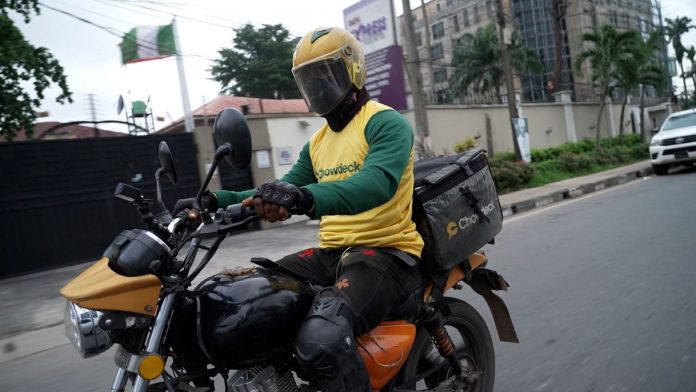
Chowdeck, Nigeria’s rapidly growing food delivery startup, has achieved a major milestone, surpassing one million orders in October 2025, marking its strongest month to date.

The announcement was made by Femi Aluko, the company’s co-founder and CEO, in a LinkedIn post celebrating the achievement.

According to Aluko, the feat reflects not only Chowdeck’s scale but also the strength of its business fundamentals. He revealed that the company closed October with a positive gross margin of 26%, underscoring that it is possible to grow rapidly while maintaining profitability and operational sustainability.

Part of his statement reads,

“I am thrilled to share that Chowdeck in Nigeria fulfilled over 1 million orders in October, marking our strongest month to date. Beyond the scale, this achievement reflects the strength of our fundamentals. We closed October with a positive gross margin of 26%, demonstrating that it is possible to grow aggressively while building a sustainable business model.

“The past few weeks haven’t been perfect. We have had some tough moments with support and operations as we entered into a new era of growth. We are listening, learning, and fixing things quickly. Our daily order volumes in Nigeria grew from an average of ~30K daily orders a few weeks ago to over 40K daily orders presently and still increasing day on day. This is more than just numbers. For us, it’s a story of trust: – Trust from customers who choose us every day, Trust from vendors who continue to grow with us, and trust from riders who show up rain or shine to deliver on our promise.”

The company’s success comes after securing $9 million in Series A funding in August 2025, led by Novastar Ventures with participation from Y Combinator, AAIC Investment, Rebel Fund, GFR Fund, Kaleo, and HoaQ, among others. The fresh capital will fuel Chowdeck’s quick commerce strategy, enabling ultra-fast delivery through a network of dark stores and hubs.

The startup plans to open 40 dark stores by the end of 2025 and 500 by 2026, launching two to three stores weekly. Over the past four years, Chowdeck has evolved from a startup idea into a full-fledged logistics and quick-commerce ecosystem, connecting millions of customers to food, groceries, and essential items. The startup’s model is designed to cut average delivery times below 20 minutes and strengthen its competitive position in a space once dominated by Jumia Food and Bolt Food.

Founded in October 2021 by Femi Aluko, Olumide Ojo, and Lanre Yusuf, the company now operates in 11 cities, including Lagos, Abuja, and Accra, serving over 1.5 million customers with a network of 20,000+ riders. Operating profitably since its inception, Chowdeck’s success is rooted in its strong partnerships with top brands such as KFC and Burger King, as well as several local vendors, which offer customers a mix of African, Asian, and healthy meals. The platform reportedly maintains an average delivery time of 30 minutes, with most orders concentrated in high-density areas.

Even as it scales, Aluko acknowledges the operational strain that growth brings. “At 10,000 daily deliveries, a 90% success rate still leaves 1,000 unhappy customers,” he said, a reminder that customer experience remains central to sustaining long-term growth.

Notably, Chowdeck’s acquisition of order-management platform Mira and its continued investments in logistics innovation signal a broader ambition to not only dominate Nigeria’s delivery space but also redefine quick commerce across Africa.

Lambda, Microsoft Ink Multibillion-Dollar AI Infrastructure Deal as Compute Boom Accelerates

0

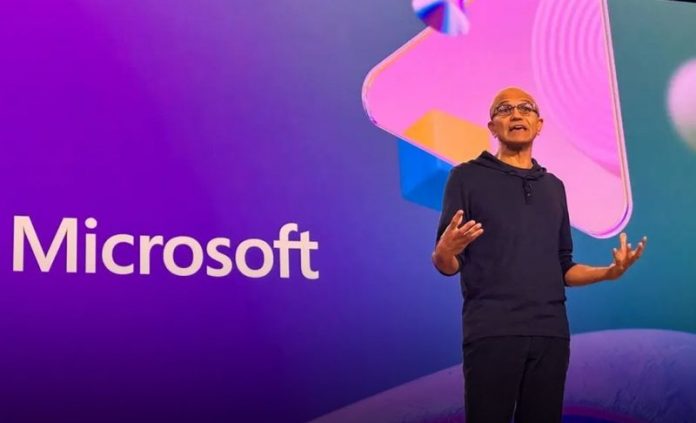
Cloud computing startup Lambda has struck a multibillion-dollar artificial intelligence infrastructure deal with Microsoft, powered by tens of thousands of Nvidia GPUs, in what industry analysts describe as the latest sign of a global “compute boom” triggered by the ongoing AI arms race.

The agreement, announced Monday, marks a major expansion of the two companies’ long-standing relationship, which dates back to 2018. The partnership is designed to bolster Microsoft’s access to GPU clusters for large-scale AI workloads and cement Lambda’s position as one of the most important independent providers of AI computing power.

“We’re in the middle of probably the largest technology buildout that we’ve ever seen,” said Lambda CEO Stephen Balaban in an interview with CNBC’s Money Movers. “The industry is going really well right now, and there’s just a lot of people who are using ChatGPT, Claude, and the different AI services that are out there.”

While neither company disclosed the specific dollar figure, sources familiar with the matter told media outlets that the deal will span multiple years and involve the deployment of Nvidia’s cutting-edge GB300 NVL72 systems, the same chips being used by other hyperscalers like CoreWeave. These systems are designed for ultra-high-performance workloads such as training large language models and running massive inference operations.

Balaban praised Nvidia’s leadership in the GPU market, calling it “the best accelerator product on the market.”

Founded in 2012, Lambda provides AI cloud services, GPU rentals, and tools for training and deploying machine learning models, serving more than 200,000 developers worldwide. The company’s infrastructure allows research labs, startups, and enterprise firms to rent powerful GPUs on demand rather than build their own costly data centers.

The AI Arms Race and the Global Compute Boom

The Lambda–Microsoft deal reflects a broader transformation in global technology investment. Since the release of ChatGPT in late 2022, the race among firms to build and train more powerful AI models has triggered an unprecedented surge in demand for computing power, forcing hyperscalers, chipmakers, and specialized cloud startups into multibillion-dollar alliances.

The phenomenon has been likened to an “AI gold rush,” but instead of mining equipment, the precious resource is compute capacity—the ability to train, deploy, and scale artificial intelligence models using clusters of GPUs.

Tech giants such as Microsoft, Amazon, Google, Meta, and Oracle have committed hundreds of billions of dollars to expand their AI infrastructure, while companies like CoreWeave, Lambda, and Cerebras Systems have become key partners in supplying specialized computing resources.

Lambda’s partnership with Microsoft follows similar deals across the sector:

  • OpenAI recently signed a $38 billion, seven-year agreement with Amazon Web Services to access hundreds of thousands of Nvidia GPUs.
  • OpenAI has committed to spending $300 billion over the next five years to purchase compute capacity from Oracle, over the next five years.
  • CoreWeave raised billions in funding from Nvidia and Magnetar Capital to rapidly expand its GPU data centers across the U.S.

Together, these agreements illustrate how the AI arms race is reshaping the global tech industry. What began as a software competition to build smarter models has evolved into a hardware race to secure computational dominance—with GPUs, data centers, and energy capacity now defining competitive advantage.

Lambda’s Expansion Plans

Lambda is already scaling aggressively to meet rising demand. The company operates dozens of data centers worldwide and is increasingly building its own infrastructure rather than relying solely on leasing. In October, Lambda announced plans for an AI factory in Kansas City, slated to open in 2026 with 24 megawatts of initial capacity, expandable to over 100 megawatts.

This expansion underlines how AI infrastructure companies are moving closer to the scale once reserved for hyperscalers.

Lambda is expected to gain both long-term stability and massive demand from one of the world’s most ambitious AI investors by aligning with Microsoft. Microsoft, for its part, secures more dedicated compute capacity outside its core Azure footprint, ensuring it can continue scaling services like Copilot and ChatGPT integrations without bottlenecks.

The sheer magnitude of the partnerships now being signed—ranging from billions to tens of billions of dollars—highlights artificial intelligence’s shift from just a software revolution to an infrastructure revolution reshaping the global economy.

Analysts expect the wave of AI-driven infrastructure investments to continue through the decade, with cumulative spending potentially reaching multitrillion dollars by 2030.