DD
MM
YYYY

PAGES

DD
MM
YYYY

spot_img

PAGES

Home Blog Page 2263

Discover How This Altcoin May Surpass Chainlink in the Upcoming Cycle

0

Chainlink (LINK) has grown steadily this first quarter, and that has drawn investors’ eyes as well as sealed its standing as one of the best performers in the altcoin sector. But a new altcoin called FX Guys ($FXG) has appeared as a potential rival, shocking investors with an outstanding performance. Having raised over $4.3 in an ongoing presale, analysts strongly reveal that FXGuys may surpass Chainlink in the upcoming cycle.

FX Guys has become more popular in the crypto space and social media platforms, as it offers users numerous opportunities to boost their portfolios. FXGuys stands among the leading blockchain trading platforms by featuring a trade-to-earn model and trader funding program alongside a staking mechanism. With a price discount at $0.05 alongside a projected 200% growth upon launch, FX Guys show signs of dominating the market soon.

This article reveals the factors contributing to the growth of FX Guys and why analysts believe it could surpass Chainlink in the upcoming cycle.

>>>JOIN FXGUYS HERE<<<

Chainlink (LINK): Price Surge Sparks Optimism Despite Falling Trading Volume

The price of Chainlink has started to match market performance after persistently falling behind. LINK rose by 8% in a few days according to data from CoinMarketCap. The price increase positioned LINK within the top 10 cryptocurrencies.

The recent market surge increased the market capitalization to approximately $16.4 billion. Despite its rising performance LINK, the prices are not very encouraging due to the low trading activity. The trading volume has decreased by 36% within this short period which raised doubts about the future of LINK and its ranking in the market.

FX Guys ($FXG): Surging Presale and Staking System Set to Disrupt Crypto Markets

Analysts strongly believe that FX Guys will outperform Chainlink in its upcoming market cycle and this is following the impressive presale performance. With over $4.3 million raised in a short time, FX Guys solidified its position as one of the best altcoins for the next bull run. Also, with the swift advancement to stage three and discount offer at $0.05, both new and top traders are assured massive returns in 2025.

Early investors who got in at the beginning have already seen a 66% profit as the price went up from $0.03 to $0.05. Analysts foresee another jump to $0.10 upon launch, giving early adopters a 200% return on investment and confirming its status as one of the best altcoins for the next bull run. This accomplishment can be attributed to its cutting-edge features that can enhance investors’ portfolios.

One of the unique features of FXGuys is the staking system which allows users to stake $FXG tokens and earn  20% of the broker’s trading revenue according to the trading volume. The stakers get double-digit APY, and rewards come from spreads and trading fees, and also trader funding programs.  The model stands out as the best crypto coins to buy now because it provides consistent passive income alongside building  FXGuys’ ecosystem.

FX Guys ($FXG): Empowering Traders with Funding and Crypto Rewards

Due to support from brokerage services, FXGuys creates a fantastic trading environment through its dependable multi-functional trading tools. By adopting widely used blockchain trading platforms such as Match-Trader, cTrader, and  DXtrade along with MT5, FXGuys allows users to work in their preferred context. The flexibility coupled with the strengthened structure of $FXG puts the confidence of the user and provides a stage for consistent results.

The trade-to-earn program awards By distributing $FXG tokens to traders for any market activities through the trade-to-earn program, the platform boosts liquidity and market activity. These tokens can be redeemed for valuable benefits such as lower profit targets and higher drawdown limits, making $FXG the best crypto coin to buy now.  These unique characteristics position FX Guys strongly to surpass LINK in the market phase.

>>>JOIN FXGUYS HERE<<<

Final Thoughts

As FX Guys presale surprised the market with an impressive performance, analysts are confident that it may outperform Chainlink in the next cycle. With the raise of over $4.3 million and a quick climb to stage three, alongside unique features like a no-tax policy, trade-to-earn model, and excellent customer service, this presale token shows signs of dominating the market soon. The FX Guys BETA platform is now available for a free trial, so users can gain early access and also navigate its unique features before the next big leap.


To find out more about FXGuys follow the links below:

Presale | Website | Whitepaper | Socials | Audit
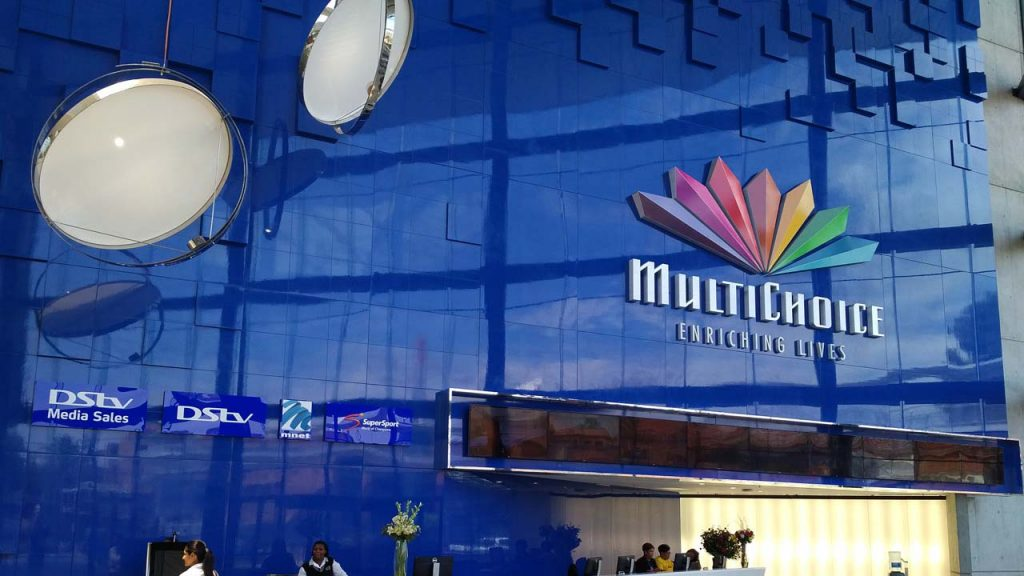
 

MultiChoice Announces Fresh Price Hike for DStv, GOtv Subscriptions Over Rising Operational Costs

0

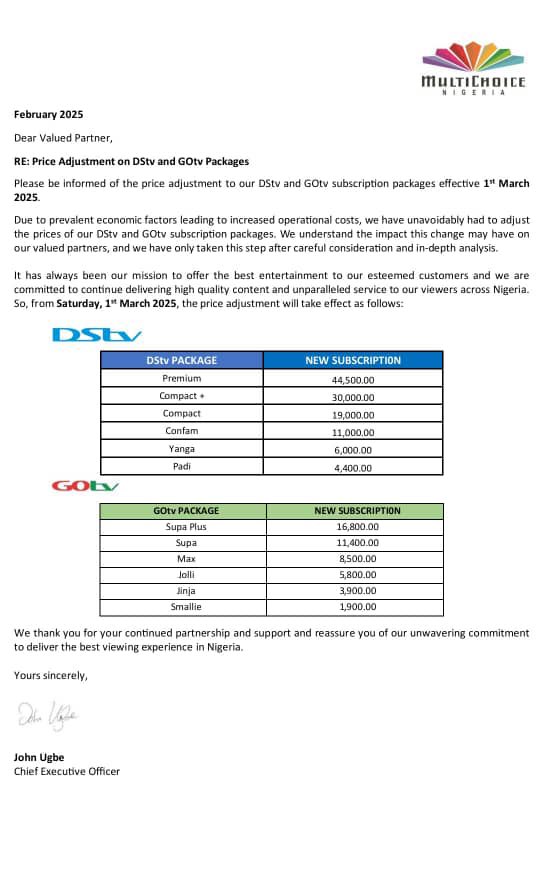
MultiChoice Nigeria, the leading provider of pay-TV services in the country, has announced another significant increase in subscription prices for DStv and GOtv, effective March 1, 2025. The company, in a statement sent to its customers on Monday, cited rising operational costs, inflation, and the depreciating naira as the primary reasons for the latest price hike.

This increase comes less than a year after its last price adjustment, and like in the past, it is expected to face strong resistance from Nigerian consumers.

The new pricing structure will affect all DStv and GOtv subscription packages, with some experiencing as much as a 20 percent increase. The DStv Compact bouquet will rise from N15,700 to N19,000, while the Compact Plus package will increase from N25,000 to N30,000. Subscribers on the Premium plan will now pay N44,500 instead of N37,000.

The GOtv Jinja package will now cost N3,900 instead of N3,600, while GOtv Plus will increase from N4,850 to N5,800. The GOtv Max package will rise to N8,500 from N7,700, and the GOtv Supa package will cost N11,400 instead of N10,500. The highest-tier GOtv Supa Plus package will now be N16,800, up from N15,700.

In its statement, MultiChoice said the decision is to boost its service to subscribers.

“Dear Customer, please note that effective 1 March 2025, there will be a price adjustment on all DStv packages. This is to enable us to continue to offer our customers world-class homegrown and international content, delivered through the best technology,” it said.

The company has long argued that its price hikes are necessary to maintain quality programming, pay for satellite maintenance, acquire content rights, and manage increasing operational expenses in Nigeria.

According to MultiChoice, three major factors influenced its latest decision to raise subscription prices:

  1. The depreciating naira: The steady decline in the value of the naira against the US dollar has made it more expensive to acquire foreign content, satellite bandwidth, and broadcast licenses, which are all paid for in dollars.
  2. Inflation and rising costs: Nigeria’s inflation rate, currently at record highs, has significantly increased the cost of doing business, including staff salaries, energy bills, and maintenance expenses.
  3. High costs of content acquisition: Broadcasting rights for English Premier League, UEFA Champions League, and major global entertainment programs continue to increase, forcing MultiChoice to spend more to maintain its exclusive content library.

However, Nigerian consumers have historically resisted price hikes by MultiChoice, arguing that the company abuses its dominance in the pay-TV industry by implementing frequent and unjustified increases.

As expected, the latest increase has ignited anger among subscribers, many of whom are already struggling with economic hardship, high living costs, and stagnant wages. Social media platforms have been flooded with complaints and calls for action against MultiChoice, with some subscribers threatening to boycott the service or switch to cheaper streaming alternatives.

A common complaint among users is that despite the frequent price increases, MultiChoice has not significantly improved service quality. Customers continue to face issues such as signal interruptions during bad weather, poor customer service response, and unresolved subscription payment glitches.

This dissatisfaction has fueled renewed calls for government intervention, with some urging regulators to step in and either regulate pricing or introduce competition to break MultiChoice’s perceived monopoly.

MultiChoice is not new to backlashes emanating from price adjustments. Since 2016, the company has been on and off with Nigerian lawmakers, questioning the frequency and justification of its tariff increases. The lawmakers at one time, proposed the pay-per-view option.

Last year, a Federal High Court in Abuja, ordered the stoppage of MultiChoice’s planned tariff increase. However, the company defended its decision by citing the free-market economy, arguing that it had the right to adjust prices based on market realities.

Given the history of resistance, it is highly likely that the latest price increase will be challenged again—either through court cases, consumer advocacy protests, or fresh legislative hearings. However, the effectiveness of such actions remains uncertain, as MultiChoice has successfully defended past increases by pointing to Nigeria’s deregulated economy and the cost of maintaining premium content.

With each price hike, more Nigerians are exploring alternative entertainment options, including streaming services like Netflix, Amazon Prime, and YouTube, which allow users to watch content on demand. Some are also turning to internet-based IPTV services, many of which provide live TV at a lower cost. Others resort to illegal streaming websites, which, despite being against copyright laws, continue to attract users looking for free content.

Given Nigeria’s economic instability and currency volatility, it is expected that MultiChoice will continue to increase prices in the coming years if the rising consumer dissatisfaction and increasing competition from streaming platforms don’t force the company to rethink its pricing strategy.

Central Bank of Nigeria’s Policy Shift on Virtual Assets: A New Era For Nigeria’s Crypto Market

0

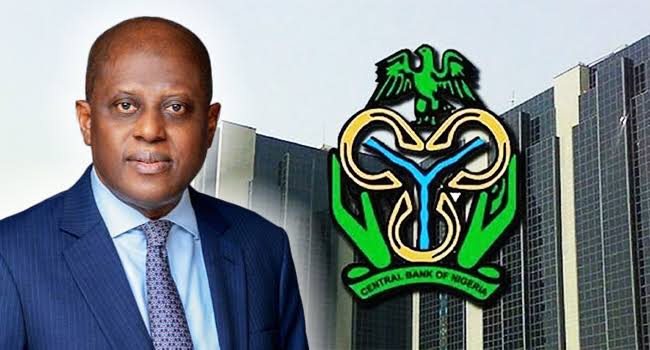
The end of the year 2023 marked a significant moment for Nigeria’s crypto market, following the shift in policy by the Central Bank of Nigeria (CBN), after it lifted a two-year restriction on crypto assets transactions.

Recall that in a circular dated February 5, 2021, the CBN directed all banks to desist from transacting in with entities dealing in cryptocurrency. The apex bank also directed banks to close accounts of persons or entities involved in cryptocurrency transactions within their systems.

Following the recent reversal in policy, the CBN noted that it was spurred by current global trends in crypto transactions, which have shown the need to regulate the activities of virtual asset service providers (VASPs).

The new policy mandated that VASPs would need to be licensed by the Nigerian Securities and Exchange Commission (SEC) to engage in the crypto business. By introducing guidelines for financial service providers working with VASPs, the CBN has signaled a move toward structured regulation. These guidelines are expected to bring much-needed clarity to the digital assets market, addressing concerns related to security, governance, compliance, and oversight. As a result, the formalization of the sector is anticipated to boost investor confidence, reduce the perceived risks of crypto transactions, and foster broader adoption of virtual assets in Nigeria.

Fast forward to 2024, The Nigerian Securities and Exchange Commission (SEC) granted provisional licenses or “Approval-in- Principle” to two cryptocurrency exchanges, Quidax and Busha, as part of its accelerated regulatory incubation program (ARIP). The ARIP was created to onboard firms which had commenced operations prior to the release of the rules on virtual asset service Providers in May 2022.

This means that Quidax and Busha are now part of an ARIP cohort as digital asset exchanges. The cohort also comprises four digital asset offering platforms and one digital asset custodian. The digital asset offering platforms are Trovotech, Wrapped CDC, HousingExhange, and Dream City Capital. The one digital asset custodian is Blockvault Custodian. The SEC outlined the commission’s commitment to fostering innovation while ensuring investor protection and market integrity.

The introduction of these licenses is part of a broader regulatory framework designed to bring order to the previously ambiguous crypto space in Nigeria. It also emphasized that the program aims to balance innovation with necessary regulatory safeguards, creating a secure environment for both investors and industry participants. This move is particularly noteworthy considering the history of regulatory challenges faced by crypto exchanges in Nigeria.

Over time, the structured regulatory approach will help establish standardized operational practices, enhance security protocols, and improve investor protection. This will not only benefit fintech firms operating in the crypto space but also provide them with greater legitimacy and access to financial services, enabling business expansion. Despite previous restrictions, Nigeria’s virtual asset economy has remained resilient, and these new regulations are set to fuel further growth.

Notably, one of the most significant developments following the CBN’s policy shift, is the announcement by the Africa Stablecoin Consortium (ASC) to launch its stablecoin, cNGN, in Q1 2024. ASC has been accepted into the CBN’s regulatory sandbox to conduct a pilot for the stablecoin, which will be pegged 1:1 with the Naira.

Designed to facilitate seamless cross-border transactions, CNGN is well-positioned for accelerated adoption under the new regulatory framework. The CBN’s transition from an outright ban to a nuanced regulatory approach highlights its recognition of the potential benefits of virtual assets. As regulations continue to evolve, their impact on Nigeria’s crypto landscape will be closely watched, with expectations of a more structured, secure, and thriving digital asset ecosystem.

The Apple of America!

0
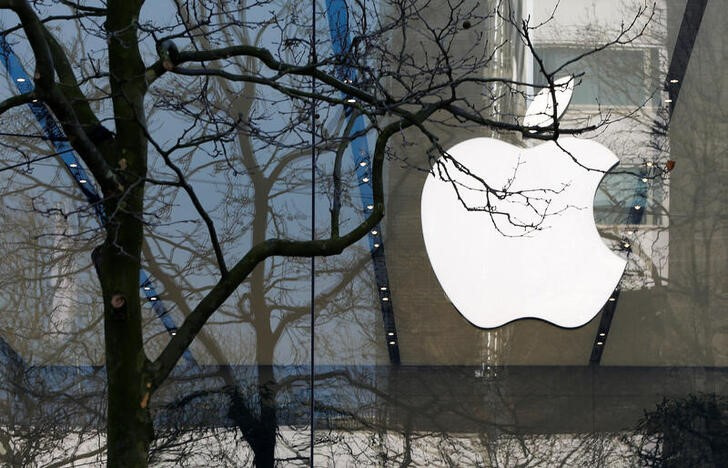
An Apple logo is seen at the entrance of an Apple Store in downtown Brussels, Belgium March 10, 2016. REUTERS/Yves Herman/File Photo

Apple makes every country jealous when you see what one company can do for a people: “Apple has announced plans to invest more than $500 billion in the United States over the next four years, a commitment that includes hiring 20,000 new employees and launching a server manufacturing facility in Texas.

“The move is widely seen as part of the company’s effort to mitigate the business impact of trade tariffs imposed by President Donald Trump.”

Good People, nations rise when great entrepreneurs and companies emerge. For all the promises of politicians and governments, companies are the vehicles to make them happen. That one company can spend $500 billion in a country makes it clear that country pass country, as they say in the Nigerian slang.

Now, from your perspective, how can Nigeria attract a company that can invest $50 billion? What are the things we need to do? I personally think there are huge opportunities in healthcare, transportation, agriculture, energy, steel and yes investments. But how do we unlock great capital to advance the nation?

My response: empower the personal economies of the citizens as when big companies know that Nigerians are loaded with spending abilities, the $billions will arrive. Yes, we must raise the purchasing power of the people to expect huge investments

What do you think?

Apple on Monday announced plans to hire 20,000 U.S. research and development workers over the next four years and produce artificial intelligence servers domestically. In its “biggest U.S. commitment” so far, the iPhone maker said it would spend $500 billion in the country, including a new manufacturing facility in Houston, as well as a Michigan supplier academy and extra spending on existing suppliers. According to The Wall Street Journal, however, it is unclear how much of the spending is actually new.

As we celebrate Apple, one cannot forget another big one: “Despite a 71% surge in Berkshire Hathaway’s operating earnings last quarter, attention remains focused on how the investment conglomerate plans to deploy its record $334 billion cash pile. While Chairman Warren Buffett didn’t reveal specific plans in his annual newsletter, he endorsed his designated successor, Greg Abel, praising the executive’s stock-picking prowess. The 94-year-old Buffett, though still active, acknowledged the inevitability of leadership change and noted it “won’t be long” before Abel takes the reins.”

Apple Pledges $500bn Investment in U.S. in A Strategic Play Amid Trump’s Tariffs and Encryption Standoff

Apple Pledges $500bn Investment in U.S. in A Strategic Play Amid Trump’s Tariffs and Encryption Standoff

0

Apple has announced plans to invest more than $500 billion in the United States over the next four years, a commitment that includes hiring 20,000 new employees and launching a server manufacturing facility in Texas.

The move is widely seen as part of the company’s effort to mitigate the business impact of trade tariffs imposed by President Donald Trump. However, beyond tariffs, Apple’s expansion may also be tied to another long-running issue: the U.S. government’s demand for backdoor access to encrypted iPhones, which Apple has consistently resisted.

Apple, Trump, and the Meeting That Shaped the Investment Announcement

The announcement follows a private meeting last week between Apple CEO Tim Cook and Trump. While neither party disclosed full details of their discussion, it is widely expected that the conversation focused on two key issues affecting Apple’s business:

  1. Trump’s Tariffs on Chinese-Made Goods – Apple, like many U.S. tech giants, heavily relies on China for manufacturing due to significantly lower production costs. Trump’s administration had imposed a 10 percent tariff on Chinese-made imports, with a threatened increase to 25 percent on chips—a direct blow to Apple, which according to recent reports, manufactures over 95% of its products, including iPhones, AirPods, Macs, and iPads in China, making China the primary production hub for the company.
  2. U.S. Government’s Push for Encrypted iPhone Backdoor Access – The Trump administration had previously pressured Apple to create backdoor access to encrypted iPhones, citing national security concerns and law enforcement investigations. Apple has strongly resisted, arguing that weakening encryption would jeopardize user privacy and security. Trump, who has publicly criticized Apple for refusing government access, may be using tariffs as leverage to extract concessions from the company on this issue.

Trump has long been vocal about his desire for American companies to shift production back to the United States. While this aligns with his “America First” economic policy, it comes at a higher cost for companies like Apple, which have benefited from cheap labor and supply chain efficiency in China.

Apple produces most of its devices in China due to:

  • Lower labor costs – Manufacturing wages in China are significantly lower than in the U.S., reducing production expenses.
  • Established supply chains – China’s advanced manufacturing ecosystem, with suppliers concentrated in areas like Shenzhen, enables faster production cycles.
  • Easier scalability – Chinese factories can quickly ramp up or adjust production based on demand, a flexibility that is difficult to achieve in the U.S.

By imposing steep tariffs on Chinese imports, Trump is effectively forcing U.S. companies to reconsider domestic manufacturing. However, shifting production to the U.S. will inevitably increase costs, which could lead to higher prices for consumers or reduced profit margins for companies.

Apple’s Response: A $500 Billion Investment in the U.S.

Faced with the dual pressure of trade restrictions and government demands on encryption, Apple has now pledged a massive $500 billion U.S. investment. The commitment includes:

  • 20,000 new jobs focused on AI, silicon engineering, and software development.
  • A new factory in Houston, Texas, dedicated to manufacturing servers for Apple Intelligence, the company’s AI-driven suite of features. Apple says this facility will “create thousands of jobs.”
  • Doubling the U.S. Advanced Manufacturing Fund from $5 billion to $10 billion to support high-tech production in the U.S.
  • A multibillion-dollar chip order from TSMC’s Arizona factory, as part of Apple’s strategy to diversify chip sourcing away from China.
  • An Apple Manufacturing Academy in Detroit, offering training and AI consultation services to local businesses and workers.

A Pattern of Investment Announcements Under Trump

Apple’s latest announcement mirrors a similar $350 billion investment pledge in 2018, during Trump’s first term. At the time, Apple also promised 20,000 new jobs, announced a new Austin, Texas campus, and successfully lobbied for tariff exemptions on some of its Chinese-made products.

Apple’s 2021 investment commitment of $430 billion also included plans for a 3,000-employee campus in North Carolina, though that project has since stalled. This raises questions about how much of Apple’s newly announced $500 billion investment represents truly new spending, versus previously planned projects repackaged for political advantage.

Apple’s latest commitment is believed to represent a continued shift toward diversifying production beyond China, which comes with challenges. While a Houston-based server factory and increased U.S. chip production mark steps toward domestic manufacturing, Apple is unlikely to fully abandon China due to cost efficiency.

Time will tell whether this investment will yield long-term benefits for Apple—or merely serve as another strategic maneuver to ease U.S. government pressure.