DD
MM
YYYY

PAGES

DD
MM
YYYY

spot_img

PAGES

Home Blog Page 2668

FTC Reportedly Investigating Microsoft Over Alleged Anti-Competitive Practices in Cloud Market

0

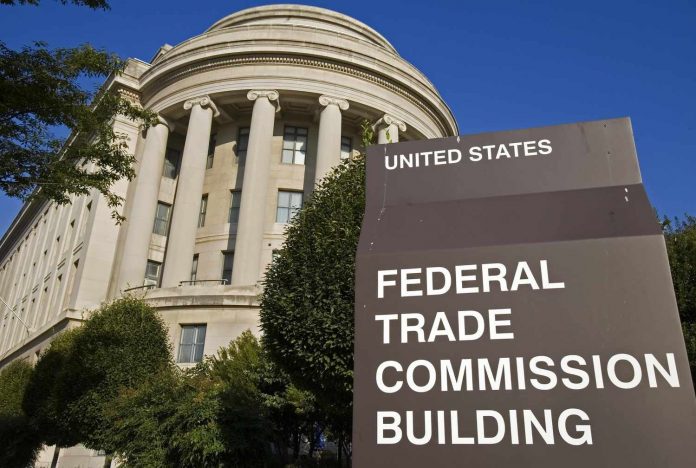
The Federal Trade Commission (FTC) is reportedly preparing to investigate Microsoft for potential anti-competitive practices aimed at maintaining unfair advantage in the cloud computing market.

According to the Financial Times, the investigation focuses on claims that Microsoft used restrictive licensing agreements to deter customers from transferring data to competing platforms. Additional allegations suggest that the tech giant raised its subscription fees for customers attempting to leave, which made its software incompatible with rival services, and imposed hefty exit fees.

Concerns about anti-competitive practices in the cloud sector have been under scrutiny for some time. Recall that last year, the FTC invited public feedback on the business practices of major cloud providers, as part of Chair Lina Khan’s broader campaign against monopolistic behavior. The appeal drew numerous comments as respondents frequently pointed to restrictive software licensing terms, mandatory minimum spending contracts, and high data transfer fees as significant issues.

“Large parts of the economy now rely on cloud computing services for a range of services,” Stephanie T. Nguyen, the FTC’s chief technology officer, said at the time. “The RFI is aimed at better understanding the impact of this reliance, the broader competitive dynamics in cloud computing, and potential security risks in the use of cloud.”

Microsoft’s scrutiny is coming after Google in September 2024 lodged a complaint against the tech giant to the EU, over ‘anti-competitive’ cloud practices. The search giant accused Microsoft of “anti-competitive” licensing practices to force customers to use its cloud service. It further added that Microsoft makes it harder for customers to move their workloads to competitors’ clouds. Google alleged that Microsoft leverages its dominance in Windows Server to funnel customers toward its Azure cloud platform, and penalizes those who use on-premise software with rival services by imposing steep costs.

Microsoft has faced numerous competition investigations over the years, especially over its then-dominant position in the PC space. It continues to face accusations of anti-trust as it continues to grow its Azure service. Meanwhile, the trajectory of the FTC’s investigation remains uncertain.

Notably, Microsoft’s investigation could mark a pivotal moment in how regulatory agencies address the practices of dominant cloud providers. If the FTC finds the tech giant violated antitrust laws, the company could face significant financial penalties or settlements.

Microsoft might be required to revise its licensing agreements, pricing models, or other business practices to comply with regulations. Also, the FTC or other global regulators could impose ongoing oversight or restrictions, increasing compliance costs.

Nigeria’s Inflation Rate Climbs to 33.88% in October 2024, Reflecting Worsening Economic Conditions

0

The inflationary pressure on Nigeria’s economy has further intensified, with the headline inflation rate climbing to 33.88% in October 2024, according to the latest report from the Nigerian Bureau of Statistics (NBS).

This marks an increase from the September 2024 figure of 32.70%, indicating a month-on-month rise of 1.18 percentage points.

Year-on-year, the October 2024 headline inflation rate was 6.55 percentage points higher than the 27.33% recorded in October 2023. The NBS report highlights that the inflation rate’s continued rise on a yearly basis underscores a deteriorating economic situation. On a month-on-month basis, the headline inflation rate in October 2024 stood at 2.64%, a slight increase from 2.52% in September 2024, signaling an accelerated rate of price increases over the past month.

The report also noted that the percentage change in the average Consumer Price Index (CPI) for the twelve months ending October 2024 was 32.26%, reflecting an 8.82% rise compared to 23.44% in October 2023. This highlights the persistent and worsening inflationary pressures affecting Nigeria’s economy over the last year.

Urban and Rural Inflation Rates

The urban inflation rate on a year-on-year basis surged to 36.38% in October 2024, a rise of 7.09 percentage points compared to 29.29% in October 2023. Month-on-month, urban inflation stood at 2.75%, marginally higher than September 2024’s rate of 2.67%. The twelve-month average for urban inflation was recorded at 34.52%, an increase of 9.76 percentage points from 24.76% in October 2023.

In rural areas, the inflation rate also worsened significantly. The rural inflation rate for October 2024 was 31.59% year-on-year, up by 6.01 percentage points compared to 25.58% in October 2023. On a month-on-month basis, rural inflation was 2.53%, slightly higher than September 2024’s rate of 2.39%. The twelve-month average for rural inflation was 30.24%, representing an 8.01 percentage point increase from 22.23% recorded in October 2023.

Food Inflation

Food inflation, a key driver of overall inflation, reached a staggering 39.16% year-on-year in October 2024, a 7.64 percentage point increase from the 31.52% recorded in October 2023. The rise in food inflation was attributed to increases in the prices of essential items such as rice, maize, guinea corn, yam, water yam, and palm oil. On a month-on-month basis, food inflation stood at 2.94%, up by 0.30 percentage points from September 2024’s figure of 2.64%.

This rise was driven by surging prices in the oil and fats class (including palm and vegetable oils), fish class (such as mudfish and croaker), meat class (including goat meat and beef), and the bread and cereals class.

The average annual food inflation rate for the twelve months ending October 2024 was 38.12%, a sharp increase of 11.79 percentage points compared to the 26.33% recorded in October 2023.

Core Inflation

The core inflation rate, which excludes volatile agricultural and energy products, stood at 28.37% in October 2024, reflecting a year-on-year increase of 5.79 percentage points compared to 22.58% in October 2023. Month-on-month, core inflation was recorded at 2.14%, slightly higher than the 2.10% seen in September 2024. Key contributors to the rise included transport costs, housing rentals, meals at local restaurants, and personal grooming services.

The average annual core inflation rate for the twelve months ending October 2024 was 26.12%, up by 6.14 percentage points from 19.98% in October 2023.

Inflation Across States

Inflationary pressures varied across states, with Bauchi (46.68%), Kebbi (40.02%), and Sokoto (39.65%) recording the highest year-on-year inflation rates in October 2024. Conversely, Delta (27.85%), Benue (28.22%), and Katsina (29.59%) recorded the lowest. On a month-on-month basis, Kano (3.77%), Bauchi (3.74%), and Adamawa (3.59%) saw the highest inflation increases, while Kwara (1.27%), Ondo (1.49%), and Lagos (1.91%) experienced the slowest rises.

Food inflation was notably highest in Sokoto (52.18%), Edo (46.55%), and Borno (45.85%) year-on-year, while Kwara (31.68%), Kogi (33.30%), and Rivers (33.87%) recorded the lowest rates. On a month-on-month basis, Adamawa (5.08%), Sokoto (4.86%), and Yobe (4.34%) led the food inflation surge, whereas Kwara (1.11%), Ondo (1.31%), and Kogi (1.50%) had the least increases.

The Economic Impact

The continued rise in inflation underscores the growing concerns over the effectiveness of the government’s economic policies. Analysts believe this trend indicates that measures taken so far to stabilize the economy and curb inflation are failing to yield tangible results.

This inflationary pressure is compounded by the naira’s recent depreciation, despite reports from the Central Bank of Nigeria (CBN) that the country’s foreign reserves have climbed to $40 billion. Critics argue that this supposed financial cushion has not translated into macroeconomic stability or relief for citizens struggling with skyrocketing prices.

The relentless inflation surge, particularly in food prices, poses a significant threat to household consumption and overall economic growth. With basic commodities becoming increasingly unaffordable, Nigerians are grappling with diminishing purchasing power, further worsening the country’s economic woes.

Bluesky Surges Beyond 16m As X Faces Exodus Over Toxic Atmosphere and Political Bias

0

Bluesky, the decentralized social network, reported a massive influx of over 1 million users within 24 hours on Thursday, pushing its total user base beyond 16 million.

This milestone marks one of the busiest days in the platform’s history and reflects the shifting dynamics in the social media landscape, as platforms like X (formerly Twitter) face criticism and user abandonment over concerns about toxicity and political bias.

The surge coincided with Instagram head Adam Mosseri’s announcement that Threads, Meta’s text-based social network, had recorded over 15 million sign-ups in November. Mosseri also noted that Threads has maintained a steady pace of 1 million daily sign-ups over the past three months. Despite being much smaller than its competitors—Threads boasts over 275 million active users—Bluesky’s recent growth places it in the spotlight.

The influx of users propelled Bluesky to the top of the free apps chart on the U.S. App Store, ahead of ChatGPT and Threads. However, the platform faced some technical challenges on Thursday as service disruptions were reported due to networking issues, including a cable problem with one of its internet service providers.

Bluesky’s Growth Spurred by Controversies

Bluesky has seen consistent user growth over recent months, driven by global events and controversies. The platform gained traction following X’s ban in Brazil, moderation challenges on Threads, and political developments in the United States. After the recent U.S. presidential election, Bluesky reported more than 1 million new sign-ups within a week. The election was particularly contentious, with X owner Elon Musk openly supporting President-elect Donald Trump and promoting pro-Trump content in algorithmic feeds.

Bluesky CEO Jay Graber has highlighted the platform’s high engagement levels, stating that it surpasses X in terms of active posters. In contrast to the typical “90-9-1” pattern of lurkers, commenters, and posters on social platforms, Bluesky has maintained a poster ratio of approximately 30%, a significant deviation from industry norms.

In October, Bluesky raised $15 million in Series A funding, led by Blockchain Capital, with contributions from notable investors such as Kubernetes co-creator Joe Beda. The company plans to introduce subscription models as part of its product development roadmap.

X Faces Backlash and High-Profile Departures

While Bluesky and Threads grow, X continues to grapple with an exodus of users and organizations, driven by concerns about the platform’s toxicity and political alignment. On Thursday, renowned author Stephen King announced his departure, citing the platform’s toxic atmosphere.

“Tried to stay, but the atmosphere has just become too toxic,” King wrote on X, urging followers to join him on Threads.

King’s departure is part of a broader trend, with entities such as The Guardian, German football club St. Pauli, and Spanish newspaper La Vanguardia also leaving X. The Guardian criticized the platform for hosting “disturbing content,” while St. Pauli labeled it a “hate machine,” and La Vanguardia condemned it as an “echo chamber” for disinformation.

The actor Jamie Lee Curtis and journalist Don Lemon have also left X, with Curtis emphasizing the need to focus on constructive change and Lemon lamenting the loss of transparency and free speech on the platform. The Center for Countering Digital Hate (CCDH) joined the exodus, citing unfavorable changes to X’s terms and conditions that require legal disputes to be heard in Texas, a jurisdiction perceived to favor Musk.

The Impact of Political Bias

Musk’s political leanings, particularly his vocal support for Trump during the U.S. presidential election, have fueled criticism. Musk’s claims against Democratic candidate Kamala Harris and his backing of Trump’s candidacy have alienated some users, including King, who openly rebuked Musk’s statements.

Musk’s controversial decisions, such as charging for verification and changes to content moderation policies, have also drawn ire. High-profile exits like King’s highlight growing dissatisfaction among prominent users, further contributing to X’s declining popularity.

Bluesky and Threads Capitalize on X’s Decline

As X faces mounting criticism, Bluesky and Threads are capitalizing on the opportunity to attract disenchanted users. Both platforms offer alternatives for those seeking healthier and more engaging online spaces. While Threads benefits from Meta’s extensive ecosystem, Bluesky’s decentralized model and high user engagement have carved a niche in the competitive social media landscape.

The broader implications of this shift underscore the changing priorities of social media users, who are increasingly seeking platforms that prioritize transparency, inclusivity, and balanced moderation.

Nigerian Government Proposes N47.9tn 2025 Budget with N14tn Deficit

0

The Federal Government of Nigeria has proposed a total expenditure of N47.9 trillion for the 2025 fiscal year, marking a significant financial undertaking to address the country’s economic challenges and developmental priorities.

Atiku Bagudu, Minister of Budget and Economic Planning, announced this development after the Federal Executive Council (FEC) meeting presided over by President Bola Tinubu on Thursday.

Bagudu noted that the proposed budget is based on projections contained in the recently approved 2025-2027 Medium-Term Expenditure Framework (MTEF) and Fiscal Strategy Paper (FSP). He emphasized the government’s commitment to ensuring a stable and growth-oriented fiscal plan, even as the country continues to grapple with significant revenue and expenditure pressures.

Key Budget Parameters

The proposed budget assumes a crude oil benchmark price of $75 per barrel and an estimated daily oil production level of 2.06 million barrels per day (bpd). However, the exchange rate has been pegged at N1,400 per dollar, reflecting the continuing depreciation of the naira amidst persistent foreign exchange challenges.

The Federal Government is projecting a revenue target of approximately N33 trillion for the year, leaving a deficit of N14 trillion that will need to be financed through a combination of external and domestic borrowing.

Bagudu stated that the government has set an ambitious GDP growth rate target of 4.6%, which builds on the 3.19% growth rate recorded in the second quarter of 2024. He explained that this optimistic projection underscores the administration’s confidence in its economic policies and reforms aimed at stimulating growth and tackling inflation.

Challenges with Revenue Generation

Despite these projections, concerns have been raised about the government’s ability to meet its revenue targets, particularly given the current state of the economy and the revenue collection system.

The Federal Inland Revenue Service (FIRS) is expected to generate at least N30 trillion in 2025 to help meet the government’s targets. This figure represents a sharp increase from the N19.4 trillion target set for 2024, posing a significant challenge for tax authorities.

Bagudu highlighted some positive trends in non-oil revenue streams, such as Value Added Tax (VAT) and corporate taxes, which have performed better than expected in 2024. However, he acknowledged that delays in achieving pro-rated targets remain a significant concern.

The minister emphasized that the Federal Government remains committed to improving fiscal discipline and addressing inflation. He highlighted the government’s goal of sustaining a January-December budget cycle, which requires timely passage and signing of the 2025 budget.

To ensure this, the proposed budget will be submitted to the National Assembly by Friday, November 17, 2024, or at the latest by Monday, November 18, 2024. Bagudu expressed optimism that the 2025 budget would be passed and signed before the end of December, enabling a smooth transition into the new fiscal year.

Addressing the Deficit

With a N14 trillion deficit, the Federal Government will need to rely heavily on borrowing to fund its expenditures. Bagudu explained that the government plans to secure funds through external borrowing, local bonds, and domestic foreign exchange-denominated bonds.

Given the volume of the deficit and the backdrop of revenue shortfalls, analysts have suggested that the Federal Government may once again approach the Central Bank of Nigeria (CBN) for bailouts.

A financial expert remarked: “I feel the government will run to the CBN again for a bailout. This time, no new money will be printed. FG will be making withdrawals from the N7.4 trillion earlier repaid to the CBN under the Ways and Means program.”

The proposed 2025 budget of N47.9 trillion is below the country’s $31 billion budget in 2014, reflecting the significant impact of currency devaluation and inflation over the years. In dollar terms, the 2025 budget is approximately $28 billion, underscoring the naira’s diminished purchasing power and the challenges of managing a large-scale budget in an inflationary environment.

Concerns Over Debt and Market Risks

Financial experts and international observers have raised alarms about Nigeria’s heavy reliance on borrowing to fund the deficit. Nigeria’s growing debt profile, particularly external debt, poses significant risks. Analysts warn that issuing domestic foreign exchange-denominated bonds could fragment financial markets, while external borrowing would expose the country to volatile international market conditions.

Additionally, the naira’s devaluation has made debt servicing costs significantly higher, adding to the country’s fiscal burden. Critics have also pointed out that the use of domestic foreign exchange bonds may not provide the financial relief the government expects, as it could create market distortions and increase overall debt servicing costs.

Economists note that the success of the 2025 budget will depend on the government’s ability to expand revenue sources, control expenditures, and manage its growing debt profile. While the administration’s optimistic GDP growth projections and plans to tackle inflation suggest a positive fiscal trajectory, several challenges remain.

These include achieving ambitious revenue targets, mitigating the impact of exchange rate volatility, and addressing the rising cost of debt servicing. Analysts fear that if these challenges are not addressed, the government may continue to rely on stopgap measures such as CBN bailouts and asset sales, further undermining Nigeria’s economic stability.

Top Sportsbook Stocks to Watch in 2025

1

The sports betting industry has experienced a monumental rise over the past few years, driven by the legalization of sports betting across the United States, advances in technology, and increasing consumer demand for online platforms. In this article, we will examine the top sportsbook stocks to watch in 2025, highlighting the key players in the market, including DraftKings, Flutter Entertainment (which owns FanDuel), and BetMGM. We will also explore the factors driving their growth, emerging competitors, risks involved in sportsbook stock investments, and expert tips for investors. Whether you are new to investing or looking to expand your portfolio, these insights will help you stay ahead in this rapidly growing market.

DraftKings: A Leader in the Sportsbook Market

DraftKings, founded in 2012, has become a prominent player in the U.S. sports betting market. It has been publicly traded since 2019 and has shown impressive growth since its IPO. As of 2023, DraftKings reported annual revenue of $2.1 billion, a significant increase from the previous year. The company’s market capitalization sits around $20 billion, making it one of the most valuable gaming companies in the U.S.

DraftKings continues to expand its reach across multiple states as sports betting legalization spreads. In addition to traditional sports betting, DraftKings also offers daily fantasy sports and iGaming, diversifying its revenue streams. The company is positioning itself for future growth through strategic partnerships, including a recent deal with the National Football League (NFL), allowing it to promote its brand through official league channels.

Dominating the U.S. Sportsbook Market

Flutter Entertainment, the parent company of FanDuel, is another major player in the sports betting world. With a market capitalization exceeding $40 billion, Flutter is not only a giant in the global gaming sector but also a dominant force in the U.S. market thanks to FanDuel. As of 2023, Flutter’s U.S. operations, including FanDuel, generated revenue upwards of $4.5 billion, representing a significant portion of the company’s overall earnings.

FanDuel controls more than 40% of the U.S. online market and has solidified its position as the top competitor in this space. Flutter Entertainment’s aggressive strategy to expand into new states has helped FanDuel capture a large share of the growing U.S. sports betting market. The company’s robust financial standing, brand recognition, and expansion efforts make Flutter Entertainment an attractive investment for 2025.

BetMGM: Expanding its Market Reach

BetMGM, a joint venture between MGM Resorts International and Entain, is another major contender in the U.S. sports betting market. Since its launch, BetMGM has steadily grown to become one of the top companies in the country. The company’s 2023 revenue hit $1.5 billion, and it is expanding into new states as sports betting legalization continues to sweep across the U.S.

BetMGM’s growth strategy involves leveraging MGM’s strong brand presence, a loyal customer base, and the growing appeal of iGaming. The company’s strategic partnerships, including a recent deal with the National Basketball Association (NBA), position it for significant growth in 2025. With more states legalizing sports betting, BetMGM’s market share is expected to continue expanding, making it a solid stock to watch for investors in the coming years.

A Top Stock to Watch in 2025

FanDuel is a key player in the U.S. sports betting market, and its parent company, Flutter Entertainment, has demonstrated a strong commitment to its growth. As of 2023, FanDuel held a market share of more than 40%, making it one of the largest sportsbooks in the U.S. Its annual revenue exceeds $2 billion, with projections indicating continued growth in 2025.

The company’s success can be attributed to its robust marketing strategy, partnerships with major sports leagues, and expansion into new states. FanDuel Sportsbook has continued to innovate, offering a seamless user experience, new betting options, and expanding its iGaming operations. Given its dominance in the U.S. market and strong financial performance, FanDuel Sportsbook is a top stock to watch for 2025.

Factors Driving Stock Growth in Sportsbook Companies

There are several factors contributing to the growth of these stocks, and these factors are expected to play an even more significant role in 2025. One of the key drivers is the continued legalization of sports betting in various states across the U.S. As more states open to sports betting, companies like DraftKings, BetMGM, and FanDuel are expanding their market share.

Technological advancements are also playing a key role. With the rise of mobile apps and online platforms, this market is now able to reach a broader audience. The integration of features like live betting, in-play betting, and esports betting is helping to drive customer engagement. Additionally, strategic partnerships with major sports leagues, such as the NFL, NBA, and MLB, further solidify the presence in the market, making them attractive investments.

Emerging Competitors in the Sportsbook Market

While established companies like DraftKings, FanDuel, and BetMGM dominate the market, emerging competitors are making waves. Newer entrants are gaining traction by targeting untapped markets and offering innovative betting options. Companies like Caesars Sportsbook, PointsBet, and Barstool Sportsbook are examples of sportsbooks that are rapidly growing in popularity.

These companies are not only vying for market share in the U.S. but are also expanding internationally. As new states legalize sports betting and online gambling, these emerging companies are positioning themselves for significant growth. Investors should keep an eye on these competitors in 2025, as they offer potential for high returns, especially if they manage to capture a sizable portion of the market.

Risks Involved in Stock Investments

Investing in these stocks comes with its share of risks, and it is important for investors to be aware of these potential pitfalls. One of the biggest risks is the regulatory landscape. As more states legalize sports betting, the legal framework continues to evolve, and companies must navigate a complex patchwork of state regulations. Regulatory uncertainty can lead to operational delays and increased costs, which may negatively impact stock performance.

Market volatility is another key risk. This industry is highly competitive, and companies may struggle to maintain their market share as new entrants emerge. Additionally, the economic environment, including consumer spending habits and disposable income, can also affect the performance of the business. Investors should carefully assess these risks before diving into these kinds of stock investments.

Expert Tips for Investing

Market analysts suggest several strategies for those looking to invest in these stocks. One key tip is to diversify investments. Given the competitive nature of the market, diversification can help reduce risks and increase the potential for returns. Investors should consider allocating their funds across a range of companies to mitigate risk.

Another important tip is to keep a close eye on industry trends, particularly the expansion of sports betting into new states and the evolving regulatory landscape. Analysts recommend monitoring financial reports and quarterly earnings, as these provide valuable insights into a company’s growth potential. By staying informed and timing the market strategically, investors can position themselves for success in the sports book stock market.

 Looking Ahead to 2025

As we look toward 2025, sportsbook stocks are set to continue their upward trajectory, driven by the growing popularity of online betting, strategic partnerships, and market expansion. Companies like DraftKings, Flutter Entertainment (owner of FanDuel), and BetMGM remain strong contenders in the space, while emerging competitors also offer exciting investment opportunities. However, investors should be mindful of the risks involved, including regulatory challenges and market volatility. With expert guidance and a careful investment strategy, these stocks have the potential to deliver substantial returns in the coming years.