DD
MM
YYYY

PAGES

DD
MM
YYYY

spot_img

PAGES

Home Blog Page 2697

Current Investment Cycle of Tekedia Capital Syndicate Ends on Nov 15

0

Next week, we will conclude the current Tekedia Capital syndicate investment cycle and 15 new startups will join our community.  Please check the overview of the companies which represent 4 continents and many industries here  .

You can still participate by clicking here.


MicroStrategy’s Strategic Embrace of Bitcoin as a Treasury Reserve Asset

0

MicroStrategy Incorporated, a business intelligence company, has taken a pioneering stance in the corporate world by adopting Bitcoin as its primary treasury reserve asset. This bold move positions MicroStrategy as the world’s first and largest Bitcoin Treasury Company, reflecting a strategic shift in corporate asset management towards digital currencies.

Founded in 1989, MicroStrategy is a provider of business intelligence, mobile software, and cloud-based services. However, it has gained recent prominence for its substantial investments in Bitcoin, earning the title of the world’s first and largest Bitcoin Treasury Company. With a bold approach to its treasury, MicroStrategy has adopted Bitcoin as a hedge against inflation and a means to enhance the potential for higher returns on its reserves.

The company’s recent announcement of its third-quarter financial results for 2024 revealed a significant capital plan, dubbed the “21/21 Plan,” which aims to raise $42 billion over the next three years. This plan is split evenly between equity and fixed-income securities, with the intention of using this capital to further increase its Bitcoin holdings.

MicroStrategy’s approach is not merely about holding Bitcoin; it’s about leveraging the digital transformation of capital to generate value for shareholders. The company has achieved a “BTC Yield” Key Performance Indicator (KPI) of 5.1% in the third quarter of 2024 and has set an ambitious target to raise its annual BTC Yield to between 6% and 10% for the years 2025 through 2027.

The company’s aggressive acquisition strategy has been met with a mix of skepticism and optimism. Some analysts believe that MicroStrategy’s increasing dominance in Bitcoin could positively influence the cryptocurrency’s market performance, especially as institutional interest in Bitcoin as a long-term asset grows. The company’s large-scale purchases could potentially drive further interest and price increases in Bitcoin, suggesting that MicroStrategy’s commitment to Bitcoin could see them benefit from the growing demand for cryptocurrencies.

As of September 30, 2024, MicroStrategy’s digital assets, comprised of approximately 252,220 bitcoins, had a carrying value of $6.851 billion. The original cost basis and market value of the company’s Bitcoin were $9.904 billion and $16.007 billion, respectively, reflecting an average cost per bitcoin of approximately $39,266 and a market price per bitcoin of $63,463.

MicroStrategy’s strategy is a testament to the evolving landscape of corporate finance, where traditional asset management is being challenged by the rise of digital assets. The company’s decision to back its treasury with Bitcoin reserves is a clear indication of its belief in the potential of cryptocurrencies to act as a stable reserve asset, despite the inherent volatility associated with digital currencies.

The implications of MicroStrategy’s strategy extend beyond its own financial performance. It sets a precedent for other companies considering the integration of digital assets into their treasury management. The company’s strategy has not been without its risks. The volatile nature of Bitcoin’s price can lead to significant fluctuations in the value of MicroStrategy’s reserves.

However, the company’s leadership believes that the long-term benefits outweigh the short-term risks. With a revised annual BTC Yield target of 6% to 10% for 2025 through 2027, MicroStrategy is confident in its ability to generate value for its shareholders through intelligent leverage and strategic acquisitions. As the world continues to embrace digital transformation, MicroStrategy’s pioneering role as a Bitcoin Treasury Company may well become a model for others to follow.

Tapping Regional Search Trends for Smarter Business in Nigeria

0
Map of Nigeria (source: World Map)

In the evolving digital landscape of Nigeria, the internet has become a barometer of public sentiment and a vital tool for gauging consumer behaviour. As Google Trends data reveals, the online search preferences of Nigerians provide a window into the diverse needs of the population. A recent analysis of search interest by our analyst across the country over the past 30 days (October 8 to November 8, 2024) showcases a clear divergence in regional focus: while southern states exhibit a strong inclination towards product searches, the northern and central regions show a dominant preference for service-related queries. Understanding this divide is key to crafting informed business strategies and addressing the nuances of Nigeria’s market.

The Digital Footprint of a Diverse Nation

Nigeria’s vast and heterogeneous landscape is home to over 200 million people, representing diverse cultures, economic activities, and consumer behaviors. These distinctions manifest clearly in online search trends, revealing insights that can guide businesses, policymakers, and development practitioners in tailoring their approaches to meet localized needs.

According to the data, search interest in products (depicted in blue) dominates in the southern and eastern parts of the country, while services (highlighted in red) capture the attention of users in the northern and central regions. This regional split is not merely a digital phenomenon—it reflects deep-rooted economic, cultural, and infrastructural factors that influence how Nigerians engage with online platforms.

Urbanization and the Product-Driven Demand in Southern Nigeria

The southern states, particularly Lagos, Ogun, Oyo, and Edo, have emerged as hotbeds of product searches. This trend is consistent with the urbanized and economically vibrant nature of these regions. Cities like Lagos are not only commercial powerhouses but also hubs of innovation, home to a burgeoning e-commerce sector that has transformed consumer shopping habits.

In these areas, a culture of consumerism is intertwined with digital adoption, where people increasingly rely on online platforms for a wide array of products—from electronics and fashion to groceries and household items. The rising penetration of smartphones and access to fast internet have further fueled this trend, making e-commerce a staple in the daily lives of many Nigerians.

For businesses, this signals an opportunity to double down on product offerings tailored to the urban consumer. Retailers and e-commerce platforms should focus on optimizing their digital storefronts, enhancing product availability, and improving delivery logistics in these high-demand areas. Additionally, personalized marketing campaigns that leverage data analytics can help capture the preferences and purchasing power of southern consumers, driving higher engagement and sales.

The Service-Centric Demand of Northern and Central Nigeria

In contrast, the dominance of service-related searches in the northern and central regions paints a different picture of consumer needs. Here, users show a marked interest in services such as healthcare, education, job opportunities, and financial services. This preference reflects the socioeconomic dynamics of these regions, where infrastructure for retail and consumer goods may be less developed, and there is a greater reliance on essential services.

The northern states, including Kano, Kaduna, and parts of the northeast, have historically faced challenges related to economic disparities, lower levels of industrialization, and limited access to consumer markets. As a result, there is a stronger emphasis on service delivery—whether it is seeking medical advice, accessing educational resources, or exploring job opportunities.

For service providers, this trend highlights the need for tailored solutions that address the specific needs of these communities. Healthcare companies, for example, could consider expanding telemedicine services to bridge the gap in medical access, while educational institutions might explore online learning platforms to cater to the growing demand for remote education. Financial service providers, particularly in the fintech space, can capitalize on the increasing interest in digital banking and mobile payments to offer solutions that enhance financial inclusion.

Bridging the Regional Divide: Strategic Implications for Businesses

The diverging search trends across Nigeria establish the importance of a localized approach to business strategy. Companies looking to tap into the Nigerian market must go beyond a one-size-fits-all model and instead tailor their offerings to reflect regional preferences and needs.

  1. Localized Marketing Strategies:
    • For product-focused companies, marketing campaigns should be heavily targeted towards the southern states, where interest in consumer goods is high. Using data-driven insights, businesses can segment their audience and craft personalized advertisements that resonate with the shopping behaviors of urban consumers.
    • Service-based companies, on the other hand, should focus their efforts on building trust and visibility in the northern and central regions. This could involve collaborating with local influencers, engaging in community outreach, and offering localized content that addresses the specific challenges faced by these communities.
  2. Infrastructure Investments:
    • The disparity in search interests also points to underlying infrastructural gaps. In the south, where product searches are prevalent, there may be a need for improved logistics, warehousing, and last-mile delivery services to meet the growing demand for e-commerce. Businesses that can streamline their supply chain operations will gain a competitive edge.
    • In the north, the focus should be on expanding access to essential services. Investments in digital infrastructure, such as reliable internet connectivity and mobile service coverage, will be crucial in enabling greater access to healthcare, education, and financial services.
  3. Collaboration with Policymakers:
    • Policymakers and development organizations have a role to play in addressing the regional disparities highlighted by these search trends. By working closely with businesses, they can help create an enabling environment that supports both consumer goods markets in the south and service delivery in the north.

The Path to Inclusive Growth

Nigeria’s search trends reveal more than just consumer interests—they offer a roadmap for driving economic growth and improving service delivery across the country. By harnessing the power of data analytics and adopting a region-specific approach, businesses can better serve the diverse needs of Nigeria’s population.

Ultimately, the insights drawn from these search trends should inspire companies to think creatively about their product and service offerings, adapt to regional preferences, and invest in the necessary infrastructure to bridge gaps. With a strategic, data-driven mindset, businesses can not only capture market share but also contribute to building a more inclusive and resilient economy in Nigeria.

This new playbook for understanding Nigeria’s digital footprint can pave the way for a future where consumer needs are met with precision, fostering growth and prosperity across all regions.

Impact of Trump’s Victory on the US Stock Market

0

The aftermath of the 2024 presidential election has been nothing short of remarkable for the US stock market. Following President Donald Trump’s victory on Tuesday, major stock indexes experienced a significant surge, reflecting investor confidence and anticipation of pro-business policies. The Dow Jones Industrial Average soared by more than 1,500 points, marking a 3.6% increase and hitting an all-time high. This remarkable rally underscores the market’s sensitivity to political shifts and the expectations of policy changes that can stimulate economic growth.

Historically, presidential elections have been known to inject volatility into the markets as investors speculate on the potential impact of each candidate’s policies. In Trump’s case, the promise of extended tax cuts and deregulatory measures has been seen as a catalyst for business expansion and increased merger and acquisition activity. Major banks like JPMorgan, Bank of America, and Wells Fargo saw their shares rise significantly, benefiting from the market’s bullish sentiment.

The broader S&P 500 and the tech-heavy Nasdaq also climbed, both reaching all-time highs, reflecting a widespread optimism across various sectors. Small companies, often seen as more sensitive to domestic economic changes, also benefited, with the Russell 2000 index jumping 5.8%. This rally indicates a strong confidence in the US economy’s ability to continue its growth trajectory, despite the challenges it faces.

The stock market’s response to the election results also points to investor expectations of inflation and widening deficits. Bond yields rose as bonds were sold off, and the US dollar strengthened, impacting commodities like oil and gold prices. These movements suggest that investors are bracing for a shift in economic conditions, potentially driven by Trump’s economic plans.

It’s important to note that while the post-election rally is significant, the stock market’s performance is influenced by a multitude of factors, including global economic conditions, corporate earnings, and geopolitical events. Therefore, while the election outcome can provide a short-term boost or cause temporary uncertainty, the long-term trajectory of the market will depend on a complex interplay of these broader factors.

However, alongside the stock surges, there were also signs of investors bracing for possible increases in inflation and widening deficits, as indicated by the sell-off in bonds and the rise in the 10-year Treasury note yield. It is important to note that while the market’s immediate reaction to the election results has been overwhelmingly positive, the long-term impact of these policies on the economy and the stock market remains to be seen.

As history has shown, the stock market tends to finish higher in the years following a presidential election, suggesting a generally positive outlook for stocks in the medium term. However, investors should remain cautious and consider the wide range of possible outcomes that could unfold in the post-election period.

The post-election rally in the US stock market following Trump’s victory is a testament to the influence of presidential politics on investor sentiment and market performance. While the immediate response has been overwhelmingly positive, it’s crucial for investors to stay informed and adapt to the evolving economic landscape. The stock market will continue to be a reflection of both the confidence and the concerns of investors as they navigate through the changing political and economic environment.


Plus Wallet: The Future of User-Friendly Mobile Crypto Management as SUI Net Inflows Soar & SafePal Teams Up with Visa!

0

SUI has recently stolen the spotlight with net inflows hitting a stellar $24.3 million, eclipsing the totals of Solana and Ethereum combined. It’s not just tokens grabbing the limelight—crypto tools are breaking new ground too. SafePal’s strategic partnership with Visa has rolled out a CeDeFi wallet on Telegram, ramping up accessibility and compliance.

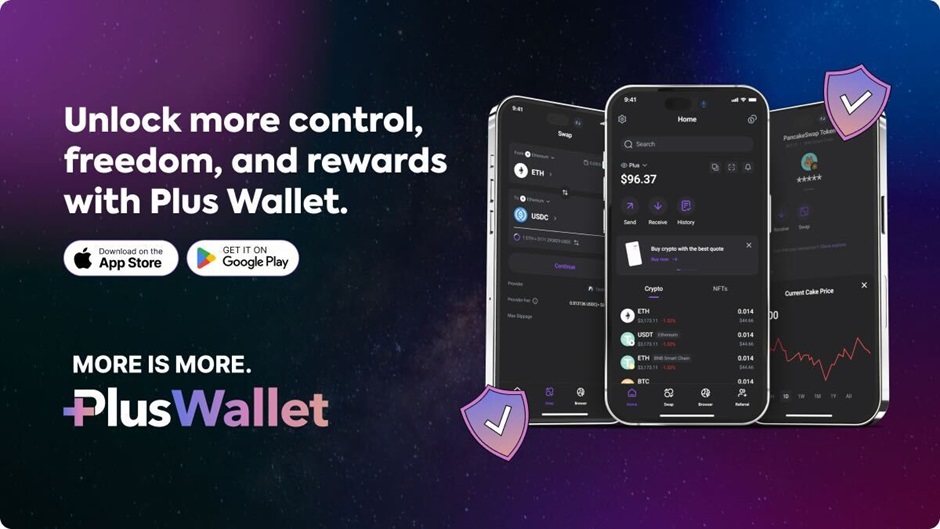
Meanwhile, Plus Wallet is changing mobile crypto management by merging cross-chain functionality with user-friendly access on a singular platform. Available on iOS and Android, Plus Wallet enables users to effortlessly manage a variety of crypto assets, ditching the need for multiple wallets and offering a streamlined, all-in-one experience right from their mobile devices.

SUI Net Inflows Outstrip Solana & Ethereum Combined

SUI has recently notched net inflows of roughly $24.3 million, outperforming the combined inflows of Solana and Ethereum, which registered about $10 million and $9.7 million, respectively. This impressive influx hints at a burgeoning interest in SUI’s advanced blockchain capabilities, especially its simultaneous transaction processing and zkLogin features.

Recent enhancements, like the addition of the USDC stablecoin, have bolstered investor confidence and attracted fresh investment into the network. While the surge in SUI’s net inflows underscores growing enthusiasm, the future will tell if this upswing can be maintained or if challenges will arise in keeping its market position.

SafePal’s Visa Collaboration Integrates CeDeFi Wallet into Telegram

SafePal has recently unveiled a partnership with Visa to launch the Mini Wallet App for Telegram, heralding a new chapter in SafePal’s collaborations. This initiative merges CeDeFi functionalities, blending regulatory adherence with the ease of crypto operations. Aligned with Swiss FINMA guidelines, it offers Telegram’s extensive user base the ability to establish compliant bank accounts within the chat application.

Backed by Fiat24, a Swiss-certified fintech entity, the app facilitates KYC-compliant account setups while safeguarding user privacy. Engineered to support 100 blockchains, the SafePal initiative seeks to boost interoperability and safeguard online transactions.

Plus Wallet: Mobile-Centric Crypto Management with Cross-Chain Functionality

Plus Wallet is a mobile crypto wallet, custom-built to deliver effortless crypto management directly to mobile users on iOS and Android. By amalgamating all critical functionalities into one app, Plus Wallet eliminates the need for several wallets or platforms, making crypto management straightforward and accessible anywhere, anytime. This all-encompassing approach ensures users have all they require to manage their crypto holdings on the move, providing an experience that’s accessible to everyone.

This mobile-first strategy also introduces a significant feature: cross-chain functionality. Plus Wallet empowers users to manage and transact across various blockchains within one application.

This facility enables users to store, exchange, and engage with diverse cryptocurrencies—like Bitcoin, Ethereum, and others—effortlessly in one place. By accommodating multiple assets without the need for several wallets, Plus Wallet simplifies navigating the intricacies of different blockchains, making it efficient and user-friendly.

Plus Wallet further enhances user convenience with a unique rewards program, offering crypto rewards for swapping or introducing new users. Combining ease, cross-chain support, and added perks, Plus Wallet provides a robust, versatile solution for anyone looking to confidently manage digital assets.

Summing Up

The dramatic net inflows of SUI surpassing those of Solana and Ethereum highlight an escalating interest in scalable blockchain technologies. Meanwhile, SafePal’s collaboration with Visa introduces new secure, compliant transaction options to Telegram’s broad user base.

Plus Wallet stands out as a mobile cryptocurrency wallet optimized for seamless cross-chain management in this competitive landscape. By integrating diverse assets on a single platform available on iOS and Android, Plus Wallet enables users to manage their cryptocurrency portfolios with flexibility and ease, directly from their mobile devices. It’s a practical choice for anyone aiming to streamline and amplify their cryptocurrency handling experience.


Plus Wallet:

Website: https://pluswallet.app/

Download: https://onelink.to/pluswalletapp

Twitter: https://x.com/pluswalletapp

Instagram: https://www.instagram.com/pluswallet.app/