DD
MM
YYYY

PAGES

DD
MM
YYYY

spot_img

PAGES

Home Blog Page 2700

Ethiopia’s National Bank to Implement Standardized QR Codes for Digital Payments by December 2024

0

The National Bank of Ethiopia (NBE) has announced a new directive requiring all payment service providers in Ethiopia to implement standardized QR codes for digital payments starting December 1, 2024.

This initiative seeks to unify the varied QR systems currently in use, establishing a single, standardized format that adheres to NBE’s guidelines. Ethiopia’s digital payment ecosystem has witnessed rapid expansion, underscored by the National Bank’s recent report showing over 2.7 billion digital transactions totaling more than Birr 9.7 trillion the 2023/24 fiscal year.

With digital payment accounts including mobile and internet banking now exceeding 198 million, the country is steadily moving towards a cashless economy. The new QR code standard is set to transform merchant transactions by ensuring secure, interoperable, and consistent payment experiences nationwide. By simplifying user interactions, bolstering security, and encouraging broader adoption among merchants, this measure aims to foster an inclusive digital economy across Ethiopia.

The initiative aligns with the goals of Ethiopia’s National Digital Payment Strateg (2021-2024), which has contributed to a robust regulatory environment and rapid growth within the digital payments landscape. EthSwitch, a national switch fully owned by all banks in Ethiopia, will oversee the QR code interoperability infrastructure, working under NBE’s supervision to promote a seamless and uniform payment experience for users and merchants alike.

The standardized QR codes are expected to improve the accessibility, security, and interoperability of digital payments, contributing to Ethiopia’s economic growth through a more efficient and inclusive digital payment system.

Ethiopia is poised to revolutionize its development trajectory with a bold digital transformation. The “Digital Ethiopia 2025” strategy is the blueprint for this ambitious endeavor, aimed at unlocking inclusive prosperity. The “Digital Ethiopia” roadmap outlines the strategic vision and initiatives aimed at transforming Ethiopia into a digitally driven economy by 2025.

Ethiopia’s National Digital Payments Strategy (NDPS) for 2021-2024 further propels the digital payments agenda. The NDPS aims to modernize the country’s retail payment system, promote financial inclusion, and create a cash-lite economy. It is aligned with the government’s broader reform agenda and the Financial Sector Reform Strategy

According to reports, digital financial transactions have been growing rapidly in Ethiopia since 2019 in terms of both volume and value of transactions across all channels, including ATM, POS, mobile banking, and internet banking. As of June 2023, end users in Ethiopia had made digital payments worth more than Birr 4.7 trillion ($82 Billion). That is three times the value made in 2022. The number of digital transactions reached 1.2 trillion.

Furthermore, mobile money has shown the greatest growth in number of transactions, with a six-fold increase in just one year, from 48 million transactions in 2022 to 298 million transactions in 2023.

The Digital Transformation Strategy adds a sense of urgency, stakeholder mobilization, and coordination of the ongoing initiatives to develop the payments ecosystem and enable financial inclusion. The strategy, informed by a digital economy gap assessment and stakeholder engagement, aligns with Ethiopia’s national development vision and priorities.

The outlook for the growth and advancement of Ethiopia’s digital payments eco-system appears more promising than ever.
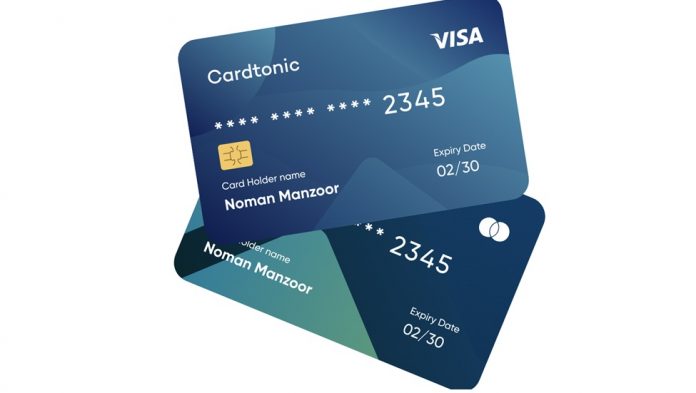
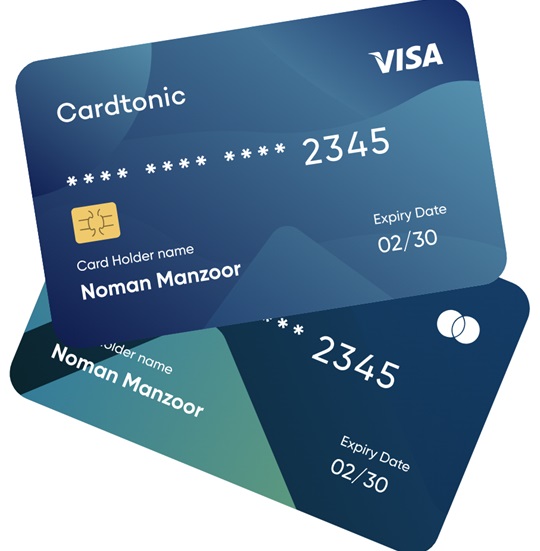
7 Leading Virtual Dollar Card Providers in Nigeria for 2024

0

In 2024, virtual dollar cards offer Nigerians a reliable way to make payments on international platforms like Amazon, X, Aliexpress, and more. These digital cards provide the convenience of making dollar-denominated purchases without the limitations of using a traditional Nigerian card.

Top 7 Virtual Dollar Card Providers in Nigeria 2024

Below are 7 top virtual dollar card providers in Nigeria, each with unique features and benefits tailored to enhance your global transactions:

  1. Cardtonic
  2. ALAT by Wema Bank
  3. Chipper Cash
  4. Payday
  5. Bitnob
  6. Eversend
  7. Geepay

1. Cardtonic:

Cardtonic has built a strong reputation as a trusted platform for gift card trading and has now added a virtual dollar card to its services. This card offers Nigerians a straightforward way to make dollar payments, whether for online shopping, subscriptions, or other international expenses.

The Cardtonic virtual dollar card is compatible with popular services like Netflix, Amazon, and Apple Music.

Funding the card is easy. You can top up directly with naira from your Cardtonic wallet, and the card is ready to use without any additional hidden fees. Cardtonic’s card prioritises ease of use, making it ideal for users looking for a stress free experience.

2. ALAT by Wema:

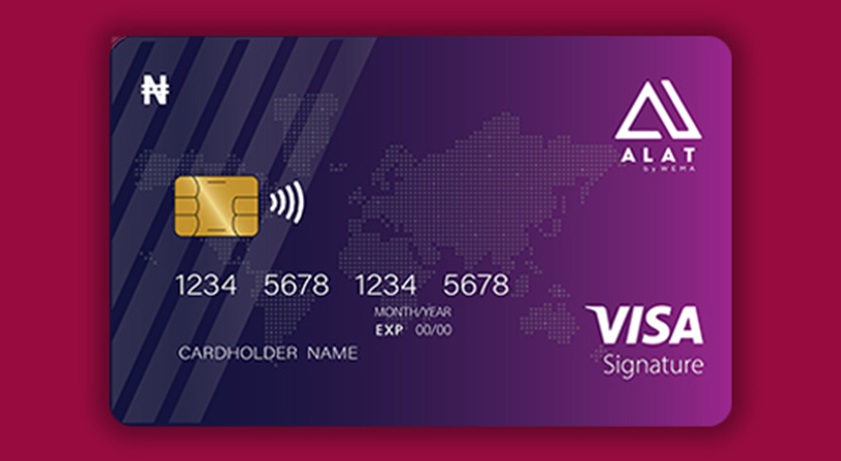
ALAT by Wema Bank is Nigeria’s first fully digital bank, and its virtual dollar card provides a secure and accessible way for Nigerians to make international payments.

ALAT offers a prepaid Visa dollar card with three tiers: Classic, Gold, and Platinum, and each one is designed to meet different user needs. The card is ideal for online shopping, media subscriptions, and digital advertising on platforms like Google and Facebook.

However, as it’s specifically tailored for online purchases, it cannot be used at ATMs or for POS transactions.

3. Chipper Cash:

Chipper Cash is a widely used fintech app across Africa. Its virtual dollar card, backed by Visa, makes international payments easy for Nigerians. The Chipper cash card enables users to handle transactions on global platforms and offers cross-border payment support.

With the Chipper Cash virtual dollar card, users can make purchases on platforms like Spotify, AliExpress, and Apple. The card also enables money transfers to countries like South Africa, Uganda, and Rwanda, making it a great choice for frequent travellers and cross-border transactions.

4. Payday:

Payday is a multifunctional financial platform that offers physical and virtual dollar cards designed to help Nigerians manage international transactions. Payday’s virtual dollar card supports various digital services, bill payments, and easy currency conversions from naira to dollars.

The Payday platform also allows users to receive international transfers from around the world and supports bill payments, making it a highly versatile option for Nigerians needing a digital financial solution.

5. Bitnob:

Bitnob is a prominent financial platform in Nigeria, offering a virtual dollar card that facilitates seamless international transactions. This card enables users to make online purchases, pay for subscriptions, and conduct other dollar-denominated transactions with ease.

Compatible with popular services like Netflix, Amazon, and Apple Music, the Bitnob virtual dollar card ensures broad acceptance across various platforms.

Funding the card is straightforward; users can top up directly with naira from their Bitnob wallet, with no additional hidden fees. This simplicity makes the Bitnob card ideal for individuals seeking a hassle-free experience in managing international payments.

6. Eversend:

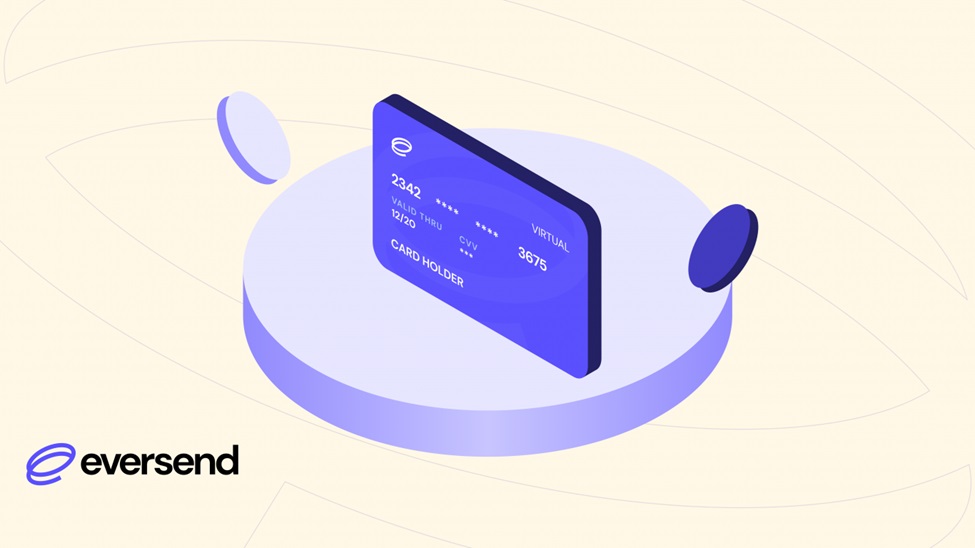
Eversend is a digital banking app that provides a multi-currency virtual dollar card, perfect for Nigerians managing different currencies. Eversend allows easy naira-to-dollar conversion and supports a variety of international transactions.

The Eversend card is widely accepted and works well for online shopping, streaming services, and more.

It’s a versatile choice for users who frequently handle payments in multiple currencies and need a reliable platform for international transfers.

7. Geepay:

Geepay is a rising digital payment platform designed for Nigerians looking to make secure and convenient dollar-denominated purchases. Known for its user-friendly setup, Geepay offers a virtual dollar card that allows users to access various international services seamlessly.

From online shopping on sites like Amazon and Aliexpress to paying for streaming services and digital subscriptions, Geepay makes it easy to navigate global transactions.

Conclusion

Virtual dollar cards are changing how Nigerians approach international transactions, making it easier than ever to pay for services, shop globally, and manage digital subscriptions.

Each provider on this list offers unique features that cater to different needs and spending habits. Whether you’re looking for high spending limits, ease of currency conversion, or a trusted name in digital banking, these options provide reliable, convenient solutions for navigating global payments.

By choosing the card that aligns best with your needs, you can handle international payments seamlessly and enjoy the freedom of secure, hassle-free transactions in 2024.

Nigeria’s Oil and Gas Sector Secures Over $1 Billion in Investment Amid Reform Efforts

0

Nigeria has drawn over $1 billion in fresh investments into its oil and gas sector since President Bola Tinubu took office, according to Olu Verheijen, Special Adviser to the President on Energy. This revelation was made at the African Energy Week in Cape Town, South Africa, where Verheijen underscored the impact of new regulatory frameworks in attracting diverse investments across the oil and gas value chain.

Verheijen explained that this influx is only the beginning, with expectations of further investment commitments for deepwater exploration projects by mid-2025.

“We have unlocked over $1 billion in investments across the value chain, and by the middle of 2025, we expect to see Final Investment Decisions on two more projects, including a multibillion-dollar deepwater exploration project, which will be the first of its kind in Nigeria in over a decade – one of many to come,” she noted.

These anticipated deepwater projects, if realized, would mark a revival of high-stakes investments in Nigeria’s offshore oil fields, an area that has been largely dormant over the past decade.

Nigeria’s progress is rooted in its Petroleum Industry Act (PIA), which, after a twenty-year legislative delay, received Presidential assent in 2021. Verheijen explained that the current administration is leveraging this framework with an accelerated approach to establish Nigeria as a “leading global producer and exporter of energy.”

She outlined the government’s new strategy to expedite regulatory approvals, noting, “We are already seeing the fruit of our work. Regulatory approvals are being expedited, major investment decisions are being finalized across the value chain.”

The PIA has provided a legal structure for the oil and gas industry, aiming to enhance transparency, boost competitiveness, and create a more conducive environment for local and foreign investments. This law is further bolstered by President Tinubu’s reforms to streamline business processes in the sector, reduce bureaucratic delays, and enhance investor confidence.

The presidential adviser described the administration’s approach as one that “is not held back by the outdated approaches and assumptions of the past,” adding that Nigeria is “open, daring, and eager to leave a legacy that will stand the test of time.”

Key Reforms Under Tinubu’s Administration

Since taking office in May 2023, President Tinubu has introduced a series of reforms designed to reduce operational costs and timeframes, positioning Nigeria as a more attractive destination for oil and gas investments. In February 2024, the administration enacted three critical presidential directives aimed at creating tens of thousands of jobs, boosting foreign exchange, increasing tax revenue, and supporting the broader economy. These directives include:

  • Tax Relief for Deep Offshore Oil Projects: New tax incentives were introduced specifically for deep offshore projects, which are high-cost but high-potential ventures, expected to encourage substantial foreign investment.
  • VAT Exemptions on Key Energy Products: Value-added tax (VAT) exemptions were extended to include LPG, CNG, diesel, and other critical energy products. These exemptions, outlined in the VAT Modification Order 2024 and the Notice of Tax Incentives for Deep Offshore Oil & Gas Production, aim to reduce costs for producers and end consumers.
  • Enhanced Business Environment for Oil Operators: The administration has implemented measures to streamline business processes, making it easier for operators to navigate regulatory approvals, while ensuring compliance with environmental and economic standards.

The oil and gas sector remains the bedrock of Nigeria’s economy, being the largest source of foreign exchange and a major contributor to tax revenue. The government’s recent initiatives are anticipated to bolster macroeconomic stability and strengthen Nigeria’s overall economic resilience. The reforms are designed not only to attract investments but also to create a ripple effect that would stimulate job creation, elevate foreign exchange earnings, and increase tax revenues.

Verheijen expressed confidence in Nigeria’s path toward a diversified energy sector that balances fossil fuels and renewables.

“We see the abundant opportunities that lie ahead. We see a Nigeria that is a leading global producer and exporter of energy – whether it’s fossil fuels or renewables,” she said.

The next phase of Nigeria’s energy strategy will hinge on the successful implementation of these reforms, with deepwater project investments expected to play a central role. If the anticipated investments come to fruition, they will likely usher in a new era of offshore drilling activities and potentially elevate Nigeria’s standing within the global energy market.

Verheijen’s statement on anticipated multibillion-dollar investments by mid-2025 highlights the government’s ambition to rejuvenate Nigeria’s offshore fields, which hold significant untapped reserves.

Rethinking Nigeria’s Cancer Crisis

0
breast cancer in nigeria

Cancer is an escalating global health challenge, but nowhere is its impact more deeply felt than in Nigeria. The statistics paint a harrowing picture: Nigeria records over 120,000 new cancer cases annually, with common forms such as breast cancer, lymphoma, cervical cancer, prostate cancer, and colorectal cancer topping the list. Despite global advancements in cancer treatment, Nigeria’s healthcare system is struggling to keep pace, leading to tragic outcomes for many patients. In this piece, our analyst explores public sentiment around the country’s cancer crisis and offers insights for collaborative action.

A Glimpse into the Public’s Perspective

To understand the broader social perception of Nigeria’s cancer crisis, we analyzed public discussions on social media, particularly on X. We aggregated 268 tweets from Nigerians to identify prevalent themes that reveal deep-seated frustration and a growing sense of urgency among the populace. The conversations highlighted the severity of the situation, emphasizing the gap between patient needs and the limited capacity of the healthcare system.

 The Burden of Inadequate Equipment and Resources in Nigeria

Nigeria’s cancer care infrastructure is woefully inadequate. The country loses an estimated 72,000 cancer patients each year, a figure exacerbated by the lack of essential diagnostic and treatment equipment. Public accounts reveal that patients and their families endure harrowing experiences due to this shortfall. As one user, @drzobo, a self-identified medical practitioner, lamented:

“We just lost my friend’s mom to cervical cancer. After months of moving from state to state, joining long queues for radiotherapy, and waiting for repairs. Radiotherapy machines: 195 million citizens. Cancer is the worst disease ever. A country with only 3 functional radiotherapy machines, and none in the South-East. A country where your turn to use the radiotherapy machine might come when you are dead.”

This account is not an isolated incident. Another user shared a similarly devastating story about the loss of a loved one due to delays and high costs of chemotherapy. Their narrative underscores the grim reality that many Nigerians face—long waits for treatment, exorbitant costs, and inadequate medical facilities:

“Our healthcare system is rubbish. My father died as soon as he started chemotherapy—#400k per treatment in November 2020. He had amputated his toe and done radiotherapy 7 years before as recommended by Nigerian doctors. No kind of prayer we didn’t try. Cancer they said we detected early!”

These voices are a stark reminder of the systemic failures in Nigeria’s healthcare system, where the ratio of equipment to patients is shockingly low, and the geographical disparity further compounds access issues. In regions like the South-South, patients may need to travel across the country just to receive basic radiotherapy, a burden that most cannot afford.

Pathways to a Healthier Future in Nigeria: Innovation, Access, and Partnership

Despite the bleak scenario, there is a glimmer of hope. During the recent International Cancer Week in Nigeria, stakeholders from various sectors convened to discuss strategies for improving cancer care. The event, hosted by the National Institute for Cancer Research and Treatment (NICRAT), was themed “Accelerating Nigeria’s Path to Comprehensive Cancer Control: Innovation, Access, and Partnership.” The discussions centred around the need for innovative solutions, enhanced access to care, and strong partnerships among stakeholders.

Dr. Aisha Mustapha, a prominent voice at the conference, tweeted her optimism about the event’s outcomes:

“At the ongoing 2024 International Cancer Week, the need for innovation, access, and partnership to accelerate Nigeria’s path to comprehensive cancer control was emphasized. Great abstracts, symposia, and panel discussions. Palpable political will. Optimistic for an improvement in cancer care in Nigeria.”

The commitment from Nigeria’s government was also evident. Muhammad Ali Pate, the Coordinating Minister of Health and Social Welfare, reiterated the administration’s pledge to prioritize cancer care as part of its broader health agenda. He highlighted the urgency of addressing non-communicable diseases like cancer and emphasized the importance of preventive measures and early intervention:

“Under HE President Tinubu’s visionary leadership, our administration has placed population health at the heart of the #RenewedHope Agenda. As non-communicable diseases, such as cancer, continue to escalate, we recognize the urgency to act now. The burden is growing swiftly, and with limited resources, infrastructure, and personnel, we must prioritize both prevention and early intervention.”

Bridging the Gap: The Role of Inclusivity and Support Systems

An often-overlooked aspect of cancer care in Nigeria is the need for comprehensive support systems that address the mental health and social challenges faced by patients and survivors. One participant at the conference, a cancer survivor, expressed gratitude for the inclusive nature of the event, noting that it was the first time survivors were given a platform to share their experiences without fear of stigma. They called for policies that support equal opportunities for survivors, particularly in the job market:

“Thank you #NICRAT for making cancer patients and survivors part of the cancer week, as it is us who are being discussed. Our major challenges are funding, stigma, and mental health. Help us know we are enough. I am happy the cancer patients and survivors were allowed to participate in the conference. We ask that a policy should be made regarding stigmatization and job opportunities should be given to younger survivors who are willing to work.”

A Collective Responsibility for Change

The outcry from the public and the discussions held during International Cancer Week underscore the critical need for a coordinated response to Nigeria’s cancer crisis. Addressing this issue requires a multifaceted approach, focusing on increasing investment in healthcare infrastructure, fostering public-private partnerships, and ensuring that policies prioritize both preventive care and patient support.

Cancer may be a formidable opponent, but with strong political will, innovative solutions, and a commitment to inclusivity, Nigeria can turn the tide. It is time to move from words to action, leveraging collaboration and technology to create a healthcare system that leaves no one behind. As the nation stands at this crossroads, the choices made today will determine the future of cancer care for millions of Nigerians.

Additional reports by Gbolahan Salaudeen

3 Best Cryptos to Buy for Maximum ROI: Discover the High-Growth Coins Turning Heads in 2024!

0

Discerning investors constantly seek opportunities to maximise their returns. With dynamic projects like Monero, Algorand, and the rising star, Qubetics ($TICS), the crypto market presents exciting possibilities for profit. Monero, revered for its privacy features, Algorand, lauded for its speed and security, and the intriguing presale of Qubetics at a favourable price represent diverse yet promising investments. The Qubetics presale is quickly gaining momentum, and with each passing week, the price of $TICS is inching closer to projected heights.

With potential exponential returns on the horizon, this coin, alongside a few other noteworthy cryptos, could be the best cryptos to buy for maximum ROI.

1.  Quantum-Resistant Addressing: A Key Feature of the Best Crypto to Buy for Maximum ROI

Qubetics has implemented a cutting-edge, quantum-resistant addressing system, which employs a post-quantum cryptography (PQC) based scheme to ensure unparalleled security for user identities and transactions. This advanced cryptographic solution is designed to withstand potential threats from quantum computing, effectively safeguarding the blockchain’s integrity. By adopting PQC algorithms resistant to quantum-based attacks, Qubetics is poised to remain a secure choice, even as technology advances, adding a unique layer of resilience for its users.

With a thriving presale already in its seventh phase, Qubetics has established a solid foundation with over 1,400 holders and $1.6 million in funds raised. As $TICS tokens are priced at $0.0193, the project is attracting investors eager to seize this moment of opportunity. The presale’s unique structure, where the price increases by 10% each Sunday and by a significant 20% in the final stage, encourages swift action among interested investors. Analysts forecast the price will rise to $0.25 per token, indicating that early participants could see remarkable returns from this best crypto to buy for maximum ROI.

2.  Monero: Unmatched Privacy in the Crypto World

Monero (XMR) is famed for its dedication to privacy and anonymity, setting it apart in the crypto space. Leveraging ring signatures, stealth addresses, and confidential transactions, Monero ensures that user identities and transaction details remain secure. In an era where data privacy is increasingly scrutinised, Monero’s commitment to a decentralised and anonymous digital currency is highly valued by privacy-conscious individuals. The coin’s unique protocols make it difficult to trace, securing its reputation as a haven for users who prioritise discretion. Monero’s advanced privacy features and community-driven governance are precisely why it’s on this list.

3.  Algorand: The Fast and Scalable Solution

Algorand (ALGO) brings a high-performance, secure, and scalable blockchain solution to the table, positioning itself as an efficient choice for both developers and enterprises. Developed by renowned cryptographer Silvio Micali, Algorand’s proof-of-stake mechanism allows for low transaction fees and rapid processing times, making it ideal for large-scale applications. The platform’s self-sustaining blockchain technology and commitment to decentralisation have earned it a loyal following. As a project that consistently delivers on its promises, Algorand’s seamless blend of speed and security explains why it is on this list of best cryptos.

Final Thoughts

Based on the latest research, the best cryptos to buy for maximum ROI includes Qubetics, Monero, and Algorand. Each of these cryptos brings unique strengths to the table, whether it’s Monero’s privacy, Algorand’s efficiency, or Qubetics’ presale advantages. As Qubetics ($TICS) continues its current phase with price hikes every Sunday, investors can expect exciting potential returns. For those considering new investments, Qubetics stands out with its ongoing presale momentum and promising projections, presenting an incredible opportunity to maximise returns before the final price jump.


For More Information:

Qubetics: https://qubetics.com

Telegram: https://t.me/qubetics

Twitter: https://x.com/qubetics