DD
MM
YYYY

PAGES

DD
MM
YYYY

spot_img

PAGES

Home Blog Page 28

Argentina’s Central Bank to Permit Banks to Offer Crypto Services Starting in 2026

0
TOPSHOT - Argentine presidential candidate for the La Libertad Avanza alliance Javier Milei waves to supporters after winning the presidential election runoff at his party headquarters in Buenos Aires on November 19, 2023. Libertarian outsider Javier Milei pulled off a massive upset Sunday with a resounding win in Argentina's presidential election, a stinging rebuke of the traditional parties that have overseen decades of economic decline. (Photo by Luis ROBAYO / AFP) (Photo by LUIS ROBAYO/AFP via Getty Images)

Argentina’s Central Bank— Banco Central de la República Argentina, or BCRA is actively drafting new regulations to lift a three-year ban on banks providing cryptocurrency services, with implementation targeted for as early as April 2026.

This move represents a significant policy shift toward greater integration of digital assets into the traditional banking system, driven by the country’s ongoing economic challenges, including hyperinflation exceeding 270% and strict capital controls.

Under President Javier Milei, who assumed office in late 2023 and has publicly advocated for crypto-friendly reforms, regulators have pivoted from prohibition to structured oversight. Banks would be authorized to offer trading, custody, and related services for major cryptocurrencies such as Bitcoin (BTC), Ethereum (ETH), Tether (USDT), and XRP.

These services could be integrated directly into banking apps, making crypto more accessible to everyday users. To mitigate risks, banks must operate crypto services through separate legal units with enhanced capital reserves, liquidity requirements, and security protocols.

All activities will adhere to strict Know Your Customer (KYC) and Anti-Money Laundering (AML) standards, aligned with guidelines from Argentina’s National Securities Commission (CNV). While not yet officially confirmed, sources close to the BCRA indicate that the rules could be finalized and take effect by April 2026.

Internal planning is already underway, building on 2024 regulations that required Virtual Asset Service Providers (VASPs) like exchanges to register with the CNV. Argentina ranks as a global leader in grassroots crypto adoption, processing $93.9 billion in transaction volume from July 2024 to June 2025 second in Latin America per Chainalysis.

Citizens have turned to crypto as a hedge against peso devaluation and inflation, often via informal channels. Formalizing bank involvement aims to enhance safety, improve tax compliance, reduce reliance on unregulated platforms, and boost liquidity.

This development positions Argentina as a potential model for other inflation-plagued economies blending traditional finance with digital assets. Local banks like BBVA Argentina, Banco Macro, and Grupo Financiero Galicia have expressed interest, potentially accelerating adoption among the country’s 20+ million banking customers.

However, challenges remain, including ensuring fair competition with existing crypto exchanges via equitable tax policies and finalizing technical integrations. Industry voices, such as those from local exchange Lemon, hail it as a “key driver for mass adoption,” while experts caution that success hinges on balanced taxation and risk management.

For comparison, Brazil already has comprehensive bank-crypto laws, and similar expansions are underway in the U.S. and Europe. The BCRA has not issued an official announcement, so timelines could shift, but the momentum reflects a clear pro-innovation stance under the current administration.

Argentina stands out as a global leader in cryptocurrency adoption, particularly in Latin America, where economic instability—marked by hyperinflation (around 85% annually in 2025), peso devaluation, and strict capital controls—has driven citizens to digital assets as a hedge and alternative to traditional finance.

Unlike wealthier nations where crypto is often speculative, in Argentina, it’s a practical tool for savings, remittances, and daily transactions. This grassroots momentum has positioned the country as a model for emerging markets, with adoption rates far exceeding global averages.

Approximately 19.8% of the population about 9.1 million people out of 46 million owns cryptocurrencies, making Argentina the top in Latin America ahead of Brazil (18.6%). Some surveys report up to 29.4% ownership in high-inflation contexts, though 19.8-22.8% is the consensus for active holders.

Around 10 million active crypto wallet users, ranking Argentina 15th globally. Daily users are estimated at 5 million, reflecting high engagement for remittances and payments. $93.9 billion in on-chain value received from July 2024 to June 2025, second in Latin America and contributing to the region’s $1.5 trillion total over three years.

This marks a 40% regional increase in transactions, with Argentina’s stable at high levels despite volatility. Earlier data showed $91 billion, indicating steady growth. 20th on Chainalysis’ 2025 Global Crypto Adoption Index, which weights grassroots usage by population and purchasing power parity. This reflects broad retail participation rather than institutional dominance.

61.8% of transactions involve stablecoins (e.g., USDT, USDC), far above the global 44.7% average, used for hedging inflation and cross-border payments. Over half of exchange purchases in Argentina are stablecoins, with retail-sized transfers (<$10,000) growing fastest.

With inflation eroding savings and capital controls limiting USD access, crypto offers dollar-pegged stability and borderless transfers. Remittances and freelance payments are key use cases, with platforms like Ripio and Lemon Cash enabling peso-crypto conversions at 6,000+ informal outlets.

Younger demographics and rising digital literacy amplify this, alongside President Milei’s pro-crypto stance, which has spurred regulatory easing like VASP registration under the CNV.

Barriers include regulatory uncertainty (e.g., potential 30% tax on undeclared assets) and security risks from informal channels, but 2025’s VASP rules align with FATF standards for AML/CFT. Trends point to institutional integration: Banks may offer services by April 2026, potentially onboarding 20M+ customers.

Latin America’s 15.2% average adoption up from prior years underscores Argentina’s influence, with stablecoins powering 70% of bot-driven transfers in AI/e-commerce. Overall, these stats highlight crypto’s role in financial inclusion, with projections for sustained 18-20% quarterly growth in ownership.

Plume Network Secures ADGM Commercial License, Unlocking RWA Growth in the Middle East

0

Plume Network, a modular Layer 2 blockchain specialized in real-world asset (RWA) tokenization, has obtained a commercial license from the Abu Dhabi Global Market (ADGM) Registration Authority.

This approval, announced today, enables Plume to legally originate, distribute, and scale tokenized RWAs—such as real estate, bonds, and commodities—across the Middle East, Africa, and other emerging markets.

The move positions Plume as a key player in one of the world’s most RWA-friendly regulatory environments, where institutions like BlackRock, Deutsche Bank, and sovereign wealth funds via the $1 trillion+ Abu Dhabi Investment Authority are increasingly exploring digital assets.

ADGM, a UAE-based international financial center, provides a progressive, English common law-based system for digital finance. The license allows Plume to operate compliantly under ADGM’s oversight, focusing on tokenized securities and asset finance.

Plume intends to open a permanent office in Abu Dhabi by the end of 2025, with initial commercial launches and partnerships with regional banks and fintechs slated for early 2026. This includes local hiring to build ties with Middle Eastern institutions.

The UAE’s ambition to diversify beyond oil—through initiatives like free zones and blockchain sandboxes—aligns perfectly with Plume’s RWA focus. As CEO Chris Yin noted, “The Middle East is not just a market, but a strategic partner in shaping compliant real-world tokenization.”

This development comes amid surging interest in RWAs, with Plume already leading by RWA holder count on blockchains. Recent catalysts include a 31% token surge following U.S. SEC transfer agent registration in October 2025 and a Coinbase listing today, which could boost liquidity.

On-chain metrics show a 318% increase in Ethereum transaction volume for Plume over the past week, signaling growing adoption. The Middle East’s RWA ecosystem is booming: Dubai and Abu Dhabi have piloted tokenized real estate and funds, with regulators like the SCA and DFSA providing clear guidelines for fractional ownership and AML compliance.

Dubai has emerged as a global epicenter for real-world asset (RWA) tokenization, blending its thriving real estate market, progressive regulations, and strategic position as a financial hub.

By converting physical or traditional assets—like properties, commodities, bonds, and funds—into blockchain-based digital tokens, RWA tokenization enables fractional ownership, 24/7 liquidity, and borderless access.

As of December 2025, the UAE’s on-chain RWA value stands at approximately $17 billion, with Dubai leading the charge through government-backed pilots and a supportive ecosystem. This positions the emirate not just as a market, but as a blueprint for compliant, scalable tokenization worldwide.

Dubai’s regulatory environment is designed to foster growth while ensuring investor protection. In May 2025, VARA updated its Rulebook to classify tokenized RWAs as “Asset-Referenced Virtual Assets” (ARVA), providing end-to-end guidelines for issuance, custody, trading, and secondary markets. This framework emphasizes additive benefits like transparency and efficiency, with real estate as a priority sector.

Dubai Financial Services Authority (DFSA): Operating in the Dubai International Financial Centre (DIFC), the DFSA approved the region’s first tokenized money market fund in July 2025—the QCD Money Market Fund by Qatar National Bank and DMZ Finance—targeting institutional applications and projecting global RWA growth to $18.9 trillion by 2033.

Dubai Land Department (DLD): Collaborating with VARA, the Dubai Future Foundation, and the Central Bank of the UAE, DLD launched a pilot real estate tokenization platform in May 2025 via Prypco Mint. It uses the XRP Ledger to digitize property deeds, enabling fractional shares starting at AED 2,000 (~$545) for UAE ID holders, with global expansion planned.

These initiatives align with Dubai’s D33 economic agenda, aiming to double the economy by 2033 through digital finance, and have attracted institutions like BlackRock and sovereign funds. A tokenized apartment in Dubai sold out in under 2 minutes in June 2025, drawing 149 investors from 35 countries. Platforms like OneAsset and Fasset are tokenizing warehouses and skyscrapers, unlocking cross-border access.

Beyond property, tokenized bonds and commodities are rising, with RWA Labs providing full-stack infrastructure for SMEs and institutions. Events like Blockchain Life 2025 and the RWA Summit highlighted over $32 billion in global tokenized assets, with Dubai pilots showcasing Arbitrum and VeChain integrations.

Unlike the 2019 security token hype, Dubai’s clear rules prevent liquidity pitfalls, with platforms like DigiShares offering white-label solutions. Experts forecast Dubai leading Middle Eastern RWA growth, with initiatives like World Liberty Financial’s 2026 launches.

Dubai’s momentum is accelerating—evidenced by recent forums like DAOS Connect’s RWA Strategy Session and Binance’s full ADGM licensing. With events like the World Token Summit in June 2026 on the horizon, expect more partnerships in CBDCs, DeFi, and AI-blockchain hybrids.

For builders, VARA’s framework makes launching straightforward: structure legally, secure licensing, and leverage free zones like DIFC. Dubai isn’t just tokenizing assets—it’s redefining finance. Stay tuned for pilot expansions and institutional inflows.

Plume’s entry could accelerate this, potentially unlocking billions in tokenized assets from the region’s $3+ trillion in sovereign wealth. This is a bullish step for RWA innovation—watch for partnership announcements soon.

Recent Developments on NVIDIA H200 Chip Exports to China

0

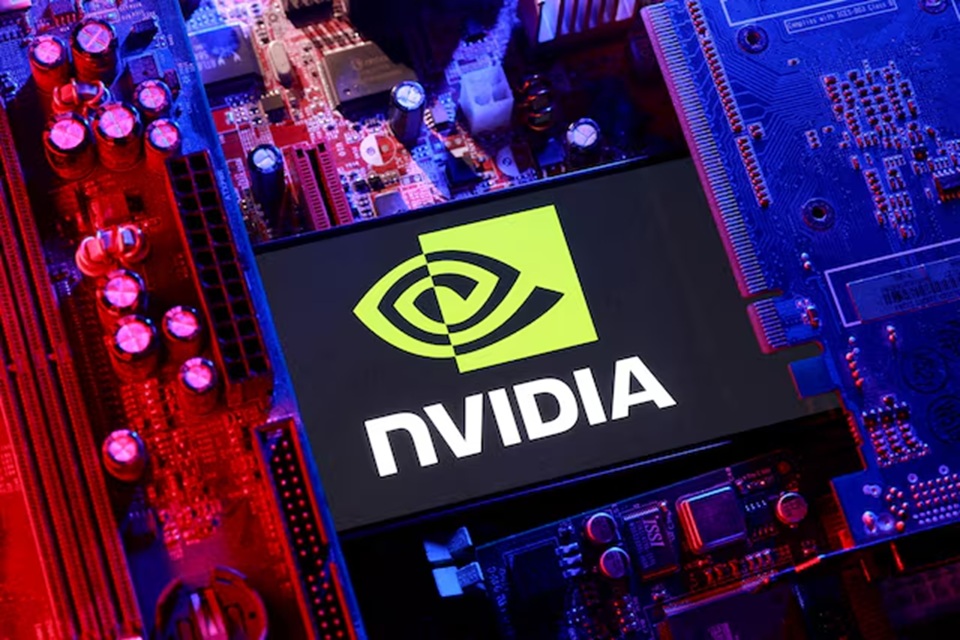
U.S. President Donald Trump announced via Truth Social that the United States would allow NVIDIA ($NVDA) to export its H200 AI chips to “approved customers” in China, marking a partial reversal of longstanding export controls on advanced semiconductors.

Trump stated he had informed Chinese President Xi Jinping of the decision, noting Xi “responded positively.” Shipments are conditioned on U.S. Department of Commerce vetting to ensure national security, and the U.S. government will levy a 25% fee on all such sales—up from an initially floated 15%.

This applies only to the H200, NVIDIA’s second-most advanced chip based on the Hopper architecture; newer lines like Blackwell and Rubin remain fully restricted. NVIDIA welcomed the move, calling it a “thoughtful balance” that supports U.S. jobs and manufacturing while allowing competition.

The announcement boosted NVIDIA shares by about 2.3% in pre-market trading on December 9, with related stocks like AMD rising 1.4% and Intel gaining modestly. Analysts view it as a compromise: it prevents a total cutoff that could accelerate China’s reliance on domestic alternatives like Huawei’s Ascend series, but it doesn’t grant access to cutting-edge tech that could supercharge Beijing’s military AI capabilities.

China Planned Restrictions on H200 Access

Financial Times reported—citing two sources familiar with the matter—that Beijing is preparing to limit access to these H200 chips, even as exports are now permitted from the U.S. side. Chinese regulators are discussing a framework for “limited access,” where potential buyers like tech firms or data centers must submit formal approval requests.

These would require justifying why domestic chips couldn’t meet their needs, aligning with China’s broader “AI self-reliance” push under 2025 legislation. This isn’t entirely surprising. Beijing has ramped up scrutiny on U.S. tech imports amid escalating trade tensions.

In recent months, state-funded data centers have been barred from using NVIDIA chips including the downgraded H20 model in new projects, with ongoing builds required to swap them out entirely. Customs has tightened semiconductor import checks, delaying large GPU shipments.

China aims to triple domestic AI chip output by 2026, favoring homegrown options from Huawei, Cambricon, and others. For context, Huawei’s Ascend 910C lags the H200 in raw performance— 12,032 TPP vs. 15,840 TPP; 3.2 TB/s memory bandwidth vs. 4.8 TB/s but matches or exceeds the export-restricted H20.

Experts like George Chen of The Asia Group suggest China might soften its stance to improve U.S. ties, but the H200’s utility—far superior to the H20—could still face pushback as “sugar-coated bullets” that lock users into NVIDIA’s CUDA software ecosystem, hindering long-term independence.

This could unlock $5-10 billion in pent-up China demand pre-restrictions, China was ~20% of NVIDIA’s revenue, but Beijing’s hurdles may cap it at “limited” volumes. The 25% U.S. fee eats into margins, and smuggling risks persist—two Chinese nationals were arrested in November 2025 for illegally importing NVIDIA chips.

Critics in Congress warn this erodes U.S. tech supremacy, potentially aiding China’s military AI. Trump’s decision follows lobbying from NVIDIA CEO Jensen Huang and comes amid a fragile U.S.-China “truce.” Earlier 2025 bans on H20/H100 exports ironically boosted China’s domestic market share from 14% to 34%, accelerating Huawei’s ecosystem.

X discussions reflect mixed views—optimism on sales revenue vs. concerns over China’s blocks and long-term decoupling. One analyst noted: Even with US approval, China can and likely will restrict H200 imports via domestic procurement rules.

Overall, this saga underscores the chip war’s complexity: U.S. easing for economic gain, met by China’s strategic caution. Watch for formal Chinese guidelines in the coming weeks; if approvals are stingy, NVIDIA’s China rebound could fizzle.

Saudi Arabia and Qatar Sign Landmark High-Speed Rail Agreement

0

Saudi Arabia and Qatar formalized an agreement to construct a high-speed electric passenger railway linking Riyadh and Doha, marking a significant step in Gulf cooperation and infrastructure development.

The deal was signed during Qatari Emir Sheikh Tamim bin Hamad Al Thani’s official visit to Riyadh, where he met with Saudi Crown Prince Mohammed bin Salman.

The signing ceremony involved Saudi Minister of Transport and Logistic Services Saleh Al Jasser and Qatari Minister of Transport Sheikh Mohammed bin Abdulla bin Mohammed Al Thani, occurring on the sidelines of the eighth Saudi-Qatari Coordination Council meeting.

The 785 km line will connect King Salman International Airport in Riyadh to Hamad International Airport in Doha, with intermediate stops in the Saudi cities of Hofuf (Al-Ahsa) and Dammam. Trains will operate at speeds exceeding 300 km/h, reducing the journey between the capitals to approximately two hours—down from the current 6–7 hours by road.

The network is projected to serve over 10 million passengers annually and is expected to be completed within six years. The project is anticipated to create around 30,000 direct and indirect jobs during construction and operations, boosting sectors like trade, tourism, and logistics.

It aligns with Saudi Vision 2030 and Qatar National Vision 2030, emphasizing sustainable transport and regional integration. This agreement symbolizes the deepening ties between the two nations, which were strained by a 2017–2021 diplomatic blockade led by Saudi Arabia and allies over Qatar’s foreign policy.

Relations normalized in January 2021 at the Al-Ula summit, leading to frequent high-level meetings and joint initiatives, including on Gaza ceasefire efforts and regional security. The rail project is part of wider pacts signed during the visit, covering defense, investment, food security, media, and cybersecurity.

Social media on X reflects enthusiasm for the project, with users highlighting its role in Gulf connectivity and economic growth, emphasizing the strategic alignment with national visions and job creation. This development could pave the way for further GCC-wide rail networks, enhancing mobility across the Arabian Peninsula.

Saudi Vision 2030: Diversify Saudi Arabia’s economy away from oil dependency, develop public service sectors (education, health, infrastructure, recreation, tourism), and create a vibrant society with strong Islamic values and national identity.

A Vibrant Society Strong roots in Islamic principles and national pride. Healthy lifestyle, cultural heritage, entertainment, and sports. Increase household spending on culture/entertainment from 2.9% to 6%, raise life expectancy from 74 to 80 years, triple number of UNESCO heritage sites

A Thriving Economy More job opportunities for citizens especially women and youth. Increase private-sector contribution to GDP. Attract foreign direct investment (FDI). Develop non-oil sectors: tourism, entertainment, mining, logistics, manufacturing, renewable energy.

An Ambitious Nation Effective, transparent, and accountable government. Responsible public spending and fiscal sustainability. Empowering citizens through e-government and anti-corruption measures.

Saudi Vision 2030 remains the kingdom’s central roadmap and continues to evolve with annual progress reports and new initiatives like the recent Shareek program to attract $3 trillion in private investment by 2030.

Vision 2030 has already transformed Saudi society and economy more in nine years than in the previous five decades, with many social and economic targets achieved ahead of schedule, though the most ambitious mega-projects are still mid-construction.

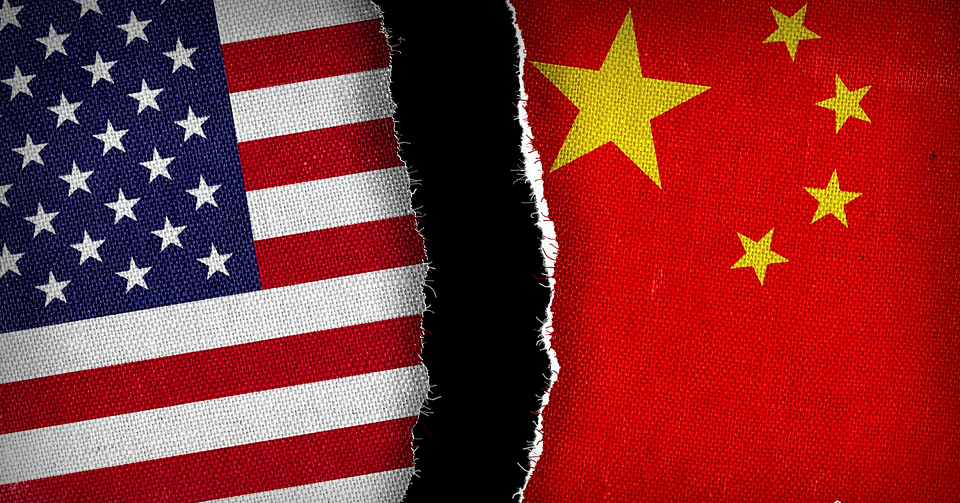
Background of US-China AI Chip Tensions

0

The global race for AI dominance has intensified US-China tech rivalry, with semiconductors like Nvidia’s GPUs at the center.

Under previous Biden-era export controls enforced through the US Department of Commerce’s Bureau of Industry and Security, sales of advanced AI chips to China were heavily restricted to curb Beijing’s military and surveillance capabilities.

Nvidia responded by developing compliant versions like the H20 chip, but these were less powerful and came with revenue-sharing deals. The H200, launched in 2023 as an upgrade to the H100, offers significantly higher performance—nearly six times that of the H20 for AI training tasks—making it a prized asset.

On December 8, 2025, President Donald Trump announced via Truth Social that the US would permit Nvidia to export H200 chips to “approved customers” in China and other countries, marking a reversal of stricter Biden policies.

Exports require vetting by the Commerce Department for national security. Sales of Nvidia’s more advanced Blackwell (B200) and upcoming Rubin chips remain banned. The US government will receive a 25% surcharge on H200 sales up from 15% on prior chips, framed by Trump as a win for jobs, manufacturing, and taxpayers.

Trump stated he informed Chinese President Xi Jinping, who “responded favorably.” This follows Nvidia CEO Jensen Huang’s recent Capitol Hill meetings with Trump. Similar terms will apply to competitors like AMD and Intel, potentially opening a $10-20 billion market in China for US firms.

Nvidia hailed the move as a “thoughtful balance” that supports American competitiveness without fully ceding ground. Shares rose ~2% initially on the news but pared gains later.

On December 9, 2025, reports emerged that Beijing is preparing to impose its own restrictions on H200 imports, effectively curbing widespread access even after Trump’s approval. According to sources familiar with the matter.

Chinese regulators are exploring “limited access” mechanisms, requiring buyers like data centers, AI firms to obtain government approval before purchasing. This could prioritize state-owned enterprises or align with national security reviews.

The move aligns with China’s “Made in China 2025” strategy and recent bans on foreign chips in new state-funded data centers. Beijing aims to triple domestic AI chip production by 2026, reducing reliance on US tech amid retaliatory tariffs and export curbs.

Customs has also tightened semiconductor import checks, delaying shipments. Analysts note Beijing’s concerns over potential US “backdoors” in chips, alongside a desire to boost local players like Huawei whose Ascend chips are gaining traction.

This dual-layer restriction—US export controls plus Chinese import limits—could blunt the deal’s impact. As Swissquote Bank’s Ipek Ozkardeskaya noted, it may not significantly boost Nvidia’s China revenue unless extended to newer lines like Blackwell.

For Nvidia ($NVDA): China accounts for ~13% of Nvidia’s revenue, but restrictions have forced pivots to compliant chips. The H200 approval could add $5-10 billion annually if unhindered, but Chinese limits might cap it at vetted buyers. Stock dipped 0.4% post-FT report.

AMD and Intel stand to gain similarly, but critics like Council on Foreign Relations’ Chris McGuire warn it risks eroding US AI leadership by accelerating China’s domestic tech. Coinciding with the news, US authorities busted a $160M ring smuggling H100/H200 GPUs to China, seizing $50M+ in hardware—highlighting enforcement gaps.

This tit-for-tat could spur EU and Asian allies to tighten their own controls, while boosting Huawei’s market share in China. Trump’s move eases one barrier but meets another from Beijing, underscoring the fragile US-China tech detente.

Watch for formal Chinese guidelines in the coming weeks, which could further shape AI supply chains.