DD
MM
YYYY

PAGES

DD
MM
YYYY

spot_img

PAGES

Home Blog Page 28

U.S. Pushes G20 to Tackle Global Imbalances, Seeks Pressure On China As Bond Sell-Off Exposes Debt And Inflation Risks

0

The Trump administration is pressing G20 economies to address global trade and fiscal imbalances as a renewed sell-off in government bonds highlights growing concerns over debt, inflation and the prospect of tighter monetary policy.

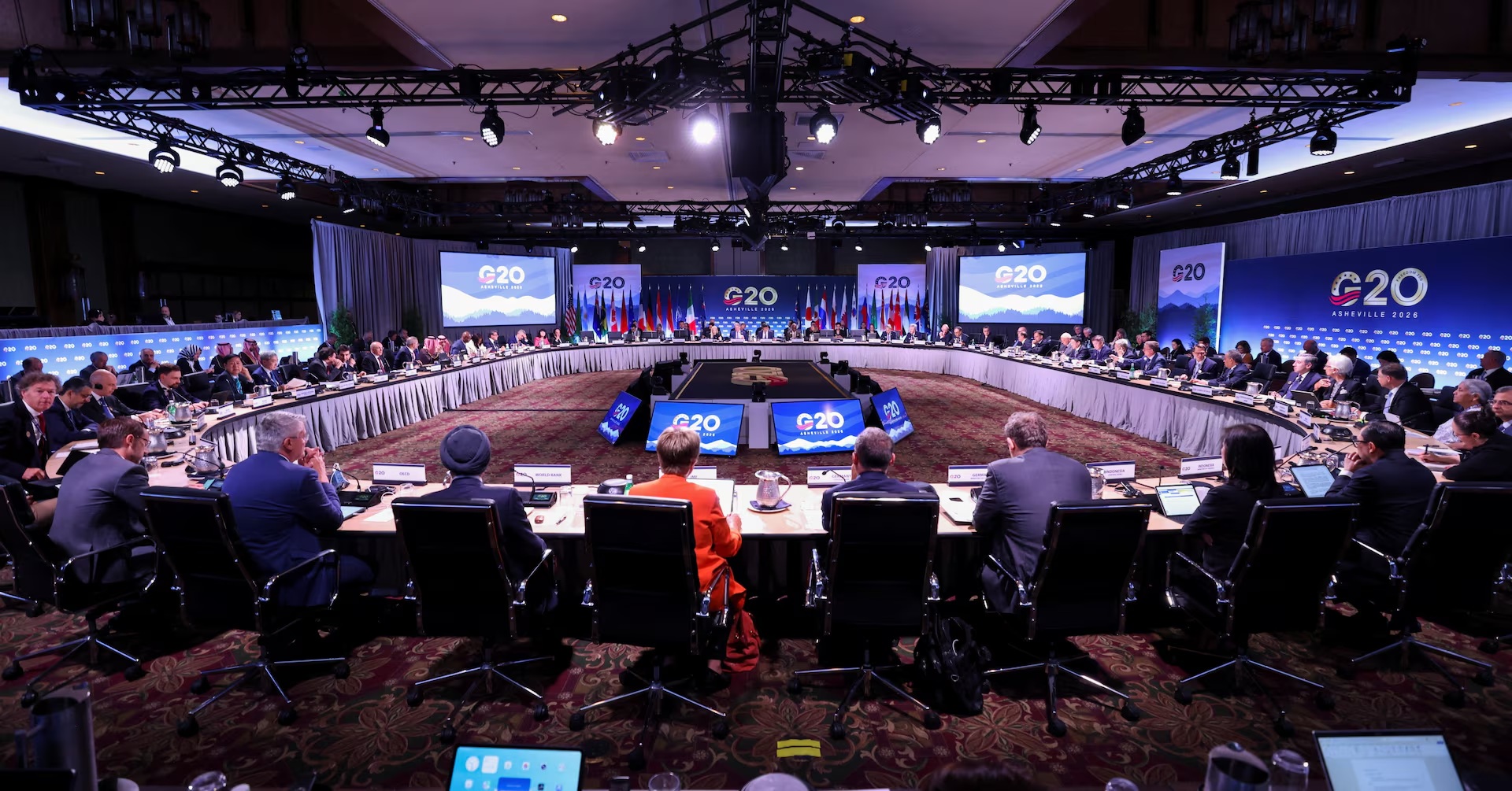
U.S. Treasury Secretary Scott Bessent is using the G20 finance ministers’ meeting in Asheville, North Carolina, to push for changes to trade relationships with China, arguing that Beijing’s export-heavy economic model is contributing to persistent global imbalances.

The U.S. is seeking greater pressure on China to shift its economy toward domestic consumption and away from exports. Bessent told Reuters that G20 members should reconsider their trading arrangements with China and examine higher barriers to Chinese goods.

The push comes at a particularly sensitive moment for global financial markets. Government bond yields rose sharply across major economies on Tuesday, with Japan’s 10-year yield reaching 3% for the first time since 1996. U.S., German, Eurozone and British borrowing costs also climbed as investors reassessed inflation and fiscal risks.

The combination of higher energy prices, renewed conflict in the Middle East and concerns about government debt has complicated the outlook for central banks. Higher inflation can delay interest-rate cuts or force policymakers to consider tighter policy, while rising yields increase governments’ debt-servicing costs and can put pressure on equity valuations.

China at the center of the trade debate

Washington’s focus on China reflects a longstanding dispute over the country’s large trade surplus and industrial policy.

China’s domestic demand has remained relatively weak, encouraging manufacturers to rely heavily on overseas markets. Chinese exports rose 23.9% year-on-year in July, according to the figures cited by Reuters, as companies increased shipments of electric vehicles, semiconductors and other manufactured goods.

The surge has intensified concerns in the United States and Europe that excess Chinese production could displace domestic manufacturers and widen trade deficits.

The European Union is also pushing for a more balanced relationship with China. European Economy Commissioner Valdis Dombrovskis said China needs to increase domestic spending, the United States needs to reduce its spending, while Europe needs to invest more.

“To put short the summary of this analysis … China would need to spend more, U.S. would need to spend less, and EU would need to invest more,” Dombrovskis said.

The scale of the imbalance is substantial. China’s goods trade surplus with the European Union reached €360.6 billion in 2025, up 15% from the previous year, and has continued to expand this year as Chinese exports to Europe rise while imports from the bloc decline.

Polish Finance Minister Andrzej Domanski also backed the U.S. position, arguing that China’s currency is significantly undervalued and that state support for exports is creating problems for European economies.

“We do know that Chinese currency is hugely undervalued, that China is supporting very actively subsidizing its exports and this is a problem for Europe as well,” Domanski told Reuters.

Fiscal Imbalance Complicates U.S. Argument

The U.S. push, however, faces a significant complication: Washington is itself running large fiscal and external deficits.

Economists have noted that reducing America’s trade deficit cannot be separated from the country’s fiscal position. The United States continues to run annual budget deficits exceeding $1 trillion, while its public debt has surpassed $40 trillion. That makes it difficult for Washington to demand greater fiscal discipline abroad without addressing its own borrowing requirements.

The bond market is already highlighting this tension. Higher Treasury yields mean the U.S. government must pay more to finance its debt, potentially creating a feedback loop in which larger interest costs contribute to wider deficits and greater borrowing needs.

The problem is not confined to the United States. Japan, Britain and several European economies are also confronting elevated debt burdens and rising financing costs.

The latest global bond sell-off therefore gives the G20 discussions an immediate financial dimension. If yields remain elevated, governments could face pressure to reduce spending, increase revenues or accept slower economic growth to keep debt dynamics under control.

Critical Minerals Add Another Fault Line

Trade tensions are also extending beyond conventional goods. China’s dominance of critical-mineral processing has become a major source of geopolitical leverage. Beijing imposed export restrictions on rare earths in April 2025 following the escalation of U.S. tariffs, measures that have also affected companies outside the United States.

Japanese Finance Minister Satsuki Katayama told G20 counterparts that arbitrary restrictions on critical minerals were damaging the global economy and should be removed.

The issue is proving difficult in negotiations over a joint G20 communique. China opposes language that singles out “non-market economies” and is resisting stronger wording on critical-mineral export restrictions, according to officials.

The dispute illustrates the limits of the G20 as an economic policy forum. The group brings together economies with sharply different interests, including the United States and China, whose strategic rivalry continues to shape global trade and supply chains.

Ukraine Adds Another Division

The talks are also being complicated by Russia’s participation. Russian Finance Minister Anton Siluanov attended the meeting in person, marking the first time Russia has participated in the G20 forum physically since its invasion of Ukraine in 2022.

European finance ministers expressed surprise and dismay at his presence, while European governments are seeking strong language condemning Russia’s war against Ukraine in the joint statement.

That development has created another obstacle to consensus at a meeting already divided over trade, fiscal policy, China and critical minerals.

For Washington, the broader objective is to use the G20 to address what it sees as structural distortions in the global economy. But reaching agreement will be difficult. China is unlikely to accept language that directly targets its industrial model, while European governments have their own concerns about Chinese competition and Russia’s war in Ukraine.

Meanwhile, the bond market is sending a separate warning that regardless of whether the G20 reaches an agreement, investors are increasingly demanding compensation for inflation, fiscal deterioration and geopolitical risk. That makes the debate over global imbalances more than a question of trade policy. Some analysts believe it is increasingly tied to the cost of capital for governments, businesses and households worldwide.


Why Trump’s Venezuela Oil Deal Is a Long-Term Bet, Not a Quick Fix

0

The announcement of Donald Trump’s Venezuelan oil deal has been presented as a historic energy victory: Washington says it has secured majority control over access to more than 65 billion barrels of Venezuelan reserves.

With plans to develop 17 oil fields and invest heavily in a devastated petroleum industry. Trump has argued that the arrangement will strengthen American energy security, replenish depleted strategic reserves and eventually lower gasoline prices.

But energy analysts and economists are considerably more cautious. The first distinction experts make is between oil underground and oil available to consumers. Venezuela possesses enormous reserves, but reserves are not the same thing as production.

Patrick De Haan of GasBuddy says bringing significant additional Venezuelan crude to market will require billions of dollars and years of drilling, rehabilitation and infrastructure development.

Rory Johnston of Commodity Context similarly argues that the 65 billion-barrel figure tells us little about how much oil can actually reach global markets.

That is the central economic problem with Trump’s promise of cheaper gasoline.

Tracy Shuchart, a senior economist at NinjaTrader Live, estimates that barrels capable of materially affecting U.S. pump prices could be five to 15 years away. Venezuela is currently producing around 1.2 million barrels per day, and much of its recent recovery has come from existing infrastructure rather than a massive wave of new production.

Amena Bakr of Kpler makes a similar argument. She says Venezuela needs years of sustained, major investment before production can move beyond the 1.5 million-barrel-per-day range targeted by the new arrangement.

That is a relatively modest addition to a global oil market producing roughly 105 million barrels per day. In other words, even a successful Venezuelan recovery would not suddenly create an ocean of cheap crude.

There is, a stronger strategic case for the deal. David Blackmon, a Texas-based energy policy analyst, views it as a long-term American energy-security strategy rather than a quick fix for gasoline prices.

Venezuela could eventually provide an important source of heavy crude while reducing U.S. dependence on Canadian and Mexican supplies. The deal could strengthen Washington’s geopolitical position in the Western Hemisphere and counter Chinese and Russian influence.

Yet even that optimistic interpretation comes with serious caveats. Venezuela’s oil industry has suffered from years of underinvestment, equipment deterioration, operational problems and political instability.

Much of its crude is extremely heavy, meaning specialized refining capacity is necessary. David Oxley of Capital Economics says logistical challenges remain significant and questions whether major American oil companies will actually find Venezuela attractive enough to commit the required capital.

Then there is the political risk. The agreement’s details remain unusually opaque, including precisely how the U.S. stake is structured, who finances the enormous investment and how future Venezuelan governments might treat the arrangement.

Analysts warn that a change in political conditions could threaten the project’s economics.  The smartest reading, therefore, is neither that Trump has discovered an instant source of cheap gasoline nor that the deal is economically meaningless.

It is a long-term geopolitical and energy bet. If Washington can stabilize Venezuela, attract private capital and rebuild its petroleum infrastructure, the rewards could be substantial. But Americans expecting Venezuelan oil to transform gasoline prices this year are likely to be disappointed.

Japan’s 10-Year Bond Yield Tops 3% for First Time Since 1996 as Yen Slides

0

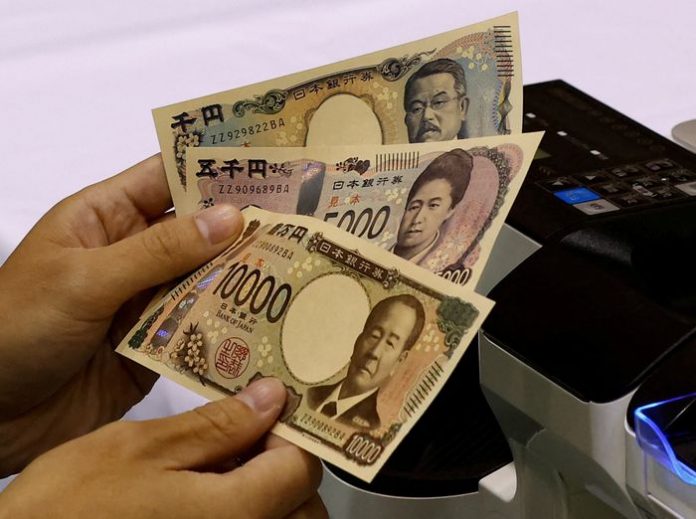
Japan’s benchmark 10-year government bond yield climbed above 3% on Tuesday for the first time in three decades, as markets increased bets on further monetary tightening and investors demanded higher compensation for the country’s growing fiscal risks.

The yield rose 6 basis points to just above 3%, its highest level since 1996, adding to pressure on Tokyo as it prepares its next budget and grapples with the rising cost of servicing its enormous public debt.

The move came as U.S. Treasury Secretary Scott Bessent signaled that Washington expects Japan to take steps to support the yen, including potentially higher interest rates from the Bank of Japan.

“I have information that the market doesn’t have. And it’s my belief that the Japanese government and that the BOJ will do the things that will lead to a stronger yen,” Bessent told CNBC on Monday.

A U.S. official told Japanese broadcaster NHK that Bessent had emphasized the need for Tokyo to demonstrate a credible path toward fiscal sustainability and pursue further rate increases during separate meetings with Finance Minister Satsuki Katayama and BOJ Governor Kazuo Ueda.

Katayama said Japan and the United States had agreed to continue coordinating efforts to achieve “orderly” movements in the yen and remained prepared to respond to “disorderly” currency moves, according to Reuters.

The comments come as the yen weakens toward levels that could force Tokyo to consider another intervention. The currency was last trading around 160.1 per dollar, breaking above the psychologically important 160 level for a third consecutive session.

Japan and the United States conducted a rare coordinated intervention in late July to support the yen, but the currency has since surrendered much of those gains. A prolonged decline in the yen is becoming increasingly problematic for Tokyo because it raises the cost of imported energy, food and other goods, adding to inflationary pressure on Japanese households.

The bond market is now pricing a greater probability of a BOJ rate increase as early as September. Takuji Okubo, managing director at Japan Macro Advisors, said investors may also be reassessing where Japanese rates will ultimately settle in the current tightening cycle.

“Japan’s higher borrowing costs on Tuesday reflect a rising chance of a Bank of Japan rate hike in September, and the market perhaps adjusting the terminal rate from 1.5% to 1.75% or higher,” Okubo told CNBC.

The BOJ’s benchmark policy rate currently stands at 1%.

The surge in Japanese yields weighs beyond Japan because of the country’s position at the center of global capital markets. Japan is the largest foreign holder of U.S. government debt, meaning any decision by Tokyo to support the yen through foreign-exchange intervention could have implications for the U.S. Treasury market.

Japan typically acquires dollars when intervening to weaken the yen and can sell dollar-denominated assets, including U.S. Treasuries, when supporting its currency. A substantial liquidation of Treasuries could add to upward pressure on U.S. long-term yields at a time when global bond markets are already facing concerns over inflation, government borrowing and elevated debt issuance.

The latest increase in Japanese yields has also occurred against a deteriorating global inflation backdrop. The resumption of military hostilities between the United States and Iran over the weekend has revived concerns about energy supplies and inflation, putting additional pressure on government bonds around the world. Bond prices move inversely to yields.

For Japan, however, the rise in yields also marks another stage in the country’s departure from the ultra-low interest-rate environment that defined its economy for decades. A 3% 10-year borrowing cost would have been almost unthinkable during the years when Japan struggled with persistent deflation and negative interest rates.

Higher yields now indicate that investors increasingly expect Japan to operate in an environment of sustained inflation and positive real economic adjustments.

“A 3% 10-year borrowing cost is high in historical perspective, but it just means another step for Japan in leaving deflation in the past and joining the rest of the world where 2% inflation is an achievable normal,” Okubo said.

The challenge for policymakers is balancing those forces. Higher rates could support the yen and help contain imported inflation, but they would also increase borrowing costs for the government, households and companies. With Japan carrying one of the world’s highest public-debt burdens relative to economic output, even modest increases in interest rates can have significant fiscal consequences.

That tension is likely to keep Japanese bonds, the yen and BOJ policy closely watched by global investors. A further rise in Japanese yields could also encourage domestic investors to redirect capital away from overseas markets and toward Japanese assets, potentially affecting global bond and currency markets.

The combination of a weakening yen, rising bond yields and pressure from Washington leaves Tokyo’s policymakers with a difficult policy equation: support the currency without destabilizing financial markets, while tightening monetary policy without placing excessive strain on an already heavily indebted government.

Global Bond Yields Surge, Oil Rises, Gold Dips As Middle East Conflict Revives Inflation Fears

0

Government bond yields surged across major markets on Tuesday, with borrowing costs in Japan and the United Kingdom reaching multi-decade highs as renewed hostilities in the Middle East pushed energy prices higher and revived concerns that inflation could remain elevated.

The selloff extended across the United States, Europe and Asia, highlighting a growing challenge for central banks and governments already grappling with persistent price pressures, large fiscal deficits and heavy borrowing needs.

The U.S. 10-year Treasury yield rose 3 basis points to 4.788%, its highest level in 20 months. The move came after Federal Reserve Chair Kevin Warsh’s hawkish comments last week reinforced expectations that U.S. interest rates may need to remain higher for longer, particularly if inflation fails to move decisively toward the Fed’s 2% target.

Japan saw one of the sharpest moves. The benchmark 10-year Japanese government bond yield climbed more than 6 basis points to 3%, a level not seen since 1996. The two-year yield also reached 1.81%, its highest since 1995.

The increase marks a significant shift for Japan, where government bond yields spent years at exceptionally low levels as the Bank of Japan maintained ultra-loose monetary policy. The rise now reflects expectations that the central bank may need to continue raising rates as underlying inflation approaches its 2% objective.

In Britain, the 10-year gilt yield jumped more than 9 basis points to 5.234%, its highest since June 2008. The 30-year yield also climbed 9 basis points to 5.886%, its highest since March 1998.

German 10-year Bund yields, a key benchmark for eurozone borrowing costs, rose more than 3 basis points to 3.355%, a fresh 52-week high. The two-year Bund yield reached 2.950%, its highest since July 2024, while France’s two-year borrowing cost rose to its highest level since April 2024.

The synchronized rise in yields is significant because it indicates that investors are demanding greater compensation to hold government debt across economies, rather than the pressure being confined to one country’s fiscal or monetary outlook.

Oil Shock Adds to Inflation Concerns

The latest bond selloff was intensified by renewed U.S.-Iran hostilities around the Strait of Hormuz, a critical route for global energy supplies.

Brent crude, the global benchmark, rose about 2.2% to $92.38 a barrel, while West Texas Intermediate gained 2.61% to $88.05. Higher energy prices can feed directly into consumer inflation while also increasing production and transportation costs across the economy.

The combination presents a difficult policy environment for central banks. Higher oil prices can keep inflation elevated when economic growth may be weakening, limiting the scope for policymakers to cut interest rates.

For bond investors, the concern is especially acute in the United States because inflation risks are emerging alongside a large federal deficit and substantial government borrowing requirements.

Treasury Secretary Scott Bessent sought to play down concerns about the rise in U.S. yields, saying Monday that the U.S. bond market remained “the best performing market” in the world. He also pointed to Fitch Ratings’ reaffirmation of its AA+ rating on U.S. government debt.

But Steve Englander, head of global G10 FX research and North America macro strategy at Standard Chartered, took a less sanguine view.

“I think ‘best performing’, as Bessent said, isn’t the same as well performing,” Englander told CNBC. “Everybody has a deficit problem. I don’t think there’s any reason to cheer.”

Englander said the prolonged Middle East conflict, combined with the impact of a Supreme Court tariff ruling that he estimated removed about 40% of additional tariff revenue, would keep pressure on the U.S. bond market.

Warsh Raises The Stakes for The Fed

The rise in Treasury yields also comes days after Warsh signaled that the Federal Reserve could raise interest rates if it fails to gain sufficient confidence that inflation is moving toward its 2% target.

At the Jackson Hole symposium on Friday, Warsh said the Fed would “have work to do” if underlying inflation was not moving toward its objective “clearly and at sufficient speed.” The comments marked his strongest indication so far that additional monetary tightening could be necessary. Markets have subsequently increased bets on a September rate hike.

Higher Treasury yields can weigh on equities by making bonds more attractive relative to stocks and increasing the discount rate applied to future corporate earnings. They can also raise financing costs for businesses and households, potentially slowing investment and consumption.

Gold Hit By Rising Yields

The global bond selloff also weighed heavily on gold. Spot gold fell 1.8% to $4,369.24 an ounce by 1003 GMT, its lowest level since August 19. U.S. gold futures declined 1.4% to $4,418.

Gold had climbed to a more than three-month high last week before dropping more than 3% on Friday following Warsh’s Jackson Hole remarks.

The relationship between gold and bond yields has become increasingly important. Higher Treasury yields increase the opportunity cost of holding gold, which does not generate interest income. Rising real yields can therefore weaken demand for the metal, particularly among institutional investors.

Saxo Bank analyst Ole Hansen said global bond yields were continuing to rise after Warsh’s hawkish comments, adding pressure to gold prices.

Other precious metals also fell, with silver down 2.8% at $64.64 an ounce, platinum declining 1.9% to $1,760.13 and palladium slipping 2.2% to $1,327.

Fiscal Pressure Compounds Monetary Risks

The bond selloff is occurring against a broader backdrop of rising government debt and fiscal deficits in major economies.

In the U.S., investors are assessing whether the Treasury can contain borrowing costs while financing a federal debt burden that has surpassed $40 trillion. In Britain, long-term yields are approaching levels that could increase the government’s debt-servicing costs and constrain fiscal policy.

The U.K. move also comes as Prime Minister Andy Burnham is reportedly considering legislation that would make it easier to bring struggling utilities into public ownership, according to The Guardian. The prospect of greater government involvement in the economy adds another dimension to investors’ assessment of Britain’s fiscal outlook.

For Japan, the rise in yields carries a different but equally important implication. The world’s most heavily indebted major economy is moving away from an era of near-zero interest rates, meaning higher borrowing costs could gradually increase the government’s debt-servicing burden.

The common thread across the major bond markets is that investors are confronting a combination of inflation risk, elevated energy prices, large fiscal deficits, and changing expectations for monetary policy.

That makes upcoming U.S. labor-market data particularly essential. Evidence of resilient employment alongside persistent inflation could strengthen the case for higher-for-longer interest rates and keep pressure on government bond yields upward. A deterioration in the labor market, however, could revive expectations for monetary easing and provide some relief to bonds.