DD
MM
YYYY

PAGES

DD
MM
YYYY

spot_img

PAGES

Home Blog Page 2845

Robinhood Expands to Europe While Plus Wallet Aids Traders Amid Crypto Market Volatility

0

The crypto market has recently faced challenges due to global tensions. With Bitcoin and other major digital currencies under pressure, having secure wallets to manage assets is now more crucial than ever.

In this environment, two key players have made significant moves. Robinhood Crypto has expanded its services in Europe, allowing users to deposit and withdraw over 20 different cryptocurrencies. Meanwhile, Plus Wallet stands out by offering users a more versatile solution.

Plus Wallet’s cross-chain compatibility and security features enable users to access various digital assets across multiple networks while keeping their assets secure. This mix of adaptability and safety makes it a reliable option during uncertain times.

Crypto Markets Affected by Israel-Iran Tensions

Crypto markets have been impacted by rising tensions between Israel and Iran, hurting expectations for a strong October. Bitcoin dropped to $60,200, falling 6% from its recent highs, with Ethereum and Solana also declining over 4% and 5%. Yet, André Dragosch from Bitwise believes that digital currencies like Bitcoin tend to recover after geopolitical events.
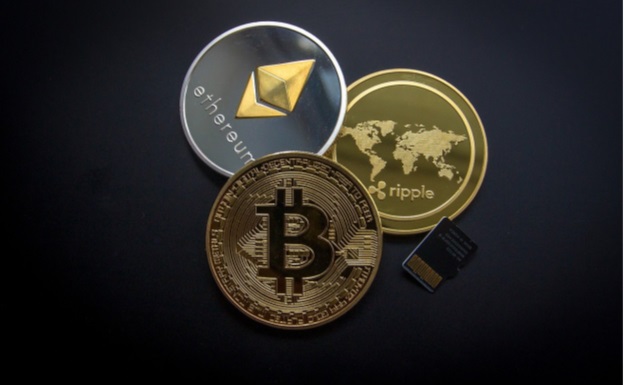
A BlackRock report supports this view, suggesting that Bitcoin’s decentralized nature could protect it from the uncertainties that traditional markets face during global crises. This means that despite short-term fluctuations, Bitcoin’s core strength as a decentralized asset remains solid, even during global challenges.

Robinhood Crypto Expands Services in Europe with Over 20 Cryptocurrencies

Robinhood Crypto has added the ability to deposit and withdraw over 20 cryptocurrencies in Europe, including Bitcoin (BTC), Ethereum (ETH), Solana (SOL), and USD Coin (USDC). This update aims to give users more control and flexibility over their digital assets.

The company says that adding deposit and withdrawal options is meant to make self-custody and decentralized finance (DeFi) easier for users, focusing on security, affordability, and reliability. This shift reflects a larger trend in the industry, where users are empowered to better manage their digital assets.

Plus Wallet: Your Ultimate Choice for Security and Versatility

In the volatile world of cryptocurrency today, finding a wallet that offers both tight security and adaptability is crucial. Plus Wallet meets this demand by providing reliable security and cross-chain functionality, empowering users to tackle the market with confidence.

With the cross-chain features of Plus Wallet, users gain access to a broad spectrum of digital assets across various networks. This ability enables them to overcome geographical limits and uncover new trading possibilities.

Plus Wallet delivers these advantages without sacrificing security. It employs sophisticated encryption and multi-factor authentication to protect assets against cyber threats. Such security is vital during market fluctuations when cybercriminals often target traders’ uncertainties.

The wallet also offers solid backup solutions for swift recovery, allowing users to adjust to market dynamics without the fear of losing their assets. These security measures form a robust safety net, bolstering user confidence through market turbulence.
Furthermore, its intuitive interface caters to both novices and seasoned users, providing a seamless experience within the app. By merging cross-chain functionality with strong security, Plus Wallet emerges as a top choice among decentralized wallets—giving users enhanced control over their assets and future prospects.

Top Decentralized Wallet in 2024

Despite the current global tensions affecting crypto markets, many analysts predict a quicker recovery for digital assets compared to traditional markets. While the downturn in major cryptocurrencies may be short-lived, it underscores the importance of a holistic solution for traders.

While Robinhood Crypto’s expansion into Europe presents fresh opportunities, Plus Wallet solidifies its status and potential as one of the premier decentralized wallets available. With its multi-chain accessibility, Plus Wallet enables users to explore international avenues while securing their assets amidst heightened market risks.


Explore Plus Wallet:

Website: https://pluswallet.app/

Download: https://onelink.to/pluswalletapp

Twitter: https://x.com/pluswalletapp

Instagram: https://www.instagram.com/pluswallet.app/
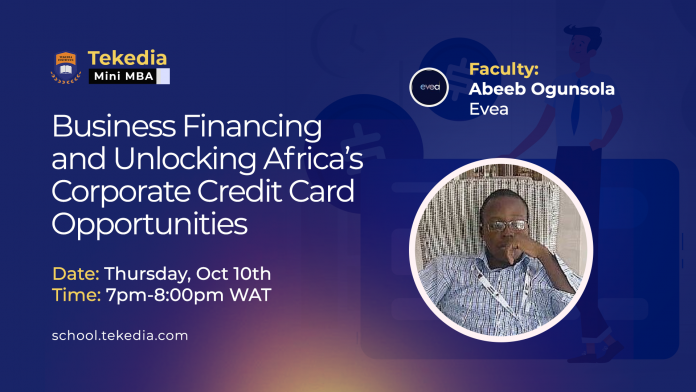
Business Financing and Unlocking Africa’s Corporate Credit Card Opportunities

0

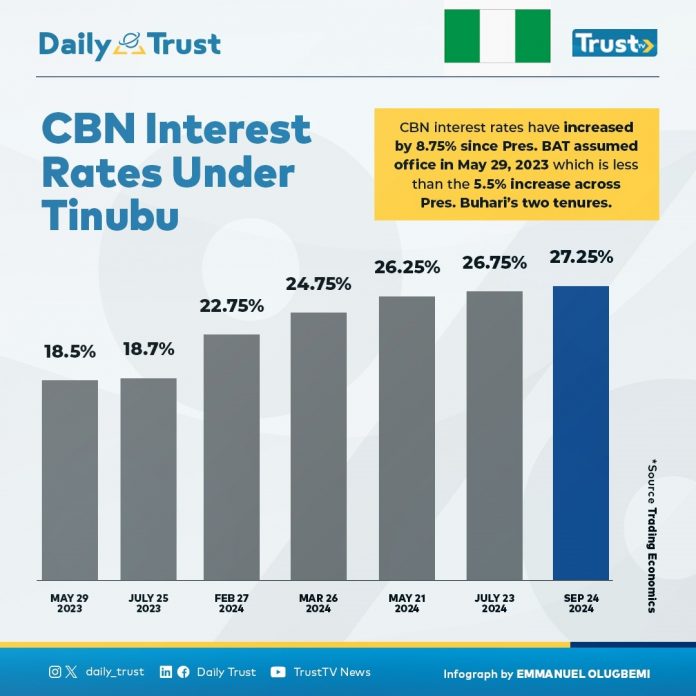
As we continue on the conversation about interest rates and the need to invent a consumer credit-based economic architecture in Nigeria and Africa, we will be listening to a startup which has built a really amazing playbook for that future.

Credit is a very important component of the market system. Today at Tekedia Mini-MBA LIVE, we will discuss innovations in the fledgling credit system in Africa. Yes, young people are building companies, using data to evaluate credit worthiness, and offering credits.

Our Faculty is coming from Evea. Evea offers credits to corporate clients. They give you a corporate credit card with spend management capabilities, to help you optimize financial management. Open your credit worldview and see how smart credit can unlock opportunities in your trade, business or venture. Credit works for both buyer and seller, and we want to master the mechanics of credit business to advance the mission of firms.

Thur, Oct 10 | 7pm-8.00pm WAT | Business Financing and Unlocking Africa’s Corporate Credit Card Opportunities – Abeeb Ogunsola, Evea |

Tekedia Mini-MBA >> our product is Knowledge. Register for the next edition here

The Vicious Circle of Nigeria’s High and Higher Inflation

1

The US central bank, Federal Reserve, has two main jobs: optimize the strength of the US dollar by managing inflation, and boost employment via interest rate management. So, the apex bank does optimization to balance jobs and inflation. In a credit-based economy, the US has many tools since when an interest rate is increased, you can put a pedal on consumer demand even as saving increases. The end goal is that you can “slow” the economy!

But when it comes to Nigeria with negligible consumer credit (we’re a cash based economy), things change. This is not an online post with no empirical insight; I studied banking and finance to a doctorate level (thank you Diamond Bank). In my research, I focused on currency and global trade, this is what happens when you focus on increasing interest rate in Nigeria:

– As a non-credit consumer based economy, when you increase interest rate,  most times, consumer demand is not affected since only a negligible few buy things on credit (yes, loan) in Nigeria. This is different in the US where they have a large consumer credit base!

– Even as consumer demand stays largely unaffected, increased interest rates make the cost of capital higher for companies. As that happens, they will not expand production since funds are expensive. Result? Lesser Supply of goods in the economy, ceteris paribus. That triggers more inflation!

– Also, if your rates are very high, companies and people will just go and save since the returns are better. Most savers are getting an average of 21% in Nigeria. If you can get 21% per year by keeping your money in a bank, why do you need to worry about building factories and disturbing yourself? Impact? Supply is reduced, triggering more inflation.

Good People, Nigerian policymakers need to be real.  You cannot keep rates this high without a special window to make sure manufacturers and producers can get cheap capital since this inflation is mainly coming due to inadequate 

We need to break this vicious circle, and that can only come via SUPPLY side since Nigeria does not have tools to influence demand.  Forget what they’re doing in the US, UK, etc. Those places have strong consumer credit system. 

I have an idea – institute Purchase Agreement with manufacturers- where you ignite Supply, via secondary interest rate window, while removing interest rate arbitration in the banking sector.

Comment on Feed

Comment 1: Yet the % of cash outside the banking system keeps increasing. It was 1.4 trillion as at March 2023 (88%) and now 3.83 trillion (93.34%). Ndubuisi Ekekwe how do you tame this? I guess the funds being targeted by increasing interest rate are not with the common man.

My Response: “Yet the % of cash outside the banking system keeps increasing. ” – you made my point. You think people who live hand to mouth will respond to your HIGH interest rates to save, by bringing the funds from the pillows to banks. Simply, the bulk of the funds (in consumers’ hands) are not affected by the monetary policy. But what is affected is the funds (with producers) needed to improve Supply since those are in the banking system. Impact: lower supply even as demand remains unaffected.

The Hong Kong Hang Seng Index Crash of October 2024

0

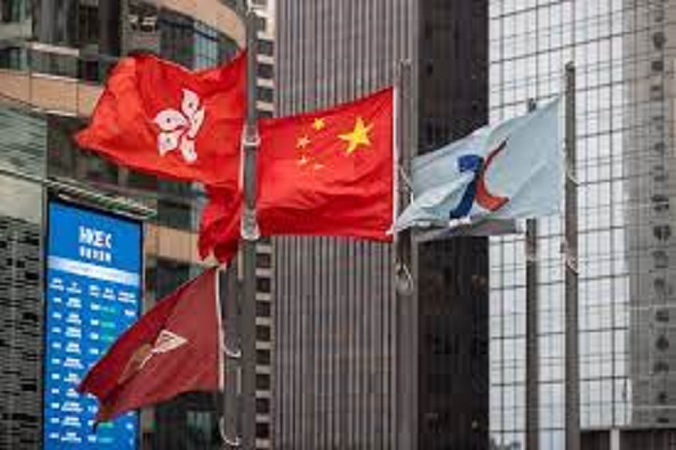
The financial world witnessed a significant event as the Hong Kong Hang Seng Index experienced a dramatic crash this week. This event sent ripples across global markets and raised concerns about the economic stability in the region. The Hang Seng Index, which is a barometer for the Hong Kong stock market, saw a sharp decline, marking one of the most substantial drops in recent history.

The downturn was triggered by a warning from the World Bank about the Chinese economy, which led to a loss of investor confidence and a sell-off in the markets. The index fell by 9.41 percent in a single day, reminiscent of the financial crisis of 2008. This sudden drop was a harsh reversal for the index, which tracks the largest companies in Hong Kong and Mainland China, indicating a volatile economic environment.

The market’s reaction was also influenced by political factors, such as the assembly election results in Haryana, India, where the ruling BJP secured a victory, providing some positive sentiment in contrast to the Hang Seng’s crash. However, the overall impact of the crash was negative, with investors dumping shares after recent sharp gains, leading to a 9.5% plunge in the index.

The primary concerns highlighted by the World Bank include the persistent property market weakness, low consumer and investor confidence, and structural challenges such as an aging population and escalating global tensions.

Despite the implementation of stimulus measures by the People’s Bank of China, which initially led to a surge in the stock market, the underlying economic issues remained unaddressed, leading to skepticism about the long-term efficacy of these interventions. The World Bank projected that while there might be a temporary boost from the recent stimulus, China’s growth is set to weaken further in 2025, exerting additional pressure on the East Asian economies.

Moreover, the World Bank’s report indicated that the growth impetus from China to its neighboring countries has been diminishing. The import demand from China, which has historically pulled other economies along, is now growing at a slower pace than its GDP, signaling a reduction in the economic spillover effects that benefitted the region.

The warning also reflects increasing global policy uncertainty, which can adversely affect industrial production and stock prices in the East Asia and Pacific (EAP) region. The World Bank emphasized the need for countries in the EAP to proactively modernize and reform their economies to navigate the changing patterns of trade and technological change.

The aftermath of the crash extended losses, with the index last down by 3.3% at 20,243.10. This event has led to a reevaluation of investment strategies in the region and a cautious approach towards the Asian markets. Analysts are closely monitoring the situation, assessing the long-term implications of this downturn on the global economy.

The Hang Seng Index crash serves as a reminder of the interconnectedness of global financial markets and the speed at which market sentiment can change. It highlights the need for investors to remain vigilant and informed about international economic developments. As the situation unfolds, it will be crucial to watch for signs of recovery or further instability in the Hong Kong stock market and beyond.

Russia Blocks Discord citing “Unlawful Information Posting”

0

The recent move by Russian authorities to block the Discord messaging platform has sparked significant discussion and concern among users and advocates of digital rights. The decision, announced by the Russian telecommunications watchdog Roskomnadzor, is based on allegations of “unlawful information posting” on the app.

This development is part of a broader trend of increasing internet regulation in Russia. Over the past few years, the government has been taking more stringent measures to control the digital landscape, citing national security and public order as reasons. The blocking of Discord is seen by many as an extension of these efforts, especially considering the platform’s growing popularity as a communication tool not just for gamers, but for various communities and interest groups.

The official statement from Roskomnadzor claims that Discord failed to comply with an order to remove nearly 1,000 items of content deemed illegal under Russian legislation. This has led to concerns about the implications for free speech and the right to private communication. Experts and citizens alike have criticized the move, calling it an attack on free expression and an attempt to stifle dissent.

The landscape of internet freedom in Russia has been changing rapidly, with several platforms facing restrictions or outright bans. The blocking of Discord is part of a series of actions taken by Russian authorities to control the digital space within the country’s borders. Here’s an overview of other platforms that have faced similar fates in Russia:

Facebook and Instagram: These popular social media platforms were banned following a court ruling on March 21, which deemed the parent company Meta guilty of “extremist activities.” The ban was a result of Meta’s temporary policy change that allowed posts calling for violence against Russian soldiers during the conflict with Ukraine.

Twitter: Twitter has also been under scrutiny and faced accessibility issues in Russia. The platform has been a significant channel for political discourse and public mobilization, which has put it at odds with the Russian government’s desire to control online content.

TikTok: The video-sharing app TikTok has faced restrictions, particularly in limiting users’ abilities to upload new content, as part of the broader effort to control the narrative around the conflict in Ukraine.

Google and YouTube: While not completely blocked, Google and YouTube have faced significant pressure from Russian authorities to remove content that the government considers illegal or against its interests.

Telegram: Despite attempts to block Telegram in the past, the platform remains operational in Russia. It has become a popular alternative for communication, especially after the blocking of other platforms.

Netflix: The streaming service Netflix has been included in the list of platforms that have faced restrictions in Russia. This move is part of the broader control over media and information dissemination.

Twitch: The live streaming platform for gamers has also faced restrictions, although the extent and nature of these limitations are not as clear as those for other platforms.

The pattern of blocking and restricting access to these platforms indicates a tightening grip on the internet and a challenging environment for digital rights in Russia. The situation continues to evolve, and it remains to be seen how these actions will impact the future of online communication and freedom of expression in the country.

The situation highlights the delicate balance between regulating online platforms to prevent illegal activities and protecting the rights of users to freely communicate and express themselves. It also raises questions about the role of international tech companies in adhering to the laws of countries where they operate, especially when those laws may conflict with the companies’ policies or international human rights standards.

As the conversation around this issue continues, it is clear that the blocking of Discord in Russia is not just about a single platform or a specific set of content. It is about the broader dynamics of internet governance, digital rights, and the ongoing debate over censorship and freedom in the digital age.