DD
MM
YYYY

PAGES

DD
MM
YYYY

spot_img

PAGES

Home Blog Page 2847

The Non-Libertarian Case for Cryptocurrency

0
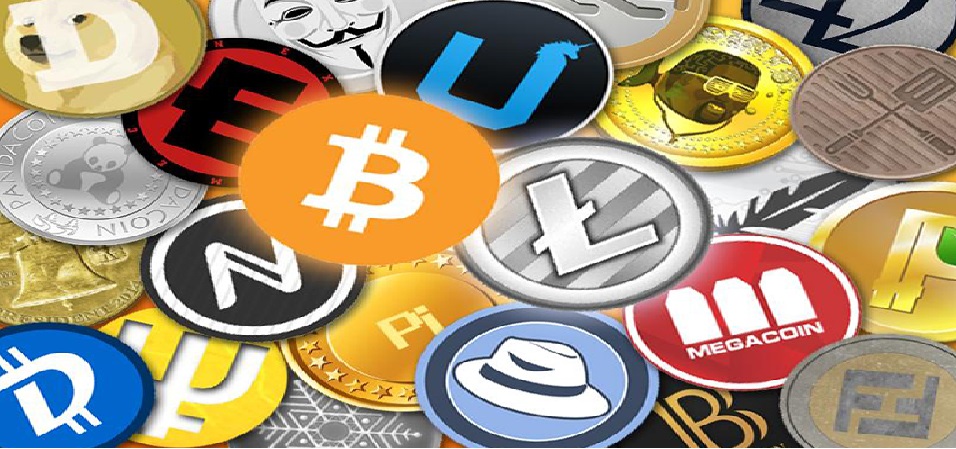
A crytocurrency (source: mashable)

Cryptocurrency, often associated with libertarian ideals of deregulation and decentralization, has found a surprising array of advocates beyond its traditional base. The non-libertarian case for cryptocurrency is multifaceted, addressing economic, social, and technological aspects that appeal to a broader political spectrum.

Economic Inclusivity and Efficiency

One of the most compelling arguments for cryptocurrency from a non-libertarian standpoint is its potential to foster economic inclusivity. Traditional banking systems have often excluded significant portions of the global population, either due to lack of access or financial viability. Cryptocurrencies can offer a decentralized alternative that empowers individuals, regardless of their location or economic status, with the ability to engage in global commerce and secure their financial independence.

Moreover, cryptocurrencies can enhance the efficiency of transactions. By eliminating intermediaries, transactions can occur faster and at a lower cost, which is particularly beneficial for international trade and remittances. This efficiency can stimulate economic activity and growth, aligning with non-libertarian values of market accessibility and competition.

Cryptocurrency mining requires a substantial amount of electricity. For instance, Bitcoin, the most widely mined cryptocurrency, uses an estimated 151 terawatt-hours (TWh) of electricity annually, which is more than the energy consumption of some countries. This immense energy requirement is primarily due to the complex computational tasks that secure the blockchain network.

The high energy consumption of cryptocurrency mining translates into a considerable carbon footprint, as many mining operations rely on non-renewable energy sources. This contributes to greenhouse gas emissions, exacerbating climate change concerns. Another environmental issue is the generation of electronic waste. Cryptocurrency mining hardware has a relatively short lifespan and becomes obsolete quickly, leading to thousands of tons of e-waste each year.

Despite these concerns, there is potential for the industry to improve its environmental impact. Some argue that cryptocurrency mining could drive the adoption of renewable energy by providing a consistent demand for power from renewable sources. However, this transition is not yet widespread, and the current trajectory indicates an increase in carbon emissions from the sector.

Transparency and Accountability

The underlying technology of cryptocurrencies, blockchain, provides an immutable ledger of transactions. This transparency can lead to greater accountability in financial dealings, which is a principle that resonates with many non-libertarian ideologies. For instance, it can aid in the fight against corruption and money laundering, as transactions are traceable and cannot be altered retroactively.

Innovation and Technological Advancement

Supporting cryptocurrency aligns with the pursuit of technological innovation, a goal that transcends political ideologies. The development of blockchain technology and its applications can drive progress in various sectors, including healthcare, supply chain management, and voting systems. This technological advancement can lead to more efficient and secure systems, which is a shared interest among different political groups.

Regulatory Frameworks

The non-libertarian case for cryptocurrency also involves the recognition of the need for a regulatory framework. Unlike libertarian views that may oppose any form of regulation, non-libertarians often advocate for balanced regulations that protect consumers and ensure the stability of financial systems while still allowing for innovation and growth. For example, the bipartisan “Responsible Financial Innovation Act” aims to establish and clarify crypto regulations, demonstrating a collaborative approach to integrating cryptocurrency into the existing financial ecosystem.

The non-libertarian case for cryptocurrency is built on the principles of economic inclusivity, efficiency, transparency, accountability, and technological advancement, all within a framework of sensible regulation. As the conversation around cryptocurrency evolves, it becomes increasingly clear that its potential benefits and applications extend far beyond any single political ideology. The future of cryptocurrency may very well depend on the contributions and perspectives from all sides of the political spectrum, working together to harness its capabilities for the greater good.


BNY Mellon receives Exemption to become first US Bank to offer Bitcoin Custody Services

0

BNY Mellon, a global leader in asset management and banking services, has recently been granted an exemption from Staff Accounting Bulletin (SAB) 121 by the U.S. Securities and Exchange Commission (SEC), allowing it to become the first U.S. bank to offer Bitcoin custody services to its clients. This landmark decision marks a significant milestone in the integration of cryptocurrency into the traditional financial system and could potentially set a precedent for other financial institutions looking to enter the digital asset space.

The exemption from SAB 121, which initially required banks to list digital assets as liabilities on their balance sheets, paves the way for BNY Mellon to hold not only Bitcoin but also a variety of digital assets, without the stringent accounting measures previously imposed. The move is seen as a response to the growing demand from institutional clients for secure and compliant custody solutions for their digital assets.

The SEC’s decision has been met with mixed reactions within the crypto community. While some view it as a positive step towards broader adoption and recognition of cryptocurrencies, others express concerns over the potential centralization of Bitcoin custody services, which could conflict with the decentralized ethos that underpins the cryptocurrency movement.

Anchorage Digital Bank has emerged as a notable player, securing a role as custodian for the ARK 21Shares Bitcoin ETF, challenging the dominance of established entities like Coinbase in the crypto ETF custody market. This move signifies the increasing competition and diversification within the sector.

Standard Chartered Bank has also announced its digital custody service for Bitcoin and Ether in the UAE, indicating a strategic expansion into the Middle East’s burgeoning crypto market. This service aims to provide more than just simple wallets, suggesting a comprehensive suite of services for digital asset management.

Deutsche Bank is another major institution that has been quietly planning to offer crypto custody and prime brokerage services. Their prototype for a digital asset custody platform aims to provide a fully integrated solution for institutional clients, connecting traditional banking services with the digital asset ecosystem.

In the United States, other custody banks such as State Street and Northern Trust have announced plans to custody digital assets, reflecting a broader trend of traditional financial institutions adapting to the demands of the crypto market.

These developments indicate a significant shift in the financial industry, with established banks venturing into the realm of digital assets. The move towards cryptocurrency custody services by these banks represents a bridge between the traditional financial system and the innovative world of cryptocurrencies. As regulatory frameworks continue to evolve, we can expect to see more financial institutions offering such services, further integrating digital assets into the global economy.

Despite these concerns, the approval is undeniably a bullish signal for the market, suggesting a growing acceptance of digital assets within the regulatory framework. It also highlights the SEC’s willingness to adapt its rules to accommodate the evolving landscape of financial assets and technologies.

BNY Mellon’s foray into Bitcoin custody also underscores the importance of regulatory collaboration and customer protection, as outlined by SEC Chief Accountant Paul Munter. The conditions for the exemption emphasize the need for state regulatory collaboration and ensuring that customer assets are protected in the event of bankruptcy.

This development could potentially lead to increased institutional participation in the cryptocurrency market, providing a boost to the market value of Bitcoin and other digital assets. As the crypto custody landscape continues to evolve, it will be interesting to observe how traditional financial institutions and crypto-native firms navigate the regulatory and operational challenges that lie ahead.

The exemption granted to BNY Mellon is a testament to the dynamic nature of the financial industry and the ongoing efforts to bridge the gap between traditional banking and the burgeoning world of cryptocurrencies. As the first U.S. bank to receive such an exemption, BNY Mellon is positioned at the forefront of this transformative era, potentially heralding a new chapter in the history of banking and digital asset management.

Invest in These Three Cryptos: Chainlink (LINK), DTX Exchange (DTX), and Toncoin (TON) 2X Gains in Q4

0

The final quarter of bullish years is often when investors get the most impressive returns. The rise in bullish momentum as Q4 approaches confirms that we could be in for another remarkable growth in the crypto market.

Based on the analysis of top experts, Chainlink (LINK), DTX Exchange (DTX), and Toncoin (TON) are the best cryptos to buy for 2x gains or more in Q4. Their predictions are further confirmed by the rise in whale activity for these altcoins.

Chainlink (LINK) Bullish Whale Activity Skyrockets 293%

According to data from IntoTheBlock, Chainlink (LINK) has recorded a 293% increase in large transaction volume. The data shows that over $82 million worth of Chanlink coin was tranfered by large whales. The rise in large transaction volume is an indicator of whale activity. With the report coming after the asset manager 21Shares announced that it would use the PoR of the Chainlink network, analysts suggest that these whales could be buying LINK.

The market performance of Chainlink (LINK) has also been staggering. On the weekly timeframe, the Chainlink crypto has increased by more than 17%, recovering back above its crucial $12 support level. The moving averages and oscillators of Chainlink (LINK) are all pointing toward a buy. Crypto analyst Seth has predicted a major price run that could see the altcoin rise to $50 if it breaks above the 200-SMA.

DTX Exchange (DTX) Crosses $2.8 Million As Whales Activity Rises

DTX Exchange (DTX) is another of the top crypto coins that has seen a substantial rise in whale activity. Thanks to their increased buying, the crypto ICO of DTX Exchange has crossed an astonishing $2.8 million. DTX has been one of the crypto sensations because of its high-end technical infrastructure and the new trading opportunities that it brings to crypto traders.

Unlike other popular exchanges, DTX Exchanges offers cryptocurrencies along with forex, stocks, and CFDs to give traders access to a staggering 120,000+ assets. But that’s not all. DTX is also a trailblazer with a state-of-the-art hybrid trading platform that combines the best of centralized and decentralized infrastructures. This means users can easily register on the platform without needing to provide KYC checks.

The DTX Exchange has also created VulcanX to eliminate gas fees so traders can maximize gains. By making its platform easier for traders to use and providing access to assets in the $714.7 trillion OTC derivatives market, top industry experts are tipping DTX to become of of the leading forces in the crypto market. Already, the DTX coin has increased by 200% to hit its current price of $0.06 in its third presale stage. However, DTX has been forecasted to skyrocket by up to 10x in Q4.

Toncoin (TON) Nears Key Level Amidst DEX Growth

The Toncoin network has been one of the most thriving ecosystems in crypto for most of the year. Recently, CryptoQuant reported a significant rise in decentralized exchange (DEX) activity on Toncoin (TON). The report states that the rise in DEX activity is a reflection of the growing investor interest in the Toncoin crypto.

In addition, the Toncoin price has stabilized after a rough few weeks in the market. Toncoin (TON) has now recovered above the 30-SMA ($5.37) and is targeting the 50-SMA ($5.77). Crossing the 50SMA could provide the momentum needed for TON to rally by more than 2x in the coming quarter.

Which is the Best Cryptocurrency To Buy: Chainlink, DTX, or Toncoin?

Based on the current market outlook, the price of Toncoin (TON) could increase by 2x in Q4, while a potential explosive rally could see Chainlink (LINK) yield an ROI of 3x. However, the innovation and new market of DTX Exchange positions it for up to a tenfold increase in Q4, making it the best crypto to buy now.

Learn more:

Buy Presale

Visit DTX Website 

Join The DTX Community

Central Bank of Nigeria’s Expanded IMTO Licensing Drives Record $585M Remittance Inflow in August 2024

0

The Central Bank of Nigeria (CBN), has reported a significant increase in remittance inflow following its decision to issue additional licences to International Money Transfer Operators (IMTOs).

CBN governor Yemi Cardoso during a press briefing after the 29th Monetary Policy Committee (MPC) meeting held in Abuja, disclosed that this policy resulted in a record $585 million in remittance inflows in August 2024.

In a deliberate strategy to boost remittance inflow to Nigeria, Cardoso attributed the surge to the CBN’s concerted efforts, including the expansion of IMTO licenses to encourage more operators to enter the market. According to him, these steps have made it easier for individuals to send money to Nigeria, contributing to the record figures. He noted that regular engagement with IMTOs has been critical to ensuring steady inflows.

“This increase didn’t happen by chance; it was the result of a deliberate, calculated effort by the central bank. We recognized certain inefficiencies in the system and took proactive steps to address them, and I’m happy to report that our strategy has been effective”, Cardoso said.

The CBN governor had earlier stated that the Apex bank is working to permanently eliminate any bottlenecks that prevent flows through formal channels to increase the supply of foreign exchange with the official market.

Recall that in May 2024, the Central Bank of Nigeria (CBN) granted 14 new International Money Transfer Operators (IMTOs) Approval-in-Principle (AIP) in a new effort to double foreign-currency remittance inflows through formal channels. This development came after the country saw a 6.28% decrease in direct foreign exchange (FX) remittances in the first quarter of 2024, totaling $282.61 million versus $301.57 million in Q1 2023.

Hakama Sidi Ali, CBN’s acting director of corporate communications, said the approval will help increase the sustained supply of foreign exchange in the official market by promoting greater competition and innovation among IMTOs to lower the cost of remittance transactions and boost financial inclusion.

“This will spur liquidity in Nigeria’s Autonomous Foreign Exchange Market (NAFEX), augmenting price discovery to enable a market-driven fair value for the naira,” she said.

Ali also said the move by the apex bank is a means of reducing the historical volatility in Nigeria’s exchange rate caused by external factors, such as fluctuations in foreign investment and oil export proceeds.

The August remittance inflow represents a continuation of this upward trend, with the July figure of $553 million already marking an all-time high. These increases underscore the effectiveness of the CBN’s recent policy measures aimed at stabilizing Nigeria’s foreign exchange market and mitigating the impact of external factors such as fluctuations in foreign investments and oil export revenues.

Business Strategy & Execution at Tekedia Mini-MBA

0

He is amazing and a zen-master on crafting winning business strategies. Join us at Tekedia Mini-MBA as our Faculty, Eromosele Omomhenle, educates on Business Strategy $ Execution this afternoon.

Thur, Sept 26 | 7pm-8pm WAT | Business Strategy & Execution – Eromosele Omomhenle, Microsoft

Tekedia Institute congratulates our Faculty again for his amazing elevation at Microsoft global headquarters in Redmond, USA. We admire your brilliance and rejoice on the wins. And we thank you for this community service, helping young people to deepen their managerial capabilities.

Tekedia Institute – our product is Knowledge.