DD
MM
YYYY

PAGES

DD
MM
YYYY

spot_img

PAGES

Home Blog Page 2858

OpenAI Launches Academy to Empower AI Innovation in Emerging Markets

0

OpenAI, the company behind ChatGPT, has announced the launch of OpenAI Academy, a new initiative that will fuel innovation by investing in developers and organizations leveraging AI, starting in low and middle-income countries.

The Academy will ensure that the transformative potential of Artificial Intelligence is accessible and beneficial to diverse communities worldwide. It will empower local developers and mission-driven organizations to address challenges within their communities.

By providing access to advanced AI technologies, the initiative aims to enhance efforts in sectors critical to sustainable development, such as healthcare, education, and agriculture. Despite the rapid growth of tech sectors in emerging markets, access to advanced training and resources remains unlimited. The OpenAI Academy aims to close this gap by investing in local talent and infrastructure, potentially driving significant economic advancements.

The Academy program will provide the following;

Training and Technical Guidance: Support from OpenAl experts for developers and mission-driven organizations leveraging Al.

• API Credits: Distributing an initial $1 million in API credits to expand access to OpenAl models, enabling participants to build and deploy innovative applications.

Community Building: Fostering a global  network of developers to collaborate, share knowledge, and drive collective innovation.

Contests and Incubators: Partnering with philanthropists to invest inorganizations solving challenges at the front lines of their communities.

OpenAI is building on its long-standing support for AI developers and organizations tackling global challenges with the launch of OpenAI academy. Previous successes highlight its potential impact, which saw the winner of the OpenAI prize at The Tools Competition, KOBI, which developed Al tools to assist students with dyslexia, and I-Stem, which improved access to educational resources for visually impaired individuals in India.

Notably, OpenAI has also provided API credits and technical support to these and many other organizations working on transformative projects across the globe. In addition to launching the Academy, OpenAl has taken steps to make Al’s knowledge more accessible by translating key benchmarks into multiple languages, including Yoruba and Swahili, ensuring Al technologies are relevant and effective in diverse cultural and economic contexts.

To further empower developers worldwide, OpenAl also funded and published a professional translation of the Massive Multitask Language Understanding (MMLU) benchmark into 14 languages, including Arabic, Bengali, Chinese, French, German, Hindi, Indonesian, Italian, Japanese, Korean, Portuguese, Spanish, Swahili, and Yoruba. The MMLU benchmark, which measures general Al intelligence is now accessible to a more diverse audience.

By supporting developers and organizations that understand the unique cultures, economies, and social dynamics of their communities, OpenAl ensures that Al applications are better tailored to meet local needs. These innovators are key to making Al accessible and empowering people across the globe regardless of their location or language to leverage technology to solve complex problems.

The Effect of the End of Fuel Subsidy on the Naira

0

Nigeria’s fuel subsidy program has been a topic of heated debate for years, seen by some as essential for supporting the populace, while others argue it places a heavy burden on the economy. Recently, Aliko Dangote, Africa’s richest man and head of the Dangote Group, called for the end of Nigeria’s fuel subsidies, emphasizing that doing so could stabilize the Naira and improve the country’s forex reserves. This article explores the implications of ending fuel subsidies on the Naira, inflation, and Nigeria’s economic landscape.

Understanding the Fuel Subsidy and Its Economic Impact

Fuel subsidies were introduced to make petroleum products more affordable, especially as Nigeria remains heavily reliant on petrol for transportation and daily activities. The government has historically shouldered the cost difference between international oil prices and local retail prices, keeping fuel prices low. However, these subsidies have come at a significant financial cost. In 2022, the Nigerian government spent over ?4 trillion on fuel subsidies, draining resources that could be allocated to critical infrastructure and social programs. Critics argue that the subsidy disproportionately benefits wealthier individuals, while many Nigerians struggle to meet basic needs. As global oil prices continue to rise, the sustainability of these subsidies is increasingly questioned. Dangote’s call to remove them highlights the need for reform and the potential benefits for the Naira and the economy.

The Argument for Ending Fuel Subsidies

Aliko Dangote argues that removing fuel subsidies would free up resources for more productive investments, which could help stabilize the Naira and reduce pressure on Nigeria’s forex reserves. When the Naira depreciates, it leads to a higher cost of imports, including fuel. With Nigeria importing refined petroleum despite being a major oil exporter, the government spends billions from its forex reserves to maintain this subsidy. This depletion of reserves puts additional strain on the Naira. Ending the fuel subsidy would lessen the government’s reliance on forex reserves to stabilize fuel prices, allowing these reserves to be used for essential economic activities. A stronger Naira would ultimately benefit both consumers and businesses, as it would lead to lower import costs and reduced inflation.

Reducing the Fiscal Deficit

The fuel subsidy contributes significantly to Nigeria’s fiscal deficit, which reached ?10.8 trillion in 2022. By eliminating this subsidy, the government could redirect funds toward critical areas such as infrastructure, healthcare, and education, fostering economic growth. A healthier fiscal position would reduce borrowing needs, lower debt servicing costs, and make Nigeria more attractive to foreign investors. This could lead to greater capital inflows and further strengthen the Naira.

Short-term Challenges: Inflation and Public Discontent

While the long-term benefits of removing fuel subsidies could be substantial, the immediate consequences are likely to be painful, especially for Nigerian citizens. The removal of fuel subsidies will likely result in a sharp increase in fuel prices, leading to higher transportation costs. This increase will ripple through the economy, driving up prices for goods and services and exacerbating inflation, which is already over 22%. The immediate effect on consumer purchasing power could lead to public unrest, as many Nigerians may find it challenging to cope with rising living costs. The fuel subsidy has long been viewed as a form of social support. Ending it could lead to widespread protests and discontent, as seen in 2012 when similar measures were attempted. However, proponents argue that the short-term pain will ultimately be outweighed by the long-term economic benefits.

Boosting Local Refining Capacity: A Crucial Next Step

For the removal of fuel subsidies to truly benefit the Nigerian economy and the Naira, it is essential to improve local refining capacity. Dangote’s own refinery, set to become the largest single-train refinery in the world, could transform Nigeria’s petroleum landscape. Once operational, it could reduce the country’s reliance on imported fuel and lessen the strain on forex reserves. By refining its crude oil locally, Nigeria could save billions and create thousands of jobs, boosting GDP and providing a buffer against price fluctuations. This local capacity would help ensure that the end of fuel subsidies does not lead to excessively high fuel prices, easing the transition for consumers.

Long-term Gains for the Naira and Nigeria’s Economy

In the long run, removing the fuel subsidy could have several positive effects on the Naira and Nigeria’s economy: reduced reliance on imports would help preserve forex reserves, supporting a stronger Naira and decreasing the need for interventions by the Central Bank of Nigeria (CBN). The government would have more resources for investment in critical infrastructure and social services, boosting economic growth. A stronger Naira, combined with a healthier fiscal position, would attract more foreign direct investment (FDI), further bolstering the economy.

Additionally, for Nigerian traders and investors, the ongoing depreciation of the Naira poses challenges in managing forex trades. Using forex brokers with Naira as an account base currency allows traders to deposit, trade, and withdraw in Naira, reducing the risk of currency conversion costs that can erode profits. These brokers also enable traders to hedge against fluctuations in the exchange rate more effectively. With the potential for a stronger Naira following the end of fuel subsidies, engaging with such brokers could help Nigerian traders capitalize on market opportunities while mitigating risks.

Conclusion

The debate over Nigeria’s fuel subsidy extends beyond mere fuel prices; it is about the country’s economic future. Ending the subsidy, as suggested by Aliko Dangote, could stabilize the Naira and strengthen the economy in the long term. While the immediate effects may be painful, especially in terms of inflation and public backlash, the potential benefits are significant. For the Nigerian economy to thrive, the government must also focus on enhancing local refining capacity and ensuring that resources are redirected to productive investments. If managed wisely, the removal of fuel subsidies could play a crucial role in fortifying the Naira and setting Nigeria on a path toward sustainable economic growth.

For more insights, resources like NNPC and BusinessDay offer updated economic data and analyses on the impact of fuel subsidies and their implications for Nigeria’s economy.

Is Copy Trading Legal in South Africa? Navigating Regulations

0

Copy trading has become a popular method for new and seasoned investors to participate in the forex market, especially in regions like South Africa, where forex trading is gaining momentum. However, the question on the minds of many is whether copy trading is legal in South Africa. The short answer is yes, but only if the brokers providing copy trading services are regulated by the Financial Sector Conduct Authority (FSCA). This regulation ensures that South African traders are protected and that their funds are safe when engaging in copy trading.

For those seeking the best copy trading platform South Africa offers, it is crucial to choose brokers that adhere to these regulatory standards. Some of the top brokers that provide legal and reliable copy trading services in the country include HFM (formerly HotForex), Exness, and FP Markets. These brokers not only offer secure platforms but are also regulated by the FSCA, making them trustworthy choices for South African traders. Additionally, many traders value brokers with fast withdrawals, as they provide quicker access to profits, which can be a significant advantage.

Understanding Copy Trading and Its Legal Framework

Copy trading allows investors to automatically copy the trades of experienced traders, making it easier for beginners to enter the forex market without deep technical knowledge. By using a copy trading platform, investors can mirror successful traders’ strategies and benefit from their expertise.

In South Africa, copy trading is legal, provided the platform is regulated by the FSCA. The FSCA oversees all financial markets in the country, ensuring that financial service providers comply with strict guidelines designed to protect traders. This regulation is critical for anyone looking to engage in forex or copy trading since unregulated brokers can expose investors to fraud, scams, and significant financial loss.

The best copy trading platform South Africa can offer is one that complies with FSCA regulations, providing transparency, security, and legal recourse for its users. In addition to this, choosing brokers with fast withdrawals ensures that traders can access their funds quickly and conveniently, which adds an extra layer of reliability.

Key Brokers Offering FSCA-Regulated Copy Trading in South Africa

1. HFM (formerly HotForex)

HFM is one of the top brokers offering copy trading services in South Africa, and it is fully regulated by the FSCA. HFM has built a strong reputation for providing a secure and reliable trading environment for forex traders. With HFM, South African traders can easily access copy trading features, allowing them to replicate the strategies of top traders across the world.

One of the standout features of HFM is its user-friendly platform, which is ideal for both beginners and seasoned traders. The broker provides detailed analytics and performance metrics of traders you can copy, helping you make informed decisions about which strategies align with your trading goals. Additionally, HFM is recognized as one of the brokers with fast withdrawals, offering quick access to your funds after making successful trades.

2. Exness

Exness is another FSCA-regulated broker that offers a comprehensive copy trading platform. Known for its high transparency and commitment to security, Exness has established itself as a reputable broker within the South African forex community. It is particularly popular for its competitive spreads and commission structures, which make copy trading cost-effective.

Exness allows users to select experienced traders based on performance data and risk levels, giving South African traders control over who they copy. This flexibility, combined with FSCA regulation, makes Exness a top contender for anyone searching for the best copy trading platform South Africa has to offer. Furthermore, Exness is praised as one of the brokers with fast withdrawals, ensuring traders can access their profits without unnecessary delays.

3. FP Markets

FP Markets is an Australian-based broker with a strong presence in South Africa, and it is regulated by the FSCA for South African operations. FP Markets offers a range of trading options, including a robust copy trading platform that appeals to both novice and advanced forex traders.

FP Markets is particularly known for its advanced tools, which allow traders to monitor the performance of the traders they copy in real-time. The platform provides a seamless user experience and offers detailed insights into trade history and risk management, ensuring that traders can make well-informed decisions. Additionally, FP Markets stands out as one of the brokers with fast withdrawals, offering South African traders efficient access to their earnings.

Why Regulation Matters

When choosing a copy trading platform in South Africa, selecting a broker regulated by the FSCA is crucial for several reasons:

  1. Protection from Scams: FSCA-regulated brokers must adhere to strict financial standards, ensuring that traders’ funds are protected from fraud and theft.
  2. Transparency: FSCA regulations ensure that brokers operate transparently, providing full disclosure of fees, risks, and the performance of traders available for copying.
  3. Legal Recourse: If a dispute arises, traders have legal recourse through the FSCA, offering protection that is not available when trading with unregulated brokers.
  4. Fast Withdrawals: Regulation also helps ensure that brokers can offer fast withdrawals, which is an important factor for traders who want quick access to their funds after successful trades.

In short, choosing a regulated broker ensures a safer trading experience and allows South African traders to confidently participate in the forex market.

Risks and Considerations

While copy trading is legal and can be a great way to learn from experienced traders, it is important to understand the risks involved. Copying trades does not eliminate the possibility of loss, and traders should always consider their risk tolerance before engaging in copy trading.

Additionally, the performance of the traders you copy can fluctuate due to market volatility, so it is crucial to keep an eye on your portfolio and make adjustments when necessary. Even when using the best copy trading platform South Africa offers, traders must stay informed and actively manage their investments. Choosing brokers with fast withdrawals ensures that any changes or profit-taking can be acted upon quickly and efficiently.

Conclusion

Copy trading is legal in South Africa, provided that the broker offering the service is regulated by the FSCA. Choosing a regulated broker like HFM, Exness, or FP Markets ensures that South African traders can safely engage in copy trading while enjoying the protection of local regulations.

When looking for the best copy trading platform South Africa can provide, it’s essential to prioritize regulation, transparency, platform reliability, and the availability of fast withdrawals. By doing so, traders can navigate the exciting world of copy trading with confidence, knowing that they are operating within a legal and secure framework.

The Impact of 5G on Digital Transformation

0

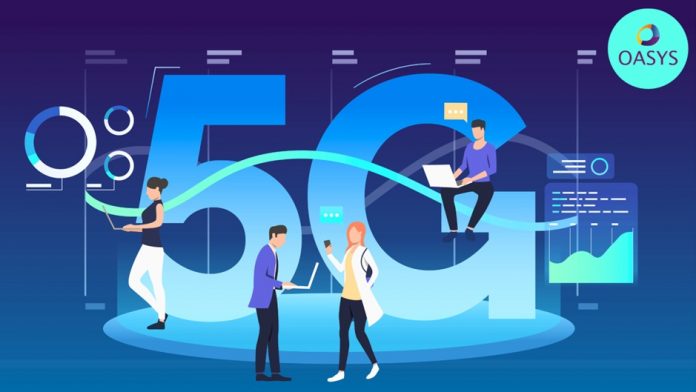
The advent of 5G technology is poised to be one of the most transformative shifts in the digital landscape. With its promise of lightning-fast data speeds, ultra-low latency, and the ability to connect a massive number of devices simultaneously, 5G is not just an upgrade from previous generations of mobile networks—it is the foundation for a new era of digital transformation. This transformation goes far beyond improved connectivity; it is about reshaping industries, redefining business models, and enabling new technologies that were previously out of reach. From the integration of Internet of Things (IoT) devices to artificial intelligence-driven automation, 5G is the critical enabler that will unlock unprecedented opportunities for innovation. However, as with any major technological leap, the path forward is not without its challenges. In this article, we will explore how 5G is driving digital transformation, the opportunities it presents, and the obstacles that must be overcome to fully realize its potential.

Key Opportunities Brought by 5G in Digital Transformation

The rollout of 5G technology is ushering in a new wave of opportunities that are transforming industries across the globe. With its unprecedented speed, reliability, and ability to handle vast amounts of data, 5G is set to redefine how businesses and societies function in the digital age. One of the most significant advantages of 5G is its role in enhancing connectivity. Unlike its predecessors, 5G enables real-time data exchange, which is crucial for industries relying on IoT devices, artificial intelligence (AI), and machine learning. From smart cities to autonomous vehicles, the ability to process and respond to data in milliseconds is driving innovation like never before.

Another key opportunity brought by 5G is the revolution of business models across various sectors. Companies are leveraging 5G’s power to create new products and services, driving the growth of sectors such as telemedicine, advanced manufacturing, and immersive entertainment. For instance, the gaming industry is poised to benefit immensely from 5G, as faster and more stable connections enhance online gaming experiences. This development not only boosts traditional gaming platforms but also opens new avenues for cloud gaming and mobile-based applications like Jili games, where players can enjoy a seamless experience with minimal latency.

Moreover, 5G is playing a vital role in the workplace by improving remote work and digital collaboration. As more businesses adopt hybrid work models, 5G ensures that virtual meetings, cloud file sharing, and real-time collaboration tools function smoothly, regardless of location. This technological evolution is helping companies maintain productivity while staying flexible in a rapidly changing world.

5G is a game-changer that is not only driving digital transformation but also unlocking new opportunities across various sectors, from IoT and AI integration to enhanced gaming and remote work solutions. The industries that adapt to this new era of connectivity will be better positioned to thrive in the future.

Challenges of Implementing 5G in Digital Transformation

While 5G offers immense potential for driving digital transformation, its implementation comes with significant challenges that cannot be overlooked. One of the foremost hurdles is the high cost of infrastructure. Deploying 5G networks requires a massive investment in new hardware, such as towers, base stations, and fiber-optic cables, all of which must be scaled to cover urban and rural areas alike. For businesses and governments, balancing these costs while ensuring widespread coverage remains a complex and costly undertaking.

Another pressing challenge is the issue of security and privacy. As 5G facilitates the connection of billions of devices, from smart homes to autonomous vehicles, the risk of cyberattacks increases exponentially. Ensuring that data transmitted over 5G networks remains secure is crucial, particularly in industries like healthcare and finance, where sensitive information is constantly exchanged. Strengthening cybersecurity protocols and creating robust safeguards will be necessary to mitigate the risks associated with increased connectivity.

Regulatory hurdles also pose a challenge. The global rollout of 5G is subject to varying regulations across different countries, which can delay the deployment process. Spectrum allocation, licensing issues, and geopolitical concerns all contribute to the complexity of 5G implementation. Navigating these regulatory landscapes will require collaboration between governments, telecommunications companies, and industry leaders to ensure a smooth and equitable distribution of 5G technology.

Moreover, there are technological compatibility issues that businesses must contend with. Many existing devices and systems are not yet fully compatible with 5G, requiring costly upgrades or replacements. This challenge is particularly significant for industries that rely on legacy systems, as integrating 5G could disrupt operations or require significant time and resources to achieve full functionality. For example, in the gaming industry, while 5G opens up new possibilities, ensuring that users can benefit from enhanced features, such as game cashback offers or ultra-low latency, requires careful integration of the technology across platforms.

While 5G holds the potential to revolutionize digital transformation, its implementation presents a number of challenges, including infrastructure costs, security risks, regulatory barriers, and technological compatibility. Addressing these challenges will be key to unlocking the full benefits of 5G and ensuring that industries and consumers alike can take advantage of this groundbreaking technology.

Real-World Examples of 5G-Driven Digital Transformation

The introduction of 5G technology is reshaping industries in ways previously unimaginable. From healthcare to manufacturing, real-world examples of 5G-driven digital transformation demonstrate the immense potential of this next-generation network. One of the most significant areas of transformation is in healthcare, where 5G is enabling advancements such as remote surgeries and real-time health monitoring. In rural or underserved areas, where access to top-tier medical care has traditionally been limited, 5G allows healthcare providers to perform life-saving procedures from miles away, offering patients better access to expert care.

Another transformative application of 5G can be found in smart cities. Urban planners are leveraging the technology to improve traffic management, energy consumption, and public safety. With 5G, connected devices can communicate seamlessly, optimizing everything from street lighting to waste management in real-time. This increased efficiency not only saves costs but also enhances the quality of life for city residents.

In the manufacturing sector, 5G has played a pivotal role in the rise of Industry 4.0, where smart factories rely on interconnected machinery and automation. 5G’s low latency and high-speed capabilities allow factories to function with greater precision and minimal downtime. Sensors and robotics, powered by 5G, now collaborate to streamline operations and improve productivity, reducing human error and optimizing workflows.

The entertainment industry has also experienced a revolution thanks to 5G, especially in the gaming sector. With the rise of mobile and cloud gaming, 5G’s low latency allows players to experience seamless gameplay, even in the most demanding titles. Not only has it expanded access to real-time gaming across devices, but it has also encouraged more diverse participation in industries traditionally dominated by men. For instance, the inclusion of women in Poker has grown significantly, with faster, more stable connections creating inclusive gaming environments that break down traditional barriers and encourage broader participation in global competitions.

These case studies illustrate the far-reaching effects of 5G-driven digital transformation, from enhancing healthcare accessibility to optimizing industrial operations and breaking down societal barriers in gaming and beyond. As 5G continues to roll out globally, more industries will be transformed, unlocking new possibilities for innovation and inclusivity.

The Future of 5G in Digital Transformation

As 5G continues to roll out globally, its influence on digital transformation is set to accelerate dramatically in the coming years. The next wave of innovation will go beyond the faster speeds and lower latency that define 5G today, pushing the boundaries of what is possible in technology and business. The future of 5G is not just about connectivity—it is about creating a fully integrated digital ecosystem where industries, governments, and individuals can collaborate in ways that were once unimaginable.

One of the most exciting prospects of 5G is its role in advancing the Internet of Things (IoT). With 5G’s capacity to connect billions of devices, smart cities, homes, and industries will experience unprecedented growth in automation and data-driven decision-making. From autonomous vehicles to smart energy grids, 5G will serve as the backbone of a hyper-connected world where systems can communicate and react in real-time. This transformation will create new levels of efficiency and innovation, particularly in areas such as urban planning, environmental management, and public safety.

In healthcare, the future of 5G will continue to push the boundaries of telemedicine and remote patient monitoring. As the technology becomes more widely available, real-time diagnostics, virtual consultations, and even remote surgeries will become routine, transforming healthcare delivery. Additionally, wearable devices and health sensors connected via 5G will enable continuous patient monitoring, giving healthcare providers the ability to track and manage chronic conditions more effectively.

The impact of 5G on industries such as manufacturing and logistics will also be profound. The ability to control and monitor machines in real-time will fuel the growth of smart factories, where automation and robotics drive efficiency. Logistics and supply chains will benefit from enhanced tracking and data exchange, optimizing global commerce and reducing bottlenecks. With 5G, businesses will be able to operate with greater agility, responding to changes in demand and supply with unprecedented speed.

Looking forward, 5G will also play a key role in the expansion of immersive technologies like augmented reality (AR) and virtual reality (VR). These technologies, once considered niche, will find widespread application in fields ranging from entertainment to education and training. The low-latency nature of 5G will allow for real-time, fully immersive experiences, enhancing everything from virtual learning environments to AR-guided manufacturing processes.

The future of 5G in digital transformation is bright and full of possibilities. Its ability to connect, automate, and enhance various aspects of life and business will redefine how we live and work. As 5G networks continue to expand, the technology will fuel a new era of innovation, driving industries to rethink their strategies and embrace a truly digital future. The world is on the cusp of a revolution, and 5G will be at the heart of it.

Nigeria Confirms Imminent Construction of $3.5bn Bakassi Deep Seaport

0

The Infrastructure Concession Regulatory Commission (ICRC) has confirmed that construction of the $3.5 billion Bakassi Deep Seaport will soon commence, marking a major milestone for Nigeria’s maritime and economic infrastructure.

This announcement, made by Dr. Jobson Ewalefoh, Director-General of the ICRC, came during a high-level stakeholders’ meeting where a formal endorsement of the project was signed.

This development represents a major win for the country’s economic strategy, particularly for enhancing port capacity along Nigeria’s often-neglected eastern corridor.

Dr. Ewalefoh, one of the project’s key facilitators, lauded the progress made and emphasized the importance of the port in advancing Nigeria’s maritime infrastructure. He underscored the commitment of Cross River State’s Governor, Bassey Otu’s administration, and the support from the Nigerian Ports Authority (NPA) and the Nigerian Shippers’ Council in making the project a reality.

“Our focus has been on making the process more efficient while maintaining rigorous benchmarks,” Ewalefoh said. “With the commitment we’ve seen from Governor Otu and the support of key stakeholders such as the Ministry of Marine and Blue Economy, the Nigerian Shippers’ Council, and other involved parties, we are confident that the Bakassi Deep Seaport will be completed within record time.”

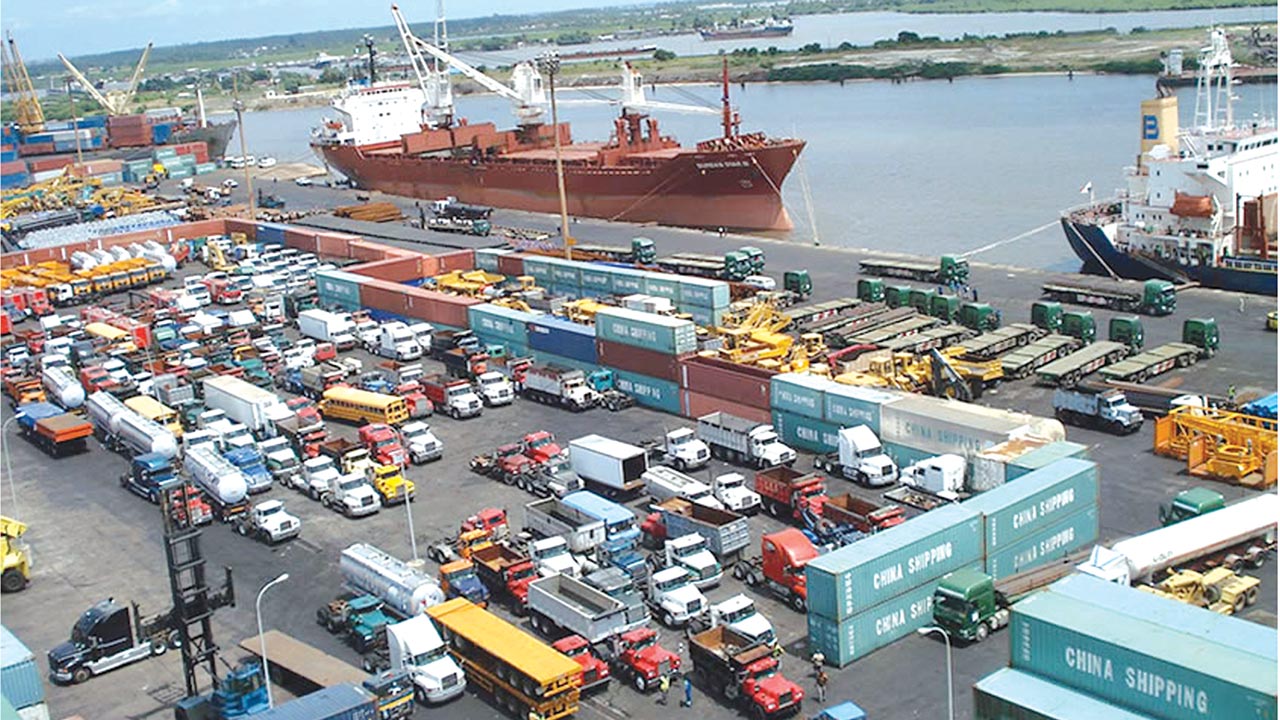
The seaport is also being championed as a solution to the perennial congestion plaguing Lagos ports. Once completed, the Bakassi Deep Seaport is expected to not only serve Cross River State but the entire nation, positioning itself as a key asset for international trade, especially within West Africa.

“The Bakassi Deep Seaport will not only serve the people of Cross River but will stand as a key asset for the entire country, reinforcing Nigeria’s position as a gateway to regional trade and economic growth,” Ewalefoh added.

The project, a public-private partnership (PPP) initiative, comes amid increased calls for Nigeria to develop alternative seaports, particularly in the South-South and Southeastern regions, which handle a fraction of the nation’s shipping traffic. The Bakassi Deep Seaport is positioned to change that dynamic by opening up new trade routes and alleviating the pressure on Nigeria’s major ports, which have long struggled with congestion and inefficiency.

The Nigerian port activities are largely dependent on the Lagos port system, which handles the bulk of the country’s imports and exports.

The announcement of Afreximbank’s involvement is viewed as a vote of confidence in Nigeria’s infrastructure push, particularly for a project that promises to transform trade logistics along West Africa’s seaboard.

The eastern corridor, including states like Cross River and Rivers, has long been overlooked in terms of major port infrastructure investment. However, with projects like Bakassi, there are expectations that the region can become a critical hub for maritime trade, particularly for agricultural exports and industrial goods.

The Bakassi Deep Seaport is expected to open up vital export opportunities for Nigeria’s agricultural produce, particularly for products coming from the North and other parts of the country, with the potential to extend its reach to neighboring African countries. This development will likely strengthen Nigeria’s agricultural export value chain, boosting revenue for the government and providing critical support for local farmers.

Ewalefoh noted Otu’s role in pushing the project forward, likening him to an athlete in the final lap of a relay. He expressed confidence that the governor’s leadership would see the project through to successful completion.

“You have the resources and the team to ensure the timely delivery of this critical infrastructure,” Ewalefoh stated, acknowledging the state’s focus on creating an enabling environment for the project’s success.

He further highlighted that this aligns with President Bola Tinubu’s broader push for international investments in Nigeria, noting that “just as President Tinubu has encouraged international investors to bring their capital to Nigeria, your administration is creating an enabling environment for this landmark project.”

The meeting that led to the endorsement of the Bakassi project by key stakeholders, including the Nigerian Ports Authority and the Nigerian Shippers’ Council, is the culmination of months of intense negotiations and planning. With Afreximbank on board, stakeholders are optimistic that the Bakassi Deep Seaport will soon become a reality, transforming Nigeria’s maritime economy and solidifying its status as a leading player in West African trade.