DD
MM
YYYY

PAGES

DD
MM
YYYY

spot_img

PAGES

Home Blog Page 2859

Amazon CEO Andy Jassy Pushes For Full Return to Office by 2025, Restricts Remote Work

0
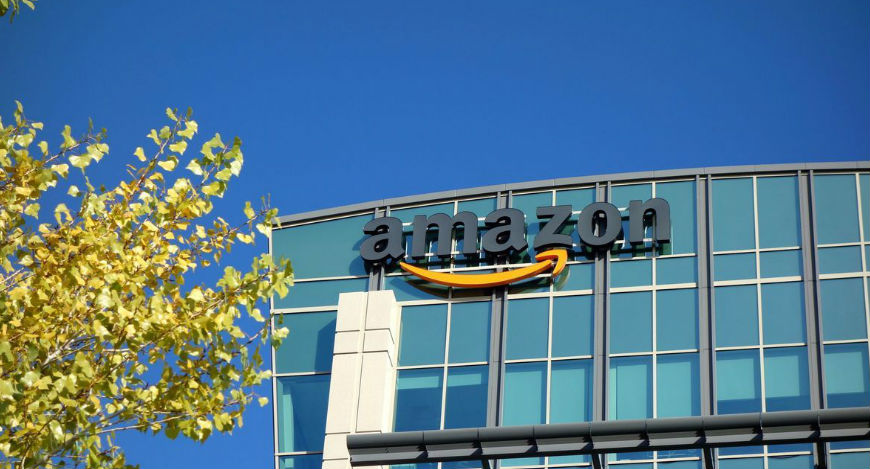
Amazon has been investing in India

Amazon CEO Andy Jassy has announced plans for a full return to the office starting in early 2025. For the past 15 months, employees have been required to work in the office three days a week.

However, in a new memo released, employees will be expected to be in the office five days a week, with remote work allowed only in exceptional cases.

In the memo, Jassy noted that Amazon’s culture has been key to the company’s success over the past 29 years. But maintaining that culture requires ongoing effort, especially as it continues to grow. He further noted that the advantages of employees being together in the office are significant. From his observation, it’s easier for teammates to learn, model, practice, and which strengthens the company’s culture.

Part of the Memo reads,

“Hey, team. I wanted to send a note on a couple of changes we’re making to further strengthen our culture and teams. First, for perspective, I feel good about the progress we’re making together. Stores, AWS, and Advertising continue to grow on very large bases, Prime Video continues to expand, and new investment areas like GenAl, Kuiper, Healthcare, and several others are evolving nicely. And at the same time we’re growing and inventing, we’re also continuing to make progress on our cost structure and operating margins, which isn’t easy to do. Overall, I like the direction in which we’re heading and appreciate the hard work and ingenuity of our teams globally. We want to operate like the world’s largest startup.

“That means having a passion for constantly inventing for customers, strong urgency (for most big opportunities, it’s a race!), high ownership, fast decision-making, scrappiness and frugality, deeply connected collaboration you need to be joined at the hip with your teammates when inventing and solving hard problems), and a shared commitment to each other. To address the second issue of being better set up to invent, collaborate, and be connected enough to each other and our culture to deliver the absolute best for customers and the business, we’ve decided that we’re going to return to being in the office the way we were before the onset of COVID.

“When we look back over the last five years, we continue to believe that the advantages of being together in the office are significant. I’ve previously explained these benefits (February 2023 post), but in summary, we’ve observed that it’s easier for our teammates to learn, model, practice, and strengthen our culture; collaborating, brainstorming, and inventing are simpler and more effective; teaching and learning from one another are more seamless; and teams tend to be better connected. If anything, the last 15 months we’ve been back in the office at least three days a week has strengthened our conviction about the benefits”.

Aside from Amazon mandating the full return of employees, another key change the company is making is Flattening its organizational structure. The company is reducing the number of managers by increasing the ratio of individual contributors to managers by 15% by the end of Q1 2025. This according to the CEO will streamline decision-making, reduce bureaucracy, and drive faster, more effective customer solutions. Amazon in August 2024 announced financial results for its second quarter ended June 30, 2024. Net sales increased 10% to $148.0 billion in the second quarter, compared with $134.4 billion in second quarter 2023.

U.S. Moves to Ban Chinese Vehicles Over National Security Concerns

0

The U.S. Commerce Department is set to introduce a major policy shift aimed at banning Chinese software and hardware from connected and autonomous vehicles on American roads, citing national security concerns.

This move, to be announced on Monday, is expected to fuel tensions between the U.S. and China, with many experts anticipating swift retaliation from Beijing.

The Biden administration has expressed serious concerns about the potential for Chinese companies to collect sensitive data from vehicles in the U.S., including information on drivers and critical infrastructure. Moreover, officials have warned about the possibility of foreign manipulation of vehicles connected to the internet, which could compromise national security.

Commerce Secretary Gina Raimondo previously addressed the risks associated with allowing Chinese technology in U.S. cars. In May, she stated, “You can imagine the most catastrophic outcome theoretically if you had a couple million cars on the road and the software were disabled.”

This comment underlines the administration’s growing unease over the role of Chinese companies in critical U.S. infrastructure, and the potential threats that come with it.

Escalation of U.S.-China Tensions

The proposed restrictions, which would target both software and hardware, represent a significant escalation in the U.S.’s ongoing restrictions on Chinese vehicles, software, and components. If the ban is implemented, the sale or import of vehicles using Chinese communications technology or autonomous driving systems will be prohibited.

Reuters reported, citing two sources familiar with the matter, that the ban would begin with software in the 2027 model year and extend to hardware by 2029 or the 2030 model year. The new rules would affect vehicles with key communications features like Bluetooth, satellite, and wireless systems, as well as autonomous vehicles that can operate without a driver.

Although relatively few Chinese-made light-duty vehicles are currently imported into the U.S., the proposed rule would mark a major blow to Chinese automakers looking to expand into the U.S. market. Furthermore, it would set the stage for an inevitable response from Beijing. China has historically responded forcefully to trade restrictions, and this move would likely be seen as an aggressive attempt to curtail its ambitions in the global automotive and technology sectors.

China’s Likely Response

Experts are warning of a potential retaliatory response from Beijing. Chinese officials have not yet publicly commented on the looming ban, but the country has previously accused the U.S. of economic bullying and unfair trade practices. In response to earlier U.S. tariffs and technology bans, China imposed its own restrictions and launched investigations into U.S. companies. The escalating trade war has strained relations between the two superpowers and affected industries across the globe.

China has invested heavily in its automotive and technology sectors, particularly electric vehicles (EVs) and autonomous driving technologies. For years, the Chinese government has poured resources into building its EV industry, positioning itself as a key player in the global market. However, the U.S. restrictions, including a 100% tariff on Chinese electric vehicles and related components announced last week, have severely hampered China’s ability to compete in the U.S. market.

Biden’s National Security Concerns

President Joe Biden has made clear his administration’s stance on the national security risks posed by Chinese vehicles. In February, Biden ordered an investigation into the security risks posed by Chinese vehicle imports with connected-car technology.

“China’s policies could flood our market with its vehicles, posing risks to our national security,” Biden stated. “I’m not going to let that happen on my watch.”

In addition to cars connected to the internet, the president’s concerns also extend to the vast amount of data generated by vehicles on U.S. roads. As more cars become “connected,” they increasingly resemble smartphones on wheels, constantly transmitting data to manufacturers, navigation systems, and other devices. This data is seen as a treasure trove for companies—and potentially for foreign governments—with national security implications if it falls into the wrong hands.

Global Repercussions

As the rivalry between the two superpowers intensifies, the automotive and technology industries could find themselves at the heart of a new battleground.

A trade group representing major automakers, including General Motors, Toyota, Volkswagen, and Hyundai, has already raised concerns about the practical difficulties involved in transitioning away from Chinese software and hardware.

“These systems undergo extensive pre-production engineering, testing, and validation processes and, in general, cannot be easily swapped with systems or components from a different supplier,” the group stated.

This transition is expected to cause significant disruptions in vehicle production timelines, potentially leading to delays and increased costs.

But the ban is not only about China. According to the sources cited by Reuters, the prohibitions would also extend to other U.S. adversaries, including Russia. This broader scope suggests that the U.S. is positioning itself to defend against any foreign threats that could infiltrate its connected infrastructure via automotive technology.

30-Day Public Comment Period

The Commerce Department plans to offer a 30-day public comment period before finalizing the new rules. While the move has been in the works for months, the White House officially signed off on the proposal last Thursday. The rule is part of a broader effort to secure the supply chain for connected vehicles in the U.S., and it reflects the administration’s push to safeguard critical infrastructure from foreign interference.

Potential Fallout in China

The impending U.S. ban on Chinese automotive technology could deal a significant blow to Chinese automakers, particularly those looking to expand their reach in global markets. For years, Chinese automakers have been eyeing the U.S. as a key growth market, with companies like Nio, Xpeng, and BYD developing cutting-edge electric vehicles and autonomous driving technologies.

China’s tech sector is also likely to be affected. Chinese companies like Huawei and Baidu have invested heavily in developing communications and autonomous driving systems for vehicles. A ban on their technologies in the U.S. could cripple their ability to compete globally and push China to redouble its efforts to find alternative markets or partners.

A Technological Cold War

The tension between the U.S. and China has been steadily building for years, and the proposed restrictions on Chinese automotive technology mark yet another front in what many are calling a “technological cold war.” Both nations are racing to dominate the next wave of innovations, from electric vehicles and renewable energy to artificial intelligence and 5G networks.

This latest move signals that the U.S. is not willing to let China gain ground in a sector as critical as connected and autonomous vehicles. But the broader implications of this ban could extend far beyond the auto industry, as the geopolitical and economic rift between the two superpowers continues to widen.

INEC Declares APC’s Monday Okpebholo Winner of Edo Governorship Election

0

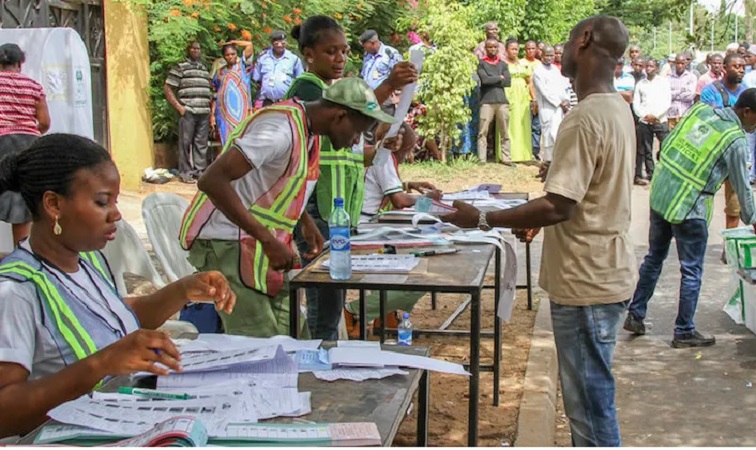
The Independent National Electoral Commission (INEC) on Sunday declared Senator Monday Okpebholo of the All Progressives Congress (APC) the winner of the closely contested Edo State governorship election held on Saturday, September 21, 2024.

The APC candidate garnered a total of 291,667 votes, defeating his nearest rival, Asue Ighodalo of the Peoples Democratic Party (PDP), who polled 247,274 votes. Labour Party’s candidate, Olumide Akpata, finished a distant third, securing only 22,763 votes.

Okpebholo was declared after he secured wins in 11 out of Edo’s 18 local government areas. Ighodalo, the PDP candidate, managed to claim the remaining seven local governments. Meanwhile, Akpata of the Labour Party, a former Nigerian Bar Association President, lost in all local government areas, including his home base, Oredo.

According to INEC, Okpebholo’s decisive victories were recorded in key local governments such as Esan West, Owan West, Akoko Edo, Egor, Esan Central, Ovia South West, Orhionmwon, Owan East, Etsako East, Oredo, and Etsako West. On the other hand, Ighodalo managed to take Ovia North East, Ovia South West, Uhunmwode, Igueben, Esan North East, and Esan South East.

In Igueben, a stronghold for Ighodalo, the PDP secured 8,470 votes, significantly outpacing APC’s 5,907. But Okpebholo made up for it with major wins in local government areas such as Akoko Edo, where he racked up an impressive 34,847 votes compared to Ighodalo’s 15,865.

The Labour Party candidate, Akpata, who initially had been seen as a potential wildcard in the race, struggled to make an impact across the state. His strongest performance came in Oredo, where he polled 5,389 votes, but it was far from enough to challenge the two frontrunners.

Allegations of Rigging

However, the election was mired in controversy, with accusations of electoral malpractice and rigging in favor of the ruling All Progressives Congress (APC).

Ighodalo voiced strong discontent with the election’s proceedings, describing the exercise as riddled with irregularities. At a press conference organized by the Edo PDP National Campaign Council, Ighodalo expressed concerns over INEC’s handling of the process, citing alleged manipulations and discrepancies. One of the key issues raised by him was in the Ikpoba/Okha Ologbo area, where accredited voter numbers were recorded as zero, despite results being announced in those units.

One of the most glaring instances that have fueled these accusations involved a viral result sheet from Osholo Primary School Polling Unit, Weppa, in Etsako East Local Government Area, presided by Josephine Obazuwa. According to the result sheet, the APC was recorded as having garnered 352 votes in the polling unit, but only 213 voters were accredited to cast their ballots.

The evidence of inflated vote counts has ignited outrage among opposition parties, civil society groups, and voters, who are now questioning the integrity of the entire election. The incident has added to a growing list of similar complaints from past elections, where the APC has been accused of using its incumbency advantage to manipulate the outcome. Critics argue that this latest controversy is yet another example of the ruling party’s alleged interference in democratic processes, as seen in other states where it has secured victory under questionable circumstances.

Observers and political analysts have also raised alarms over the recurring pattern of alleged rigging by the APC. In several elections held since the party came to power in 2015, there have been accusations of vote tampering, voter suppression, and the manipulation of election results to favor the ruling party.

The Osholo Primary School incident is not an isolated case. During the collation of results, the PDP and its supporters cited several polling units where votes cast exceeded the number of accredited voters. In the build-up to the election, concerns about potential electoral malpractice were already rife, and the release of such irregular results seems to have confirmed those fears for many.

Governor Ahmadu Fintiri of Adamawa State, who led the PDP campaign, also supported these claims, noting that the integrity of the election had been compromised in certain polling units. Both Fintiri and Ighodalo warned that the election could set a dangerous precedent for Nigerian democracy if left unaddressed, potentially marking it as one of the most problematic elections in the country’s history.

The concerns about the Edo governorship election reflect a broader fear that Nigeria’s democracy is becoming increasingly vulnerable to electoral fraud, with the APC allegedly employing sophisticated tactics to maintain its grip on power.

Meanwhile, the APC’s Okpebholo, celebrated his victory, thanking Edo State voters for their support. He acknowledged the close contest but remained confident that the electoral process was fair and transparent.

However, the allegations from the PDP have cast a shadow over the results, raising the possibility of legal challenges in the coming days. While Okpebholo and the APC move forward with plans for governance, the PDP and Ighodalo are expected to contest the results.

The result has once again, beamed the spotlight on INEC and its handling of elections in the country, where the courts eventually decide the winners.

Man Utd: Romano discloses the 2025 plan to sign Ratcliffe as a “top priority” and “to invest” in a single position

0

The report suggests that United could be in the market for “a new winger” next January (2025) or next summer, with two players referenced as potential targets. One of the co-owners, Sir Jim Ratcliffe, made a massive investment in the summer transfer window of 2024 when he invested approximately £180 million in new players. Manchester United had a quiet transfer window, but the team still needed to be strengthened, and they did so in a fine fashion by letting go of some of them and bringing in new players. They have not only played rashly but also faced a few hurdles in the season’s opening and were defeated in 2 out of 3 matches. 

For Man Utd to close the gap with Manchester City and compete for the Premier League title, they need to carry on making sensible decisions in the transfer market. Romano claimed they’ll be investing in a new winger next year, therefore, proving there is some self-awareness about what areas need improving. 

There is understandably much speculation about who the Red Devils could be looking to bring in over the next few campaigns. Still, it is evident that United wants to bolster its ranks and return to being challenging at the top. United can become a proper challenger if they play their cards right in the transfer market. By the way, it is also worth noting that fans of the team and football fans in general can visit this website and enjoy the gambling opportunities offered by the service. The emotions received can be compared to those that arise in Manchester United fans when a promising player is successfully transferred.

With Jadon Sancho set to leave for Chelsea in 2025, the club is expected to turn its attention toward signing another winger. Interest was speculated among fans in Crystal Palace’s Eberechi Eze. Eze really caught the eye of United, with abilities akin to his interest in Michael Olise during his time at Crystal Palace, which was akin to around eleven months previous. Bayern Munich wins as well, and the Olise deal is regarded as simply too expensive.

United will monitor that over the next few months as they consider a move for another winger in 2025. Eze is one option under consideration but not the only other on the table. There are no guarantees Eze will be the one they go for. However, having lost Akpom, United will likely consider signing a winger. Of course, the team will actively scout and evaluate a number of prospects in the next several months.

While many United supporters have been clamoring for the Glazers to be kicked out of the team for years, others initially cheered his arrival. The club’s massive debt load, which began when the late Malcolm Glazer paid $1.4 billion to acquire it in 2005, is the source of the ire. Since Alex Ferguson retired from the team in 2013, the team’s performance has sadly not improved, and no league titles have been won.

United’s gross debt is more than $990 million as of now, of which a large amount is long-term debt covered by a revolving credit facility in the US. Nonetheless, the club is anticipated to maintain this pattern for the full fiscal year, achieving record revenue for the second quarter.

With ambitions to reach even greater figures for the full fiscal year, United just revealed record-breaking revenue for the second quarter. This remarkable expansion is evidence of the team’s commitment and diligence.

In addition to this achievement, Ratcliffe, a notable investor, has taken responsibility for United’s football operations and is already introducing beneficial reforms. A dedication to improving the team’s performance is evident in hiring Omar Berrada as chief executive and pursuing Dan Ashworth as sporting director.

In addition, there are plans to renovate United’s renowned Old Trafford stadium, indicating a commitment to success on and off the field. A task force has been formed to speed up these upgrades, demonstrating a strong commitment to advancement.

https://www.football365.com/news/man-utd-romano-reveals-2025-top-target-plan-ratcliffe-invest-one-position 

https://www.africanews.com/2024/03/12/man-united-ratcliffe-has-already-cost-nearly-44-billion/

Exploring Dapo Willis’s Impact on Mobile Forex Trading

0

In recent years, the landscape of forex trading has undergone a significant transformation, largely driven by technological advancements and the increasing accessibility of mobile applications. One influential figure in this space is Dapo Willis, a visionary entrepreneur and expert in the financial technology sector. His contributions have reshaped how traders engage with forex markets, making trading more accessible and efficient for users around the globe, particularly in Nigeria.

As more individuals seek to enter the forex market, many are asking, “What is the best trading app in Nigeria? This question highlights the growing interest in mobile forex platforms, where applications like Exness, HFM, and FXTM have gained popularity due to their robust features and user-friendly interfaces.

The Rise of Mobile Forex Trading

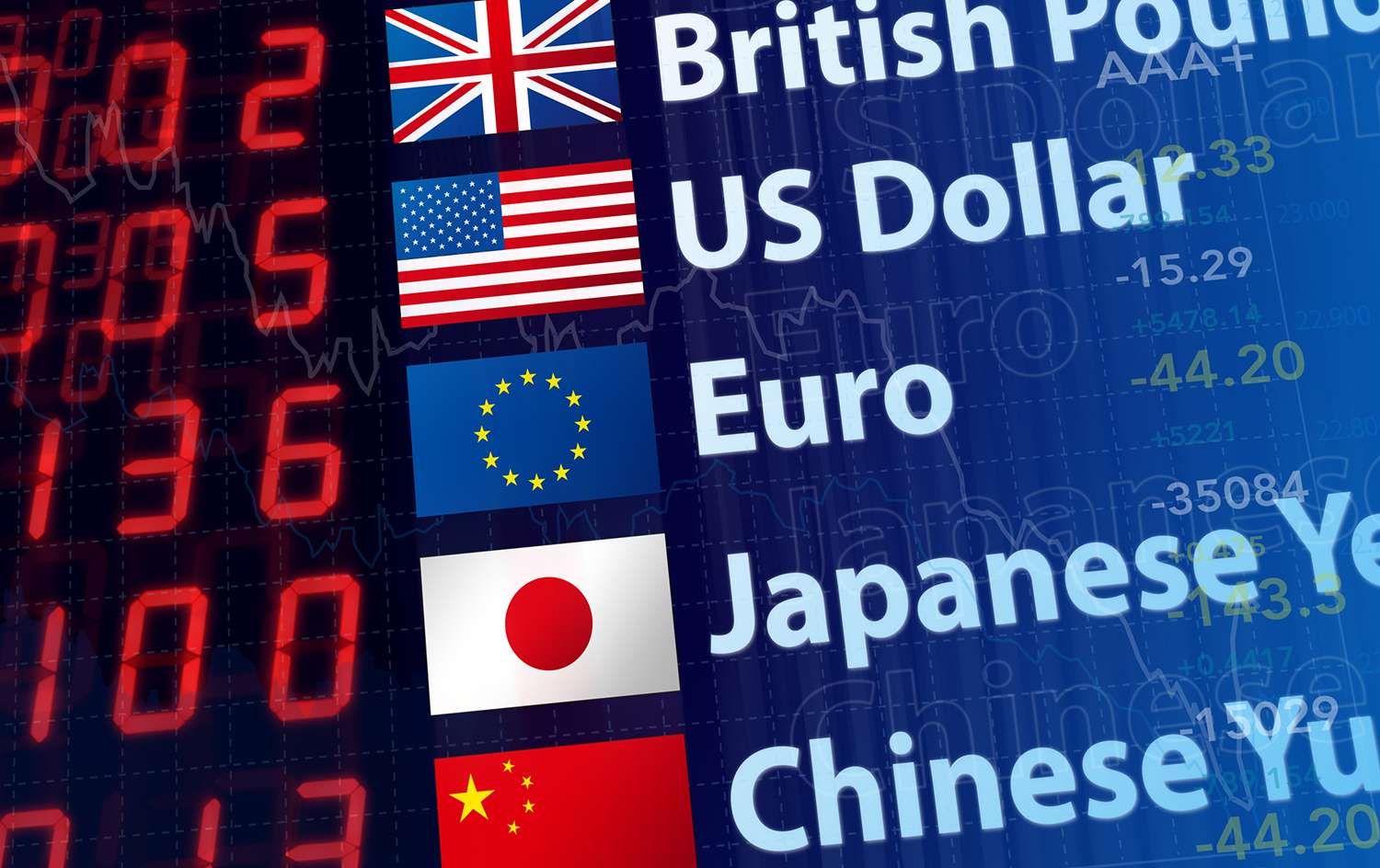
As the demand for flexible trading solutions grows, mobile forex trading platforms have emerged as essential tools for traders. These applications allow users to trade currencies in real-time, manage their portfolios, and analyze market trends, all from the convenience of their smartphones. The proliferation of mobile apps has democratized forex trading, enabling more people to participate in the market regardless of their geographical location.

Dapo Willis has been at the forefront of this movement, advocating for innovations that enhance the trading experience. His focus on user-friendly design and advanced functionalities has helped bridge the gap between complex trading processes and novice traders, empowering a new generation of investors.

Dapo Willis’s Contributions

  1. Promoting Financial Education: One of Dapo Willis’s most significant contributions to the Nigerian forex trading space is his focus on financial literacy. Through webinars, social media platforms, and online resources, Dapo has introduced thousands of Nigerians to the intricacies of forex trading. He provides insights on market analysis, risk management, and trading strategies, helping both novice and experienced traders make informed decisions when using mobile apps for forex trading.
  2. Encouraging Mobile Trading Platforms: Dapo promotes the use of mobile trading platforms by regularly showcasing how these tools can simplify the forex trading experience. He emphasizes the convenience of trading on the go and demonstrates how apps such as Exness, HFM, and FXTM can empower Nigerian traders to engage with the global forex market in real time. By highlighting the benefits of these platforms, Dapo plays a crucial role in increasing their adoption across Nigeria.
  3. Supporting Aspiring Traders: Dapo has become a trusted figure in the Nigerian forex trading community, especially for beginners. His focus on sharing success stories and offering practical advice has built a loyal following of traders who look up to him for guidance. He advocates for the accessibility of mobile apps as an entry point into the forex market, making it easier for young and aspiring traders to get started with minimal barriers.
  4. Fostering a Culture of Self-Improvement: In addition to promoting mobile apps, Dapo encourages a mindset of continuous learning and self-improvement among traders. By providing educational resources and promoting the use of mobile apps that offer analytics tools and market insights, he helps traders develop a disciplined and analytical approach to forex trading.

What Is the Best Trading App in Nigeria?

With numerous forex trading apps available, many Nigerian traders often ask, “What is the best trading app in Nigeria?” While the answer can vary depending on individual preferences and trading styles, some standout options have been influenced by the innovations led by Dapo Willis:

  • Exness: Known for its low spreads and excellent customer support, Exness offers a user-friendly mobile app called the Exness Trade App that appeals to both new and experienced traders. This broker also supports the Naira as an account base currency.
  • HFM: With a strong focus on educational resources and user experience, HFM provides a robust platform for trading across various asset classes. This broker also supports the Naira as an account base currency.
  • ForexTime (FXTM): FXTM offers a variety of account types and exceptional support for Nigerian users, making it a top choice for many traders.

The best trading app ultimately depends on the trader’s needs, including ease of use, security features, and available trading pairs.

Conclusion

Dapo Willis’s impact on mobile forex trading platforms has been profound, making trading more accessible and secure for users, particularly in Nigeria. His commitment to user-centric design, educational resources, and local market adaptation has transformed how traders engage with forex markets. As mobile trading continues to grow, Dapo’s innovations will likely shape the future of forex trading, empowering more individuals to seize opportunities in the global financial landscape. With the right tools and knowledge, the possibilities for success in forex trading are limitless.