DD
MM
YYYY

PAGES

DD
MM
YYYY

spot_img

PAGES

Home Blog Page 2995

The Ethereum Foundation’s Treasury Tales

0

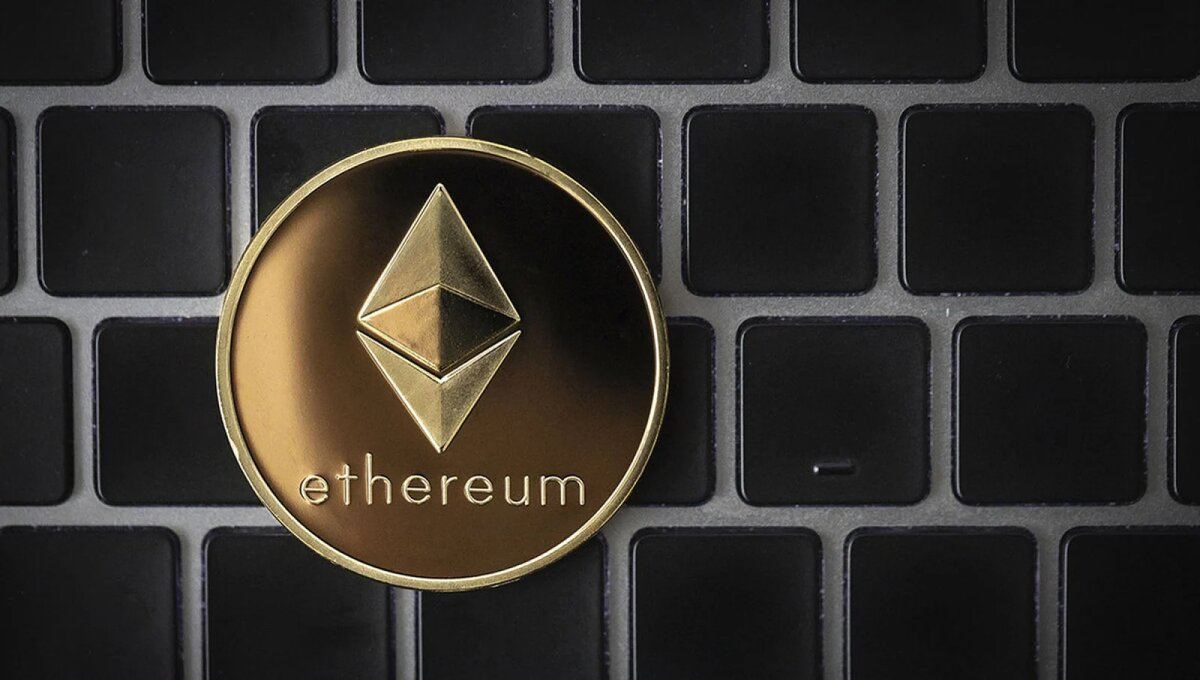
In the world of cryptocurrency, where the only thing more volatile than the market is the drama, the Ethereum Foundation has found itself in a bit of a pickle. The Foundation, known for its role in supporting the development of the Ethereum blockchain, has recently been under fire for what some are calling a “transparency tantrum” in its treasury management.

Let’s set the scene: a whopping 35,000 ETH (that’s Ethereum for the uninitiated) was transferred to the Kraken exchange, and the crypto community went into detective mode faster than you can say “blockchain”. The transfer, worth a cool $96.9 million, sparked a debate that had more twists and turns than a rollercoaster at Blockchain World.

The Foundation, in a move that surprised absolutely no one, stated that this was all part of their “treasury management activities”. They assured everyone that this was not an impromptu crypto garage sale but a well-thought-out financial maneuver. The community, however, raised an eyebrow so high it could have cleared the stratosphere.

Now, in a plot twist worthy of a daytime soap opera, some have suggested that it might be time to dissolve the Ethereum Foundation altogether. “Outrageous!” you might say, but in the soap opera that is crypto, anything is possible.

The Foundation’s Executive Director, Aya Miyaguchi, took to the stage (or social media platform X, formerly known as Twitter) to clarify that these transfers were just routine “treasury management activities”. She explained that much of the budget goes toward grants and salaries, and some recipients prefer good old-fashioned fiat currency. “It’s not you, it’s the regulatory complications,” she might as well have said, explaining why they couldn’t share their financial plans in advance.

Let’s not forget the heavyweight bouts between crypto personalities. These are the clashes of titans, where industry leaders throw shade at each other on social media platforms, causing ripples through the market. It’s like watching a reality TV show where every participant thinks they’re the star, and the drama is as volatile as the price of Bitcoin on a bad day.

And who could ignore the regulatory tango? Governments and regulatory bodies around the world are trying to dance with cryptocurrencies, but it’s like pairing a ballerina with a breakdancer. The result is a series of missteps and stumbles as they try to find a rhythm that works, often leading to policy changes that send shockwaves through the market.

To add to the drama, the Ethereum Foundation’s spending habits have been compared to those of a teenager with their first credit card. With an annual budget of around $100 million, they’ve been splashing cash on everything from “L1 R&D” to “New Institutions”. And let’s not forget the $11.4 million in funding for various projects, because who doesn’t love funding a good blockchain shindig?

Vitalik Buterin, the wunderkind behind Ethereum, clarified that he’s paid a salary that would make most crypto enthusiasts’ eyes water. Meanwhile, other blockchain entities like Arbitrum DAO and Cosmos’ Interchain Foundation have been spending like they’re on a shopping spree, with millions going towards various initiatives.

So, what’s the moral of the story? In the wild west of crypto, transparency is more than just a buzzword—it’s the plotline that keeps on giving. And as for the Ethereum Foundation, they might just need to remember that in the court of public opinion, the jury is always out, and the judge is a Twitter thread waiting to happen.

As we await the next episode of “As the Blockchain Turns,” one thing is for sure: the crypto community will be watching with popcorn in hand, ready for the next big reveal.

Nigerian Government Opens September Bond with 18.202%. Interest Rate

0

The Federal Government of Nigeria, through its Debt Management Office (DMO), has opened the September 2024 subscription window for its Federal Government of Nigeria (FGN) savings bonds.

This comes as part of the government’s ongoing efforts to raise funds from the public to finance various national projects, offering a relatively secure investment option with attractive returns for Nigerians.

The subscription period for these bonds started on September 2nd and is set to last until September 6th, 2024. The bonds on offer include a two-year savings bond maturing on September 11, 2026, with an interest rate of 17.202%, and a three-year savings bond with an interest rate of 18.202%. This represents a significant increase compared to the rates offered in the same period last year, highlighting the growing appeal of these securities in the current economic environment.

Each bond unit is priced at N1,000, and investors can subscribe with a minimum of N5,000, increasing in multiples of N1,000 up to a maximum of N50,000,000. Interest payments on these bonds will be made quarterly, with the first payment scheduled for December 11, 2024. The bonds will be settled on September 11, 2024, marking the start of the interest payment period.

Why the High Interest Rate?

The interest rates on these bonds are among the highest in recent memory, reflecting the broader economic conditions in Nigeria, particularly the high-interest rate environment. This surge in rates can be traced back to the Central Bank of Nigeria (CBN), which has been aggressively raising interest rates since February 2024. These actions are part of a broader strategy to curb inflation and stabilize the foreign exchange market by attracting foreign capital investments.

Over the past four Monetary Policy Committee (MPC) meetings, the CBN has increased interest rates by a total of 800 basis points. This has not only made government securities like the FGN savings bonds more attractive but has also driven significant investor interest in these offerings.

The result is a competitive yield environment, where the government can secure substantial funds at relatively high interest rates, reflecting the demand for these safer investment vehicles.

August 2024 Bond Auction Results

The attractiveness of FGN bonds was further underscored by the results of the August 2024 bond auction. The Federal Government successfully raised N374.751 billion, indicating strong investor confidence in long-term securities. The auction included tenors of five, seven, and nine years, with the nine-year bond standing out as the most popular among investors.

The nine-year bond attracted a massive subscription of N375.083 billion, far exceeding the initial offer of N50 billion, which led to an allocation of N314.213 billion at a marginal rate of 21.50%. This oversubscription, at 650.17%, demonstrates the high level of interest and confidence in Nigeria’s longer-term debt instruments.

Implications for Investors

For investors, the current FGN savings bonds offer an opportunity to earn significant returns in a relatively low-risk environment, backed by the full faith and credit of the Nigerian government. The high interest rates reflect the government’s need to attract sufficient capital in a challenging economic climate marked by inflationary pressures and currency depreciation.

The steady and predictable income from the quarterly interest payments makes these bonds attractive to those looking for stable, long-term investment options. Moreover, the government’s track record of successfully raising funds through bond auctions further solidifies the security of these investments.

With Nigeria’s continued grappling with economic challenges, including inflation and currency depreciation, the attractiveness of government bonds as an investment vehicle is likely to remain strong. The continued rise in interest rates, driven by the CBN’s monetary policies, suggests that future bond offerings may continue to offer high yields, providing lucrative opportunities for investors while helping the government secure much-needed funding for national development projects.

The Purchase Cost inflation in Nigeria reached a five-month high in August 2024

0

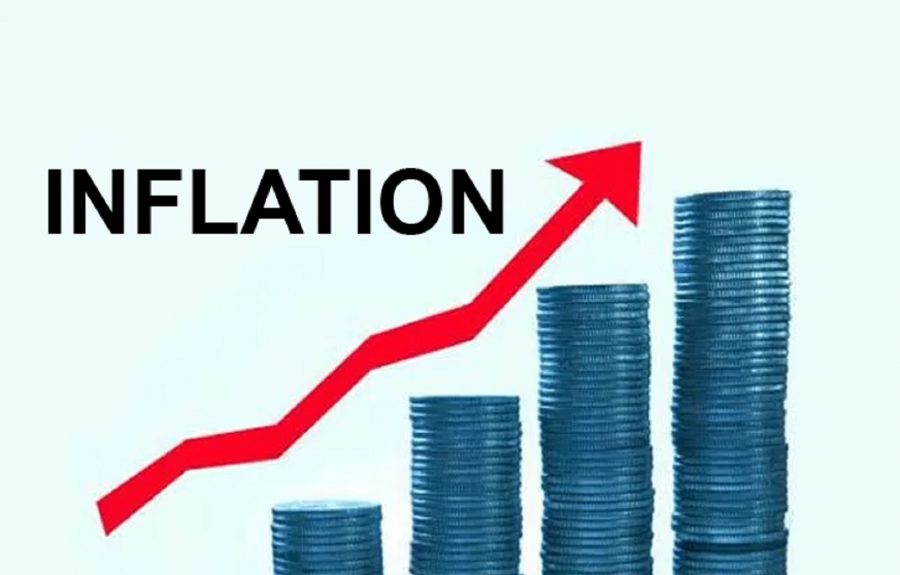
In August 2024, Nigeria experienced a notable surge in purchase cost inflation, marking a five-month high driven largely by the continued depreciation of the naira.

This development has compounded the economic challenges facing businesses across the country, further straining an already precarious operating environment.

According to the latest Stanbic IBTC Bank Nigeria PMI report, the primary culprits behind this inflationary spike are the rising costs of materials and transportation, both of which have been significantly impacted by the weakening naira. The report, compiled by S&P Global from a survey of purchasing managers in the private sector, paints a grim picture of the current business landscape in Nigeria.

“Input costs rose rapidly again midway through the third quarter. The rate of purchase cost inflation hit a five-month high amid increases in prices for materials and transportation, with cost pressures exacerbated by currency weakness.

“Staff costs were also up as firms increased pay in response to higher living costs. Higher input costs were often passed on to customers, and output prices subsequently increased at the sharpest pace in five months,” the report noted.

This sharp rise in costs has forced companies to pass on these increased expenses to consumers, leading to the fastest rise in output prices in five months.

The struggle is not just with materials and transportation. Businesses are also grappling with rising staff costs, as firms have had to increase wages in response to the higher living costs borne by their employees. This combination of escalating input costs and elevated wages has left businesses with little choice but to raise their prices, thereby fueling inflation further.

“The rate of output price inflation also quickened to a five-month high in August as just under half of all respondents signalled a rise in charges,” said Muyiwa Oni, Head of Equity Research West Africa at Stanbic IBTC Bank. “The increase in output prices reflected the pass-through of higher costs to customers.”

Despite the uptick in the headline Purchasing Managers’ Index (PMI) from 49.2 in July to 49.9 in August, the figure still remains below the critical 50.0 mark, indicating that business conditions continue to deteriorate, albeit at a slower pace. This stagnation reflects the ongoing struggles businesses face in managing rising costs amid weak demand.

“The stagnation in overall operating conditions was in line with the trend in business activity; Nigerian companies posted a fractional reduction in business activity during August, as was the case in July,” Oni elaborated.

He further pointed out that while some companies increased their output due to renewed sales expansion, others continued to suffer from weak demand exacerbated by severe cost pressures.

Material and transportation costs, in particular, have been significant drivers of this inflation. The report highlights substantial price increases for essential materials such as animal feed and paper, along with higher logistics and transportation costs. These challenges have been further intensified by the persistent depreciation of the naira against the U.S. dollar, making imports more expensive and compounding the inflationary pressures faced by businesses.

In response to these escalating costs, companies have begun to cut back on purchasing activities, resulting in a reduction of stockpiles for the first time in 17 months. This decline in inventories noted as one of the sharpest on record outside the pandemic period, underscores the severe strain on businesses trying to navigate through these turbulent economic waters.

The naira’s depreciation, which saw the currency drop by 1.76% against the dollar on the official NAFEM market in August, only adds to the economic woes. Although this decline is milder than the 6.43% drop recorded in July, it still reflects a market under pressure, with the naira consistently losing value against the dollar. This trend highlights the broader economic challenges, including potential demand-supply imbalances in the foreign exchange market.

As businesses continue to battle these rising costs, the outlook remains cautious. The report notes that firms remain tentatively optimistic about future output, though sentiment is at one of its lowest points since the survey began. The ongoing economic difficulties, particularly the persistent weakness of the naira, continue to pose significant risks to Nigeria’s economic stability and growth prospects.

Brazilians Turn to VPN As Supreme Court Upholds the Ban on X

0

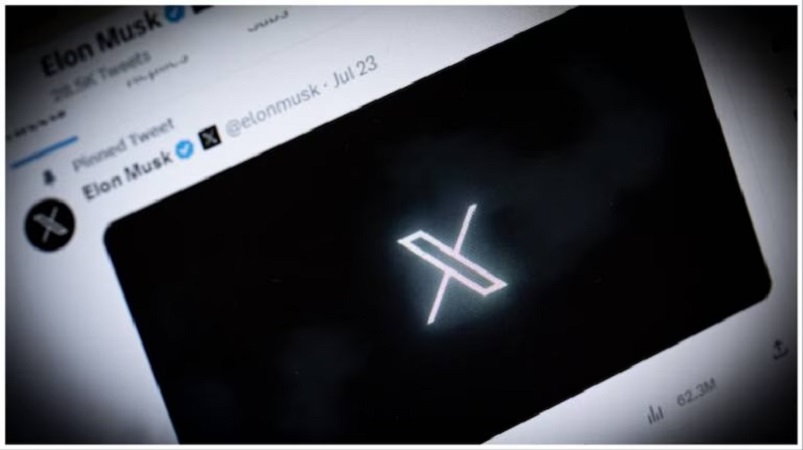
Access to X, the social media platform formerly known as Twitter, was largely cut off across Brazil by Sunday night, following a Supreme Court order compelling internet service providers to block the site.

On Monday, a majority of a Supreme Court panel upheld the ban on X. The ban, a response to Musk’s refusal to remove content linked to far-right groups, has intensified a months-long public feud between the tech billionaire and Supreme Court Justice Alexandre de Moraes. The panel also ratified de Moraes’ decree to fine anyone caught using a VPN to access X in Brazil a daily penalty of 50,000 Brazilian Real (approximately $8,900), a sum that exceeds the average annual income for most Brazilians.

The situation escalated when the president of Brazil’s telecom agency, Anatel, disclosed that Starlink had refused to comply with the court’s directive until its frozen assets were released, according to reports from The New York Times.

De Moraes, who has been at the forefront of the campaign against X, also froze the local bank accounts of Starlink, a subsidiary of Musk’s SpaceX. De Moraes accused X of allowing the spread of hate speech and disinformation and aimed to collect $3 million in fines that X had accumulated for ignoring his orders to block certain accounts.

Despite a Supreme Court ruling upholding the ban, Brazil is witnessing a wave of defiance led by Musk, who has been fiercely critical of de Moraes. The court’s decision has done little to curb access to the social media platform, as many Brazilians have turned to alternative methods such as VPNs and Starlink, Musk’s satellite internet service, to maintain their online presence.

Musk has publicly condemned the asset freeze as “illegal,” arguing that SpaceX and X are separate entities and that he owns only 40% of the former. In response to the court’s actions, Starlink petitioned for the unblocking of its assets, but the request was swiftly dismissed by the court. Undeterred, Musk has pledged to continue providing free internet access to Starlink’s 250,000 Brazilian customers, many of whom reside in rural areas or are members of Indigenous tribes in the Amazon.

The Supreme Court, showing little tolerance for Musk’s defiance, has not only upheld the ban but has also approved severe penalties imposed earlier by de Moraes for those attempting to circumvent it.

VPN usage in Brazil has surged by as much as 1,600%, according to VPNMentor, a site that guides users on how to protect their online privacy. Also, alternatives to X, such as Bluesky and Threads, have seen a dramatic increase in users. Bluesky reported “new all-time-highs for activity,” with over 500,000 new users joining in just a few days, while Threads similarly rose to the top of the download charts on iPhones.

Although X is not as dominant in Brazil as platforms like Facebook, YouTube, or TikTok, its ban has left many feeling isolated. Brazilian users who spoke to The Associated Press said they feel disconnected from the rest of the world without X. This sentiment reflects a broader concern that the government’s actions, intended to combat extremism, are ironically fostering a sense of oppression and disconnect.

Maurício Santoro, a political science professor at the State University of Rio de Janeiro, articulated this fear in a post on X before the ban took effect.

“I’ve used VPNs a lot in authoritarian countries like China to continue accessing news sites and social networks. It never occurred to me that this type of tool would be banned in Brazil. It’s dystopian,” he said.

While the Supreme Court appears staunch in its decision to ban X, the Brazilian people are showing their discontent in large numbers. As the situation unfolds, it remains unclear whether the billionaire’s resolve will outlast the legal and financial pressures being applied by Brazilian authorities.

However, should Starlink persist in its operations post-revocation, Brazilian officials have warned they could seize equipment from the 23 ground stations that enhance the quality of Starlink’s satellite connections. Thus, there is concern that if the satellite service continues to defy the court’s order regarding X, Brazil could revoke its operating license.

How Fintech is Revolutionizing Investment Opportunities And Wealth Management

0

The evolution of fintech is no doubt rapidly disrupting the financial sector, as it continues to play a pivotal role in transforming the world of wealth management, as well as making investing more accessible, personalized, and efficient than ever before.

By leveraging advanced technologies like Artificial Intelligence (AI), blockchain, and machine learning, Fintech platforms are democratizing investment opportunities, offering personalized financial advice, and opening up global markets to individuals.

How Fintech is Revolutionizing Investment Opportunities

One of the most significant impacts of Fintech on wealth management is how it has lowered the barrier of entry for investments. In the past, investing in international markets was often seen as one meant for institutional investors or high-net-worth individuals, requiring significant capital, complex processes, and extensive knowledge of foreign markets.

Today, however, fintech platforms have democratized this process, opening up global investment opportunities to anyone with a smartphone and a modest amount of capital. These platforms allow users to invest in various companies globally and also enable the purchase of financial products such as stocks, bonds, and mutual funds, both locally and internationally, often with minimal initial capital.

In Nigeria, some prominent investment fintech platforms include:

Trove: This platform allows users to invest in Nigerian, U.S., and Chinese stocks, ETFs, and bonds with as little as ?1,000. It provides a simple, user-friendly interface and is popular among young Nigerians looking to diversify their portfolios.

Bamboo: Bamboo offers access to over 3,500 stocks listed on the Nigerian Stock Exchange, the U.S. stock market, and global markets. It emphasizes ease of use and allows users to start investing with as little as $20.

Rise: Rise is an investment platform that focuses on dollar-denominated investments. Users can invest in global stocks, real estate, and fixed-income assets, helping to protect against naira devaluation.

How Fintech is Revolutionizing Wealth Management

Fintech has also brought about a new level of personalization to wealth management. With the integration of AI and machine learning algorithms, these platforms can analyze vast amounts of data to provide users with customized investment advice, portfolio management, and risk assessment. By tailoring financial strategies to individual needs and goals, these technologies enhance the customer experience and improve investment outcomes. For fintech companies looking to improve their online visibility and attract more customers, leveraging SEO for fintech services can ensure they are found by individuals seeking personalized wealth management solutions.

By analyzing user behavior and preferences, platforms can offer personalized recommendations and products that align with individual financial goals. This approach not only improves customer satisfaction but also drives better financial decision-making.

One of the most significant changes fintech has brought to wealth management is the ability for users to monitor and manage their portfolios in real time. Unlike traditional wealth management which often involves periodic check-ins, fintech platforms provide 24/7 access to financial information. This real-time access allows users to make informed decisions quickly, respond to market changes, and adjust their investment strategies as needed.

It is however worth noting that as fintech continues to evolve, traditional financial institutions are increasingly collaborating with or partnering with these fintech companies to offer more innovative wealth management solutions. Some have even gone as far as rolling out their fintech platforms amidst the disruption in the financial sector.

Conclusion

Looking ahead, the continued growth of fintech is likely to further expand investment opportunities, and wealth management, with innovations such as blockchain technology and robo-advisors poised to play a significant role.

These developments will continue to make investing in foreign companies easier, more affordable, and more accessible to people around the world.