
DD
MM
YYYY

PAGES

DD
MM
YYYY

spot_img

PAGES

Home Blog Page 3002

Nigeria Signs Policy to Curb Emigration of Nigerian Healthcare Workers Into Law

1

President Bola Tinubu has officially signed into law the National Policy on Health Workforce Migration, a landmark legislation aimed at curbing the mass emigration of healthcare professionals from Nigeria.

This policy, which has been a subject of significant debate, among other things, legally binds healthcare personnel to remain and work in Nigeria after completing their education, a response to the growing brain drain that has severely impacted the country’s health sector.

The new law is seen as a crucial step towards addressing the critical challenges facing Nigeria’s health and human resources. Muhammad Ali Pate, the Coordinating Minister of Health & Social Welfare, described the policy as a transformative measure designed to overhaul healthcare human resource management in Nigeria.

“This policy is more than just a response to the ongoing exodus of healthcare professionals; it’s a comprehensive strategy to manage, harness, and reverse health worker migration. It envisions a thriving workforce that is well-supported, adequately rewarded, and optimally utilized to meet the healthcare needs of all Nigerians,” Pate stated.

Pate further elaborated on the policy’s ambitious goals, emphasizing the importance of the Nigeria Human Health Resource Program. This program sets a framework for regular reviews of working conditions, ensuring that health workers, particularly those in rural and underserved areas, receive the recognition and rewards they deserve.

He said by fostering a conducive environment for professional growth and stability, the policy aims to retain top talent within Nigeria’s borders.

The policy also places a strong emphasis on integrating advanced health technologies to enhance the efficiency and equity of healthcare delivery across Nigeria. This includes the implementation of digital health infrastructure such as Electronic Medical Records (EMR), telehealth services, and a comprehensive Health Workforce Registry.

According to Pate, these innovations are crucial for streamlining healthcare delivery and ensuring the equitable distribution of health workers.

“Capacity building is at the heart of this policy,” Pate continued. “It recognizes the importance of continuous professional development, with strategic partnerships and opportunities for international training to equip our healthcare professionals with cutting-edge skills. This investment in human capital underscores our commitment to retaining and empowering our healthcare workforce.”

Reversing the Brain Drain

One of the most critical aspects of the policy is its approach to reversing the brain drain by facilitating the return and reintegration of Nigerian health professionals from the diaspora. The policy establishes streamlined registration processes and offers attractive incentives to encourage these professionals to return home and contribute to the Nigerian health system.

Pate noted that this approach leverages the expertise of diaspora professionals to fill gaps within the sector.

Additionally, the policy champions reciprocal agreements with other nations to ensure that the exchange of health workers benefits Nigeria. These bilateral and multilateral agreements are designed to protect national interests while respecting the rights and aspirations of Nigerian healthcare professionals.

“We call on recipient countries to implement a 1:1 match—training one worker to replace every publicly trained Nigerian worker they receive,” the Minister said.

The move to curb the exodus of Nigerian professionals has been controversial. In 2023, the House of Representatives debated an amendment to the Medical and Dental Practitioners Act, which sought to mandate that Nigerian-trained medical professionals work in the country for five years before being granted full licenses.

This proposal, which passed its second reading with intense debate, highlighted the deep divisions on how best to address the healthcare crisis.

Proponents argued that such measures were necessary to ensure that Nigeria retains its trained professionals and improves the availability of quality healthcare within the country. Opponents, however, contended that the focus should be on addressing the root causes of the brain drain, such as poor working conditions and inadequate pay, rather than restricting the rights of medical professionals.

Nigeria’s healthcare system currently faces a severe shortage of medical professionals. It is estimated that Nigeria has only one doctor for every 10,000 patients, a far cry from the World Health Organization’s (WHO) recommendation of one doctor for every 600 people. Pate revealed in March that about 16,000 doctors have left the country in the past five years, leaving only 55,000 licensed doctors to serve a population of over 200 million.

However, the minister said with the signing of the National Policy on Health Workforce Migration into law, President Tinubu’s administration has taken a decisive step towards securing the future of Nigeria’s healthcare system.

While the policy aims to address the immediate challenges posed by the mass emigration of healthcare professionals, its success will ultimately depend on its implementation and the broader efforts to improve working conditions and professional opportunities for Nigerian healthcare workers.

Besides catalyzing the transformation of the Nigerian health sector, and ensuring access to quality healthcare for all Nigerians, Pate said of the new policy: “Recognizing the importance of work-life balance, the policy includes provisions for routine health checks, mental well-being support, and reasonable working hours, especially for younger doctors. These measures aim to create a supportive work environment, reducing burnout and enhancing job satisfaction.”
Could NFTs Lead to New Ways to Distribute Music?

0

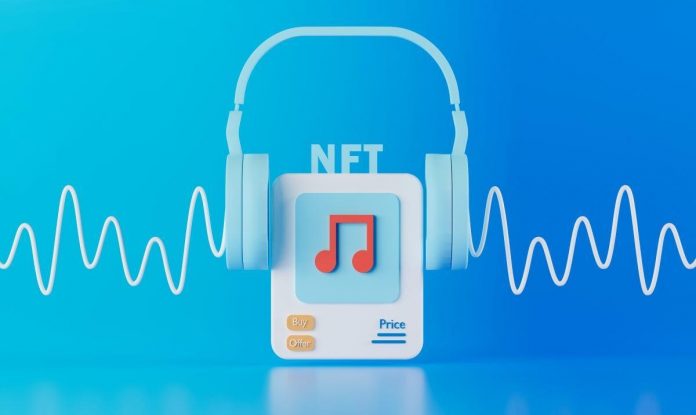
NFTs were the hottest craze of the 2021 crypto bull market and managed to gain widespread attention thanks to various celebrity endorsements. Along with that, it was clear that many people could see that these items could potentially be valuable in the future, especially when virtual worlds become the norm and people want to own things within them.

One of the primary uses of NFTs is to distribute creative content, with artists and musicians able to sell original works as NFTs. There’s a chance that this distribution model could affect the current market and disrupt services like Spotify.

NFTs Quickly Entered Mainstream in 2021

Crypto enthusiasts have known about NFTs for some time, but news of them also spread to the mainstream market. The online casino industry is a good way to assess if something has permeated popular culture, and the emergence of NFT-themed games highlighted that these tokens had. NFT Megaways was released during the NFT craze and aimed to capitalize on the growing interest surrounding them.

When NFTs first emerged, they had the backing of many major names as well. This helped them reach a much wider audience quickly. It was clear that musicians liked the concept of releasing music in this way, with the likes of Kings of Leon jumping on board early on. The Sex on Fire artists dropped When You See Yourself as an NFT, and gave purchasers of the album the chance to win special perks such as front row seats to future concerts.

A New Way for Artists to Distribute Music

When Kings of Leon released their 2021 record, it came out as part of the NFT Yourself collection at the same time as it dropped on streaming platforms. This was a great strategy, as it gave loyal fans a way to connect more deeply with the band and get access to added benefits that others couldn’t avail.

Back in the days before MP3s took the world by storm, listeners had to purchase singles and albums if they wanted to listen to them. NFTs could bring about a resurgence in that form of marketing, with fans potentially enjoying the fact that they have real ownership of material. If this comes with special features and extra content, it could catch on and become a hot trend in the industry.

A Potential Threat to Services Like Spotify

Spotify has taken the music industry by storm over the last decade, giving listeners access to almost any track ever recorded. However, it has made it more difficult for artists to profit from their work. Therefore, many musicians may find it preferable to sell their records as NFTs as it may allow them to make more money.

The beauty of NFTs is that smart contracts can be embedded in them as well. This means that artists would be able to receive royalties if their music was resold on secondary markets.

NFTs have already shown their potential as a new outlet for musicians to release music. This marketing strategy might not usurp established services like Spotify, but it could provide competition and please both fans and artists.

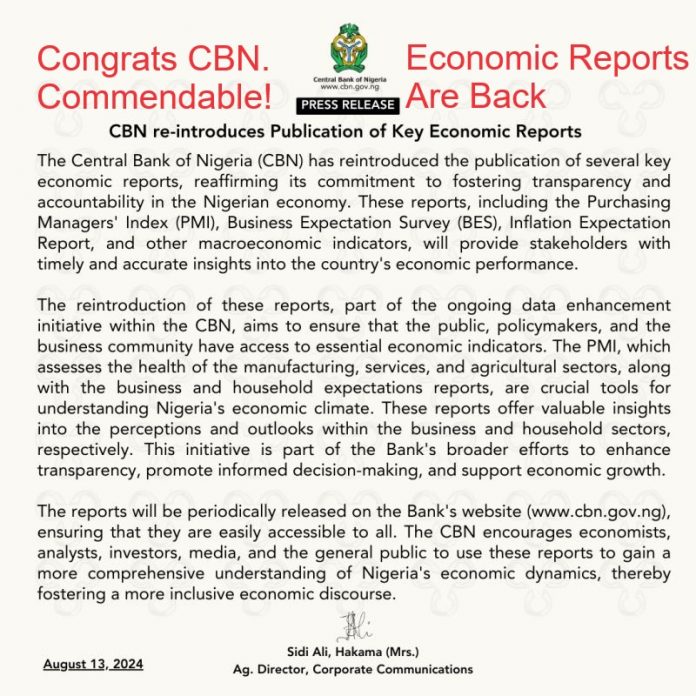
Central Bank of Nigeria (CBN) Re-Introduces Publication of Economic Reports

1

Let me commend the Central Bank of Nigeria (CBN) for re-introducing the publication of key economic reports. When the apex bank abandoned this tradition in 2016, I was against it. You do not balance your bank account by asking for a thinner chequebook.

So, there was just no reason why the CBN stopped those publications. Why? If you do not have the data, everything becomes a guesswork. But with data, you will even know what is working and not working. I commend the central bank for restoring this tradition.

As a junior banker in Lagos, I relied on CBN working papers during my  doctoral program in banking and finance. We were at the nascent phase of the Internet, but CBN was kind enough to push reports on its website.

Now to the professors, analysts, citizens, etc, this is the moment we have been asking for: with the veil lifted, we can get insights on how the apex bank is thinking over things, and possibly, we can constructively offer suggestions. Study those reports, and test CBN policies on welfare gains and losses,  assessing how projections turn out at the end of the policy implementations.

CBN: there are many economics professors in our universities: task them to assist. In other words, do not make it wholly internal where only CBN workers will churn out the publications. We want a balanced viewpoint, devoid of any political agenda, and supported by data.

What Are the Benefits of ID Protection Services?

0

We live in a digital age whereby personal information is shared and stored online more than ever, leaving the chances of theft at an all-time high. Identity theft can result in serious financial costs and emotional distress as well as far-reaching effects on your credit standing and reputation. The good news is that many people — and enterprises as well today are availing the popularly known ID protection services to battle this threat. But what do these services entail and how does one benefit from them?

Understanding ID Protection Services

ID protection services are designed to monitor, protect, and restore your personal information in case it’s compromised. These services typically include features such as identity theft monitoring, credit monitoring, identity recovery, and insurance against losses resulting from identity theft.

  1. Proactive Monitoring

ID protection services provide an effective solution to this problem with its primary benefit being proactive monitoring. These services will closely monitor the web, databases, and other places where your personal information might appear without permission. This type of service would normally involve actively scraping social media platforms, the dark web, or public records for potential data that may have been leaked on a person in order to commit identity theft. This means that by detecting the likelihood of hostile acts before any destruction has been caused, individuals may act preemptively instead.

  1. Credit Monitoring

Many ID protection services offer credit monitoring that alerts you of any changes to your credit report. Those would be notifications that new accounts have been opened in your name, changes to your credit score and inquiries by lenders. Checking your credit report periodically will allow you to identify potential identity theft and discrepancies early on before they can have a major affect against financial health.

  1. Identity Recovery Services

In the unfortunate event that your identity is stolen, ID protection services provide recovery assistance. This may include guidance on how to report identity theft to the authorities, help with filing police reports, and assistance in disputing fraudulent charges. Many services also offer dedicated recovery specialists who work with you to restore your identity, ensuring that you have support during this stressful time.

  1. Insurance Against Losses

Most ID protection services offer insurance to cover financial losses incurred due to identity theft. This insurance typically includes coverage for expenses related to identity recovery, such as legal fees, lost wages, and costs associated with restoring your credit. Having this safety net can provide peace of mind, knowing that you won’t be left to bear the financial burden alone.

  1. Peace of Mind

Perhaps one of the most significant benefits of ID protection services is the peace of mind they provide. Knowing that your personal information is being monitored and protected can alleviate anxiety about the risks of identity theft. This reassurance allows individuals and families to focus on their daily lives without constantly worrying about the security of their identities.

  1. Enhanced Security Features

Many ID protection services come with additional security features to enhance your overall online safety. These may include password managers, two-factor authentication, and secure browsing tools. By using these features, you can strengthen your defenses against identity theft and other cyber threats.

  1. Family Protection

Many ID protection services offer family plans that extend coverage to your loved ones. This means that you can protect not just your own identity but also that of your spouse, children, or other family members. Given that children are often targets of identity theft due to their clean credit histories, family coverage can provide a crucial layer of protection.

  1. Alerts and Notifications

ID protection services typically include alerts and notifications that keep you informed about any suspicious activity related to your identity. These real-time alerts can prompt you to take immediate action if necessary, such as freezing your credit or notifying your bank. Being informed helps you stay one step ahead of potential threats.

In a world where identity theft is a pervasive and evolving threat, ID protection services offer essential benefits for safeguarding your personal information. From proactive monitoring and credit oversight to recovery assistance and insurance, these services provide a comprehensive approach to identity security.

Investing in ID protection services not only protects your financial well-being but also grants you the peace of mind necessary to navigate today’s digital landscape confidently. With the right ID protection service, you can feel secure knowing that your identity is being monitored and protected against the growing risks of identity theft. Whether for individuals or families, the benefits of these services are clear, making them a valuable addition to your personal security strategy.

Modern Enterprise Tech Business Model And How Cisco Can Rise

0

Cisco confirmed it is planning to cut thousands of jobs, totaling 7% of its global workforce, after reporting declining revenue for the third quarter in a row. The company’s results were better than expected, however, and shares jumped on the news. Cisco already cut 5% of its workforce earlier this year as part of a restructuring. It had about 85,000 employees at the end of 2023, before the layoffs began. The router maker has struggled with weak demand and supply chain issues but lately tried to diversify, acquiring cybersecurity firm Splunk in a $28 billion buyout. – LinkedIn News

Things happen and this world transforms. Many years ago, Cisco was at its peak. Yes, a CV with CCNA (Cisco Certified Network Associate) was a blessed one, because suitors of employers would come along. Move it higher in the certification hierarchy, you may be going to America, from any city in Africa. In banking, three of my colleagues left within  weeks (Aha…, Uwa…, Gbe…), and they left in big ways: American recruiters sent them visas via FEDEX! 

But that Cisco has faded. Yes, software ate Cisco. Buying networking equipment is the old-stuff business model. You can only earn new revenue on existing deals when the customer returns to replace the equipment. Today, Wall Street likes recurring revenue where provided the customer is using that product, you would be earning money via subscriptions or licensing in perpetuity.

That perpetuity revenue was not the business model which Cisco ran on. It was like the Nokia feature phone where you pay and own, unlike the Apple iPhone where besides the hardware, Apple will still make money via the App Store apps. That is why Cisco is bleeding: “Cisco has announced plans to slash thousands of jobs as part of its strategic shift towards AI and cybersecurity. The move comes as the tech giant refocuses its efforts on emerging technologies, aligning its workforce with its new priorities. The proposed second round of layoff is coming after the company in February this year, laid off 5% of its global workforce.”

But it does seem like Cisco is modulating: “Notably, Cisco has also been working to establish itself as an Al networking vendor…the company announced a series of hardware and software platforms developed in collaboration with Nvidia designed to peddle its Ethernet kit to enterprises deploying GPU clusters …” Possibly, upon that business model, it can make money via how modern enterprise tech companies make money: perpetual licensing where you keep sending them money in seasons and out of seasons.

Re-invent that business model – and thrive.