DD
MM
YYYY

PAGES

DD
MM
YYYY

spot_img

PAGES

Home Blog Page 3006

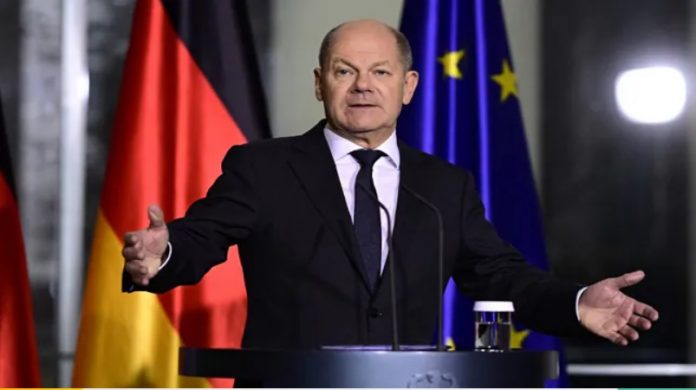
Olaf Scholz via Call with Netanyahu Warns Against Spiral of Violence in Middle East

0

The recent developments in the Middle East have once again brought the world’s attention to the delicate balance of peace and conflict in the region. In a significant phone call, German Chancellor Olaf Scholz expressed his concerns to Israeli Prime Minister Benjamin Netanyahu about the potential for a regional war. This conversation underscores the intricate web of diplomacy, military action, and the quest for stability in an area that has seen decades of tension and strife.

Chancellor Scholz’s warning against a “spiral of violence” is a reminder of the complex dynamics that govern international relations and the importance of dialogue in preventing escalation. The Middle East is a region where historical grievances, geopolitical interests, and the lives of millions intersect. The German Chancellor’s call to break the cycle of retaliatory violence and work towards de-escalation is a stance that reflects the broader international community’s desire for peace and the prevention of further human suffering.

One of the primary sources of tension is the Israeli-Palestinian conflict, which has persisted for decades. The establishment of Israel and the displacement of Palestinians have led to multiple wars and ongoing strife. Militant groups such as Hamas in Gaza and Hezbollah in Lebanon pose significant security challenges to Israel, leading to repeated cycles of violence.

Iran’s regional ambitions and its support for proxy groups across the Middle East, including in Syria, Iraq, and Yemen, have also escalated tensions. The United States and its allies have been involved in various military actions to counter these groups and maintain stability in the region.

The internal dynamics of Middle Eastern countries, such as the civil war in Syria, the political instability in Lebanon, and the Saudi Iranian rivalry, further exacerbate regional tensions. These conflicts often have broader implications due to the involvement of global powers and the region’s strategic importance for energy resources and trade routes.

The situation is a testament to the challenges faced by leaders in making decisions that not only affect their nations but also have far-reaching consequences on the global stage. The conversation between Chancellor Scholz and Prime Minister Netanyahu is not just about two nations but about the international effort to foster a world where dialogue triumphs over discord, and where peace is pursued over perpetuating cycles of violence.

As the world watches and hopes for a peaceful resolution, the leadership and diplomatic acumen of figures like Chancellor Scholz and Prime Minister Netanyahu will be pivotal in steering the course of events towards a more stable and peaceful future. The international community’s role in supporting such efforts cannot be understated, as it is only through collective action and mutual understanding that a lasting solution can be found.

The call for a ceasefire and the release of hostages held by militants in the Palestinian territory is a crucial step towards achieving this goal. It is a move that would not only alleviate immediate human suffering but also lay the groundwork for a more comprehensive approach to peace in the Middle East.

The phone call between Chancellor Scholz and Prime Minister Netanyahu serves as a critical juncture in the ongoing efforts to secure peace in the Middle East. It is a call to action for leaders around the world to unite in the pursuit of stability and to diligently work towards ending the cycle of violence that has plagued the region for too long. The path to peace is fraught with challenges, but with persistent effort and unwavering commitment, a more peaceful future is within reach.
GBP/USD, behind the scenes of this major Forex pair

0

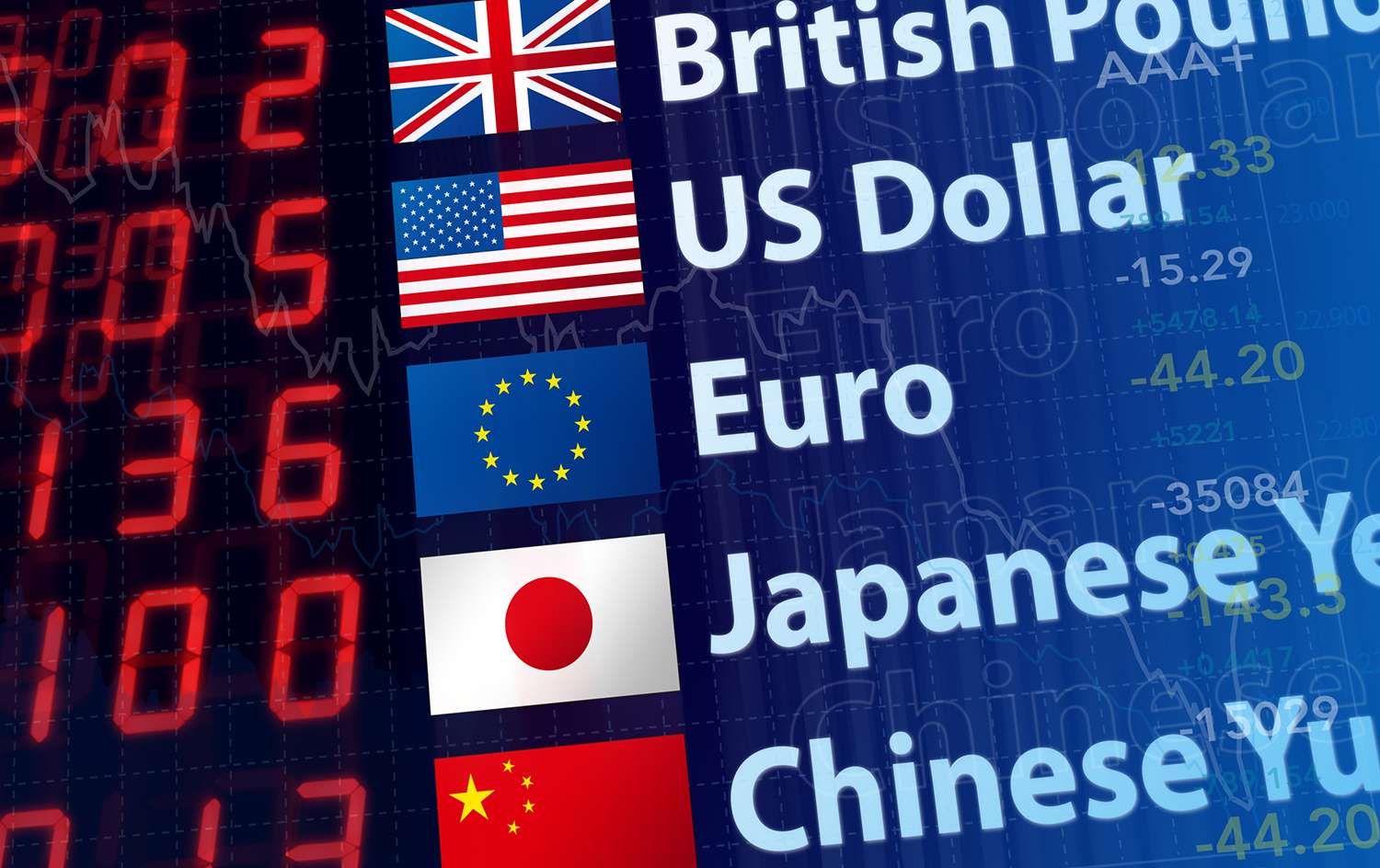
We often hear about technical analysis, patterns, supports, and resistances, but it’s nonetheless a good idea to sometimes look back at the fundamentals that determine the value of one currency compared to another.

What are the major macroeconomic events steering the evolution of GBP/USD?

  • Monetary policy: The Bank of England (BoE) has gradually raised interest rates to combat persistent inflation, while the US Federal Reserve (Fed) has adopted a similar policy but with adjustments in response to fluctuating economic data. Interest rate decisions directly influence the value of the GBP to USD.
  • UK economy: The UK economy has shown signs of resilience despite post-Brexit challenges and inflationary pressures. The labor market remains robust, but sectors such as property have shown signs of weakness. Economic growth and consumption levels are key indicators to watch.
  • US economy: In the US, high but falling inflation, solid consumer spending, and tight monetary policy have supported the US dollar. Employment data and GDP growth have also impacted dollar strength.

Forecasts for the months ahead

  • Monetary policy: The BoE could continue to adjust interest rates to keep inflation under control, especially if inflation does not fall as expected. Any indication of a loosening or tightening of monetary policy will directly impact on the GBP. For its part, the Fed could moderate its rate hike cycle if inflation shows signs of stabilizing, which could weaken the dollar against the pound.
  • Geopolitical factors: Geopolitical tensions, in particular trade relations between the UK and the EU post-Brexit, as well as US policies towards China, could cause fluctuations. A stabilization of these relations could strengthen the GBP, while increased tensions could favor the USD as a safe haven.
  • Economic performance: The relative economic performance of the two countries will be crucial. If the UK economy shows signs of sustained recovery and inflationary pressures ease, the GBP could strengthen. Conversely, if US economic data remains robust with inflation under control, the USD could maintain its strong position.
  • Market sentiment: Overall investor sentiment also plays a crucial role. In times of uncertainty, the US dollar is often seen as a safe haven, which could keep pressure on the GBP. However, increased confidence in the global economic recovery could benefit the pound.

Short-term forecasts point to continued volatility, with trends heavily dependent on central bank decisions and the key economic indicators mentioned above.

FTX and Alameda Research’s Settlement with the CFTC

0

The cryptocurrency world has been closely watching the developments surrounding the FTX exchange and Alameda Research, and a significant chapter seems to be coming to a close. The Commodity Futures Trading Commission (CFTC) has reached a settlement with the two entities, requiring them to pay a staggering $12.7 billion. This settlement marks one of the most substantial enforcement actions in the history of financial regulatory measures concerning cryptocurrency operations.

FTX, once a prominent player in the cryptocurrency exchange market, faced a tumultuous downfall after risky investments with customer deposits led to bankruptcy and subsequent legal battles with U.S. authorities. The collapse of FTX not only shook investor confidence but also highlighted the need for more stringent regulatory oversight in the crypto space.

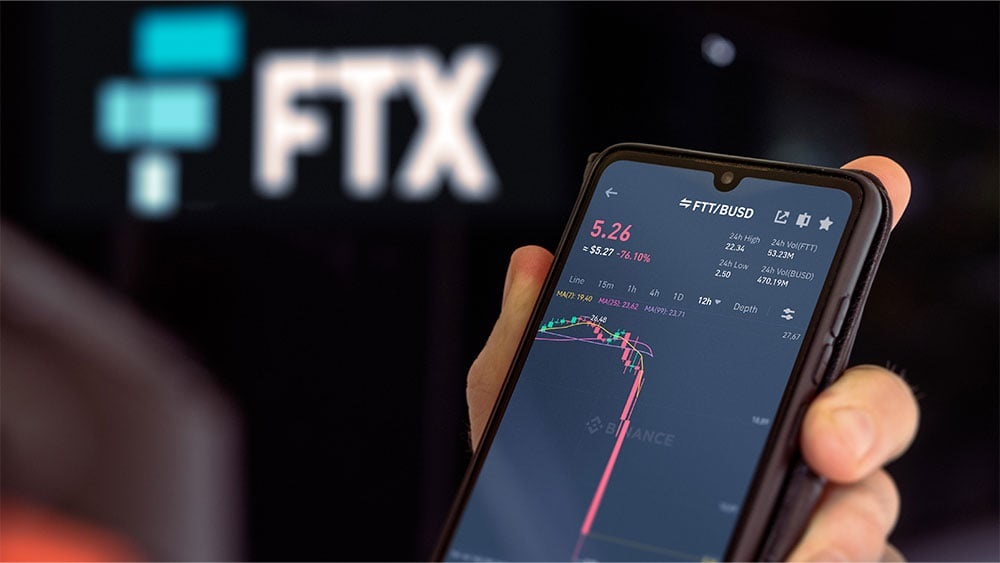
The disclosure of Alameda Research’s balance sheet by CoinDesk was the catalyst that triggered a crisis of confidence among FTX’s customers and investors. The balance sheet suggested that Alameda’s financial health was heavily dependent on the value of FTT, which was itself subject to FTX’s fortunes.

As customers rushed to withdraw their funds, FTX faced a liquidity shortfall. The exchange’s inability to honor these withdrawal requests further eroded trust and led to a downward spiral. Competitors and the broader market took note, and FTX’s fate was sealed.

According to the settlement, FTX is ordered to pay $8.7 billion in restitution and an additional $4 billion to customers whose deposits were locked following the collapse. This resolution is not just about the monetary compensation; it’s a statement on the importance of corporate governance, customer protection, and the adherence to regulations that are in place to prevent such catastrophic failures.

Implications for the Future

This settlement could serve as a precedent for future regulatory actions in the cryptocurrency industry. It underscores the necessity for exchanges and other crypto entities to operate with transparency and within the bounds of established financial regulations. The CFTC’s action sends a clear message that the misuse of customer funds and deceptive practices will not be tolerated.

The Role of Governance and Regulation

The case of FTX and Alameda Research has brought to light the critical role that governance and regulatory compliance play in the stability and integrity of financial markets. The CFTC’s Chairman, Rostin Behnam, emphasized that basic regulatory tools are essential to identify misconduct and prevent collapses like that of FTX.

As the cryptocurrency market continues to mature, the FTX and Alameda settlement with the CFTC may well be looked back upon as a pivotal moment when the industry began to align more closely with traditional financial market standards. This could lead to a more stable and trustworthy environment for investors and users alike.

The settlement is a reminder of the responsibilities that financial entities have towards their customers and the broader market. It also serves as a cautionary tale for investors, stressing the importance of due diligence and the awareness of the risks involved in the crypto market.

The FTX and Alameda settlement is a landmark in the ongoing effort to bring accountability and stability to 1the cryptocurrency industry. It is a step towards ensuring that the innovative potential of cryptocurrencies can be realized in a secure and regulated framework, benefiting all stakeholders involved.

Is a Global Recession Nearby?

0

The global economy is a complex and interconnected system, which makes it susceptible to a variety of factors that can lead to a recession. A recession is typically defined as a significant decline in economic activity spread across the economy, lasting more than a few months, normally visible in real GDP, real income, employment, industrial production, and wholesale-retail sales. As of late, there has been growing concern about the potential for a global recession.

Persistent high inflation can erode purchasing power and lead to increased costs for businesses and consumers. Central banks may respond with higher interest rates to curb inflation, which can slow economic growth and potentially lead to a recession. When central banks raise interest rates to manage inflation, it can increase borrowing costs, reduce consumer spending, and lower investment. If not managed carefully, these rate hikes can push economies into a recession.

Recent trends and economic indicators have provided mixed signals about the health of the global economy. On one hand, there are signs of recovery and growth in certain sectors and regions. On the other hand, there are also warning signs that suggest a downturn could be on the horizon.

One of the primary concerns is the state of the world’s largest economies, which have a significant impact on global economic health. The United States, for instance, has experienced reduced household purchasing power and a tightening monetary policy, which could drive growth down significantly.

Similarly, China’s growth has been slower than anticipated due to COVID-19 outbreaks, lockdowns, and a deepening real estate crisis, marking its slowest growth in over four decades, excluding the pandemic period. The Eurozone is not exempt from these challenges, with growth rates revised down and inflation remaining stubbornly high.

Inflation has been another major concern, with rising food and energy prices contributing to higher costs of living worldwide. This has led to tighter financial conditions and upward revisions in inflation forecasts for both advanced and emerging market economies.

The International Monetary Fund (IMF) has highlighted the significant consequences of the stalling of the world’s three main economic powerhouses – the United States, China, and the major European economies. The IMF’s World Economic Outlook Update indicates that the global economy is facing an increasingly murky and uncertain outlook, with the possibility of teetering on the edge of a global recession.

Moreover, the structural challenges facing Europe, such as an aging population and high energy prices, present meaningful headwinds with no clear resolution in sight. Central banks across the US, UK, and Eurozone have paused rate hikes for now, given declines in their respective consumer price indices from their 2022 peaks. However, they remain wary and may keep interest rates high for some time, which continues to impact the global economy.

The World Economic Forum’s Chief Economists Outlook has also expressed a gloomy view, with almost 20% of respondents seeing an extremely likely chance of a global recession, double the number from the previous survey.

While there is cautious optimism in some quarters, significant uncertainties linger. The global economy is at a crossroads, with various indicators pointing towards a potential recession. It is a time of vigilance for policymakers, businesses, and consumers alike, as the world navigates through these turbulent economic waters. The coming months will be crucial in determining whether a global recession can be averted or if the world will need to brace for a more challenging economic climate.

Nigeria Should Honour Rena Wakama, D’Tigress’ coach, And Invest More In Sports

1

Now that the Olympic game is over, I want to use this opportunity to commend all the athletes and their coaches. It is a great honour to represent your nation, and a bigger one to do that in the Olympics. Sure, it is a disappointment that we did not bring any medal home, but that does not diminish the fact that these young people served the nation.

As a citizen of the Nigerian nation, I want to recommend to Mr. President to bestow a national honour on Rena Wakama, D’Tigress’ coach. Already, she has been recognized as the best coach of women’s basketball at the Paris 2024 Olympics, and Nigeria must cement her role. This woman demonstrated the power of leadership, coaching, mentoring, and inspiring the girls to over-achieve. Losing to the US women basketball does not diminish that accomplishment.

For all of us, you do not win the Olympics in a day. Those who will participate for China and USA in 2036 in certain games are already in the camp. It requires planning which for years now we have struggled with.  Except Edo, Delta and Lagos, do we still have a working sports council in Nigeria? The days of Chioma Ajunwa, David Izonritei, Mary Onyali, Olabisi Afolabi, Fatima Yusuf, and many others happened, not because we recruited them from American colleges, but because Nigeria had a functioning sports council system in our state capitals.

But over time, these athletes were left to fund themselves with no support, and the results are here.  This must change; sports is a career and even though they do not have Nigeria Labour Congress (NLC), Academic Staff Union of Universities (ASUU), etc to do strikes for better facilities and support, Nigerians must call these politicians to lead.