DD
MM
YYYY

PAGES

DD
MM
YYYY

spot_img

PAGES

Home Blog Page 3060

Polling In The 2024 United States Presidential Contest

1

The Play: 2024 United States Presidential Contest

ACT 1, SCENE 1 – Before Joe Biden Dropped from the Contest

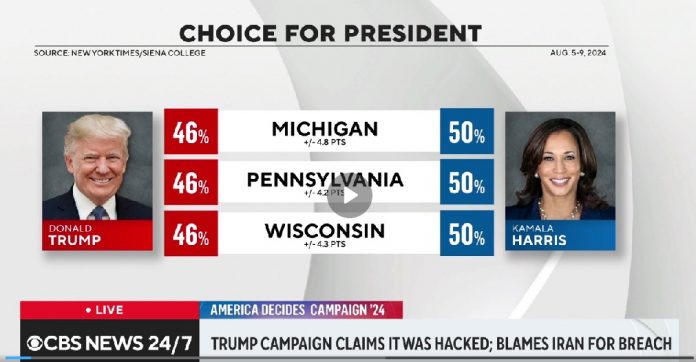
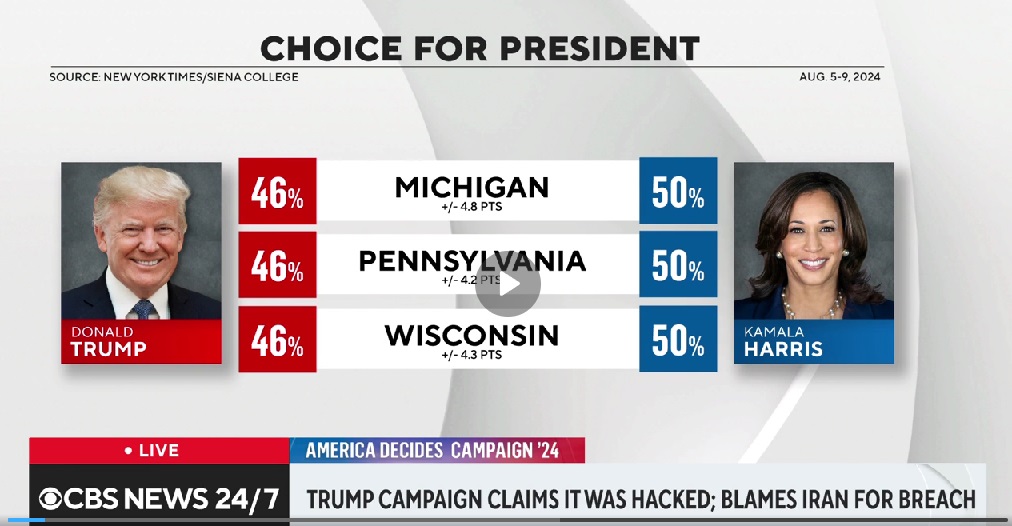
  • A MAGA Republican: We’re well ahead in the polls; a landslide is possible.
  • A Democrat: Joe Biden needs to drop out as he’s down in the polls.


ACT 1, SCENE 2: A Presidential Debate Between Trump and Biden

  • A Democrat: The performance of Biden was bad, and he must leave the contest.
  • A MAGA Republican: We’ve opened more gaps in the polls; all polls are widening. We’re winning. 


ACT 2, SCENE 1: Biden Drops Out and Kamala Harris Picks the Spot

  • A MAGA Republican: Polls are rigged, and they are rigging them to rig the election. There is no truth in these polls. Shame on fake big media.
  • A Democrat: We were realistic on what the data was telling us; we like where we are now after the changes we made.

Lesson: As you run your business, do all necessary to respect data, and question it objectively. Here, the Democrats were honest to use that data to improve their odds, by making changes. You would expect the MAGA Nation to also use data to improve their playbooks. But when they do not have confidence in that data (unlike in the past), they deny themselves the opportunity to make changes.

Remember: the best poll is on the election day. May the best win.

Analyzing Kamala Harris’ Rising Odds in the 2024 Presidential Election

0

In the world of political forecasting, prediction markets have become a focal point for gauging public sentiment and forecasting election outcomes. Election outcomes are the result of a complex interplay of various factors that go beyond the predictions of political markets. These factors can be broadly categorized into individual voter behavior, candidate attributes, campaign dynamics, and broader socio-economic conditions.

One of the primary factors is the state of the economy. Voters often consider the current economic conditions when casting their ballots, with incumbents generally favored when the economy is strong and challenged when it is weak. This reflects the public’s tendency to hold current leaders accountable for their financial well-being.

Party identification also plays a crucial role. Many voters have a long-standing allegiance to a particular political party, which can significantly influence their voting decisions. This loyalty can sometimes outweigh their opinions about the individual candidates or specific issues.

Campaign strategy is another pivotal element. The way a campaign is run, including the messaging, advertising, public relations, and ground game, can greatly impact voter perceptions and turnout. Effective campaigns can mobilize supporters, sway undecided voters, and even alter the political discourse.

Candidate characteristics are equally important. Voters assess a candidate’s qualifications, personality, integrity, and performance in debates and public appearances. A candidate’s ability to connect with voters on a personal level can be a decisive factor.

Moreover, convenience voting methods, such as early voting and mail-in ballots, have transformed the electoral process, potentially increased voter turnout and changing the timing of decision-making for many voters.

A recent surge in Vice President Kamala Harris’s odds on PolyMarket, where she has hit a new all-time high of 52% to win the US Presidential election, has sparked a flurry of discussions among political analysts and bettors alike.

Prediction markets like PolyMarket operate on the principle of collective wisdom, where the many bets placed by individuals reflect a consensus view, often proving to be remarkably accurate predictors of future events. Harris’s rising odds suggest a shift in public opinion, possibly influenced by recent political developments, campaign strategies, or her performance in office.

The increase to 52% is significant, not only because it represents a majority opinion but also because it surpasses the odds of other potential candidates, including former President Donald Trump, who has been a prominent figure in these markets. Reports indicate that Harris has been favored to win against Trump on some betting sites, reflecting a dynamic and competitive political landscape.

The implications of such odds are far-reaching. They can impact campaign strategies, fundraising efforts, and even the morale of political parties and their supporters. As the election approaches, these markets will continue to fluctuate, offering a real-time barometer of the political climate.

It’s important to note that while prediction markets are useful tools, they are not infallible. They represent a snapshot of current sentiments, which can change rapidly in response to new information or unforeseen events. As such, they should be considered as one of many indicators in the complex process of political forecasting.

As the 2024 Presidential election draws nearer, all eyes will be on these markets to see if they can maintain their track record of predictive success. Whether Kamala Harris’s odds will translate into an electoral victory remains to be seen, but for now, her position in PolyMarket’s predictions is a topic of much conversation and analysis.

The rise of Kamala Harris in the prediction markets is a testament to the ever-evolving nature of political campaigns and the power of public opinion. As the world watches, the question remains: will the prediction markets’ forecast hold true, or will the tides turn in this high-stakes political race?

Google Selects Five Nigerian Startups for Cohort 8 of the African Accelerator Program

0

Google’s commitment to fostering innovation across the African continent has taken a significant leap forward with the selection of five Nigerian startups for the eighth cohort of its prestigious African Accelerator Program. This initiative is a testament to the vibrant entrepreneurial spirit that thrives within Nigeria’s tech ecosystem.

The Google for Startups Accelerator Africa is a beacon of support for innovative startups across the continent, and its reach extends far beyond Nigeria. The program accepts applications from startups located in Algeria, Botswana, Cameroon, Côte D’ivoire, Egypt, Ethiopia, Ghana, Kenya, Morocco, Rwanda, Senegal, South Africa, Tanzania, Tunisia, Uganda, and Zimbabwe.

The five startups in Nigeria, chosen from nearly a thousand applicants, showcase a diverse range of solutions aimed at addressing some of the most pressing challenges faced by the continent. From leveraging artificial intelligence to enhance legal services and multilingual communication, to innovating in the energy sector, these companies represent the forward-thinking approach that is essential for economic growth and technological advancement in Africa.

This diverse group of countries represents a wide spectrum of cultures, languages, and market dynamics, all united by a common thread of technological ingenuity and entrepreneurial spirit. The program’s mission is to nurture these startups, helping them to scale up their operations and refine their offerings with the help of Google’s resources and mentorship.

NextCounsel is revolutionizing the legal industry by harnessing AI to boost lawyer productivity, while CDIAL is breaking language barriers across the continent with its AI-driven communication tools. Earthbound is lighting up homes and businesses with sustainable energy solutions, MyAIFactchecker is empowering users with an AI tool to verify information, and Rana Energy is driving clean energy solutions to SMEs and communities through a data-centric ecosystem.

Google’s accelerator program not only highlights the ingenuity of African entrepreneurs but also underscores the importance of nurturing such talent with the right resources and mentorship. The program has had a substantial impact since its inception in 2018, supporting 106 startups from 17 African countries, which have collectively raised over $263 million and created more than 2,800 direct jobs.

By fostering growth and innovation across these 17 countries, Google’s Accelerator Program is not just investing in individual companies: it’s investing in the future of Africa’s digital economy. The program’s commitment to diversity and inclusion ensures a rich exchange of ideas and solutions, tailored to address the unique challenges faced by the continent.

The selection of these startups is a clear indication of Google’s confidence in the potential of African innovation. By focusing on AI this year, Google is emphasizing the role of advanced technologies in solving real-world problems and uplifting communities. The tech giant’s support for these startups extends beyond just funding; it includes direct access to Google mentors, technical workshops, and business strategy and leadership skills development.

As the African tech landscape continues to evolve, initiatives like Google’s Accelerator Program are crucial in providing the necessary support to ensure that local startups not only survive but thrive on the global stage. The success of these startups could very well pave the way for the next wave of technological breakthroughs that will originate from Africa, changing the narrative of the continent from one of challenges to one of immense possibilities and innovations.

Trump returns to X ahead of interview with Elon Musk at 8PM EST onight

0

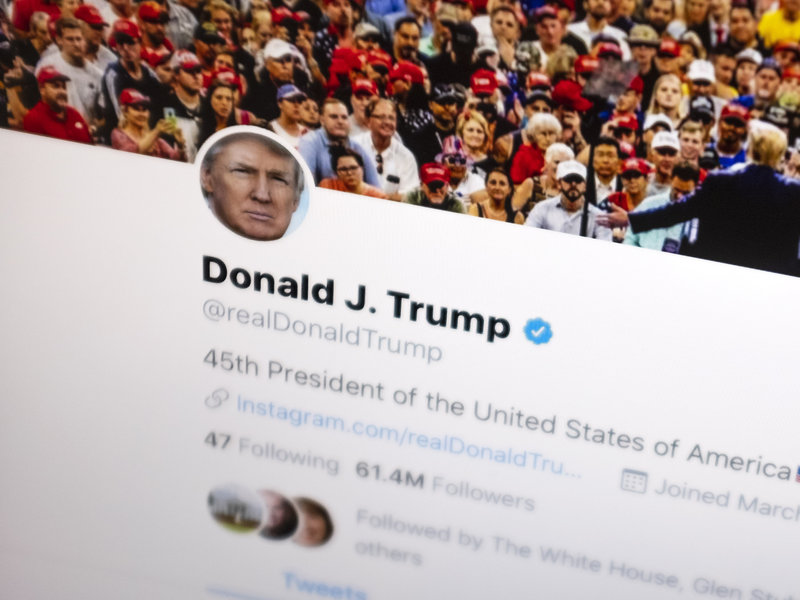
In a move that has captured the attention of both political and tech communities, former President Donald Trump is set to return to the social media platform X for a live interview with its owner, Elon Musk. This event, scheduled for 8 PM EST tonight, marks a significant moment as it represents Trump’s re-engagement with a platform from which he was previously banned.

The interview is expected to be unscripted and wide-ranging, with no limits on subject matter, promising to be a highly engaging session for viewers. Musk has even reached out to the X community, inviting users to submit their questions, potentially shaping the conversation in real-time.

This engagement comes at a time when both individuals have been highly influential in their respective domains. Trump’s return to X is not just about reconnecting with a broad audience; it’s also a strategic move that could have implications for the political landscape. On the other hand, Musk’s management of X has seen the platform become a pivotal space for political discourse, with the tech mogul himself becoming increasingly vocal about his political stances.

The interview is poised to be a convergence of politics and technology, reflecting the complex interplay between social media platforms and political communication in today’s digital age. As the platform undergoes “system scaling tests” to prepare for what is anticipated to be a high volume of participants, the tech world is watching closely to see how this event will unfold and what it might mean for the future of political engagement on social media platforms.

The upcoming interview between Donald Trump and Elon Musk is poised to be a significant event, with a range of potential topics that could be discussed. Given their diverse backgrounds and the current political climate, here are some areas they might explore:

Political Campaigns and Elections: With the 2024 U.S. Presidential election approaching, discussions could revolve around campaign strategies, election integrity, and voter engagement efforts.

Technology and social media: As leaders in their respective fields, they may delve into the impact of technology on society, the role of social media in politics, and the future of digital communication platforms.

Space Exploration: Elon Musk’s SpaceX and Trump’s Space Force initiative could lead to conversations about the future of space exploration and its implications for national security and human advancement.

Economic Policies: They might discuss the economic policies that Trump implemented during his presidency and Musk’s views on economic growth, taxation, and regulation.

Innovation and Entrepreneurship: Both figures are known for their entrepreneurial spirit, so a discussion on fostering innovation, supporting startups, and the challenges of building businesses could be on the agenda.

Environmental Issues: Topics such as renewable energy, climate change, and sustainable practices might be brought up, especially considering Musk’s involvement in electric vehicles and renewable energy solutions.

Global Affairs: Given their influence, a discussion on international relations, trade policies, and global challenges like the pandemic’s aftermath could be expected.

The anticipation around this interview highlights the evolving nature of political dialogue and the power of social media as a tool for direct communication with the public. It underscores the role of platforms like X in shaping political narratives and the importance of tech leaders in moderating these discussions.

As the interview approaches, questions abound regarding the topics that will be covered and the impact the conversation will have. Will it be a turning point for Trump’s public engagement, or will it be another moment in the ongoing saga of politics in the digital era? Only time will tell, but one thing is certain: the eyes of the world will be watching as these two prominent figures take the virtual stage tonight.

X Faces Privacy Complaints For Using EU User Data to Train AI Model Without Consent

Meanwhile, Elon Musk-owned social media platform X, is facing a wave of privacy complaints in the European Union (EU) after it was revealed that the platform used user data without obtaining consent.

The complaints allege that X harvested and utilized the personal information of its users across the EU to improve its Artificial Intelligence system Grok, violating stringent data protection laws in the process.

It is understood that last month, an X user @EasyBakedOven spotted a setting on the platform which hinted users to allow their posts, inputs, and results, to be used for training and fine tuning X. According to the user, X failed to announce such update publicly.

The user wrote,

“Twitter just activated a setting by default for everyone that gives them the right to use your data to train from. They never announced it. You can disable this using the web but it’s hidden. You can’t disable using the mobile app”.

This revelation prompted a reaction from the Irish Data Protection Commission (DPC), the watchdog that leads on oversight of X’s compliance with the bloc’s General Data Protection Regulation (GDPR). The GDPR which governs data privacy in the EU, mandates that companies must obtain explicit consent from users before collecting and processing their personal data, especially for purposes as sensitive as Al training.

The alleged failure of X to secure users’ consent has triggered a significant backlash and could lead to substantial penalties under the GDPR. The issue has drawn attention to the broader concerns surrounding data privacy and the ethical use of Al, particularly in the context of large-scale social media platforms.

Commenting in a statement, Max Schrems, chairman of privacy rights nonprofit noyb said,

We have seen countless instances of inefficient and partial enforcement by the PC in the past years. We want to ensure that X fully complies with EU law, which at a bare minimum requires to ask users for consent in this case. Companies that interact directly with users simply need to show them a yes/no prompt before using their data. They do this regularly for lots of other things, so it would definitely be possible for AI training as well”.

Notably, the DPC has already taken some action over X’s processing for Al model training, instigating legal action in the Irish High Court seeking an injunction to force it to stop using the data. But noyb contends that the DPC’s actions thus far are insufficient, pointing out that there’s no way for X users to get the company to delete “already ingested data.” In response, noyb has filed GDPR complaints in Ireland and seven other countries.

The complaints argue that X does not have a valid basis for using the data of some 60 million people in the EU to train Als without obtaining their consent. The platform appears to be relying on a legal basis that’s known as “legitimate interest” for the Al-related processing. However privacy experts say it needs to obtain people’s consent.

If found violating EU regulations, X could face hefty fines and be required to change its data handling practices to ensure compliance with privacy laws. This controversy also raises questions about transparency in Al development and the responsibility of tech companies to protect user privacy while advancing their technological capabilities.

As the investigation unfolds, it could set a precedent for how data is managed and utilized by social media platforms and other tech companies operating in the EU.

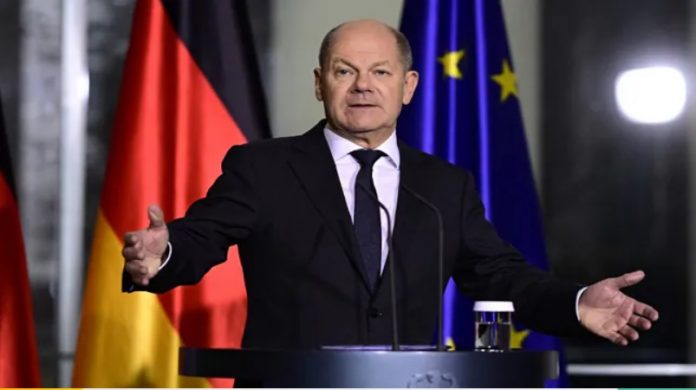
Olaf Scholz via Call with Netanyahu Warns Against Spiral of Violence in Middle East

0

The recent developments in the Middle East have once again brought the world’s attention to the delicate balance of peace and conflict in the region. In a significant phone call, German Chancellor Olaf Scholz expressed his concerns to Israeli Prime Minister Benjamin Netanyahu about the potential for a regional war. This conversation underscores the intricate web of diplomacy, military action, and the quest for stability in an area that has seen decades of tension and strife.

Chancellor Scholz’s warning against a “spiral of violence” is a reminder of the complex dynamics that govern international relations and the importance of dialogue in preventing escalation. The Middle East is a region where historical grievances, geopolitical interests, and the lives of millions intersect. The German Chancellor’s call to break the cycle of retaliatory violence and work towards de-escalation is a stance that reflects the broader international community’s desire for peace and the prevention of further human suffering.

One of the primary sources of tension is the Israeli-Palestinian conflict, which has persisted for decades. The establishment of Israel and the displacement of Palestinians have led to multiple wars and ongoing strife. Militant groups such as Hamas in Gaza and Hezbollah in Lebanon pose significant security challenges to Israel, leading to repeated cycles of violence.

Iran’s regional ambitions and its support for proxy groups across the Middle East, including in Syria, Iraq, and Yemen, have also escalated tensions. The United States and its allies have been involved in various military actions to counter these groups and maintain stability in the region.

The internal dynamics of Middle Eastern countries, such as the civil war in Syria, the political instability in Lebanon, and the Saudi Iranian rivalry, further exacerbate regional tensions. These conflicts often have broader implications due to the involvement of global powers and the region’s strategic importance for energy resources and trade routes.

The situation is a testament to the challenges faced by leaders in making decisions that not only affect their nations but also have far-reaching consequences on the global stage. The conversation between Chancellor Scholz and Prime Minister Netanyahu is not just about two nations but about the international effort to foster a world where dialogue triumphs over discord, and where peace is pursued over perpetuating cycles of violence.

As the world watches and hopes for a peaceful resolution, the leadership and diplomatic acumen of figures like Chancellor Scholz and Prime Minister Netanyahu will be pivotal in steering the course of events towards a more stable and peaceful future. The international community’s role in supporting such efforts cannot be understated, as it is only through collective action and mutual understanding that a lasting solution can be found.

The call for a ceasefire and the release of hostages held by militants in the Palestinian territory is a crucial step towards achieving this goal. It is a move that would not only alleviate immediate human suffering but also lay the groundwork for a more comprehensive approach to peace in the Middle East.

The phone call between Chancellor Scholz and Prime Minister Netanyahu serves as a critical juncture in the ongoing efforts to secure peace in the Middle East. It is a call to action for leaders around the world to unite in the pursuit of stability and to diligently work towards ending the cycle of violence that has plagued the region for too long. The path to peace is fraught with challenges, but with persistent effort and unwavering commitment, a more peaceful future is within reach.