DD
MM
YYYY

PAGES

DD
MM
YYYY

spot_img

PAGES

Home Blog Page 3069

RCO Finance’s (RCOF) Crypto AI Tool Robo Advisor Helps Traders Navigate the Bitcoin Crash with Ease

0

Remarkably, RCO Finance is reviving the hopes of many investors who are frustrated by the current decline in Bitcoin and the broader crypto market. With its first-ever AI-powered Robo Advisor, the DeFi trading platform offers anyone affected by the bearish market the opportunity to offset their losses and earn remarkably.

Let’s dive in to learn how to seize this incredible chance to earn substantially.

RCO Finance’s AI Tool Dominates Crypto Market

Cryptocurrency trading can be daunting, especially during times of market volatility, even for seasoned traders. However, RCO Finance (RCOF) is revolutionizing the market with its cutting-edge Robo-Advisor, a pioneering tool in the cryptocurrency industry.

The AI-powered investing tool is widely regarded as one of the top solutions for navigating the volatile cryptocurrency market, particularly in the aftermath of the Bitcoin crash. This is largely due to the tool’s real-time market insights and automated trading capabilities.

The Robo Advisor builds personalized trading strategies based on each user’s financial goals and risk tolerance. By continuously monitoring historical price data, live market movements, emerging trends, and news events, the Robo Advisor can make real-time adjustments to the trading strategies to maximize profit potential.

This adaptive approach allows the Robo Advisor to navigate the highly volatile crypto trading environment efficiently, providing users with a stable advantage. The revolutionary trading tool also offers timely alerts, informing users when to buy assets or reduce their leverage positions.

RCO Finance has partnered with SolidProof, a leading security firm, to conduct regular and comprehensive audits of the AI-powered trading platform’s smart contracts to bolster its security and safeguard investors’ assets during the trading process.

RCO Finance: Empowering Traders with Unlimited Choices

With its extensive feature set and dedication to openness and accessibility, RCO Finance distinguishes itself from other AI-based trading platforms. In contrast to rivals, RCO Finance provides a completely decentralized trading platform, eliminating middlemen and cutting customers’ expenses. 

Boasting an extensive asset pool comprising over 120,000 tradable assets spanning 12,500 asset classes globally, the platform’s Robo Advisor presents crypto traders with unparalleled diversification prospects. Moreover, users can easily convert their cryptocurrencies into stocks, bonds, and other real-world assets without an initial conversion to fiat currency.

RCO Finance (RCOF) prioritizes accessibility by integrating Robo Advisor into its user-friendly trading platform. This ensures that even novice traders can effortlessly navigate the system and leverage sophisticated trading strategies previously exclusive to seasoned traders, all while preserving investor autonomy.

Furthermore, using the Robo Advisor on the RCO Finance platform does not require KYC (Know Your Customer) procedures, allowing traders to maintain anonymity while adhering to regulatory standards. The platform also supports cross-trading between digital and real-world assets, with high leverage options of up to 1000x. 

Don’t Miss Out On RCOF’s Presale!!

Right now, RCO Finance is in the second round of its presale, providing investors with a rare chance to participate early.  It is imperative to act quickly since the present price of $0.0344 per RCOF is expected to climb to a token value of $0.0559 in Stage 3.

The value of RCOF is on an upward trajectory, further propelled by implementing a burn system that destroys 50% of tokens acquired through the buyback initiative. This strategic move has market analysts forecasting a monumental surge of over 1000% upon RCOF’s official debut on various exchanges.

Moreover, RCO Finance boasts a tiered benefit structure, offering users dividends of up to 6% on holdings of $250,000 and 1% on $50,000 investments. This decentralized model empowers every investor to partake in platform governance and reap the rewards of its expansion.

Don’t hesitate any longer; seize the opportunity to recoup your crypto losses by investing in RCOF today!


For more information about the RCO Finance Presale:

Visit RCO Finance Presale

Join The RCO Finance Community

The Nigerian Government Fails to “Cook” for Nigerians and Why It Must Prevent The Reverse in Honesty

0

Truly unfortunate with these reversals: “In a surprising and abrupt move, the Nigerian government has withdrawn its recently announced plan to sell subsidized 50-kilogram bags of rice to public servants at the discounted price of N40,000. This decision, which was initially intended as a relief measure amidst ongoing national protests against rising food prices and inflation, has left many Nigerians bewildered, as no official reason was provided for the sudden reversal.”

In the Igbo Nation, there is an explanation – “no man, no matter how wealthy, can prepare enough food for his kinsmen, but if those kinsmen make food for him, he will be unable to consume the whole food”. That proverb is saying: the Nigerian government, no matter how loaded with cash, cannot “cook” for Nigerians, and any effort to try that is pure stupidity. So, there is nothing surprising that the government has disconnected the policy before it began at scale.

Yet, this goes beyond “cooking” because if your village cooks for you, you are done and finished even though the village can consume whatever you bring. The Nigerian government must think over these policies before announcing them, to avoid all these avoidable own goals and mindless reversals.

No government should allow its citizens to cook for it, and maintaining that equilibrium involves communicating honestly. Yes, do not over-promise what you cannot do!

Nigeria Abruptly Halts Sale of N40,000 Subsidized 50kg Rice to Public Servants

Nigeria Abruptly Halts Sale of N40,000 Subsidized 50kg Rice to Public Servants

0

In a surprising and abrupt move, the government has withdrawn its recently announced plan to sell subsidized 50-kilogram bags of rice to public servants at the discounted price of N40,000.

This decision, which was initially intended as a relief measure amidst ongoing national protests against rising food prices and inflation, has left many Nigerians bewildered, as no official reason was provided for the sudden reversal.

The announcement of the subsidized rice sales came on August 1, 2024, through a memo issued by the Ministry of Special Duties and Inter-Governmental Affairs’ Human Resources Management Department. The initiative was a direct response to the escalating national protests that had gripped the country, driven by widespread discontent over the spiraling cost of living and, in particular, the soaring prices of essential food items like rice.

In the memo, which was signed by Mrs. Jaiyesim Abimbola Aderonke, Director of Human Resource Management, the government outlined a plan to sell 50-kilogram bags of rice at a subsidized rate of N40,000 per bag to public servants in Abuja. This was part of a broader strategy to alleviate the economic pressures facing government employees, many of whom are struggling to cope with the effects of inflation and the devaluation of the naira.

Public servants were instructed to register their interest through a Google form on the Office of the Head of the Civil Service of the Federation (OHCSF) website and submit the necessary documentation to their respective Directors of Human Resources for endorsement.

The distribution of the rice was to be overseen by designated officials, with the involvement of the Chairman of the Joint Union Council of the Ministry to ensure transparency and fairness in the process.

The Sudden Withdrawal

However, just a day later, on August 2, 2024, a follow-up memo announced the abrupt withdrawal of the subsidized rice sale. The memo, again signed by Mrs. Jaiyesim, offered no explanation for the decision and simply stated that the earlier directive had been rescinded, with further details to be communicated at a later date.

“I am directed to refer to our internal circular in the Ministry (Federal Ministry of Special Duties and Inter-Governmental Affairs) of 1st August. 2024 on the above subject matter and to inform you that the Internal Circular is hereby withdrawn.

“Further details will be communicated in due course. Please, bring the contents of this internal circular to the attention of staff in your respective Departments and Unite for their information and proper guidance,” Jaiyesim announced.

The unexpected reversal has sparked confusion and frustration among public servants, many of whom had been hoping on the subsidized rice to manage their household budgets amid the ongoing economic crisis. The lack of transparency and communication from the government regarding the reasons behind the withdrawal has only added to the growing sense of discontent among the population.

Background: The Hunger Crisis and Nationwide Protests

The decision to offer subsidized rice to public servants was made against the backdrop of a severe hunger crisis that has been brewing in Nigeria for years. The crisis, driven by a combination of factors including high inflation and currency devaluation, has led to a sharp increase in the prices of staple foods, pushing many Nigerians into food insecurity.

Rice, a staple food for millions of Nigerians, has been particularly affected by these economic pressures. In recent months, the price of rice has skyrocketed, reaching up to N90,000 per 50kg bag – making it unaffordable for a significant portion of the population. This has led to widespread public anger and frustration, culminating in the national protests that began on August 1, 2024.

The protests, which have continued for days, have seen thousands of Nigerians take to the streets in major cities across the country, demanding government action to address the rising cost of living and provide immediate relief to those most affected by the crisis. The demonstrators have called for the government to implement measures to stabilize food prices, improve access to essential goods, and address the underlying economic issues that have contributed to the current situation.

Government Efforts

The federal government’s major response to the hunger crisis included the distribution of rice and funds to states. This is in addition to the subsidized rice initiative, which was announced as a part of broader efforts to mitigate the impact of rising food prices.

However, the sudden withdrawal of this measure has cast doubt on the government’s commitment to addressing the crisis. Critics argue that the government’s actions have been inconsistent and insufficient in the face of a growing emergency.

Furthermore, the timing of the withdrawal has fueled speculation that the government may be struggling with logistical challenges or facing pressure from other quarters, leading to the reversal. Some analysts suggest that the government’s fiscal constraints, exacerbated by the economic fallout from the recent economic reforms and ongoing security challenges, may have played a role in the decision to halt the rice sales.

Previous Government Interventions

The subsidized rice initiative was not the first time the government has attempted to intervene in the food market to alleviate pressure on Nigerians. In previous months, similar efforts were made to distribute grains from strategic reserves and provide food aid to vulnerable people across the country.

However, these interventions have often been criticized as being too little, too late, with many Nigerians continuing to struggle to access affordable food.

Amazon’s Leadership Principles Under Threat

0

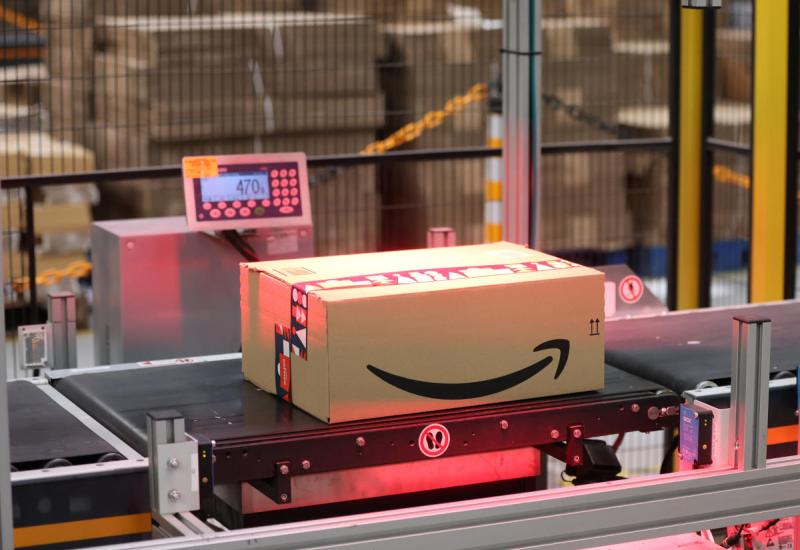
Amazon, the global e-commerce giant, has long been recognized for its distinctive set of Leadership Principles. These principles guide the company’s decision-making process and have been integral to its success. However, recent discussions and analyses suggest that these very principles are under scrutiny and could potentially be threatened by internal and external challenges.

The Leadership Principles at Amazon emphasize customer obsession, ownership, innovation, and high standards, among others. They reflect a culture that promotes long-term thinking, rigorous problem-solving, and a relentless pursuit of excellence. However, it is crucial to examine whether these principles stand resilient in the face of rapid growth and intense market competition.

One of the core issues that have been raised pertains to the principle of “Earn Trust.” This principle is founded on the belief that leaders should listen attentively, speak candidly, and treat others respectfully. Yet, there have been reports suggesting that the application of this principle may not always align with the experiences of some employees. For instance, allegations of unfair treatment and a high-pressure work environment have surfaced, raising questions about the balance between upholding high standards and ensuring a supportive work culture.

Moreover, the principle of “Bias for Action,” which encourages swift decision-making and risk-taking, could potentially lead to a culture where speed is prioritized over thorough deliberation. While this principle has undoubtedly contributed to Amazon’s agility and innovation, it also necessitates a careful consideration of its long-term implications on employee well-being and sustainable growth. Despite this principle, there have been reports from employees about a high-pressure work environment and unfair treatment, suggesting a disconnect between the principle and its implementation.

Furthermore, the addition of new principles like “Strive to be Earth’s Best Employer” and “Success and Scale Bring Broad Responsibility” reflects a response to criticisms regarding Amazon’s workplace culture and societal impact. These additions indicate an acknowledgment of past shortcomings and a commitment to improvement, aligning with the need for a safer, more productive, and just work environment.

As Amazon continues to grow, the application and evolution of its Leadership Principles will be closely watched by both employees and industry observers. The challenge lies in maintaining the core values that have driven Amazon’s success while also addressing the criticisms and adapting to an ever-changing corporate landscape.

The challenge for Amazon lies in adapting these principles to an evolving corporate landscape while maintaining their essence. It is about finding the equilibrium where the principles do not compromise the company’s integrity or the trust of its stakeholders. As Amazon continues to expand and diversify, it will be imperative to ensure that its Leadership Principles evolve in a manner that supports both its business objectives and the needs of its diverse workforce.

Amazon’s Leadership Principles have been a cornerstone of its corporate identity and success. However, as the company navigates through challenges and criticisms, it must reflect on the application of these principles and strive to reinforce a culture that is both performance-driven and ethically sound. The path forward will require a nuanced approach that upholds the principles without undermining the values they represent.

Techstars Lays Off 17% of Its Workforce, Ends J.P. Morgan Partnership [updated]

0

Techstars, a global startup accelerator that provides mentorship, funding, and a network of support to early-stage companies, has laid off 17% of its workforce, ending its $80 million J.P Morgan-backed AdvancingCities program by the end of 2024. The AdvaningCities initiative was launched in 2022, and was designed to support diverse founders in cities like Oakland, New York, Miami, and Washington D.C. 

In an email announced by Techstars Co-founder and CEO David Cohen, he disclosed that the startup accelerator “overbuilt and overhired”. The layoffs primarily affect teams in engineering, support services, and sales, with most of the company’s accelerator programs remaining unaffected except for those linked to J.P Morgan.

This recent layoff of workers follows a 7% reduction in headcount earlier in the year and is part of a broader shift in strategy under Cohen’s leadership, focusing less on scaling and more on improving support for founders.

It is worth noting that Techstars is currently undergoing an operational restructuring, which was publicly announced in February 2024, after it missed 2023 revenue projections and logged $7 million in losses, according to preliminary numbers seen by TechCrunch.

The primary focus of the restructuring is to position the startup accelerator for future growth and to better support its portfolio companies. Part of the restructuring includes cutting programs worldwide, laying off staff, and shuttering accelerators in cities like Oslo, Austin, and its former mothership, Boulder, Colorado.

In addition to the layoffs, Techstars is also restructuring its accelerator programs. Starting in 2024, the company will move to a two-term schedule, where most of its programs will start and end together twice a year. This change is intended to create better funding opportunities and a more concentrated Demo Day experience for participating startups, thereby increasing the success of its portfolio companies.

Key Points on Techstars Restructuring:

• Venture Capital Industry Challenges: The restructuring is being undertaken in response to broader challenges facing the venture capital industry.

• Focus on Core Strengths: Techstars is aiming to concentrate on its core strengths and areas of expertise.

Techstars restructuring process comes as the venture capital (VC) industry is undergoing a significant transformation driven by several factors, including market volatility, the rising cost of capital, and shifts in investment strategies.

With economic uncertainty and tighter financial conditions, many VC firms are becoming more selective in their investments, focusing on profitability and sustainable growth rather than rapid scaling. There has been a noticeable slowdown in funding rounds, with startups facing more scrutiny regarding their business models and paths to profitability.

Additionally, valuations have been adjusted downward, and there is an increased emphasis on due diligence. The restructuring also involves VCs diversifying their portfolios, and investing in sectors that are more resilient to economic downturns, such as climate tech, Al, and other emerging technologies.

This shift is also prompting changes in how VC firms operate internally, with some reducing their workforce or restructuring their teams to adapt to the new market dynamics. The overall goal of this restructuring is to ensure that VC firms can continue to generate returns for their investors in a more challenging economic environment.

Updated: We received this statement from a J.P. Morgan spokesperson:

In 2022, J.P. Morgan announced the $80MM Advancing Cities Fund, raised as a private placement to invest in a Techstars accelerator program focused on advancing equitable access to funding among diverse founders across the U.S. The fund is expected to be fully deployed by the end of this year, as planned. JPMorganChase remains committed to supporting founders across the country through the expansion of its diverse manager network, private investments platform and engagement capabilities.