DD
MM
YYYY

PAGES

DD
MM
YYYY

spot_img

PAGES

Home Blog Page 3070

Tackling Corruption Cases in Nigeria

0
anti-corruption tool

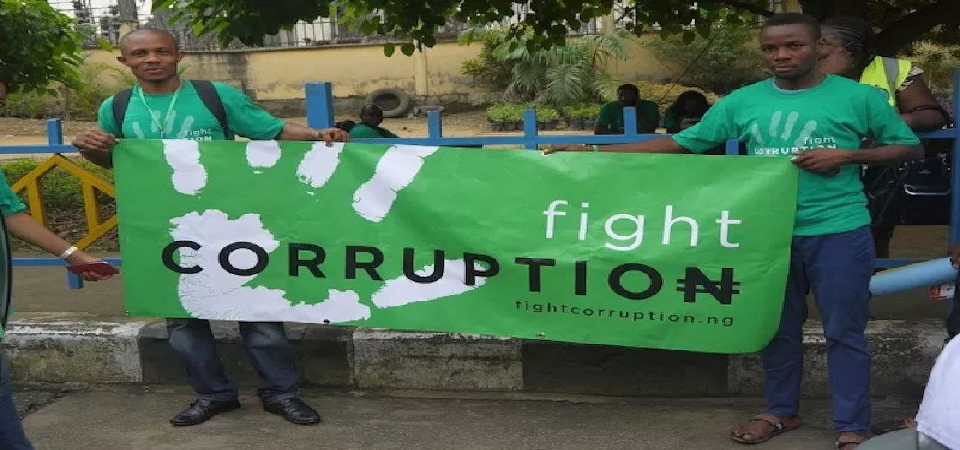
Corruption is a complex social challenge that affects countries around the world, and Nigeria is no exception. The perception of corruption in Nigeria is deeply entrenched both within and outside the country, often overshadowing the nation’s progress and potential. However, recent initiatives and research suggest a multifaceted approach to tackling these perceptions and the underlying issues that sustain them.

Nigeria has been proactive in implementing a variety of anti-corruption measures to address the pervasive issue of corruption within the country. These measures are designed to strengthen the rule of law, enhance transparency, and promote accountability.

One such initiative is the Social Norms and Accountable Governance (SNAG) research project supported by the MacArthur Foundation, which was discussed in a recent episode of Africa Aware. The project aims to understand the social norms and behavioral factors that drive corruption in Nigeria. By asking the central question, “why do people do what they do?”, the SNAG project seeks to diagnose and address the root causes of corruption.

Blockchain technology is also being explored as a tool to enhance governance and transparency in Nigeria. The implementation of blockchain can potentially transform governance by promoting transparency and accountability, which are essential for combating embezzlement and corruption.

Furthermore, Northumbria University’s Business School has initiated a groundbreaking project that brings together anti-corruption agencies in Nigeria to collaborate in practice and expand international understanding of the issue. This initiative reflects a proactive approach to creating a unified front against corruption.

One of the most notable cases involves Sambo Dasuki, the former National Security Adviser, who faced charges related to a $2.1 billion arms fund diversion. This case highlighted issues of financial mismanagement and the misuse of funds intended for national security.

Another high-profile individual, Olisah Metuh, a former National Publicity Secretary of the People’s Democratic Party, was convicted in a N400 million fraud case. This conviction is part of the broader efforts by Nigerian authorities to hold political figures accountable for financial improprieties.

The case of Diezani Alison-Madueke, a former Minister of Petroleum Resources, who faced allegations of money laundering involving billions of dollars, is another example of the high-stakes corruption cases in Nigeria. Her case has drawn international attention and underscores the global nature of financial crimes.

These cases, among others, are part of a larger compendium of high-profile corruption cases that have been documented to provide a clearer picture of the corruption landscape in Nigeria. The documentation of these cases serves as a resource for understanding the scope of corruption and the ongoing efforts to address it.

An analysis of Nigeria’s position in the 2020 Corruption Perception Index reveals that despite efforts to combat corruption, there is still much work to be done. This indicates the need for continued and strengthened efforts to create lasting change.

The fight against corruption in Nigeria requires a collective effort from the government, private sector, civil society, and citizens. It involves not only implementing new technologies and research-based strategies but also changing the narrative and societal norms that have allowed corruption to thrive. By working together towards a common goal, Nigeria can overcome the challenges posed by corruption and move towards a more transparent and accountable future.

The pursuit of high-profile cases is crucial for establishing a culture of accountability and transparency in Nigeria. It sends a strong message that corruption will not be tolerated and that the rule of law prevails. As Nigeria continues to combat corruption, these cases will be closely watched by both national and international observers, hopeful for progress and justice.
The Effects of Ripple XRP Resolution with US SEC

0

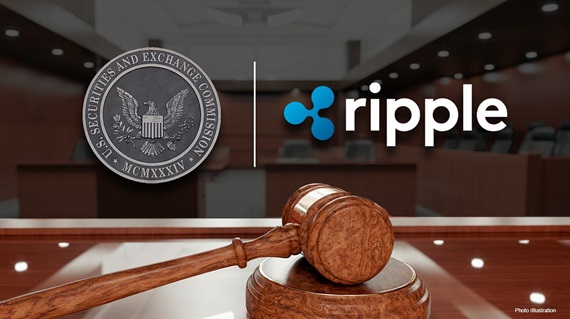
The cryptocurrency world watched with bated breath as Ripple Labs engaged in a legal tussle with the United States Securities and Exchange Commission (SEC) over the classification of XRP, a digital asset. The case, which has been closely followed by investors, developers, and regulators alike, reached a pivotal moment on July 13, 2023, when a landmark ruling was issued. Judge Analisa Torres ruled that the programmatic sales of XRP did not meet the criteria for being considered a security, thus establishing that XRP is not classified as a security when sold on public exchanges.

This decision was not just a victory for Ripple but set a significant precedent for the broader cryptocurrency market. The immediate aftermath saw XRP’s market value surge by nearly 6%, closing at $0.4745 on July 12, 2023, and outperforming the broader crypto market. The ruling provided much-needed regulatory clarity and influenced how other cryptocurrencies might be viewed and regulated in the future.

A year later, the reflections from Ripple executives were ones of victory and vindication. Brad Garlinghouse, Ripple’s CEO, described the ruling as a significant win for the entire crypto industry, which has faced regulatory challenges from the SEC. He emphasized that the ruling was a critical step in addressing what he termed an unlawful war waged by the SEC. Stuart Alderoty, Ripple’s Chief Legal Officer, echoed these sentiments, calling the summary judgment a watershed moment and highlighting the SEC’s overreach and lack of faithful allegiance to the law.

The future outlook for XRP and Ripple remains a topic of intense speculation and interest. Investors are eagerly awaiting further developments, with rumors of a potential settlement intensifying. A meeting scheduled for July 18, 2024, to discuss settlements, resolutions to litigation claims, and enforcement proceedings has fueled hopes that a remedies-related verdict could soon follow, potentially resolving a legal battle that has spanned several years.

The Ripple vs. SEC ruling has set a significant precedent in the cryptocurrency industry, potentially influencing the regulatory approach to other digital assets. The court’s decision that XRP is not a security when sold on public exchanges suggests that not all digital assets should be classified as securities, which could shield many cryptocurrencies from stringent SEC regulations.

This ruling may encourage a more nuanced understanding of digital assets, recognizing that the classification of these assets can depend on the context of their sale and use. It could also prompt a reevaluation of how cryptocurrencies are regulated, moving away from a one-size-fits-all approach to a more tailored regulatory framework.

For cryptocurrency exchanges and investors, this provides a degree of regulatory clarity that was previously lacking. Exchanges, in particular, may feel more confident in listing and trading various digital assets without the immediate fear of regulatory repercussions, as long as they comply with the legal standards set forth by the ruling.

Moreover, the Ripple case may serve as a reference for future legal disputes involving cryptocurrencies and the SEC, offering a legal basis for other companies to challenge the SEC’s classification of their digital assets as securities. This could lead to more legal battles, but also to a clearer regulatory environment as precedents are set and followed.

As the market eagerly awaits the closed-door meeting rescheduled for July 25, 2024, there is significant speculation about the potential for a settlement that could bring an end to the Ripple vs. SEC case. The SEC had previously sought a hefty fine from Ripple for alleged unregistered sales to institutions, while Ripple had proposed a much smaller settlement. The outcome of this meeting could have far-reaching implications for the regulatory landscape of digital assets.

Currently, XRP is the sixth-largest cryptocurrency by market cap, and the last two weeks have seen a significant rebound in its price, jumping 56.8% from $0.382 to $0.60. This recovery reflects strong growth amid a broader market rally and the optimism driven by hopes for regulatory clarity.

The Ripple vs. SEC saga is a testament to the evolving nature of cryptocurrency regulation and the importance of legal clarity for the growth and stability of the market. As we approach the next critical date, the crypto community remains hopeful for a resolution that will continue to shape the future of digital asset regulation.

Central Bank of Nigeria (CBN) Raises Interest Rate by 50 basis points to 26.75%

0

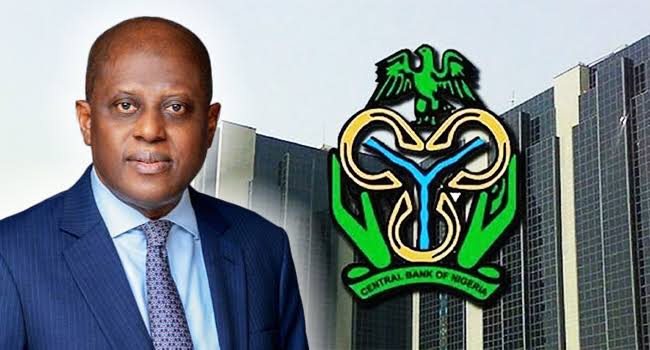
The Central Bank of Nigeria (CBN) Monetary Policy Committee (MPC) has increased the interest rate by 50 basis points, raising it from 26.25% to 26.75%. This decision was announced by the CBN Governor, Mr. Olayemi Cardoso, at the conclusion of the apex bank’s 296th MPC meeting held in Abuja.

Alongside the interest rate hike, the MPC has set the Cash Reserve Ratio (CRR) for Deposit Money Banks at 45% and for merchant banks at 14%. The liquidity ratio has been pegged at 30%. Furthermore, the apex bank has adjusted the asymmetric corridor around the Monetary Policy Rate (MPR) from +100 to –300 basis points to +500 and –100 basis points.

Explaining the rationale behind the 50-basis point increase, Mr. Yemi Cardoso, Chairman of the MPC, cited recent economic events such as rising inflation and the need to stabilize the foreign exchange market. He noted the federal government’s efforts to import specific staple foods like rice, maize, and wheat to curb the escalating food inflation but stressed the importance of adhering to the timeline to avoid undermining local food production gains.

Mr. Cardoso also praised the convergence between the official exchange rate and the parallel market rate, viewing it as a crucial step towards reducing arbitrage in the foreign exchange sector.

This latest increase marks the fourth consecutive interest rate hike by the CBN in 2024, continuing from similar hikes in 2023. Since Mr. Cardoso assumed leadership of the apex bank, the MPR has seen a cumulative rise of 800 basis points, escalating from 18.75% to 26.75%.

The CBN’s aggressive stance on interest rate hikes began in February with a 400 basis point increase, followed by subsequent hikes of 200 and 150 basis points, culminating in the current 50 basis point rise.

Criticism from Economists and Industry Experts

Despite the CBN’s justification, the business community has expressed concerns about the trend. The increased cost of accessing capital has notably impacted businesses, with prominent figures like Africa’s richest man, Alhaji Aliko Dangote, asserting that high interest rates stifle economic growth and job creation. Dangote said early this month that economic growth would be unattainable if bank interest rates remained around 30%.

Economists and other industry experts have also raised alarms regarding the efficacy of the CBN’s monetary policy tightening. The World Bank has warned that increasing interest rates, among other CBN policies, will not effectively curb inflation.

Similarly, the National Association of Chambers of Commerce, Industries, Mines, and Agriculture (NACCIMA) has noted that the CBN’s policies contribute to inflation rather than mitigate it.

Economist Kalu Aja criticized the CBN’s approach, likening it to addressing the symptoms rather than the root cause.

“What CBN is doing is addressing the headache of a patient who broke his leg. They have administered panadol, which is legal, correct, and helpful. But the leg is still broken,” he said, pointing out that Nigeria’s inflation is fundamentally a food problem. Aja said that until food becomes affordable, inflation will persist.

Interest Rates Hikes Isn’t Working

For years, the CBN has been raising interest rates as a measure to control inflation. However, these efforts have not yielded the desired results, as inflation rates have continued to climb. The persistent rise in inflation despite monetary tightening raises questions about the effectiveness of interest rate hikes as a standalone tool to combat inflation in Nigeria’s unique economic context.

The CBN’s strategy has been to increase the cost of borrowing, theoretically reducing the money supply and curbing demand-pull inflation. However, the inflationary pressures in Nigeria are largely driven by supply-side factors such as food scarcity, high import costs, and infrastructural deficits, which are less responsive to interest rate adjustments.

This disconnect between policy measures and economic realities has led to growing frustration among stakeholders.

Nigeria Injects N1trn Worth of Palliatives into the Manufacturing Sector

0

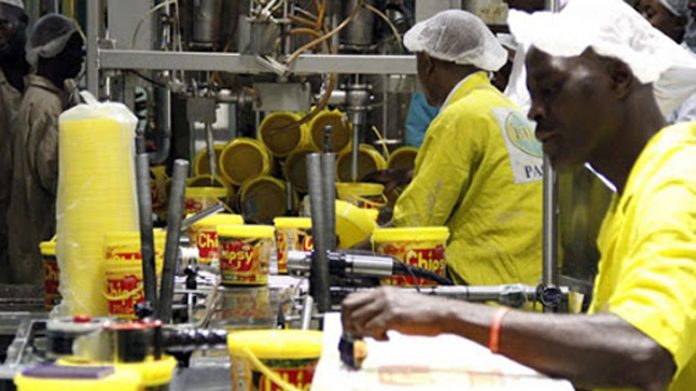
The Minister of Finance and Coordinating Minister of the Economy, Wale Edun, disclosed on Monday that the Federal Government has infused palliatives worth N1 trillion into the manufacturing sector over the past year.

This significant financial injection aims to rejuvenate the sector, which is already witnessing positive outcomes.

Additionally, the Chairman of the Federal Inland Revenue Service (FIRS), Mr. Zacch Adedeji, highlighted that an accelerated stabilization fund, focused on revitalizing the manufacturing sector, is being allocated alongside a series of legacy projects designed to enhance infrastructure and make the sector more viable.

These announcements were made during an interactive session on the Finance Act (Amendment) Bill 2024, organized by Senator Sani Musa (APC Niger East) and the National Assembly’s joint committee on Finance.

In response to the Committee’s request to consider the manufacturing sector as a beneficiary of the proposed tax on bank foreign profits (windfall tax), Edun affirmed that the sector has already been substantially supported. He stated, “Palliatives worth N1 trillion have been injected into the manufacturing sector within the last year, with attendant positive results in terms of reinvigoration.”

Adedeji elaborated on the strategic programs of the President Bola Tinubu-led federal government, noting their focus on revitalizing the manufacturing sector. He explained that the proposed one-time windfall tax is intended to redistribute wealth, benefiting various sectors.

Adedeji highlighted the accelerated stabilization funds and legacy projects aimed at making the manufacturing sector more vibrant and viable.

He mentioned specific infrastructure projects such as the Badagry-Sokoto Highway, which would reduce travel time between Badagry and Sokoto to 11 hours, and the Lagos-Calabar Coaster Highway, enhancing connectivity and supporting the manufacturing sector’s growth.

“Also, the Lagos-Calabar Coaster Highway is another strategic road infrastructural project that will bring about the required connectivity for reinvigorating the manufacturing sector.

“The plan of President Bola Tinubu on the economy, manufacturing sector, and development generally is very robust,” he said.

The Windfall Tax Proposal

The sharing of the one-time windfall tax between the federal government and banks remains a point of contention. President Tinubu’s executive bill proposed a 50% sharing formula for both parties. However, some committee members suggested an upward revision to about 70%.

Concerns Over the Windfall Tax

Economists and stakeholders have expressed concerns about the potential negative consequences of the proposed windfall tax. They argue that the unpredictability and retroactive nature of the tax could deter future investments, both foreign and local.

Investors typically seek stable and predictable environments, and any perception of fiscal unpredictability can lead to capital flight and reduced investment inflows.

Analysts have warned that the proposed tax could destabilize financial markets by introducing uncertainty and reducing investor confidence. Banks and other financial institutions may face challenges in planning and managing their finances, leading to broader economic instability.

Nigeria’s economy is already battered by various challenges, including declining oil revenues, high inflation, and significant unemployment rates. The economy, heavily reliant on oil exports, has struggled with fluctuations in global oil prices, reducing foreign exchange earnings and straining public finances.

Given this fragile economic state, economic experts have cautioned the government against implementing policies and moves that could further deflate investor confidence. The consensus among experts is that any policy perceived as unpredictable or punitive could exacerbate the country’s economic woes.

They warned that the windfall tax if not carefully implemented, could finish off the already weakened economy. The warning stresses the importance of maintaining investor confidence, which is crucial for attracting both domestic and foreign investments needed to spur economic growth and development.

Dangote Refinery Should Be Fully Supported, Not Vilified – Peter Obi

0

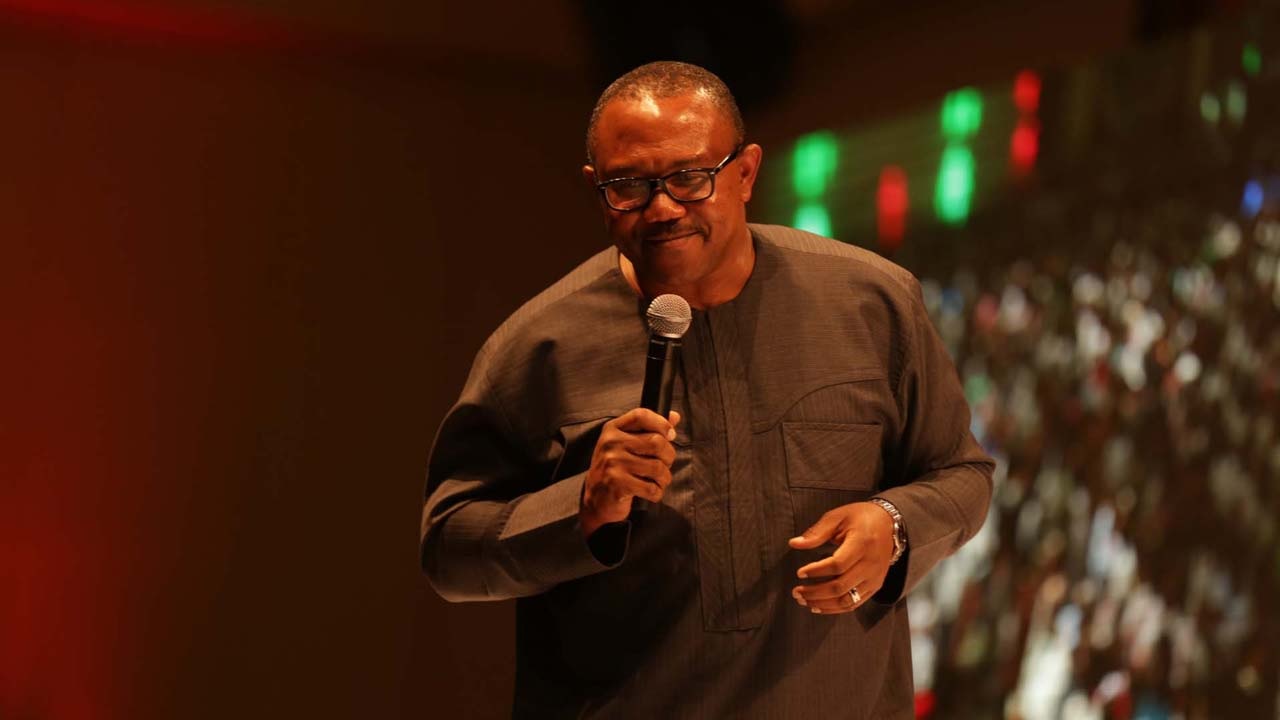
Peter Obi, the presidential candidate of the Labour Party in Nigeria’s recent general elections, has voiced his support for the Dangote Refinery amidst its ongoing conflicts with the Nigerian government.

Obi said that the refinery should receive the necessary support to succeed, describing the recent disputes between Dangote Industries and government agencies as “deeply troubling.”

“This issue transcends political affiliations and personal grievances. It is fundamentally about Nigeria’s economy, future, and the well-being of its citizens. Given Alhaji Dangote’s significant contributions to Nigeria, it is crucial that these disputes are resolved swiftly,” Obi stated.

Background of the Conflict

The spat between Dangote and the federal government escalated last week, marked by allegations and counter-allegations from both sides.

The tensions began when Devakumar Edwin, Vice President of Oil and Gas at Dangote Group, accused the Nigerian Midstream and Downstream Petroleum Regulatory Authority (NMDPRA) of permitting the import of substandard fuel into the country. Farouk Ahmed, Chief of NMDPRA, responded by alleging that diesel from Dangote’s refinery and others had high sulfur levels, rendering it inferior to imported fuel.

Ahmed claimed that the AGO quality in terms of sulfur was the lowest as per West Africa’s requirement of 50 parts per million (ppm). He alleged that the Dangote refinery, along with others like the Waltersmith refinery, produced diesel with sulfur levels between 650 ppm to 1,200 ppm. Furthermore, Ahmed mentioned that the Dangote refinery remains in the pre-commissioning stage and has not yet received its operating license.

Recently, Aliko Dangote, Africa’s richest man, stated that individuals within the Nigerian National Petroleum Corporation (NNPC) and certain traders are running a blending plant in Europe, hinting at vested interests behind the recent attacks on his refinery.

Dangote also accused certain quarters of distributing substandard petroleum products, which have been damaging vehicles in Nigeria.

“Most of you have problems with your vehicles because of the bad fuel that we are importing,” Dangote said.

Against this backdrop, Obi urged government agencies to offer the necessary support for the seamless launch and operation of the Dangote Refinery and its associated enterprises.

He noted the refinery’s potential to generate approximately $21 billion in annual revenue and create over 100,000 jobs, with numerous additional positive impacts on the economy.

“The refinery has the potential to generate approximately $21 billion in annual revenue and create over 100,000 jobs, with numerous additional positive impacts on the economy,” Obi said.

He underscored the refinery’s strategic importance in addressing Nigeria’s fuel crisis, boosting foreign exchange earnings, and fostering economic growth.

“The refinery is too vital to fail and must not be hindered, considering its crucial role in our national welfare,” Obi added.

He called on the Federal Government and its agencies to recognize the significance of Dangote’s contributions, noting that Alhaji Dangote is not just a businessman but a national and African brand symbolizing patriotism, commitment, and impactful entrepreneurship.

Obi highlighted Dangote’s unwavering dedication to Nigeria’s industrialization, job creation, and economic growth despite adversities. He argued that given the current economic headwinds, including unemployment, inflation, forex scarcity, and debt, enterprises like Dangote Industries should be regarded as national treasures, meriting robust support and protection.

“With economic indicators like unemployment, inflation, forex scarcity, and debt worsening, every sensible and patriotic government should regard enterprises like Dangote Industries as national treasures, meriting robust support and protection. The success of Dangote is intrinsically linked to the success of Nigeria and Africa; conversely, its failure would be a significant setback for both Nigeria and the continent,” Obi stated.

Government Intervention

Heineken Lokpobiri, Nigeria’s Minister of State for Petroleum Resources, announced a meeting between all parties involved on Monday to address the escalating dispute. The meeting included top executives from Dangote Group, the Nigerian Midstream and Downstream Petroleum Regulatory Authority (NMDPRA), the Nigerian Upstream Petroleum Regulatory Commission (NUPRC), and the Nigerian National Petroleum Corporation Limited (NNPC).

“The meeting was a collaborative effort to find sustainable solutions to the challenges affecting the refinery. All parties involved demonstrated a strong commitment to proactive problem-solving and expressed their gratitude for the leadership and timely intervention provided,” Lokpobiri said.

The hope is that this mediation will bring a permanent end to the squabble, allowing Dangote Group, the regulators, and other players in the oil sector to focus on their shared goal of advancing Nigeria’s energy sector. With the refinery’s significant potential to boost Nigeria’s economy, it is crucial that it receives the support needed to overcome these challenges and achieve its full potential.

Other prominent Nigerians, including former Vice President, Atiku Abubakar, business tycoon, Femi Otedola, and the president of Afreximbank, Akinwumi Adeshina, have all added their voices, calling on the government to support the Dangote Refinery project.