DD
MM
YYYY

PAGES

DD
MM
YYYY

spot_img

PAGES

Home Blog Page 3122

Nigerian Government Announces Plan to Import Foods, Unveils Measures to Address Skyrocketing Food Prices

0

In response to the escalating food prices and a deepening hunger crisis across Nigeria, the federal government led by President Bola Tinubu has unveiled a detailed plan to import select food products.

The measures, set to be implemented over the next 180 days, were announced by the Minister of Agriculture and Food Security, Senator Abubakar Kyari.

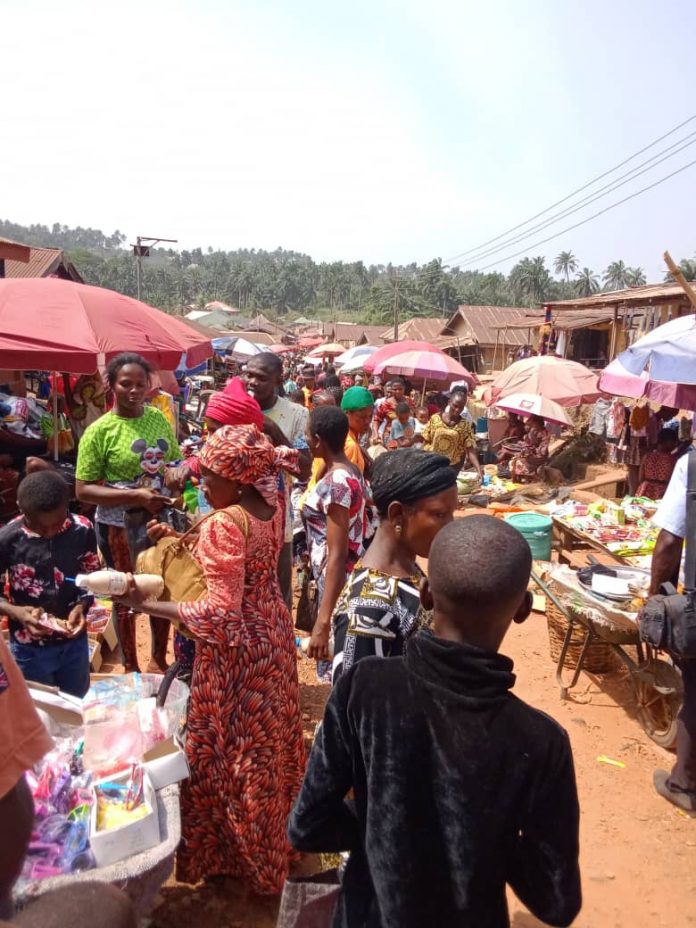
Nigeria is currently grappling with a severe food crisis, driven by more than 40% food inflation. The rising costs have placed immense pressure on households, particularly those with limited incomes, exacerbating food insecurity and hunger across the nation. Recent reforms by the federal government, including the partial removal of fuel subsidies, and floating of the country’s forex market, intended to stabilize the economy, have inadvertently compounded the situation, making immediate intervention critical.

As part of its measures to address this crisis, the government is introducing a 150-day duty-free import window for essential food commodities. This initiative involves the suspension of duties, tariffs, and taxes on the importation of specific food items through land and sea borders.

The prioritized commodities include maize, husked brown rice, wheat, and cowpeas. By removing these financial barriers, the government aims to make these staples more affordable for consumers. The imported food commodities will be subjected to a Recommended Retail Price (RRP) to ensure that the benefits of the duty-free window are passed on to the public.

“In addition to the importation by private sector, Federal Government will import 250,000MT of Wheat and 250,000MT of Maize,” the government announced.

In addition to facilitating private sector importation, the government itself will import 250,000 metric tons each of wheat and maize. These semi-processed commodities are intended for distribution to small-scale processors and millers throughout the country, enhancing local processing capacities and ensuring a steady supply of essential food items.

To further stabilize food prices and ensure availability, the government plans to engage relevant stakeholders in establishing a Guaranteed Minimum Price (GMP). This initiative will also involve purchasing surplus food commodities to restock the National Strategic Food Reserve, thereby cushioning the market against price volatility and shortages.

Recognizing the importance of sustainable agricultural practices, the government said it is launching a strategic engagement involving youth and women across the federation for the immediate greenhouse cultivation of horticultural crops such as tomatoes and peppers. This initiative aims to increase production volumes, stabilize prices, and address food shortages.

Also in a move to enhance livestock development, the government will inaugurate the “Renewed Hope National Livestock Transformation Implementation Committee” on July 9, 2024. This committee will be tasked with developing and implementing policies that prioritize livestock development, ensuring alignment with the National Livestock Transformation Plan. This initiative is expected to boost livestock production and contribute to overall food security.

The administration also plans to scale up support for the Homs Green Initiative, led by the office of the First Lady.

The Federal Competition and Consumer Protection Commission (FCCPC), along with economists and other stakeholders, has emphasized the need for the government to reopen the country’s borders to legitimate food importation. This move is seen as essential to addressing the growing hunger crisis.

Despite these calls, Tinubu reiterated his administration’s commitment to boosting domestic food production. In a February address from the State House, the President underscored the need for indigenous solutions to tackle the forex crisis, insecurity, and food security challenges.

He noted that the administration is dedicated to eradicating rent-seeking practices associated with food importation and fraud.

“My administration is dedicated to evolving home-grown solutions to tackle our nation’s food security challenges head-on,” the President stated. “I will not establish a price control board, nor will I approve the importation of food. We must extricate ourselves from this predicament because importation only enables rent seekers to perpetrate fraud and mismanagement at our collective expense.”

The success of these measures, according to the government, hinges on the cooperation and collaboration of all relevant ministries, departments, agencies (MDAs), and stakeholders. The approach aims not only to stabilize food prices and ensure food security but also to foster sustainable agricultural practices and economic empowerment across Nigeria.

Many Nigerians, especially economists, have hailed this move, noting that the initiatives represent a critical step toward alleviating hunger and building a more resilient food system as the nation faces one of its most severe food crises in recent history.
1 in 2 Businesses in Nigeria Still Prefer Cash Payments Over Digital Payments – Moniepoint Report

0

Moniepoint, a Nigerian Fintech company that provides an all-in-one payments, banking, and operations platform for businesses and their customers, in its latest report titled “The Informal Economy Report 2024”,  highlighted key insights on Nigeria’s informal Economy.

Moniepoint reveals that the informal economy plays a crucial role in Nigeria’s daily life, yet much of it remains underexplored or misunderstood. To understand the current fabric of the Nigerian informal economy, the fintech delved into the sector by speaking with hundreds of business owners and analyzing data from over 2 million businesses across Nigeria.

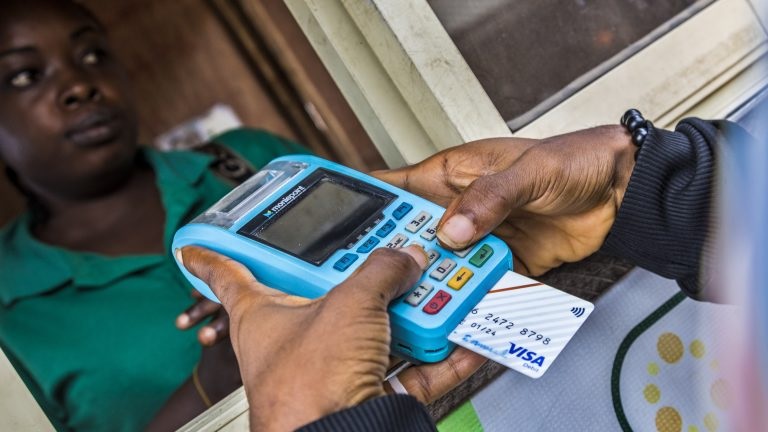
One notable key insight on the report is that most businesses in Nigeria’s informal economy still prefer cash payment. The consensus that cash is king due to its ease of use in low-trust environments, is true for small businesses in the country, as the data reveals that despite the rise of digital payments, 1 in 2 businesses in Nigeria said they prefer to receive cash over digital payments. The preference for cash was connected to safety and ease of doing business.

For businesses that needed to use cash to pay for the goods and services they sold, Cash was their preferred means of receiving payments. Digital payments accounted for 46.2%, split between card payments and transfers.

The report also highlights Retail and General Trade as the leading category in Nigeria’s informal economy, containing 24% of all businesses. Food & drinks, Fashion and Beauty, and Agriculture accounted for 58.6% of all businesses in Nigeria’s informal market. By transaction value in Naira, these businesses accounted for over half of Nigeria’s informal economy at 53.6%.

In Sub-Saharan Africa, a significant portion (85%) of employment is informal and predominantly young. Moniepoint data reveals that nearly 58% of Nigeria’s informal workforce is under 34 years old. The largest group, constituting 43%, is between 25 and 34 years old. The second largest group, aged 35 to 44, represents 28.9% of the sector in Nigeria. This youthful energy presents a tremendous opportunity for socioeconomic transformation through innovation, entrepreneurship, job creation, and wealth generation.

Individuals aged 25 to 34 own the most businesses across, industries, accounting for 38.2% of businesses in Retail & General Trade, with nearly half (47.2%) of all business owners in this industry being under 34 years old.

Collectively, businesses in the informal market contribute over half of Nigeria’s GDP.  Despite this, their actual profit remains modest, with most businesses making less than N250,000 monthly. Only about 1.3% of businesses in Nigeria’s informal economy earn above N2.5 million monthly.

However, put together, businesses in Nigeria’s informal economy, contribute over half of the country’s GDP. This is evident in their revenues, with the bulk of them (72.3%) hitting monthly revenues of over N1,000,000 monthly. But their actual profit deviates from these high figures.

About half (51.6%) of business owners cited unemployment as the reason for starting a business. Insufficient income from formal employment was the primary reason for starting a business among women. Despite this, 99.3% of these business owners would continue running their businesses if they received a gift of N20 million. Passion, although the least common reason for starting a business, significantly impacts longevity, with 50% of businesses over five years old starting with passion.

It is worth noting that most businesses in the informal economy earn money for daily living expenses and feeding, with additional expenses including school fees and transportation. Only three out of ten businesses choose to reinvest in their business as their primary expense.

For many business owners, loans help with restocking, expansion, and keeping the business afloat in unfavorable times. But these businesses aren’t as lenient with their retail customers. Credit for these businesses includes BNPL offerings to their customers providing goods and services for repayment at a later date. Business owners cited low trust from previous bad experiences for not extending these services to their customers.

Savings are a huge part of business in the informal market, as Moniepoint data reveals that 92.4% of businesses in the informal market save money. Over 9 out of 10 of these business owners say they save money, as these savings are tied to regular responsibilities that can’t be met with immediate cash flow.

The informal economy also represents a crucial avenue for women’s economic empowerment in Nigeria and across Africa. For every 10 working women in Sub-Saharan Africa, 9 work in the informal economy. Moniepoint data shows that women own 37.1% of businesses in this sector. Despite challenges in equity, these data points highlight the importance of the informal economy for women.

Conclusion

The informal economy in Nigeria is a vibrant and essential sector that holds vast potential for driving socio-economic development. By understanding these businesse unique challenges and opportunities, Moniepoint aims to help them thrive and contribute significantly to Nigeria’s economy.

This latest report underscores the company’s commitment to unlocking the potential of Nigeria’s informal economy and fostering an environment where these businesses can grow and succeed.

Boeing Strikes Deal with DOJ to Settle 737 Max Scandal in A Strategic Move to Save What is Left of Company

0

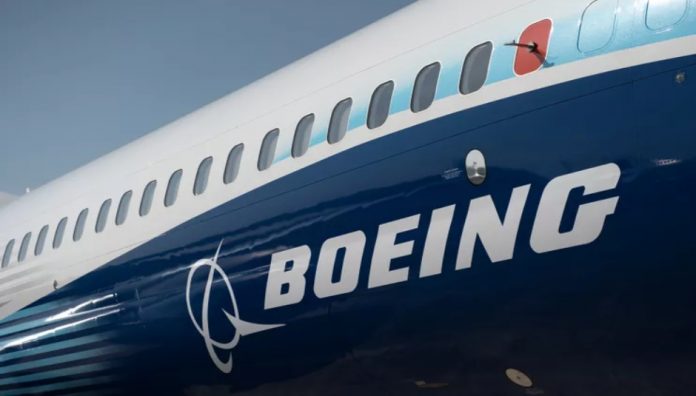
In a crucial step to navigate its way out of a deep crisis, Boeing has reached an agreement with the U.S. Department of Justice (DOJ) to plead guilty to a conspiracy to defraud the U.S. government.

This comes after the catastrophic crashes of two 737 Max aircraft in 2018 and 2019, which led to the tragic loss of 346 lives. The New York Times first broke the story.

The 737 Max Disaster: The Backstory

The trouble began with the crashes of Lion Air Flight 610 in October 2018 and Ethiopian Airlines Flight 302 in March 2019. Both incidents were traced back to the Maneuvering Characteristics Augmentation System (MCAS), a software feature designed to improve aircraft stability. Investigations revealed that Boeing had concealed crucial information about MCAS from the Federal Aviation Administration (FAA), leading to the tragic accidents.

In January 2021, Boeing entered into a deferred prosecution agreement with the DOJ, agreeing to pay over $2.5 billion. This amount included $243.6 million in fines, $1.77 billion in compensation to airline customers, and $500 million for a crash victims’ fund. Additionally, Boeing promised to implement substantial safety reforms and avoid further legal issues for three years.

Fast forward to May 2023, the DOJ announced that Boeing had breached the 2021 agreement. This announcement followed an incident in February when a cabin panel blew off an Alaska Airlines flight, raising questions about ongoing safety issues. In response, the DOJ offered Boeing a new plea deal on June 30, giving the company a week to accept or face a potentially damaging trial.

The New Agreement

Under the new agreement, Boeing will pay a $487.2 million fine. However, part of this fine may be offset by previous payments. Additionally, Boeing must invest at least $455 million in safety and compliance initiatives over the next three years, with a DOJ-appointed third party monitoring its progress.

By accepting the plea deal, analysts believe Boeing is making a strategic decision to mitigate further damage to its reputation and finances. Opting for a trial would mean prolonged media scrutiny, potential new revelations, and an extended period of uncertainty for the company, eroding its efforts to rebuild its image.

Also, analysts note that while the fines and required investments are substantial, they offer financial predictability. Boeing can now plan its budget and operational strategies without the looming threat of unpredictable legal costs and penalties.

With legal distractions minimized, Boeing can concentrate on its core business operations. The aviation industry is recovering from the COVID-19 pandemic, and Boeing needs to focus on production, innovation, and sales to capitalize on the rebound in air travel.

Victims’ Families Not Pleased With The Deal

Despite the strategic advantages, the deal has not been without criticism. Victims’ families and their representatives argue that the agreement is too lenient. Paul Cassell, a lawyer representing some of the families, called it a “sweetheart deal” that fails to adequately address the gravity of Boeing’s actions. He said that the arrangement downplays the deadly consequences of Boeing’s misconduct.

The new plea deal is a calculated move by Boeing to stem the bleeding from one of the darkest chapters in its history. While it won’t erase the pain and loss experienced by the victims’ families, it allows Boeing to move forward with a clearer path to redemption.

The coming months will be critical as Boeing implements the agreed-upon safety measures and undergoes third-party scrutiny. The aviation industry and global regulatory bodies will be watching closely, hopeful that these steps will prevent future tragedies and pave the way for a safer, more accountable Boeing.

Boeing’s stock is down 29% this year, making Boeing the second-worst-performing company listed on the S&P 500, according to FactSet data.

Fuel Scarcity Looms in Nigeria over Price Hike

0

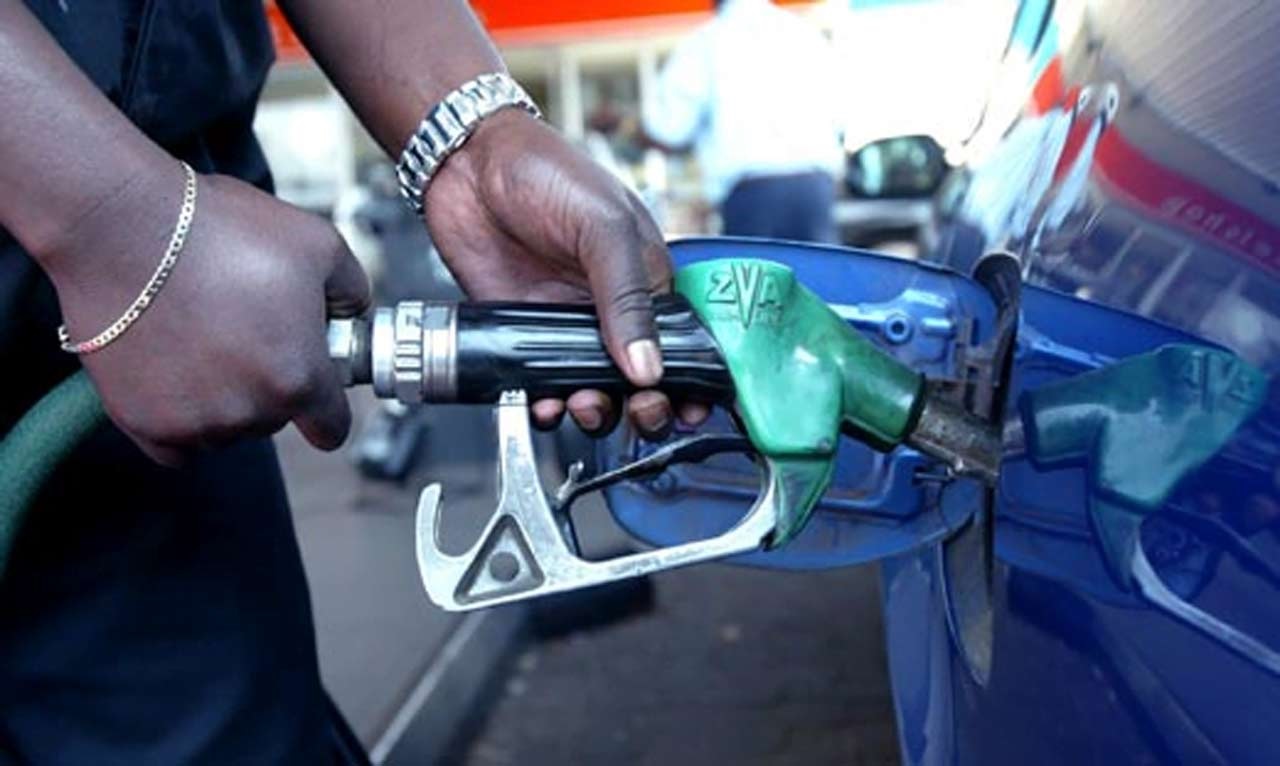
Nigeria, Africa’s largest oil producer, is facing a paradoxical situation with fuel scarcity hitting several states, including Lagos. This July, the citizens of Lagos State and other parts of Nigeria have been experiencing long queues at petrol stations, a situation that has been attributed to adverse weather conditions affecting the supply chain.

The Major Energies Marketers Association of Nigeria (MEMAN) has identified thunderstorms and lightning as the primary causes for the recent petrol shortfall, which has led to the emergence of fuel queues across Lagos. These weather conditions have delayed ship-to-ship trans-loading operations and other logistics, resulting in a disruption of the supply to filling stations.

MEMAN’s executive secretary, Clement Isong, has advised against panic buying, emphasizing that such behavior exacerbates the issue by creating artificial scarcity and posing significant safety hazards. He reassured the public that the weather has cleared and the distribution of fuel to all stations across the country has resumed.

Furthermore, the Nigerian National Petroleum Company Ltd. (NNPCL) has been actively working to tighten the supply chain to prevent illegal smuggling of petrol, which has been a contributing factor to the increased domestic consumption. The NNPCL is also buying and importing petrol at international prices while selling it at considerably lower domestic prices, which adds to the financial complexities of the situation.

The cost of fuel is a critical factor in the economic stability and daily life of any nation, and Nigeria is no exception. As of mid-2024, the price of petrol in Nigeria has seen fluctuations, with the official pump price set at N617 per litre. However, due to various factors such as logistics and location-specific issues, prices can range from N600 to N700 per litre across different regions of the country, with an average price hovering around N630 per litre.

This variance in fuel prices can significantly impact both individuals and businesses. For the average citizen, it affects the cost of commuting, the price of goods, and the overall cost of living. For businesses, especially those reliant on transportation and logistics, it can mean the difference between profit and loss.

The reasons behind these price changes are complex. They stem from global oil prices, exchange rate fluctuations, and domestic factors like transportation logistics. Nigeria, despite being a major exporter of petroleum, still faces challenges in refining petroleum within its borders, leading to reliance on imported petrol, which can be costlier due to additional expenses like shipping and handling.

The fuel scarcity has had a ripple effect, caused traffic gridlocks and affected the daily lives of Nigerians. Some filling stations have been reported to sell petrol at prices as high as N900 per liter, significantly above the official rate. Despite these challenges, the NNPCL has dismissed fears of a fuel scarcity, citing that the distribution issues have been resolved and affirming the availability of products.

The high cost of fuel also affects other sectors, notably the power generation sector. Many Nigerians rely on petrol-powered generators due to inconsistent electricity supply, further emphasizing the importance of stable and affordable fuel prices.

Understanding the dynamics of fuel pricing is essential for policymaking and for individuals to make informed decisions. The government’s role in regulating and stabilizing fuel prices is crucial in maintaining economic stability and supporting the livelihood of its citizens.

This situation highlights the delicate balance between supply chain management, weather phenomena, and consumer behavior. It serves as a reminder of the complexities involved in fuel distribution in a country where petrol is a lifeline for its economy and everyday life.

Government Spending is Bankrupting Africa, Especially Nigeria

0

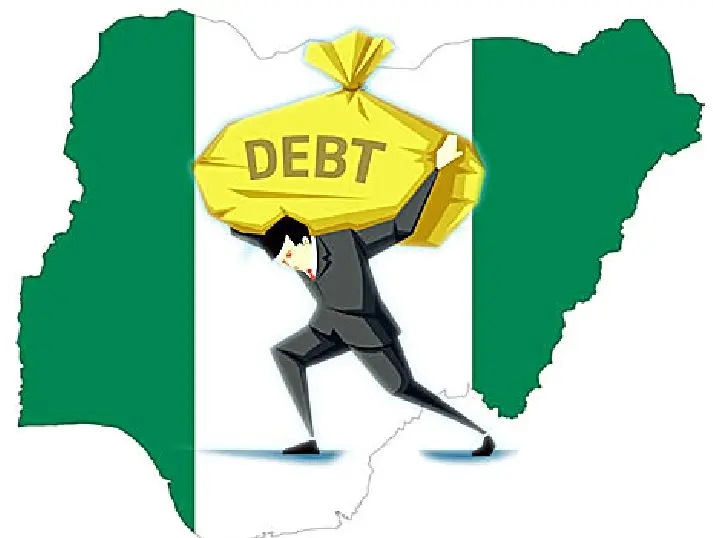
Africa’s economic landscape is facing a formidable challenge as government spending has raised concerns about fiscal sustainability. The continent’s struggle with debt is not a new phenomenon, but recent developments have brought it into sharp focus. Many African nations are grappling with the delicate balance between promoting development and managing their debt levels.

African countries have made significant strides in various sectors, but this progress comes at a cost. The need for infrastructure, healthcare, education, and other social services drives governments to spend. However, the revenue to cover these expenses is often lacking, leading to increased borrowing and debt accumulation.

The situation is compounded by the fact that servicing these debts consumes a substantial portion of government revenues, which could otherwise be allocated to essential services. For instance, between 2019 and 2022, 25 African governments spent more on debt servicing than on healthcare for their citizens. This allocation of funds highlights the tough choices governments must make, often at the expense of the well-being of their populations.

Nigeria, Africa’s largest economy, faces a complex challenge in balancing government spending with economic stability. The country’s reliance on oil revenues, which are subject to global price fluctuations, has historically made fiscal planning a precarious task. The situation is further complicated by the need to address infrastructure deficits, social services, and an ever-growing population’s demands.

Recent studies have highlighted the impact of government debt on Nigeria’s economic growth. Research indicates that while external debt hinders long-term growth, domestic debt can have a positive impact on the economy in the long run, despite its negative short-term effects. This dichotomy presents a conundrum for policymakers who must navigate the delicate balance between stimulating growth and maintaining fiscal responsibility.

In 2019, Nigeria spent approximately 2.45 trillion Naira on debt service, which constituted nearly 60% of its total revenue. Such a high debt service to revenue ratio limits the government’s ability to invest in other critical areas that could spur economic growth. Moreover, the COVID-19 pandemic has exacerbated fiscal pressures, leading to increased borrowing and a more significant debt burden.

There are, however, glimmers of hope. Some countries, like Zambia, have successfully renegotiated their debt terms, providing a blueprint for others in similar predicaments. These efforts demonstrate the potential for African nations to work collaboratively with international creditors to find mutually beneficial solutions.

The path forward requires a multifaceted approach. African countries need to enhance their revenue-generating capabilities, ensure efficient and transparent use of funds, and engage in prudent borrowing practices. Additionally, the international community’s role in providing support through fair and responsive debt-management systems is crucial.

The World Bank has pointed out that Nigeria’s public spending, at just 12% of GDP, is one of the lowest globally, translating into poor development outcomes. This underlines the need for the government to not only increase spending but also ensure that it is directed towards productive sectors that can generate sustainable growth.

Strategies for addressing the public debt burden and fostering economic growth in Nigeria have been proposed, including diversifying the economy away from oil, creating a conducive environment for businesses, and curbing financial leakages and corruption. These measures aim to enhance the nation’s revenue base, reduce reliance on volatile oil revenues, and improve the capacity to manage and repay debts.

The Nigerian government’s spending patterns and their implications for the economy are a subject of ongoing debate. While some argue that increased spending is necessary for development, others caution against the risks of unsustainable debt levels. What remains clear is that strategic, transparent, and accountable fiscal management is crucial for Nigeria’s path to sustainable economic growth and stability.

Nigeria’s economic challenges are multifaceted and require a nuanced approach to government spending. The country must strive for a fiscal policy that promotes growth while ensuring that borrowing and debt service do not become a hindrance to its economic prospects. The path forward will necessitate tough choices, innovative solutions, and a commitment to the long-term well-being of the nation’s economy and its people.