
DD
MM
YYYY

PAGES

DD
MM
YYYY

spot_img

PAGES

Home Blog Page 3189

Bitcoin Price Declines Against A Robust Dollar Backdrop, as Interest in ETFs Decreases

0

The price of Bitcoin have slipped to the $64k zone, against a robust dollar backdrop, as interest in spot BTC ETFs diminishes.

Bitcoin recent price drop is coming after the crypto asset had surged back to the $68k zone, in what looked like a resumption of the previous rally that saw the price trade at $73,000 earlier this month.

Experts suggest that BTC’s weak price action was likely due to the resurgence of the US dollar despite higher-than-expected inflation readings and the Swiss National bank announcing a surprise move to cut interest rates by 25 basis points.

Also, report from Bloomberg, revealed that significant outflow from Bitcoin exchange traded funds (ETFs) impacted the price of BTC to decline, noting that ETFs notched its largest three-day outflow since the funds began trading on January 11, 2024.

Investment funds backed by Bitcoin recorded over $740 million in net outflows. The $1.4 billion in outflows from just the Greyscale Bitcoin (GBTC) and the slower rate of inflows into BlackRock’s iShares Bitcoin Trust (IBIT) and Fidelity’s Wise origin Bitcoin Fund (FBTC), the second and third-largest spot Bitcoin ETFs in the market were the contributing factors.

According to JPMorgan strategists led by Nikolaos Panigirtzoglou, they disclosed that the sustained open interest in CME Bitcoin futures, coupled with declining ETF flows, are seen as significant bearish signals for Bitcoin’s price.

“The pace of net inflows into spot Bitcoin ETFs has slowed markedly, with the past week seeing a significant outflow. This challenges the notion that the spot Bitcoin ETF flow picture is going to be characterized as a sustained one-way net inflow,” they said in a note published on Thursday.

Bitcoin has experienced a pullback of over 10% from its all-time high, with the demand for spot Bitcoin exchange-traded funds (ETFs) showing signs of moderation, while analysts at JPMorgan Chase and Co. have cautioned that this retreat may have more room to run.

They have reiterated their belief that Bitcoin still appears overbought, renewing a prediction made in February that further declines could occur leading up to the highly-anticipated halving event in April.

Also commenting on Bitcoin’s price drop, prominent stockbroker and Gold investor, Peter Schiff argued that the decline in BTC will continue. While the decline in Bitcoin reached the level of $ 63,000, he noted that there is now only one question in mind, “Will the decline in BTC continue?”

While the answer to this question is yes, according to some analysts, others say that Bitcoin will continue to rise where it left off. Schiff, who is not a fan of Bitcoin and argued that the decline will continue.

Sharing on account X, he referred to the enthusiasm during the rise in 2021 and pointed out that BTC experienced a major collapse after this enthusiasm.

Despite BTC reaching a record high of nearly $73,798 on March 14, enthusiasm among retail traders may be waning as there are concerns that a heavy dump will likely occur, leading to a price correction of -25% to -35%.

However, some analysts remain optimistic about the long-term prospects of the crypto market, citing growing institutional interest and adoption as key drivers of future growth

Despite the recent slide in Bitcoin prices, investment firm Bernstein has raised its year-end forecast for the cryptocurrency. In a research note, Bernstein revised its price target for Bitcoin to $90,000, up from the previous projection of $80,000.

The firm also expressed optimism about cryptocurrency mining stocks, citing bitcoin’s recent rise to around $74,000 and the positive response to new spot BTC ETFs.
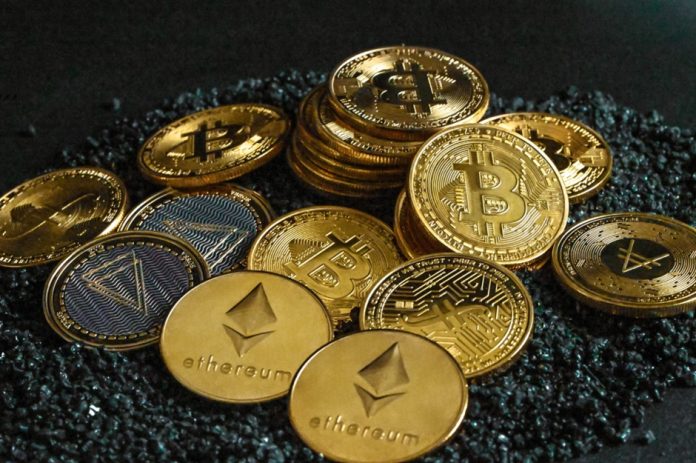

Bitcoin, Ethereum tumbled, then Recovered to Trade as Much as 15%, as Presale Scam Surges in the Crypto Sector

2

In a dramatic turn of events, the cryptocurrency market witnessed a significant dip as Bitcoin and Ether prices tumbled, sending shockwaves across the financial sector. However, resilience is a hallmark of this digital asset class, and true to form, both cryptocurrencies made a remarkable recovery. Trading activity surged, and prices rebounded to trade as much as 15% above their Wednesday lows.

Bitcoin, the first and most well-known cryptocurrency, has experienced a tumultuous journey since its inception. Its price has seen remarkable highs and staggering lows, often influenced by regulatory news, technological advancements, and market liquidity. Similarly, Ether, powered by the Ethereum blockchain, has had its share of volatility. As the platform for numerous decentralized applications and smart contracts, Ethereum’s native token, Ether, is subject to the ebbs and flows of developer activity and user adoption.

This volatility is not uncommon in the world of cryptocurrency. Bitcoin and Ether, being the leading cryptocurrencies, often experience sharp fluctuations in their value. These movements can be attributed to various factors including market sentiment, regulatory news, and changes within the blockchain technology that underpins them.

The recent price movements of Bitcoin and Ether have once again brought to the forefront the inherent risks associated with cryptocurrency investments. These digital assets are known for their high volatility, which can lead to significant price swings within short periods. Investors and market analysts closely monitor these fluctuations to understand better the factors driving the market sentiment.

Despite these challenges, many investors remain bullish on the long-term prospects of both Bitcoin and Ether. They argue that these digital assets have fundamentally transformed our approach to money and transactions, offering a level of security and efficiency previously unattainable.

As we continue to navigate through these turbulent waters, it’s important for investors to remain informed and cautious. The cryptocurrency market is still relatively young and unpredictable. However, for those willing to endure the rollercoaster ride, the potential rewards are significant.

The inherent risks of cryptocurrency investments stem from several factors. Market manipulation, security vulnerabilities, regulatory uncertainty, and speculative trading all contribute to the unpredictable nature of these assets. Moreover, external events such as geopolitical developments or macroeconomic trends can also impact prices significantly.

Despite these risks, cryptocurrencies continue to attract investors looking for high-reward opportunities. However, it is crucial for anyone considering entering this market to conduct thorough research and understand their risk tolerance. Diversification, risk management strategies, and staying informed about market developments are essential practices for navigating the complex world of cryptocurrencies.

In conclusion, while the recent price movements of Bitcoin and Ether highlight the inherent risks associated with cryptocurrency investments, they also underscore the dynamic and resilient nature of this emerging asset class. As it matures, we can expect more stability, but for now, volatility remains a defining characteristic.

Presale Scam Surging in the Crypto Sector

The recent surge in presale events within the cryptocurrency sector has sparked a significant buzz among investors and enthusiasts alike. This phenomenon, often referred to as a ‘presale frenzy’, is characterized by the early release of new digital tokens to a select group of participants before they are made available to the general public.

The cryptocurrency space has witnessed a significant increase in presale scams in the past weeks, posing serious risks to investors and undermining the integrity of the digital asset market. These fraudulent schemes often promise high returns on investment through initial coin offerings (ICOs) or token presales, only to disappear with participants’ funds, leaving them with worthless tokens or no tokens at all.

Presale investors in the SLERF memecoin, for example, lost $10 million this week when the coin’s creator accidentally-on-purpose burned the SOL tokens they had contributed.

This week, a stark reminder of this uncertainty came to light as presale investors in the SLERF memecoin faced a devastating setback. An estimated $10 million was lost when, in a shocking turn of events, the coin’s creator executed a move that resulted in the burning of SOL tokens contributed by these investors.

This incident has sparked intense discussions within the crypto community about the need for greater oversight and security measures to protect investors from such unforeseen losses.

The surge in presale scams can be attributed to several factors. The decentralized nature of cryptocurrencies offers a veil of anonymity to scammers, making it challenging for authorities to trace and prosecute perpetrators. Additionally, the lack of regulation and oversight in certain jurisdictions creates an environment where fraudulent activities can thrive without immediate repercussions.

Investors must exercise due diligence when participating in presales. This includes researching the project’s team, assessing the feasibility of the business model, and verifying the legitimacy of the token offering through multiple sources. It is also advisable to be wary of projects that guarantee unusually high returns or have unclear tokenomics.

The crypto community and regulatory bodies must collaborate to establish clearer guidelines and protective measures against presale scams. This could involve creating standardized procedures for conducting token sales, enhancing transparency requirements for project developers, and educating potential investors about the risks associated with cryptocurrency investments.

As the crypto space continues to evolve, presales have become a pivotal aspect of token distribution strategies for emerging blockchain projects. These events not only serve as a fundraising mechanism but also help in gauging the market’s interest and establishing a preliminary valuation for the tokens.

However, navigating the presale landscape requires due diligence and a strategic approach. Potential investors must thoroughly research the project’s whitepaper, understand the tokenomics, assess the team’s credibility, and evaluate any associated risks.

Moreover, it’s crucial to be aware of regulatory considerations. As governments and financial authorities scrutinize the crypto space more closely, compliance with legal frameworks becomes increasingly important for presale participants and project developers alike.

While presale events can offer early access to promising crypto projects and potentially lucrative investment opportunities, they also come with their own set of challenges and risks. It is imperative for interested parties to approach these opportunities with caution and informed decision-making.

Nigeria’s Inflation Predicted to Surge to 32.6% in March 2024

0

The deputy governor of the Economic Policy Directorate of the Central Bank of Nigeria (CBN) Muhammad Sani Abdullahi has predicted that Nigeria’s inflation will increase by 32.6% in March, due to high energy costs, fluctuation in the exchange rate, and insecurity.

Mr. Abdullahi while analyzing a document at the CITI-CEEMA Macro Conference held on March 20, 2024, in London, offered insights into Nigeria’s economic projections, highlighting an anticipated rise in the country’s inflation rate.

Part of the document reads,

“Headline inflation is expected to rise to 32.63% in March 2024, due to: High Energy Prices: Lingering impact of fuel subsidy removal, increasing the cost of household utilities, transportation, and production costs.

“Exchange Rate Passthrough: Depreciation of the naira resulting from the market-determined exchange rate policy, is likely to have a passthrough effect on domestic prices.

“Others are Insecurity: Impact of insecurity on food production, the winding down of the harvest season, and high cost of farm input could negatively impact food prices.” 

Inflation in Nigeria is still climbing while it has slowed globally. Recall that in February 2024, Nigeria’s inflation rate rose to 31.70% up from 29.90% in January 2024, marking an increase of 1.80%

A report by Reuters disclosed that Nigeria’s inflation approaches 30%, the highest it had ever climbed since mid-1996, eroding incomes and savings and worsening the cost of living for citizens.

The weaker naira, which has continued to suffer constant devaluation, is reported to be a key factor behind price pressure alongside energy and logistics costs associated with infrastructure problems.

In a post on X by Steve Hanke, on Inflation’s Dashboard for March 2024, Nigeria ranks amongst the top five (5) countries in the world with the highest inflation rate.

The post reads,

“This week’s top 5 inflaters:

1. Zimbabwe(1521%/yr)

2. Argentina (180%/ yr)

3. Sudan (139%/yr)

4. South Sudan (115%/yr)

5. Nigeria (113%/yr)

The int’l press repeatedly reports that ARG has the highest inflation rate in the world = NOT TRUE.”

Analysts predict that Nigeria’s rising inflation could result in stagflation if not addressed urgently.

A member of Nigeria’s Monetary Policy Committee (MPC), Murtala Sabo Sagagi, recently said that the underlying structural issues within the Nigerian economy significantly hinder the traditional monetary policy tools from achieving desired outcomes on inflation control.

Sagagi emphasized that without addressing key issues such as insecurity, food shortages, and a comprehensive roadmap for economic and social rejuvenation, any monetary policy adjustments would have a minimal impact on inflation rates.

In a bid to mitigate the rising inflation with a focus on food inflation, Nigeria’s Vice President Kashim Shettima last month disclosed that the government planned to set up a commodity board to regulate the price of grains and other items to curb food costs and support smallholder farmers who dominate production.

The Central Bank of Nigeria (CBN) however anticipates a turnaround, with inflation expected to start its downward trajectory beginning in May 2024. The Bank’s governor Olayemi Cardoso has hinted that the CBN aims for inflation to fall to about 21%.

It’s The Law: Abia State Abolishes Pension for ex-Abia Governors, Deputies

1

I thanked Mr. Speaker when he did his part. Today, I want to thank Mr. Governor for doing his part. Yes, Governor Alex Otti of Abia State, on Thursday, signed the Abia State of Nigeria Governors and Deputy Governors Pension Repeal Bill of 2024 into law. With the signature, former governors and deputies would not be receiving pensions. To the Attorney General of the state, Ikechukwu Uwanna, you are working, making sure the right law stays even as we take some crazy ones out of the books.

To all nations, Abia is working day and night to pass the Grand Law which will repeal poverty through improvement of human welfare and opportunities in the God’s Own State. We ask you to join us to craft that law through investments, support and other ways.


Governor Alex Otti of Abia on Thursday signed the Abia State of Nigeria Governors and Deputy Governors Pension Repeal Bill of 2024 into law.

In a speech after assenting to the law in Nvosi, Mr Otti described the new law as part of the efforts made to promote good governance and stewardship in Abia.

The governor said that he strongly believed that leadership was all about stewardship and should not be viewed as an opportunity to embezzle public funds.

He thanked the Abia House of Assembly for expeditiously dealing with the bill and commended them for the cordial relationship between the legislative and executive arms of government.

Mr Otti said that the cordial relationship between both arms of government had been built on trust and understanding that the separate arms of government were working together for the people.

He assured the legislature of maximum support from the executive.

Mr Otti described the new law regarding revoking pension payments to former officeholders as a step in the right direction.

He said that “government is not about self-interest, it is actually self-interest that destroys government.”

Mr Otti said that prioritising public welfare over individual benefits ought to be given key consideration in policy-making.

He said that he was aware that he would have benefitted if the law continued to exist and added that it was best to use the funds to improve the lives of citizens.

Mr Otti also said that the pensioners were the people who needed the funds the most and not former office holders.

He expressed displeasure over the practice of allocating 80 per cent of the state’s budget to recurrent expenditure and 20 per cent to capital expenditure by past administrations.

He said that the changed policy was part of the efforts made by the present administration to reduce the cost of governance.

Mr Otti said: “I have seen engagements where people said that they have not been collecting.

“It is true because they have not been paid, and we don’t believe that those payments should be made.

“One of the people that should be paid wrote me about not being paid; I put a call across to him and explained why it should not be paid and he agreed with me.

“I told him we have not paid anyone and he said that he wants to confirm that he was not being singled out.

“The point I am trying to make is that even the people that should receive it believe that repealing the law is the best.”

The Speaker of the Abia House of Assembly, Emmanuel Emereuwa, said that the bill when signed into law would revoke Abia State Governors’ and Deputy Governors’ Law no 4 of 2001.

Mr Emeruwa, represented by his deputy, Austin Meregini, said that he had come to present the bill to the governor for his assent.

In a remark, the Attorney General of the state, Ikechukwu Uwanna, said that the governor had taken a bold and audacious step by assenting to the bill.

Mr Uwanna said that he believed that it was in line with the will of the people and thanked the House of Assembly for working in tandem with the executive to transform the state.
(NAN)

The Future of Fundraising Mechanism

0

In the dynamic world of finance, the rise of cryptocurrencies has sparked a debate on the future of fundraising mechanisms, particularly whether ICOs (Initial Coin Offerings) could replace traditional IPOs (Initial Public Offerings). ICOs have emerged as a novel method for startups and projects within the crypto space to raise capital by issuing their own tokens in exchange for established cryptocurrencies like Bitcoin or Ethereum.

IPOs are the traditional route taken by companies aiming to go public. This process involves selling shares of a private corporation to the public in a new stock issuance, allowing the company to raise capital from public investors.

The transition from a private to a public company can be a critical time for private investors to fully realize gains from their investment as it typically includes share premiums for current private investors. Moreover, it opens the door for a wider range of investors to participate in the company’s growth.

ICOs represent a more modern approach, often associated with cryptocurrency projects. They allow startups to bypass the rigorous and regulated capital-raising process required by venture capitalists or banks.

In an ICO, a company sells tokens that can be used on their platform or that represent ownership or a stake in a cryptocurrency project. These tokens are typically sold to raise funds for the development of a new cryptocurrency or crypto-related service.

IMOs are a relatively new concept where models, often in the form of digital assets or services, are offered initially to the public or private sectors. This can include anything from new software models to innovative service methodologies. IMOs can be seen as an extension of the ICO concept but are more focused on model-based offerings rather than currency or token-based ones.

ICOs offer a more direct and decentralized approach to investment. They have been praised for their ability to democratize access to investment opportunities and for their potential to streamline and expedite the fundraising process. Each of these avenues offers unique opportunities and challenges for companies seeking to raise capital and for investors looking to allocate their resources effectively.

However, ICOs are not without their challenges. Regulatory scrutiny has increased as authorities seek to protect investors from fraud and ensure compliance with financial laws. The lack of standardization and oversight in ICOs can lead to high volatility and risk for investors.

Despite these concerns, the potential for ICOs to replace IPOs cannot be dismissed. As blockchain technology matures and regulatory frameworks adapt, ICOs may offer a viable alternative for companies looking to raise funds while providing investors with new opportunities in the burgeoning crypto market.

While ICOs present an innovative fundraising model that aligns with the decentralized ethos of cryptocurrencies, they are not likely to completely replace IPOs in the near future. Instead, they may coexist as complementary options catering to different needs within the financial ecosystem.

Each of these mechanisms requires careful consideration regarding regulatory compliance, market conditions, and the overall goals of the entity looking to raise funds. As such, they are not one-size-fits-all solutions but rather distinct paths that cater to different strategic financial needs.