DD
MM
YYYY

PAGES

DD
MM
YYYY

spot_img

PAGES

Home Blog Page 3191

Crypto Rallies Despite SEC’s Regulatory Challenges

0

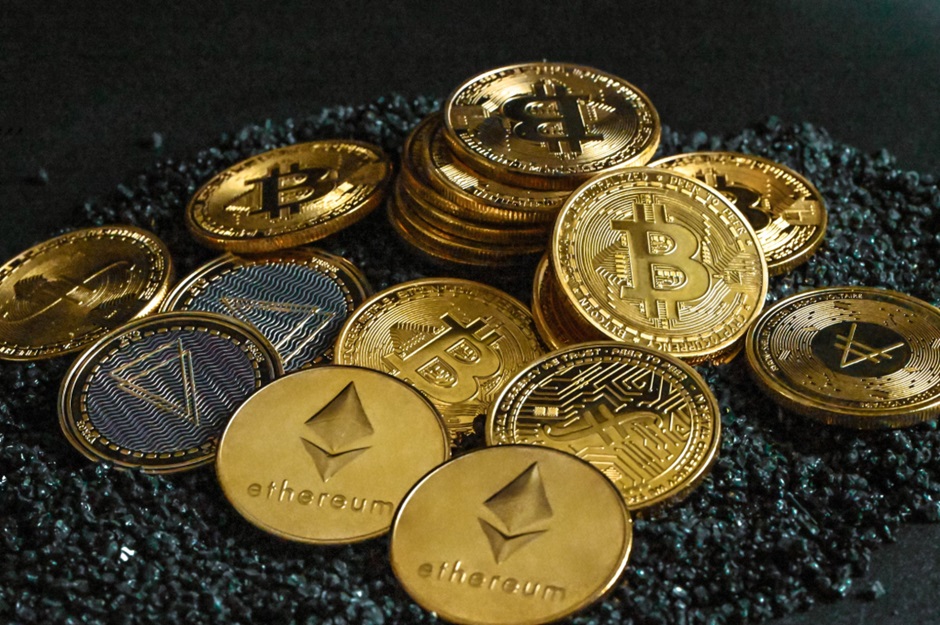
In recent developments, the cryptocurrency market has shown remarkable resilience in the face of regulatory challenges. Despite the Securities and Exchange Commission’s (SEC) increased scrutiny and enforcement actions, investors and enthusiasts within the crypto space have remained optimistic, leading to a rally across various digital assets.

The SEC’s approach towards cryptocurrencies has been one of caution and protection for investors. With a focus on compliance and the potential classification of certain tokens as securities, the commission has taken steps to ensure that the burgeoning market operates within the legal framework designed to safeguard market integrity and investor interests.

However, this regulatory stance has not deterred market participants. The rally indicates a strong belief in the inherent value and potential of blockchain technology and its applications. This sentiment is bolstered by advancements in decentralized finance (DeFi), non-fungible tokens (NFTs), and continued institutional interest.

The cryptocurrency market has been surging, with Bitcoin leading a robust rally that persists despite some seemingly bearish signals from the ETF sector. Specifically, Bitcoin ETFs have seen a third consecutive day of net outflows, with the Grayscale Bitcoin Trust (GBTC) experiencing a substantial exodus of $386 million.

This juxtaposition of a thriving market rally against the backdrop of significant ETF withdrawals adds a layer of complexity to the market dynamics, suggesting that other underlying factors may be at play in bolstering investor confidence and market growth.

As the market adapts to the evolving regulatory landscape, it becomes increasingly important for stakeholders to engage in open dialogue with regulators. Collaboration and compliance can pave the way for innovation while maintaining the necessary protections for all parties involved.

The U.S. Securities and Exchange Commission (SEC) is intensifying its scrutiny over cryptocurrencies, with Ethereum now in the spotlight. Recent developments suggest that the SEC is considering whether Ethereum should be classified as a security, a move that could have significant implications for the broader crypto market.

This heightened attention from the SEC follows an admission in February by the Ethereum Foundation, the organization behind the second-largest cryptocurrency by market capitalization, that it had been contacted by a state authority regarding its operations. While details of the enquiry remain undisclosed, it’s clear that regulatory bodies are taking a more active interest in the governance and classification of digital assets.

The debate over whether cryptocurrencies like Ethereum should be considered securities has been ongoing for some time. The classification hinges on the application of the Howey Test, a legal standard derived from a 1946 Supreme Court case, which determines whether a transaction qualifies as an investment contract.

If Ethereum is deemed a security, it would fall under the regulatory purview of the SEC and be subject to disclosure and registration requirements. This could potentially disrupt the ecosystem built around Ethereum, affecting developers, investors, and users alike.

The Ethereum Foundation has not publicly responded to the SEC’s latest moves, but the crypto community is watching closely. The outcome of this regulatory scrutiny could set a precedent for how other cryptocurrencies are treated under U.S. law and shape the future of blockchain innovation.

The crypto market’s ability to rally amidst regulatory pressures showcases its robustness and the community’s commitment to driving forward this revolutionary financial paradigm.
Sub-Saharan Africa Emerges as The Region With Highest Level of Mobile Money Adoption – Report

0

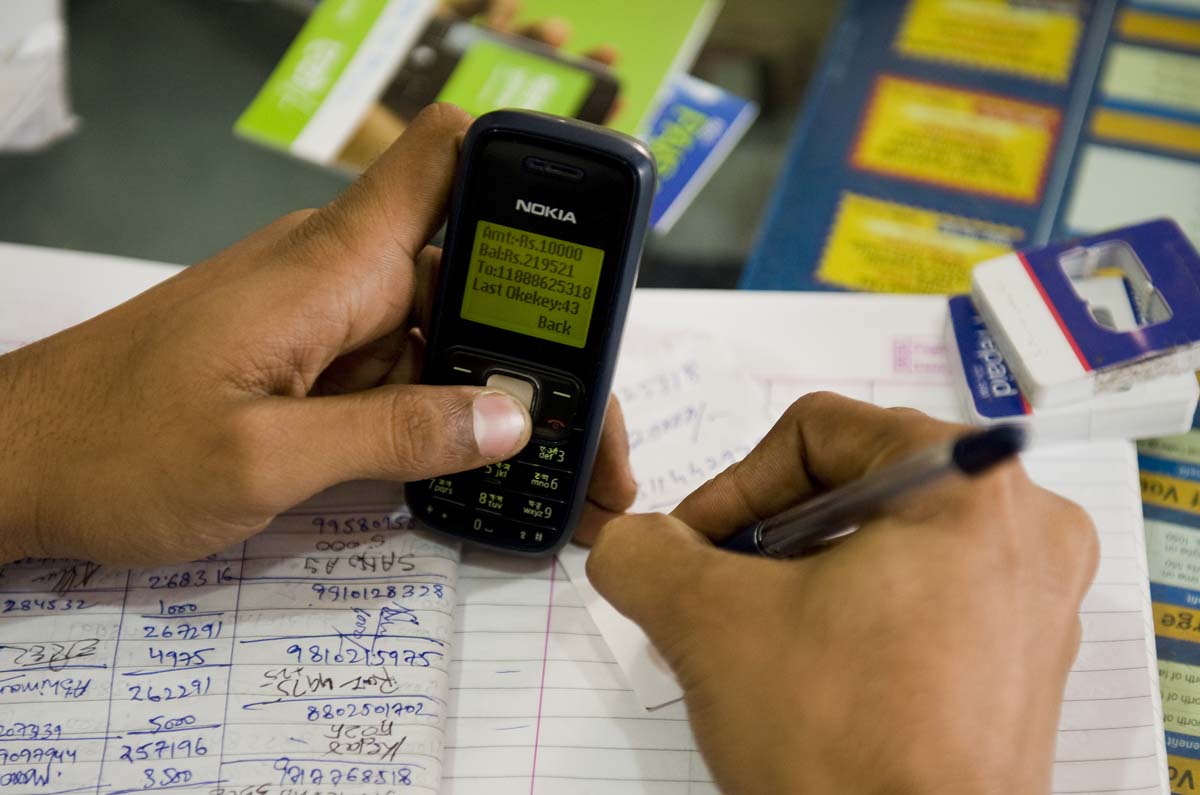
In a recent GSMA report, Sub-Saharan Africa has emerged as the region with the highest levels of mobile money adoption.

The region ranked first amongst other regions with 156 live services, 835 million registered accounts, $62 billion worth of transaction volume, and $912 worth of transaction value in 2023.

Mobile money’s significant positive impact on lives and livelihoods in Africa is evident in its contribution to the region’s Gross Domestic Product (GDP), which at the end of 2022 was more than $150 million billion or equivalent to increasing GDP by 3.7%.

In East and West Africa where mobile money adoption is highest, GDP increased even more by 5.9% and 4.1% respectively by the end of 2022.

Over time, registered accounts have continued to surge significantly across the globe, with sub-Saharan Africa’s share of registered accounts increasing for two consecutive years to 48% in 2023, the highest since 2019.

In 2023, more than 70% of the growth in registered accounts were in Sub-Saharan Africa and a fifth in South Asia. Within Sub-Saharan Africa, West Africa’s share of registered accounts doubled between 2013 and 2023 while East Africa’s was almost halved. These two subregions, together with South Asia and East Asia and the Pacific account for more than 85% of all current registered mobile money accounts.

In 2023, there were 435 million active mobile money accounts. Like registered accounts, active account growth was slower in 2023 (9%) compared with 2022 (13%) and 2021 (15%). More than half of all active accounts are in Sub-Saharan Africa. While East Africa maintains a dominant share of active accounts, this is less than half its share in 2013.

Like registered accounts, West Africa’s share of active accounts more than doubled over the same period to 19%. In 2023, more than two-thirds of active account growth was in Sub-Saharan Africa while nearly a fifth was in South Asia.

At a regional level, activity rates in Sub-Saharan Africa fell from 29.7% in 2022 to 28.1% in 2023. This is mainly due to registered accounts growing faster than active accounts in a few markets, particularly where new services were launched. In other cases, such as in Kenya, the reintroduction of transaction charges that had been zero-rated during the COVID-19 pandemic influenced customer behavior.

Notably, agents remain a core part of the mobile money ecosystem and continue to play an important role in delivering and enabling services to customers. In 2023, mobile money agents digitized $307 billion (the total cash-in transactions), up 12% from 2022. This is more than two-thirds of all the money entering the mobile money ecosystem.

The number of registered and active agents continued to grow in 2023. Registered agents grew by 22% in 2023 to reach 18.6 million. Of these, 8.3 million were active on a monthly basis, 14% more than the previous year.

Most of this expansion came from Sub-Saharan Africa, where registered agents grew by a third, Active agent growth slowed, as much of the progress in 2022 was due to the launch of new services in Ethiopia and Nigeria. Home to nearly half of all registered agents in 2023, agents remain key to mobile money in West and East Africa.

In West Africa over the past few years, West Africa has led the growth in access to mobile money. The proportion of new registered accounts and new active 30-day accounts originating from West Africa has risen sharply since 2021.

In 2023, over a third of new registered and active 30-day accounts globally were from West Africa, more than any other region. Nigeria, Ghana, and Senegal were the main drivers of growth in the region. West Africa’s vibrant mobile money ecosystem has developed differently from East Africa’s, with regulation playing an important role in how services have evolved and in the products mobile money providers offer.

For instance, West Africa had the highest regional share of inbound remittance payments. However, outward remittance payments are still not permitted for many countries in the region West Africa has also seen more non-mobile-network-operator (MNO)-led mobile money services emerge to compete with MNO-led providers. This has led to significant growth in use cases, such as merchant payments in Senegal, and some services focusing entirely on the business-to-business segment.

Much of the significant rise in agent networks globally in 2022 occurred in West Africa, with regulations in Nigeria driving this trend. With several mobile money providers now holding a license to operate in Nigeria, the country has seen a rapid rise in the use of digital financial services. This special feature focuses on how regulation, mobile money providers and investment has impacted access to financial services and financial inclusion in the region.

BlockDAG Achieves A Milestone Of Raising $6.21M With Revolutionary Mining Solutions While Solana And Mantle Prices Compete

0

With the volatile nature of crypto, distinguishing between fleeting trends and sustainable innovation is crucial. Solana and Mantle, each demonstrating unique strengths in trading volume and blockchain efficiency is witnessing the rise of a new contender.

BlockDAG, with its groundbreaking mining solutions and a successful $6.21 million presale, is setting new standards for generating wealth in the digital age. Unlike traditional players, BlockDAG’s approach encompasses a holistic ecosystem designed to democratize access to the crypto economy, offering both novice and seasoned miners unprecedented opportunities for income.

Solana Shows Hope

Solana has been making waves in the crypto space, particularly with its significant surge in daily trading volume. Over a recent weekend, the demand for SOL-based memecoins propelled Solana’s daily trading volume to a staggering $3.032 billion, overtaking Ethereum’s $2.037 billion.

This spike in activity was fueled by an increased interest in memecoins, although it came with high volatility and some losses for traders. Furthermore, Solana’s DeFi total value locked saw an 80% increase within a month, reaching two-year highs. This growth underscores Solana’s potential for investors, though the market’s volatility necessitates caution, especially with whales starting to take profits.

When it comes to mining with  Solana (SOL), it’s important to evaluate whether the effort will be profitable, considering SOL’s price volatility and the competitive mining landscape.

Mantle With Its Upgrade

On the other hand, Mantle has made significant strides with its Mainnet v2 Tectonic upgrade, enhancing Ethereum Virtual Machine (EVM) interoperability and reducing transaction fees. This leap forward promises a more cost-effective and scalable blockchain experience, aiming to set new benchmarks for layer 2 solutions.

Mantle’s focus on security, with audits from leading firms, and its community-centric approach, invite users to be part of a collaborative growth journey. Looking forward, Mantle is poised to influence the decentralised technology realm, making it an enticing option for investors seeking innovation and efficiency.

BlockDAG: The Mining Innovator

Miners are the “backbone of the crypto-economy”. BlockDAG has a dedicated mass of miners who have contributed to the success of BlockDAG in achieving an impressive presale record of $6.21 million. The fact that BlockDAG has sold out 3788 miners is a testament to its roaring success. BlockDAG, with its innovative blockchain network, offers a variety of ways for its community to earn passive income. From coin investment strategies that appreciate over time to mobile mining for convenient rewards, BlockDAG caters to a wide range of investors.

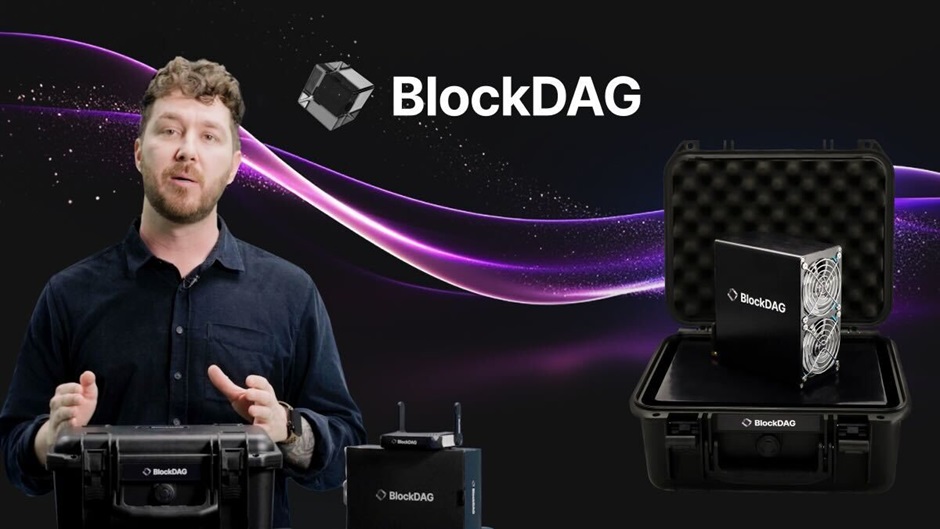
Their specialized ASIC-based miners enhance efficiency and offer various options like BlockDAG X10, X30, and X100. BlockDAG X10 is a portable and durable mini modem that lets the user mine up to 200 BDAG coins per day which could generate an income of more than $10 per day. BlockDAGX 30 and X100 are powerhouses that provide the potential to mine up to 2000 BDAG coins a day and could fetch a daily income of  $30 to $100.

While the option to resell mining units post-launch adds a layer of versatility, BlockDAG’s referral program and exclusive presale opportunities present unique benefits for early adopters, potentially leading to significant returns.

BlockDAG’s approach to blockchain mining is not just about creating wealth; it’s about simplifying participation in the crypto economy which sets it apart from crypto players like Solana and Mantle. This multi-faceted approach to generating revenue sets BlockDAG apart, offering ease of entry for new miners and optimization for the experienced.

Takeaway

Comparing BlockDAG with Solana and Mantle reveals a paradigm rich in opportunity but varied in approach. Solana’s recent trading volume surge and Mantle’s advancements in blockchain efficiency present compelling cases for their respective technologies.

However, BlockDAG’s comprehensive ecosystem offers a broader range of income streams, catering to investors’ diverse needs and preferences. With innovative mining solutions and a user-friendly platform, BlockDAG stands out for its potential financial returns and commitment to accessibility and community engagement.


To know more about BlockDAG:

Foreign Airlines Debunk Central Bank of Nigeria’s Claims It Has Cleared All FX Obligations

0

Foreign airlines operating in Nigeria have contested claims by the Central Bank of Nigeria (CBN) that the outstanding foreign exchange (FX) obligations have been successfully settled.

This is coming against the backdrop of lingering efforts by the CBN to clear trapped airlines earnings, which has stood in the way of the operation of some of the International Air Transport Association (IATA) members in Nigeria.

Kingsley Nwokeoma, President of the Association of Foreign Airlines and Representatives in Nigeria (AFARN), adamantly stated that there has been no discernible change regarding the clearance of foreign airlines’ trapped funds.

“If they say they have cleared the trapped funds, they should show us figures. They should tell us how much have been cleared. The last I checked, the status quo still remains the same,” Nwokeoma told BusinessDay.

Nwokeoma’s assertion comes a day after Hakama Sidi Ali, acting director of corporate communications at CBN, announced that the financial regulator had recently finalized payments totaling $1.5 billion, effectively addressing the residual balance of the FX backlog. But she also disclosed that independent auditors from Deloitte Consulting meticulously assessed these transactions, ensuring that only legitimate claims were honored.

“Any invalid transactions were promptly referred to the relevant authorities for further scrutiny,” Mrs Ali said.

However, Bankole Bernard, chairman of the Airlines and Passengers’ Joint Committee (APJC) of the International Air Transport Association (IATA), provided a nuanced perspective, acknowledging the clearance of trapped funds while highlighting lingering challenges.

Bernard revealed that while foreign airlines were offered the option to retrieve their funds from banks using the rate of the Investors and Exporters (I&E) window, they expressed reluctance due to disparities between the current official (NAFEM) rate and the rate at which tickets were initially sold. This discrepancy poses potential financial losses for airlines, prompting them to adjust pricing strategies to mitigate the impact of exchange rate fluctuations.

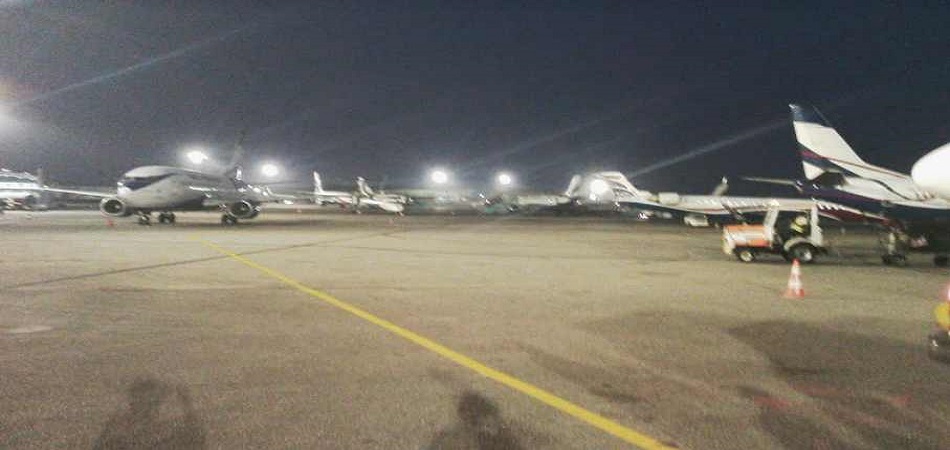
The standoff between foreign airlines and the CBN over trapped funds resulted in Emirates Airlines’ suspension of flight operations in Nigeria in late 2022, marking the second instance of such action.

Asked while Emirates has not resumed operations in Nigeria if truly the FX backlog has been cleared, Bernard attributed Emirates’s decision to hold back to a diplomatic dispute between the United Arab Emirates (UAE) and the Nigerian government, exacerbated by concerns over crime and safety in Dubai.

“The crimes Nigerians are committing in Dubai has made them refuse Nigerians from coming to Dubai. These crimes affect tourism. They do not want their country to be perceived as unsafe. Emirates still has their office in Nigeria and they have staff they are paying salaries,” he told BusinessDay.

Emirates’ withdrawal from the Nigerian market reflects broader challenges within the aviation industry, with trapped earnings reaching critical levels. In October 2022, Emirates suspended its services citing the inability to repatriate earnings amounting to $85 million amidst a total trapped fund exceeding $500 million. Nigeria’s situation is emblematic of global FX challenges, with IATA reporting outstanding obligations totaling $2.27 billion, with Nigeria accounting for a significant portion.

The crux of the issue revolves around the exchange rate mechanism utilized in settling the backlog between foreign airlines and the CBN. Both parties are engaged in negotiations, seeking to minimize potential losses emanating from Nigeria’s volatile FX market.

US Accuses Apple of Monopolizing Smartphone Market and iPhone’s Nwa-oha’s Moment

1

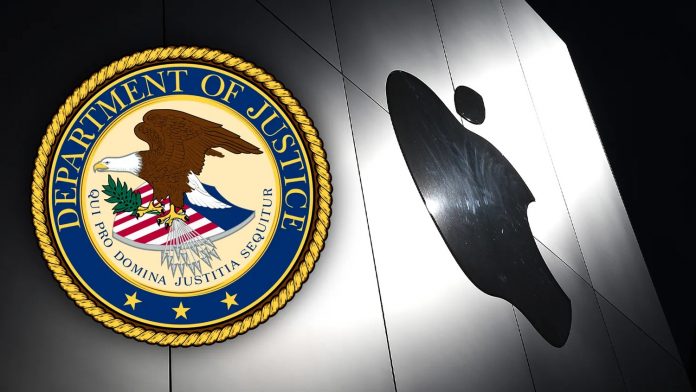
The United States government has filed a lawsuit against Apple, accusing the tech giant of monopolizing the iPhone ecosystem and crushing competition. In the lawsuit, the department alleges the company used its control of the iPhone to illegally limit competitors and consumer preferences, and in the process squashing innovation, BBC reports.  Apple denies the claims and promises to fight the lawsuit.

Good People, like China, America maketh and America also controls. Like I wrote when the world was predicting that Facebook (yes, Meta) was in trouble and could be broken, positing that it would not happen, America will not do anything that will harm Apple in the age of Huawei.

If you decide to break Facebook apart, one part will grow and dominate others. This is possible because of the positive continuum of network effect where the biggest keeps getting bigger and also better. I explained that in a recent piece in the Harvard Business Review. You can regulate Facebook but another company will come to take over its position because in this sector, it is winner-takes-all. Yes, the best wins.  Why? The scalable advantage improves with lower marginal cost.

This is my take: U.S. will not regulate Facebook or its web companies at the level many are expecting [I expect nothing to change except cosmetics reporting of violations] because it knows that Chinese competitors which are also well-funded will go after Facebook users across the globe. And even if U.S. regulates Facebook by breaking it, the best surviving part will grow to dominate over time because of network effect where the best gets better and bigger. We just have to agree that Facebook is an ICT utilities and I was very happy when my editors in Harvard allowed me to use that against the company. You negotiate with your utilities [ electricity, water] because you have no alternatives. That is where we are with Facebook.

Yes, no one will go after breaking Apple but this lawsuit could do one thing everyone wants to see in Apple: that the iPhone belongs to the village, and not just Apple Inc. Like in the Igbo Nation where kids are named “Nwaoha’ [a child to the whole village], the success of the iPhone does imply that Apple must look at it from that angle. The iPhone is a platform for commerce and Apple must allow markets to operate.

 Yes, if  “uwa bu ahia” [the world is a marketplace], Apple must allow the iPhone, one of the main tools in the market, to operate a lot more freely!

Indeed, the restrictions on how to collect payment is unfair and causing so many problems for Apple creators and builders. I am in support of the US Government to get that freedom for the world, from Apple.

The sprawling complaint, filed at a federal court in New Jersey, alleges that Apple used “a series of shapeshifting rules” in a bid to “thwart innovation” and “throttle” competitors.

It accuses the California-based company of stopping competitors from offering rival services on the iPhone while also making it difficult for users to switch to alternative operating systems. In a statement, Attorney General Merrick Garland said the company “undermines apps, products and services that would otherwise make users less reliant on the iPhone”. The complaint lists a number of “anti-competitive” steps allegedly taken by the company, including blocking apps, suppressing mobile cloud streaming services, limiting third-party digital wallets and “diminishing the functionality” of smartwatches not made by the company.

At a news conference on Thursday, Mr Garland said Apple had “maintained its monopoly, not simply by staying ahead of the competition on the merits, but by violating federal antitrust laws”.

“Consumers should not have to pay higher prices because companies break the law,” Mr Garland said, accusing Apple of “locking its customers in” while at the same time “locking its competitors out”.

He pointed to the experience of iPhone users who message non-Apple smartphones, which he said led to “limited functionality” including non-encrypted communications and pixelated or grainy images. “Apple creates barriers that make it extremely difficult and expensive for both users and developers to venture outside the Apple ecosystem,” Mr Garland said.

If prosecutors succeed at trial they could force Apple to alter contracts, or possibly even make structural changes within the company, according to the complaint and officials at the press conference.

Those potential remedies are far off and that there are many possibilities, however.

A spokesman for Apple, Fred Sainz said that the lawsuit was “wrong on the facts and the law” and that Apple would “vigorously defend against it”. “The lawsuit threatens who we are and the principles that set Apple products apart in fiercely competitive markets,” Mr Sainz said. “If successful, it would hinder our ability to create the kind of technology people expect from Apple.” It marks the third time Apple has been sued by the justice department since 2009, and is the first antitrust challenge against the company under President Joe Biden’s administration.