DD
MM
YYYY

PAGES

DD
MM
YYYY

spot_img

PAGES

Home Blog Page 3256

Agriculture Is Booming in Nigeria, Young Graduates Consider The Sector in Multi-Disciplinary Way

1

“Nka”, “Obiaturugo”, “Mbala”, “Idima”, etc – these are names of different varieties of yams in the Igbo Nation. The king of yam when it comes to variety is “Obiaturugo” [the yam with the royalty of the eagle] because it tastes best, and grows just well. 

But Idima is the most iconic for its rarity since, sometimes, you harvest it once every three years, and it is the largest species of yam. It is planted closer to homes. The lowest of species is Mbala which does not offer a lot of economic value except for those who delight in roasted yams with pepper. Typically, no farmer commits a full farmland for Mbala; it is an auxiliary species. 

(In Igbo mythology, Ugo (the eagle) is a symbol of royalty and affluence. Chiefs and Ezes in the Igbo Nation put eagle feathers on their caps. So, when a yam, the king of crops, is connected to an eagle, you get the idea that the yam must be special. 

You must understand that an eagle feather demonstrates valour since killing an eagle takes one to the Ikoro, the large wooden drum that could be the size of a room. The feather was rare then, unlike now people can buy lab created feathers. Eagle is seen in the same lens as the leopard (in that cat family) in Igbo mythology.)

 Why this? Agriculture is a big business right now in Nigeria. The fastest growing company in Tekedia Capital portfolio is an agriculture-focused company. Everything Nigeria has done in the last few months has favoured it except reporting its revenue in US dollars!!! Lol.

 Young Graduates: there is value in agriculture. Someone must make that point, and challenge young people to find the value therein, in a multidisciplinary way, by combining capabilities from different academic backgrounds to fix frictions and capture value. You can build a great company within the agro-value chain. Of course, make it smart and embed tech in it. 

Is There A Difference Between Free Game And Paid Versions?

0

In the ever-evolving world of online entertainment, the realm of virtual games machines has carved out a significant niche. Whether you’re a casual player looking for a bit of fun or a more serious enthusiast seeking thrills, the debate between free and paid gaming experiences is one that sparks curiosity and intrigue. But beyond the surface level, is there truly a distinction between the two?

Let’s delve into the nuances of free and paid slot online games like pafikabsemarang.org , examining the factors that differentiate them and exploring what each has to offer.

Understanding Free Games:

Free games, as the name suggests, are games that can be played without the need for any monetary investment. These games are often available on various platforms, ranging from social media sites to dedicated online gaming portals. They offer players the opportunity to enjoy the excitement of spinning reels and chasing wins without risking any real money.

One of the primary appeals of free games is accessibility. They provide a risk-free environment where players can familiarize themselves with different game mechanics, bonus features, and themes without financial repercussions. For newcomers to the world of online games, this serves as an excellent introduction, allowing them to learn the ropes and build confidence before transitioning to paid options.

Additionally, free games are often accompanied by social elements, such as leaderboards, achievements, and in-game chat functions, fostering a sense of community among players. This social aspect adds an extra layer of enjoyment, transforming solitary gameplay into a shared experience.

However, it’s essential to acknowledge that free games may come with limitations. Since there’s no real money at stake, the excitement and adrenaline rush that accompany the prospect of winning are somewhat diminished. Furthermore, the absence of financial risk can lead to less disciplined play and a lack of strategic decision-making.

Exploring Paid Gaming Experiences:

When it comes to paid gaming experiences, on the other hand, players are required to get real money in exchange for the chance to win cash prizes. The majority of the time, these games can be found on licensed online games platforms, where players have access to a broad selection of titles that cover a wide range of topics and gaming techniques.

It is possible to experience a higher sense of excitement and anticipation when playing paid machine games because each spin has the potential to result in substantial payouts. One cannot mimic the joy of pursuing jackpots and activating bonus rounds in free play mode since it adds an element of tension that cannot be replicated in that mode. This rush of adrenaline is a big lure for many players, which is one of the elements that contributes to the continued success of paid online games.

In addition, as compared to their free equivalents, premium games machines typically have images, animations, and sound effects that are of a higher quality. This increased production value results in a gaming experience that is more immersive, which captivates gamers and keeps them engaged for longer periods of time.

Having the opportunity to win significant prizes is just another advantage of participating in paid activities. Although there is always an inherent risk involved with game, expert players can optimize their odds of winning by employing techniques such as managing their bankroll and selecting games such that they can maximize their chances of winning. A further enhancement of the value proposition of paid games is provided by the fact that numerous online games provide players with alluring bonuses and promotions as a means of encouraging them to play. 

Conclusion:

Both free and paid gaming experiences offer their own unique benefits and appeal to different segments of the gaming community, the distinction between the two is clear. Free games provide a risk-free environment for casual play and social interaction, making them ideal for beginners and those looking for laid-back entertainment. On the other hand, paid gaming experiences deliver heightened excitement, the potential for significant rewards, and a more immersive gaming experience, catering to players seeking thrills and the opportunity to win real money.

Ultimately, whether you prefer free or paid games depends on your individual preferences, objectives, and approach to gaming. Regardless of which option you choose, the world of online games offers a diverse array of experiences to suit every taste and interest.

Reflections on “Made-in” Nigeria or “owned-by” Ireland? Country-of-origin cues and the narratives of Guinness consumption in London

0

The recent withdrawal of Diageo from the Nigerian market, and the stepping in of Singapore-based Tolaram, reminds me of an article I published almost two decades ago. In that article, I evaluated the impact of country-of-origin (COO) effects on the consumption patterns of “made in” Nigeria Guinness compared to Guinness “owned by” Ireland. It traces the trend of […]

To access this post, you must purchase Tekedia Mini-MBA (June 8 – Sept 5, 2026) | $170 or N120,000.

Navigating the Complexities of Tariffs on Electric Vehicles

0
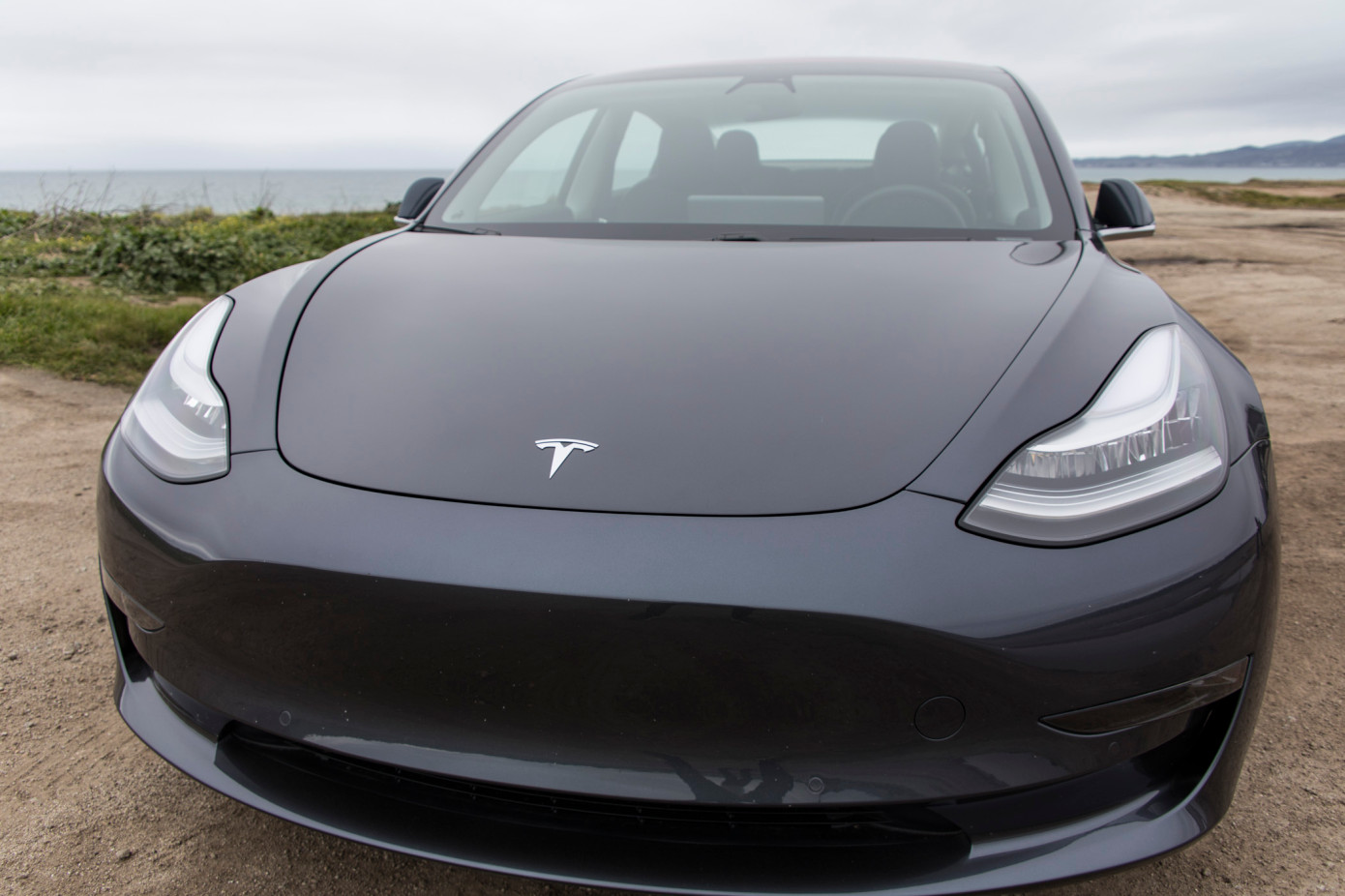
Tesla electric car

The European Union (EU) is at a critical juncture in its ambitious transition towards electric vehicles (EVs), a move that is essential for achieving its decarbonization goals. However, the recent decision to impose tariffs on Chinese electric vehicles has sparked a debate on the potential repercussions this could have on the pace and cost of the EU’s transition.

The evolving landscape of the EU EV market is likely to foster innovation, drive down prices, and accelerate the adoption of electric vehicles, contributing to the EU’s environmental goals. The future of electric mobility in the EU looks promising, with a variety of choices for consumers that support a sustainable and efficient transition to cleaner transportation.

The imposition of tariffs, ranging from 27.4 to 48.1 percent on Chinese EVs, is a response to the anti-subsidy investigation findings that suggest unfair competition from heavily subsidized Chinese manufacturers. This move aligns with the EU’s protective measures to safeguard its own burgeoning EV industry against what it perceives as market distortions. However, this decision does not come without its trade-offs.

One of the immediate effects of these tariffs is the potential increase in the cost of EVs within the EU market. Chinese EVs, known for their competitive pricing, have provided an affordable entry point for consumers looking to transition from internal combustion engine vehicles to cleaner alternatives. The tariffs could, therefore, lead to a slower adoption rate of EVs among European consumers, who may find the increased costs prohibitive.

Moreover, the EU’s target of phasing out ICE vehicles by 2035 is already a challenging endeavor. With the market share of battery electric vehicles having fallen from 14.5% in 2023 to 12% in the first four months of 2024, the additional levies on Chinese EVs could further delay the availability of a larger range of more affordable EVs in Europe. This could have a cascading effect on the EU’s ability to meet its intermediate target of at least a 55 percent reduction in greenhouse gas emissions by 2030, relative to 1990 levels.

The tariffs also raise concerns about the broader implications for the global automotive industry. The EU’s decision has been met with criticism from China, with claims that it lacks a factual and legal basis and constitutes a protectionist act that could escalate trade frictions and disrupt the global automotive supply chain. This underscores the delicate balance that needs to be struck between protecting domestic industries and fostering a competitive global market that can support the rapid deployment of clean technologies.

While the EU’s tariffs on Chinese EVs are intended to protect its domestic industry and ensure fair competition, they also pose significant challenges to the region’s transition to electric mobility. The EU must carefully navigate these complexities, considering both the economic and environmental stakes involved.

It is crucial for policymakers to engage in dialogue with all stakeholders, including Chinese authorities, to find a balanced approach that supports the EU’s decarbonization objectives without hindering the affordability and accessibility of electric vehicles for its citizens. The path forward is not straightforward, but it is one that requires thoughtful consideration and collaborative efforts to achieve a sustainable and equitable transition to a greener future.

The Cisco’s Dot-com Bubble and Nvidia Current Ungravity Cycle

1

If you started tech in the late 1990s and early 2000s, you must have received two certifications: CCNA and MCSE. Yes, Cisco Certified Network Associate (CCNA) and Microsoft Certified System Engineer (MSCE) were basic requirements to work in most leading IT organizations. We got them; the more ambitious techies would get OCP (Oracle Certified Professional). 

With CCNA and MCSE, you were sure of a job because IT was booming. In the bank, three of my colleagues left for the US within weeks; American companies interviewed them, and the US Embassy sent them work permits via FEDEX! Like the Japa of nurses and doctors of today, Sheraton Hotels Ikeja used to be a gathering place of IT guys and American recruiters!

As that was happening, Cisco left the world, out of the influence of gravity as the stock price hit records. Then CEO John Chambers was a household name in the world of business: Cisco will network and connect the world. Bill Gates who signed the MCSE certifications was on a huge ascension as Microsoft powered the world with Windows.

Then, there was a bubble, and like the Chemistry lab experiment you did in secondary school, where you added base (sodium hydroxide, NaOH) and acid (hydrochloric acid, HCl) to produce salt (sodium chloride, NaCl) and water (H2O), delivering an effervescent effect, everything disappeared, and stock prices were neutralized. Yes, like that lab experiment, the world of the market system was neutralized producing an effervescent effect (yes, BUBBLES) when a chemical reaction in a liquid produces a gaseous product

Today, people are discussing the Nvidia parabolic ungravity to what happened to Cisco. Here is my take: the future is full of abundance, and technology will continue to unlock it. That Cisco faded did not mean that Apple, Facebook, Tesla, Huawei, etc did not rise. Yes, Nvidia could fade, but that does not mean there would be a tech industry effervescence because the human anions and cations [God bless my Chemistry teachers: Mr Ekeabu and Mr. Udeagu Jnr]  must still congregate in the creation of products to fix market frictions. 

Simply, new reactions will happen, and we can decompose the tech equivalent of ammonium nitrate (NH4NO3 = N2O + 2H2O) to have nitrous oxide (the laughing gas), and everyone will be laughing because better tech awaits.