DD
MM
YYYY

PAGES

DD
MM
YYYY

spot_img

PAGES

Home Blog Page 3353

Q1 2024: Jumia Records Revenue Increase of $49 Million, Lowers Operating Losses by 70%

0

African e-commerce platform Jumia has reported its first quarter (Q1) earnings results, recording a $48.9 million revenue and a gross profit of $31.2 million, compared to $41.3 million and $24.9 million in the first quarter of 2023.

The company significantly reduced its operating losses by 70% after major cost-cutting measures that saw it trim advertising costs to $3.8 million, a 30% drop compared to Q1 2023

Jumia stated that its order and average order value (AOV) grew, with order growth in Nigeria and Ghana, despite volatile conditions. According to the CEO Francis Dufay, he noted that the company is off to a strong start to the year, following a transformational 2023. He added that disciplined expense management and streamlining of the company’s logistics network, reduced quarterly cash burn to $19.1 million from $22.0 million in the first quarter of 2023.

Among other things, Jumia stated that lower customer discounts helped attract a more loyal and high-quality customer base.

Commenting on the first quarter report, he said,

“Jumia is off to a strong start to the year. Following a transformational 2023, we continued to execute against our strategic priorities focused on strengthening our core business and improving cash efficiency while establishing a leaner organization primed for growth. Our efforts drove a 5% year-over-year and 39% constant-currency improvement in GMV in the quarter, while order growth and AV also expanded, a clear sign that our strategy is working. Disciplined expense management and further streamlining of our logistics network reduced our quarterly cash burn(I) to $19.1 million from $22.0 million in the first quarter of 2023.

“Efforts to orient spend toward more efficient marketing channels along with reductions in customer discounts also helped attract a stickier and higher quality customer base, driving a 300 basis-point improvement in repurchase rates versus the prior year. Our success is more notable when considered against the challenging macro environment in Africa. Significant currency devaluations in some of our largest markets impacted both purchasing power and supply availability, making for a difficult operating environment.

“However, our ability to secure sufficient inventory and offer a diversified product assortment at competitive prices continues to keep consumers engaged on our platform. Importantly, we are also beginning to see early signs of general stabilization in select markets, leaving us hopeful that conditions will continue to improve. For example, despite the volatile conditions, we are seeing order growth in Nigeria and Ghana, illustrating Jumia’5 value proposition. Additionally, in Egypt, the government floated the Egyptian pound and significantly increased interest rates, resulting in higher U.S, dollar inflows from foreign investors.”

Here is an overview of Jumia’s first quarter (Q1) 2024 report

•Revenue of $49 million, up 19% year-over-year, and up 57% in constant currency.

•GMV of $181 million, up 5% year-over-year, and up 39% in constant currency.

•Operating loss of $8 million compared to $28 million in the first quarter of 2023, down 71% year-over-year, and down 79% in constant currency.

• Adjusted EBITDA loss of $4 million as compared to a loss of $25 million in the first quarter of 2023, down 83% year-over- year, and down 94% in constant currencv.

•Loss before Income tax from continuing operations in the first quarter of 2024, was up 36% year-over-year and up 12% in constant currency largely driven by a $11 million increase in net foreign exchange losses

• Liquidity position of $101 million, a decrease of $19 million in the first quarter of 2024 as compared to a decrease of $22 million in the first quarter of 2023.

•Net cash flows from operating activities of $4 million as compared to net cash flows used in operating activities of $19 million in the first quarter of 2023.

Results highlights for the first quarter 2024

  • Revenue of $49 million, up 19% year-over-year, and up 57% in constant currency.
  • GMV of $181 million, up 5% year-over-year, and up 39% in constant currency.
  • Operating loss of $8 million compared to $28 million in the first quarter of 2023, down 71% year-over-year, and down 79% in constant currency.
  • Adjusted EBITDA loss of $4 million as compared to a loss of $25 million in the first quarter of 2023, down 83% year-over-year, and down 94% in constant currency.
  • Loss before Income tax from continuing operations in the first quarter of 2024, was up 36% year-over-year and up 12% in constant currency largely driven by a $11 million increase in net foreign exchange losses, mostly without a cash impact, as a result of currency devaluations in Nigeria and Egypt and an increase in finance costs related to Jumia’s treasury and investment portfolio management activities.
  • Liquidity position of $101 million, a decrease of $19 million in the first quarter of 2024 as compared to a decrease of $22 million in the first quarter of 2023.
  • Net cash flows from operating activities of $4 million as compared to net cash flows used in operating activities of $19 million in the first quarter of 2023.
Knots in Nigeria’s Cybercrime Act and Cybersecurity Levy

0

For several days, the Cybercrime Act, which was passed in 2015 and revised in 2024, has been debated on various digital and physical forums. The Act became the focus of discussions after the Central Bank of Nigeria announced that some electronic bank transactions should be charged and remitted as a cybersecurity levy. As arguments and counterarguments over the new levy persist, our analyst examined the Act and the inherent ideological orientations that underpin the execution of the tax deduction directive. 

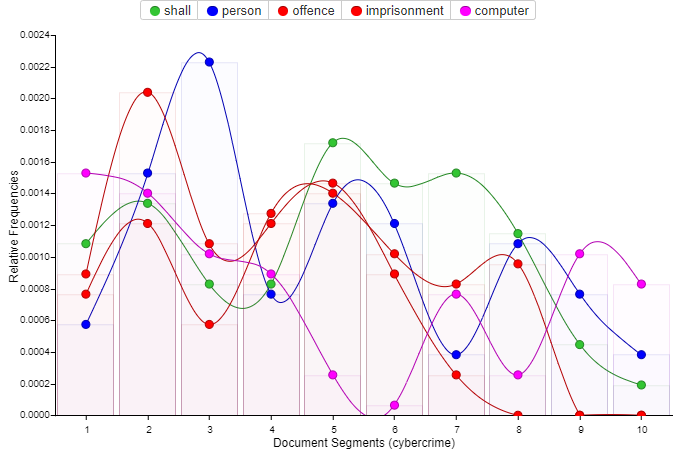
The Cybercrime Act of 2015 (pdf) addresses the prohibition, prevention, detection, reaction, investigation, and prosecution of cybercrimes, as well as other connected issues. Nigeria hopes to do this in order to guarantee a sustainable and safe cyberspace comparable to that which is available in other nations. Using a corpus analysis approach, our analyst examined the Act and found that it was composed of 15,699 words, with three instances of levy and twelve instances of transactions. The most frequently used terms, according to analysis, are shall (166), person (161), offence (126), computer (126) and imprisonment (123).

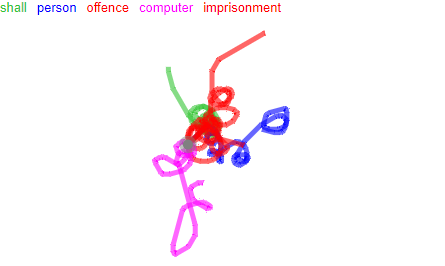
The data in Exhibit 1 further reveals material and non-material objects associated with the use of the key terms. The use of “shall” is intertwined with “person,”  “offence”, “computer,” and “imprisonment.” This reaffirms the long-held belief that in the legal field and practice, words like “shall” and “will” are strategic linguistic devices for helping law followers and enforcers understand the gravity of what they must do to effectively implement provisions in various sections of any Act.  

Our analyst notes that having a computer as a keyword at the centre of the Act indicates the prioritisation of it as a mechanical material object people need to use to commit varied cybercrimes. And at the same time, use for addressing issues that occurred after by the Act implementers. 

Exhibit 1: The key material-knot of the Act

Source: Nigeria’s Cybercrime Act, 2015; Infoprations Analysis, 2024

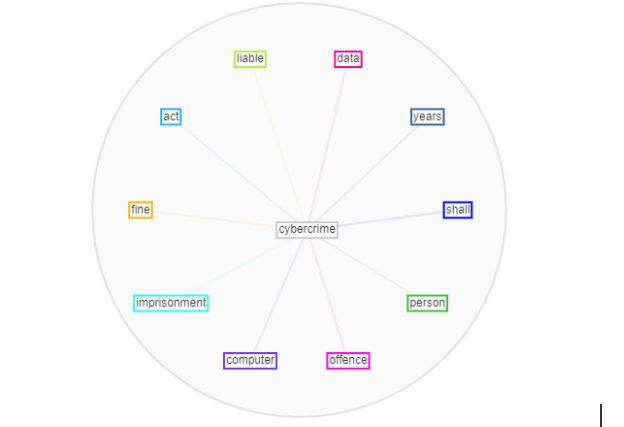
Exhibit 2: Circlic of key material-knot with cybercrime

Source: Nigeria’s Cybercrime Act, 2015; Infoprations Analysis, 2024

In Exhibit 2, it emerged that cybercrime is a keyword in the Act corpus that is connected with words that indicate actions needed and words that represent objects that would be used to judge people who violated provisions in various sections of the Act. The core processes for implementing the Act from a financial standpoint are mostly spelled out in Section 44. Subsection (1) of this section notes that “there is established a Fund, which shall be known as the National Cyber Security Fund (in this Act referred to as “The Fund”). This provision implies that maintaining a safe and secure cyberspace will be difficult if a special fund is not established. However, given the amount of existing sources from which the government may draw, our analyst believes that the creation of the Fund would create an additional burden on individuals, firms, and organisations that are expected to be key contributor to the Fund.

Subsection (2) of the same section clearly states the collection and deposit of the Fund in the Central Bank of Nigeria. In this regard, paying and remitting the Fund are intertwined with the human and mechanical processes that would be deployed. This becomes clear when one looks at paragraph (a) of subsection (2), which states, “A levy of 0.005 of all electronic transactions by the businesses specified in the second schedule to this Act,” where it is evident that people and businesses are the key contributors from a banking transaction perspective.

In what appears to be a balanced strategic choice game of getting the needed funds, paragraph (b) stresses grants-in-aid and assistance from donor, bilateral and multilateral agencies; (c) all other sums accruing to the Fund by way of gifts, endowments, bequest or other voluntary contributions by persons and organisations: provided that the terms and conditions attached to such gifts, endowments, bequest or contributions will not jeopardise the functions of the Agency.

Exhibit 3: Relative frequency of the key material-knot with cybercrime 

Source: Nigeria’s Cybercrime Act, 2015; Infoprations Analysis, 2024

The Business of NBA Sponsorships: Impact on Brand Value and Stock Performance

0

Sports sponsorship is a two-way street. In exchange for providing funding to a team or organization, the sponsor is able to raise their brand awareness and reach out to a potential new audience of millions.

Fans are loyal, and if they see a company getting behind their franchise, they are more likely to consider their products or services. In exchange for that boost in sales, their team receives vital revenue which they use in a number of ways.

Big Attraction

As the top level league within its sport, the National Basketball Association and its thirty teams attract billions of dollars in sponsorship each year. Whether it’s a financial organization, a clothing company or a sports betting outlet looking to promote its NBA odds markets, the association is a huge deal.

It may seem like a cash-rich league such as the NBA doesn’t need to attract significant extra revenue, but this isn’t the case. The funds raised from sponsor deals are invested back into the club in many different ways.

Naturally, the team wants to improve, so extra revenue helps them to attract big-name trades, while paying the type of salary that the top-name players demand. NBA franchises also aim to improve their facilities at a time when demand for the sport continues to increase.

In the last fifty years or so, we’ve seen many of those NBA teams move stadium to accommodate extra supporters, while others have developed their existing grounds. All of this costs millions to put in place, so additional sponsor revenue is vital.

Money is also ploughed into the grass roots game to help develop the next generation of players. Sponsorship is big business in the NBA, but which are the most important deals in the history of the association?

Success Stories

Some organizations are so big that they don’t even have to use their name in the corporate logo. Perhaps the best example of this is Nike, whose unmistakable tick can be seen on every player’s jersey in the NBA.

Nike are synonymous with the association and are said to own around 90% of the basketball footwear market. The initial deal with the NBA saw the company win complete outfitting rights with the league in a deal worth a cool $1 billion.

Revenue of that size is vital to any sporting body, and it will have been boosted by merchandise sales across North America and beyond.

State Farm Insurance are a distant second in the race to be the NBA’s biggest sponsor. The firm pays around $60 million each year to be a part of the association, and while they trail Nike by some distance, State Farm enjoys center stage at times.

The insurance company were the principle sponsors for the NBA’s Rising Stars game, and they also lead the way on All-Star Saturday night.

Creative Engagement

The nature of basketball offers a number of unique ways for sponsors to get involved. In most sports, there is a drinks cart waiting behind the coaching team, and there is a battle for companies to attach their name to it.

At present, the appropriate drinks sponsors to the NBA are Pepsi/Gatorade, who pay around $35 million for the privilege to be seen around court.

Return on Outlay

As we’ve just seen, major brands pay serious amounts of money to be involved with the National Basketball Association, but can they expect to see a return on their significant investment?

It’s impossible to quantify how many consumers make a purchase based on a firm’s involvement with their favorite sport. Companies such as Nike and Pepsi can measure sales in and around the stadium, but there are clear links between NBA sponsorships and improved results in the stock market.

In fact, studies have shown that there is even a boost to performance before the deal is officially announced. Once the rumor mill is set in motion, the markets respond and the sponsor sees early benefits.

T. Bettina Cornwell of the University of Oregon is quoted as saying: “There is a significant effect for sponsorship announcements in the pre-window. Not on the day of the announcement, but in the days preceding it.”

Following that initial boost in shares, the markets tend to slow down, but there is still a clear advantage for any sponsor looking to get involved with an organization as big as the NBA.

All of these companies have benefited from their arrangements with the NBA and raised their considerable profiles. In return, the association and its franchises have earned millions of dollars in revenue, which can be used to plough back into the sport.

The corporations enjoy the spoils of those sponsorships, but so do the fans. The league continues to improve, build new stadiums and attract the best players from all over the world, so the spectacle that is the NBA gets even better.

Improving Phishing Awareness Test Participation Rates

0

The threat of phishing attacks remains a concern in the world of cybersecurity, posing risks to data and financial stability. To tackle this issue, many companies conduct phishing awareness tests to gauge their staff’s susceptibility and enhance their security defenses. However, encouraging employees to engage in these tests can be a hurdle. In this feature, we will delve into methods for increasing participation rates in phishing awareness tests across organizations.

1. Crafting Compelling Test Invitations

With employees receiving requests, it is vital to create captivating test invitations that grab their attention. The key lies in presenting the invitation as an opportunity for growth and professional development. By underscoring the importance of participating in tests like Hook Security’s phishing awareness test and highlighting how it enhances their ability to detect and counter phishing attempts, employees are more likely to perceive participation as an experience.

2. Demonstrating Management Support

Employees are more willing to participate in activities when they sense backing from management. To drive up participation rates in phishing awareness tests, leaders should actively advocate for and endorse these initiatives.

Achieving this goal involves communication from management, emphasizing the significance of cybersecurity and underscoring that every employee plays a vital role in upholding a secure work environment.

3. Interactive Training Modules

Traditional in-person training sessions may not effectively capture employees’ attention. Suit their schedules. Therefore, incorporating training modules can significantly increase participation rates. These modules could feature real-life examples of phishing emails or interactive quizzes that test employees’ skills while educating them on practices.

4. Gamification Elements

Integrating gamification aspects into phishing awareness tests can introduce an element of fun and friendly competition among colleagues, boosting engagement with the topic. Including leaderboards, badges or rewards for meeting goals or milestones can motivate employees to participate and excel in these assessments.

5. Personalized Training

After completing phishing awareness tests, providing feedback to employees on their performance is crucial. This feedback may highlight areas of strength and address any misconceptions noted during their test responses. Additionally, offering tailored training resources to reinforce practices and tackle identified weaknesses can significantly enhance employee learning and cybersecurity proficiency.

6. Offering Incentives

Human behavior often responds positively to rewards and acknowledgment. By offering rewards or incentives for taking part in phishing awareness tests, companies can encourage their employees to participate and take responsibility for their cybersecurity duties. These rewards could include gift cards, tokens of appreciation, or even public recognition within the organization.

7. Continuous Education Efforts

Cultivating a culture of cybersecurity awareness requires actions. Providing initiatives such as campaigns, newsletters, or webinars that focus on new phishing tactics helps keep employees up to date on evolving threats. By integrating these efforts into the organization’s learning framework, employees will see these tests as opportunities for growth rather than just one-time tasks.

8. Building Trust through Transparency

To motivate employees to engage in phishing awareness tests, it’s crucial to establish trust within the company. Offering transparent communication about the purpose of these tests and how the results will be. Their contribution to overall cybersecurity endeavors is essential. By being open and honest, employees are more likely to view these tests as tools for their security and feel encouraged to participate. 

9. Establishing a Supportive Learning Environment

To boost participation levels, companies should prioritize creating an environment that supports learning and encourages employees to enhance their cybersecurity skills.

To enhance cybersecurity awareness, organizations can improve participation in phishing awareness tests by providing resources like tutorials, reference materials, and workshops on recognizing phishing attempts. Facilitating discussions and collaboration among employees to share experiences and insights can also boost knowledge retention and dedication to enhancing cybersecurity.

In summary

Increasing engagement in phishing awareness tests is crucial for organizations looking to bolster their cybersecurity defenses against evolving threats. By employing strategies such as crafting test invitations, giving personalized feedback, and fostering a learning-focused environment, organizations can cultivate the necessary engagement and dedication that result in heightened overall cybersecurity preparedness across the workforce.

7 Best Free Crypto Staking platform in 2024 – StakingFarm Takes the Lead in Staking Innovation

0

Looking to generate passive income from your cryptocurrency holdings? Staking presents a promising avenue, although not devoid of risk. Explore the top staking platforms to investigate in 2024, encompassing both traditional and decentralized finance (DeFi) options.

7 Best Free Crypto Staking platform in 2024

Platform Cryptocurrencies available Maximum reward rate Free Plan
StakingFarm 176+ 33% APY YES
Coinbase 16 13% APY No
KuCoin 40+ 16% APR No
Binance 60+ 14% APR No
Crypto.com 10+ 12% APR No
Kraken 15+ 4.3% APR No
Stakely 10+ 17% APY No


1.StakingFarm

At StakingFarm, we facilitate staking for over 176 assets, serving a community of more than 300,000 users globally. With over $40 million in rewards distributed, our platform ensures seamless participation in staking activities, empowering users to maximize their earnings potential while contributing to the growth of the ecosystem.

Employing a forward-thinking approach, StakingFarm leverages renewable energy sources such as solar and wind power to fuel its staking operations. This strategic utilization not only drives down operational expenses but also facilitates the integration of surplus energy back into the grid, underscoring the company’s commitment to sustainability.

StakingFarm’s innovative model enables users to participate in staking activities without the need for intricate hardware setups. By simply engaging in staking contracts via their computer or mobile device, users can access substantial staking power, all while circumventing the challenges associated with home-based operations, such as noise and thermal management. 

Key Features of StakingFarm:

  1. $50 Sign-Up Bonus: Enjoy a seamless onboarding experience with a generous $50 sign-up bonus upon registration.
  1. Automated Daily Payouts: Experience hassle-free earnings with automated daily payouts, ensuring prompt and convenient rewards distribution.
  1. Zero Overhead or Electricity Fees: Eliminate overhead costs fees, allowing you to maximize your returns without worrying about additional expenses.
  1. Affiliate Program with 5% Lifetime Rewards: Benefit from our lucrative affiliate program, earning 5% lifetime rewards for every referral, enhancing your earning potential even further.
  1. Diverse Crypto Contracts: Choose from a variety of crypto contracts tailored to your preferences, providing flexibility and customization to suit your staking needs.
  1. 24-Hour Online Support: Access round-the-clock customer support to address any queries or concerns promptly, ensuring a seamless user experience.
  1. Eco-Friendly Staking: Contribute to environmental sustainability with our eco-friendly staking approach, leveraging renewable energy sources for a greener and more sustainable staking solution.

Staking Plan?

  1. ETH Trial Plan: Ideal for beginners, this plan requires a minimal $50 investment and delivers daily rewards of $1.00, with no referral obligations.
  2. Solana Plan: With a $100 investment, this 2-day staking opportunity in Solana generates $2.00 daily, plus a $5 referral bonus.
  3. Polygon Plan: This 7-day staking option involves a $700 investment, rewarding users with $7.00 daily and a $35 referral bonus.
  4. Cardano Plan: A 15-day commitment with a $1,500 investment, providing daily rewards of $16.50 and a $75 referral bonus.
  5. Axelar Plan: Engage in a 15-day staking experience with a $3,000 investment, accruing $36.00 daily alongside a $150 referral bonus.
  6. Ethereum Plan: The flagship 30-day plan involves a $6,000 investment and offers substantial daily earnings of $78.00 with a $300 referral bonus

2. Coinbase

One of the largest and most trusted cryptocurrency exchanges globally, Coinbase continues to offer robust staking services in 2024. Users can stake 15 different cryptocurrencies, including major players like Ethereum, Tezos, and Cardano. The platform provides a flexible staking option with rewards up to 13% APY, exclusively available to Coinbase One members. Coinbase’s appeal lies in its user-friendly interface and high-security standards, making it an excellent choice for both beginners and experienced stakers.

3. KuCoin

Known for its wide selection of staking options, KuCoin allows users to stake over 40 different cryptocurrencies. In 2024, it offers an APR as high as 16%, with additional benefits for engaging in dual investment products. Although primarily a custodial platform, KuCoin appeals to users with its flexible staking products and higher yield potentials, especially suitable for those looking to explore less mainstream coins.

4. Binance

Binance remains a powerhouse in the crypto world with its extensive array of staking options for more than 60 cryptocurrencies. The platform offers up to 33% APY, with features like auto-invest plans and principal protection options enhancing its attractiveness. Binance is particularly noted for its innovative staking products such as ETH 2.0 staking and a variety of DeFi staking options.

5. Crypto.com

Crypto.com provides staking services for more than 10 cryptocurrencies, with APRs up to 14%. Stakers can benefit from additional rewards if they hold CRO tokens. The platform’s straightforward interface and tier-based rewards system cater to both novice and seasoned investors. Despite the regulatory challenges, Crypto.com maintains a strong compliance framework, making it a secure choice for crypto staking.

6. Kraken

Offering staking for over 15 cryptocurrencies, Kraken provides flexible and bonded staking options with rewards ranging from 1% to 13% APY. Kraken’s platform is well-regarded for its security and ease of use, although staking services are not available to U.S. customers due to regulatory restrictions.

7.Stakely

Stakely is a non-custodial platform providing staking services for over 35 blockchains. With APRs between 5% and 17%, it offers no minimum staking deposits and includes staking insurance, making it an attractive option for those seeking flexibility and security in non-custodial staking.