DD
MM
YYYY

PAGES

DD
MM
YYYY

spot_img

PAGES

Home Blog Page 3425

Microsoft Announces $1.7bn Investment in Indonesia for Cloud and AI Infrastructure

0

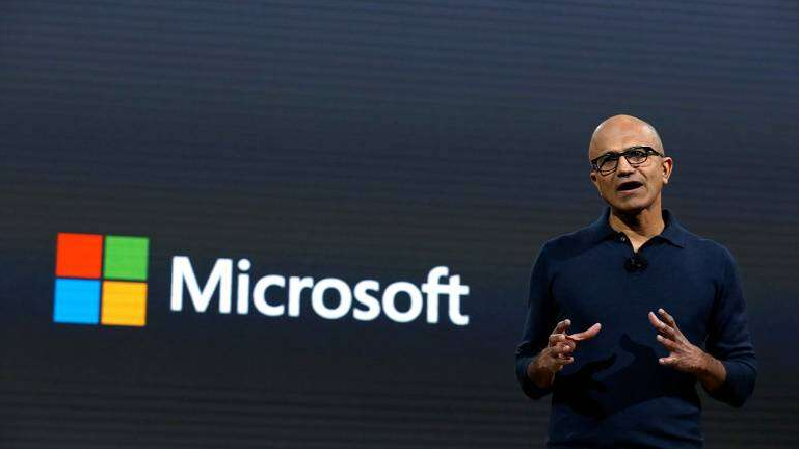
Microsoft CEO Satya Nadella meets President Joko Widodo to discuss technological advancements and economic growth this week.

Microsoft’s latest announcement has stirred excitement in Indonesia as the tech giant unveils plans to inject a staggering $1.7 billion into the country over the next four years, aimed at fortifying its cloud and artificial intelligence (AI) infrastructure. 

This landmark revelation coincided with a momentous meeting between Microsoft CEO Satya Nadella and Indonesian President Joko Widodo, signaling a significant stride towards propelling Indonesia’s digital transformation agenda.

Nadella articulated the profound impact of AI on societal dynamics, affirming, “This new generation of AI is reshaping how people live and work everywhere, including in Indonesia.” 

He declared Microsoft’s commitment to driving positive change through strategic investments in digital infrastructure, skilling initiatives, and developer support, expressing confidence in Indonesia’s ability to flourish in the rapidly evolving digital industry.

The $1.7 billion investment is not just about erecting new cloud and AI infrastructure; it also encompasses comprehensive training programs aimed at equipping 840,000 Indonesians with essential AI skills. Moreover, Microsoft plans to extend its support to the local developer community, fostering innovation and entrepreneurship across Indonesia.

In a bid to extend the benefits of AI skilling beyond Indonesia’s borders, Microsoft announced a collaborative effort with governments, organizations, and communities across the Association of Southeast Asian Nations (ASEAN). This ambitious partnership aims to provide AI skilling opportunities for 2.5 million people by 2025, aligning with Microsoft’s vision of empowering individuals across the region to harness the transformative potential of AI technologies.

“The investments we are announcing today – spanning digital infrastructure, skilling, and support for developers – will help Indonesia thrive in this new era,” said Nadella.

During their meeting in Jakarta, Nadella and President Widodo delved into a wide array of topics, including the role of technological advancements and AI breakthroughs in steering Indonesia toward its ambitious goal of becoming a developed nation by 2045, as outlined in its Golden Indonesia 2045 Vision.

Microsoft’s investment in Indonesia is expected to capitalize on the growing demand for cloud computing services in the country, while simultaneously facilitating Indonesia’s integration into the global digital economy. The move underlines Microsoft’s steadfast commitment to fostering economic growth and productivity through cutting-edge technologies.

Coordinating Minister for Human Development and Culture, Muhadjir Effendy, noted the need to upskill Indonesia’s workforce to navigate the complexities of modern technology. With youthful and tech-savvy youngsters making up 28% of the population, or 75.49 million people, Indonesia stands poised to leverage initiatives like Microsoft’s investment to drive innovation, enhance competitiveness, and spur economic development.

Microsoft’s dedication to Indonesia extends beyond monetary investments, exemplified by the establishment of its first data center region in the country in 2021. This strategic move also underscores Microsoft’s commitment to expanding its reach in Asia, where it has to compete with domestic players, especially from China, rapidly expanding their digital footprints.

Nigeria Initiates 2024 Oil Bid Round with 12 Blocks on Offer, Targets $3 Billion Investment and 300,000 Jobs

0

Nigerian Upstream Petroleum Regulatory Commission Launches Bid Round Amidst Plans for Economic Growth and Flare Gas Commercialization

In a move aimed at boosting its oil and gas sector, the Nigerian government has commenced the process for the 2024 oil bid round, unveiling an enticing offering of 12 oil blocks alongside seven deep offshore blocks from last year’s bid round.

This pivotal announcement was made by Gbenga Komolafe, the Chief Executive of the Nigerian Upstream Petroleum Regulatory Commission (NUPRC), during his presentation at the inaugural NEITI House Dialogue in Abuja.

Komolafe articulated the government’s ambitious targets, revealing plans to infuse $3 billion in capital investment to fuel projects under the Nigerian Gas Flare Commercialization Programme (NGFCP) and create a staggering 300,000 jobs.

Highlighting the potential socio-economic impact of the flare gas commercialization programme, Komolafe projected substantial benefits, including the provision of clean energy to six million households through Liquefied Petroleum Gas (LPG) and the elimination of 20 million tons of carbon dioxide emissions annually. 

Additionally, he anticipated the unlocking of 600,000 metric tons of LPG per year and the generation of 2.5 gigawatts of power from new and existing Independent Power Producers (IPPs).

Providing deeper insights into the bid round, Komolafe detailed the offerings, which include six acreages on the continental shelf, four deep offshore blocks, and two onshore blocks in the Niger Delta region. He assured stakeholders of a fair and competitive bidding process, underpinned by stringent regulations aimed at ensuring regulatory certainty, dismantling entry barriers, and fostering global competitiveness.

“The licencing round that we are putting in place is designed to enhance the quality data set and it is going to be conducted in a fair, and competitive bidding process in a non-discriminating manner,” he said.

Emphasizing the criteria for block acquisition, Komolafe outlined the importance of technical competence, financial capacity, and viability. He also shared the Commission’s financial performance, noting a commendable 15 percent increase in revenues to N4.344 trillion in 2023.

Furthermore, Komolafe shed light on Nigeria’s current production output, revealing that crude oil and condensates stood at 1,532,530 barrels per day as of April 25, 2024. He outlined various initiatives introduced by the Commission to enhance crude oil production, including expedited approvals of Field Development Plans, adoption of cutting-edge technologies, reduction of unit technical costs, and transparent hydrocarbon metering and accounting practices.

Dr. Orji Ogbonnaya Orji, the Executive Secretary of the Nigeria Extractive Industries Transparency Initiative (NEITI), noted the importance of the NEITI House Quarterly Dialogue in facilitating constructive engagements among policymakers from Nigeria’s extractive industries. He emphasized the pivotal role of the platform in addressing pertinent industry issues and promoting transparency and accountability across the sector.

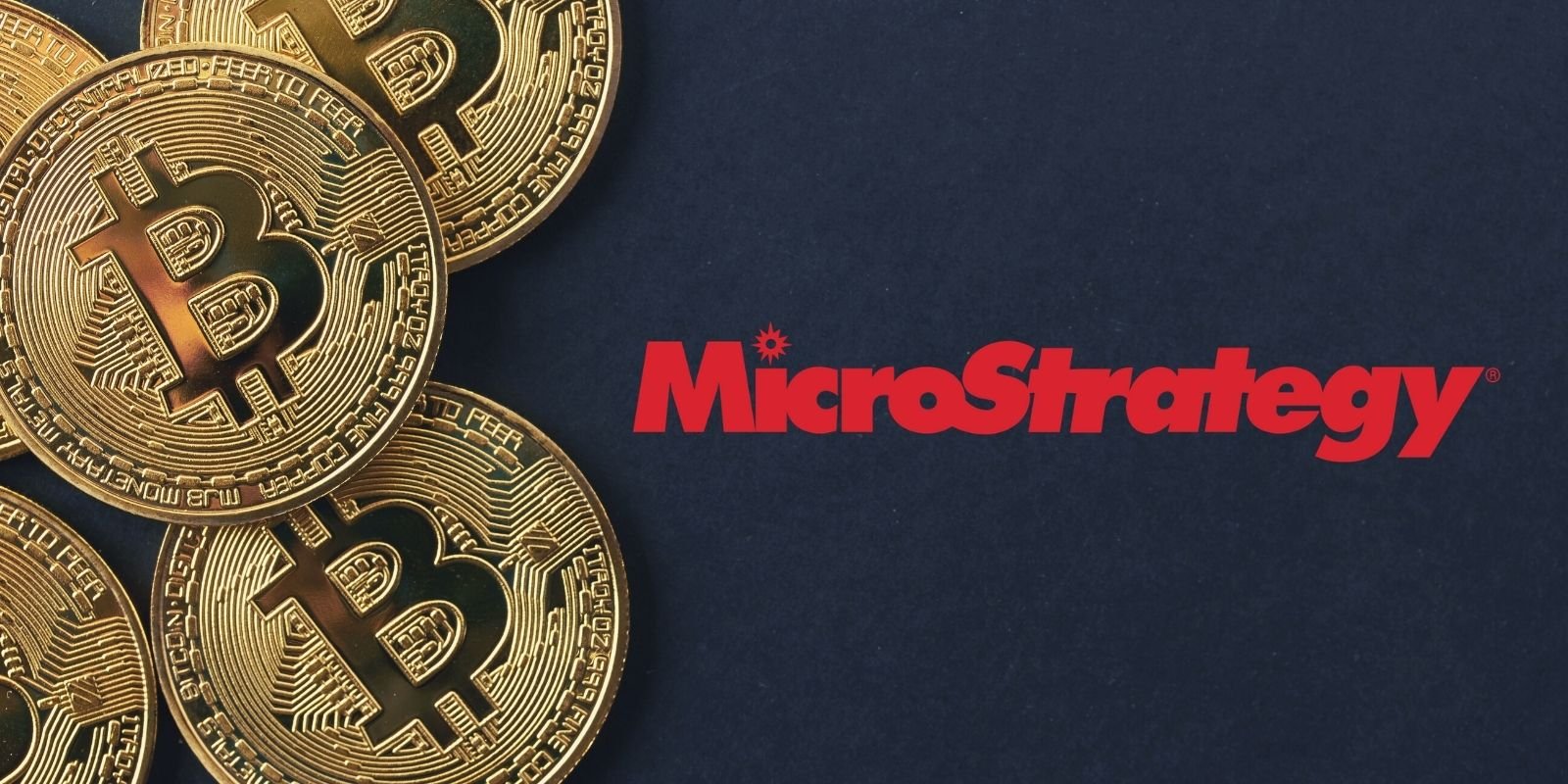
MicroStrategy is Strategically Accumulating Bitcoin as it adds 122 $BTCs

0

In the ever-evolving landscape of digital assets, MicroStrategy has positioned itself as a vanguard of corporate investment in Bitcoin. April 2024 marked another significant milestone for the company, as it acquired an additional 122 BTC, bringing its total holdings to a staggering 214,400 BTC. This move is not just a testament to the company’s bullish stance on Bitcoin but also highlights a broader trend of corporate adoption of cryptocurrencies.

MicroStrategy’s journey with Bitcoin began in August 2020, with an initial investment that signaled a strategic shift towards digital assets. Since then, the company has consistently increased its Bitcoin reserves, showcasing a strong belief in the long-term value proposition of this asset class. The latest purchase in April, amounting to $7.8 million, is a continuation of this strategy.

The company’s approach to Bitcoin investment is multifaceted, involving not only the acquisition of coins but also advocacy and technological innovation. MicroStrategy’s President and CEO, Phong Le, has emphasized the company’s commitment to the development of the Bitcoin network, which is reflected in its financial market activities and focus on technology.

Financially, MicroStrategy’s Bitcoin strategy is underpinned by a robust capital markets strategy. In the first quarter of 2024, the company raised over $1.5 billion through convertible debt offerings, which facilitated the acquisition of 25,250 additional bitcoins. This aggressive investment strategy has been a hallmark of MicroStrategy’s engagement with Bitcoin, and it shows no signs of abating.

The impact of MicroStrategy’s Bitcoin purchases extends beyond the company’s balance sheet. It has contributed to increased institutional demand and regulatory clarity, especially following the approval of spot Bitcoin exchange-traded products. The company’s sizable Bitcoin holdings, acquired at an average purchase price of $35,180 per BTC, represent a significant investment in the future of digital assets.

MicroStrategy’s Bitcoin accumulation also coincides with key events in the Bitcoin ecosystem, such as the halving, which reduces the mining reward and potentially influences the coin’s scarcity and value. The company’s steadfast commitment to Bitcoin, even amidst market fluctuations, underscores its long-term vision and its role as a pioneer in corporate cryptocurrency investment.

As the digital asset space continues to mature, MicroStrategy’s strategic Bitcoin purchases will likely be studied by investors and companies alike. The company’s ability to navigate the complex market dynamics and its unwavering confidence in Bitcoin’s potential are noteworthy elements of its investment philosophy.

For those interested in the intricate details of MicroStrategy’s Bitcoin strategy and its implications for the broader market, further information can be found through comprehensive reports and analyses. These resources provide valuable insights into the company’s decision-making process and the potential trajectory of Bitcoin as an institutional-grade asset.

In conclusion, MicroStrategy’s April 2024 Bitcoin purchase is more than just a financial transaction; it is a strategic move that reflects the company’s dedication to digital asset innovation and its role as a leader in corporate cryptocurrency adoption. As the digital currency landscape evolves, MicroStrategy’s actions will undoubtedly continue to influence the market and offer lessons for other entities considering a foray into this dynamic field.

American tech companies spend $billions to become AI utilities

0

“Tesla will spend around $10B this year in combined training and inference AI, the latter being primarily in the car. Any company not spending at this level, and doing so efficiently, cannot compete.” – Elon Musk

As big American tech companies spend $billions to become AI utilities (as in waterboard, electricity authority, etc), the rest of the world (outside China will be siddon look). Yes, it is beyond brilliance, you need to have truckloads of money these days to build the foundations of the empires of the future. Facebook’s Meta is going for $35 billion – $40 billion spend.

Money answereth breakthroughs, building moats around castles of profits. It is beyond knowledge; capital is king! When that is the case, many great things happen. Yes, new products are created as Amazon has now become an ad company:

Amazon’s cloud and advertising businesses boosted its bottom line, helping the e-commerce giant’s first-quarter earnings exceed analysts’ forecasts. The company reported a better-than-expected 24% jump in ad sales from a year earlier and 17% sales growth in AWS, its cloud computing arm. Looking ahead, Amazon tempered its second-quarter outlook, expecting 7% to 11% growth and net sales approaching $149 billion, just shy of analysts’ expectations of $150.1 billion. Still, revenue from cloud computing — the strongest in a year — signals recovery in the giant’s prospects for growth on renewed business spending and the AI boom.

Nigerian Government Approves Salary Increase for Civil Servants, Pensioners

0
  • Increase Ranges from 25% to 35%, Falls Short of Organized Labor’s Proposal

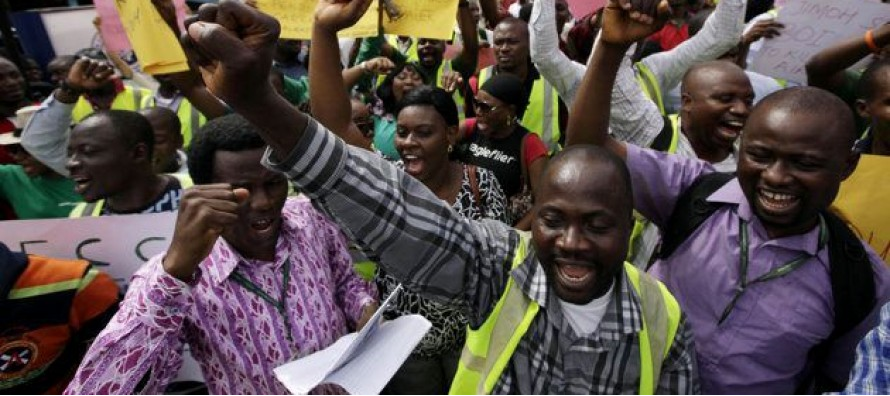
In a move aimed at addressing the financial concerns of civil servants and pensioners, the Federal Government of Nigeria has granted approval for an increase in salaries ranging from 25% to 35% for employees on the remaining six Consolidated Salary Structures.

While this decision is welcomed, it falls short of the ambitious proposal put forward by organized labor earlier this year.

The approved salary structure encompasses the Consolidated Public Service Salary Structure (CONPSS), Consolidated Research and Allied Institutions Salary Structure (CONRAISS), Consolidated Police Salary Structure (CONPOSS), Consolidated Para-military Salary Structure (CONPASS), Consolidated Intelligence Community Salary Structure (CONICCS), and Consolidated Armed Forces Salary Structure (CONAFSS).

It is noteworthy that sectors such as Tertiary Education and Health had already received their increments, which involved structures such as the Consolidated University Academic Salary Structure (CONUASS), Consolidated Tertiary Institutions Salary Structure (CONTISS), Consolidated Polytechnics and Colleges of Education Academic Staff Salary Structure (CONPCASS), Consolidated Tertiary Educational Institutions Salary Structure (CONTEDISS), Consolidated Medical Salary Structure (CONMESS), and Consolidated Health Sector Salary Structure (CONHESS).

According to a statement by Emmanuel Njoku, the Head of Press at the National Salaries, Incomes and Wages Commission (NSIWC), these salary increases will take effect from January 1, 2024. 

In addition to the proposed wage increases, the Federal Government has approved pension increments ranging between 20% and 28% for pensioners enrolled in the Defined Benefits Scheme. This adjustment applies to pensioners associated with the six consolidated salary structures mentioned earlier and will be effective from January 1, 2024.

In March, the Nigerian Labour Congress (NLC) and Trade Union Congress (TUC) proposed a substantial raise in the national minimum wage, with a fervent demand of N794,000 for workers in the Southwest geopolitical zone, and N540,000 for the Southeast region.

The call for wage increases is not limited to the South West and South East regions, as other geopolitical zones also put forth proposals. In the South-South region, there is a request for N850,000, while the North West proposes N485,000. Similarly, the Federal Capital Territory (FCT) suggests N709,000 as the new minimum wage. These proposals reflect widespread demands for higher wages across various regions in Nigeria.

The clamor for salary increases comes against the backdrop of fuel subsidy removal and the floating of Nigeria’s foreign exchange market, which orchestrated a high rise in the cost of living. 

With the impact underlined by skyrocketing inflation, which as of March stood at 33.20 percent, the majority of the country’s population is witnessing their spending power being eroded by the cost of goods and services, especially, food items. Food inflation rose to 40.1 percent in March, according to data published by the Nigerian Bureau of Statistics (NBS).

The labor unions described the N30,000 per month minimum wage as a “starvation wage”, demanding a substantial increase that will enable Nigerian workers to cope with the soaring cost of living.

“The national minimum wage is an issue that directly affects the livelihood of Nigerian workers. The minimum wage is the baseline level of income that workers are expected to earn and has far-reaching implications for economic growth, inequality, and social welfare,” Funmi Sessi, the chairperson of the Lagos State chapter of the NLC said.