DD
MM
YYYY

PAGES

DD
MM
YYYY

spot_img

PAGES

Home Blog Page 35

Germany Greenhouse Gas Emissions in 2025 Showed Minimal Decline 

0

Germany’s greenhouse gas emissions in 2025 showed only a minimal decline, barely allowing the country to meet its national annual climate target under the Climate Protection Act (Klimaschutzgesetz), according to official data released by the German Environment Agency (Umweltbundesamt, UBA).

Emissions totaled around 649 million tonnes of CO? equivalents, down by just 0.1% from 2024 levels. This placed them approximately 12.8 million tonnes below the legally permitted limit for the year around 662 million tonnes, based on sectoral budgets and overall caps in the Act. Environment Minister Carsten Schneider described the reduction as insufficient, highlighting the slowdown compared to stronger declines in prior years.

This near-stagnation contrasts with earlier estimates from think tank Agora Energiewende in January 2026, which projected a 1.5% drop to about 640 million tonnes, driven by factors like industrial recession, record solar power generation which overtook natural gas and coal in the energy mix for the first time, but offset by rising emissions in buildings (+3.2%, due to colder weather boosting heating demand) and transport (+1.4%, from higher fuel use).

The official UBA figures appear higher and show far less progress, possibly reflecting updated or finalized inventory methods.The tiny 0.1% cut underscores challenges in key sectors: Energy/power saw benefits from renewables expansion. Industry benefited from economic weakness reducing output. Buildings and transport lagged significantly, with slow adoption of heat pumps, electric vehicles, and efficiency measures.

Germany remains on a path toward its longer-term goals—65% reduction by 2030 vs. 1990 levels and climate neutrality by 2045—but experts warn the current pace is inadequate for 2030 ambitions and EU obligations. Without accelerated action, the country risks missing cumulative budgets, potentially requiring expensive allowance purchases from other EU states.

This development has sparked criticism of insufficient policy momentum, especially amid economic pressures and political shifts. Stronger measures in electrification, building retrofits, and transport decarbonization will be essential to regain traction.

The buildings sector in Germany remains one of the most persistent challenges in meeting national and EU climate targets, as highlighted by the minimal overall emissions progress in 2025. Emissions from buildings rose or stagnated in recent years, driven by structural and implementation hurdles, despite some policy tools in place.

In 2025, emissions in the buildings sector increased by approximately 3.2% around 3 million tonnes CO? equivalents compared to 2024, reaching roughly 104 million tonnes CO? eq according to estimates from Agora Energiewende with official UBA figures aligning closely in the 100-104 Mt range for recent years.

This rise was largely weather-related — a colder start to the year boosted heating demand, leading to higher consumption of natural gas and heating oil (+3% each). Even weather-adjusted trends show slow decarbonization, with the sector repeatedly missing annual indicative targets under the Climate Protection Act. For instance, 2024 emissions were around 100.5 Mt CO? eq against a permitted 95.8 Mt, and projections indicate a cumulative shortfall of about 110 million tonnes from 2021-2030.

Key challenges include: Slow adoption of renewable heating technologies, particularly heat pumps. Sales reached around 300,000 units in 2025; a rebound from lower 2024 levels and surpassing gas boiler sales for the first time, but rollout remains far below the pace needed for 2030 goals. High upfront costs, uncertainty from policy debates including past controversies over the Building Energy Act/GEG “Heating Act”, limited installer capacity, and concerns about suitability in older, poorly insulated buildings deter faster uptake.

Low energy efficiency renovation rates. The annual refurbishment rate hovers around 1% of the building stock — roughly half the level needed to align with climate targets. Most of Germany’s building stock is old (pre-1970s), with high heating energy demand from fossil fuels (gas and oil dominate).

Energetic retrofits (insulation, windows, etc.) progress slowly due to high costs, landlord-tenant split incentives (where landlords pay for upgrades but tenants benefit from lower bills), bureaucratic hurdles, and insufficient scaling of programs like the Federal Funding for Efficient Buildings (BEG).

Around 78% of sector emissions come from households, with gas/oil heating prevalent. Mild winters previously masked underlying issues by reducing demand, but colder periods expose vulnerabilities. Higher energy prices in recent years encouraged some savings, but not enough structural change. Policy and regulatory uncertainty. Frequent debates and revisions create hesitation among homeowners and investors.

Upcoming EU-ETS 2 from 2027 will add carbon pricing to fuels for heating, potentially increasing costs without sufficient accompanying support. These issues contribute to broader risks: the sector drives much of Germany’s projected shortfall under the EU Effort Sharing Regulation (non-ETS sectors), potentially requiring expensive allowance purchases from other EU states.

Experts from UBA, Agora Energiewende, and others stress that without accelerated action — faster heat pump deployment, higher renovation rates targeting 2-2.5%, targeted subsidies, better information, and reliable frameworks — the buildings sector will continue lagging, jeopardizing 2030 and 2045 neutrality goals.Positive notes include growing heat pump acceptance in some cases and support via BEG funding, which has delivered notable savings in promoted projects.

However, the pace remains insufficient to offset stagnation or rises in other lagging sectors like transport. Stronger, consistent measures in electrification, efficiency, and incentives are urgently needed to regain momentum.

European Stocks Slip As Middle East Conflict And $100 Oil Weigh On Investor Sentiment

0

European equities opened lower on Monday as the intensifying conflict involving Iran and the surge in global oil prices unsettled investors, reinforcing concerns that geopolitical tensions could soon begin to ripple through the global economy.

The pan-European STOXX Europe 600 fell 0.4% shortly after 9:40 a.m. in London, with most regional sectors and major stock markets trading in negative territory.

Among the region’s key benchmarks, Germany’s DAX declined 0.4%, France’s CAC 40 slipped nearly 0.6%, and Italy’s FTSE MIB dropped more than 1%. The UK’s FTSE 100, however, remained broadly flat as gains in energy companies helped offset wider market losses.

The cautious tone across European markets underscores how investors are increasingly bracing for the economic consequences of the escalating war in the Middle East and the sharp jump in oil prices.

Energy Stocks Rise As Crude Tops $100

Oil and gas companies led the gains in early trading as crude prices remained elevated. Benchmark Brent Crude has climbed above $100 per barrel, while West Texas Intermediate also surged past the same threshold late Sunday, extending a rally that has seen oil rise more than 40% this month.

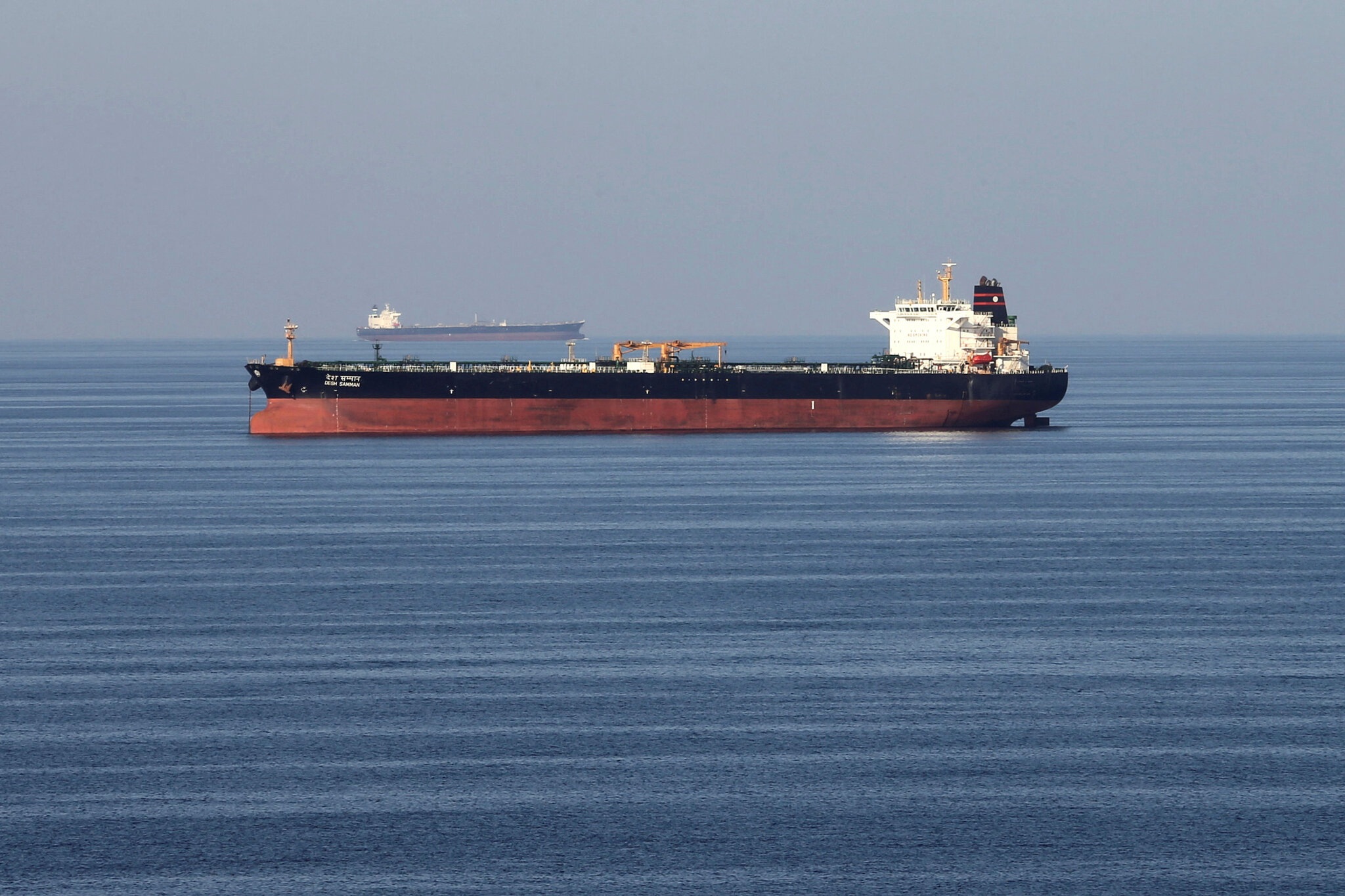
The surge in prices follows military strikes by the United States and Israel on Iranian targets and subsequent retaliatory measures by Tehran, including disruptions to shipping through the strategic Strait of Hormuz.

The narrow waterway between Iran and Oman is one of the world’s most critical energy chokepoints, carrying roughly 20% of global oil and liquefied natural gas shipments. Any sustained disruption there threatens to tighten global supply and amplify inflationary pressures.

The spike in oil prices has therefore become a double-edged sword for equity markets. While energy companies benefit from stronger crude prices, sectors sensitive to fuel costs—such as airlines, transport, and manufacturing—face higher operating expenses.

Reflecting that dynamic, autos, utilities, and travel stocks led the declines in European trading.

One of the few bright spots in the market was the German banking sector. Shares in Commerzbank jumped 3.9% after UniCredit launched an offer to increase its stake in the German lender to above 30%, a threshold that triggers important regulatory considerations and could pave the way for a potential full takeover bid.

The Italian banking group’s proposal is reportedly priced at about a 4% premium to Commerzbank’s share price, highlighting UniCredit’s ambition to deepen its presence in Germany’s banking market.

Despite the development, UniCredit’s own shares slipped 1.9%, suggesting investors remain cautious about the costs and regulatory complexities associated with cross-border banking consolidation in Europe.

Geopolitics Dominate Market Outlook

For global markets, the conflict involving Iran remains the overriding concern. Energy prices spiked again after reports that the White House was weighing potential military strikes on Iranian oil export facilities on Kharg Island, a key terminal that handles a significant portion of the country’s crude exports.

Meanwhile, Donald Trump said in an interview with the Financial Times that his planned visit to China later this month could be delayed as Washington presses Beijing to help reopen shipping through the Strait of Hormuz. The remarks underscore how the conflict is quickly evolving into a broader geopolitical and economic challenge, drawing in major global powers whose economies rely heavily on energy supplies passing through the Gulf.

Adding to the market uncertainty, several of the world’s most influential central banks are scheduled to hold policy meetings this week. The Federal Reserve, European Central Bank, and Bank of England are all set to announce interest-rate decisions in the coming days.

Before the escalation in the Middle East, investors had been anticipating signals about potential interest-rate cuts as inflation cooled in many economies. However, the sharp surge in oil prices now threatens to reignite inflation pressures, complicating the outlook for policymakers.

As a result, expectations for imminent policy easing have cooled, with analysts suggesting central banks may adopt a wait-and-see stance until the economic fallout from the conflict becomes clearer.

Global Markets Brace For Spillover Effects

The geopolitical uncertainty has already rippled across other regions. Markets in the Asia-Pacific region fell overnight as investors reacted to the spike in oil prices and the intensifying conflict, while U.S. stock futures edged slightly higher as traders attempted to stabilize Wall Street after another losing week.

With no major earnings announcements or economic data releases scheduled in Europe on Monday, market sentiment is likely to remain closely tied to geopolitical developments.

The immediate concern for investors is that if the unrest in the Middle East continues and oil prices remain elevated, the consequences could extend far beyond energy markets—raising inflation, slowing economic growth, and testing the resilience of global financial markets.

Aave Releases Post-Mortem on Major Swap Incident of User Losing $50M to Swap

0

Aave has released an official post-mortem on a major swap incident from March 12, 2026, where a user lost approximately $50 million specifically around $50.4 million while attempting to swap aEthUSDT (wrapped USDT) for aEthAAVE via the CoW Swap router integrated into the Aave interface (aave.com).

What Happened

The user tried to exchange roughly $50.43 million worth of aEthUSDT for AAVE tokens. Due to extremely low liquidity in the relevant markets and routing issues, the trade executed with a massive ~99.9% price impact. The user ended up receiving only about 324–327 aEthAAVE tokens, valued at roughly $36,000–$36,500 at the time—a near-total loss of over $50 million.

This wasn’t a hack or exploit of the Aave core lending protocol which remained unaffected. Instead, it stemmed from: Executing a very large order in an illiquid market/pool. Routing through CoW Swap (a third-party aggregator), which provided a poor quote under the circumstances.

A sandwich attack by an MEV bot that captured around $10 million in profit from the trade. The user explicitly confirming multiple high-risk warnings in the interface including a checkbox acknowledging potential extreme slippage or total loss. Aave emphasized that the interface displayed strong warnings, and the trade required user confirmation.

CoW Swap published its own separate post-mortem, highlighting infrastructure and auction failures that compounded the poor execution. Aave plans to contact the affected user and refund approximately $110,000–$600,000 in fees collected from the transaction via the 0.25% swap fee on the interface, pending verification.

In direct response, Aave is deploying a new protective feature called Aave Shield. This will: Automatically block any token swaps on the Aave interface (aave.com) that would result in a price impact greater than 25%. Act as a default high-friction guardrail to prevent similar catastrophic executions in low-liquidity scenarios.

Allow advanced users to disable it manually in settings if they accept the higher risk. The goal is to enhance user protections without altering the underlying permissionless nature of DeFi, while reducing the chance of users accidentally or carelessly approving ruinous trades. This incident has sparked broader discussions on DeFi UX, liquidity fragmentation, MEV risks, and the need for better frontend safeguards—especially for large trades.

Interestingly, despite the negative event, AAVE token price has seen some upward movement in reports, possibly tied to perceived proactive response or broader market factors.

MEV sandwich attacks are one of the most common and notorious forms of Maximal Extractable Value (MEV) exploitation in DeFi, particularly on automated market makers (AMMs) like Uniswap, or when trades route through aggregators.

MEV refers to the additional profit that block producers (miners in pre-merge Ethereum, validators post-merge), searchers, or bots can extract by reordering, including, including, or censoring transactions within a block they control or influence. A sandwich attack specifically targets a user’s large swap (often on a DEX) by “sandwiching” their transaction between two of the attacker’s own transactions.

This manipulates the price in the liquidity pool to the attacker’s advantage, forcing the victim to get a worse execution price while the attacker pockets the difference. A user broadcasts a transaction to swap a significant amount of Token A for Token B; swapping millions in USDT for another token on a low-liquidity pool.

This pending tx sits in the public mempool visible to everyone, including MEV bots. Attacker detects the opportunity. Sophisticated bots constantly scan the mempool for large trades that will cause meaningful price impact / slippage due to the AMM’s constant product formula (x * y = k).

The attacker submits their own buy transaction just before the victim’s tx. If the victim is buying Token B, the attacker buys Token B first ? this pushes the price of Token B up in the pool. The victim’s swap now executes against a worse price for Token B, receiving fewer tokens than expected.

The user’s trade goes through at the now-inflated price ? they suffer extra slippage and get rekt (worse rate). Immediately after the victim’s tx, the attacker submits a sell transaction. They sell the Token B they just bought back into the pool at the now-higher price created by the victim’s large buy.

This captures the profit from the temporary price spike. The three transactions end up in the same block in this order: The attacker risks almost no capital often using flash loans for zero-risk execution and extracts profit purely from the victim’s slippage. Imagine a low-liquidity Uniswap pool with USDC-TOKEN: Without attack: Your $1M USDC buy might get you 10,000 TOKEN at an average ~$100 each.

In extreme cases like very illiquid pairs or huge orders, victims can lose massive portions of value — as seen in incidents where users lost tens of millions due to near-total slippage amplified by sandwiches. Transactions in the mempool are public ? bots see them instantly.

Validators / builders can reorder txs within a block post-Merge via PBS — proposer-builder separation — this has evolved but sandwiches persist. AMMs are deterministic and permissionless ? predictable price impact from order size. Trade via CoW Swap or other intent-based / batch-auction protocols.

Set tight slippage tolerance. Avoid huge trades in low-liquidity pools. Newer frontend features like the Aave Shield’s 25% price impact block add guardrails. Some chains or encrypted mempools reduce visibility. Sandwich attacks remain one of the biggest “taxes” on regular DeFi users — generating millions in weekly profits for searchers — but awareness, better routing, and protocol-level fixes continue to chip away at their dominance.

IDBI Bank Shares Plunge As India Shelves Privatization Bids Over Valuation Concerns

0

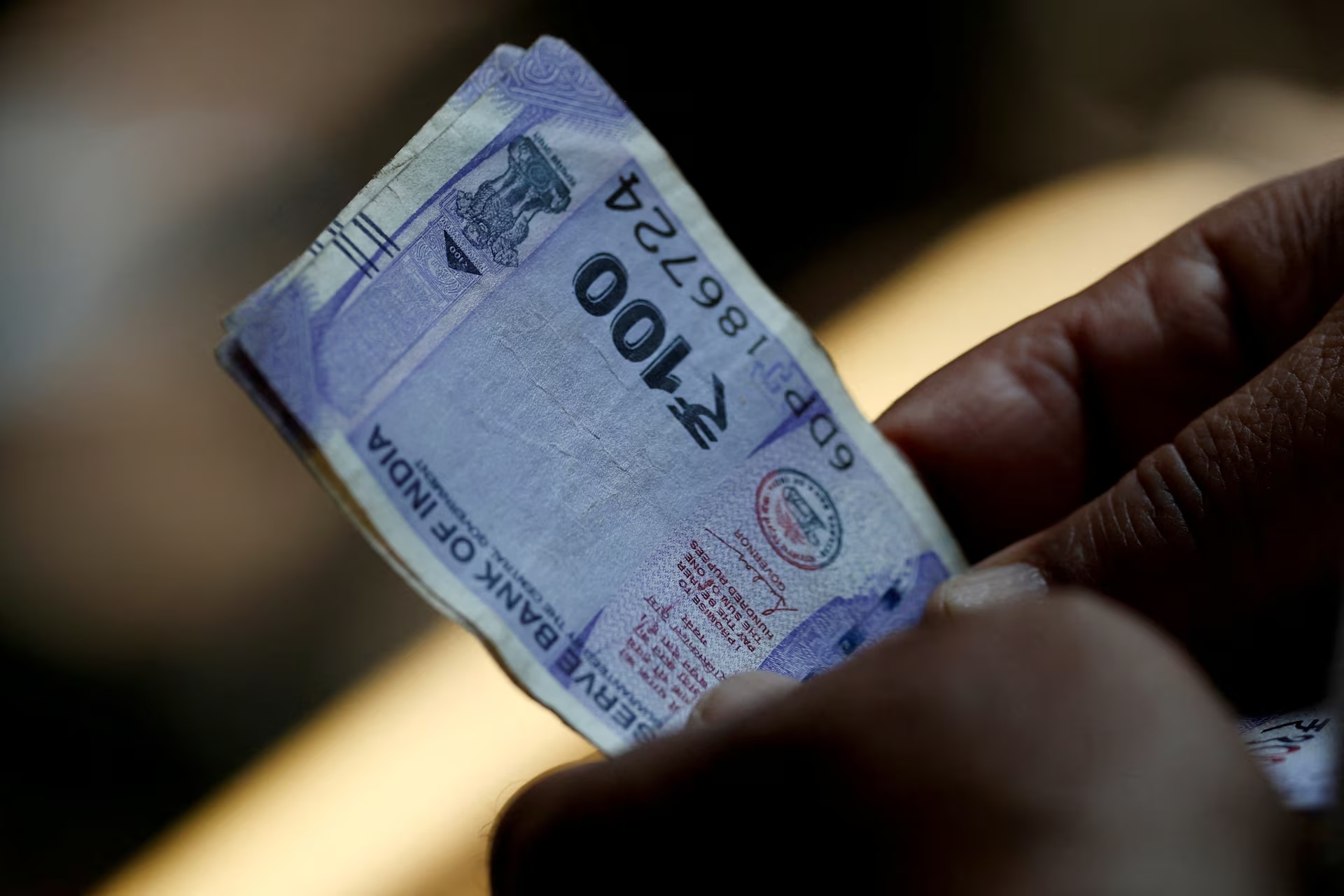
Shares of IDBI Bank tumbled sharply on Monday after reports indicated that the Government of India may shelve the long-running attempt to privatize the lender, following bids that reportedly fell short of the authorities’ minimum price expectations.

The stock dropped as much as 16.5% during trading, before recovering slightly to trade 15.2% lower at 78.20 rupees by 12:57 a.m. IST, putting it on course for its steepest single-day fall since June 2024. The decline marked a swift reversal of gains that investors had priced into the shares, based on expectations that the sale would conclude this month.

New Delhi has been working to offload its stake in IDBI Bank for nearly four years as part of a broader strategy to reduce state ownership in commercial enterprises and raise funds through privatization. The proposed transaction involves selling a 30.48% government stake alongside a 30.24% holding owned by Life Insurance Corporation of India, which stepped in to rescue the bank in 2018 when a surge in bad loans threatened its stability.

Combined, the two stakes would transfer more than 60% ownership and management control, making the deal one of the most significant privatization attempts in India’s banking sector in recent years.

Despite the scale of the opportunity, the bids received reportedly did not meet the government’s valuation expectations. Officials had aimed to conclude the transaction before the end of the month, but the lack of acceptable offers has raised the possibility that the current round of bidding could be abandoned.

IDBI Bank said in a regulatory filing that it had not received any official communication regarding the status of the disinvestment process, emphasizing that the sale is being handled by the Department of Investment and Public Asset Management and does not involve the bank directly in negotiations.

The apparent cooling of investor appetite for IDBI contrasts sharply with the broader surge in foreign interest in India’s banking sector, which has been buoyed by strong economic growth, rising credit demand, and improving asset quality among lenders.

Recent transactions underscore that enthusiasm. Dubai-based Emirates NBD agreed to acquire a 60% stake in RBL Bank for about $3 billion, while Japan’s Sumitomo Mitsui Banking Corporation purchased a 24% stake in Yes Bank, signaling international confidence in India’s financial sector.

The IDBI sale had previously drawn interest from several investors, including Canada’s Fairfax Financial and Emirates NBD, according to earlier reports. However, analysts say potential buyers may have approached the deal cautiously because of lingering structural challenges tied to IDBI’s past.

The lender was once among India’s most troubled banks after years of aggressive lending left it burdened with bad loans during the country’s banking crisis in the late 2010s. The intervention by Life Insurance Corporation and a subsequent restructuring helped stabilise the bank, but the episode left a legacy that investors continue to weigh when assessing long-term valuation.

Market reaction on Monday suggests investors were largely trading the stock based on expectations of a takeover premium. The collapse of that narrative triggered rapid selling.

“The run-up in IDBI’s stock ahead of the expected deal has now reversed since the transaction has fallen through,” said Vinit Bolinjkar, head of research at Ventura Securities.

He added that he does not see major concerns regarding the bank’s operational fundamentals.

Indeed, the rally leading up to the anticipated sale had been dramatic. IDBI Bank’s shares had climbed about 116% since October 2022, when the privatization process was formally announced.

The broader sector has also enjoyed a strong run. The NIFTY PSU Bank Index has surged roughly 182% over the same period, reflecting improved investor confidence in India’s state-owned lenders after years of balance-sheet clean-ups and regulatory reforms.

Yet the difficulty in completing the IDBI sale highlights the continuing complexity of privatizing large public sector banks in India. Investors must weigh not only financial performance but also regulatory oversight, political sensitivities, and potential labor issues tied to government-owned institutions.

Sources familiar with the matter told Reuters that the government could restart the sale process at a later date once market conditions and investor sentiment improve.

Such a move would allow officials to reassess valuation expectations and potentially restructure the transaction to attract a broader pool of bidders.

For policymakers, the setback carries wider implications. The IDBI transaction has been viewed as a test case for India’s broader privatization drive, which aims to reduce the government’s direct role in commercial banking while encouraging greater private investment in the financial sector.

The sudden slide in the bank’s share price now underscores how closely markets had tied the lender’s near-term valuation to the fate of the deal—and how quickly sentiment can shift when expectations around major privatization efforts begin to unravel.

Russia Calls for Accountability Regarding a Deadly U.S Missile Strike on Iranian Girls Elementary School 

0

Russia has publicly called for accountability regarding a deadly U.S. missile strike on an Iranian girls’ elementary school in late February 2026, which killed approximately 170 people, mostly young schoolgirls.

The incident occurred on February 28, 2026, during the opening phase of U.S. and Israeli military operations against Ira. The strike hit the Shajarah Tayyebeh elementary school in Minab, southern Iran (Hormozgan province). Iranian authorities and state media reported the death toll as between 165 and 180, primarily girls aged 7–12, with additional injuries.

Preliminary findings from a U.S. military investigation indicate that the strike was likely carried out by the United States using a Tomahawk cruise missile. The error stemmed from outdated targeting intelligence and data from the Defense Intelligence Agency, which misidentified the school building possibly due to its former or adjacent association with an Iranian military/naval facility.

The U.S. administration under President Trump has acknowledged an investigation but has not fully accepted responsibility; Defense Secretary Pete Hegseth has emphasized a thorough probe, while initial denials or deflections including suggestions of Iranian involvement have been reported.

Some U.S. lawmakers, including Democrats in Congress, have demanded swift transparency, public release of findings, and measures to prevent civilian harm.Russia’s response — Recent reports and social media posts state that Russia is demanding accountability for the strike. This aligns with Russia’s broader criticism of U.S. actions in the conflict, including statements from officials like Foreign Minister Sergei Lavrov highlighting the lack of condemnation from certain parties.

Russian Foreign Ministry spokesperson Maria Zakharova has previously condemned the incident and the absence of Western sympathy for the victims. These calls appear part of Russia’s diplomatic positioning amid the escalating U.S.-Iran war.Iran has labeled the strike an “unforgivable war crime” and a deliberate attack, demanding punishment for those responsible.

International bodies like the UN Human Rights Office and UNESCO have condemned the strike, called for independent investigations, and urged accountability and redress for victims. The event has drawn widespread outrage, with comparisons to major civilian casualty incidents and criticism of U.S. targeting processes.

Russia and Iran’s alliance, formalized as a Comprehensive Strategic Partnership Treaty signed in January 2025 by Presidents Vladimir Putin and Masoud Pezeshkian, represents a deepening but transactional relationship rooted in shared opposition to Western particularly U.S. influence, mutual sanctions evasion, and military-technical cooperation.

The treaty elevates bilateral ties to a long-term strategic level, covering political coordination, economic integration like trade, energy, and investments—Russia has been Iran’s largest foreign investor since 2022, and security collaboration. It lacks a mutual defense clause, unlike Russia’s pacts with Belarus or North Korea, meaning no automatic obligation for direct military intervention.

Ties strengthened significantly after Russia’s 2022 invasion of Ukraine, when Iran supplied Shahed drones and short-range ballistic missiles to Russia helping Moscow bypass Western sanctions and sustain its war effort.
In return, Russia has assisted Iran’s missile and nuclear programs, provided weapons, and helped evade sanctions.

Both nations view themselves as counterweights to U.S.-led global order, with coordination in forums like BRICS and on issues like Syria where they backed Assad until his fall. The ongoing conflict—sparked by U.S. and Israeli strikes starting February 28, 2026—has tested the partnership’s limits.

Moscow has condemned U.S./Israeli actions including the Minab school strike, diplomatically, called for accountability, and positioned itself as a mediator. Putin praised the late Ayatollah Khamenei for advancing “strategic cooperation.” However, Russia has not intervened militarily—no troops, no direct arms deliveries reported in combat.

Kremlin statements emphasize no Iranian request for military aid was received. U.S. intelligence reports indicate Russia is sharing targeting data; satellite imagery on U.S. warships, aircraft, and positions in the Middle East, aiding Iranian strikes on American forces. Ukrainian President Zelenskyy claimed Russia supplied Shahed drones to Iran for use against U.S./Israeli targets reversing prior flows.

Iranian officials confirm ongoing military cooperation with Russia and China describing it as part of a long-standing partnership. Analysts describe the relationship as transactional rather than a full alliance driven by self-interest, with historical distrust. Russia’s commitments are constrained by its Ukraine war, avoiding escalation with the U.S.

No evidence of direct Russian combat involvement or regime-saving aid has emerged. Some sources note Russia benefits from prolonged conflict diverting U.S. attention but fears Iranian regime collapse or Western reorientation.

In the context of Russia’s recent demands for accountability over the U.S. school strike aligning with its anti-Western stance, the partnership serves diplomatic leverage more than kinetic support. Tehran publicly affirms the ties will endure, but the war exposes boundaries.

Russia aids backstage (intelligence, tech sharing) without frontline commitment.This dynamic reflects broader multipolar shifts—Russia and Iran as “rogue” partners fracturing U.S. dominance—but remains pragmatic, not ideological ironclad. No final official U.S. conclusion has been released as of mid-March 2026, and the broader conflict continues with significant civilian impacts reported.