DD
MM
YYYY

PAGES

DD
MM
YYYY

spot_img

PAGES

Home Blog Page 3575

Telegram Reaches Milestone of 900 Million Users, Founder Weighs The Possibility of an IPO Listing

0

Cloud-based instant messaging platform Telegram has hit a milestone after it crossed 900 million users and is nearing profitability.

According to the founder Pavel Durov, he stated that the company has experienced substantial growth, generating hundreds of millions of dollars, as he is considering an IPO listing.

Durov expressed optimism about Telegram’s financial future, stating that he hopes the company would be profitable next, if not this year.

Ever since the introduction of advertising and premium subscription services on the platform two years ago, it has so far generated hundreds of millions of dollars. Also, the platform’s monthly active users have surged from 500 million at the start of 2021 to 900 million currently, highlighting its immense global popularity.

Telegram’s yearly expenses stood at less than 70 cents for each monthly user. As part of its effort to generate revenue, the platform has been testing advertising in certain regions, mandating a minimum spend of between EUR1 million and EUR10 million per marketer or agency. This year, it plans to expand the offering globally and to smaller advertisers using automated systems.

This month, Telegram announced plans to introduce revenue sharing with the creators that run its channels, promising them a 50% cut of marketing dollars. In addition, it is also rolling out business accounts and a social discovery feature which will help users to meet or date people near them.

According to Telegram founder Durov, he disclosed that the company has been offered $30 billion-plus valuations from potential investors including global late-stage tech funds, but has ruled out selling the platform while it explores a future initial public offering.

He said,

The main reason why we started to monetize is because we wanted to remain independent. Generally speaking, we see value in an IPO, as a means to democratize access to Telegram’s value”.

In the event of an IPO, Durov said Telegram would consider selling an allocation of stock to loyal users, following Reddit which recently announced that it would allocate a portion of its shares to retail investors ahead of a New York listing as early as March.

There are speculations that once Telegram has reached profitability and market conditions are profitable, it would likely aim for a US listing.

Notably, in an effort to diversify revenue streams, Telegram plans to introduce advertising globally and revenue sharing with channel creators. New features such as business accounts and a social discovery feature aim to enhance user engagement and monetization opportunities.

With Meta-owned messaging platform WhatsApp, having 1.8 billion monthly active users, and encrypted app Signal reaching 30 million users, Telegram persists in establishing its presence in the fiercely competitive messaging arena as it continues to roll out new features.

It is interesting to note that since its inception in 2013, Telegram’s user base has grown at a pace of more than 40% every year. The platform added over 300 million users in the past two and a half years and continues to get 2.5 million new signups every day. At this rate, Telegram is expected to reach a user count of 1 billion in 2024.
N3tn budget discrepancy insensitive to the plight of the Nigerian people – Peter Obi

0

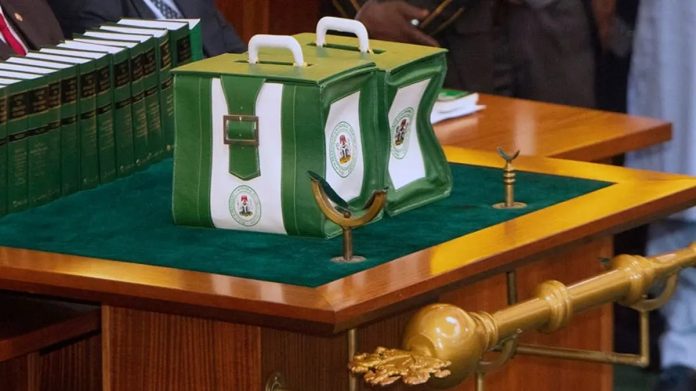
The presidential candidate of the Labour Party in Nigeria’s last general elections has condemned the alleged report that the national budget was padded by N3 trillion.

The allegation, which stirred uproar across Nigeria last week, was made by the Senator representing Bauchi Central Senatorial district, Abdul Ningi. He told the BBC that there was another budget different from what was passed on the floor of the National Assembly.

The senator said, “For example, it was said that there was a budget of N28 trillion but what was passed was N25 trillion. So there is N3 trillion on top,” he said.

Responding to this controversy, Obi said he finds it deeply disconcerting and a matter of grave concern and even shameful to read about the alleged N3 trillion discrepancy between the budget approved by the Nigerian Senate and the one being implemented by the presidency.

Ningi revealed that a team of experts has been scrutinizing the budget over the past three months, aiming to highlight discrepancies and undisclosed allocations, and the findings will be presented to President Bola Tinubu for clarification on whether he was aware of these hidden budget items.

He emphasized the need to address unacceptable expenditures and undisclosed allocations, expressing concern over the lack of transparency in the budgetary process.

He said, “This is true (about the review of the government) for the past three months, we have engaged consultants to review the budget for us.

“We have some experts that are working on it line by line. We have seen the huge damage that was done not only to the north but the entire country in that budget. We are supposed to sit with the Senate President to inform him about what we have observed.

“We want to show him what we have seen in the budget that is not acceptable, we will not accept them and we don’t want the country to continue spending money on those things. Apart from what the National Assembly did on the floor, there was another budget that was done underground which we didn’t know.

“The new things we have discovered in the budget were not known to us. We haven’t seen them in the budget that was debated and considered on the floor of the National Assembly.”

“Where are they, where is it going? So, we need to know this. There are a lot of things. We are coming up with a report and we will show the president himself and ask him if he is aware or not.”

The latest scandal is coming at a time when Nigeria is grappling with rocketing inflation among other economic headwinds that have spiked hardship across the country, making the cost of living unaffordable for the majority of the populace.

Against this backdrop, Obi said the alleged discrepancy is “worrying”, noting that it represents “over 10% of our national budget” (estimated at N29 trillion) and is more than “the combined education (N1.54 trillion) and health (N1.38 trillion) official budgets.”

“This lack of transparency in managing public funds is a breach of trust between the Nigerian people and their elected leaders,” he said.

The former Anambra State governor said the situation is insensitive to the plight of the Nigerian people currently grappling with insecurity, hunger, poverty, inflation, and unemployment plaguing the nation. He added that the general public deserves accountability “for all our scarce resources placed in public trust.”

He said: “I find it deeply disconcerting and a matter of grave concern and even shameful to read about the alleged N3 trillion discrepancy between the budget approved by the Nigerian Senate and the one being implemented by the presidency.

“One Senator claims there is a separate budget, allegedly containing the N3 trillion, that differs from what was passed by the National Assembly. This alleged discrepancy is especially worrying because it represents over 10% of our national budget (estimated at N29 trillion) and is more than the combined education (N1.54 trillion) and health (N1.38 trillion) official budgets. This lack of transparency in managing public funds is a breach of trust between the Nigerian people and their elected leaders.

“With insecurity, hunger, poverty, inflation, and unemployment plaguing the nation, these actions are insensitive to the people’s plight. Every naira of our budget, especially in these challenging times, should be judiciously used to build a better Nigeria.

“We also deserve full accountability of all our scarce resources placed in public trust. Therefore, we, the Nigerian people, demand a public explanation from both the National Assembly and the Presidency regarding the purpose and process of adding this alleged N3 trillion allocation to the officially approved national budget for 2024. Transparency and accountability remain the cornerstones of good democratic governance at all levels. This is our unwavering commitment to building a New Nigeria which we insist remains POssible.”

Bandits demand N40tn, 11 Hilux vans, 150 motorcycles for the release of 16 abducted Kaduna residents

0

Bandits have demanded an exorbitant ransom of N40 trillion, along with vehicles and motorcycles, for the release of the abducted 16 residents of the Gonin Gora area of the Kaduna metropolis.

The situation, which has once again highlighted the pervasive insecurity plaguing Nigeria, has stirred outcry across the country.

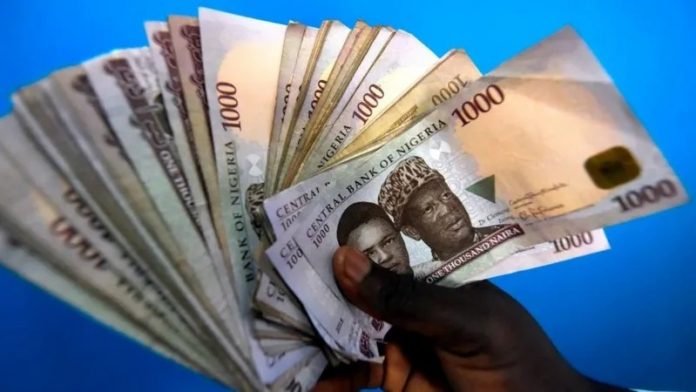
According to John Yusuf, a community leader in Gonin Gora, the bandits have demanded an unprecedented ransom of N40 trillion, along with 11 Hilux vans and 150 motorcycles, for the release of the 16 abducted individuals.

The community has expressed profound shock and helplessness in the face of such astronomical demands, highlighting the impossibility of meeting them.

Yusuf further lamented that the bandits have targeted the community twice within a week, underscoring the vulnerability of the area to criminal incursions. He called for urgent government intervention, including the establishment of a military base to curb the activities of the criminals.

He said: “The bandits have contacted us. They are demanding N40 trillion, 11 Hilux vans, and 150 motorcycles for the release of 16 people they are holding captive.

“Where are we going to get this kind of money! Even if we sell the entire community, we cannot raise N40 trillion. Even Nigeria as a country has never made a budget of N40 trillion.”

He expressed dismay over the expansive bushes surrounding the community and Birnin Gwari Local Government Area of the state, urging the establishment of a military base to curb the activities of criminals.

“We are pleading with the government to come to our aid by establishing a military base behind our community where the bandits take advantage of the bushes to invade our community,” he said.

“We are pleading with the government to come to our aid by establishing a military base behind our community where the bandits take advantage of the bushes to invade our community.

“From our community down to Birnin Gwari which is over 150 kilometres is a stretch of bush.

“We also have another stretch of bushes from Gonin Gora down to Niger state.

“So when the criminals have free access through the bushes to our community. We are pleading with the government to help us” the community leaders pleaded.”

Nigerians call out the government

In response to the escalating insecurity, concerned Nigerians have raised pertinent questions and called for decisive action.

The magnitude of the ransom demand, amounting to N40 trillion, is said to underscore the audacity and brazenness of criminal elements operating within Nigeria. Frank Nweke Jr, a former Minister of Information, aptly describes the emergence of the kidnap sector as a thriving enterprise, indicative of the deep-rooted insecurity gripping the nation.

“The kidnap sector has emerged as the fastest-growing and most lucrative sector of our national economy. Like the Nigeria stock exchange, a kidnap exchange may shortly emerge,” he said.

Nweke’s analysis of the ransom demand in relation to Nigeria’s economic and national budget paints a stark picture of the enormity of the challenge. He noted that the demand represents a significant portion of Nigeria’s external reserves and exceeds the entire budget allocated to security services for the year 2024.

He said: “4O trillion Naira @1555/$1 is the equivalent of $24.6 billion and represents 3/4 of Nigeria’s current external reserves. It is 1.5 times Nigeria’s 2024 budget of 28.7 trillion naira, equivalent to $ 17.6 billion. It is 2105% of the entire budget of 1.9 trillion Naira for Nigeria’s security services for 2024.

“By the time the Borno and Sokoto thieves send in their demands, Nigeria’s residual value may be insufficient to buy Nigeria’s stolen citizens back.”

The former minister added that nothing else questions the legitimacy of government more strongly than these kinds of demands, calling on the government to take a resolute stance against insecurity to remain relevant.

Dr. Ogho Okiti highlights the complexity of the security situation and emphasizes the need for deeper scrutiny of the operations of security forces and their efforts to combat criminal groups.

“It is, no doubt, a complex problem. To peel the “onions,” we must ask some questions: So far, it appears the security forces don’t know many of these groups,” he asked. “Why? What’s happened to those who have been caught in the past? What’s the extent of collusion in these matters?”

Another Nigerian, Idoko Mole criticizes the government’s handling of security issues, noting the existence of “ungoverned spaces” and calling for accountability and improved governance.

“Those who are in charge of governance (securing lives & properties) have coined the word “ungoverned spaces” & by implications “ungoverned people”.
We can do better if we don’t have this set of “ungoverned govt”, The Govt is responsible for insecurity,” he said.

Another concerned citizen, Alex, expresses frustration at the lack of accountability and preventive measures following previous abductions, such as the Chibok schoolgirls kidnapping.

“It’s very unfortunate that when we didn’t learn any lesson since the #ChibokSchoolGirls abduction and no measures were put in place to forestall future occurance. The painful thing is that nobody has ever seen punish/sacked for any of these abductions,” another Nigerian named Alex noted.

Implications of Tesla Reopening its facility in Germany

0

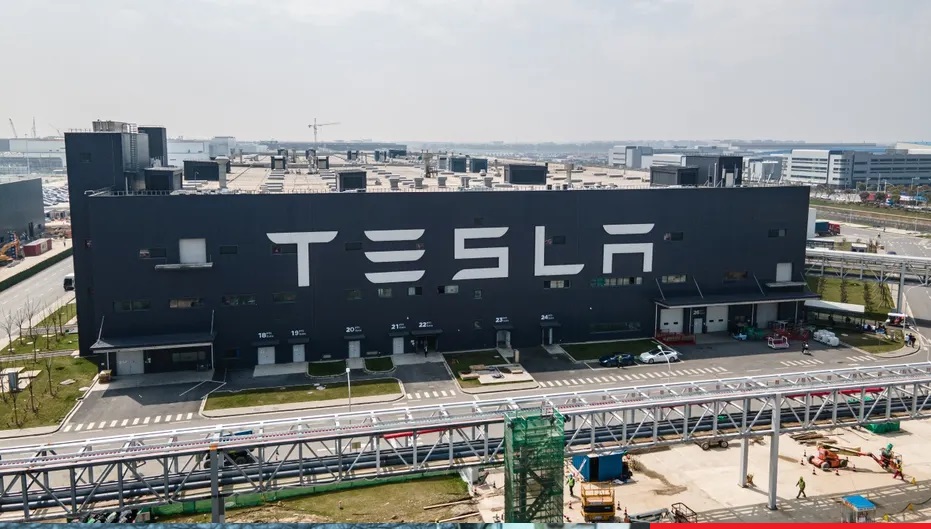
Tesla’s German facility, which was temporarily shut down due to environmental concerns, is expected to resume operations next week. This was announced by the company’s CEO Elon Musk on X, who also thanked the local authorities and the public for their support.

The facility, located in Grünheide near Berlin, is Tesla’s first European Gigafactory and aims to produce 500,000 electric vehicles per year. However, the construction of the plant faced several challenges, including legal disputes, protests from environmental activists, and delays in obtaining permits.

In February, a court ordered Tesla to stop clearing trees on the site after a complaint from a local environmental group. The group argued that the deforestation would endanger the habitats of several protected species, such as bats and sand lizards. Tesla appealed the decision and was granted permission to resume the work but had to comply with certain conditions and pay a security deposit.

Musk said that the company is committed to preserving the natural environment and biodiversity of the area. He also said that Tesla will plant three times as many trees as it cuts down and will create a nature reserve on part of the land. He added that the facility will use renewable energy sources and will have minimal water consumption.

The reopening of Tesla’s facility in Germany marks a significant milestone for the electric vehicle (EV) industry, as well as for the economy and employment landscape of the region. This move demonstrates Tesla’s commitment to its European market and its confidence in Germany’s manufacturing capabilities.

From an economic perspective, Tesla’s presence in Germany is poised to create numerous job opportunities, ranging from factory line workers to engineering and management positions. This influx of jobs is expected to stimulate local economies and potentially attract more businesses to the area.

Environmentally, Tesla’s expansion aligns with Germany’s progressive stance on reducing carbon emissions and promoting sustainable practices. The production of EVs in Germany will contribute to the country’s goals of lowering its carbon footprint and transitioning away from fossil fuels.

However, there are also challenges associated with this development. The implications for local automotive manufacturers could be significant, as they may face increased competition from Tesla. Additionally, there are concerns about the environmental impact of constructing and operating a large manufacturing facility, including resource consumption and waste management.

Tesla’s decision to reopen its facility in Germany carries a mix of opportunities and challenges. It will be crucial for Tesla, policymakers, and the community to navigate these dynamics carefully to ensure that the benefits are maximized while mitigating any potential drawbacks.

The reopening of the facility is good news for Tesla, which hopes to start production by the end of this year. The company faces increasing competition from other automakers in Europe, which is one of the largest markets for electric vehicles. Tesla also plans to build a battery factory and a research and development center on the site, creating thousands of jobs and boosting the local economy.

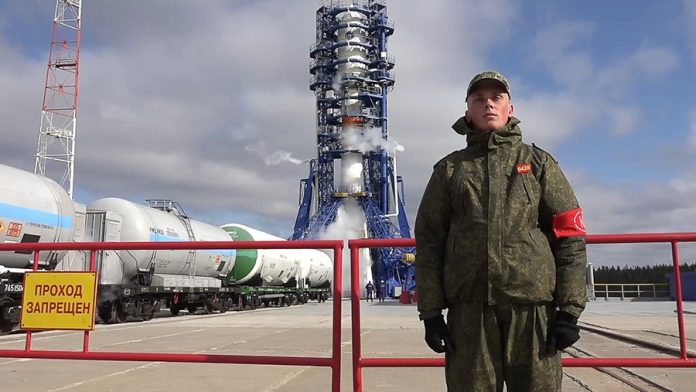
Russia’s Economy is demonstrating remarkable resilience defying doom predictions

0

Despite widespread predictions of decline, Russia’s economy is demonstrating remarkable resilience. In the face of international sanctions, fluctuating oil prices, and global economic uncertainty, the Russian economy has shown a surprising capacity to adapt and maintain stability.

Economists attribute this resilience to a variety of factors. The government’s fiscal policies, including prudent budgeting and the building of substantial foreign exchange reserves, have provided a cushion against external shocks. Additionally, the central bank’s monetary policies have helped stabilize the currency and control inflation.

Why is Russia’s Economy Demonstrating Remarkable Resilience?

Firstly, Russia’s vast natural resources, particularly in oil and gas, have played a significant role. The country’s ability to leverage these resources effectively has ensured a steady inflow of foreign currency, which has bolstered the economy.

Additionally, Russia has been working towards diversifying its economy, reducing its reliance on oil and gas exports, and investing in other sectors such as agriculture and technology.

Secondly, the government’s fiscal policies have been prudent. Russia has been cautious with its expenditures and has focused on building up its foreign exchange reserves. These reserves have provided a cushion against economic shocks and have helped maintain financial stability.

Thirdly, Russia’s central bank has implemented effective monetary policies. By carefully managing inflation and interest rates, the central bank has preserved the value of the Russian ruble and maintained public confidence in the country’s financial system.

Moreover, Russia has been developing stronger trade ties with non-Western countries, which has opened up new markets for its products and services. This shift in trade partnerships has reduced the impact of sanctions imposed by Western countries.

Lastly, there is a strong sense of economic nationalism and self-reliance within Russia. The population’s support for ‘made in Russia’ products and the government’s encouragement of domestic production have foster development.

Moreover, Russia’s pivot towards domestic production and reduced reliance on imports has fostered a degree of self-sufficiency. The development of local industries has been encouraged, leading to growth in sectors such as agriculture and technology.

Despite these positive indicators, challenges remain. Economic growth is still below potential, and reliance on oil and gas exports makes the economy vulnerable to market volatility. Furthermore, long-term sustainable growth will require structural reforms to improve the business environment and attract foreign investment.

While Russia’s economy faces significant headwinds, its current resilience is noteworthy. With careful policy management and strategic economic planning, it may continue to defy expectations and navigate through turbulent times.

Despite widespread predictions of decline, Russia’s economy is demonstrating remarkable resilience. Analysts had anticipated that sanctions and geopolitical tensions would severely impact the nation’s financial stability.

However, recent data indicates that the economy is not only surviving but also showing signs of growth in certain sectors. This unexpected turn of events has led to a reevaluation of economic forecasts for the country.