DD
MM
YYYY

PAGES

DD
MM
YYYY

spot_img

PAGES

Home Blog Page 3640

Alienation Of Customary Rights To Land, Sub-Underleases and The Surrender Of Statutory Rights Of Occupancy In Nigeria

0

The subject of alienation of customary rights is an interesting topic that does not seem to have gotten much attention as most learned opinions on the subject matter tend to gloss over it in favour of more  detailed provisions regarding statutory rights of land.

This article will be dealing with the topics of :-

– Circumstances allowing for the prohibition of alienation of customary rights of land.

– Sub-Underleases

– Devolution of occupancy rights upon death

– Effects of deeds or wills where non-customary law applies

– The surrender of statutory rights of occupancy

When is alienation of customary rights of occupancy prohibited under law?

– It shall not be lawful for any customary right of occupancy or any part thereof to be alienated by assignment, mortgage, transfer or possession,or sublease :- 

a). Without the consent of the governor where the property is to be sold by or under the order of any court under the provisions of the applicable Sheriff & Civil Process law or

b). In other cases , without the appropriate local government approval.

What is the provision of the Land Use Act concerning the prohibition of alienation of a customary right occupancy without a governor’s consent?

– A statutory right of occupancy cannot be sold without a governor’s consent provided that:-

a). It shall not be required to the creation of a legal mortgage over a statutory right of occupancy in favour of a person in whose favour an equitable mortgage over the same right of occupancy has already been created with the consent of the governor.

b). It shall not be required for the reconveyance or release by a mortgagee to a holder or occupier of a statutory right of occupancy which that holder or occupier has mortgaged to that mortgagee with the governor’s consent.

c). Regarding the renewal of a sublease presumed by reason only of his having consented to the grant of a sublease containing an option to renew the same .

What does the Land Use Act say about Sub-Underleases?

– A sub-lessee of a statutory right can, with the governor’s consent and approval of the holder of the statutory right, demise by way of a sub-underlease to another person the sub-leased land.

– This will require submitting the deed of sublease for endorsement by the governor.

What is the provision of law regarding the devolution of occupancy rights on the death of the occupier?

– The devolution of the rights of an occupier upon death shall :-

a). In the case of a customary right, unless non-customary law applies, be regulated by the customary law of the locality where the land is situated.

b). In the case of a statutory right (unless any non-customary law or other customary law applies) be regulated by the customary law of the deceased occupier at the time of his death relating to the distribution of property of like nature to a right of occupancy provided that  no customary law prohibiting, restricting or regulating the devolution on death to any particular class of persons or the right to occupy any land shall operate to deprive any person of any beneficial interest in such land other than the right to occupy same. 

– A statutory right of occupancy shall not be divided into 2 or more parts on devolution by the death of the occupier, except with the consent of the governor. 

What is the effect of a deed or will where non-customary law applies?

– In the case of the devolution or transfer of rights to which any non-customary law applies, no deed or will shall operate to create any proprietary rights over land except that of a plain transfer of the whole of the rights of occupation over the whole of the land.

What is the provision of law  regarding the surrender of statutory rights of occupancy?

– The governor may accept on such terms wm conditions as he may think proper the surrender of any statutory right of occupancy granted under the Land Use Act.

Gemini files against Genesis over $1.6 billion in GBTC shares

0
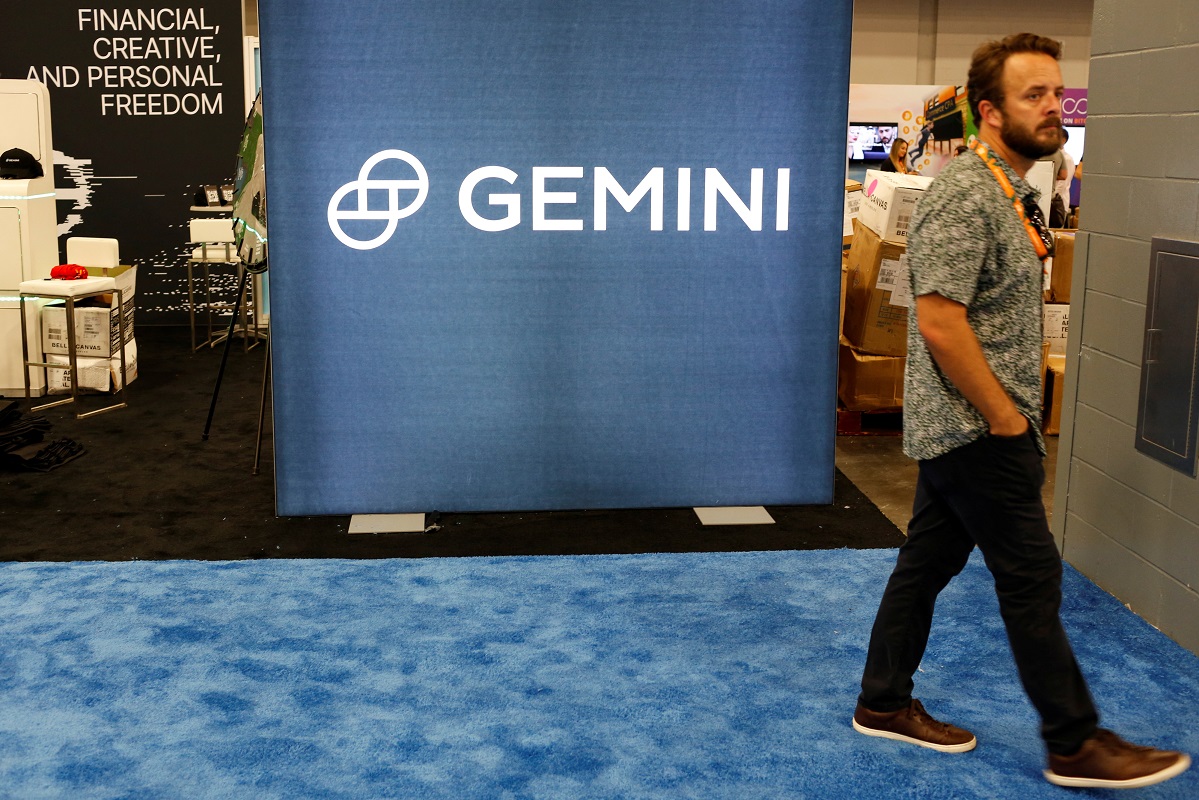
A man walks past the logo of Gemini Trust, a digital currency exchange and custodian, during the Bitcoin Conference 2022 in Miami Beach, Florida, U.S. April 6, 2022. REUTERS/Marco Bello/Files

Gemini, the cryptocurrency exchange founded by the Winklevoss twins, has filed a complaint against Genesis, a digital asset trading and lending platform, over $1.6 billion worth of Grayscale Bitcoin Trust (GBTC) shares. Gemini claims that Genesis breached a contract that gave Gemini the right to buy GBTC shares from Genesis at a discount.

GBTC is a publicly traded trust that holds bitcoin and tracks its price. Investors can buy and sell GBTC shares on the secondary market, but they cannot redeem them for actual bitcoin. GBTC shares often trade at a premium or discount to the underlying bitcoin value, depending on the supply and demand.

According to the complaint, Gemini and Genesis entered into an agreement in February 2020, where Genesis agreed to sell GBTC shares to Gemini at a 2% discount to the net asset value (NAV) of the trust. The agreement also gave Gemini the option to buy additional GBTC shares from Genesis at the same discount until February 2023.

However, Gemini alleges that Genesis stopped honoring the agreement in July 2021, when the GBTC shares started trading at a significant discount to the NAV. Gemini says that it exercised its option to buy more GBTC shares from Genesis, but Genesis refused to sell them. Gemini claims that it lost out on an opportunity to buy GBTC shares at a lower price and sell them at a higher price later.

Gemini is seeking damages for breach of contract, breach of good faith and fair dealing, and unjust enrichment. Gemini also wants the court to order Genesis to sell GBTC shares to Gemini at the agreed-upon discount. Genesis has not yet responded to the complaint, which was filed in the Supreme Court of New York on October 27. Genesis is a subsidiary of Digital Currency Group (DCG), which also owns Grayscale, the sponsor of GBTC. DCG is not named as a defendant in the lawsuit.

Gemini, the cryptocurrency exchange founded by the Winklevoss twins, has filed a complaint against Genesis, a digital asset trading and lending platform, over $1.6 billion worth of Grayscale Bitcoin Trust (GBTC) shares. Gemini claims that Genesis breached a contract that gave Gemini the right to buy GBTC shares from Genesis at a discount.

GBTC is a publicly traded trust that holds bitcoin and tracks its price. Investors can buy and sell GBTC shares on the secondary market, but they cannot redeem them for actual bitcoin. GBTC shares often trade at a premium or discount to the underlying bitcoin value, depending on the supply and demand.

In this article, we will explain what GBTC is, how it works, and why it is relevant to the lawsuit between Gemini and Genesis.

GBTC shares are created through a process called private placement, where accredited investors can buy GBTC shares directly from Grayscale at the NAV of the trust. NAV stands for net asset value, which is the value of the bitcoin held by the trust divided by the number of shares outstanding. Private placement is only available periodically and has a minimum investment amount and a lock-up period.

GBTC shares are also traded on the secondary market, where anyone can buy and sell them through brokers or platforms like OTC Markets. The secondary market price of GBTC shares may differ from the NAV of the trust, depending on the supply and demand of the shares. Sometimes, GBTC shares trade at a premium to the NAV, which means investors are willing to pay more than the value of the bitcoin held by the trust. Other times, GBTC shares trade at a discount to the NAV, which means investors are willing to pay less than the value of the bitcoin held by the trust.

The premium or discount of GBTC shares is influenced by several factors, such as the availability of private placement, the lock-up period of private placement investors, the market sentiment towards bitcoin, the regulatory environment for crypto assets, and the competition from other products that offer exposure to bitcoin.

According to the complaint, Gemini and Genesis entered into an agreement in February 2020, where Genesis agreed to sell GBTC shares to Gemini at a 2% discount to the NAV of the trust. The agreement also gave Gemini the option to buy additional GBTC shares from Genesis at the same discount until February 2023.

However, Gemini alleges that Genesis stopped honoring the agreement in July 2021, when the GBTC shares started trading at a significant discount to the NAV. Gemini says that it exercised its option to buy more GBTC shares from Genesis, but Genesis refused to sell them. Gemini claims that it lost out on an opportunity to buy GBTC shares at a lower price and sell them at a higher price later.

Gemini is seeking damages for breach of contract, breach of good faith and fair dealing, and unjust enrichment. Gemini also wants the court to order Genesis to sell GBTC shares to Gemini at the agreed-upon discount. Genesis has not yet responded to the complaint, which was filed in the Supreme Court of New York on October 27. Genesis is a subsidiary of DCG, which also owns Grayscale, the sponsor of GBTC. DCG is not named as a defendant in the lawsuit.

Binance’s market share continues to decline amid rally

0

Binance, the world’s largest cryptocurrency exchange by trading volume, has been losing ground to its competitors in recent months. According to data from CoinMarketCap, Binance’s market share of the total crypto market capitalization has dropped from 18.3% in January 2021 to 12.7% in October 2021, a decline of 5.6 percentage points.

This trend coincides with a strong rally in the crypto market, which has seen the total market cap surge from $776 billion at the start of the year to $2.6 trillion at the time of writing, an increase of 235%. However, Binance has not been able to capitalize on this growth as much as other platforms, such as Coinbase, FTX, Huobi and Kraken.

There are several possible reasons for Binance’s declining market share, including:

Regulatory challenges: Binance has faced increased scrutiny and pressure from regulators around the world, who have accused the exchange of operating without proper licenses, facilitating money laundering and tax evasion, and offering risky products to retail investors. Binance has been banned or restricted in several jurisdictions, such as the UK, Japan, Germany, Singapore, Canada and the US. These actions have forced Binance to limit some of its services, such as derivatives trading and fiat deposits and withdrawals, and to comply with stricter rules on KYC and AML.

Competition: Binance’s rivals have been expanding their offerings and gaining more users and liquidity. Coinbase, for example, went public in April 2021 and became the first crypto exchange to be listed on a major US stock exchange. FTX, which is backed by prominent investors such as SoftBank and Sequoia Capital, has been acquiring other platforms and businesses, such as Blockfolio, LedgerX and Crypto.Com’s naming rights to the Staples Center in Los Angeles. Huobi and Kraken have also been investing in new products and markets, such as NFTs, DeFi and metaverse.

Innovation: Binance’s innovation strategy has been questioned by some analysts and observers, who argue that the exchange has been relying too much on copying or cloning existing products and protocols, rather than creating original and unique solutions. For instance, Binance Smart Chain (BSC), the exchange’s own blockchain network, has been criticized for being a centralized and insecure version of Ethereum, with many of its popular dApps being forks or replicas of Ethereum-based projects. Binance has also been accused of plagiarizing whitepapers and code from other projects, such as Compound and BitMEX.

One of the main differences between Binance and Coinbase is their regulatory status and approach. Coinbase is based in the US and operates under a strict and transparent regulatory framework. Coinbase is licensed and registered in every state where it offers its services and complies with all the relevant laws and rules on KYC, AML, consumer protection, taxation and reporting. Coinbase also has a robust security system and insurance policy, which protects its users’ funds from hacking or theft.

Binance, on the other hand, is based in the Cayman Islands and has a more ambiguous and flexible regulatory stance. Binance does not have a clear legal domicile or jurisdiction and operates through a network of subsidiaries and affiliates around the world. Binance does not require its users to undergo extensive verification or identification processes and allows them to access a variety of products and features that may be prohibited or restricted in some countries. Binance also has a lower level of security and insurance coverage, which exposes its users to higher risks of losing their funds.

Another difference between Binance and Coinbase is their innovation strategy and competitive edge. Binance is known for being fast and aggressive in launching new products and features, as well as copying or cloning existing ones from other platforms. Binance has a large and diverse portfolio of businesses and initiatives, such as Binance Smart Chain (BSC), Binance Academy, Binance Charity, Binance Labs, Binance NFT and Binance Launchpad. Binance also has a loyal and engaged community of supporters and fans, who appreciate its low fees, high speed and wide range of options.

Coinbase is known for being more cautious and selective in developing and introducing new products and features, as well as creating original and unique solutions. Coinbase has a smaller but more focused portfolio of businesses and initiatives, such as Coinbase Pro, Coinbase Earn, Coinbase Commerce, Coinbase Ventures, Coinbase Wallet and Coinbase Prime. Coinbase also has a strong reputation and brand recognition among institutional investors, regulators, media outlets and mainstream audiences.

Both Binance and Coinbase have their strengths and weaknesses, advantages and disadvantages. They both face challenges and opportunities in the rapidly evolving crypto market. They both have to deal with increasing competition from other platforms, such as FTX, Huobi, Kraken, Gemini and Bitstamp. They both have to adapt to changing customer preferences, demands and expectations. They both have to balance their growth ambitions with their regulatory obligations.

Binance and Coinbase are not enemies or rivals, but rather partners and collaborators in the crypto ecosystem. They both contribute to the development and adoption of cryptocurrencies and blockchain technology. They both serve different segments and niches of the crypto community. They both have a lot to learn from each other.

Binance vs Coinbase: Which one is better? That depends on your personal goals, preferences and needs. There is no definitive answer or objective criteria to compare them. The best way to find out is to try them both yourself.

Binance’s market share decline does not necessarily mean that the exchange is doomed or irrelevant. Binance still remains the dominant player in the crypto space, with over $100 billion in daily trading volume and more than 60 million registered users. Binance also has a diversified portfolio of businesses and initiatives, such as Binance Academy, Binance Charity, Binance Labs, Binance NFT and Binance Launchpad. Moreover, Binance has a loyal and engaged community of supporters and fans, who appreciate its low fees, high speed and wide range of options.

However, Binance cannot afford to be complacent or arrogant in the face of increasing competition and regulation. The exchange needs to address its regulatory issues and improve its compliance standards, as well as its customer service and security. The exchange also needs to innovate more and deliver better value propositions to its users and partners. Binance may have been the king of crypto for a long time, but it is not invincible or immortal.

America Shows The Beauty of Borrowing at Home

0

Only in America can you have this magic: annointed as the richest country, as the wealthiest country, and the most indebted country (by amount), at the same time! Yes, “The US Treasury Department announced on Monday that it expects to borrow $776 billion in the fourth quarter of 2023, a record high for the period and a 35% increase from the same quarter last year.”

The borrowing estimate is $271 billion higher than what the Treasury projected in August, when it expected to borrow $505 billion in the fourth quarter. The Treasury said that the increase is mainly due to higher outlays and lower receipts than anticipated, as well as changes in cash balance assumptions.

The Treasury also said that it expects to end the quarter with a cash balance of $800 billion, which is the level that it considers sufficient to meet its operational needs and potential contingencies. The cash balance at the end of September was $433 billion.

Remember, the World Bank, IMF, etc will preach to Nigeria and most other countries to avoid debts. They are correct because while the US is borrowing at home, Nigeria and most others go offshore.

In an Igbo novel (Uwadiegwu), the man dropped a great hint: when you borrow, go to your kinsman so that if the debt goes bad, he may lock you up but at the same time he would be expected to take care of your family since he is your kinsman! Indeed, debt- pains are lesser when the debt is localized.

America borrows at home and can order more machines to print dollars. But Nigeria has to EARN US dollars by selling something someone else values. Magically, that changes every Nigeria’s policy equation because earning (sales, tax, etc) is the only way to pay the debts!

Friends come and go, but you live with your kinsmen, the axiom says. In other words, make peace with them, because who knows when the next debt will become due. If Nigerian banking is big, Naira will have great cousins and kinsmen as the debts will be wholly localized.

Experimenting Nigerians’ Survival With National Assembly Exponential Budgetary Allocation

0

Since Nigeria’s return to democratic governance in 1999, the National Assembly, consisting of the Senate and House of Representatives, has consistently allocated significant funds for its daily operations and members’ salaries. This practice, while a routine aspect of government, has come under scrutiny, particularly in light of the country’s numerous socio-economic challenges. The real question at the heart of the matter is whether the National Assembly is fulfilling its part of the social contract and how its actions impact citizens’ survival.

Social contract theory, a concept rooted in the works of philosophers like Thomas Hobbes, John Locke, and Jean-Jacques Rousseau, posits that individuals come together to form a government in exchange for the protection of their rights and liberties. In this light, the government, including the National Assembly, is entrusted with the welfare of its citizens. However, concerns have been raised about whether the National Assembly’s budgetary allocations align with the principles of the social contract.

Recent budgetary allocations for the National Assembly in 2023, reaching a record N169 billion, have ignited a debate about the institution’s role in the social contract. To put this in perspective, until 2015, the annual allocations were N150 billion, and between 2015 and 2020, they stood at N125 billion. In 2021, the allocation was N128 billion, with the lawmakers increasing it further to N134 billion. In 2023, the allocation hit an unprecedented high of N169 billion.

While it is essential to recognize the National Assembly’s need for operational expenses and salaries, it raises a significant question about whether these allocations genuinely serve the citizens and align with the principles of the social contract. The N169 billion allocation in 2023 could make a substantial difference in addressing Nigeria’s pressing issues, such as infrastructure deficits, healthcare, education, and poverty alleviation.

A detailed breakdown of the budget reveals that the allocation is divided into various components, covering different aspects of the National Assembly’s operations. The National Assembly Management receives N15,967,404,815, the Senate is allocated N33,267,001,807, and the House of Representatives gets N51,994,511,954. The National Assembly Service Commission receives N5,734,166,662, while Legislative Aides are allocated N9,602,095,928. Other components include Public Accounts Committees, General Service, National Institute for Legislative and Democratic Studies, Service Wide Vote, and the Office of the Retired Clerks and Permanent Secretaries.

As we assess these budgetary allocations, it is crucial to consider whether they reflect the values and priorities of the social contract. The government, including the National Assembly, holds a profound responsibility to protect the rights and well-being of its citizens. While the National Assembly certainly requires resources for effective operation, these allocations should not come at the expense of the nation’s development and the survival of its people.

Social contract theory emphasizes that the government should work in the best interests of its citizens, ensuring that the resources allocated benefit them directly. In a country where access to quality healthcare, education, infrastructure, and poverty alleviation are pressing concerns, the National Assembly must align its priorities with these needs. This is where the real test of the social contract lies.

A close examination of the budget also reveals that the National Assembly has made strides towards transparency and accountability. The ‘Open NASS’ policy, initiated during the 8th National Assembly, involved publishing details of its N139.5 billion budget expenditure in 2018. This transparency promotes a more informed public, enabling citizens to understand how these funds are utilized.

While transparency is vital, it is not the sole determinant of whether the National Assembly fulfils its part of the social contract. The critical question is whether the increased budgetary allocations translate into better representation, effective lawmaking, and enhanced oversight of government activities. These actions should directly contribute to the welfare and survival of the citizens they represent.

Addressing the nation’s pressing needs requires a balanced approach. The National Assembly should prioritize the allocation of resources to initiatives that genuinely benefit the citizens. In a country with significant infrastructure gaps, healthcare disparities, educational challenges, and a substantial poverty rate, the focus should be on addressing these issues to enhance citizens’ well-being and survival.

The actions of Nigeria’s National Assembly in terms of budgetary allocations must be evaluated within the framework of the social contract. The recent increases in fiscal allocations have sparked debate about whether the institution is fulfilling its obligations to the citizens and whether these allocations align with the principles of the social contract.

The social contract obliges the government, including the National Assembly, to prioritize the welfare and rights of its citizens. While operational expenses and salaries are necessary, the primary focus should be on initiatives that address the pressing issues of infrastructure development, healthcare, education, and poverty alleviation.

Transparency, accountability, and a genuine commitment to addressing the needs of the people should guide the National Assembly’s actions. It is through these efforts that the institution can effectively serve its role in the social contract, ensuring the survival and welfare of all Nigerians and contributing to a more just and prosperous society.