DD
MM
YYYY

PAGES

DD
MM
YYYY

spot_img

PAGES

Home Blog Page 3702

Oil and Gas Licenses/Permits In Nigeria – All You Need To Know

0

Oil & Gas :- The Assignment/Transfer/Lease Of Oil and Gas Licenses/Permits In Nigeria – All You Need To Know

For many Oil & Gas start-up businesses, it is usually easier to lease or carry out assignments/transfers of already existing businesses in the Nigerian oil and gas industry. It is however worthy to note that such license/permit transfers/leases and assignments are also regulated at the Midstream & Downstream oil sectors by the Nigerian Midstream & Downstream Petroleum Regulatory Agency (NMDPRA) pursuant to the Petroleum Industry Act. 

This article will be looking at the regulatory provisions governing license assignment, transfer and 3rd party leasing in the Nigerian Oil & Gas sectors as prescribed by the NMDPRA.

What are the objectives of the NMDPRA regulations in this regard?

– To establish a procedure for the assignment or transfer of oil & gas licenses or permits by the license/permit holders.

– To prescribe fees for such license/permit assignments or transfers.

– To provide sanctions & administrative penalties for failure to comply with these regulations.

What is the applicability scope of the NMDPRA regulations on license assignment or transfers?

The regulations shall apply to activities connected with the assignment or transfer of licenses or permits granted by the NMDPRA for Midstream & Downstream petroleum operations.

What is the exact nature of license assignments or transfers of licences and permits as permitted by the NMDPRA?

Acceptable transfers or assignments of licenses and permits as permitted by the NMDPRA include :-

– Assignments or transfers by mergers of 2 or more companies.

– Assignments or transfers by acquisition of a company or asset.

– Assignments or transfers to a company in a group of which the transferor is a member & is to not made for the purpose of reorganization in order to achieve greater efficiency and acquire resources for effective petroleum operations.

– Assignment or transfer to a new company.

-Assignment or transfer by testamentary instruments (wills).

The NMDPRA may by notice, determine any other category of assignment or transfer of license & permit.

What is the provision of the NMDPRA on change of names by license holders?

– A license or permit holder shall notify the NMDPRA prior to a change of name arising from a corporate restructuring or rebranding.

– Where the NMDPRA has no objection to the change of name, the license or permit holder shall :-

  1. Apply for a new license or permit in the new name.
  1. Return the license or permit in the previous name to the NMDPRA for cancellation.
  1. Pay prescribed fees for such change of name on a license or permit.

– A change of name shall not constitute an assignment or transfer of license for the purpose of these regulations. 

What are the provisions of the NMDPRA for a notification of an intention to assign or transfer a license or permit?

– A transferor who intends to assign of transfer a license or permit shall, prior to the assignment or transfer, notify the NMDPRA of its intention to undertake such assignment or transfer.

What are the provisions of the NMDPRA on applications for assignments or transfers of licenses by transferees?

– Where the NMDPRA makes a decision on whether to grant an application to transfer/assign a license/permit, the transferee shall :-

  1. Apply for an assignment or transfer of the license or permit to its company.
  1. Submit a copy of the title documents, which shall be certified by a court of competent jurisdiction.
  1. Where required, make presentations to the NMDPRA on its technical and financial capability to operate such facility.
  1. Provide any other information as may be required.
  1. Pay prescribed fees.

What are the provisions of the NMDPRA on grants of consent to assign or transfer licenses and permits?

– The NMDPRA shall inform an applicant in writing of Its consent to approve or refusal of the applicant within 90 days from the date the application was received.

– Where an application is refused -an appeal or further representations can be made within 21 days of such refusal being communicated. 

What are the provisions of the NMDPRA on prohibitions, contraventions and penalties?

– Assignments or transfers are prohibited without NMDPRA consent.

– Contraventions of any provisions of the NMDPRA regulations on license assignments or transfers will earn a fine of :-

  1. $100,000 per license for Midstream processing facilities, installations, terminals and pipelines. In addition, any permit granted to the offending party may be revoked, cancelled or suspended.
  1. $50,000 or its Naira equivalent per license for blending facilities & petroleum storage facilities . This is in addition to the suspension, revocation, or cancelation of the license or permit.
  1. 2 Million Naira per license for Oil & Gas retail outlets in addition to license/permit revocation, cancellation or suspension. 

What are the applicable processing fees for license/permit transfers or assignments? 

  1. Petrol Liquids or Gas retail outlets :- 500 Thousand Naira
  1. Depots – 10 Million Naira
  1. Blending plants, waste recycling plants, Bitumen Emulsion plants, refilling plants or thermal desorption units – 3 Million Naira
  1. Hydrocarbon processing plants (Refineries, Petrochemical and Gas processing facilities) 

– $10,000 for capacities less than 1KBPSD or less than 6mmscfd

– $50,000 for capacities between 1,000 & 30,000 BPSD, or between 6mmscfd & 180mscfd

– $150,000 for capacities above 30,000 BPSD or above 18mscfd

  1. Pipelines – $500 per Kilometer
  1. Pipeline distribution network – $200 per Km
  1. Pipeline transportation network – $250 per Km
  1. Terminals – $200,000.00
  1. CNG Compression stations/small scale Liquefied Natural Gas(LNG) Installations – 500,000.00 Naira

Note that an alternative processing fee of 5% of the license value will apply if it is higher numerically.

 How To Secure A Wholesale Petroleum Liquids Supply Licence In Nigeria

Wholesale Petroleum Liquids Supply Licenses are issued in Nigeria pursuant to the Petroleum Industry Act and through the Nigerian Midstream & Downstream Petroleum Regulatory Agency (NMDPRA) .

Such a license is issued upon approval of an application and payment of the prescribed fees.

This article will not focus on the requirements for procuring wholesale petroleum liquids supply licenses in Nigeria.

Who are eligible applicants for wholesale petroleum liquids supply licenses in Nigeria?

– Lessees

– Crude oil refining companies

What are the information requirements regarding applicant company information for wholesale petroleum liquids supply licenses?

– Copies of the certificate of incorporation and memorandum and articles of association (not applicable to lessees).

– A company tax clearance certificate.

– A completed application form.

– Proof of technical competence – company organogram & staff list.

– List & particulars of shareholders (not applicable to lessees).

– List of particulars of directors.

– Authorized representative.

– Other supporting documents (If any).

What are the commercial obligations for this license category?

– Evidence of payment for license and processing fees

– 3 years financial projections, to include all recurrent & capital costs.

– 3 years audited financial statements

– Evidence of valid economic viability certificate issued by the NMDPRA.

– A list of wholesale customers with a copy of their supply agreement & lessee/3rd party suppliers (where applicable).

– Commercial allowable for production.

What are the technical obligations required for this license category?

– Evidence of license, permit or approval issued by the NMDPRA such as but not limited to PPL, PML, MDOGISP,etc.

– Previous year annual production data (volume) and current annual projection.

– Technical allowable for production.

– Copy of clearly defined standard operating procedure for the company.

– Evidence of license to operate.

– Previous quarter performance record (for license renewals).

– Submission of quarterly commercial record (for renewal).

– Submission of quarterly commercial activity report. 

What are the applicable fees for wholesale petroleum liquids supply licenses in Nigeria?

  1. Wholesale Petroleum Liquids (Crude Oil) Supply for volumes less than 50,000 BBLs

Fee :-$1 per BBL

  1. Wholesale Petroleum Liquids (Crude Oil) Supply for volumes of 50,000-200,000 BBLs

Fee :- $0.85 per BBL

  1. Wholesale Petroleum Liquids (Crude Oil)Supply Volumes around 200,000 BBLs

Fee :- $0.5 per BBL

  1. Wholesale Petroleum Liquids (Crude Oil) Supply

Fee :- 50 Kobo per liter

How To Secure A Wholesale Gas Supply License In Nigeria

The Petroleum Industry Act empowers the pursuant regulations that grant the Nigerian Midstream & Downstream Petroleum Regulatory Agency (NMDPRA) the powers to grant & issue qualified persons licenses to engage in wholesale gas supply licenses upon approvals of applications & payment of prescribed fees.

This article will be focused on the provisions for requirements needed to procure Wholesale Gas Supply Licenses in Nigeria.

Who are eligible applicants for this license as pointed out by the NMDPRA?

a). Lessees

b). Third party companies

c). Independent companies seeking to take natural gas in wholesale volume.

Is it possible for smaller 3rd party companies to lease or seek transfers of such licenses?

Yes, smaller or 3rd party companies can lease wholesale gas supply licenses subject to NMDPRA approval.

What are the required pieces of corporate information for wholesale gas supply licenses as prescribed by the NMDPRA?

– A copy of the applicant’s Certificate of Incorporation.

– Copies of the memorandum and articles of association (MEMART) of the applicant.

– Company tax clearance certificate.

– A completed application form.

– Proof of technical competence – company organogram.

– List of particulars of shareholders.

-List of particulars of directors.

– Authorised representative.

– Staff list.

– Other supporting documents.

What are the required financial obligations for wholesale gas supply licenses?

– Payment of license & processing fees.

– 3 year-financial projections, to include all recurrent & capital costs.

– 3-year audited financial statements.

What are the technical obligations for wholesale gas supply licenses in Nigeria?

– Evidence of license, permit or approval issued by NMDPRA such as but not limited to PPL, PML or OGISP grants.

– Submission of natural gas production & supply plan (NGPSP) pursuant to the Petroleum Industry Act, not later than 31st March every year.

– The wholesale gas supply license applicant is required to submit a list of prospective wholesale customers and lessee/3rd party supplies (where applicable).

– Clearly defined standard operating procedures for the company.

– Compliance with the PIA & all necessary regulations & guidelines issued by the NMDPRA.

What are the applicable license fees for Wholesale gas supply as prescribed by NMDPRA?

  1. Wholesale Gas Supply Licence  GS-1

– Description (Supply Volume):- Above 500 mmscf/d

Validity period of license :- 2 years

Statutory fees :- $2,500.

  1. Wholesale Gas Supply Licence GS-2

Supply Volume :- 500-2mscf/D

License Validity Period :- 2 years

Statutory Fee :- $12,500

  1. Wholesale Gas Supply Licence GS-3

Supply Volume :- Below 25 mmscf/D 

License validity period :- 2 years

Processing fee :- $10,000

Statutory Fee :- $5,000

It should be noted that applicable fees for 3rd party companies & independent companies shall be calculated to half the stipulated fees for any category except GS-3.

Also, calculated applicable fees for 3rd party companies & independent companies shall not be less than stipulated GS-3 applicable fees.

Institutional appetite for On-chain Activity is Heating Up

0

The cryptocurrency market is witnessing a surge of interest from institutional investors, who are increasingly looking for ways to leverage the benefits of blockchain technology. According to Coinbase’s Vice President of Institutional Products, Brett Tejpaul, the demand for on-chain data and analytics is growing as institutions seek to gain insights into the behavior and trends of the crypto ecosystem.

An onchain crypto ramp is a service that allows you to convert your fiat money (such as US dollars or euros) into cryptocurrencies (such as Bitcoin or Ethereum) and vice versa, using a blockchain network. Unlike traditional exchanges, onchain crypto ramps do not require you to create an account, verify your identity, or trust a third-party intermediary. Instead, you can use your own wallet and interact directly with the blockchain, which is a distributed ledger that records all transactions and ensures their security and transparency.

In a recent interview with CoinDesk, Tejpaul said that Coinbase has been investing in building tools and services that cater to the needs of institutional clients, such as custody, prime brokerage, and execution. He also revealed that Coinbase has partnered with leading blockchain analytics firms, such as Chainalysis and Elliptic, to provide its customers with access to on-chain data and intelligence.

Tejpaul explained that on-chain data can help institutions understand the dynamics of the crypto market, such as the supply and demand of different assets, the liquidity and volatility of various trading pairs, and the activity and sentiment of different user segments. He said that on-chain data can also help institutions identify and mitigate risks, such as fraud, money laundering, and regulatory compliance.

An onchain crypto ramp works by connecting you with a network of liquidity providers, who are willing to exchange their cryptocurrencies for your fiat money or vice versa. These liquidity providers can be individuals, businesses, or organizations that have access to both fiat and crypto markets. They can offer competitive rates and fast transactions, depending on the supply and demand of each market.

To use an onchain crypto ramp, you need to have a wallet that supports the blockchain network of your choice. For example, if you want to buy Ethereum, you need a wallet that supports the Ethereum network. You also need to have some fiat money in your bank account or card that you want to convert into crypto.

Then, you can visit the website or app of an onchain crypto ramp service and select the amount and type of crypto that you want to buy. The service will show you the best available rate from its network of liquidity providers and generate a QR code or a link that contains the details of the transaction.

You can scan the QR code or click the link with your wallet and confirm the transaction. The service will then send your fiat money to the liquidity provider and the liquidity provider will send your crypto to your wallet address. The whole process can take from a few minutes to an hour, depending on the network congestion and confirmation time.

Using an onchain crypto ramp has several benefits compared to using traditional exchanges or other methods of buying and selling crypto. Some of these benefits are:

Privacy: You do not need to create an account, verify your identity, or share any personal information with the service or the liquidity provider. You only need to provide your wallet address and your payment method.

Security: You do not need to trust a third-party intermediary or store your funds in a centralized platform that can be hacked or shut down. You have full control over your funds and transactions at all times.

Speed: You do not need to wait for days or weeks for your funds to be deposited or withdrawn from an exchange. You can complete your transactions in minutes or hours, depending on the network speed.

Accessibility: You do not need to have access to a bank account or a card that supports international payments. You can use any payment method that is available in your country or region, such as cash, mobile money, or online transfers.

Flexibility: You do not need to stick to one blockchain network or one cryptocurrency. You can choose from a variety of networks and currencies that are supported by different onchain crypto ramps.

There are many onchain crypto ramp services available in the market, each with its own features, fees, and supported networks and currencies. Some of the most popular ones are:

Ramp Network: A decentralized protocol that connects users with liquidity providers across multiple blockchains and payment methods. It supports Ethereum, Polygon, Binance Smart Chain, Bitcoin, Solana, Tezos, and more.

MoonPay: A centralized platform that enables users to buy and sell cryptocurrencies with fiat money using bank transfers, cards, Apple Pay, Google Pay, Samsung Pay, and more. It supports over 80 cryptocurrencies across 160 countries.

Transak: A centralized platform that allows users to buy and sell cryptocurrencies with fiat money using bank transfers, cards, UPI (India), SEPA (Europe), Faster Payments (UK), and more. It supports over 50 cryptocurrencies across 60 countries.

Wyre: A centralized platform that enables users to buy and sell cryptocurrencies with fiat money using bank transfers, cards, Apple Pay (US), Google Pay (US), Samsung Pay (US), and more. It supports over 10 cryptocurrencies across 50 countries.

On chain crypto ramps are a convenient and secure way of accessing the decentralized web. They allow you to convert your fiat money into cryptocurrencies and vice versa without creating an account, verifying your identity, or trusting a third-party intermediary. They also offer competitive rates and fast transactions from a network of liquidity providers.

You can choose from a variety of onchain crypto ramp services that support different blockchain networks and payment methods. If you are interested in learning more about onchain crypto ramps, you can visit their websites or apps and try them out for yourself.

Tejpaul added that on-chain data can also enable institutions to discover new opportunities and strategies in the crypto space, such as arbitrage, market making, and lending. He said that on-chain data can help institutions optimize their portfolio allocation, execution timing, and risk management.

Tejpaul concluded that on-chain data is becoming a key factor for institutional adoption of crypto, as it provides a transparent and reliable source of information that can enhance their decision making and performance. He said that Coinbase is committed to supporting its institutional customers with the best-in-class on-chain data and analytics solutions, as well as other products and services that can help them navigate the crypto market with confidence and ease.

Apple Introduces New Apple Pencil with USB-C Charging

0
An Apple logo is seen at the entrance of an Apple Store in downtown Brussels, Belgium March 10, 2016. REUTERS/Yves Herman/File Photo

In the bustling city of Cupertino, where innovation and progress are a way of life, an exciting announcement just shook up the world of Apple enthusiasts. The headlines had been buzzing for weeks about the release of the all-new, more affordable Apple Pencil with a twist – it came with a built-in USB-C charger.

“Apple Pencil has revolutionized note taking, sketching, and illustrating, unleashing endless possibilities for productivity and creativity,” said Bob Borchers, Apple’s vice president of Worldwide Product Marketing. “Combined with the versatility of iPad, the new Apple Pencil unlocks another great option to experience the magic of digital handwriting, annotation, marking up documents, and more.”

For years, Apple Pencil aficionados had been divided. The first-generation model had a protruding Lightning connector, which, although functional, had been a less-than-elegant solution. On the other hand, the second-generation model, with its wireless charging capabilities, had left the owners of the 10th-generation iPad in a state of perplexity, as it wasn’t compatible with their device. But this new addition, the USB-C Apple Pencil, aimed to bridge that gap.

The Apple Pencil, now priced at a wallet-friendly $79, is a game-changer. It came with a USB-C port concealed beneath a sliding cap, making it compatible with a wide range of iPads, from the third- to sixth-generation 12.9-inch iPad Pro to the sleek and compact sixth-gen iPad Mini. One of its standout features was the magnetic attachment capability, allowing it to cling effortlessly to the side edge of even the 10th-generation iPad, which had previously been lacking in stylus support.

The newfound compatibility with a range of iPads, including the 12.9-inch iPad Pro, 11-inch iPad Pro, iPad Air, 10th-generation iPad, and iPad Mini, meant that artists and creators could find the perfect match for their needs.

While the price reduction made the Apple Pencil more accessible, some of the advanced features found in the first- and second-generation accessories were omitted. The new model didn’t support pressure sensitivity, wireless pairing, and charging, or the double-tap feature for switching between tools.

However, it still retained the hovering feature, ensuring compatibility with the M2 models of the iPad Pro, offering users an uncomplicated and precise drawing experience.

The USB-C Apple Pencil created a harmonious and much-needed solution for iPad users, eliminating the perplexing issues they had previously encountered. In the past, the original Apple Pencil had a Lightning connector that jutted out, which wasn’t the most convenient option for charging.

On the other hand, the second-generation Pencil had wireless charging but wasn’t compatible with the 10th-generation iPad. It had left many owners of that particular model scratching their heads when it came to choosing the right stylus for their creative endeavors.

The introduction of the USB-C Apple Pencil was a breath of fresh air – thanks to the European Union’s new rules mandating that. Users could charge it with their iPads, and there was no more worrying about which model they owned. This simplified the once-convoluted world of iPad accessories, bringing a sigh of relief to Apple enthusiasts.

One of the standout features of the USB-C Apple Pencil was its magnetic attachment capability. It could easily adhere to the side edge of an iPad, thanks to its magnetic design. This feature was a godsend for users who had experienced the misfortune of their Apple Pencils rolling off tables and disappearing into the unknown. It was a small but welcome innovation that solved a big problem.

While the USB-C Apple Pencil might lack some of the high-end features of its predecessors, its affordability and universal compatibility made it a sought-after accessory. It was the embodiment of Apple’s dedication to providing accessible and practical solutions to its user base, catering to the diverse needs of the ever-expanding world of iPad enthusiasts.

Peter Obi Won the Presidential Election, Tinubu Came Distant Third – Ex- SGF Lawal

0

Former Secretary to the Government of the Federation (SGF), Babachir Lawal, issued a statement asserting that Peter Obi of the Labour Party (LP) emerged as the winner of the 2023 presidential election.

Lawal stated that Atiku Abubakar, the Peoples Democratic Party (PDP) candidate, secured the second position, while Bola Tinubu of the All Progressives Congress (APC) lagged far behind in third place.

In his statement on Tuesday, Lawal explained his earlier silence in the post-election political discourse, citing two reasons. First, as an active participant in the election process, he required time to scrutinize and analyze the data leading to the election outcome, forming an informed opinion. Second, the rainy season demanded his focus on his agricultural endeavors, which are essential to his livelihood.

The former SGF went on to address two key questions of political interest. First, he categorically denied Bola Tinubu’s victory in the presidential election, asserting that Tinubu knew he wouldn’t succeed in a free and fair contest and thus resorted to alternative means.

Second, he raised concerns about Tinubu’s qualifications and the emerging negative information about him. Lawal suggested that ethical and moral considerations should have prompted Tinubu to withdraw from the election voluntarily.

He said: “I have resisted the temptation to engage in the contemporary political discourse since the May 2023 election faux pas,” the statement reads.

“I did this for two reasons; the first being that as an active player in the drama, I needed time to analyze and digest the data that led to the outcome(s), so I could arrive at an informed decision; the second, being that the rainy season had just set in and it was necessary that I focused my attention on my farms which are the mainstay of my livelihood.

“The current topical issues for political discourse and inquiry are whether or not Bola Tinubu won the presidential election and/or that he was a priori, qualified to participate in the election given his murky biodata as is now being publicly unveiled daily in an avalanche.

“My answer to the first inquiry is that regardless of whatever INEC or Appeal Court said or did, Bola did not win the election.

“Right from the start of the campaigns, Bola knew he was not going to win the election in a free and fair contest so he decided to go by all means.

“Available factual data as aggregated from several independent sources indicate that Obi got the majority votes while Atiku came second. Bola came a distant third in the number of votes scored.

“My answer to the second inquiry is that given the now unfolding deluge of uncomplimentary information about who or what he actually is, ordinarily, sound ethics and morality should have convinced him to voluntarily excuse himself from participation in the election.”

Lawal threw his weight behind Obi during the presidential election, citing poor leadership and corruption by both the PDP and APC, which he said requires a third force to address.

Tinubu is medically unfit and lacks credibility

Besides the allegation that Tinubu stole the election, Lawal said the former governor of Lagos State is medically unfit to lead Nigeria, asking him to resign and tend to his health.

According to Lawal, after six months of Bola Tinubu’s administration, it has become evident to Nigerians that what they are experiencing politically falls short of what they truly deserve.

“But this, notwithstanding, I believe he still has time and opportunity to save himself this public humiliation and embarrassment to his person, both locally and internationally by resigning so that he can give more attention to his health,” he said.

“After all, no one knows about the truism of these severely embarrassing and humiliating exposures about his person than the man himself.

“Leadership is all about integrity; sound pedigree, trustworthiness, and the ability to unite and instill hope and confidence in the people one seeks to lead. In these qualities, most Nigerians are in total agreement that Bola has them in very short supply indeed.

“But now, six months down the line, the chicken has come home to roost as Nigerians have come to the realization that we have not got what we deserve politically.

“Confusion and despondency are now all over the nation as no one trusts the government to do what it says it will do.

“No one trusts the leader, and no one trusts appointees who are appointed as rewards for their roles in the election or who had in the past helped him in his life.”

Tinubu’s appointments are nepotistic

Lawal further claimed that Bola Tinubu’s appointments appeared to be a form of compensation for those who had assisted him in his journey to the presidency. He expressed concern that the President and his associates held considerable power and control over Nigeria’s abundant resources and opportunities. According to him, they seemed to be benefiting from their positions while the general population struggled with issues of insecurity, poverty, and despair.

In his view, it appeared as though Tinubu was primarily rewarding those who had supported his presidential bid at any cost. Lawal criticized the group of individuals Tinubu was assembling in his government, suggesting that they exhibited a lack of genuine concern for the well-being of Nigeria and its citizens.

Mastering Cryptocurrency Investments: Tips for Success

0

Cryptocurrency has transformed into an exhilarating and potentially profitable endeavor for many. Armed with the correct insights and methodologies, anyone can successfully traverse this intricate domain and make well-informed investment choices. In this discourse, we will delve into the foundational elements of cryptocurrency, the significance of diligent research, methods for prosperous investment, techniques for risk alleviation, and how to employ technology to bolster your cryptocurrency investment efforts.

Decoding Cryptocurrency Fundamentals

Cryptocurrency, though a sensation in the monetary universe, may seem abstract. Essentially, it’s a digitalized form of assets that harnesses cryptography for ensuring transactions and to regulate the birth of new digital units. In contrast to conventional currencies like the dollar or euro, or even the most active stocks in traditional markets, cryptocurrencies thrive in a decentralized environment, anchored by a system known as blockchain.

Let’s navigate further into the depths of the cryptocurrency sphere for a more nuanced comprehension of its nuances and potential.

Varieties of Cryptocurrency

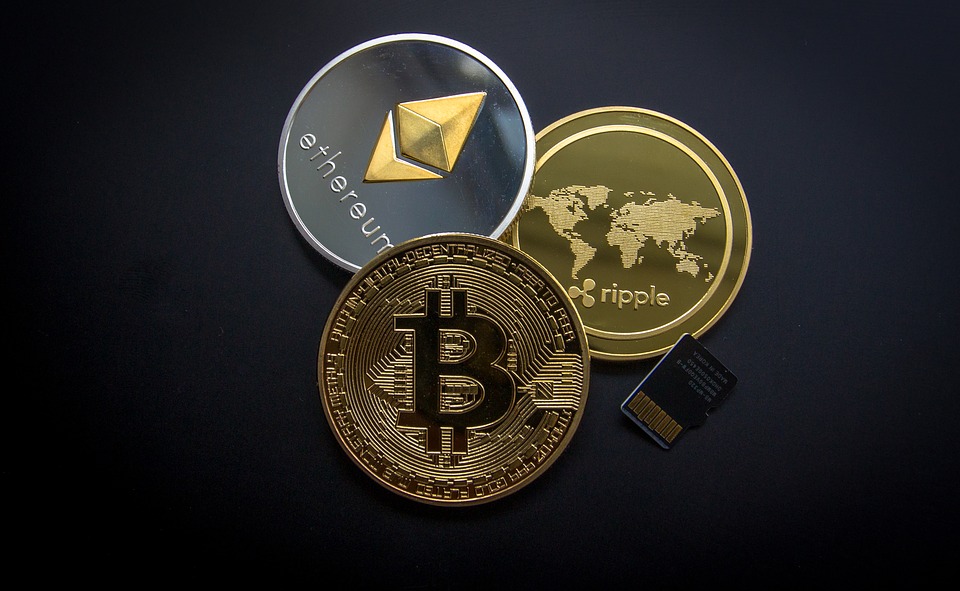
The contemporary market brims with diverse cryptocurrencies. Titans in the realm include Bitcoin, Ethereum, and Ripple. Each digital currency is tailored for a specific function and anchored by its distinct blockchain architecture. Grasping these disparities is pivotal for astute investment choices.

Bitcoin, the pioneer of cryptocurrencies, emerged as a decentralized counterpart to mainstream fiat currencies and has since witnessed monumental acceptance. Ethereum, in contrast, isn’t merely a digital currency but also a foundation for crafting decentralized applications. It birthed the idea of smart contracts, which execute autonomously once certain conditions are met.

Ripple diverges from both Bitcoin and Ethereum by concentrating on streamlining swift and economical global monetary transfers. Its vision is to overhaul traditional banking paradigms with an efficient cross-border transaction solution.

The Pillar of Research in Digital Asset Investment

Research stands as the cornerstone of triumphant cryptocurrency endeavors. It necessitates probing myriad elements to make educated investment choices and cushion against uncertainties. Key facets to ponder include:

Assessing Cryptocurrency Track Records

Before plunging into a cryptocurrency, scrutinize its historical trajectory. Probing attributes like market cap, liquidity, and price dynamics offers insights into its growth trajectory and resilience.

Staying Abreast of Cryptocurrency Narratives

The digital currency realm is notorious for its capricious nature. To stay ahead, it’s vital to keep an ear to the ground regarding fresh updates, market shifts, and legislative alterations. Engage with credible news outlets, participate in digital forums, and seek insights from industry trailblazers.

Blueprints for Fruitful Cryptocurrency Engagements

Crafting a robust investment roadmap is the linchpin to prosperity in the digital currency universe. Ponder on these methodologies to amplify your investment horizons:

Diversifying Digital Assets

To navigate risks and enhance prospective rewards, it’s sagacious not to put all your eggs in one basket. Allocate your resources across a spectrum of cryptocurrencies, each with its distinct market trajectory.

Investment Timing Mastery

In the digital currency sphere, timing isn’t just everything; it’s the only thing. Dissect market movements, gauge technical metrics, and discern investor pulse to pinpoint propitious investment junctures.

The Long Play vs. Quick Wins

Align your investment choices with your financial objectives and risk appetite. While the long game offers prospects of sustained evolution, short stints capitalize on fleeting market windows.

Risk Navigation in Digital Asset Ventures

The allure of the cryptocurrency realm is tempered by inherent risks. Crafting cogent risk navigation blueprints is quintessential to shield your endeavors. Here’s the lowdown:

Demystifying Cryptocurrency Perils

Digital asset ventures are laced with challenges such as market whims, cyber threats, and legislative overhauls. Equip yourself with risk awareness and conceive contingency blueprints. Always ensure your investments are within your financial comfort zone and be vigilant against deceitful undertakings.

Risk Navigation Arsenal

Numerous tools are at your disposal to steer clear of investment pitfalls in the digital domain. Tactics like stop-loss orders, periodic portfolio recalibration, and resource allocation across diverse investment vehicles can be pivotal. Moreover, consider the strategy of dollar-cost averaging to temper market volatility’s effects.

Harnessing Tech for Digital Asset Ventures

In the cryptocurrency orbit, technology is a steadfast ally. Mastery of pertinent tools and platforms can elevate your investment journey:

Exploring Cryptocurrency Trade Arenas

Digital currency trading hubs offer a streamlined gateway to engage with cryptocurrencies. Dissect various arenas, survey their toolkits, and gauge their fortification measures to select a platform that resonates with your aspirations.

Blockchain’s Role in Digital Asset Ventures

At the heart of every cryptocurrency lies blockchain technology. This decentralized, fortified system bestows transaction transparency and immutability. A grasp of blockchain’s workings and its prospective applications is imperative for dissecting digital projects and making enlightened investment calls.

Charting a Course Through the Cryptocurrency Investment Landscape

Navigating the vast seas of cryptocurrency investments can be both exhilarating and daunting. As the world of digital assets continues to evolve at an unprecedented pace, understanding its fundamentals and leveraging technology becomes paramount. From the intricacies of blockchain to the strategic diversification of assets, successful ventures in this realm require foresight, continuous learning, and a proactive approach. By integrating traditional investment wisdom, like keeping an eye on the most active stocks, with modern digital asset strategies, investors can harness the best of both worlds. Embrace the future of finance with prudence, research, and a clear vision, and the digital horizon holds promising returns for the discerning investor.