DD
MM
YYYY

PAGES

DD
MM
YYYY

spot_img

PAGES

Home Blog Page 3742

Nigerians Should Pray the Refineries Don’t Work – Oyedele

0

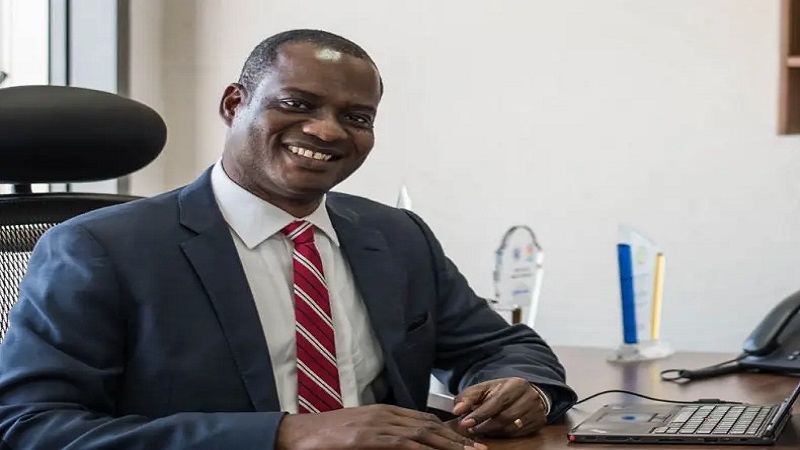
Chairman of the Presidential Fiscal Policy and Tax Reforms Committee, Taiwo Oyedele, has said that Nigerians should pray that the country’s refineries do not become operational.

During his speech at The Platform’s Independence Anniversary event in Lagos, Oyedele expressed concern that if Nigerian refineries were to produce petroleum, the inefficiencies in their management could lead to the country having the most expensive petrol in the world.

“Nigerians would say if only our refineries were working, then we’ll be fine. Nothing can be farther from the truth than that. In fact, Nigerians should come together and say please make sure that our refineries don’t work. We should sell them.

“If Nigerian refineries process crude oil unless we deal with our inefficiency, one liter of petrol will be the most expensive in the world. You would have succeeded in replacing the subsidy at the pump with subsidy for the refineries.

“The National Assembly said we have spent over N10 trillion maintaining our refineries even when they have not produced anything,” Oyedele said during the event tagged ‘Africa Rising Continent – Nigeria’s Strategic Role’.

Oyedele’s claim that the Nigerian government may struggle to effectively manage refineries echoes similar concerns voiced by former President Olusegun Obasanjo. In an interview with The Cable, Obasanjo recounted an incident where he attempted to attract Shell investors to invest in the country’s refineries. However, they declined, citing concerns about the pervasive corruption within the refinery sector.

“They (refineries) will not work as long as the government is keeping hold of them. When I was president, I invited Shell to a meeting. I told them I wanted to hand over the refineries for them to help us run. They bluntly told me they would not. I was shocked,” he said.

The clamor for working refineries has been loud recently amid the rising cost of petroleum products, buoyed by the removal of fuel subsidy. This has pushed the inflation rate to 26% as the cost of living soars.

The government is once again making moves to revitalize the refineries in the hope it will cut down high petrol pump prices, which have stirred frequent threats of nationwide strikes from organized labor unions.

Minister of State for Petroleum, Heineken Lokpobiri, said the refineries are expected to be functional by the end of next year. He said that the Port Harcourt refinery will come on board by the end of the year.

The refinery at Port Harcourt is undergoing a $1.5bn upgrade after Tecnimont from Italy secured the contract for revamp in 2021. This upgrade is expected to take up to 44 months to complete.

There has been a high expectation that Dangote Refinery would cut down petrol pump prices when it became operational.

The dilapidated three refineries; Warri, Port Harcourt, and Kaduna, have a combined capacity to process around 4.45 million barrels per day. The government aims to revive them to reduce dependency on petrol importation.

Lokpobiri said the Warri and Kaduna refineries are slated to commence crude processing sometime between the first quarter and the culmination of 2024.

However, some stakeholders disagree with Oyedele, saying that Nigeria needs government-owned refineries.

“The government that wants the refineries to work knows what they are doing. Having our own refineries guarantees energy security and would also create more jobs,” the National Controller, Independent Petroleum Marketers Association of Nigeria, Mike Osatuyi, said.

“You can’t control what you don’t own. So, it is good for us to have our own. The cost of importing petrol is now very high. I think government is moving in the right direction by making the refineries work very soon.”

South African Fintech Stitch Announces The Raise of $25 Million to Expand Its Services

0

Stitch, a South African-based payments infrastructure company has announced the raise of $25 million, bringing its total Series A funding to $46 million, to expand its services to global markets.

The funding was led by Ribbit Capital, with support from existing investors which include, CRE Venture, Pay Pal Ventures, The Raba Partnership, and 9 yards Capital.

Stitch’s funding round follows the company’s earlier funds raised, which include a $21 million Series A round in February 2022, and a $6 million seed round in 2021.

The startup’s latest funding round positions it to strongly expand its reach, innovate its offerings, and reinforce its commitment to simplifying payment processes for businesses worldwide.

Founded in South Africa, Stitch is a payments service provider offering a single, powerful, reliable API built on direct integrations with multiple banks and networks across South Africa.

Its payment gateway solution is meticulously crafted to help businesses move money better and reach their goals faster.

The platform enables businesses to accept pay-ins by bank, card, manual EFT, debit orders, and even cash, seamlessly orchestrate, manage, and reconcile payments across methods, providers, and geographies with PayOS, and send money anywhere it needs to go with Payouts.

Stitch’s primary focus is to empower businesses to develop, enhance, and expand their financial products. They achieve this by providing crucial API (Application Programming Interface) gateways that enhance online payment conversion rates and optimize the payment operations of their clients, so their business can scale high.

The company which emerged from stealth in 2021, claims its platform offers customers better reliability, higher uptime, and quicker problem resolution by utilizing direct connections with banks and networks and removing intermediaries.

In addition to its open banking features, Stitch provides client support, including localized insights into the payments landscape and custom-built, co-created solutions tailored towards removing the complexities of sending, receiving, and managing funds.

Its subsidiary WigWag, enables small businesses and micro-influencers who sell goods and services on social media platforms, to accept payment via a link and card.

Stitch relies on a powerful, Al-driven fraud engine to stop fraudulent actors in their tracks. With Stitch Shield, the platform can detect a potentially fraudulent transaction based on a defined set of criteria or rules, and automatically block that user’s device or delay settlement of their funds for further investigation across all of our clients.

The company powers payments for reputable organizations such as MTN, Multichoice, d.local, busbud easy-pay, Yoco, luno, bash, and Payflex, amongst others.

Elon Musk calls Fiat Currencies a Scam; Metaverse Photorealistic Avatars

0

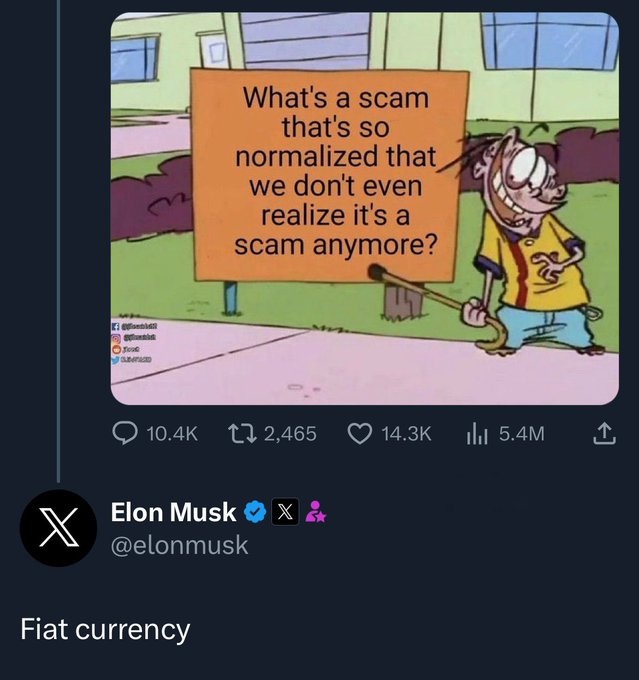
Elon Musk, the billionaire entrepreneur and CEO of Tesla and SpaceX, has recently made a controversial statement on X, formerly known as Twitter, calling fiat currencies a scam. He wrote: “Fiat currencies are a scam. They have no intrinsic value and are manipulated by central banks. Bitcoin and other cryptocurrencies are the future of money. They are decentralized, transparent and scarce.”

This tweet has sparked a lot of reactions from his followers, some of whom agreed with him, while others criticized him for being irresponsible and misleading. Some also pointed out the irony of his statement, given that Tesla accepts fiat currencies as payment for its products and services.

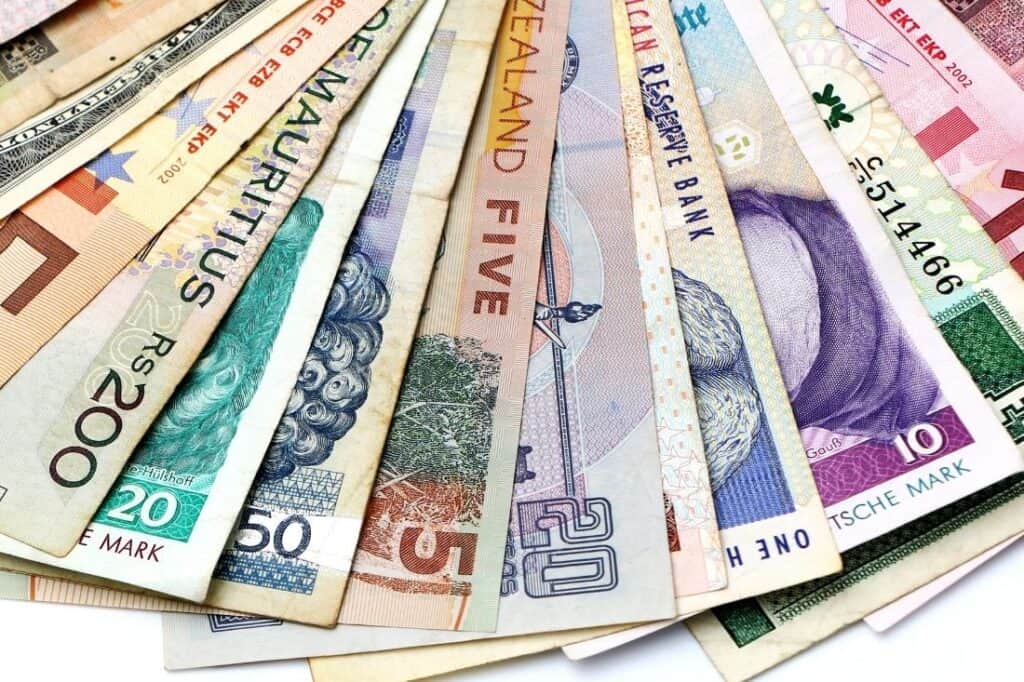
What is the basis of Musk’s claim? Fiat currencies are money that are issued by governments and not backed by any physical commodity, such as gold or silver. They derive their value from the trust and confidence that people have in the issuing authority. Central banks can control the supply and demand of fiat currencies by adjusting interest rates, printing money or buying and selling foreign exchange.

Bitcoin and other cryptocurrencies, on the other hand, are digital assets that are created and exchanged on a peer-to-peer network, without the need for intermediaries or central authorities. They use cryptography to secure transactions and prevent counterfeiting. They also have a limited supply, which makes them deflationary and resistant to inflation.

Fiat currency is a national currency whose value is derived from a country’s promise to back it, not from physical commodities like gold or silver. Fiat money is backed by the general public’s faith in a country’s central bank and the national government issuing it. If a country were to become insolvent, its fiat currency would drastically lose value.

Some of the most popular examples of fiat currencies are the euro, the Japanese yen, the US dollar and the pound sterling. Nearly all national currencies are fiat currencies, although the value of many currencies are linked directly to the export of a nation’s commodities. For example, the Russian ruble and Canadian dollar are both strongly influenced by the price of oil.

Fiat money originated during the Chinese Tang dynasty in the 11th century as pieces of paper, each one being authenticated by government officials. The general principle of fiat money remains the same today. It gets its value from the backing of governments, allowing individuals and businesses to put their faith in it as long as they have faith in their government.

Musk is not the first one to criticize fiat currencies and praise cryptocurrencies. Many proponents of the latter argue that they offer more freedom, privacy and security than the former. They also claim that cryptocurrencies are more efficient, transparent and fair than fiat currencies, which are prone to corruption, manipulation and devaluation.

However, there are also many challenges and risks associated with cryptocurrencies. They are highly volatile, unpredictable and speculative, which makes them unsuitable for everyday transactions and long-term savings. They also face regulatory uncertainty, legal disputes and cyberattacks, which can undermine their credibility and stability. Moreover, they have environmental and social impacts, such as high energy consumption, carbon emissions and illicit activities.

Therefore, it is not clear whether cryptocurrencies are indeed superior to fiat currencies, or whether they can replace them in the near future. Both have their advantages and disadvantages, and both require trust and cooperation from their users and stakeholders. Perhaps the best approach is to adopt a balanced and informed perspective, rather than making sweeping generalizations or judgments.

Metaverse Photorealistic Avatars

The metaverse is a term that describes a shared virtual reality where people can interact with each other and digital content as photorealistic avatars. The concept has been popularized by science fiction novels like Snow Crash and Ready Player One, and by social media platforms like Facebook, which recently rebranded itself as Meta.

The metaverse promises to offer new possibilities for entertainment, education, work, and socializing. Imagine being able to visit exotic locations, attend concerts, play games, learn new skills, and meet new people without leaving your home. Imagine being able to express yourself in any way you want, with full control over your appearance and identity. Imagine being able to collaborate with colleagues and clients across the globe, with immersive tools and realistic simulations.

But how realistic is the metaverse? How close are we to achieving it? And what are the challenges and risks involved?

One of the main challenges is creating photorealistic avatars that can convincingly mimic human appearance and behavior. Current technology can produce realistic 3D models of faces and bodies but animating them in real time is still difficult. Facial expressions, eye movements, gestures, and speech are subtle and complex, and require a lot of computational power and data to simulate. Moreover, capturing and transferring these data from real users to their avatars poses technical and ethical issues, such as privacy, security, and consent.

Another challenge is ensuring interoperability and compatibility among different platforms and devices. The metaverse is envisioned as a seamless and open network of virtual worlds, where users can move freely from one to another without losing their avatars, assets, or identities. However, this requires a common set of standards and protocols that can enable communication and exchange among diverse systems. Currently, there is no such universal framework, and different platforms have their own proprietary formats and features.

A third challenge is addressing the social and psychological implications of living in the metaverse. How will people cope with spending more time in virtual reality than in physical reality? How will they balance their online and offline lives? How will they maintain their sense of self and authenticity? How will they deal with potential addiction, isolation, or alienation? How will they handle conflicts, harassment, or abuse in the metaverse? And how will they respect the rights and responsibilities of other users and creators?

These are some of the questions that need to be answered before the metaverse can become a reality. The metaverse is not just a technological innovation, but a cultural and social phenomenon that will have profound impacts on our society and humanity. It is up to us to shape it in a way that is beneficial, inclusive, and ethical for everyone.

1,500,000 Bitcoin Remaining to be Mined, As Microsoft Explores Bitcoin and Crypto Wallet Option on Xbox

0

Have you ever wondered how many bitcoins are left to be mined? Well, I have some good news and some bad news for you. The good news is that there are still about 1,500,000 bitcoins remaining to be mined, which means you have plenty of opportunities to get your hands on some of the most valuable digital assets in the world.

The bad news is that it’s getting harder and harder to mine new bitcoins, as the network adjusts the difficulty every 2016 blocks (about every two weeks) to keep the average block time at 10 minutes. This means that the mining reward, which is currently 6.25 bitcoins per block, will keep halving every 210,000 blocks (about every four years) until it reaches zero around the year 2140. That’s right, there will be no more new bitcoins created after that point, and the total supply will be capped at 21 million.

So, what does this mean for you as a bitcoin enthusiast? Well, it depends on your perspective. Some people see the limited supply of bitcoin as a feature, not a bug. They argue that this makes bitcoin a scarce and deflationary asset, which increases its value over time and protects it from inflation and manipulation by central authorities.

Others see the dwindling supply of bitcoin as a problem, not a solution. They worry that this will create a shortage of bitcoin and reduce its liquidity and utility as a medium of exchange. They also fear that this will lead to increased centralization and inequality in the bitcoin network, as only a few large players will be able to afford the high costs of mining and secure the majority of the remaining bitcoins.

Whatever your opinion on this issue, one thing is clear: bitcoin is a revolutionary invention that has changed the way we think about money and value. It has created a global, decentralized, peer-to-peer network that enables anyone to transact with anyone else without intermediaries or censorship.

It has also inspired countless other cryptocurrencies and blockchain projects that aim to improve various aspects of our society and economy. Whether you are a miner, a trader, a hodler, or a developer, you are part of this amazing movement that is reshaping the world. And you still have a chance to get some of the remaining 1,500,000 bitcoins before they are gone forever. So, what are you waiting for? Grab your mining rig, your wallet, or your keyboard, and join the bitcoin revolution today!

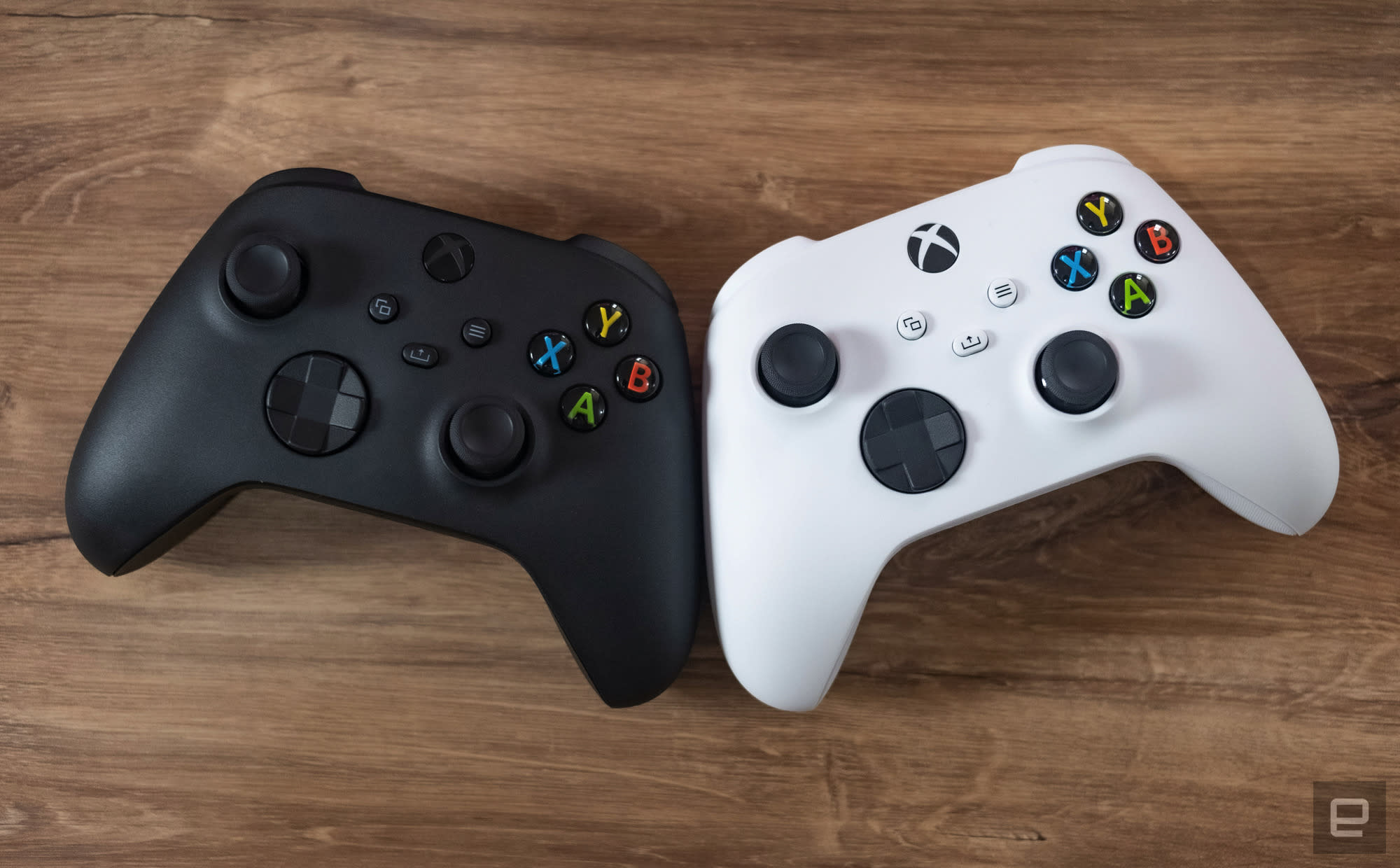
Microsoft is building a Bitcoin and crypto wallet into Xbox according to leaked roadmap

If you’re a gamer and a crypto enthusiast, you might be in for a treat. Microsoft is reportedly working on integrating a Bitcoin and crypto wallet into its popular gaming console, XBox. This is according to a leaked roadmap that was shared on Reddit by an anonymous user who claims to have insider information.

The roadmap suggests that Microsoft is planning to launch the wallet feature in the second quarter of 2024, as part of a broader update that will also include cloud gaming, VR support, and social media integration. The wallet will allow XBox users to store, send, and receive Bitcoin and other cryptocurrencies, as well as use them to buy games, subscriptions, and in-game items.

Microsoft has not officially confirmed or denied the leak, but some crypto experts believe it is plausible. They point out that Microsoft has been experimenting with blockchain technology for a while, and that it already offers a Bitcoin payment option on its online store. They also note that integrating a crypto wallet into XBox could give Microsoft an edge over its competitors, such as Sony and Nintendo, who have not shown much interest in crypto so far.

However, some skeptics are questioning the authenticity and the feasibility of the leak. They argue that Microsoft might face regulatory and security challenges in offering a crypto wallet to millions of XBox users across the world. They also wonder how Microsoft will deal with the volatility and scalability issues of Bitcoin and other cryptocurrencies, especially during peak gaming hours.

What do you think? Is Microsoft really building a crypto wallet into XBox, or is this just a hoax? And if it is true, would you use it? Let us know in the comments below.

South Korea’s Regulatory Landscape for Digital Assets

0

South Korea is one of the most technologically advanced and digitally connected countries in the world, with a strong interest and enthusiasm for emerging technologies such as blockchain and digital assets. The country has a large and active digital asset market, with millions of users and billions of dollars in trading volume. However, the regulatory landscape for digital assets in South Korea is still evolving and facing some challenges.

One of the main issues is the lack of a clear and consistent definition and taxonomy for digital assets. The term “digital asset” is often used interchangeably with “virtual asset” or “cryptocurrency”, but these terms may have different meanings and implications in different contexts and jurisdictions. For example, the Financial Services Commission (FSC), the top financial regulator in South Korea, recently published guidelines on which blockchain-based tokenized assets will be treated and regulated as securities under its capital markets rules.

The FSC said that digital assets that provide a stake in the operation of a business, promise future profits or dividends, or represent ownership or rights in an underlying asset or project will be considered security tokens (STOs) and subject to securities regulations. However, the FSC also said that virtual assets or cryptocurrencies should not be termed “digital assets”, as they are different from tokenized securities.

This distinction may create confusion and uncertainty for digital asset service providers (VASPs) and users, as they may not be sure which category their digital assets fall under and what rules they need to comply with. Moreover, the FSC’s guidelines may not be aligned with global best practices or standards, such as the Financial Action Task Force (FATF)’s recommendations on virtual assets and VASPs, which use a broader definition of virtual assets that includes both payment tokens and security tokens.

Another issue is the balance between innovation and risk management in the digital asset sector. In March 2020, the South Korean Parliament passed an amendment to the Act on the Reporting and Use of Specific Financial Transaction Information, which came into effect a year later, extending licensing requirements to VASPs.

The amendment aims to ensure consumer protection and prevent money laundering and terrorism financing in the digital asset industry. However, the amendment also imposes strict conditions and obligations on VASPs, such as obtaining information security certification, partnering with banks for real-name verification of customers, reporting transactions to the Korea Financial Intelligence Unit (KoFIU), and obtaining approval from local authorities.

These requirements have proven to be difficult and costly for many VASPs to meet, resulting in only five entities obtaining full licenses so far, while over 60 entities have had to cease operations altogether. The amendment has also discouraged some traditional financial institutions from dealing with digital assets, fearing regulatory scrutiny or sanctions.

The FSC has recently declared its support for digital assets amid the crackdowns, saying that it will promote the use of digital currency and safeguard the interest of investors. The FSC also said that it will revise the Digital Asset Basic Act (DABA), which is expected to be in force in 2023 and is poised to be the leading regulation for South Korea’s burgeoning digital asset industry. The DABA aims to provide a clear legal framework and policy direction for digital assets, while fostering innovation and growth in the sector.

The future of digital assets in South Korea depends largely on how the regulators and policymakers will address these issues and establish regulatory clarity and certainty for the industry. South Korea has the potential to be a leader in the region and globally in terms of adoption and regulation of digital assets, but it needs to adopt a clear taxonomy for digital assets aligned with global standards, balance innovation and risk management in the sector, and provide a supportive environment for VASPs and users.