DD
MM
YYYY

PAGES

DD
MM
YYYY

spot_img

PAGES

Home Blog Page 3847

The Symbiosis of Availability and Self-Worth

0

In the grand tapestry of existence, an invisible thread binds us—a thread woven through moments of vulnerability, empathy, and connection. It is within these instances that the essence of our purpose becomes remarkably clear: to stand as a pillar of support for one another in times of need. This profound sentiment strikes a chord that resonates with the depths of our souls.

Imagine the intricacies of creation, where the design of our being defies solitude. We were crafted not as isolated entities, but as interconnected souls meant to intertwine. This very truth underscores the idea that our connectedness is far from coincidental; rather, it’s a purposeful design that holds a divine intention.

Think back to those instances when you’ve sought refuge in the warmth of a friend’s presence, or when you’ve been the harbinger of solace for another troubled soul. These moments aren’t random; they’re the heartbeats of our shared human experience. Each of us carries a unique gift—a contribution to our collective journey that shines brightest when extended selflessly, without anticipation of reciprocation.

In the midst of this noble pursuit of compassion, however, lies a crucial equilibrium. It’s imperative not to lose ourselves in the act of perpetual availability. As we embrace the noble virtue of extending ourselves to others, we must also heed the wisdom of moderation. There exists an art in not becoming an open spigot, allowing our worth to flow unceasingly. Our value isn’t determined by the quantity of our selflessness, but by the lasting impressions we leave.

In a world where time is both a currency and a luxury, safeguarding our intrinsic worth becomes paramount. While humanity’s nature is often a source of beauty, it can also manifest as opportunism. Others might inadvertently exploit the generosity we offer, interpreting it as a lack of understanding the value of time.

Yet, in those vulnerable moments when our kindness is taken for granted, an opportunity for growth emerges. It’s during these times that we can recalibrate, withdrawing temporarily to communicate that our rarity births innovation. This scarcity is the wellspring from which our creative offerings flow—an opportunity to showcase our unique value to the world.

Let us ardently embrace the profound significance of being available and accessible. The threads of our lives are woven inextricably, and our purpose finds its true meaning in the support we extend to others. As we tread the noble path of compassion, let us also remember the significance of self-preservation.

Striking this equilibrium allows us to enrich our lives while uplifting the human experience as a whole. Together, we compose a narrative woven with threads of empathy, strength, and self-discovery—a narrative that embodies the very essence of our humanity.

Today’s Blockchain Trending Update, Bitcoin ETF Deadlines Approach for SEC Decisions

0

The Securities and Exchange Commission (SEC) announced today that it has filed a complaint against Impact Theory, LLC, a California-based company that claims to be a media and entertainment platform, for conducting an unregistered offering of digital tokens in the form of non-fungible tokens (NFTs).

According to the SEC’s complaint, Impact Theory raised over $16 million from more than 9,000 investors in a series of sales of NFTs that purportedly represented digital artwork and access to exclusive content and events. The SEC alleges that the NFTs were securities because they were investment contracts, and that Impact Theory did not register the offering with the SEC or qualify for an exemption from registration.

The SEC further alleges that Impact Theory made false and misleading statements to investors about the value and scarcity of the NFTs, the potential returns on their investment, and the risks involved. The SEC also claims that Impact Theory failed to disclose material information about its financial condition, operations, and use of proceeds.

The SEC’s complaint, filed in the U.S. District Court for the Central District of California, charges Impact Theory with violating the registration provisions of the Securities Act of 1933 and seeks permanent injunctions, disgorgement plus prejudgment interest, and civil penalties. The SEC’s investigation was conducted by staff in the Los Angeles Regional Office and the Cyber Unit. The litigation will be led by Amy Longo and supervised by Melissa Hodgman.

A group of US lawmakers have expressed their opposition to the Federal Reserve’s recent letter on stablecoin regulation. The letter, which was sent to the President’s Working Group on Financial Markets (PWG) on August 25, 2023, outlined the Fed’s views on the potential risks and benefits of stablecoins, as well as the need for a comprehensive regulatory framework.

The lawmakers, who are part of the House Financial Services Committee and the House Committee on Agriculture, argued that the Fed’s letter was premature and overreaching. They claimed that the letter did not adequately consider the innovation and competition that stablecoins could bring to the financial system, and that it could stifle the development of the nascent industry.

The lawmakers also criticized the Fed’s proposal to require stablecoin issuers to obtain a banking charter and comply with existing banking regulations. They said that this would create an unfair advantage for the Fed and its own digital currency project, the FedNow Service, which is expected to launch in 2024. They urged the PWG to consult with Congress and the industry stakeholders before making any final decisions on stablecoin regulation.

A major security breach has occurred on the Balancer decentralized exchange platform, resulting in losses of more than $2.1 million worth of cryptocurrency. The attack involved exploiting a vulnerability in the Balancer smart contracts that allowed the hacker to drain funds from several liquidity pools on the platform. The hacker used a complex combination of flash loans, arbitrage and deflationary tokens to manipulate the pool balances and withdraw the funds.

Balancer Labs, the company behind the platform, has confirmed the incident and stated that it is working with security experts and law enforcement to investigate the attack and recover the stolen funds. Balancer Labs has also announced that it will reimburse the affected pool creators and token holders for their losses. The company has advised users to avoid providing liquidity to pools that contain deflationary tokens until the issue is resolved.

The attack has raised questions about the security and reliability of Balancer and other decentralized exchange platforms that rely on smart contracts to facilitate transactions. Some experts have suggested that Balancer should have audited its code more thoroughly and implemented safeguards to prevent such attacks. Others have argued that Balancer is still an experimental project and that users should be aware of the risks involved in using such platforms.

Bitcoin ETF Deadlines Approach for SEC Decisions

The U.S. Securities and Exchange Commission (SEC) is facing several deadlines to approve or reject Bitcoin exchange-traded funds (ETFs) in the coming weeks. These decisions could have a significant impact on the cryptocurrency market, as investors are eagerly awaiting the launch of the first Bitcoin ETF in the U.S.

A Bitcoin ETF is a type of investment product that tracks the price of Bitcoin and allows investors to buy and sell shares of the fund on a regulated stock exchange. This would provide a convenient and accessible way for retail and institutional investors to gain exposure to Bitcoin without having to deal with the technical and security challenges of holding the digital asset directly.

The SEC has been reluctant to approve Bitcoin ETFs in the past, citing concerns over market manipulation, fraud, custody, liquidity, and investor protection. However, the agency has recently signaled a more open-minded approach to the emerging asset class, as it has appointed a new chairman, Gary Gensler, who has a background in cryptocurrency and blockchain education.

The SEC is currently reviewing several Bitcoin ETF applications from different sponsors, such as VanEck, Valkyrie, WisdomTree, Kryptoin, and SkyBridge. Some of these proposals are based on the spot price of Bitcoin, while others are based on Bitcoin futures contracts. The SEC has the authority to extend its review period for up to 240 days, but it must make a final decision by then.

According to the SEC’s website, the agency has set several deadlines for its Bitcoin ETF decisions in August and September. The first one is on August 10, when it will either approve or reject the VanEck Bitcoin Trust, which is based on the spot price of Bitcoin. The second one is on August 25, when it will either approve or reject the Valkyrie Bitcoin Trust, which is also based on the spot price of Bitcoin. The third one is on September 2, when it will either approve or reject the WisdomTree Bitcoin Trust, which is based on Bitcoin futures contracts.

The SEC could also postpone its decisions to a later date, as it has done several times before. However, some analysts believe that the agency is running out of time and excuses to delay its verdicts, especially as other countries such as Canada and Brazil have already launched their own Bitcoin ETFs.

The outcome of these decisions could have a major influence on the price and adoption of Bitcoin, as well as the broader cryptocurrency industry. A positive outcome could boost the demand and legitimacy of Bitcoin, as well as attract more institutional investors and mainstream media attention. A negative outcome could dampen the sentiment and innovation in the space, as well as trigger regulatory uncertainty and legal challenges.

Regardless of the outcome, investors should be prepared for high volatility and potential market disruptions in the coming weeks, as the SEC’s decisions could trigger significant price movements and trading activity in both directions. Investors should also do their own research and due diligence before investing in any Bitcoin ETF or related product, as they involve various risks and challenges that may not be suitable for everyone.

The Controversies’ Surrounding Tether USDT

0

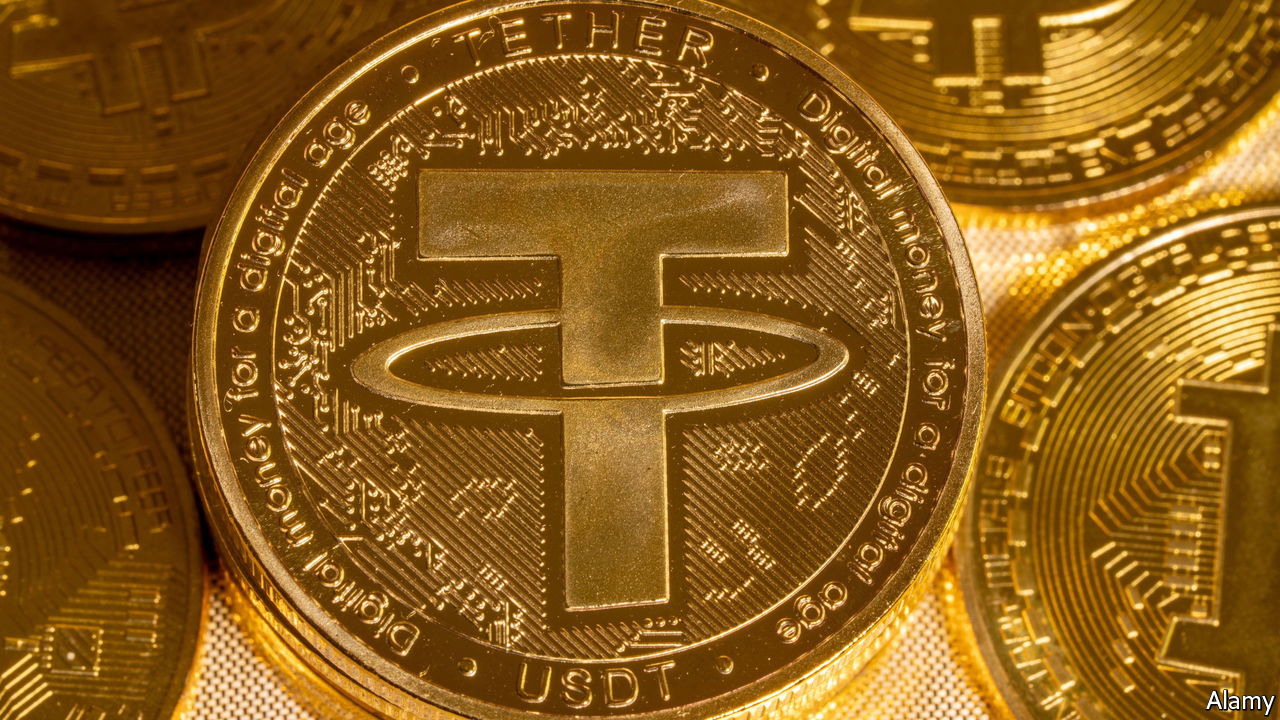
Tether USDT is one of the most popular and controversial stablecoins in the cryptocurrency market. It claims to be backed by US dollars at a 1:1 ratio, meaning that for every USDT in circulation, there is a corresponding US dollar in reserve. However, this claim has been challenged by many critics and regulators, who doubt the veracity and transparency of Tether’s reserves and audits.

Tether USDT is a stablecoin, which is a type of cryptocurrency that aims to maintain a stable value relative to another asset, such as a fiat currency or a commodity. Stablecoins are designed to reduce the volatility and unpredictability of crypto prices, which can deter some users and investors from adopting them.

Tether USDT was launched in 2014 by Tether Limited, a company based in Hong Kong and registered in the British Virgin Islands. Tether Limited is affiliated with Bitfinex, one of the largest and oldest crypto exchanges in the world. Tether USDT is issued on various blockchain platforms, such as Bitcoin (via Omni Layer), Ethereum, Tron, EOS, Algorand, Solana, and others.

According to Tether’s website, each USDT is backed by a reserve of traditional currency held in Tether’s bank accounts. Tether claims that its reserves are regularly audited by independent third parties, and that it publishes monthly reports on its website showing its assets and liabilities. Tether also states that it follows strict anti-money laundering (AML) and know-your-customer (KYC) policies, and that it complies with all relevant laws and regulations.

However, these claims have been met with skepticism and scrutiny by many observers, who question the validity and reliability of Tether’s backing and reporting. Some of the main issues raised by Tether’s critics are:

Lack of transparency: Tether has not provided a full audit of its reserves by a reputable accounting firm, nor has it disclosed the identity and location of its banking partners. The monthly reports published by Tether are not verified by any external auditor, and only show aggregate numbers without any breakdown or detail.

Moreover, Tether has changed its reserve policy several times over the years, from claiming to hold 100% USD reserves, to admitting to holding other assets such as loans and securities, to stating that its reserves include “cash equivalents” and “other receivables”.

Legal troubles: Tether has faced multiple lawsuits and investigations from various authorities around the world, including the US Department of Justice (DOJ), the New York Attorney General (NYAG), the Commodity Futures Trading Commission (CFTC), and others. Some of these cases are still ongoing or unresolved, while others have resulted in settlements or fines for Tether.

For example, in February 2021, Tether agreed to pay $18.5 million to settle a case with the NYAG, which accused Tether of misleading investors and customers about its reserves and liquidity. As part of the settlement, Tether also agreed to provide quarterly reports on its reserves to the NYAG for two years.

Market manipulation: Tether has been accused of inflating the supply and demand of USDT to manipulate the price of Bitcoin and other cryptocurrencies. Some studies have suggested that there is a positive correlation between USDT issuance and Bitcoin price movements, implying that Tether prints new USDT tokens without sufficient backing and uses them to buy Bitcoin on exchanges, creating artificial demand and driving up the price.

Some critics have also alleged that Tether is involved in wash trading, spoofing, pump-and-dump schemes, and other fraudulent activities to manipulate the crypto market. Wash trading is a form of market manipulation where a trader buys and sells the same asset repeatedly to create artificial volume and price movements. This can be used to attract more buyers or sellers, or to influence the price of other assets that are correlated with the manipulated one.

Spoofing is a similar tactic where a trader places large orders that they do not intend to execute, to create a false impression of supply or demand. Pump-and-dump schemes are where a group of traders coordinate to inflate the price of an asset by buying it in large quantities, then sell it at a profit before the price crashes. Tether has been accused of using these methods to manipulate the price of Bitcoin and other cryptocurrencies.

For example, a 2018 study by John M. Griffin and Amin Shams found that Tether was used to buy Bitcoin at times of low demand, creating artificial support for the price. The study claimed that Tether accounted for more than half of Bitcoin’s price increase in 2017.

Another 2019 study by Wang Chun Wei found that Tether issuances were positively correlated with Bitcoin returns, and negatively correlated with Bitcoin volatility. The study suggested that Tether was used to stabilize and drive up the price of Bitcoin. However, these studies have been challenged by other researchers and industry experts, who argue that they suffer from methodological flaws, data limitations, and confounding factors. For example, a 2019 paper by Richard K. Lyons and Ganesh Viswanath-Natraj argued that Tether was not used for market manipulation, but rather for arbitrage and liquidity provision across different crypto exchanges.

The paper claimed that Tether flows were driven by demand from traders who wanted to move funds quickly and cheaply between exchanges, rather than by supply from Tether issuers who wanted to manipulate prices. Another 2020 paper by Sean Foley, Jonathan R. Karlsen, and T?lis J. Putni?š also found no evidence of Tether-driven price manipulation and suggested that the correlation between Tether and Bitcoin was due to common factors such as investor sentiment, market conditions, and regulatory events.

The debate over Tether’s role in the crypto market is still ongoing, and there is no definitive answer to whether Tether is involved in wash trading, spoofing, pump-and-dump schemes, or other forms of market manipulation. However, the controversy has raised some important questions and concerns for the crypto industry and investors. For instance, how reliable and transparent is Tether’s claim that it is fully backed by US dollars?

How vulnerable is the crypto market to potential shocks or disruptions from Tether or other stablecoins? How can regulators and law enforcement agencies monitor and prevent market manipulation in the crypto space? These are some of the issues that need to be addressed as the crypto industry matures and grows.

AI is Gaining Traction in Many Fintechs Across The African Region

0
FILE PHOTO: (L-R) Solomon Islands Prime Minister Manasseh Sogavare, Solomon Islands Foreign Minister Jeremiah Manele, Chinese Premier Li Keqiang and Chinese State Councillor and Foreign Minister Wang Yi attend a signing ceremony at the Great Hall of the People in Beijing, China October 9, 2019. REUTERS/Thomas Peter/File Photo

As technology continues to evolve rapidly, Artificial Intelligence is beginning to gain significant traction in Africa’s Fintech space, which is integrated to revolutionize processes and enhance users’ experience.

According to a PwC report, AI plays a strong potential in the wider global economy, whose contributions by 2030 could be as high as at least $15 billion.

Therefore, FinTechs in Africa are leveraging Artificial Intelligence (AI) technologies to excel across the digital banking, digital payments, personal finance, and investment sectors.

The introduction of AI technology is being used for machine learning algorithms, customer behavior analysis, demographics, and data to create more personalized experiences for consumers.

Check out other ways AI is being used in African Fintech Startups

Fraud Detection and Prevention: Al-powered fraud detection systems can monitor transactions in real time and identify patterns that might indicate fraudulent activities. This is crucial for maintaining the security and trust of financial services.

Customer Service And Chatbots: AI-driven chatbots can provide instant customer support, answer queries, and assist with various financial tasks. This enhances customer experience and allows Fintech companies to handle a large volume of inquiries efficiently.

Regulatory Compliance: AI can assist Fintech companies in adhering to complex regulatory frameworks by automating compliance checks and ensuring that transactions and operations are in line with local laws.

A combination of digital-only customer interactions and very large consumer bases allows fintechs in Africa to create and train algorithms faster than peers in more developed regions, especially when it comes to banking and payments.

For instance, a Nigerian-based online payment gateway that offers businesses the ability to collect payments from customers on their websites or mobile apps, Paystack uses AI-powered fraud detection and prevention tools to protect against fraudulent transactions and leisure the security of users’ financial data.

Also, Kenya’s mobile money service, M-Pesa, uses algorithms and artificial intelligence to detect and prevent fraud, in addition to educating its users and agents on how to avoid fraud and scams.

Experts have disclosed that AI holds the potential to drive financial inclusion, increase efficiency, and improve consumer experience in Africa’s Fintech industry.

Notably, Nigeria plays a prominent role in AI Fintech products, with numerous Nigerian banks using AI chatbots such as Zenith Bank, Fidelity Bank, First City Monument Bank (FCMB), UBA Group, Access Bank, Keystone Bank, and Heritage Bank.

These chatbots are powered by AI and Natural Language Processing (NLP) technologies that enable them to interpret and respond to customers’ queries in real time. 

By leveraging AI, these chatbots provide customers with a faster and more convenient way to access banking services, such as checking account balances, making payments, and initiating transactions without the need to visit a physical bank branch.

Meanwhile, there are concerns that the integration of AI in fintech can pose potential risks. While the technology offers numerous benefits, several precautions and considerations need to be put into measure, to ensure responsible and secure implementation.

It is understood that AI systems in Fintech often require access to sensitive financial and personal data. Ensuring robust data encryption, secure storage, and strict access controls is crucial to prevent data breaches and unauthorized access.

Also, there is a risk of biased decision-making if AI algorithms are not designed to be fair and transparent. Therefore, Fintech companies are advised to actively monitor and address bias to ensure that their AI systems treat all individuals fairly and equitably.

In conclusion, while AI continues to gain traction in fintechs across Africa, these companies are advised to establish ethical guidelines for the use of AI, especially when dealing with sensitive financial matters.

By taking precautions into account, Fintech companies can harness the benefits of AI while minimizing risks and ensuring a secure and responsible integration of technology into their services.

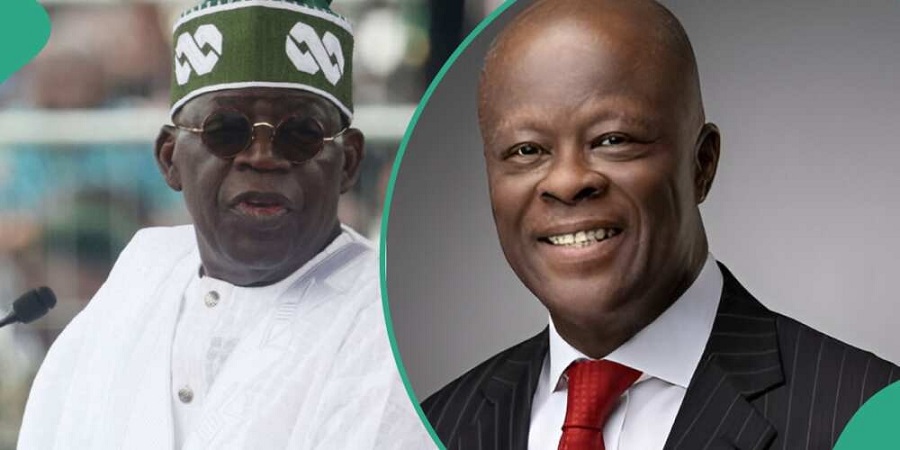
Tinubu Inherited A Bad Economy, Nigeria Can’t Borrow – Finance Minister

0

The Federal Government of Nigeria, on Monday, said it inherited a bad economy with an unacceptably high rate of unemployment from the past government led by Muhammadu Buhari.

This is coming after eight years of unwavering support by members of the All Progressive Congress (APC) to Buhari’s economic policies.

Following his inauguration on May 29, President Bola Tinubu has announced a series of economic policies, including fuel subsidy removal and the floating of the FX market, geared toward revamping the nation’s economy.

The Tinubu-led government said it will tow a path different from its predecessor’s. The President assured Nigerians that it would not rely on borrowing and that he had pledged to be transparent, honest, and accountable to the people.

As part of efforts to revitalize the economy, the Minister of Trade and Investment, Dr. Doris Anite, said the Tinubu-led administration has to create about 50 million jobs through the ministry.

The Minister of Finance and Coordinating Minister of the Economy, Wale Edun, told journalists at the end of the inaugural Federal Executive Council (FEC), meeting presided over by President Bola Tinubu at the Council Chamber, Presidential Villa, Abuja, that the Tinubu administration met a very bad economy.

“Per capita has fallen steadily, inflation is at 24 percent, unemployment is high; you know they are rebasing the way in which it’s calculated.

“Either way, it is high and youth unemployment is even unacceptably high. These are the key metrics that we have met,” he said.

Speaking further on the state of the economy the present administration met, the minister said: “We met a bad economy and the promise of Mr. President is to make it better.”

Edun said Nigeria’s current economic situation does not allow it to borrow. Earlier, Tinubu’s government had decried the accumulated public debt under Buhari, which has resulted in the nation’s spending 90% of its revenue on debt servicing.

The minister said the government is focused on how to create a macro-economic environment where both local and foreign investors will invest and increase production.

Following the FEC meeting, where the “Roadmap for the economy” was presented by the Minister of Finance and Coordinating Minister for the Economy, Tinubu ordered the cabinet members to marshal the revival of the economy to ameliorate the suffering of Nigerians.

Edun said having agreed that the economy is not where it should be, the FEC examined eight priority areas and identified targets to deliver in the next three years. He confirmed that President Tinubu had tasked the ministers with introducing policies and programs aimed at revitalizing the economy.

However, Nigerians have urged the government to focus on delivering good governance to the people and stop making excuses – reminding them that they supported Buhari’s poor economic policies – which plunged the country into this mess – to the end.