DD
MM
YYYY

PAGES

DD
MM
YYYY

spot_img

PAGES

Home Blog Page 3933

Apple Fiscal Third Quarter Report Beats Analysts Expectations, But Year-Over-Year Sales Drop

0

Tech giant company, Apple, reported its fiscal third quarter result, beating analysts’ expectations, but year-over-year sales dropped.

The company posted quarterly revenue of $81.8 billion, down 1 percent year-over-year, and quarterly earnings per diluted share of $1.26, up 5 percent year-over-year.

Also, revenue in the company’s iPhone, Mac, and iPad lines were all down from a year earlier, which saw its shares fall more than 2% in extended trading.

Here’s how Apple did versus Refinitiv consensus estimates on a year-over-year basis: 

  • EPS: $1.26 vs. $1.19 estimated
  • Revenue: $81.8 billion vs. $81.69 billion estimated, down 1%
  • iPhone revenue: $39.67 billion vs. $39.91 billion estimated, down 2%  
  • Mac revenue: $6.84 billion vs. $6.62 billion estimated, down 7%  
  • iPad revenue: $5.79 billion vs. $6.41 billion estimated, down 20%  
  • Other Products revenue: $8.28 billion vs. $8.39 billion estimated, up 2%  
  • Services revenue: $21.21 billion vs. $20.76 billion estimated, up 8%  
  • Gross margin: 44.5% vs. 44.2% estimated. 

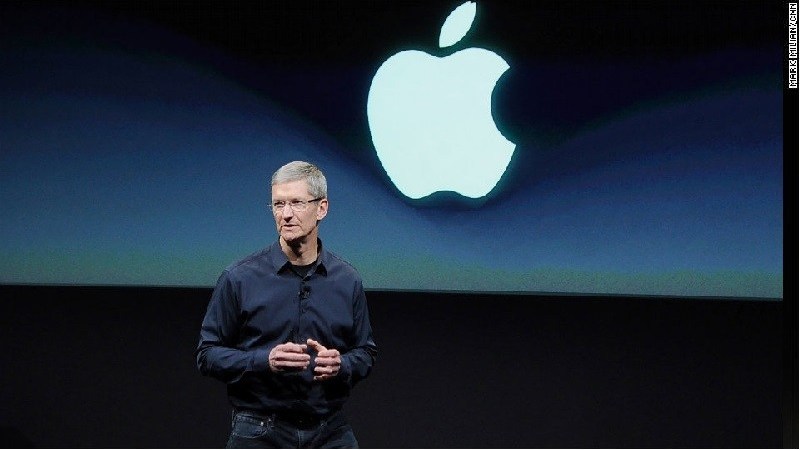
Apple’s CEO Tim Cook speaking on the company’s Third Quarter performance said,

“We are happy to report that we had an all-time revenue record in Services during the June quarter, driven by over 1 billion paid subscriptions, and we saw continued strength in emerging markets thanks to robust sales of iPhone.

“From education to the environment, we are continuing to advance our values, while championing innovation that enriches the lives of our customers and leaves the world better than we found it.”

Also speaking, Apple’s CFO, Luca Maestri said,

“Our June quarter year-over-year business performance improved from the March quarter, and our installed base of active devices reached an all-time high in every geographic segment. During the quarter, we generated a very strong operating cash flow of $26 billion, returned over $24 billion to our shareholders, and continued to invest in our long-term growth plans.”

Apple’s fiscal third-quarter results, indicated a strong operating cash flow of $26 billion during the quarter. The Cupertino giant demonstrated its commitment to its shareholders by returning over $24 billion to them, while simultaneously investing in long-term growth plans.

The company has held its ground while still managing to generate profits. It has also laid the groundwork for potential growth, recently unveiling a sleek $3,500 virtual headset, which many analysts believe will introduce the still-geeky realm of virtual reality to a wider audience.

Several of these Analysts don’t expect Apple’s headset to turn into a significant source of revenue immediately, but they believe Apple is dipping a toe into a market that could one day be worth billions.

In conclusion, while Apple’s results for the third quarter of fiscal 2023 showed a slight decrease in revenue, the company’s overall performance demonstrated resilience and growth potential.

With strong sales in emerging markets, a record number of active devices, and a robust operating cash flow, Apple continues to be a formidable player in the tech industry. The company announced that it will provide a live streaming of its Q3 2023 financial results conference call, beginning at 2:00 p.m. PT on August 3, 2023.

Shares of Amazon jumped Friday after the e-commerce giant issued an upbeat forecast for next quarter and said its revenue hit double-digit growth. Apple also released results after markets closed Thursday, reporting its third straight quarterly revenue drop. Record-setting services sales, however, topped estimates. Results from the two companies — worth a combined $4 trillion — cap a slew of earnings reports from large tech companies that overall point to “improving health” in the sector after a period of slower growth and widespread layoffs, notes The Wall Street Journal. Demand for some tech services appears to be stabilizing and new AI developments have boosted investor optimism.

Amazon’s earnings report echoed strong results last week from Alphabet and Meta, showing a recovery in digital-advertising revenue. Semiconductor giant Intel also posted a surprise quarterly profit after two quarters of record losses, and Uber Technologies posted the first operating profit in its history earlier this week. If Apple’s stock declines hold through Friday’s trading, its market value is set to dip below the $3 trillion level. (LinkedIn News)


Top 3 Books Every New Options Trader Should Read

0

Options trading is an exciting yet complex avenue within the financial world. With its unique terminology and strategies, it might seem daunting for beginners. The good news is that there are several educational resources to guide those new to the field, especially books written by industry experts. Let’s explore some of the top books that every new options trader should read to help them master the techniques required for successful options trading.

The Complete Guide to Option Selling by James Cordier

If you are interested in selling options, then James Cordier’s Complete Guide to Option Selling is a must-read. Unlike many other books that cover a broad spectrum of strategies, Cordier’s work is solely dedicated to option selling. He breaks this unique method down, explaining both the benefits and potential pitfalls, offering a full picture of what option selling entails. You can also expect:

  • Practical insights and real-world examples: As a seasoned options trader, Cordier doesn’t just talk about theory in this book. He shares real-world examples and experiences. Plus, he offers practical insights and tips into constructing and managing an option selling portfolio, demonstrating how it’s done in the actual trading world.
  • Simplicity for beginners: This book can be particularly appealing to beginners, as the concept of option selling is presented in an easy-to-understand manner. Complex topics are explained using simple language, making it an accessible read for those new to the field.

Options as a Strategic Investment by Lawrence G. McMillan

Options as a Strategic Investment is often regarded as the Bible of options trading. McMillan’s work has served as a cornerstone for many traders, both novice and professional. From basic concepts to advanced techniques, McMillan leaves no stone unturned. He dives into various options, including stock index options, futures options, and much more. Here’s what you can expect from this essential book:

  • Theoretical insight and practical application: This book expertly bridges the gap between theory and practice. Concepts aren’t merely explained, but it also teaches you how to apply them in real trading scenarios.
  • Clear language and structured approach: While the content of the book is dense, McMillan’s writing style is clear and well-organized. It begins with the fundamentals and gradually builds towards more complex topics, ensuring a smooth learning curve for readers.

Option Volatility and Pricing by Sheldon Natenberg

Sheldon Natenberg’s Option Volatility and Pricing is a book that stands out among options trading literature. Focusing on the interplay between volatility and pricing in options trading, it’s an invaluable resource for traders who want to understand these intricate concepts. Some of the main things to like about this book include:

  • Comprehensive yet understandable: This book covers a broad range of topics related to volatility, from basic concepts to advanced trading strategies. With a simple writing style and approach, these complex topics are made understandable even for those new to trading.
  • Practical strategies and tools: The theories behind volatility aren’t just explained in this book; actionable strategies and practical tools are also provided. Specific trading strategies that rely on understanding volatility are explained in detail, allowing readers to easily implement what they learn.

Whether you are just beginning your journey or looking to refine your skills, these three books offer a wealth of knowledge tailored to different aspects and levels of options trading.

For Nigeria Youth: Learn from Carlos Slim and Templeton, and Believe the FUTURE [video]

1

As Nigeria goes through a challenging season of economic paralysis, I want you to remember that nations rarely kaput. In this video, I introduce two men I study – Carlos Slim (Mexican billionaire) and Franklin Templeton (stock picker of the 20th century). These men demonstrated tenacity at a time their respective nations were under stress. Yes, even in the miry clay, they saw an unbounded future – and believed. The green pastures came for them, and you can also experience the same because the sun will always rise, from the eastern corridor. Rarely rarely kaput!

Franklin Templeton began a firm in 1947, against all odds, at the ruins of World War II. Mr Slim bought anything in his sight at one of the lowest points in Mexican history – the peso was down and markets in ruins. Templeton trusted the human race and bought “useless” stocks. Slim’s father told him that countries do not fail; they always come back.

Becoming successful in life is not about being busy; it is understanding things and making sense of them, more meaningfully. There are acres of diamond in Nigeria today, across many areas. Look for them. If you do not believe in humans and the aspiration spirits, it is unlikely you can see opportunities in life. 

This moment will go and like the cryolite, the beautiful gems out of periwinkle, new moments will emerge. Unless you crack the periwinkle, the cryolite rarely emerges. Do not lose confidence because abundance remains in the future. The key is productive exploration of opportunities. Think and thrive; Nigeria has acres of “diamond” you can mine.

KPMG Report Highlights Bitcoin’s Contributions to Environmental, Social and Governance (ESG) Goals

0

Environmental, Social and Governance (ESG) goals are becoming increasingly important for businesses and investors around the world. ESG goals refer to the criteria that measure the sustainability and social impact of an organization’s activities, such as reducing greenhouse gas emissions, promoting diversity and inclusion, and ensuring ethical governance practices.

Bitcoin, the leading cryptocurrency, has often been criticized for its perceived negative impact on some of these goals, especially the environmental one. Bitcoin’s energy consumption and carbon footprint have been widely debated and scrutinized, as the network relies on a proof-of-work (Pow) consensus mechanism that requires a large amount of computing power to secure transactions and generate new coins.

However, a recent report by KPMG, one of the Big Four accounting firms, challenges this narrative and highlights how Bitcoin can actually contribute to ESG goals in various ways. The report, titled “Bitcoin: A catalyst for ESG innovation”, was published in July 2023 and explores the potential benefits of Bitcoin for the environment, society and governance. Some of the key points from the report are:

Bitcoin can enable renewable energy adoption and innovation. Bitcoin miners, who are incentivized to find the cheapest and most reliable sources of electricity, can act as flexible demand for renewable energy sources that are intermittent and variable, such as solar and wind. By providing a steady and predictable revenue stream for renewable energy producers, Bitcoin can help them overcome some of the challenges they face in competing with fossil fuels. Moreover, Bitcoin can also spur innovation in renewable energy technologies, such as battery storage, microgrids and smart contracts, as miners seek to optimize their operations and reduce costs.

Bitcoin can foster financial inclusion and social empowerment. Bitcoin’s decentralized and permissionless nature allows anyone with an internet connection and a smartphone to access a global and open financial system, without intermediaries or barriers. This can benefit millions of people who are unbanked or underbanked, especially in developing countries where traditional financial services are scarce, expensive or unreliable. Bitcoin can also enable peer-to-peer transactions, remittances, micropayments, crowdfunding and charitable donations, among other use cases, that can empower individuals and communities to improve their economic and social well-being.

Bitcoin can enhance transparency and accountability in governance. Bitcoin’s public and immutable ledger provides a verifiable record of all transactions that take place on the network, which can increase trust and reduce fraud and corruption. Bitcoin can also enable new forms of governance that are more democratic, participatory and inclusive, such as decentralized autonomous organizations (DAOs), which are entities that operate according to predefined rules encoded in smart contracts, without human intervention or hierarchy. DAOs can facilitate collective decision-making, resource allocation and coordination among stakeholders, such as investors, customers, employees and suppliers.

The report concludes that Bitcoin is not only a disruptive technology that challenges the status quo of the existing financial system, but also a catalyst for ESG innovation that can create positive change for the environment, society and governance. The report also acknowledges that Bitcoin still faces some challenges and risks in achieving its full potential, such as regulatory uncertainty, scalability issues, cyberattacks and public perception. However, it argues that these challenges can be overcome with collaboration and innovation from various stakeholders, including policymakers, regulators, industry players, academics and civil society.

Bitcoin Impacts to ESG

Environmental, social and governance (ESG) criteria are increasingly important for investors and consumers who want to align their values with their financial decisions. However, Bitcoin, the most popular cryptocurrency, poses some challenges for ESG performance.

Environmental Impact

The most obvious and controversial impact of Bitcoin is its environmental footprint. Bitcoin relies on a network of computers, called miners, that compete to solve complex mathematical problems and validate transactions. This process consumes a lot of electricity, which in turn generates greenhouse gas emissions. According to the Cambridge Bitcoin Electricity Consumption Index, Bitcoin consumes more electricity than some countries, such as Argentina or Norway. Moreover, most of the mining activity is concentrated in China, where coal is the main source of power generation.

There are some initiatives to reduce the environmental impact of Bitcoin, such as using renewable energy sources, improving the efficiency of mining hardware, or switching to alternative consensus mechanisms that do not require so much computation. However, these solutions are not widely adopted or implemented yet, and the demand for Bitcoin continues to grow.

Social Impact

The social impact of Bitcoin is more nuanced and depends on the perspective of the stakeholders involved. On one hand, Bitcoin can have positive social effects, such as providing financial inclusion, empowerment and innovation for people who lack access to traditional banking systems or face political instability or censorship. Bitcoin can also foster social movements and causes that challenge the status quo or support human rights and democracy.

On the other hand, Bitcoin can also have negative social effects, such as facilitating illicit activities, such as money laundering, terrorism financing or cybercrime. Bitcoin can also exacerbate social inequalities and conflicts, as it is highly volatile, speculative and concentrated in the hands of a few wealthy individuals or entities. Moreover, Bitcoin can pose ethical dilemmas and trade-offs for investors and consumers who have to balance their financial interests with their social values.

Governance Impact

The governance impact of Bitcoin is also complex and controversial. Bitcoin is designed to be decentralized, transparent and democratic, meaning that no central authority controls or regulates it, and that anyone can participate and verify its transactions and rules. This can have positive governance effects, such as enhancing accountability, trust and innovation in the financial system. Bitcoin can also challenge and disrupt the existing power structures and institutions that govern money and finance.

However, Bitcoin also faces some governance challenges and risks, such as lack of oversight, coordination and representation. Bitcoin is vulnerable to technical glitches, security breaches and malicious attacks that can compromise its functionality and integrity. Bitcoin also suffers from scalability issues, meaning that it cannot process a large number of transactions quickly and cheaply. Moreover, Bitcoin is subject to conflicts and disputes among its stakeholders over its vision, direction and governance model. These conflicts can result in forks, splits or changes in the protocol that can affect its performance and value.

NNPCL Partners NIPCO to Establish 35 CNG Stations Across Nigeria

0

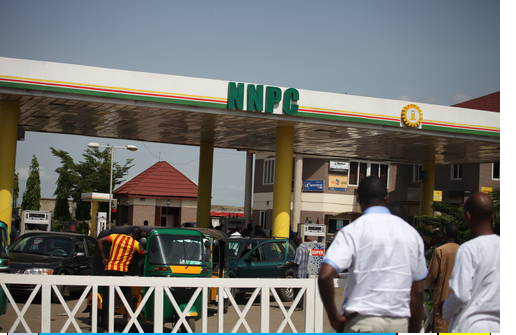
In search of a solution to the high cost of petrol, instigated by the removal of fuel subsidy that has for years ensured that Nigerians purchase petroleum products at cheap rates, the Nigerian National Petroleum Company (NNPC) Limited is teaming up with NIPCO Gas Limited to construct 35 compressed natural gas (CNG) stations across the country.

The move follows the announcement by President Bola Tinubu on Tuesday, during his nationwide broadcast, that his administration has made provision to invest N100 billion between now and March 2024 to acquire 3,000 units of 20-seater buses powered by compressed natural gas (CNG).

The initiative is geared toward reducing the cost of transport, by offering commuters cheaper alternatives to expensive fuel.

Compressed Natural Gas is a viable fuel substitute for conventional petrol, diesel, and liquefied petroleum gas (LPG). It finds application in both conventional internal combustion engine vehicles as well as purpose-built CNG vehicles.

In a statement issued on Thursday, Garba Deen Muhammad, the spokesperson for NNPC, revealed that the collaboration is focused on offering a more affordable alternative fuel option to Nigerian motorists, aligning with President Bola Tinubu’s directive.

“As part of the Nigerian National Petroleum Company (NNPC) Limited’s commitment to providing cheaper alternative fuel to motorists, the company is happy to announce a strategic partnership with NIPCO Gas Limited to deploy compressed natural gas (CNG) stations across the country,” the statement reads.

“This landmark collaboration aims to expand our CNG infrastructure, improve access to CNG, and accelerate the adoption of cheaper and cleaner alternative fuel for buses, cars, and Keke NAPEP, which will significantly reduce the cost of transportation and engender sustainable national economic growth.”

Muhammad explained that as part of the NNPC-NIPCO strategic collaboration, a total of 35 modern CNG stations, including three primary stations, will be built across the country. This project will be executed in a phased approach, according to the NNPC spokesperson.

“Once fully operational, the stations can service over 200,000 vehicles daily, thereby significantly reducing the cost of automobile fuel for Nigerians and the cost of transportation,” he said.

“The first phase, comprising 21 CNG stations, will support intra-city transportation and be ready by the first quarter of 2024; while the second phase, comprising 35 CNG stations, will support inter-city transformation and will be ready by late 2024. This will be further complemented by an additional 56 stations to be deployed by NNPC Retail across the country.

“This initiative will leverage Nigeria’s abundant natural gas resources to bring multiple benefits to Nigerians, including access to cheaper fuel, reduced cost of transportation, reduced carbon emissions, create new business value chains and streams of job opportunities.”

Per the statement, NIPCO Gas Limited presently operates 14 CNG stations across Nigeria and has successfully converted more than 7,000 vehicles to utilize CNG as fuel.

The national oil company further emphasized that NIPCO’s strong technical expertise and hands-on experience will enhance the effectiveness of the initiative and enhance its favorable contributions to the country’s economy.