DD
MM
YYYY

PAGES

DD
MM
YYYY

spot_img

PAGES

Home Blog Page 4028

Tekedia Capital Syndicate is ACTIVE with 10 Startups in the Investment Board

0

Dear Sir/Madam,

Greetings! We are very happy to update that Tekedia Capital has published 10 startups for the current investment cycle. Once logged in with the membership email, the direct link is here. These companies cover different sectors, geographies and domains.

We made a special video for each startup and also provided their respective pitch decks. Please keep all the startups confidential until we have invested. Also, there are some startups that have space constraints; so, learning of your interest immediately will be appreciated. 

More so, remember the Demo Day scheduled for Oct 14, 2023 at 4-6pm WAT; the Zoom link is in the Board when you login. All the startups will be live to present and take your questions.

For this Demo Day, please bring your investment friends, families, advisors and associates along; indeed, any person you consult with as you make investment decisions. The proceeding will be recorded and available in the board afterwards.

Have a great moment checking them and if you have any questions, please contact us. (If you have forgotten your password, email us for a temporary one or just go here to request a new one https://capital.tekedia.com/setup/.)

Regards,

Tekedia Capital Team

Tesla Reports 7% Decline in Deliveries For Q3 2023, Compared to Q2 2023

0

Giant Electric Vehicle (EV) maker, Tesla has reported a 7% decline in deliveries for a third-quarter report of 2023, compared to the previous quarter.

In Q3 of 2023, Tesla reported 435,059 deliveries and a total vehicle production of 430,488.

During the previous quarter, Tesla reported total deliveries of 466,140 and total vehicle production of 479,700. During the same period in 2022, Tesla reported total vehicle production of 364,923 and deliveries of 343,830.

Tesla’s third-quarter result fell short of Wall Street’s estimation of around 455,000 total deliveries, with a median estimate of 453,128 deliveries for the quarter, based on 25 analysts’ estimates.

Tesla’s decline in third-quarter results doesn’t come as a surprise as the CEO Elon Musk during its Q2 2023 earnings call, had informed investors to expect lower production figures for Q3.

The reason for the decrease in production is the fact that some of Tesla’s factories will shut down temporarily in the summer to implement upgrades, Musk explained.

Commenting on the Q3 result, the company said,

“A sequential decline in volumes was caused by planned downtime for factory upgrades, as discussed on the most recent earnings call. Our 2023 volume target of around 1.8 million vehicles remains unchanged”.

Despite its report of a nearly 7% decline in vehicle deliveries compared to the previous quarter, shares of Tesla closed nearly flat for the day at $251.60 on Monday.

Notably, Tesla’s dip in sales may renew concerns that the demand for its vehicles is slackening even after the company slashed the prices of its vehicles. In China, Tesla is trying to fend off Chinese carmakers, like BYD and Nio, who are rolling out new models more quickly.

In the United States, Tesla faces increased competition from established carmakers like Ford Motor, General Motors, Hyundai, and Volkswagen. They have been chipping away at Tesla’s dominance the company accounted for about 60 percent of the electric vehicle market in the second quarter.

Tesla cut prices significantly on all its models this year to fend off competition and keep its sales growing at a rapid clip. As a result, its profit margin has fallen sharply, though it remains higher than, those of more established carmakers.

More recently, the company has slowed or stopped production at its factory in Austin, Texas, to prepare for production of the Cybertruck.

In China, Tesla paused some production as it switched assembly lines to an upgraded version of its Model 3 sedan known as the Highland.

Tesla will need a big finish in 2023, to realize Musk goal of increasing its sales by 50% annually. To hit that target, Tesla will have to sell 1.97 million vehicles this year.

Removal of Subsidies is not a Destination but a necessary Requirement to Staying Afloat

0

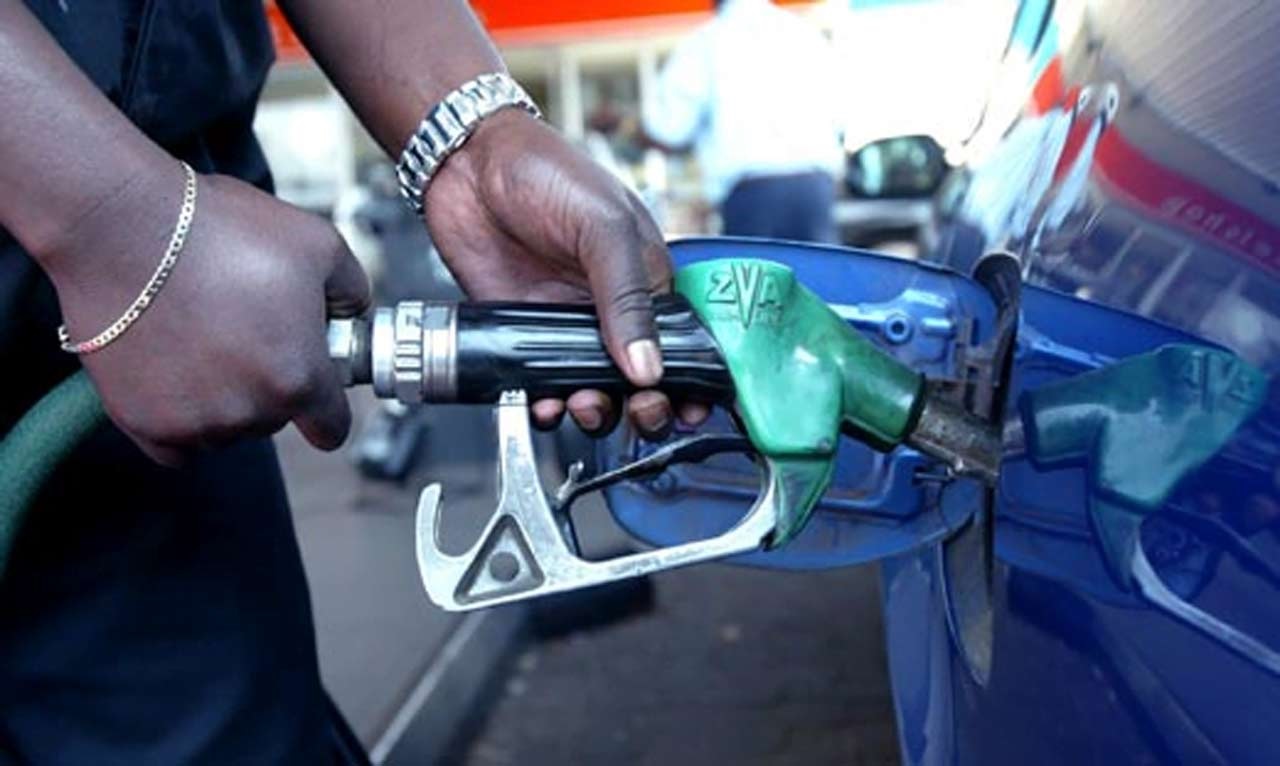
The recent decision by the government to remove subsidies on fuel and electricity has sparked a lot of debate and criticism from various quarters. Some have argued that this is a betrayal of the masses, who are already suffering from the effects of inflation, unemployment and insecurity. Others have claimed that this is a ploy to enrich the elites, who are the main beneficiaries of the subsidies. However, I will try to explain why the removal of subsidies is not a destination but a necessary requirement to staying afloat in the current economic situation in Nigeria.

First of all, let us examine what subsidies are and how they work. Subsidies are financial support given by the government to reduce the cost of production or consumption of certain goods or services. In Nigeria, the government has been subsidizing fuel and electricity for decades, meaning that consumers pay less than the actual market price for these commodities. The difference between the market price and the subsidized price is borne by the government, which uses public funds to pay the suppliers.

The main rationale for subsidizing fuel and electricity is to make them affordable and accessible to the majority of Nigerians, especially the poor and vulnerable. However, this noble intention has been undermined by several factors, such as corruption, inefficiency, smuggling and vandalism. According to various reports, Nigeria spends about N1 trillion annually on fuel subsidy alone, which is equivalent to about 3% of its GDP. This is a huge amount of money that could be used for other developmental purposes, such as health, education and infrastructure.

Moreover, fuel subsidy has not really benefited the poor as intended. According to a 2019 report by the World Bank, only 15% of fuel subsidy benefits go to the poorest 20% of Nigerians, while 69% go to the richest 20%. This is because the poor consume less fuel than the rich, who own more cars and generators. In fact, fuel subsidy has encouraged wasteful consumption and increased environmental pollution. It has also created an artificial demand for fuel, which exceeds the domestic supply capacity. As a result, Nigeria has to import most of its fuel needs, despite being an oil-producing country.

Similarly, electricity subsidy has not improved the quality and quantity of power supply in Nigeria. According to a 2020 report by the Nigerian Electricity Regulatory Commission (NERC), Nigeria has an installed generation capacity of about 13,000 megawatts (MW), but only about 4,500 MW is available on average. This is far below the estimated demand of about 25,000 MW. The low availability of power is due to several factors, such as gas shortages, transmission constraints, distribution losses and vandalism.

Electricity subsidy has also distorted the market signals and incentives for investment in the power sector. According to NERC, the average tariff paid by consumers in Nigeria is about N32 per kilowatt-hour (kWh), while the actual cost-reflective tariff is about N51 per kWh. This means that the government pays about N19 per kWh as subsidy to cover the gap between the tariff and the cost. This amounts to about N540 billion annually, which is equivalent to about 1.5% of GDP.

However, this subsidy has not translated into improved service delivery or customer satisfaction. According to a 2019 survey by NOI Polls, only 36% of Nigerians are satisfied with their electricity supply, while 64% are dissatisfied. The main reasons for dissatisfaction are frequent power outages, high bills and poor customer service. In fact, many Nigerians resort to self-generation using diesel or petrol generators, which are more expensive and harmful to the environment.

Therefore, it is clear that subsidies on fuel and electricity are not sustainable or effective in achieving their intended objectives. They are draining public resources that could be used for more productive purposes. They are also creating distortions and inefficiencies in the market that discourage investment and innovation. They are also benefiting the rich more than the poor, who still lack access to affordable and reliable energy services.

This is why the removal of subsidies is not a destination but a necessary requirement to staying afloat in these challenging times. By removing subsidies, the government will save money that can be used to fund other social programs that directly target the poor and vulnerable segments of society. For instance, the government has introduced a National Social Investment Program (NSIP), which includes conditional cash transfers, school feeding program, youth empowerment scheme and microcredit scheme.

By removing subsidies, the government will also create a level playing field for private sector participation and competition in the energy sector. This will encourage more investment in infrastructure and technology that will increase supply and reduce cost in the long run. It will also promote efficiency and accountability in service delivery and customer relations. It will also foster innovation and diversification in energy sources that will reduce dependence on fossil fuels and enhance environmental sustainability.

Of course, removing subsidies will have some short-term negative impacts on consumers, especially those with low income and high energy consumption. The prices of fuel and electricity will increase, which will affect the cost of transportation, production and living. This will also have a ripple effect on the prices of other goods and services, which will increase inflation and reduce purchasing power.

However, these impacts can be mitigated by implementing some complementary measures, such as: Providing targeted subsidies or vouchers to the poor and vulnerable groups that need them the most, such as transporters, farmers, artisans and small businesses.

Providing palliatives or stimulus packages to cushion the effects of the price increases, such as tax relief, minimum wage adjustment, social security and unemployment benefits.

Providing alternative or renewable energy sources that are cheaper and cleaner, such as solar, wind, hydro and biomass.

Providing energy efficiency and conservation measures that will reduce energy demand and wastage, such as smart meters, LED bulbs, energy audits and awareness campaigns.

Providing regulatory and institutional reforms that will ensure transparency, accountability and fairness in the energy sector, such as metering, billing, collection and dispute resolution.

Removing subsidies on fuel and electricity is not a destination but a necessary requirement to staying afloat in the current economic situation. It is a painful but inevitable decision that will have long-term benefits for the economy and society. It is also a shared responsibility that requires the cooperation and sacrifice of all stakeholders, including the government, private sector, civil society and consumers. Together, we can overcome this challenge and build a more prosperous and sustainable future for ourselves and generations to come.

Though landlocked, Rwanda is positioning as Singapore of Africa; clean, safe, and efficient

1

Rwanda is a small country in East Africa that has no access to the sea. However, this has not stopped it from pursuing an ambitious vision of becoming the Singapore of Africa. Rwanda wants to emulate the success of Singapore, which transformed itself from a poor and underdeveloped island into a global hub of trade, finance, and innovation. How is Rwanda trying to achieve this goal? And what are the challenges and opportunities that it faces?

we will explore the following aspects of Rwanda’s development strategy:

  • – The political and economic reforms that have enabled Rwanda to achieve stability, security, and growth after the 1994 genocide.
  • – The investments in infrastructure, education, health, and technology that have made Rwanda one of the cleanest, safest, and most efficient countries in Africa.
  • – The regional and international partnerships that have helped Rwanda to expand its markets, attract foreign investment, and enhance its reputation.
  • – The potential risks and limitations that Rwanda has to overcome, such as its dependence on foreign aid, its authoritarian governance, and its vulnerability to external shocks.

By analyzing these factors, we will try to answer the question: Can Rwanda become the Singapore of Africa? And what are the implications for the rest of the continent and the world?

How is Rwanda achieving this goal? What are the challenges and opportunities that it faces? And what are the implications for the rest of the continent and the world?

In this blog post, we will explore these questions and more, by looking at some of the key aspects of Rwanda’s development strategy. We will focus on three areas: governance, infrastructure, and human capital. We will also compare and contrast Rwanda’s approach with that of Singapore, and highlight some of the similarities and differences.

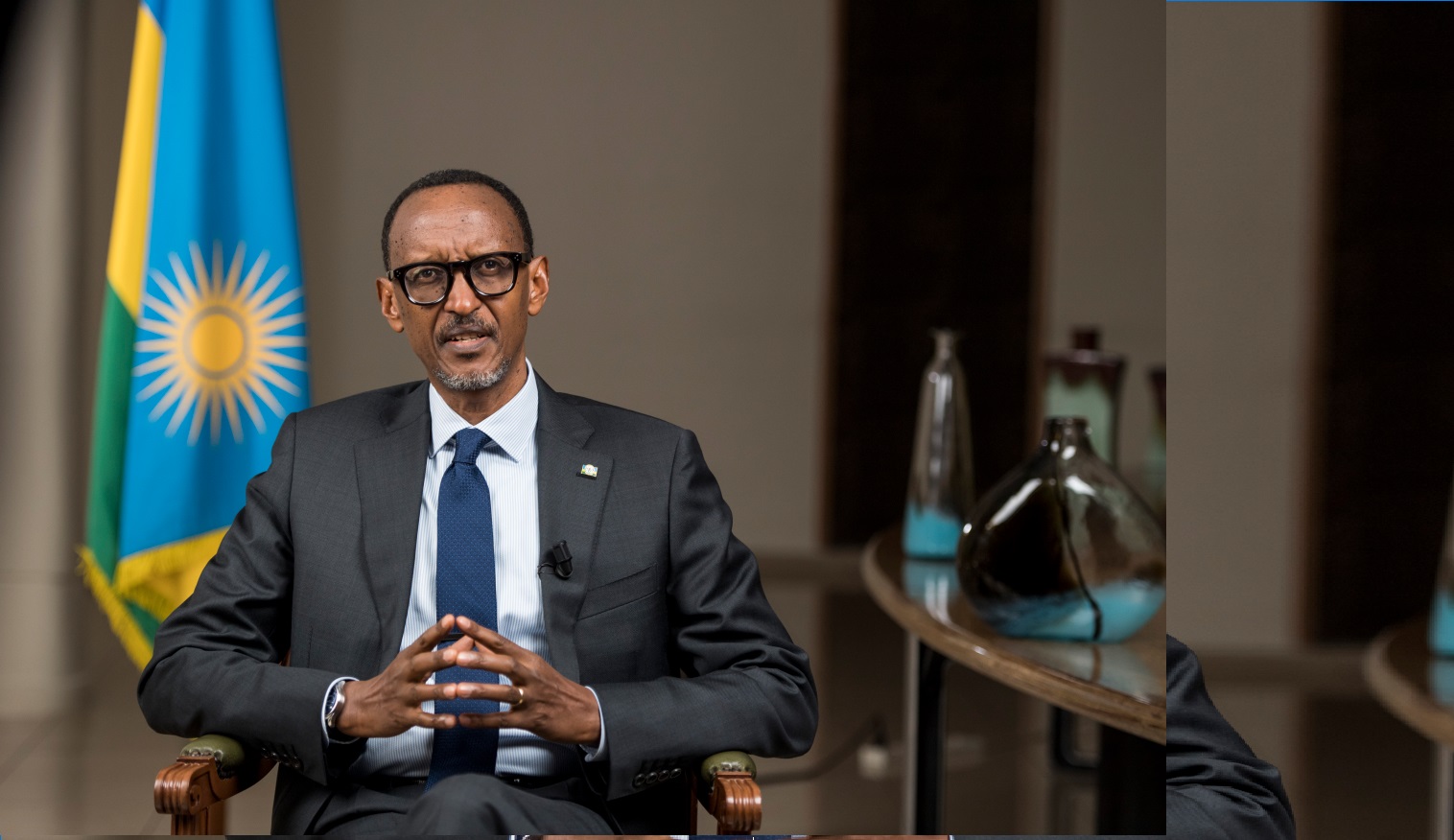
Governance: Rwanda is widely regarded as one of the most stable and well-governed countries in Africa. It has a strong and visionary leadership, led by President Paul Kagame, who has been in power since 2000. Kagame has been credited with ending the 1994 genocide that killed nearly a million people, and restoring peace and security to the country.

He has also overseen a remarkable economic recovery, with an average annual growth rate of over 7% since 2000. Rwanda ranks high on various indicators of governance quality, such as transparency, accountability, rule of law, and anti-corruption. It also has a high level of political participation and representation, especially for women, who make up 61% of the parliament, the highest in the world.

However, Kagame’s style of governance has also been criticized by some as authoritarian and repressive. He has faced accusations of suppressing dissent, restricting civil liberties, and manipulating elections. He has also amended the constitution to allow himself to stay in power until 2034, raising concerns about succession and political stability. Some observers have argued that Rwanda’s governance model is not sustainable or replicable in the long run, and that it may undermine its own development goals.

Infrastructure: Rwanda has invested heavily in building and upgrading its physical infrastructure, such as roads, railways, airports, energy, water, and telecommunications. It has also leveraged technology to improve its public services and business environment.

For example, it has introduced a one-stop online portal for registering businesses, paying taxes, and obtaining permits. It has also launched a national e-government platform that allows citizens to access various government services online or via mobile phones. It has also implemented a drone delivery system that delivers blood and medical supplies to remote areas.

Rwanda’s infrastructure development has been supported by its strategic location in the heart of Africa, which gives it access to regional markets and integration initiatives. It is part of the East African Community (EAC), a regional bloc that aims to create a common market and currency among six countries. It is also part of the African Continental Free Trade Area (AfCFTA), a landmark agreement that aims to create a single market for goods and services across 54 countries. Rwanda hopes to position itself as a gateway and hub for trade and investment in Africa.

However, Rwanda’s infrastructure development also faces some challenges and constraints. One is the high cost of financing and maintaining its infrastructure projects, which often require external loans or grants. Another is the lack of adequate human resources and skills to operate and manage its infrastructure systems. A third is the potential environmental and social impacts of its infrastructure projects, such as displacement, pollution, or conflict over land and resources.

Human capital: Rwanda recognizes that its most valuable asset is its people. It has made significant progress in improving its human development indicators, such as health, education, and gender equality. It has achieved universal primary education, reduced child mortality, increased life expectancy, and improved maternal health. It has also promoted women’s empowerment and inclusion in all sectors of society.

Rwanda’s human capital development strategy is based on two pillars: quality and innovation. It aims to provide quality education and training that meets the needs and aspirations of its people and the demands of its economy. It also aims to foster a culture of innovation and entrepreneurship that encourages creativity, problem-solving, and risk-taking.

Telegram launches in-App Crypto Wallet

0

Telegram, the popular messaging app, has announced the launch of an in-app crypto wallet that will allow its users to send and receive digital currencies. The wallet, called Telegram Wallet, is integrated with the app’s chat interface and supports multiple blockchains, including Bitcoin, Ethereum, and Telegram’s own TON network.

Telegram Wallet aims to provide a simple and secure way for users to access the world of cryptocurrencies and decentralized applications (DApps). Users can create a wallet with a few taps, without the need for any personal information or verification. They can then use their wallet to send and receive crypto payments, as well as interact with DApps and smart contracts on various platforms.

According to Telegram, the wallet is designed to be user-friendly and intuitive, with features such as QR codes, contact integration, and chatbot assistance. Users can also customize their wallet settings, such as choosing their preferred currency, network, and fee level. The wallet also supports biometric authentication and encryption to ensure the safety of users’ funds and data.

Telegram Wallet is the latest addition to Telegram’s ecosystem of services, which includes voice and video calls, group chats, channels, bots, stickers, and more. The app has over 500 million active users worldwide and is known for its focus on privacy and security. Telegram claims that its wallet will offer the same level of protection and anonymity to its users in the crypto space.

Telegram Wallet is currently available for Android devices and will soon be released for iOS devices as well. Users can download the latest version of Telegram from the Google Play Store or the App Store and start using the wallet right away.

Telegram trading bots have been making waves in recent months, attracting the attention of both investors and regulators. In this blog post, we will explore what these bots are, how they work, and what are the benefits and risks of using them. For the past ten weeks the Telegram bot narrative made waves. Unibot hit 85x, Loot bot moved to Base, unibot closed a partnership with OKX, Loot bot just partnered with FriendTech, these bots have handled over $190M in total trades.

Telegram trading bots are software applications that can execute trades on behalf of users based on predefined rules and market signals. They can help traders automate their strategies, save time, and optimize their profits. In this blog post, we will explore the benefits and challenges of using Telegram trading bots, as well as some tips on how to choose the best one for your needs.

Telegram trading bots typically rely on two types of inputs: market data and user commands. Market data can include price movements, volume, indicators, news, and other relevant information. User commands can include buy, sell, stop-loss, take-profit, and other trading parameters. You have an opportunity to Capitalize on this narrative.

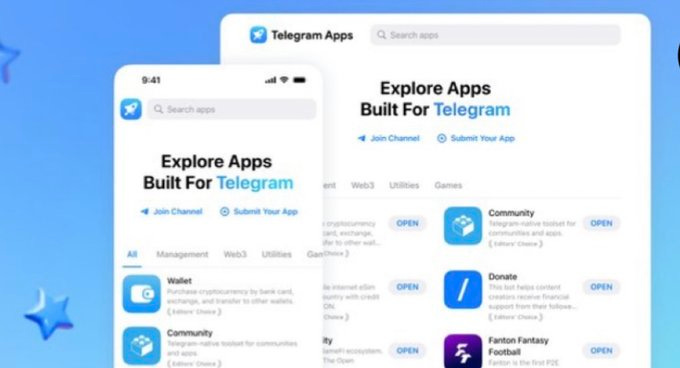
Telegram host almost twice the users on web3 on its platform, they’ve not just allowed this trading bots to run on their API, they’ve brought a web3 supper app to telegram. Telegram is following in WeChat’s footsteps by embracing a super app ecosystem. This move allows third-party developers to build mini apps within Telegram, eliminating the reliance on standalone websites Here’s what this implies 60% of CT traders can login to Dexscreen on telegram.

The bots use various algorithms and strategies to analyze the market data and generate trading signals. These signals can be either executed automatically by the bot or sent to the user for confirmation. The user can also monitor the bot’s performance and adjust the settings as needed.

Telegram trading bots offer several advantages for traders, such as:

Convenience: The bots can operate 24/7, without requiring constant supervision or intervention from the user. They can also access multiple markets and exchanges at once, increasing the opportunities for profit.

Speed: The bots can react faster than human traders to changing market conditions and execute trades in milliseconds, reducing slippage and latency.

Accuracy: The bots can eliminate human errors and emotions that can affect trading decisions, such as fear, greed, bias, and fatigue.

Scalability: The bots can handle large volumes of trades and data, without compromising their performance or accuracy.

Customization: The bots can be tailored to suit the user’s preferences, risk appetite, and trading goals. They can also be integrated with other tools and platforms, such as charting software, portfolio trackers, and social media.

Telegram trading bots are not without drawbacks, however. Some of the potential risks include:

Security: The bots may be vulnerable to hacking, phishing, malware, or other cyberattacks that can compromise their functionality or steal their funds. Users should always verify the legitimacy and reputation of the bot providers and use secure passwords and encryption methods.

Regulation: The bots may operate in unregulated or illegal markets that can expose their users to legal or financial consequences. Users should always check the local laws and regulations before using any bot service and comply with the relevant tax obligations and reporting requirements.

Performance: The bots may not perform as expected or promised by their providers, due to technical glitches, faulty algorithms, market manipulation, or unforeseen events. Users should always test the bot’s performance on a demo account before using it on a live account and monitor its results regularly.

Cost: The bots may charge fees for their services, such as subscription fees, commission fees, or withdrawal fees. Users should always compare the costs and benefits of different bot options and choose the one that offers the best value for money.