DD
MM
YYYY

PAGES

DD
MM
YYYY

spot_img

PAGES

Home Blog Page 4067

Nigeria is Broke, the Government is Just Managing to Pay Salaries – Budget Minister

0

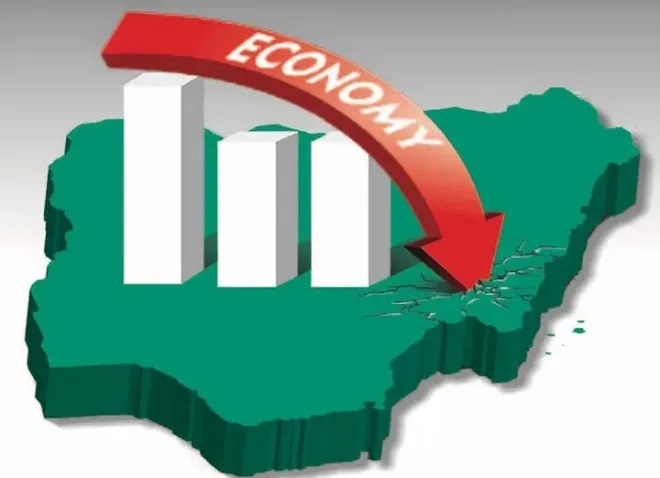
Nigeria’s Minister of Budget and National Planning, Atiku Bagudu, has openly acknowledged that the country is grappling with a severe financial crisis.

He stated that the government is presently just managing to pay salaries while dealing with a slow economic growth rate, a rapidly increasing population, surging unemployment, and high inflation.

Minister Bagudu expressed his concerns at the 30th Annual Development Forum organized by the Live Above Poverty Organization (LAPO) in Abuja. Represented by Dr. Sampson Ebimaro, the Director of Bilateral Economic Cooperation in the Ministry, Bagudu urged non-governmental organizations (NGOs) to assist the government in bridging the gaps it faces.

He disclosed the current financial predicament by stating, “Government faces enormous challenges, especially now; the government is facing a revenue deficit. There is no money anywhere in the country; the government is just managing to pay salaries. The growth rate is very slow, and the population growth is rapidly increasing. Unemployment is surging amid high inflation.”

Bagudu’s call to NGOs was to support the government in enhancing performance in critical areas and to facilitate the delivery of quality services to civil and public servants.

In response to the financial crisis, discussions with the World Bank are reportedly underway to secure a $1.5 billion concessionary loan to bolster budgetary provisions. This financial struggle coincides with a significant forex crisis in Nigeria, leading to the depreciation of the Naira to N1,200/$1 in the parallel market, and inflation surging to 26.72% in September.

The nation’s financial challenges are further exacerbated by the ongoing crisis in the oil sector, which has significantly impacted oil output. As a result, Nigeria heavily depends on external lenders.

In the first quarter of 2023, Nigeria’s net earnings from crude oil and gas stood at N486 billion, while net earnings from solid minerals amounted to N1.99 billion. In contrast, personnel cost reached N978 billion during the same period.

Economic experts have warned that the situation could worsen if the government does not take swift action to address the issues hindering economic growth. The need for comprehensive economic reforms and measures to boost forex earnings, particularly from the export of crude oil, is becoming increasingly urgent to tackle the nation’s financial crisis.

Besides boosting oil output, Olusegun Aganga, a former Minister of Finance, emphasized that Nigeria must reduce its dependence on imports and prioritize local production to bolster the strength of the naira. Speaking at the 3rd Adeola Odutola lecture during the 51st Annual General Meeting of the Manufacturers Association of Nigeria, Aganga underscored the critical role that local production and exports play in fortifying the country’s currency.

Aganga’s remarks came as part of a broader discussion on the economic challenges facing Nigeria and the steps needed to address them. He highlighted the adverse effects of a weak naira on the nation’s economy, which includes increased inflation and currency depreciation, among other issues.

The former finance minister emphasized that a strong naira is contingent on Nigeria’s ability to produce goods for both domestic consumption and export. He argued that the country’s reliance on imports perpetuates the naira’s vulnerability and exacerbates economic challenges. To address these issues, Aganga suggested a concerted effort to boost local production across various industries.

“Unlike the trillions spent on subsidies, bailouts, the Agric Anchor Borrowers Programme, the refineries, I can assure you that every naira, no matter how large, that is well spent on the strategic industrial sectors can be easily recovered and will deliver tremendous benefits to the economy and the nation,” he said.


Artificial Intelligence in the Metaverse

0

The metaverse is a term that describes a shared virtual space where people can interact, create, and explore. It is often seen as the next frontier of the internet, where immersive technologies such as virtual reality (VR), augmented reality (AR), and artificial intelligence (AI) will enable new forms of social and economic activities.

Artificial intelligence (AI) is one of the most powerful and influential technologies of our time. It has the potential to transform every aspect of our society, from health care and education to business and entertainment.

But what does this mean for our future? Are we heading towards a utopia or a dystopia? And how much control do we have over the direction and impact of AI?

AI offers many benefits and opportunities for improving our lives and solving some of the world’s biggest problems. Some of the areas where AI can make a positive difference include:

Health care: AI can help diagnose diseases, recommend treatments, monitor patients, discover new drugs, and personalized medicine.

Education: AI can help teachers and students with personalized learning, adaptive assessment, feedback, and tutoring.

Environment: AI can help monitor and protect the environment, reduce greenhouse gas emissions, optimize energy consumption, and support sustainable development.

Economy: AI can help boost productivity, innovation, and competitiveness, create new jobs and industries, and enhance customer service and satisfaction.

Security: AI can help prevent and detect cyberattacks, fraud, and terrorism, enhance public safety and law enforcement, and support humanitarian and disaster relief efforts.

Entertainment: AI can help create and enhance content, such as music, movies, games, and art, provide interactive and immersive experiences, and cater to individual preferences and tastes.

AI Challenges However, AI also poses many challenges and risks for our future. Some of the areas where AI can cause harm or disruption include:

Privacy: AI can collect and analyze massive amounts of personal data, potentially violating our privacy rights and exposing us to identity theft, surveillance, and manipulation.

Bias: AI can reflect and amplify human biases, such as racism, sexism, or ageism, leading to unfair or discriminatory outcomes or decisions.

Accountability: AI can make complex and autonomous decisions, potentially causing harm or damage, without clear responsibility or liability.

Transparency: AI can operate in opaque or incomprehensible ways, making it difficult or impossible to understand how or why it works or what it does.

Security: AI can be hacked or misused by malicious actors, such as criminals or terrorists, for nefarious purposes or goals.

Ethics: AI can challenge or conflict with our moral values or principles, such as human dignity, autonomy, or justice.

Society: AI can affect our social norms or relationships, such as trust, empathy, or cooperation, creating social isolation or polarization.

Humanity: AI can surpass or replace human intelligence or capabilities, potentially threatening our identity or existence.

As we can see, AI has both positive and negative implications for our future. Therefore, we need to be careful and responsible in how we design and use AI systems. We need to ensure that AI is aligned with our human values and goals, respects our rights and dignity, promotes fairness and justice, enhances our well-being and happiness, and empowers us rather than enslaves us.

AI is a key component of the metaverse, as it can provide various functions and services that enhance the user experience and enable new possibilities. Some of the roles that AI can play in the metaverse are:

Content creation: AI can help generate realistic and diverse content for the metaverse, such as avatars, environments, objects, sounds, and animations. AI can also help users customize and personalize their content according to their preferences and needs.

Interaction: AI can facilitate natural and engaging interactions between users and the metaverse, such as voice, gesture, eye gaze, and emotion recognition.

AI can also enable interactions with intelligent agents, such as chatbots, NPCs, and digital assistants, that can provide information, guidance, entertainment, and companionship.

Simulation: AI can simulate complex and dynamic phenomena in the metaverse, such as physics, weather, ecology, economy, and culture. AI can also create realistic and adaptive behaviors for the agents and entities in the metaverse, such as animals, plants, vehicles, and crowds.

Learning: AI can help users learn new skills and knowledge in the metaverse, such as languages, arts, sciences, and professions. AI can also help users track their progress and achievements and provide feedback and recommendations.

Security: AI can help protect the metaverse from malicious attacks and threats, such as hacking, phishing, spamming, trolling, and cyberbullying. AI can also help enforce the rules and norms of the metaverse and ensure fair and ethical practices.

AI in the metaverse is not only a technological challenge but also a social and ethical one. As the metaverse becomes more integrated with our lives, we need to consider how AI will affect our identity, privacy, rights, values, and well-being. We also need to ensure that AI in the metaverse is inclusive, accessible, diverse, transparent, and accountable.

The metaverse is an exciting vision that promises to transform our world. AI is a powerful tool that can help us realize this vision.

However, we also need to be aware of the risks and responsibilities that come with it. We need to collaborate and co-create the metaverse that we want to live in.

Some of the steps that we can take to achieve this include:

Developing ethical principles and standards for AI that reflect our shared values and aspirations

Implementing technical methods and tools for ensuring the safety, reliability, explainability, and accountability of AI systems

Establishing legal frameworks and regulations for governing the development and deployment of AI systems

Fostering public awareness and education about the benefits and risks of AI

Engaging in multidisciplinary dialogue and collaboration among stakeholders from academia, industry, government, civil society, and the public

Encouraging human-centric and inclusive design of AI systems that cater to the needs and preferences of diverse users

Supporting human-AI interaction and collaboration that augment rather than replace human skills and abi

AI is a powerful force that can shape our future for better or worse. It is up to us to decide how we want to use it. We have the opportunity to harness its potential for good while avoiding its pitfalls.

We have the responsibility to ensure that it serves us rather than harms us. We have the choice to make it a friend rather than a foe. The future is in our hands.

This Could Make Nigeria’s Naira To Appreciate Over The US Dollars in Weeks

2
Naira USD

I know that Naira is now well above N1000/$ in the black market. Lack of policy clarity is the reason the Naira is still struggling. You may not believe this but it is the fact, as I have written here: Nigeria went into massive de-industrialization at the onset of the poorly implemented border closure. That policy decimated industrial output in Nigeria by more than 20%.

Many small producers in Lagos, Aba which produce for Benin Republic, Cameroon, etc collapsed as a result of that poison-pill-like policy. When we closed the borders, many closed their shops! Yes, when we closed the borders, many closed their shops! (A Nigeria’s former minister noted how this has played in the last few years)

Nigeria’s Minister of Budget and National Planning, Atiku Bagudu, has openly acknowledged that the country is grappling with a severe financial crisis.

He stated that the government is presently just managing to pay salaries while dealing with a slow economic growth rate, a rapidly increasing population, surging unemployment, and high inflation.

But in the next few weeks and months, Nigerian Naira will likely get help. I expect oil prices to rise more, and if that happens with higher production output, Nigeria’s external reserves will improve. Typically, when that happens, Naira strengthens, ceteris paribus.

That postulation is anchored on one thing: if Israel moves on with a ground invasion in Gaza, other players could join the conflict. As that happens, the oil market will be rattled, with nations like Nigeria benefiting since anything which affects the  Strait of Hormuz will trigger oil crises around nations.

Yet, the question remains: the Naira may appreciate under that turbulence, but what will make it have a sustained strength? That is where re-industrializing Nigeria matters, even at the light manufacturing level, understanding that industries today include the old type and the modern type (startups and digital firms).

Former Minister of Finance and Trade, Industry and Investment, Mr Olusegun Aganga has stated that Nigeria has been de-industrializing for the past 8 years since 2015. ..In his words,

“The best year for the industry was between 2011 and 2014. That was when there was active collaboration between MAN and the government.

The numbers will tell you that Nigeria has been de-industrialising since 2015, not improving”  

“The numbers will also tell you that when government promotes and supports industrialisation, the industry responds positively, and we all benefit as a country” 

[…]

“The lack of electricity alone adds about 20% to 30% of the production cost and of course, the recent increase in fuel subsidy has further increased the cost of production.”

“The problem has persisted due to the poor implementation of various infrastructure development plans” 

[…]

“Apart from a very low manufacturing base, the major problem of Nigeria’s export of non-oil commodities is standards.

The summary: be careful as you play the Naira because one bomb could re-align imbalances which will help the Naira to appreciate in value. And it does not have to depend on what the Central Bank of Nigeria is doing or not doing. We just need to have a working bank account in America with the oil flowing in the Niger Delta.

Comment on Feed

Comment: I think I’m one of those who see Nigeria as a very difficult economy to predict given the forces at play. The Nigerian economy for some strange reasons have some other artificial factors which may prevent it from obeying the natural laws of demand and supply .

An increase in global oil price and more production output from our fields may still not revive the economy. Nigeria is a strange turf .

My Response: “An increase in global oil price and more production output from our fields may still not revive the economy.” – check data, Naira has always appreciated whenever oil goes north. What happens is that Nigeria has money in the American banks to fight for Naira. It has nothing to do with our efforts in Nigeria.

Comment 2: Nigeria is yet to start building from strength, thus the many reactionary policies, including economic policies. Without an ‘intelligent and proactive’ long term economic development plan that will outlive and outlast any one administration, I am afraid, we are not going anywhere, yet. The continued devaluation of the Naira, in my opinion, is a response to our inability to create and exchange economic value locally and abroad. And, should we maintain this trajectory, it may only get worse.

We are importing our consumption and exporting all our production (and with the increasing japa epidemic – our human capital too), to the extent that most of the resources powering the most vibrant SMEs in the country are foreign.

For as long as local factors of production do not contribute to producing for our consumption and export, we just dey play!

We HOPE too much. If personal economic growth does not respond to hope, but value exchange, how much more a National economy?

Nigeria is Broke, the Government is Just Managing to Pay Salaries – Budget Minister

Let the Nigeria-France Naval Exercise End As Stated; Yes, no Extension to Niger Republic.

1

Let us soldier in peace as Nigeria and France get closer on and in the waters of the Gulf of Guinea. “What would you like to be when you grow up?, a senior would ask in the village square.  “A soldier”, we would respond under the Akpurachi tree in Ugwunta Ovim. Why not? Everyone grew under the sirens of governors, and we extrapolated that the best path to a career success was a military one.

It remained like that until Admiral Ndubuisi Kanu came to the village school and reshaped our thinking. He dropped words, and said “you must be educated”, and then put efforts to channel our mindsets to do well in schools.(He kept checking, going round the village to see progress).  General Ike Nwachukwu was also pushing everything to make it clear that the future generation of Ovim was not tethered to military service. Sure, nothing wrong with serving, but every person could not and must not join the military!

Sure, we have got many military people here, and one who became Nigeria’s Army chief (General Ihejirika), his father’s parlour was where we used to gather to study Mathematics. People, it was all military and the admiration was natural.  And as Nigeria does whatever it has to do with France, I just have one request as we respect their decisions: let us end the drill as planned. Yes, no extension to Niger Republic.

Take time to read speeches by Nnamdi Azikiwe and Obafemi Awolowo before and after the Biafra war. You will notice that their tones changed from “We’re” to “We will”. Before the war, they were confident, but after the war, they came to think deeper into the future, unsure. As Zik mounted podiums as Nigeria’s first president, he muttered words that “Nigeria is leading”. Post-war, he updated that “Nigeria will lead”.  Across all indicators, they were not sure of the future.

Till today, Nigeria has not recovered, because We’re is now a loop of We Will. We do not want that in West Africa and this military exercise should come and end, no extensions to Niger Republic!

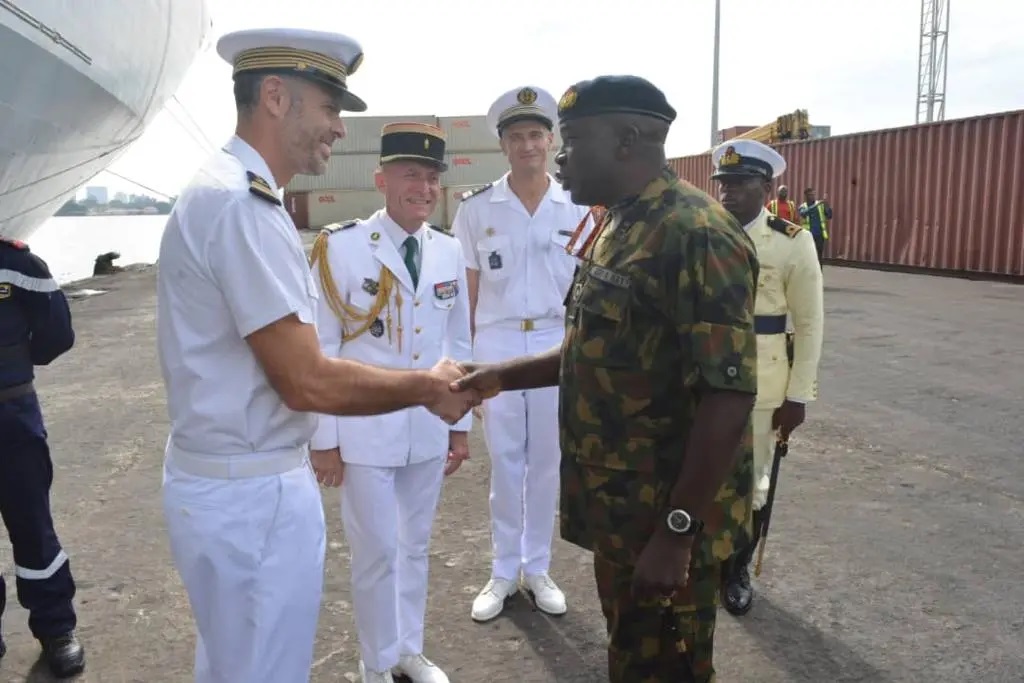
FRENCH NAVY SHIP MISTRAL PAYS A PORT CALL IN LAGOS, TO PARTICIPATE IN EXERCISE GRAND AFRICAN NEMO AND EXERCISE CROCODILE LIFT SCHEDULED FOR 9-15 OCTOBER 2023. FRENCH DEFENCE ATTACHE TO NIGERIA, COLONEL GUILLAUME DUJON ALSO PAID A COURTESY VISIT TO HEADQUARTERS WESTERN NAVAL COMMAND, APAPA, LAGOS.

Breaking the Cycle of Pain Relief Medications Abuse in Nigeria

0

The abuse of common pain relief medications, such as panadol, paracetamol, ibuprofen, and aspirin, is a growing concern in many societies, including Nigeria. Information-seeking behaviour through the Internet using the Google Search Engine shows that between January 1, 2023, and October 15, 2023, Nigerians with access to the Internet sought information about these medications.

In our analysis, we discovered that the more they sought information about paracetamol, the less they did for panadol. A similar insight was discovered for aspirin and paracetamol. However, the more they sought information about Aspirin, the more they did for Panadol. This indicates that paracetamol and panadol are considered the most useful drugs for solving pain problems in their bodies or seeking information about them for the purpose of determining how they constitute part of the most misused or abused drugs in Nigeria. We further discerned that the more they developed an interest in knowing how aspirin can cure their pains, the less they had a similar interest in knowing the extent to which ibuprofen can perform the same function.

Overall, our analysis shows that panadol, paracetamol, and ibuprofen were more associated with solving pain problems during the period than aspirin. Despite this outcome, our analyst notes that Nigeria is really battling with the abuse of all four medications. His position is premised on the outcomes of a series of analyses of the policies and strategies of control agencies as well as the media response to the menace that has shown that concerned stakeholders are still struggling to solve the abuse of various painkiller medications.

This is mainly based on the complexity of the system of abuse, which involves many hidden micro and macro actors who take solace in distributing and prescribing the drugs without a medical examination report that reveals the need for the drugs by patients. It is common knowledge that as soon as people feel pain in their bodies, the only solution that comes to mind is to use the mentioned medications without a medical examination. In this regard, individuals exist in various states regarding their relationship with painkillers, from responsible use to dependency.

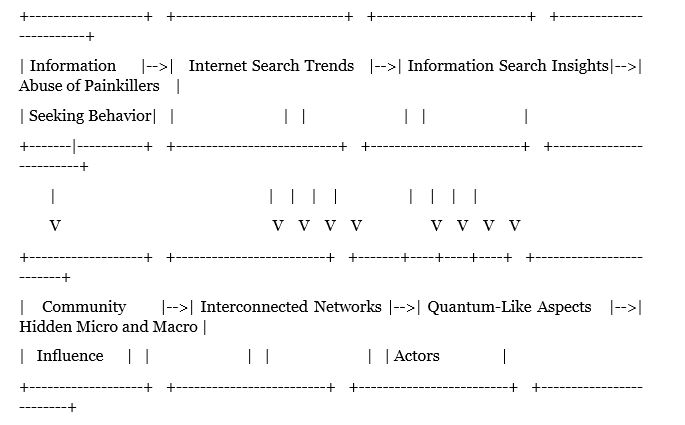
Exhibit 1: Pain Relief Medications Information-Seeking Driven Abuse Analytical Framework

Source: Infoprations Analysis, 2023

In this analytical framework (see Exhibit 1), information-seeking behaviour through the internet influences the search trends related to common pain relief medications, highlighting the dynamics between different medications. These trends are affected by users’ interests and preferences, which, in turn, influence the abuse of these medications. The complexity of the system is underscored by hidden actors and the interconnected networks that drive the normalization of abuse. Finally, quantum-like aspects such as uncertainty and the impact of public awareness campaigns are essential elements in understanding and addressing the issue of painkiller abuse.

However, the behaviour of one individual influences that of another, creating interconnected networks of users. For example, nursing mothers cannot do without any of these medications. As soon as their children complain of pain, the first solution they usually think of is the application of any of the medications. Medicine stores in rural and urban areas are also not helping the government stamp out misuse or abuse of the medications with their poor attitude towards requesting medical reports from their customers. Recognising this entanglement is crucial for implementing effective prevention programmes.

In quantum physics, Heisenberg’s Uncertainty Principle states that we cannot precisely know both the position and momentum of a particle. Similarly, predicting who may fall into the trap of painkiller abuse is challenging. However, through data analysis and behavioural patterns, we can reduce uncertainty and identify risk factors.

As noted previously, the more individuals misuse painkillers, the more they normalise such behaviour in a community. Identifying these loops is crucial to breaking the cycle of abuse. Promoting responsible painkiller use through public awareness campaigns can be a high-leverage strategy.