DD
MM
YYYY

PAGES

DD
MM
YYYY

spot_img

PAGES

Home Blog Page 4124

X Needs To Adopt The One Oasis and Double Play Strategy, And Stop the $1 Annual Plan

0

Game on: “Starting today, we’re testing a new program (Not A Bot) in New Zealand and the Philippines. New unverified accounts will be required to sign up for a $1 annual subscription to be able to post & interact with other posts. Within this test, existing users are not affected.

“This new test was developed to bolster our already successful efforts to reduce spam, manipulation of our platform, and bot activity while balancing platform accessibility with the small fee amount. It is not a profit driver. And so far, subscription options have proven to be the main solution that works at scale”.

This is not a good playbook because even the creators are at risk, if the user base drops. Whatever Meta is doing which makes WhatsApp free and available with no adverts must be studied by Elon Musk’s team. Elon Musk, I will recommend my piece in Harvard Business Review on One Oasis and Double Play Strategy. You must use that in X (Twitter) and off this $1 thing.

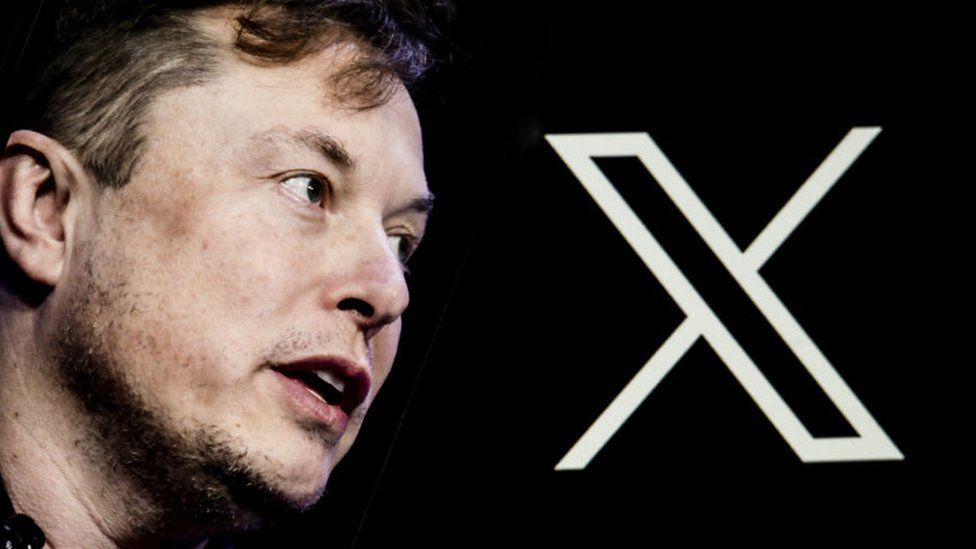
X Announces Plans to Charge New Users $1 Annually

0

X (formerly Twitter), has announced plans to start charging new users a $1 annual subscription fee, to be able to post tweets, repost, and reply, amongst others.

This means that users who are unwilling to pay the fee will only be able to view posts and follow accounts.

On Tuesday, X on its support page announced in a post that the new unverified users in New Zealand and the Philippines will be required to pay $1 a year, adding that existing accounts are not affected.

X wrote,

“Starting today, we’re testing a new program (Not A Bot) in New Zealand and the Philippines. New unverified accounts will be required to sign up for a $1 annual subscription to be able to post & interact with other posts. Within this test, existing users are not affected.

“This new test was developed to bolster our already successful efforts to reduce spam, manipulation of our platform, and bot activity while balancing platform accessibility with the small fee amount. It is not a profit driver. And so far, subscription options have proven to be the main solution that works at scale”.

The company said that the move to charge new subscribers is in its efforts to reduce spam and not activity while balancing platform accessibility with the small fee amount, adding that it is not a profit driver.

Excess bot activity has been a plaguing issue on X for a very long time before Musk’s takeover in October 2022.

According to a data analysis firm hired by Elon Musk during his initial plan to purchase X, he alleged that spam and fake accounts were more prevalent on X than on comparable social platforms.

Bots on X later became central to the dispute over Musk’s initial attempt to get out of the acquisition deal. Less than three months after signing the deal, and waiving due diligence in the process, Musk moved to terminate the agreement, citing claims that X had misstated the number of bots on its platform.

Since his takeover, Bot’s activity has reportedly worsened, which has seen him implement many decisions to combat their presence on the microblogging platform such as charging users for Twitter Blue.

Charging new users an annual fee isn’t Musk’s first attempt to make X a paywalled service, and probably won’t be the last. X already limits the number of posts non-paying users can see on their timeline, and it’s blocked non-users from seeing any content whatsoever.

Tesla Announces Third Quarter Report For 2023; Profit, Sales Fall Short of Estimation

0

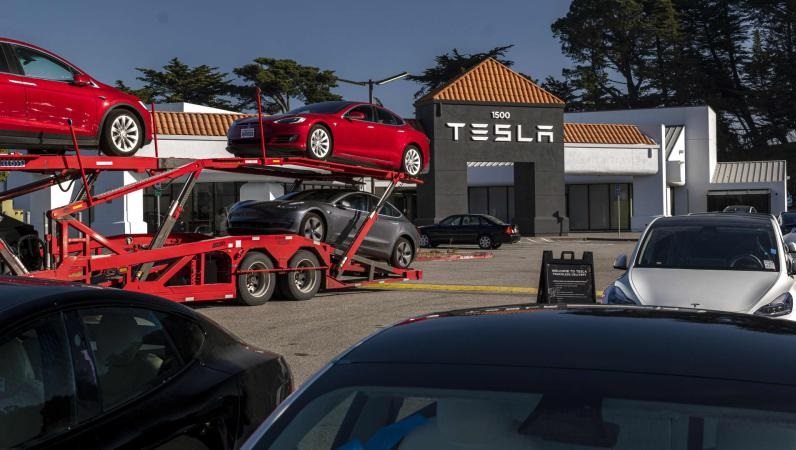
Electric Vehicle (EV) giant maker Tesla has announced its third quarter (Q3) report for 2023, which saw it fall short of profit and sales estimation.

The company posted weaker than anticipated financial results, which saw it post $23.4 billion in sales, during the three months ending September 30, below estimation of roughly $24.2 billion.

In Q3, Tesla delivered 435,059 vehicles, which was nearly 7% lower than deliveries in Q2. This was however expected due to a planned factory shutdown.

The automaker missed Wall Street estimates on revenue and earnings. Shareholders at the company seemed to have expected a decline in the third quarter result, as they braced for Tesla’s Q3 earnings earlier in the day, with shares closing down 4.78% to $242.68.

GAP (non-adjusted) net income for the quarter was $1.85 billion, or 53 cents per share. Total gross profit declined 22% year-over-year. Total operating margin came in at 7.6%, down significantly from the year-ago quarter’s figure of 17.2%.

Tesla closed the third quarter with a free cash flow of $800 million, down from $1 billion last quarter.

The company’s incessant price cuts have visibly squeezed its margins, a trend that has continued for the past several quarters. Tesla reported a gross margin of 17.9% in the third quarter, falling from 25.1% in the same period last year. It is also down from Q2 when it reported margins of 18.2%.

Tesla attributed its fallen profitability margin largely to its reduced pricing of vehicles. In the third quarter, Tesla cut prices for its Model S and Model X luxury vehicles by as much as $18,500 per car. Price cuts for the more popular and affordable Model 3 and Model Y continued into October. 

Tesla’s slash in prices of its vehicles is to stay competitive as the demand for Tesla vehicles in China, which has historically been a top market for the automaker, is waning as local EV companies like BYD gobble up market share.

Meanwhile, despite the decline in earnings, Tesla argues that it is able to bear the price drop fairly well by reducing costs.

It wrote,

“Our cost of goods sold per vehicle4 decreased to ~$37,500 in Q3. While production costs at our new factories remained higher than our established factories, we have implemented necessary upgrades in Q3 to enable further unit cost reductions. We continue to believe that an industry leader needs to be a cost leader”.

Notably, Tesla hasn’t changed its outlook for the year, stating that it still plans to deliver 1.8 million vehicles by the end of 2023.

The company has announced cybertruck deliveries in November, and claims to have deployed production capacity for 125,000 trucks per year.

Tesla’s aggressive price cuts have juiced demand for its electric vehicles, but at a steep cost. The EV maker reported a 44% dive in third-quarter profit Wednesday, even as it notched a rise in revenue compared with last year thanks to more vehicle deliveries. EV adoption has slowed just as Tesla faces increasing competition from rivals including Ford and GM, and its most popular models are aging. The company said it will deliver its long-delayed Cybertruck starting in November, but the pickup isn’t expected to have mass-market appeal.

XRP and Solana Fall in Price, But Scorpion Casino Token Continues Upwards!

0

As the crypto landscape navigates another month of bear market trends, not all projects suffer the sideways and downward motions. Whilst projects such as XRP and Solana (SOL) have seen almost 10% drops in price over the last week, some projects offer hope for investors treading water in these uncertain times. Scorpion Casino Token (SCORP) is a project that is currently in its presale. As a result of this, the price is unaffected by market trends and cycles, instead, the price of SCORP continues to go up.

Bear Market Woes

The bear market, often characterized by investor pessimism and significant price drops, has taken a toll on several heavyweight cryptocurrencies. The XRP price, for instance, has experienced a notable decline. Once a stalwart in the top tier of cryptocurrencies, XRP has faced challenges beyond market trends, including an ongoing legal battle with the U.S. Securities and Exchange Commission (SEC) that has cast uncertainty over its future. This regulatory cloud, combined with the current market conditions, has led many investors to pull back, waiting for clearer signals before re-engaging with the digital asset.

Similarly, Solana, despite its groundbreaking strides in blockchain technology, hasn’t been immune to the bearish conditions. Known for its scalability and fast transaction speeds, Solana has been a favorite among developers and investors alike. However, the bear market spares no one based on merit alone, and the Solana price trajectory has aligned with the broader pessimistic trend. The downturn may be attributed to various factors, including recent network instability issues and a general market retrenchment away from high-risk assets amidst economic uncertainty.

Be Smart In A Bear Market

Scorpion Casino Token has been bucking the trend thanks mainly to its presale status. Whilst a token is in its presale stages, the price can not drop. During a bear market, presales provide investors with the opportunity to turn a profit, sometimes even a very large one and $SCORP looks to be the next crypto presale that scores high returns for its backers.

What sets Scorpion Casino Token apart from the rest is its distinct desire to give back to the community. By buying into the presale, you effectively have a stake in the casino and will begin earning passive income as a result. This is made possible thanks to blockchain technology and a smart contract the developers have put in place. A portion of profits from the casino are used to buy back SCORP tokens, half of these are then distributed to the community resulting in the passive income. The other half of the tokens get burnt thereby reducing the total supply of $SCORP. This, then, increases the value of each token and drives up the price, it’s a win-win.

Blockchain Technology Will Prevail

The contrasting fortunes of XRP, Solana, and Scorpion Casino Token underscore the complex dynamics of the crypto market. While blockchain technology continues to offer groundbreaking solutions and opportunities, market sentiments and external factors significantly influence asset prices. In the case of XRP, regulatory hurdles have compounded the impact of the bear market. For Solana, technical challenges and broader market trends have contributed to its price decline.

Meanwhile, Scorpion Casino Token’s rise amidst adversity highlights the potential for innovative models and offerings to capture investor interest, even in challenging times. It serves as a reminder that in the volatile world of cryptocurrencies, there are always opportunities for those willing to seek them out.

As always, investors are encouraged to conduct thorough research and exercise caution. The bear market, while daunting, also provides opportunities for reflection, reassessment, and strategizing for the long term. In the realm of blockchain technology, sometimes resilience and innovation can indeed buck the trend, as Scorpion Casino Token shows us.

Find Out More Here:

Presale: https://presale.scorpion.casino/

Twitter: https://twitter.com/ScorpionCasino

Telegram: https://t.me/scorpioncasino_official

The World is $235 Trillions in Debt

0
Flags of member nations flying at United Nations Headquarters.

According to a recent report by the Institute of International Finance, the world’s total debt reached a staggering $235 trillion in the first quarter of 2023, up by $10 trillion from the previous year. This means that the global debt-to-GDP ratio has risen to 322%, the highest level on record.

The main drivers of the debt surge are the unprecedented fiscal and monetary stimulus measures that governments and central banks have implemented to combat the economic fallout of the COVID-19 pandemic. While these policies have helped to cushion the impact of the crisis and support the recovery, they have also increased the borrowing needs and liabilities of both public and private sectors.

What are the risks and challenges of such a high level of debt? The most obvious one is the debt sustainability problem, especially for countries that have limited fiscal space and face high borrowing costs. If interest rates rise or growth slows down, these countries may struggle to service their debt obligations and face the risk of default or restructuring. This could trigger a domino effect across the global financial system, as creditors and investors lose confidence and demand higher risk premiums.

Another challenge is the potential crowding out effect, where high public debt reduces the availability of funds for private investment and consumption, hampering long-term growth and innovation. Moreover, high debt levels may limit the policy space for governments and central banks to respond to future shocks, such as natural disasters, geopolitical conflicts or new waves of infections.

The high debt levels pose significant risks for the global economy, especially as some countries face difficulties in servicing their obligations. The IIF warns that a wave of sovereign defaults could trigger a financial crisis that would spill over to other sectors and regions. Moreover, the high debt burden could limit the ability of governments to implement further stimulus measures or invest in long-term growth and development.

The IIF urges policymakers to adopt a coordinated and comprehensive approach to address the debt challenge, which includes enhancing debt transparency, strengthening debt management, and promoting debt sustainability. The IIF also calls for more international cooperation and support for low-income and emerging market countries, which are particularly vulnerable to debt distress.

The global debt situation is a serious concern that requires urgent attention and action. The world cannot afford to repeat the mistakes of the past and let the debt spiral out of control. The future of the global economy depends on how well we manage our debts today.

What can we do to address the global debt problem? There is no one-size-fits-all solution, as different countries face different circumstances and constraints. However, some general principles and recommendations can be outlined:

First, countries should pursue a balanced and credible fiscal consolidation strategy, where they reduce their deficits and stabilize their debt ratios over time, while avoiding excessive austerity that could harm growth and social welfare. This may require enhancing revenue mobilization, improving public spending efficiency and prioritizing productive and inclusive investments.

Second, countries should strengthen their debt management capacity and transparency, where they monitor and report their debt levels and risks, diversify their sources and terms of financing, and adopt sound legal and institutional frameworks for debt resolution.

Third, countries should foster international cooperation and coordination, where they support multilateral initiatives and institutions that provide debt relief, financing and technical assistance to vulnerable countries, as well as promote global financial stability and governance.

Fourth, countries should implement structural reforms that boost their potential growth and resilience, such as improving their business environment, human capital, infrastructure, innovation and environmental sustainability.

The global debt crisis is one of the most pressing challenges that we face in the post-pandemic world. It requires collective action and responsibility from all stakeholders: governments, central banks, private sector, civil society and international organizations. Only by working together can we overcome this challenge and build a more prosperous and sustainable future for all.