DD
MM
YYYY

PAGES

DD
MM
YYYY

spot_img

PAGES

Home Blog Page 4140

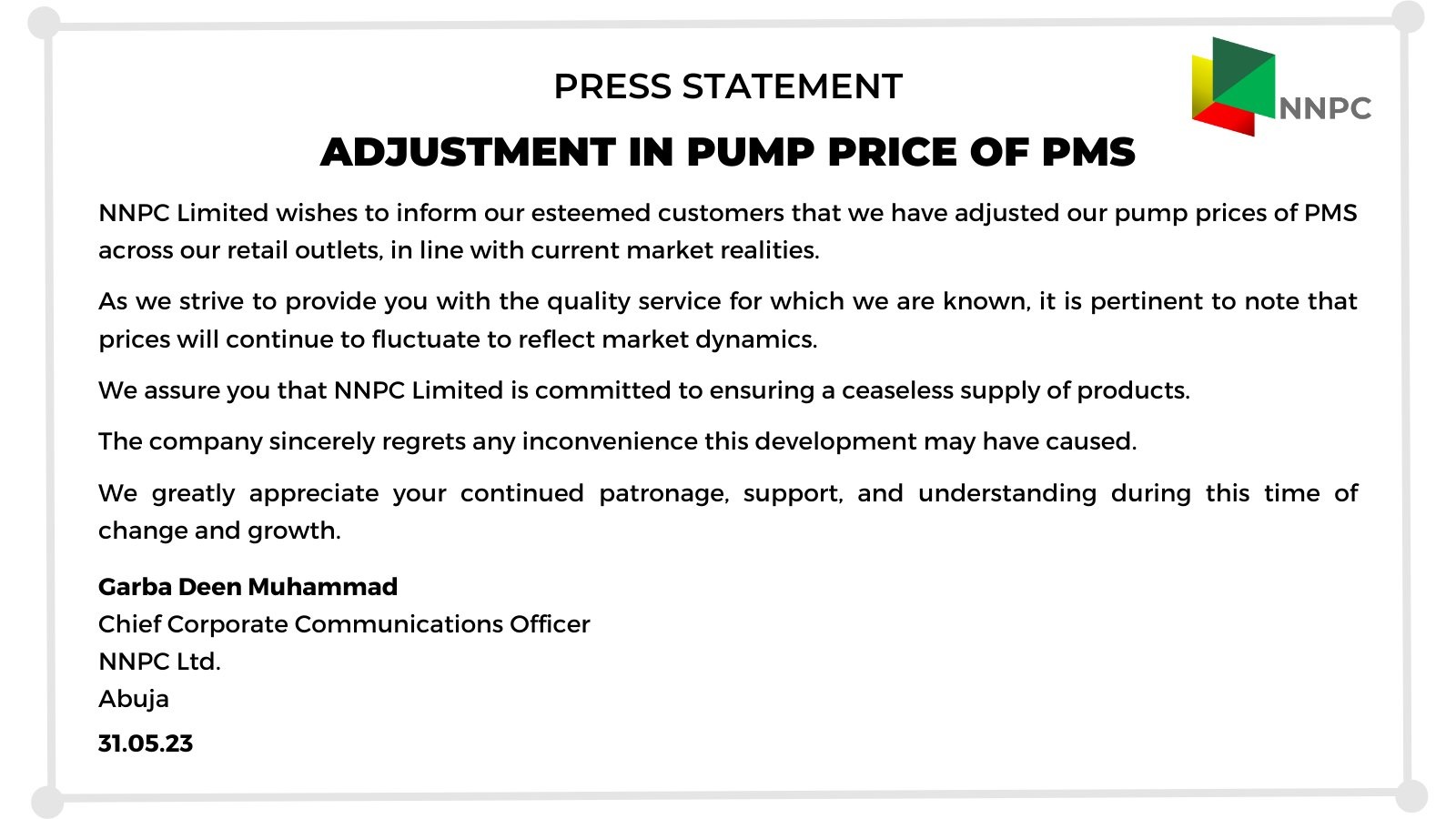
Nigeria Fuel Subsidy removal: NMDPRA Announces Readiness to Issue Importation Licenses to Companies

0

As fuel subsidy removal becomes a reality in Nigeria, the Nigerian Midstream and Downstream Petroleum Regulatory Authority (NMDPRA) has said it is ready to issue licenses to companies interested in importing Petroleum Motor Spirit (PMS).

Chief executive officer of NMDPRA, Farouk Ahmed, made this known to journalists on Tuesday, amid calls by business leaders for the Nigerian National Petroleum Company Limited (NNPCL)’s import monopoly to be dismantled. He said the criteria for importing kerosene and diesel will be applicable to the importation of fuel.

Nigeria’s new president, Bola Tinubu, announced the removal of fuel subsidy during his inaugural address on Monday. The announcement, which triggered the increase of pump prices by marketers, has also resulted in fresh fuel scarcity across the country.

However, Ahmed said there are a lot of conditions to be met before you are given a license to import petrol.

“I cannot give you all the rundown now but I can tell you that just the way marketers import diesel or jet kero, there are conditions for all that and the same condition will apply to those who want to import premium motor spirit (PMS),” he said.

In 2017, the NNPC moved from importing around 90 percent of the petroleum products consumed in Nigeria to being the sole importer. The idea was to ensure an adequate supply of petroleum products – mitigating cases of fuel scarcity.

But the NNPC Limited was incorporated in 2021, following the dictates of the Petroleum Industry Act (PIA). However, the NNPCL remained the sole importer of PMS against the backdrop of subsidy payments. The company said earlier this year that it pays N400 billion monthly to keep the cost of fuel low in the country. On Monday, the NNPCL said that it is owed N2.8 trillion by the federal government as cost of subsidy payments.

With the removal of the subsidy, calls for the NMDPRA to issue importation licenses to companies other than the NNPCL have been on high. The NNPCL on Monday announced the upward review of pump prices across the country, with the cost per liter rising as much as N537. 

Under section 197 (2) of the PIA, only companies that are lessees producing crude oil and/or condensates or who are holders of crude oil refining licenses are eligible to supply wholesale petroleum liquids (including petrol importation). 

The Petroleum Industry Act also empowers the NMDPRA to issue licenses to refiners or producers of crude oil, the regulation but provides that the minister of petroleum must approve such licenses.

The launch of Dangote Refinery, which is expected to begin the supply of refined petroleum products by the end of July, is not expected to bring immediate relief to the high cost of fuel that the subsidy removal has unleashed. 

But industry experts say issuing importation licenses to many companies will encourage healthy competition that will drive down the cost of PMS.

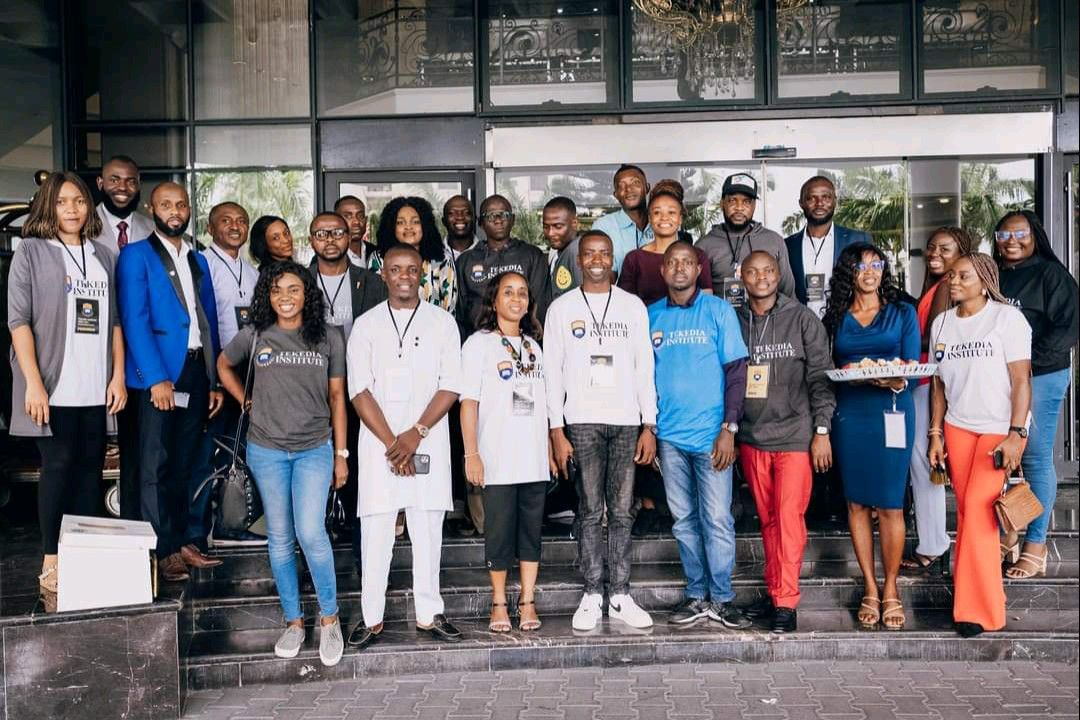
Tekedia Mini-MBA Will Teach “The AI Microprocessors” Under Business Tech Module

0

In the next edition of Tekedia Mini-MBA, in a sub-module on business technology,  I will teach the components of microprocessors with focus on graphical processing units and broad parallel computing. I will also explain why Nvidia is winning AI computing; besides other things, it invented the world’s finest interlink system, called NVLink, which makes it possible for many GPUs to interconnect at scale, improving speed and capabilities. Yes, we will explain the AI microchips and systems for business students!

A few decades ago, schools started teaching the parts of computers for the personal computing (PC) era, and that education was catalytic. Today, we are moving into a new era (the AI era) and teaching it at a deeper level is important. In Tekedia Mini-MBA, we have been bold in what we do, and it is the main reason why we have avoided any accreditation to ensure we have the flexibility to innovate in our curriculum.

From the PC era to the internet era. From the internet era to the mobile internet era. From the mobile era to the cloud era. And now, we are entering the AI era. We want to make sure you understand the parts of the machines which will lead this emerging era.

I will come to class with my lecture notes on microprocessors; you need to understand how they work, because they will change our world. Why do you need an AI strategy? What the building blocks of AI (the DNAs), and which systems will power that future. How do they work, and what can you learn from them for your career and business? I will answer your questions.

Get ready for something amazing; you need to understand this new business tool. (This is a sub-module out of 14 main-modules, and should not affect our focus on typical business domains)

About Faculty: Tekedia Institute Lead Faculty, Prof Ndubuisi Ekekwe, will lead that section. Ndubuisi holds a PhD in electrical & computer engineering with specialization in microelectronics and robotics engineering from the Johns Hopkins University, and founded Fasmicro, Intel Corporation’s only technical programmable microprocessor partner in continental Africa.

Tekedia Mini-MBA Begins on June 5; Special Module for Today’s Business

0

Greetings! We are very excited to update you that the next edition of Tekedia Mini-MBA will begin on Monday, June 5, 2023. We have already sent login instructions to all learners who have registered. If you registered and did not get the email, please go here for a copy of the same email, and setup your account.

If you plan to join, now is the time to register to get the early bird discounts; prices will go up on Monday. This is going to be our best edition yet with new business cases and modules. Register here.

We are not sure if you are aware of Nvidia, an American technology company, which hit a market cap of $1 trillion this week. Just 6 months ago, it was not worth up to $450 billion. In short, it added hundreds of billions of dollars in the market cap within weeks! What does it do? It builds the hardware systems which will likely power the future of modern commerce and industry via AI. In this new edition of Tekedia Mini-MBA, we have a module for these machines of the future; you need to understand them, irrespective of whatever you do, because they will redefine competitiveness and the mechanics of markets.

Our Lead Faculty, Prof Ndubuisi Ekekwe, will lead that section, and he will explain the opportunities ahead for all businesses. Prof holds a PhD in electrical & computer engineering with specialization in microelectronics and robotics engineering from the Johns Hopkins University, and founded Fasmicro, Intel Corporation’s only technical programmable microprocessor partner in continental Africa.

Just as schools began teaching computing components decades ago, Tekedia Mini-MBA wants to explain to our business learners the components of the business machines of the future (This is a sub-module out of 14 main-modules, and should not affect our focus on typical business domains)

We’re excited for Tekedia Mini-MBA edition 11 and we invite ALL. Please share with friends, associates and ALL. This is the #best school. Register here.

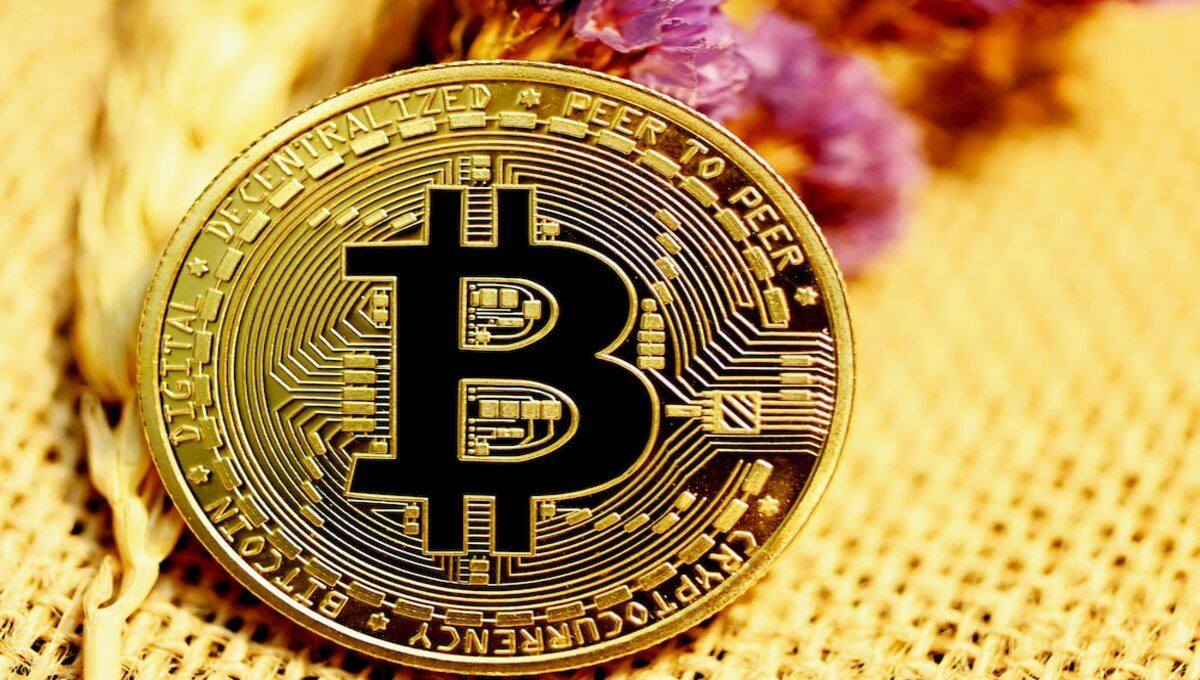
Here’s Why Top Brands Like Chick-Fil-A and Pfizer Explore Cryptocurrency’s like HedgeUp (HDUP) and Bitcoin (BTC)

0

In a new wave of adoption, high-profile brands such as Chick-Fil-A and Pfizer have been exploring opportunities in cryptocurrencies, particularly Bitcoin (BTC) and the emerging star, HedgeUp (HDUP). This surprising shift marks a significant step towards mainstream acceptance of cryptocurrencies. But why are these brands suddenly interested?

Bitcoin (BTC) – The Gateway Cryptocurrency

The appeal of Bitcoin (BTC) to corporations is not entirely surprising. As the oldest and most recognized cryptocurrency, Bitcoin (BTC) has become a symbol of digital assets’ potential. It is viewed as a store of value – digital gold – and presents an alternative to traditional fiat currencies, particularly in economies undergoing inflation.

For brands like Chick-Fil-A and Pfizer, the adoption of Bitcoin (BTC) signals their willingness to embrace technology and change. It may also serve as a strategic move to appeal to a younger, tech-savvy demographic increasingly invested in cryptocurrencies. Moreover, the vast popularity and market capitalization of Bitcoin (BTC) make it a safe bet for these corporations. 

HedgeUp (HDUP) – The Rising Star

The interest in HedgeUp (HDUP), however, may raise some eyebrows. As a newer entry to the crypto market, HedgeUp (HDUP) offers something fundamentally different. It is a platform that combines AI-driven trading, alternative asset investments, and an NFT marketplace.

For Chick-Fil-A and Pfizer, HedgeUp’s (HDUP) model could offer an attractive diversification opportunity. Its alternative asset marketplace allows the investment in a variety of non-traditional assets, from real estate to vintage wines, adding a level of diversity to their investment portfolio.

Moreover, the NFT marketplace provides a unique avenue for brand promotion and customer engagement. Creating branded NFTs could represent a new frontier in digital marketing, with potential for increased customer loyalty and brand visibility. 

A Strategic Business Move

At its core, the exploration of cryptocurrencies by Chick-Fil-A and Pfizer reflects an understanding of the digital revolution underway. Cryptocurrencies and blockchain technology promise to disrupt traditional business models and operations, offering enhanced efficiency, transparency, and security.

Adopting cryptocurrencies could pave the way for innovative business models and revenue streams. It could also streamline transactions, reduce costs, and enhance customer experience by providing a secure, fast, and decentralized method of payment.

Conclusion 

The exploration of cryptocurrencies by top brands like Chick-Fil-A and Pfizer is an exciting development, underscoring the growing recognition of digital assets’ potential in business. While Bitcoin’s appeal lies in its established status and recognition, HedgeUp (HDUP) offers a fresh perspective with its multifaceted platform.

By aligning with these digital assets, these brands are positioning themselves at the forefront of the evolving financial landscape. They are signaling not just their acceptance, but their readiness to pioneer the incorporation of cryptocurrencies into mainstream business practices.

It’s an exciting time for the crypto world, and the involvement of brands like Chick-Fil-A and Pfizer could potentially pave the way for more mainstream companies to enter the crypto space. As this trend continues, the interplay between business and cryptocurrencies is likely to become an increasingly prominent feature of the global economy.


For more information about HedgeUp (HDUP) presale use the links down below:

  • Website: https://hedgeup.io/
  • Presale: https://app.hedgeup.io/sign-up
  • Telegram: https://t.me/HedgeUpChat
  • Twitter: https://twitter.com/HedgeUpOfficial

Business Model is Supreme – Improve Your Business Model with Ndubuisi Ekekwe

1

Business model encapsulates the logic of a firm and the way it combines and uses factors of production to create value for stakeholders. To a large extent, a business model is the outcome of a business strategy framework. All great companies operate amazing business models. Interestingly, in this age of digital, we have noted that more than 80% of the largest online companies adopt one special business model: the aggregation integration construct.

In the scheme of things, you can have many models at the end of a strategy session. The business model you commit your business to has a catalytic impact on your success. In other words,  the business model is supreme. Yes, the company has been bleeding revenue, but they changed the CEO. Magically, using the same staff on the products, the revenue started going north. What happened? A new business model has been deployed.

But how do you drive that strategic framework to enable you pinpoint the best business model in your company? I will explain from June 5 here 

Comment on Feed

Comment 1: Without an agile and flexible business model you have no business. You may wish to ask Nokia and Motorola.

Comment 1R: Those are not business cases.
Those are myths.
Nokia and Motorola have flexible and agile business models.
However, business is always changing and no matter how flexiable you are your business can lose out.
Nokia and Motorola are still in business.
However, the industry will always change.
A simple look at history of business just 20 years proves this.
Looking for the stories that make the rounds are not business cases.
Those are just stories and they usually contain inaccuracies and faulty logic.

My Response: Both are actually right but as in social media, the fun is in the fight. In 1967, IBM was the most capitalized business in America. It was a great business (yes business model of selling hardware). But that business model was distorted when Microsoft demonstrated that money is in software. The key message is that business models must evolve as markets evolve. But arguing that it is a “myth” is not fair.

Microsoft under Steve Balmer ran a business model that was built around Windows. Satya came and changed that, focusing on whenever customers are. He opened Microsoft products to Apple, Android, etc at large via cloud. With the same products, he delivered 4x on market cap in 4 years!

Adobe was built on CDs. One man came and stopped and invented a cloud-based subscription- Adobe lives. IBM was losing revenue for more than a dozen quarters. They changed a CEO who changed the model of the old CEO, and focused on cloud/etc, the next quarter, revenue started growing.

These things are not myths. We can agree on one thing: the Motorola model was great. The Kodak model was great. But later, they were not. So, you need to keep updating because models are supreme.

Comment 2: I keep wondering the role of political and economic environments on a business, not as if, I do not know. But sometimes, the way you put these models, they seem like ceteris paribus, when we know in reality, things are not constant. What strategies and business models are to be used when markets are not being properly regulated, monopolies or near monopolies exist, government policies swing like pendulums and there are so many inefficiencies in the system, due to corruption?

Comment 2R: Those factors you highlighted are part of what are baked into a business model, not capturing them will prove lack of awareness.

My Response: Indeed, you use those components during strategy session to decide on the right business model to execute