DD
MM
YYYY

PAGES

DD
MM
YYYY

spot_img

PAGES

Home Blog Page 4804

Marriage is not a do-or-die affair; divorce and stay alive

0

A wife of a popular Lagos-based businessman and socialite died today leaving her five young children behind. She died as a result of domestic violence she got from her husband while in the marriage.

In 2019, it trended that the same man attacked the woman while she was pregnant till she passed out and only regained consciousness after she was hospitalized. 

After that incident, she moved out of the husband’s house as she stated publicly that the husband attacks her on a daily basis, and sometimes it takes her to scream for help for neighbors to gather and rescue her from the hands of the husband. 

She later reconciled with the husband and moved back to the husband’s house but we still hear rumors and coded accusations of her still being beaten to a pulp constantly by the husband until Wednesday, the 12th of October, when a video of her burnt beyond recognition was trending online.

According to the eyewitness report, the husband poured petrol on her and set her ablaze and was watching her burn and making a video of her while she was grasping for her life. She had to jump from the window into the swimming pool to escape from the husband but it was already late. 

From Wednesday till today, she was in the intensive care unit of the hospital fighting for her dear life until she died today leaving her five young children behind.

Now if investigated and the allegation that it was the husband that set her ablaze as alleged by an eye witness, the husband will definitely be prosecuted for the murder of his wife and if found guilty will likely be sentenced to life imprisonment.

The mother is dead while the father that could have been there for the children will likely be sent away to jail; this is always the outcome of domestic abuse cases once it leads to the death of a partner.

The same double tragedy is what the children of the late gospel singer Osinachi Nwachukwu are currently facing. The mother is dead and their dad is currently in jail for the murder of his wife. 

Marriage is never a do-or-die affair if your wife constantly provokes you to the extent of getting tempted to lay hands on her, save that energy and channel it into getting a divorce and walking away from the marriage instead of committing the crime of domestic violence. If your husband ever laid hands or threatens to attack you, do not wait till it happens, you may not be a survivor, walk away from the marriage. If you can’t afford to pay for divorce let the lawyer know that your life is at risk staying in the marriage; there’s no lawyer that won’t attend to such a case pro bono; I (personally) have handled some divorce cases free of charge when the women confided in me that they can’t afford to pay for the divorce process but their life is at risk remaining in the marriage. 

Before going back to an abusive partner, consider your children or those you love, and what will become of them if you do not survive the domestic violence, your abuser, who is likely your husband will end up in jail leaving your lovely children both motherless and fatherless. 

Marriage is not a do-or-die affair, exit the union once your life is being threatened, or exit the union once your partner provokes you to the extent of you being tempted to physically attack her.

Beyond IPOs: How Tekedia Capital Sees The Best Way To Structure Venture Funds of the Future

3

I wrote this on Nov 25, 2021 here

I respect traditional Venture Capital (VC)  firms but I hate their business models. How can you find a great startup, fund it and because you are required to return money to your limited partners (“the VC’s investors”), in years, you exit even before the company begins life?

Yes, you got in when the startup was worth $200m and it went public for $2 billion. You rejoice because within a 7-10 year span, you have made say 10x returns. But wait for just 10 more years, the same startup which IPO’d at $2 billion is now worth $30 billion. But you had since gone!

What would have been bad if the VC had held its positions without any constraint of time? That way, instead of capturing value within $2 billion within a decade, it opens itself for value capture within $30 billion  in the window of decades. And you allow LPs which desire to exit to go.

That is why I did not design Tekedia Capital as a typical VC firm. I did the math and discovered that more than 90% of VCs are leaving money on the table because of artificial constraints of time they created. They become operators at the center of the smiling curve instead of at the edges. For all the backers of Facebook or Tesla, the greatest winners are the investors who got in early when they went public. The VCs who exited within the first 10 years of this company life left value on the table.

(Some funds are structured to have expiration dates, typically 7-10 years which the fund must close and return money to limited partners.)

By removing time, Tekedia Capital investors will capture not just the initial opportunities but also latter day opportunities in our companies. In a cambrian moment, restricting boundless opportunities by time does not seem right. Tekedia Capital will play at both the center and the edges of smiling curves. And we want to ring the bell in a public market, unrestricted by time.

This is my destination: in the future, and because we have no constraints of time, as our startups mature, we can stay the course and capture compounding value by taking Tekedia Capital public. That seems like a great business model even for a business that focuses on analyzing business models from startups.

Read this piece from Fortune Datasheet:

As the Wall Street Journal reported on Thursday, a growing number of VC firms—including Accel, Lightspeed Venture Partners, Sequoia Capital, and Andreessen Horowitz—are buying shares of publicly traded companies.

For Accel and Lightspeed, it’s about re-investing in their portfolio companies. From a logic standpoint, it makes sense: Accel and Lightspeed have history with public companies like UiPath and GrubHub — they invested in these companies back when they were privately-held startups, and they have valuable insight into their businesses and operations. Buying their public stock is like curling up with a childhood stuffed animal when the hurricane hits. 

Conclusion: VCs are evolving to capture more value at the edges of the smiling curve.

There are great Venture Capital firms in the world. But for many of them, their business model does not make sense (I wrote in Nov 2021). Yes, you got in when the startup was worth $200m, and it went public for $2 billion. You rejoice because within a 7-10 year span, you have made say 10x returns. But wait for just 10 more years, the same startup which IPO’d at $2 billion is now worth $30 billion. But you have since gone! What stops you holding your positions post-IPOs, while creating paths for limited partners for exit?

Today, it seems VCs have the memo: “As the Wall Street Journal reported on Thursday, a growing number of VC firms—including Accel, Lightspeed Venture Partners, Sequoia Capital, and Andreessen Horowitz—are buying shares of publicly traded companies. For Accel and Lightspeed, it’s about re-investing in their portfolio companies.”

At Tekedia Capital, we are structured in a way that we do not have to go and re-buy our publicly exited companies (when that happens) because of limited partners. We will prefer to hold the positions instead of what Accel is doing: sell today and later, go back and re-buy. The business model of VCs must evolve.

By removing time, Tekedia Capital investors will capture not just the initial opportunities but also latter day opportunities in our companies. In a cambrian moment, restricting boundless opportunities by time does not seem right. Tekedia Capital will play at both the center and the edges of smiling curves. And we want to ring the bell in a public market, unrestricted by time.

Namibia’s Central Bank Explores Introduction of Central Bank Digital Currency

0

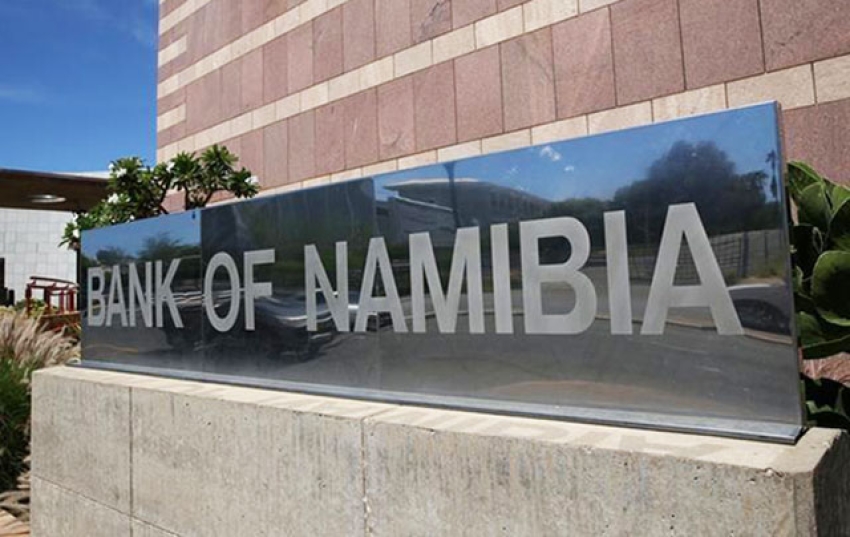
Namibia is planning to join the growing list of countries that have introduced the Central Bank Digital Currency (CBDC), triggered by the rise of cryptocurrency.

In a thought leadership event held in the country’s capital Windhoek, the Bank of Namibia governor Johannes !Gawaxab, said the country is exploring ways to create a digital currency as part of the central bank’s strategic direction and rapid digitization of the financial system.

Techcabal reports that the event titled, “Central Banking Digital Currencies and Virtual Assets,” was graced by representatives from the Central Reserve Bank of El Salvador, the South Africa Reserve Bank, Bank of Ghana and the Central Bank of Nigeria.

Nigeria is foremost amongst countries exploring digital currency to have launched CBDC called eNaira, while El Salvador had adopted bitcoin as a legal tender.

!Gawaxab said that a public consultation paper on CBDCs would be published soon to further demonstrate the Bank’s commitment to continued cooperation and dialogue with the industry, private sector innovators, the fintech community and other stakeholders in transforming the financial sector for the prosperity of all Namibians.

“If CBDCs are explored and implemented with due care and caution, they could hold immense potential benefit for a more stable, safer, more widely available, and less expensive means of payment than private forms of digital money,’’ said !Gawaxab.

But the governor warned that CBDCs are in their early stages thus there is a lot of uncertainty as central banks around the world are building up their understanding and technological capability to explore and optimally utilize new technologies to ready themselves for the future, especially the future of finance.

!Gawaxab’s announcement signifies a shift from Namibia’s previous stance on cryptocurrency. Just like many other countries that had before, opposed the use of cryptocurrency, the Southern African country is opening its door to a possible future of digital financial landscape that will have CBDC and cryptocurrency.

There is also another announcement along the digital line which has to do with Namibia’s position on Virtual Assets (VAs) and Virtual Assets Service Providers (VASPs). The central bank disclosed that while VAs in Namibia remain without legal tender status, their acceptance for the payment of goods and services is left to the discretion of any merchant and buyer.

The shift in Namibia’s stance on cryptocurrency means that the central bank needs to introduce a regulatory framework. While that is still in the pipeline, the apex bank has issued some warning.

The central bank warned that Initial Coin Offerings (ICOs) pose high risks and possibilities of fraud, manipulation, and misrepresentation, adding that it does not advocate nor support the general public’s engagement in ICOs.

But in response to the exponential growth in Vas, !Gawaxab said the central bank will amend applicable laws in consultation with stakeholders to accommodate it.

“To ensure a progressive regulatory response to the exponential growth in VAs, the Bank of Namibia has brought VAs and VASPs under its FinTech Innovations Regulatory Framework in a phased approach, through its Innovation Hub,” Gawaxab said. “The Bank of Namibia will engage VASPs and consider the amendment of applicable laws and regulations in consultation with other relevant authorities such as Namibia Financial Institutions Supervisory Authority (NAMFISA).”

Flooding in Nigeria: Hundreds killed, more than 1.4 million displaced

1

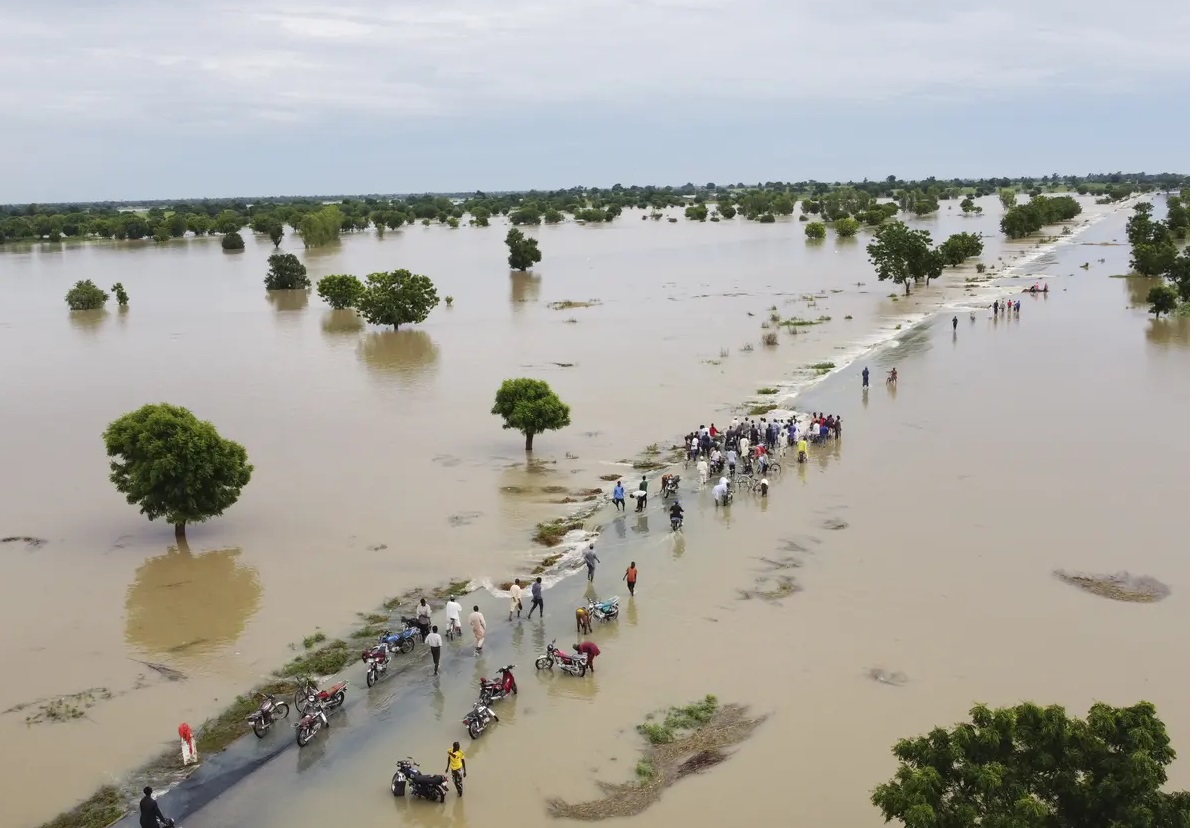
A report by Nigeria’s humanitarian ministry has disclosed that more than 1.4 million people have been displaced, and about 500 people have died in one of the worst floods ever witnessed in the country.

Permanent secretary of the Ministry of Humanitarian Affairs, Disaster Management and Social Development, Nasir Sani-Gwarzo in a statement said “over 1.4 million persons were displaced, about 500 persons have been reported dead, 790,254 persons moved out of their locations and 1,546 persons were injured.

“About 45,249 houses were totally damaged, 76,168 hectares of farmlands were partially destroyed and 70,566 hectares of farmlands were completely destroyed.”

The latest figures represent a significant increase in casualties and displacements from Nigeria’s devastating flood crisis this year. Last month, the country’s National Emergency Management Agency (NEMA) said at least 300 people had died and more than 100,000 others had been displaced since the start of the rainy season.

Last week, 76 people died by drowning in the southeastern state of Anambra when their boat capsized as they tried to escape from being submerged by the excessive floodwaters.

Another state in Nigeria worst hit by the flood is North Central Kogi state where six people, including a toddler were reported to have died as a result of the flood in the state. The excessive flood in the state has rendered thousands of people homeless as numerous houses in the state have been submerged by the flood which has risen as high as the rooftops.

Speaking on the excessive flood in Kogi, the state governor Yahaya Bello acknowledged that the flooding in Kogi state is more than any flood anywhere in the country. He added that the reason for the higher level of flooding was due to the two major rivers – Niger and Benue meeting in Kogi state.

He therefore called on President Muhammadu Buhari, the WorldBank, and all other federal and international agencies to help combat the floods and also to provide relief materials to those affected. 

However, commenting on the recent flooding  in Nigeria, the National Emergency Management Agency NEMA stated that the increased rainfall and the release of excess water from a dam in neighboring Cameroon were what contributed to flooding in Nigeria.

It was reported that in September this year, the Cameroonian authorities reportedly opened overflow spillways at its Lagdo Dam to relax the pressure on the dam as a result of the rising water contained by it.

Therefore, Rivers connected to the Cameroonian dam such as the Benue River were affected by an overflow from this dam, which has resulted in flooding in Nigeria.

Records indicate that Cameroon and Nigeria were supposed to build two dams at inception, such that the Nigerian dam, known as Dasin Hausa dam which was to be in Adamawa State, would contain water released from the Lagdo Dam at any point in time.

Revna Biosciences, a Tekedia Capital portfolio, will improve patient healthcare with Precision Medicine in Africa

0

Precision medicine or personalized medicine is a cutting-edge innovation in healthcare delivery. It facilitates highly accurate detection, prevention, and treatment of diseases by considering each individual’s genetic makeup, lifestyle, ethnicity, family history, behavior, and environment. Currently, patients requiring blood transfusion are matched to blood samples of individuals with identical blood groups, which minimizes potential side effects and improves patient care outcomes. Imagine if this approach is extended to detect, prevent, and treat endemic ailments affecting Africans, such as malaria, tuberculosis, heart diseases, and diabetes, among others, for everyone.

Precision medicine ensures everyone gets tailored treatment based on their genetic, environmental, and lifestyle characteristics. It ensures each patient receives the right treatment at the right dose at the right time and improves patient health outcomes, minimizes one size fits all prescriptions, mitigates inaccurate diagnosis, reduces medical complications, and reduces health tourism from Africa and associated capital flight.

Africa is known to be the most genetically diverse continent, and several populations from other continents have genetic roots in Africa. However, only about 3% of global genomic data used in studies come from individuals of African heritage. Recent data shows this ratio has reduced further to about 1%, implying that Africans and their descendants may miss out on the benefits of genomic research, such as early detection of diseases and precise drug design. 

RevnaBio (https://revnabio.com/), a Tekedia Capital portfolio company, will be at the forefront of championing precision medicine in Africa through state-of-the-art biomedical research to uncover the biological constructs of diseases affecting Africans and people of African heritage. We are very proud of the promises of Revna Biosciences which will begin operations in Ghana this month to serve Africa. As soon as Ghana’s operation is stabilized, the Nigerian unit will be set up.

I thank all Tekedia Capital members who came bold to bring this promise to Africa. Here, we’re funding the foundations of the NEXT Africa and Revna will have catalytic impacts on our people, communities and continent. All members are invited to the opening ceremony in Accra.

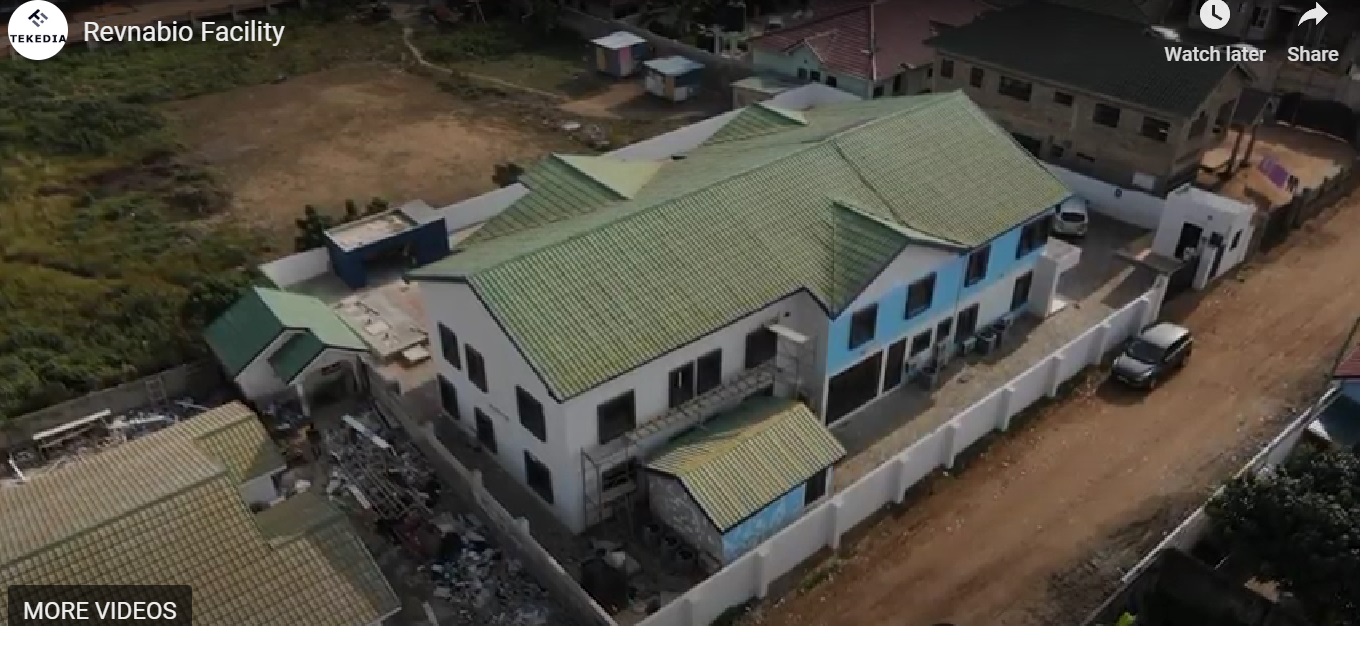
Photo: just completed Revna biotech campus in Accra

*this post from a draft developed by a Tekedia Capital member