DD
MM
YYYY

PAGES

DD
MM
YYYY

spot_img

PAGES

Home Blog Page 5032

Planning a Career in a New Country

0

Join me tomorrow in Tekedia Mini-MBA as we discuss how to prepare for global careers. We offer this course to help young people who are planning for international jobs or going for further education. There are many phases in that transition: before you leave native country, when you just arrived in the new country, and at maturity in that new country.

People, America can work for you if moving from Kenya.. Ghana can work for you if moving from Nigeria. The UK can work for you if moving from Mali. But you need to understand certain things.

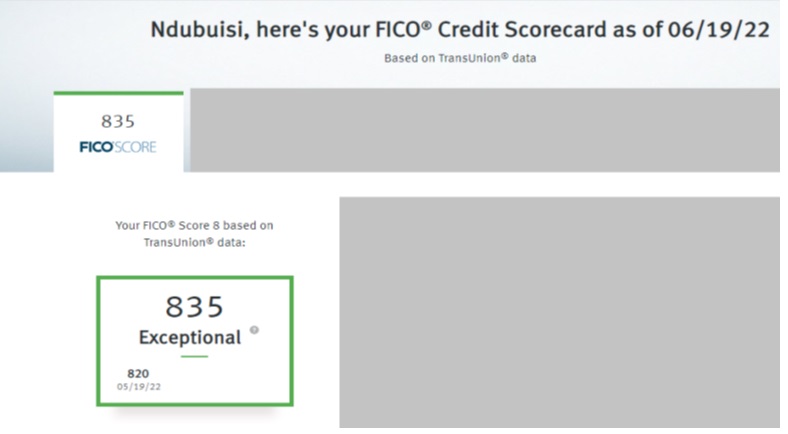
One secret: a good credit score will make you very rich even if you have no cash in the developed world! I have a FICO score of 835 (out of a maximum of 850). With that score, instead of getting credits at 21%, I do get offers at 3%. Join me and let us have a great conversation tomorrow; Zoom link in the Board.

This course is coming tomorrow because we have an Amazon business leader who will be teaching How to Build MVP on Saturday. 

Register for the next edition of Tekedia Mini-MBA here.

LinkedIn Post Version

With 41 countries in our business school, we have manuals which help young professionals who have left their home nations for new careers or further education in new domains. How can you win in America, UK, Ghana, Kenya, Nigeria, Rwanda, China, etc, out of your home nation? At Tekedia Mini-MBA, we have those conversations. In America, for example, you need to build your credit as quickly as possible. That will help you get credits at low rates (my FICO score is 835 out of possible 850 ).

With that score (rated Exceptional), I do not just save money on rates, I have access to many products at the best rates America offers. If you compound those, you are saving tons of money (3% when others are paying 18%). It is a little thing but it opens many opportunities. Come with your questions – and let us have a conversation.

Registration for the next edition of Tekedia Mini-MBA (Sept 12 – Dec 2022) continues here https://school.tekedia.com/course/mmba9/

(On Saturday, we will have an Amazon USA executive on Developing MVP; I will teach today while he takes Saturday)

That leadership cannot ride keke

3

Obasanjo picks a temporary job:  “Former President Olusegun Obasanjo stunned residents of Abeokuta, Ogun State, on Saturday when he turned himself into a commercial tricycle rider, popularly called Keke, picking and dropping passengers across the capital.” Yes, he is celebrating his 85th birthday and catching fun with life. (The ride would have been magical if not for those MOPOL and SSS around the keke.)

I am a fan of OBJ because he got things done while he was in power. He was not perfect (the 3rd term agenda) but he made everyone proud to be a Nigerian. Unlike today where getting a Nigerian passport seems like passing the seven seas of African folklore, Obasanjo would have called all the responsible parties to order.

People, how can a country not have the ability to produce its passports? I mean, you pay and it takes months, and no one has been sacked. If a national leadership cannot figure out how to print passports for citizens after more than 3 years of paralysis and national embarrassment, forget that leadership!

That leadership cannot ride keke.

Mr Obasanjo started the trip from the Moshood Abiola Way end of the road, near the Nigeria National Petroleum Corporation (NNPC) mega station.

The former president, dressed in his native Yoruba native attire with a fez cap, was spotted carrying passengers from the take off spot and heading towards the end of the popular Kuto market in the town.

The development, part of activities to mark his 85th birthday, excited the residents, many of whom ran after his Keke, eagerly attempting to board and ride with him.

Digitalising Payments Will Increase Mobile Money Account In Nigeria – World Bank

0

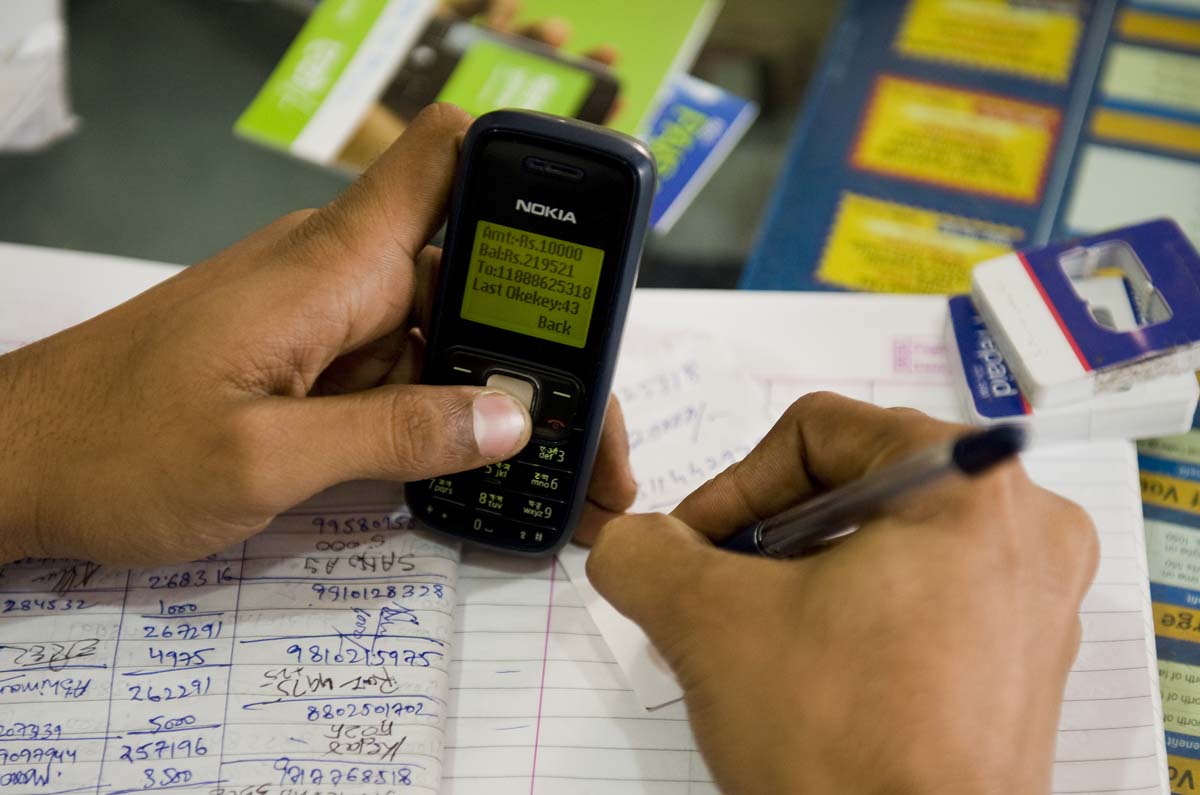
The world bank disclosed that digitizing cash payments will increase the number of mobile money accounts in Nigeria and other sub-Saharan African countries.

The world bank revealed that although mobile money has gained widespread adoption in the African region, which is three times larger than the 10 percent global average, 55 million adults still receive payment for agricultural products by cash.

A report by the Global Findex 2021 database, disclosed that in sub-Saharan Africa, mobile money adoption has continued to rise, where it is estimated that 33 percent of adults now have a mobile money account, a share 3 times larger than the 10 percent global average.

Mobile money services which were originally created to enable people to send remittances to friends and family members living elsewhere within the country, it is interesting to note that the adoption and usage of these services have spread beyond those origins, such that 3 out of 4 mobile account owners in 2021 made or received at least one payment that was not person-to-person, and 15 percent of adults used their mobile money account to save.

However, a lack of mobile phones is cited as a barrier to mobile money account adoption, which is a constraint to increasing account ownership in the region, including the digitalizing of cash payments for about 65 million adults with no account for receiving payments for agricultural products.

The covid-19 pandemic has been disclosed as one of the factors that increased financial inclusion by driving a surge in digital payments amid the expansion of formal financial services.

This expansion has been disclosed to create new economic opportunities, narrowed the gender gap in account ownership, and built resilience at the household level to better manage financial shocks.

As of 2021, 76 percent of adults were reported to have a bank account, with a mobile money provider, and other financial institutions. One beautiful aspect of mobile money is that every transaction and account balance is stored in the digital payment platform, and even if a person misplaced his phone or sim card, the money is still very safe.

Digital payments are safe, fast, and secure with ease of operation that does not require one to be literate or tech-savvy before they can perform transactions. With about 22 percent of adults worldwide revealed to not having any form of savings at a formal financial institution, digital payments have therefore created the opportunity to include poor people in a system of automatic deposits that enables them to overcome the psychological barriers of saving.

According to some groups of researchers, they found out that in Malawi, direct deposit of cash crop receipts into farmers’ savings accounts helped boost productivity. As these farmers invested 13 percent more in farm inputs than those who weren’t offered the option and received their crop proceeds in cash.

In low and middle-income countries like Nigeria for example, where millions of people remain unbanked, mobile money has aided these people to access financial services while tackling their over-reliance on cash.

The digitization of financial services during the pandemic was one of the key growth drivers for Africa. Digitization of banking service channels is strongly and significantly associated with economic growth where it provides people the convenient access to a diverse range of financial products and services which can boost aggregate expenditure by improving the GDP level.

BIG INSIGHTS: How to Contain Vote Buying and Selling During Osun 2022 Election

0
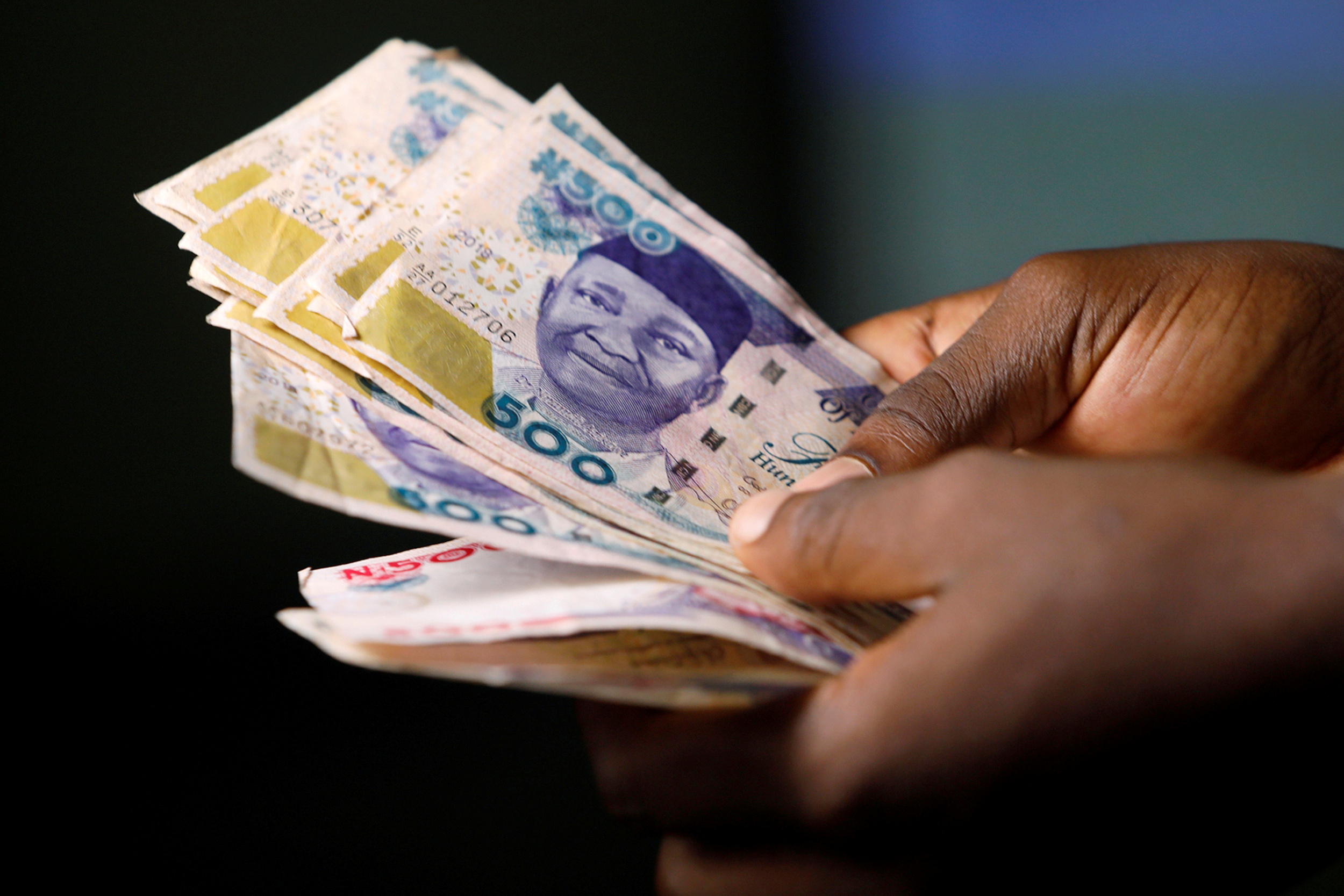
Nigerian naira banknotes are seen in this picture illustration, September 10, 2018. REUTERS/Afolabi Sotunde/File Photo

Political parties and their followers have been telling Osun voters since April benefits they would gain if they vote a particular candidate on July 16, 2022. The two months of intense campaigning on digital platforms and in different parts of the state show that the political actors’ priorities were very different from what the voters wanted parties and candidates to talk about or address. This is the main finding from the continuing monitoring of the election campaign by our analyst and his colleagues at Positive Agenda Nigeria.

Because of the failure to address pressing demands and difficulties in the state, some voters are likely to abstain from voting for both the ruling party (APC) and the main opposition party (PDP). According to PAN’s week 8 assessment, parties and candidates are focusing more on personal attacks than on topics. Consequently, voters are thinking about avoiding the two parties.

PAN detected discussion of vote buying by political actors on traditional and new media as well as during campaign rallies as the critical danger to reliable polls on July 16. In order to examine how voters believe vote buying and selling occurred during the 2018 governorship election in the state and ongoing tactics being used by the perpetrators prior to the July 16 election, this piece relies on the preliminary results of the survey component of the PAN’s campaign monitoring project.

Trust as an Elusive Commodity

The Positive Agenda Nigeria asked Osun voters whether they trusted politicians and other people because a lack of trust in the political elites has been the main issue in Nigeria since 1999 that the country returned to democratic governance. According to analysis, the majority of the 262 electorate who took part in the study trust their relatives more than they do their neighbors, fellow ethnics, people from other ethnic groups, and work colleagues. More than 50% have no trust in politicians at all, and 32.06% feel the same way about party representatives. Our analyst notes from these results that voters are more inclined than other stakeholders to believe that their relatives won’t participate in vote buying. Additionally, it shows that Osun voters, like those in the rest of the country, think that political parties and politicians won’t keep their campaign pledges.

Vote Buying and Selling Patterns

PAN returned the sampled electorate to the state’s 2018 governorship race in order to learn more about how players engage in vote buying and selling. It was found that 35.11% and 24.80% of the electorate received money from political parties and candidates, respectively, while 38.54% collected money from party representatives. Additionally, more than 40% reported receiving food supplies before the election. More than 75% of the electorate observed that voters received gifts from political parties in order to vote their candidates. Only 51.10% of respondents claimed that voters had actually accepted gifts from campaign officials prior to the 2018 governor’s race. For the current election, these outcomes stay unchanged. The majority claimed that political figures had contacted them with various incentives, particularly the provision of food items such as bread, beans among others.

Strategies for Buying and Selling Vote

In addition to using first-person strategy as the second strategy to identify the sampled electorate’s selling of their vote, the first-person strategy was used to discover that 56.87% of the electorate reported receiving money or gifts from political parties to persuade them to vote for the parties’ candidates. In addition, 57.63% of the electorate said they knew persons who had their votes offered for sale. Overall, more than 54% of the electorate claimed that party officials solely gave money to voters throughout the election. Who offers electorate money most? The PAN further investigated this result and found that vote purchasers identified by the sampled electorate included ward party youth leaders (56.87%), the ward party chair (55.72%), ward party candidates (46.94%), fellow voters (45.03%), and family members (35.49%). When comparing these results to the prior results, our analyst observes that it is clear that the electorate’s lack of trust in politicians showed up in their selection of important vote-buyers during the 2018 governorship race. With less than 12 days until the 2022 election, our analyst observes that there is a trend for vote buyers to purchase votes at houses and polling places in the order of the electorate’s preference.

The Great (In)decision

It is obvious that some voters received financial rewards or tangible benefits during the 2018 election. Can we argue that the majority, though, altered their minds about whether to support the politician from whom they received gifts or not? PAN investigated this using a second-person approach by posing the following question to a sampled electorate: Did any voter discuss with you that he or she changed his or her decision by supporting the candidate from whom he or she received no funding? 33.60% of respondents chose yes, while more than 43.0% disagreed. In contrast, 53.80% of electorate claimed that some voters admitted to them that they voted candidates based on the money they had received. Making such decision could be linked with the fact that most party representatives asked the voters to pledge that they would vote the candidate who gave them money, PAN’s analysis reveals.

Our analyst spoke with a few social commentators and public affairs analysts in order to elucidate potential enabling factors for selling votes. These analysts collectively hinted that voters accepted money and materials from politicians because of the challenging economic conditions that predominate during election periods and the failure of the candidates to keep their campaign promises. Results from the PAN show that the bad economy appears to be in line with the fewer than 50% of voters who stated that their households were doing better before the 2018 governorship election, while 41.60% stated that their households’ living standards were the same with every other household in the state. Less than 40% of electorate said that, three years prior to the 2018 election, their family’s quality of life had significantly improved.

The PAN’s findings, which show that more than 90% of the sampled electorate are willing to return favour to anyone who aided them, assist us understand accepting cash and material rewards. Regarding this, our analyst points out that voters who received incentives are more likely to support the party and the candidate who made the gesture to them. Only 30.6% of voters are likely to vote against the party and the candidate if they believe that they have suffered economic hardship as a result of politicians’ failure to keep their campaign pledges.

Strategic Options

Concerned stakeholders should investigate the conclusions from this article as the election in 2022 approaches. The pattern of buying votes reported by the electorate should be carefully examined by the Independent National Electoral Commission, security agencies, and organizations in charge of controlling financial crime in order to develop an intelligence gathering tool for the arrest and prosecution of offenders. For instance, it is imperative to carefully observe major party figures at the ward level both before and during the election. This is required since it has come to light that parties and candidates are using ward-level youth leaders, chairs and candidates to buy votes.

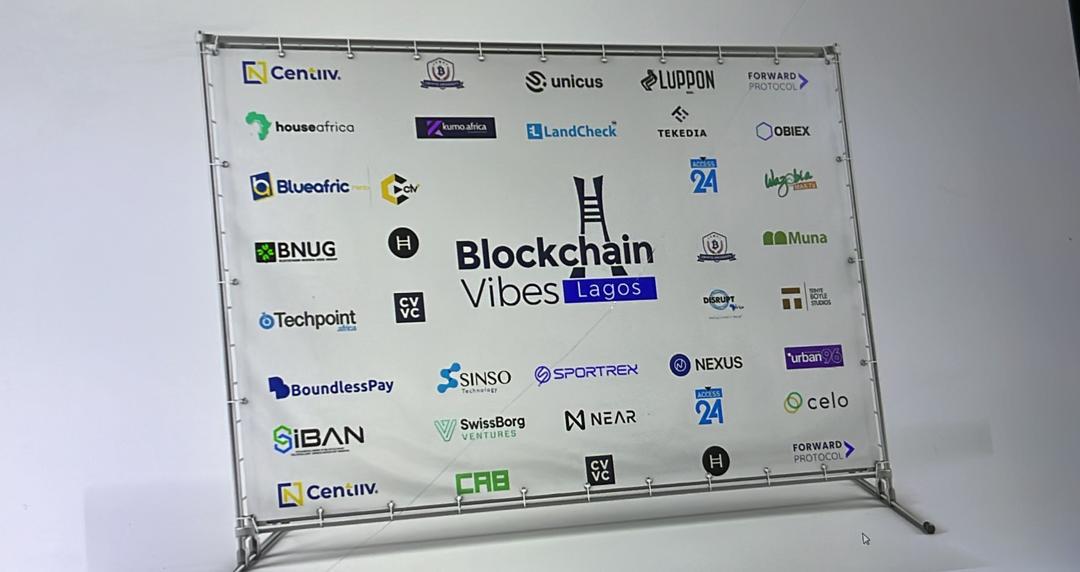
Tekedia Capital Participating in Blockchain Vibes, Lagos – 9 July 2022

0

Tekedia Capital, the recipient of Nigeria’s Best Venture Capital and Angel Fund of Year 2021, is proud to announce that it is attending #BlockchainVibes22. Tekedia Capital believes in the generation-shaping opportunities which blockchain offers and is enthusiastically participating in the event.

We invite you to join us in Lagos by registering at internationalblockchainsummit.org . Major blockchain global leaders are already in the nation for this event.

  • Date: Saturday, 9th July 2022
  • Time: 9am WAT
  • Venue: Glover Memorial Hall, Marina , LAGOS
  • Website: internationalblockchainsummit.org

Blockchain Vibes is an event that is centered on educating the crypto and tech enthusiasts about blockchain technology, bringing them into the future of decentralization and creating awareness on the evolution of money. It will bring together top stakeholders in the blockchain and cryptocurrency ecosystem to share deep insights on key topics such as NFTs, DEFi, WEB3.0, and lots more. It promises to be educative and interactive. This event is highly Recommended!