DD
MM
YYYY

PAGES

DD
MM
YYYY

spot_img

PAGES

Home Blog Page 5836

The Banks’ BIG Block

5

A few weeks ago, I wrote that the telcos, despite interventions from the telecom regulator, NCC, would have to recalibrate on what the banks want, on USSD revenue, and commission on airtime across channels (app, web, ATM, etc). Yes, I used the word “lose” for the telcos. My point is simple: the most united and fraternal institution in Nigeria is the Bankers Committee. In short, if you elevate them to the Federal Executive Council and they decide to fix Nigeria, we have a chance. When the Bankers commits, it is done.

We got these two updates from insiders

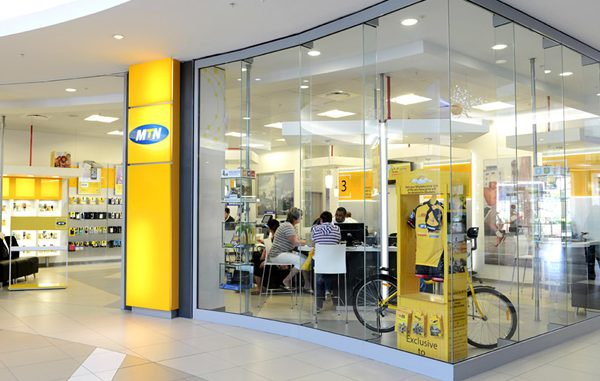
#1  – Happy Good Friday. Regarding the post below, the feud between MTN and the Banks is as a result of MTN writing all the Banks of reduction in airtime commission from 5% to 2.5% to take effect from April 1. All the Banks unilaterally rejected the reduced commission and responded to MTN to reverse the decision or their subscribers won’t be serviced from the Banks channel. The deadline to given to MTN by the Banks elapsed yesterday – April 1

#2 – The Bankers Committee actually shutdown the MTN E-top up channel because MTN according to the Committee has reduced their upfront discount from 4% to 2.5%, hence the Bankers feel edged out having been enjoying good profit from that channel.  Other MNOs didn’t tamper with their incentive on that channel, hence it is more of Electronic top up discount than USSD issue. Just giving you a heads up Boss.

Largely, the bankers have the capacity to set the prices and hold firm. But telcos are not strong enough to come together. And that playbook is playing: “A feud between Nigerian banks and MTN left millions of subscribers unable to recharge their phones using the USSD services on Friday, after banks shut off the telecoms firm over fees charged for the service.” What is happening there? The banks want what they want and if MTN cannot deliver, it is out of the channels. 

Yes, indeed. Before you can recharge your phone or buy data for browsing, you need to have money – and the banks keep that money. Technically, everything begins with the banks and if you do not align with them, you are off. The rumour is that MTN reduced commission and banks resisted.

And did you notice something else? Airtel, Glo and 9Mobile are not in the hooks. Banks would not have been in that dislocated position – unity of one is supreme in the sector! That is why banks decided to band together for BVN (bank verification number) instead of the disjoined SIM card registrations we did in the telecom sector. A more optimal model would have been – register a SIM card in Glo, and when in MTN, they can use that data and add you MTN Sim card instead of re-doing the whole data capture all over again.

Airtime loaded from app, USSD, etc is a big business in Nigeria and banks will not give up. Expect NCC and the Central Bank of Nigeria (CBN) to meet. But nothing will happen until MTN agrees to whatever the banks want. 

A feud between Nigerian banks and MTN left millions of subscribers unable to recharge their phones using the USSD services on Friday, after banks shut off the telecoms firm over fees charged for the service.

MTN advised its subscribers to seek alternative means of recharging their phones without informing them what the problem was.

“Dear Customer, our bank recharge channels are currently unavailable. Kindly recharge using physical cards. We apologise for the inconvenience. Thank you,” one message read.

Another read: “Please be informed that some of MyCustomers may not be able to purchase airtime and data recharges via banks including MOD and myMTN App. Please pacify MyCustomers and educate them to use MTNTopit, MoMo channels, as well as the debit card options on MOD or myMTN App.”

Phone users expressed their frustrations online as the outage lasted throughout Friday.


The Upcoming N42 Billion USSD Fight Between NCC And Nigerian Banks
Xiaomi Joins the Electric Vehicle Adventure with $10 Billion Investment

0

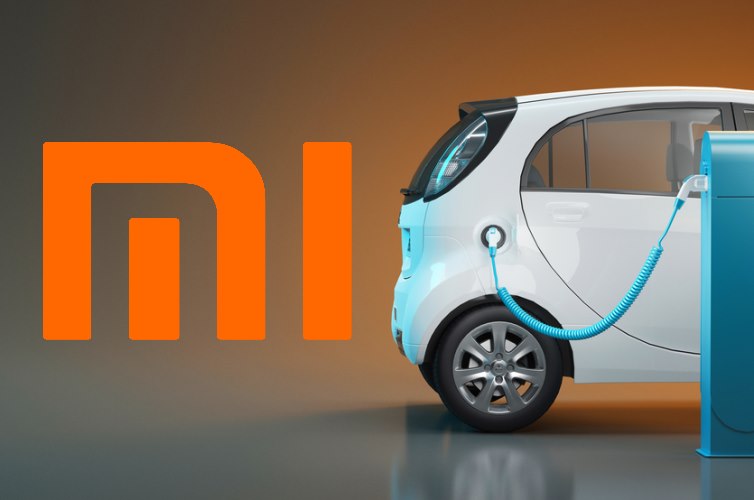
Xiaomi has become the latest smartphone maker to delve into electric vehicles. The Chinese company announced Tuesday that it is investing $10 billion over the next decade in a electric vehicle subsidiary.

This comes months after US smartphone maker, Apple accelerated its push for electric cars.

Xiaomi said in a stock market filing that the new unit will be led by billionaire co-founder and CEO Lei Jun, with an initial investment worth 10 billion yuan, ($1.5 billion). Lei announced his intention to lead a new standalone division.

While Xiaomi did not reveal funding details of the plan, a source told Bloomberg that the company could invest up to 100 billion yuan in the project, depending on the progress, and the company will contribute about 60% of the envisioned sum and plans to raise rest of the funds.

“We have a deep pocket for this project. I’m fully aware of the risks of the car-making industry. I’m also aware the project will take at least three to five years with tens of billions of investment,” Lei said, adding that Xiaomi is not planning to invite outside investors to the party.

Electric vehicles are becoming a growing choice of divestment for tech companies recently.

In January, Apple intensified its search for a partner, courting carmakers including Hyundai. Apple has an automotive program known as Project Titan, which has been in the pipeline since 2014, with the iPhone maker targeting 2024 to produce passenger electric vehicles with a breakthrough battery technology.

Like Apple, Xiaomi is one of the world’s biggest smartphone producers and it also makes a range of gadgets including home security cameras, electric shavers and toothbrushes, light bulbs, watches and scooters.

The Beijing-based company is joining the electric vehicle frenzy where Tesla, Nio and Volkswagen are already flexing muscle. Tencent and Geely Automobile Holdings Ltd. are also said to be teaming up to build electric cars. EV sales in China may climb more than 50% this year alone as consumers embrace cleaner automobiles and costs tumble, research firm Canalys estimates.

The big players already dominating the EV market means Xiaomi will have to face tougher competition.

It took Elon Musk 17 years of struggle to turn the fate of Tesla into a sustained fortune-making company, which means, the gadgets and mobile device making company may take longer.

Its move however, underscores increasing interest in the industry as world leaders push to implement Paris Climate Accord.

“This industry is on the cusp of a $5 trillion market opportunity over the next decade,” Dani Ives, an analyst at Wedbush Securities wrote on the transformation of electric vehicle. “GM, Ford, and Volkswagen all jumping into the deep end of the pool on electric vehicles, it speaks to the massive pent up demand globally around electric vehicle technology on the horizon.”

The source said Xiaomi will outsource car assembly to contract manufacturers, a model it uses for its smartphones

Tech companies strategizing to grab a share of the new energy market are upping their partnership ante with carmakers. The strategy cuts the cost for them as it means capitalizing on the huge potential market for software application such as autonomous driving.

A source told Bloomberg that Lei led a review of the EV industry’s potential several months ago and a final decision to enter the arena was made in recent weeks. Xiaomi has already hired engineers to work on software to be embedded in its cars, the person added.

Xiaomi has risen to the top of China’s smartphone market, running internet services and making a range of cut-price home gadgets from rice cookers to robo-vacuums, as US’ sanctions brought its Chinese counterpart Huawei on its knees.

With idle fortune of 100 billion yuan cash at its disposal, the company aims a shot at a new adventure – electric vehicles. Lei said it will be “the last startup project in my career.”

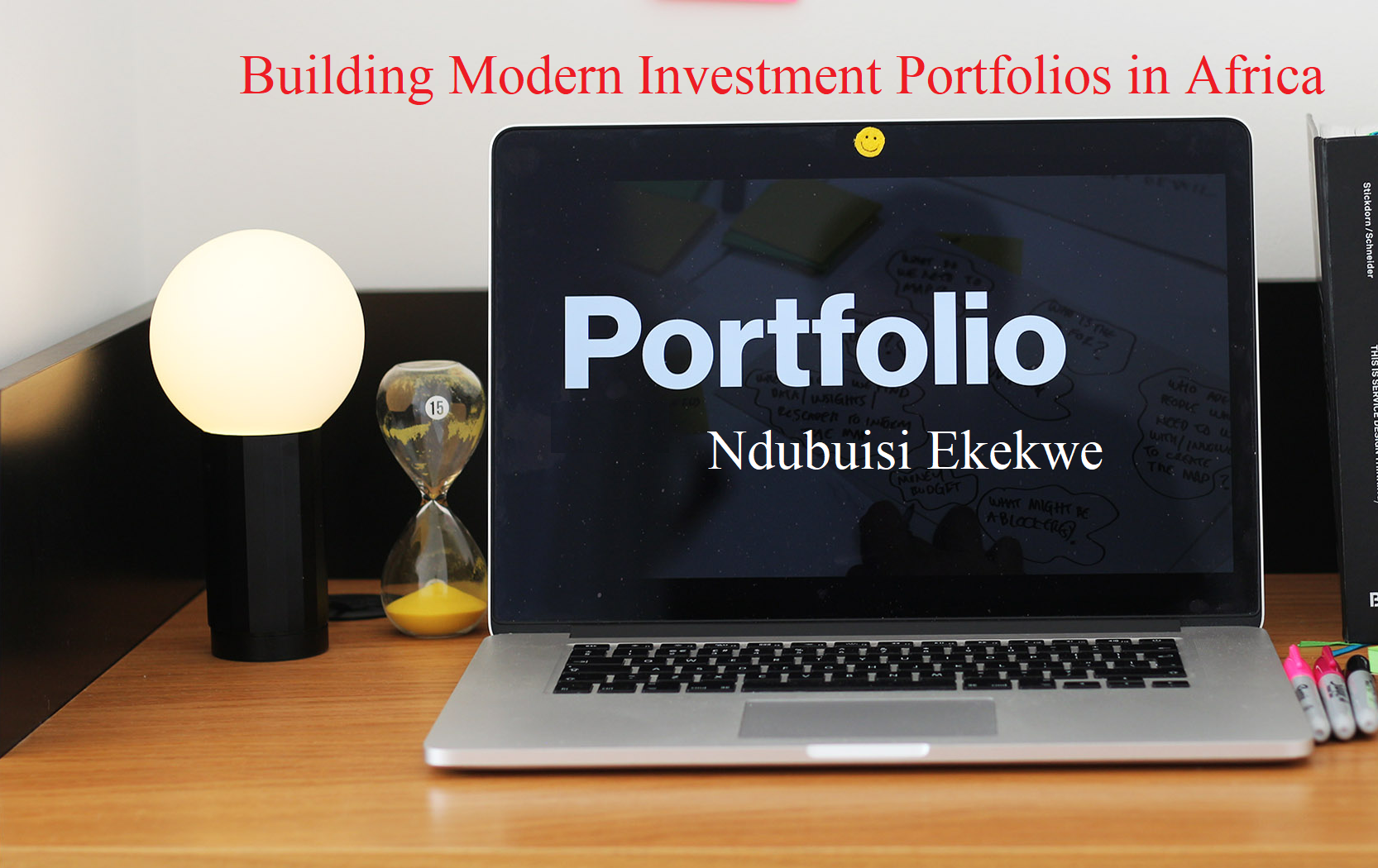
Tomorrow’s Tekedia Live Is On “Building Modern Investment Portfolios in Africa”

0

Let me wish all our members Good Friday and a great Happy Easter ahead. Yet, note that we have a scheduled Tekedia Mini-MBA Live tomorrow  on “Building Modern Investment Portfolios in Africa” which I will anchor. Just yesterday, our Faculty discussed Private Finance & Wealth Management (video Expect you in class as follows:

Date: Saturday, April 3

Time: 7pm WAT

Topic: Building Modern Investment Portfolios in Africa

Faculty: Ndubuisi Ekekwe

Zoom link in the Board

Register for the next edition of Tekedia Mini-MBA

TSMC Doles Out $100 Billion to Boost Semiconductor Investment

0

In what seems like a sharp response to Intel’s move to regain its market position, major Taiwan computer chip maker Taiwan Semiconductor Manufacturing Co. (TSMC) plans to invest $100 billion in the next three years in expanding its manufacturing capacity and supporting research and development, the company said Thursday.

The world’s biggest contract producer of semiconductors, TSMC said it anticipates faster growth thanks to long-term trends like the introduction of next-generation telecommunications and high-performance computing. The coronavirus pandemic, meanwhile, is revving up demand for electronic devices as the world relies increasingly on digitalization.

“TSMC is working closely with our customers to address their needs in a sustainable manner,” the company told AP in an emailed statement. It did not give further details about planned investments.

Intel, South Korea’s Samsung Electronics and other chip makers also have been boosting investments to meet rising demand and joust for market share in advanced semiconductors.

Last week, Intel announced plan to invest $20 billion to build two factories in Arizona and to open up its factories to outside customers, as demand for chips grows.

The move will directly challenge the two other companies in the world that can make the most advanced chips, Taiwan’s Semiconductor Manufacturing Co Ltd (TSMC) and Korea’s Samsung Electronics Co Ltd.

It will also aim to tilt a technological balance of power back to the United States and Europe as government leaders on both continents have become concerned about the risks of a concentration of chipmaking in Taiwan given tensions with China.

TSMC makes processor chips for major brands like Apple Inc. and Qualcomm Inc. Surging demand pushed its revenue 18% higher in January-February from a year earlier, it reported earlier. The company is predicting continued growth in demand for semiconductor technology as the COVID-19 pandemic further accelerates online activities.

“We are entering a period of higher growth as the multiyear megatrends of 5G and high-performance computing are expected to fuel strong demand for our semiconductor technologies in the next several years,” the company said.

Most semiconductors used in smartphones, medical equipment, computers and other products are made in Taiwan, South Korea and China.

TSMC operates a semiconductor wafer fabrication facility in Camas, Washington, and design centers in San Jose, California, and Austin, Texas.

It has announced plans to invest $3.5 billion in a second U.S. manufacturing site, in North Phoenix, Arizona, as concern grows over heavy American reliance on sources in Asia for high-tech components.

TSMC’s move will likely put a dent on Intel’s efforts to bounce back. Intel has watched its influence and market share in the semiconductor industry dwindled under the shadows of TSMC, Samsung, Nvidia and other chipmakers.

Last week’s announcement was Intel’s biggest move to break off the shackles and reinvent itself in a market increasingly being dominated by its rivals, following the appointment of their new chief executive Pat Gelsinger.

However, the shortage of semiconductor chips has opened new opportunity for growth for every company in the industry. Automakers are increasingly shutting down production as scarcity of chips persists. With the surging demand, every chipmaker has the potential to increase its supply chain.

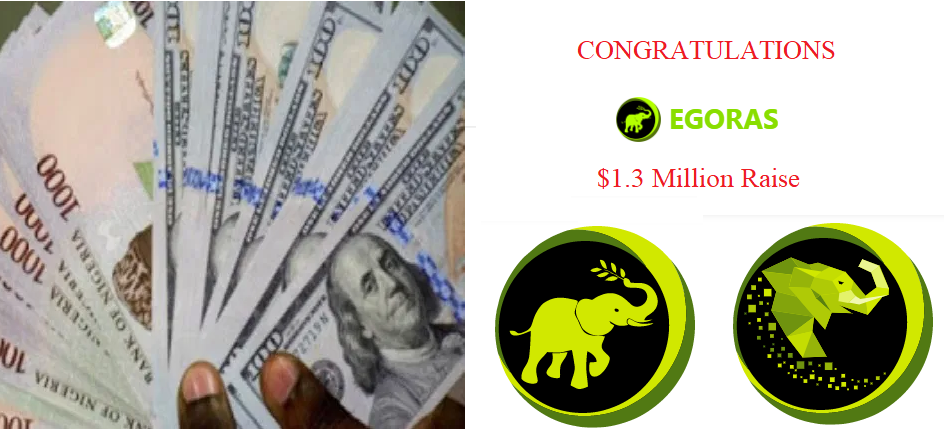
Nigeria’s Egoras Raises $1.3 Million in Private Round

0

Egoras microfinance protocol, which is coming to the June edition of Tekedia Mini-MBA, has closed a private round of funding with gross proceeds of $1.3M. The funding was led by Exnetwork Capital and Blackdragon. Other major investors include Three M Capital, Lauchpool, Spikefast, QuiverX Capital and Infinity Gainz. Egoras’s private sale was oversubscribed, with interested applicants committing over $18M to the project.

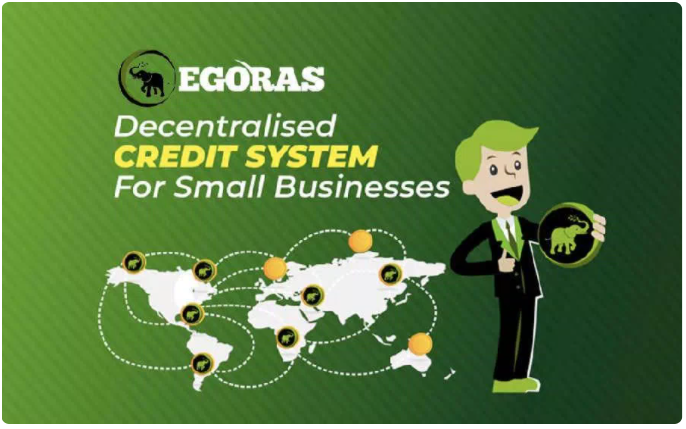
Egoras is using the funds from the recent private round to continue to build the world’s first decentralized microfinance protocol on the Binance Smart Chain.

After successfully launching its product in September 2020, which allows small businesses in Africa to get micro-credits on the Egoras microfinance protocol, Egoras is set for its token generation event (TGE) coming up in April 2021.

Egoras is currently operating on the Ethereum blockchain, and any organisation can issue low microcredit from Egoras smart-contract. However, Egoras will migrate to the Binance Smart Chain at the TGE.

WHAT IS MICROCREDIT

Microcredit is a method of lending very small sums to individuals to start or expand a small business. Microcredit borrowers tend to be low-income individuals living in parts of the developing world. As Kyle Chassé, founder of PAID Network, puts it “microloans of a couple of hundred dollars can literally save or start a business in a poor country.”

ABOUT EGORAS MICROFINANCE PROTOCOL

Egoras microfinance protocol provides uncollateralized micro-credit to small entrepreneurs and enterprises who cannot take shelter from banks for banking and other services.

Egoras intends to solve the issue of high-interest rate on microcredit. It hopes to achieve this by eliminating the middleman like the banks and lenders. Egoras issues loans directedly to the borrowers through a decentralised governance process.

Some of Egoras’s partners include PAID Network and NULS.


For more information please visit:

Website: https://egoras.com/

GitHub: https://github.com/EgorasMarket

Medium: https://egoras.medium.com/

Telegram: https://t.me/egorasmarket

Twitter: https://twitter.com/egorasmarket

Documentation: https://docs.egoras.com/