DD
MM
YYYY

PAGES

DD
MM
YYYY

spot_img

PAGES

Home Blog Page 6493

Electronic Waste Recycling in Nigeria

0

Are electronic waste recyclers in the informal sector aware of the health risks they are exposed to daily? This article answers the question. This article answers the question.

Discarded equipment such as phones, computers, refrigerators, televisions, other electrical electronics equipment (EEE) collectively referred to as electronic waste (e-waste) contain substances that are hazardous to health and environment if inadequately treated or improperly disposed of.   

Across the world, electronic or electrical devices have become indispensable in our daily lives. This growing importance and demand for electronic or electrical devices coupled with rising obsolescence due to rapid technological advancements and decreasing lifetime of EEE has led to an exponential increase in the volume of e-waste generated.  Globally, in 2017, about 45 million metric tonnes were generated, and an estimate of 52 million metric tons will be generated by 2021.  

Quantity of e-waste internally generated in Nigeria is increasing as more people use electrical electronics equipment(EEE). In Nigeria, many people own more than one information and communication technology (ICT) device such as mobile phones, computers, televisions, and other devices and their replacement cycles are becoming shorter, hence the large quantity of e-waste generated in Nigeria.

Informal work is defined as all economic activities by workers and economic units that are in law or in practice not or insuf?ciently covered by formal arrangements, i.e., beyond the reach of formal laws. Workers are casually employed, often by family members or are self-employed and do not have job security or bene?t from social protection. In addition, many of them are not aware of available protections or their legal rights. In Nigeria, the informal sector is vast and cuts across several different economic ?elds.

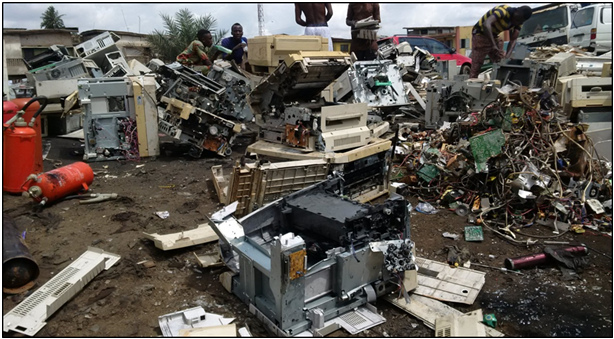
Informal e-waste recycling in Nigeria happens on a large scale by e-waste workers (scavengers, repairers, dismantlers, burners and scrap dealers). Nigeria imports the largest volume of new and used electronic and electrical equipment in Africa, being a hub for neighboring countries. About 50% of electronics used in Nigeria are imported as second-hand (used) electronics. In 2014, Nigeria generated 219 kilo tonnes. In 2016, the e-waste generated increased to 277 kilo tonnes, in 2017, it increased again to 290 kilo tonnes of electronic waste, a 170% increase from 2009, yet a lot of non-functional electronics also stockpiled in drawers in offices and homes, thus unaccounted for. A large and informal recycling sector disposes of an estimated 52,000 tonnes of brominated plastics, 4,000 tonnes of lead, 80 tonnes of cadmium and 0.3 tonnes of mercury are burned or dumped every year. An estimated additional 80,000 tonnes of plastics are burnt in the open, generating dioxins and furans.

Informal recycling involves labor-intensive manual dismantling, isolation of materials, open burning of plastics from electronics, heating of circuit boards, and the remaining are dumped at the open dumpsites or landfills.  These unsafe activities are carried out using crude methods to recover valuable materials without or with very little technology to minimize exposure to hazardous substances, thus allowing the emission of dangerous chemicals. Occupational safety and environmental protection are clearly not prioritized. These activities have negative impacts on the health of the workers and people (including pregnant women and children) around the e-waste recycling vicinity and on the environment, polluting the soil, air, dust, water, considering that 70% of water sources in Nigeria is from individual boreholes. The chemicals from the e-waste can also affect the plants and animals in the environment (soil and water). The chemicals can also bio-accumulate in the food chain and end up in fish, meat, eggs, and milk, potentially causing health problems for humans.

However, e-waste recycling is rapidly growing and has created (1) many employment and income opportunities; (2) affordable access to electronics and (3) parts used for repairs; (4) a continuous supply of raw materials to manufacturers; (5) conservation of natural resources and (6) conservation of energy required to manufacture new electronics from virgin resources.  The informal e-waste recycling is on-going because Nigeria lacks the infrastructure for e-waste recycling, there is a weak enforcement of the legislations, and people are not aware of the dangers associated with informal or unsafe recycling of e-waste.

Bearing in mind the consequences of unsafe e-waste recycling in Nigeria, we carried out a research to find answers to the following questions. Are the e-waste workers aware of these legislations and policies? Are e-waste workers aware of the dangers associated with their daily jobs? Do they know that their jobs affect their health and the environment as they struggle for livelihood for themselves and their families? Nigerians are happy people who also love quality life, but why are people engaged in jobs that are dangerous to their health? Are the workers exposed to adverse health risks?  Is the environment contaminated as a result of e-waste recycling?

 Our findings reveal that e-waste recycling in Nigeria is carried out in the informal sector in an unregulated and organized manner. A total of 279 e-waste workers were interviewed. They are mostly young men, with a mean age of 30±9 years. Most of them work for about 10 hours daily for 6 days a week. The work environment and conditions of the e-waste workers result in direct exposures to hazardous substances. informal workers often underestimate the health risks associated with their jobs. They are more concerned about making more money, and less about their health. There was a high injury prevalence of 38% in 1week. Despite the high occurrence of injury, 92% of the workers do not use any personal protective equipment (PPE) such as gloves, nose mask, boot, work cloths, helmet etc.

The main reasons for not using PPE were ‘perceived unimportant, discomfort, cost and unavailability.  The majority (88%) of e-waste workers are unaware that e-waste contains hazardous chemicals which could pose a risk to their health. The occupational Health risk awareness level of the e-waste workers were significantly lower compared with their counterparts in the same informal sector. Compared to their counterparts, the e-waste workers had poorer knowledge (88%), more negative attitudes (74%), and more unsafe practices (58%) regarding the potential health risks inherent in their jobs. Only 43% of e-waste workers could mention at least one PPE needed for their job. The majority (77%) of the e-waste workers did not know the likely illnesses they can contract as a result of their jobs and do not think that that substances they are exposed to at work can pose any health risk. In addition, they did not think that they can get ill from their jobs, but from other sources unrelated to their work or work environment.

How can this be changed?

What can we do differently to transform this situation?

Is it possible to end this problem without taking away the source of livelihood for several individuals in Nigeria?

Share your thoughts in the comment section.
Business Model is The Central Nervous System of Business

0

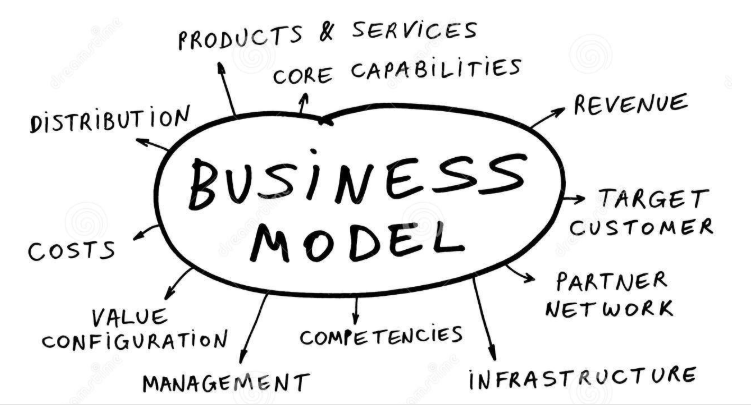
Business model is the blood that enables the central nervous system of business to function. Just as the biological nervous system is made up of the brain and the spinal cord, business is built on purpose and structures to accomplish the purpose. Without the blood, the biological nervous system fatally breaks down; without a business model, a disconnection emerges between a business purpose and the resources earmarked to accomplish it.

Across markets and territories, the success of firms is entwined with their strategies, and business model is at the heart of any business strategy. If your business model is built on oscillatory pendulum and rollercoaster, with elements of guesswork everywhere, the forces of market will consume your purpose, denying you the momentum to overcome and fix the market friction – the very essence you are in business.

..writing Week 3 lecture materials of Tekedia Mini-MBA and this week bringing biology; we’ve done a lot of physics already! Join us today.

https://www.tekedia.com/mini-mba

Experts charge young entrepreneurs to seek knowledge on business development and management.

0

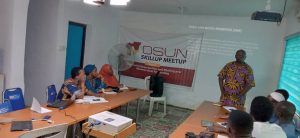
Two consultants in business and enterprise management, Lasisi Iyanda Mutiu and Dare Adeoye have charged young entrepreneurs in Osun to seek more knowledge and invest in personal development for the growth of their businesses. This advice was given in Osogbo on Saturday at the second edition of the Osun SkillUp MeetUp programme organized by the Skills, Business and Career Hub (SBC, Hub). The two professionals who are part of volunteer facilitators and mentors for the six-month business development programme said the business life should be approached scientifically rather than being built on assumptions.

Mr. Iyanda, while facilitating the first session on Creating and Reinventing Business Model towards Sustainable Value Capturing, emphasized paying attention to numbers or budgetary allocations from government on each sector. He reiterated the need for the young entrepreneurs to identify their business model in a bid to capture values for their business outfits. He posited that any business that will thrive must understand both qualitative and quantitative data that would reveal the business capabilities.  He then led the participants through the process of creating and reinventing business model for their individual businesses to capture sustainable values.

In his own presentation for the second session, Mr. Dare Adeoye, who spoke on Resource Mobilization for Small and Medium Scale Enterprises in Osun,  exposed the participants to how they could mobilize resources for their entrepreneurial activities. He identified different types of resources a business person should leverage on. He laid emphasis on both human and social capital and how they could practically utilize such to better the lot of their businesses. He charged the participants to be sensitive to policies that could make or mar their businesses. He said this would only happen if they are ready to open their minds to new and relevant knowledge.

The Osun SkillUp MeetUp is a six-month business development boot camp that intends to take the participants through the process of developing new or existing ideas into sustainable value capturing entities. The third edition comes up in March, 2020. The programme had 20 young business owners drawn from different parts of the state in attendance

Elwin Agro-Processing Plant is Ready To Serve in Awka Nigeria

0

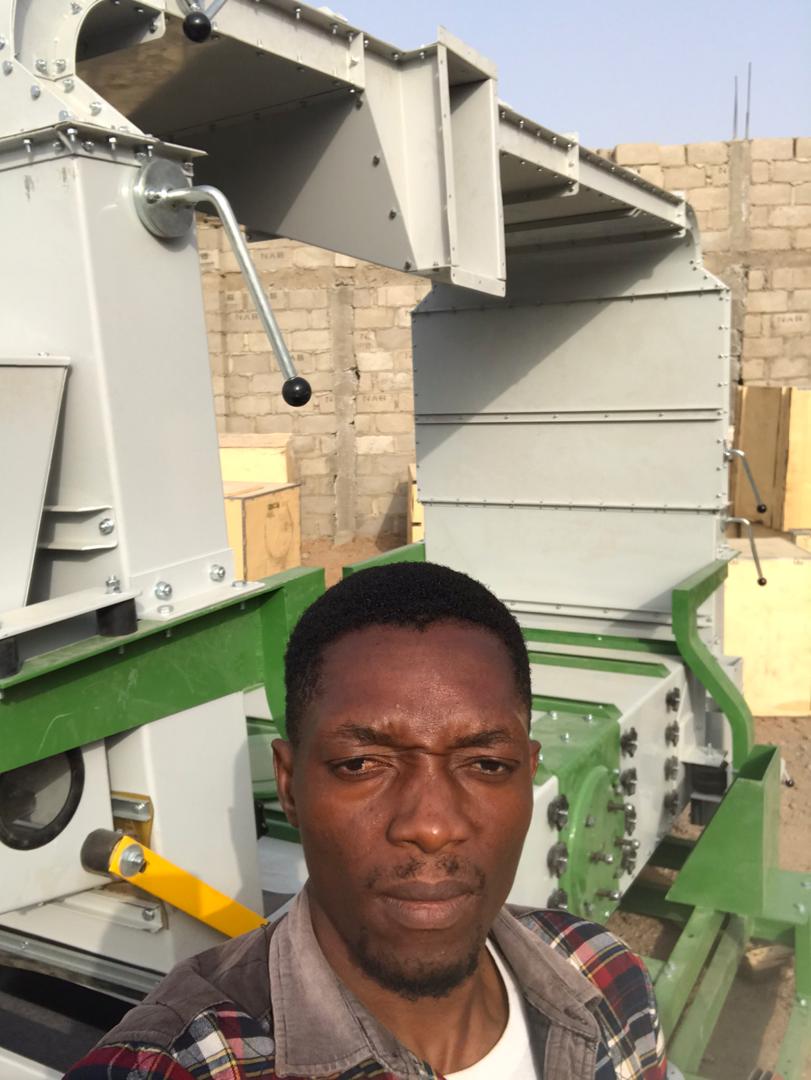
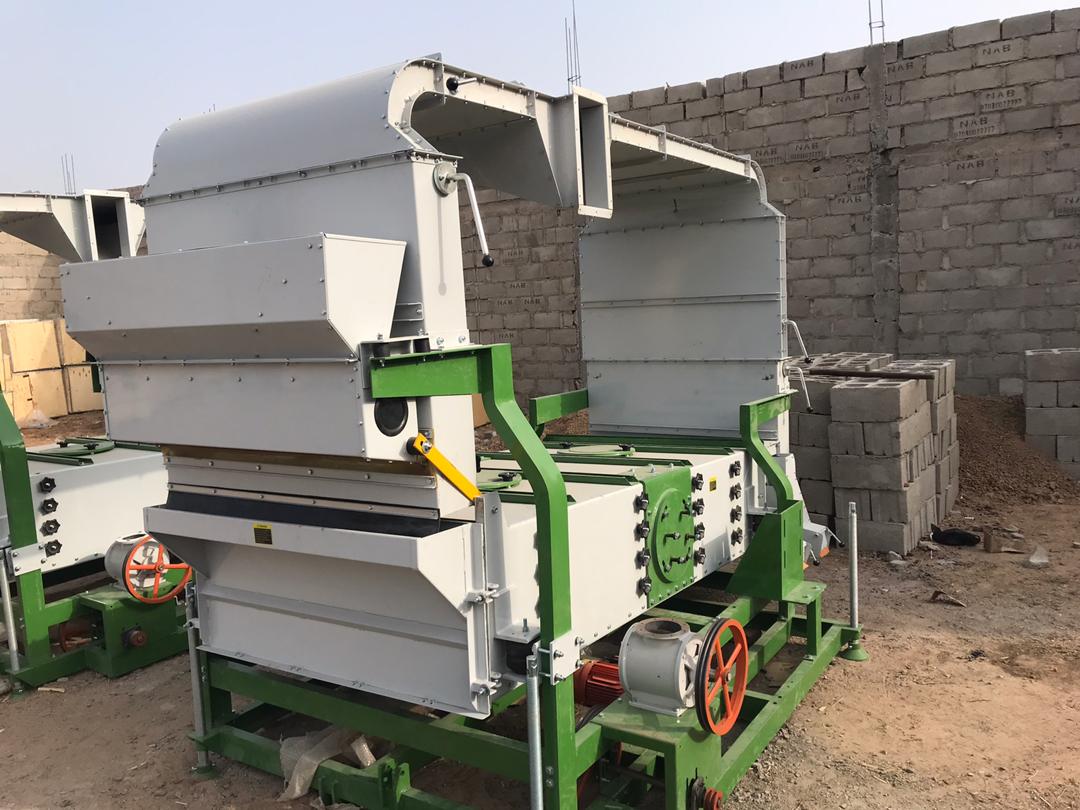
If your people are exporting raw materials, earning nothing after toils in farms, an innovator could insert himself or /herself in between the buyers and producers, adding value in the process, and earning revenue. So, it was amazing when Elwin Mubba shared how he has just installed a processing plant to process sesame, sorghum, soybeans, wheat and corn in Awka, Anambra state. He noted on them that his market is export with “quality standards of 99.5% cleaned/processed seeds”, and “99.5 purity guaranteed.” You know the amazing part? The factory design & construction was wholly local. How can Elwin Group serve you?

The Sasai Super App – African Digital Pathfinder

0

This is a sure way to become a pathfinder. It is simply to find a path that others will follow. But to find a path has many things that come along with it. You will need to think and talk differently, especially like a person that can find a path. Have you heard of the story of the men that built America? These were the captains of industries and inventors that brought America’s civilization.

Since then great people have become pathfinders in many ways in our days. Here are some of the men that are spearheading the revolutions of the 21st century.

  1. Microsoft Inc that was founded by Bill Gates and Paul Allen in 1975 became the pathfinder of the Software industry. The company is contently worth over $1trn market cap according to NASDAQ.
  2. Amazon.com Inc. The company was founded by Jeff Bezos in 1994 and became the pathfinder of the e-commerce industry. The company is currently worth over $1tn market cap according to NASDAQ
  3. Uber Inc. The company was founded in 2008 by Travis Kalanick and Garrett Camp. This became the pathfinder of the sharing industry. Uber has a market cap of $69.9bn according to NYSE

These great men became pathfinders because they founded a path.

Now coming to Africa, who are our pathfinders? What path are they finding that will indeed declare that they are pathfinders. Indeed, to build the Africa of our dream we need entrepreneurs that will become pathfinders.

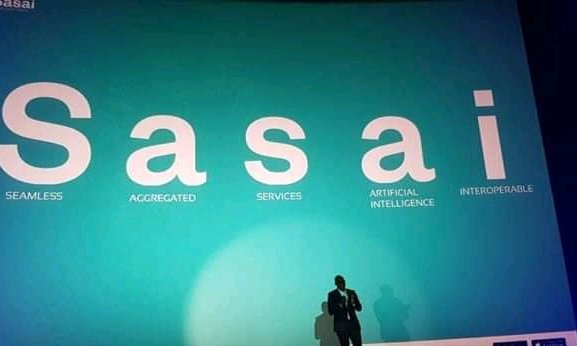
Today Sasai App is not just an African technological milestone but has become an Africa digital pathfinder. I will open your eyes to the uncommon pathways that Sasai is helping to find in African economy.

How is Sasai App an African Digital Pathfinder

For a company or an entrepreneur to be a pathfinder that means he should do what has not been done before. That is the unique and special features of the pathfinders above. Here are what Sasai App is doing that are uncommon in Africa digital space;

 Ecosystem of Businesses:

The word ecosystem simply means an environment or a community that supports the existence of  different things. Sasai has employed the power of digital technology to house some of the major businesses of the world. This makes the Sasai mobile app an ecosystem for various businesses. When you get to the explore section of the App, you will see businesses by industries categorisation, such as Music, Gaming, Sports, Travels, News and Media, TV & Radio, Well Being, Ride-hailing, Food, Delivery, E-shop, E-market, E-service and finances. We have many businesses under each industry. Download, install, Visit and explore here.

 The super App Factor:

A super app is a kind of mobile application that gives you the ability to do many activities on the same platform. On sasai you can chat, you can make payment(Including remit), you can explore whatever you want. So, it literally combines the features and functions of famous platforms such as Youtube, Whatsapp, Paypal,Uber.

 Spearheading African language Digitization:

The digital divide is a very great problem for Africa in this digital age. Digital divide simply means exclusion from participation on the internet or the digital world. One such area that Africa is experiencing the divide is the lack of digitisation of african languages. According to UNESCO, about 43% of the world’s 6000  languages are now considered endangered. African languages are facing the chances of extinction in the future. That means the less people speak and use these languages, the more they will become forgotten and obsolete.

So, Sasai App has translated and digitised most of the african languages in order to solve the problem of extinctions, bridging digital divide and also to create economic value for those that can not speak English or French. We currently have Yoruba, Shona,Igbo, Swahili etc, more than 20 African languages digitised on the sasai app.

Spearheading African Content Digitization:

In order to solve the problem of the digital divide in Africa and also digitise and preserve our languages we need to also translate and digitise African contents.

So Sasai had developed innovation in order to speed up the digitalisation of every African content. The innovation includes; Sasai Watch, Sasai Watch Live, Sasai Podcast, Sasai moments etc. We can now have African books translated into podcasts in African language. We have local artists and influencers digitise their contents and upload  them on the above platforms. This is truly a pathfinding innovation.

Who will follow the Sasai Pathway created by Sasai.?

 A path is always created for people to thread on it or follow the path to a destination. For example, entrepreneurs created industries that many other entrepreneurs have used their system to build equally big businesses today. Consider the following industries;

  1. Uber was fast followed by Lyft, Bolt, Vaya etc
  2.  Microsoft was fast followed by many software companies including Codecitty.
  3. Amazon was fast followed by Alibaba, eBay, Jumia, Wanabuy etc.
  4. Facebook was fast followed by Twitter, Instagram, Linkedin etc.

 African entrepreneurs can fast follow the Sasai path in two ways;

  1. By leveraging the existing technological infrastructures on the Sasai platform to build big businesses.
  2. By learning from Sasai approach to solving other African problems.

Are you a pathfinder or an innovator? Don’t forget to download the 3S Rules free Sample and subscribe to receive weekly newsletter.