DD
MM
YYYY

PAGES

DD
MM
YYYY

spot_img

PAGES

Home Blog Page 6720

Menace of Drainage Blockages And the Way Forward in Nigeria

0

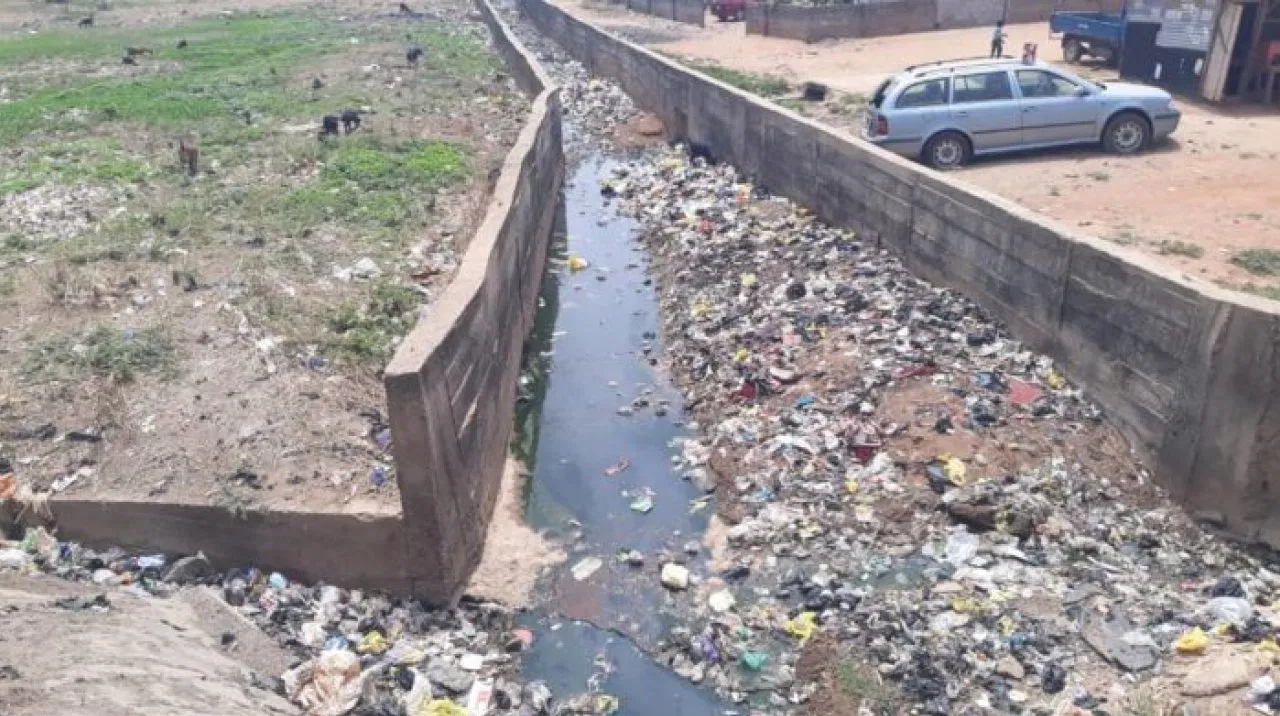
Drainage blockage is one of the primary causes of environmental pollution and flooding in the urban centres of Nigeria. This blockage is caused by a lot of factors ranging from improper disposal of wastes to ineffective drainage management practices. Until proper environmental sanitation measures are put in place, the issues of persistent environmental pollution and flooding may not disappear any time soon.

It is understood that flooding is quite a global problem due to climate change and other man made factors. But the will of the people to play their part is sacrosanct in ensuring a safe and healthy environment.

It is a fact that unlike fighting fire, flooding cannot be fought but perhaps, can be controlled or better still, prevented. Flooding is controlled by different methods including planting of vegetation, terracing hillsides to slow down the flow of water downhill, and construction of drainage channels.

In Nigeria, almost every urban road constructed is provided with drainage channels along its bank. These channels are meant to take care of the excess run off during rainfall and waste water from homes, markets and industries. In urban centres, minor “gutters” are interconnected to empty into wider channels or canal. These canals in turn carries storm and waste water to a river or ocean, as the case may be. Well, engineers design drainage channels utilizing the worst possible condition in order to cater to an extent for cases of unplanned or unforeseen occurrences of rainfall, other forms of precipitation and waste water for a period of time. This goes to imply that a large percentage if not all of the drainage channels built are efficient enough to cater for the flood control needs of an area for a given period of time. But when these channels are hindered by blockages, their efficiency based on initial design is greatly reduced.

How do we play our part as a community to ensure that man made factors (indiscriminate disposal of wastes) known to be capable of reducing the efficiency of the drainage thereby giving rise to flooding and environmental pollution is reduced to its barest minimum if not totally eliminated.

  1. Separation of wastes from point of generation

There is a need for waste separation. Biodegradable wastes and non biodegradable wastes should be separated at the points of generation; homes. If wastes are properly separated, then the first step to waste management has been set in motion. Bottles, polythene bags etc are non biodegradable and should be separated from food wastes. Also metal wastes.

  1. Recycling

There are certain used containers that are recyclable. If the wastes has already been separated, then the recyclable ones like most cans and bottles can be sent for recycling. There are hundreds of locals who make a living from buying recyclable waste materials for a token, help them stay in business; sell it!. It is clear that most of the wastes which cause drainage channel blockages are the non biodegradable ones.

  1. Periodic clearing of Drainage

This seems to be the most publicized public sanitation technique in Nigeria. Though this method appears good and beneficial but often times the debris cleared from the “gutters” are left lying on the streets. Soon after, feet and vehicle wheels trample these debris and eventually sends them back to the drainage. A case of “penny wise pound foolish”. Why are the gutters being cleared if there is no plan to move the contents to a dumpsite? However, I strongly believe it is the government’s duty to keep the environment safe for the populace, so as the communities come together to clear their drainage, government should be ready to provide a synergy so that the wastes are not left lying on the streets and further polluting the environment.

  1. Proper disposal of household generated waste

Wastes don’t get into drainage channels by mistake. The fact is, it is quite deliberate. People actually dump household generated wastes into gutters and canals. The reason is not far fetched. They believe when water flows through, it will drag the wastes away. But the question is, drag it to where?

They say “little drops make an ocean”. Little drop of waste along the canal by one person, two persons grows to become a gargantuan menace over time and this leads to blockage of canals.

We are hopeful of a time when the government will deploy viable and sustainable technology and other advanced methods in order to manage wastes and promote a healthy environment but until then; If we don’t take care of our environment, who will?

Climate change may appear to be over us, but environmental pollution will continue to live with us and endanger us until we stop contributing to it’s growth.
Your Business Value Chain

0

Everyone wants to make money.

Every business wants to bring in billions.

Every startup wants to become Facebook or Google or Amazon.

But these start-ups fail or close down few years after start. These businesses collapse or make meagre profit till the owner dies. They are missing out a lot of stuff but there is one major mistake all of them make.

If you’re starting a company or a business, it’s very important you note this so you would not end up in that same hole. I’ll give a short story to explain a point.

Eight months ago, I had a very crazy idea that I felt would generate millions of naira for me. The next thing was that I sprung into action and began to make plans on different ways on how I’d make money from the business. I was drawing up a profit structure without considering a lot of things. I wasn’t concerned about the value people would get from it. I was just concerned about how it would reach people, I was just concerned about how to make money.

Guess what? I got stuck. I got frustrated. I couldn’t see reasonable sources of profit. It went on for months and thank God I didn’t launch. So I had to dismantle all my plans and began to create a value system. Who are the people I’m reaching, what do they love, why do they love it, what can I do? How do I reach them? Would they want it this way? Would they want this or that? How would they react?

I was now more concerned about how my product would influence people. How it would be of benefit. When I talk about giving value, it could be products, ideas, information, time etc. As I continued to investigate and solve the glitches, I began to see lots of profit channels from it which was a hundred times more than my former structure. This is exactly what big companies like Amazon do. Amazon focused on customer satisfaction and then built a solid structure from it.

Most start-ups don’t have any product they’re offering and those who have products didn’t consider if the consumer wants them. They just want to make a profit. Those businesses would all crash. We’re in a very busy age and no consumer would spend time to buy what they’re not deriving satisfaction from either emotionally or physically or anyway. I have not yet launched my idea because I’m still working on the different values people can get or how they can get it but I’m quite sure it would be a success.

Note this: If Facebook was not able to solve or bridge the gap between social interactions all over the world, between different persons across countries, it would have failed.

If Amazon, Pepsi, and Coca-Cola did not focus on consumer satisfaction, they might as well have gone out of business.

All these are values and it is one similar key ingredient most start-ups leave out.

When building a profit system, be conscious of the value it’s giving. Your profit structure should bank on the value systems you put in place. Want to increase your profit structure? Then increase your value chain!

Nigeria Talks Tough on South Africa’s Xenophobia

0

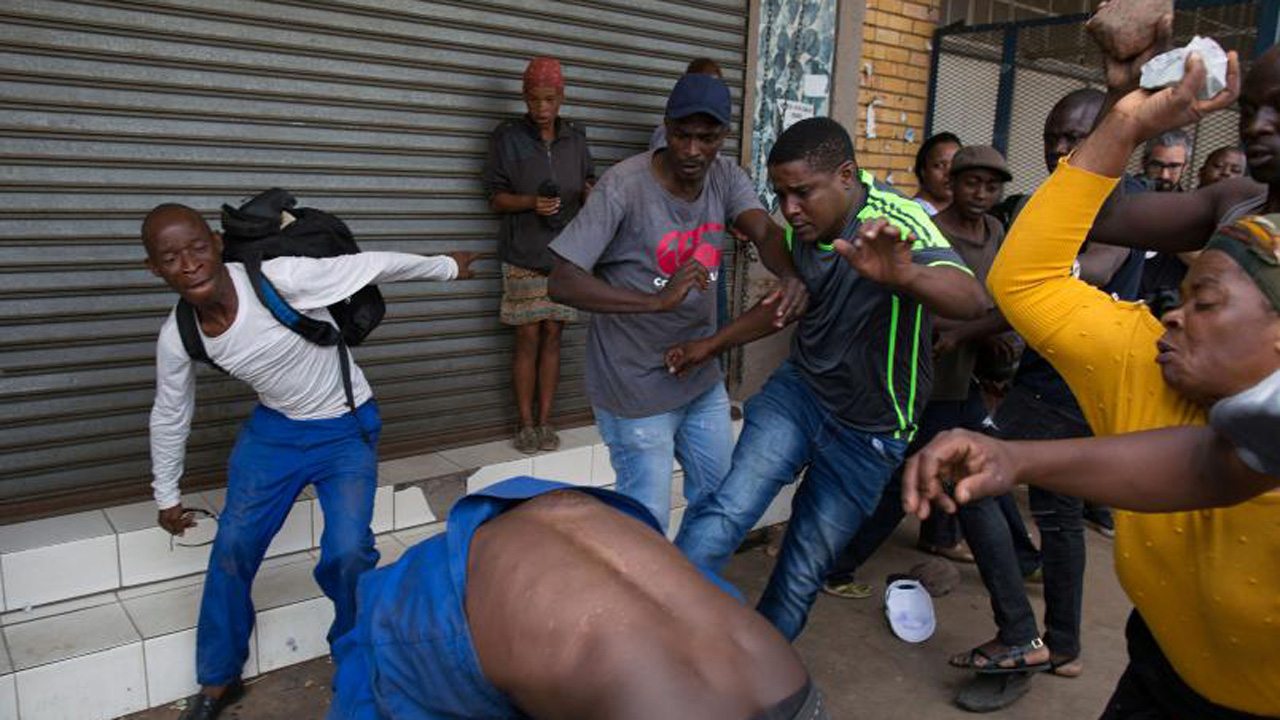
As the gory images of killing and maiming, burning and looting litter the social media, we are pathetically reminded once again that the scores are far from being settled. Cut across corrupt, inept, insecurity, and now xenophobic lines; integration is far from achievable in Africa.

There is concern that South African trend of xenophobic attacks on migrants of African origin is setting a precedent of contagious reprisals. Since the government has failed to address the issue head on, many believe that the recurrences are suggesting that the South African hooligans are doing the government’s bidding. A situation that many fear will escalate to diplomatic dysfunction sooner than imagined.

The responses of other countries who their citizens have been victims in the latest attacks suggest more of a drastic payback measure. The Nigerian Government didn’t take a seat to issue a stern statement on that matter. It says:

“The continuing attacks on Nigerians nationals and businesses in South Africa are unacceptable. Enough is enough. Nigeria will take definitive measures to ensure the safety and protection of her citizens.

“Last week, president Buhari met with President Ramaphosa, on the sidelines of TICAD7, in Japan, to discuss this. Further discussions scheduled for October 2019, during President Buhari’s official to South Africa. In the meantime, Nigeria will take further steps to ensure safety of citizens in South Africa.”

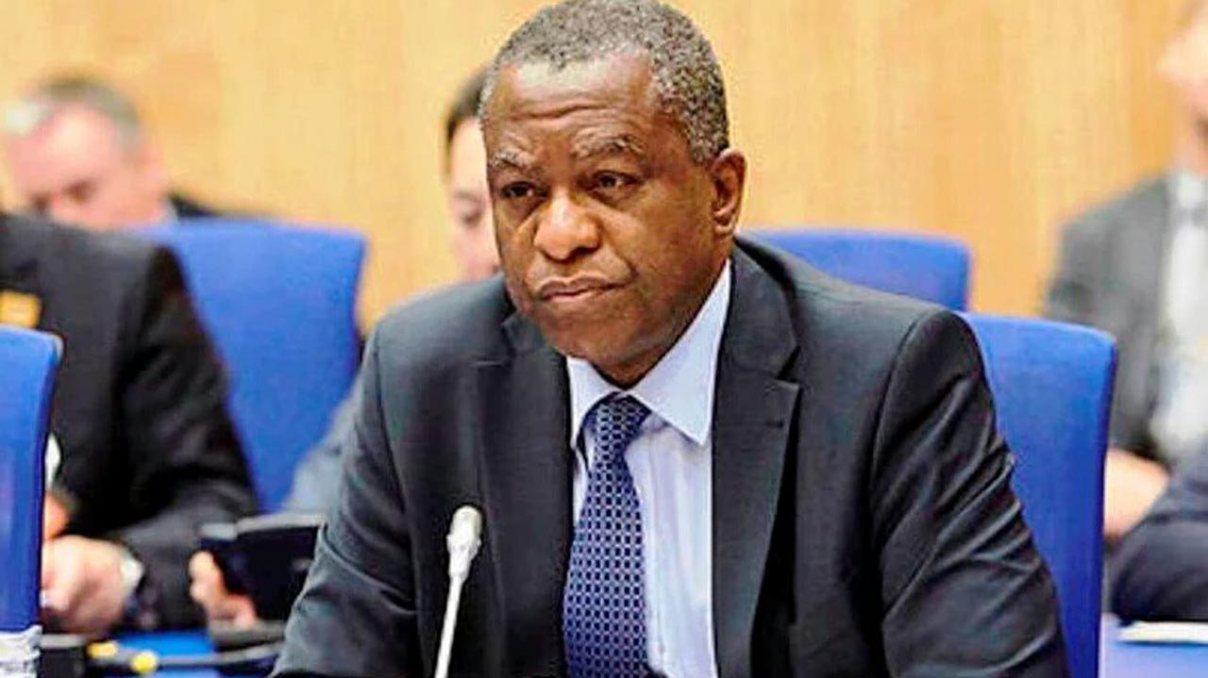
The Foreign Affairs Minister of Nigeria, Geoffrey Onyeama, in response to the xenophobic attacks tweeted:

Received sickening and depressing news of continued burning and looting of Nigerian shops and premises in South Africa by mindless criminals with ineffective police protection. Enough is enough. We will take definitive measures.”

It sounds more like a retaliatory threat from a man pushed beyond his limit. And he is not the only one who complained from Nigeria. The Chairman, Nigerians in Diaspora Commission, Abike Dabiri-Erewa also tweeted:

“Sad, reports from South Africa attacking foreigners. I can’t verify most of the videos. However, whatever decisions to be taken now can only be at the Ministerial level. AU intervention may be crucial. This is not what we should be doing to ourselves as Africans.”

But Nigerians are saying that it’s not the first time the foreign ministries will have to issue statements on attacks on foreigners in South Africa, and by the look of things, it’s not going to be the last.

It is a perception that South African Government’s response and that of her people has enabled. The South African Deputy Minister of Police, Bongani Mkongi told the press:

“The question is: How can a city in South Africa be 80% foreign nationals, that is dangerous. You won’t find South Africans in other countries dominating a city up to 80%… we can’t surrender South Africa to foreign nationals.”

On Twitter, many South Africans have been tweeting in defense of the attacks, saying that it’s a national duty. A South African Twitter user tweeted:

“You enter a foreign country illegally, sell drugs, traffic people, evade tax, and when citizens get tired and deal with you decisively, you cry xenophobia.”

This tweet represents how most South African youths feel about foreigners. A situation that many have attributed to joblessness. The Spectator Index reported that at 29%, South Africa has the highest rate of youth unemployment in the world. That, many believe has created enough force of jobless people who find employment in attacking foreigners and looting their businesses in the name of fighting crime – a job the police are there for.

The attacks seem more grave this time than ever before, with many barbaric instances of people being burnt alive going viral on social media.

However, Nigerians have been voicing their disappointment in the South African people with the hashtag #EnoughisEnough. They are saying that Nigeria does not in any way deserve to be treated this way by South Africans, owing to the fact that Nigeria played the big brother role during the apartheid regime, spending about $61 billion to liberate them from oppression. So the least they could do is give Nigerians the brotherly treatment. Many have also vowed to boycott DSTV, Shoprite, MTN and every other business of South African origin in Nigeria.

What’s This Thing Called “Innovative Marketing”?

0

Although it is one of the youngest business and management sub-disciplines, marketing has taken on diverse trajectories from profit through non-profit and third sector.

Business to consumer (or B2C) marketing had been the traditional pioneer of for-profit marketing from the days of Ford and the selling concept of “having any colour you want as long as it is black” to the marketing orientation of “you said, we did” – putting the consumer and/ or customer first.

Interestingly, entrepreneurial marketing has also emerged highlighting the need and/ or utility of interfuctional integration of marketing with other disciplines be it accounting-marketing;  marketing and sales through Logistics, Marketing and Purchasing, sustainability, social media/ communications to AI (artificial intelligence) and digital marketing, innovative marketing etc. The list is endless.

Ahh… did I forget to mention Arts Marketing? Now that is another creative and innovative dimension of marketing that is gaining traction.

Now here’s a penny for your thought. How different is innovative marketing from entrepreneurial marketing?

https://youtu.be/HR2Tgb3zdyU

I ask this question considering that part of the definition of the latter is enshrined in the former. Picture this from Professor David Stokes:

Marketing and entrepreneurship have been regarded traditionally as two distinct fields of study. A growing awareness of the importance of entrepreneurship and innovation to marketing, and of marketing to successful entrepreneurship, has recently led to attempts to combine the two disciplines as “entrepreneurial marketing”.

Stokes (2000: 47)

Over to you.

Further reading:

The Shame in South Africa

3

May I use this medium to wish Nigerians in South Africa the strength to overcome! What is happening there is offensive and repulsive.  The biggest shame is the African Union which continues to live on the illusion that talks and signing papers can make Africa one. As South African thugs strengthen without consequences, messages are sent across the continent that non-natives can be attacked as a new form of liberation. No nation or continent can rise without property rights. South Africa has shown why its future is challenged as legal owners of properties are deprived of their rights.

The challenge ahead is huge, across Africa, because economic opportunities are dissipating. We are now about the size of China. Yet, we command only 25% of its GDP which means four Africans are competing for an opportunity reserved for a Chinese. This is not to rationalize the mess across African cities where people are attached under xenophobic hatreds.This is to note that unless there is a new trajectory, the future is not assured.

Nigerian youth – hold your peace. You can show South African youth that you are more advanced and civilized. Governments must protect South African properties in Nigeria.

I push for three things:

  1. South African government must compensate in totality all losses (direct and indirect).
  2. Immediate arrest and public trial of the perpetrators.
  3. African Union sanctioned security apparatus for South Africa to protect Nigerians and other foreigners along with their properties. Where South Africa does not have the capacity, AU can help while South Africa pays the bills.

Where South Africa cannot deliver on those, its position as a member of AU needs to be revisited. By then, AU should compensate Nigerians and others, and help them leave South Africa. I am not sure that is the outcome South African leaders want. Where they want otherwise, they must lead.