UK Prime Minister Theresa May resigns. I do not know why it took so long. The fact is this: the world that United Kingdom wants will not happen in the very near future. So, they better be changing leaders because no one can take them to their designed equilibrium point. In the past, it used to be The Rise of Me Only; today, it is now The Rise of All.
That means – if you expect the world as it was 100 years ago, you are living in an illusion. UK benefited from the world, ravaging empires from Asia to Africa; now, it wants to sleep under its pillows happily, out of the world. That will not happen. Gone David Cameron, gone Theresa May, bring the next person. It will not change UK until it realizes that the new world is The Rise of All and citizens must make adjustments for that reality.
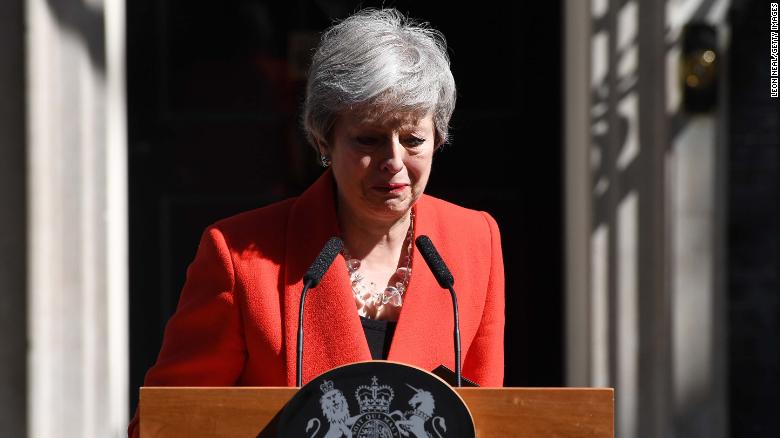
UK Prime Minister Theresa May announced her resignation in an emotional speech on Friday, finally bowing to intense political pressure over the failure to deliver her signature policy — Britain’s withdrawal from the European Union.
Standing at a lectern outside Downing Street on Friday morning, May said she would quit as leader of the Conservative Party on June 7, but would stay on as Prime Minister until a successor is chosen.
May said she had done everything she could to convince Members of Parliament (MPs) to back her thrice-rejected Brexit deal, but acknowledged that she had failed.
Next please…Boris Johnson, possibly. He will experience the same thing: sobering resignation. By the time markets begin to work on Brexit, UK will understand the world has changed. When they had the opportunities, they took over the world. Today, UK wants to hide, from the world it helped to confuse. It will take more time to have new babies that can deliver those new promises in UK.
Like I always say: if parents answered all our requests, we would be in trouble! UK has Brexit (supporting UK leaving the EU block) but UK will lose a “great British success story” as Dyson moves its headquarters from London to Singapore. Sure, the man who owns 100% of Dyson noted that it was not about Brexit but “future-proofing” the business.
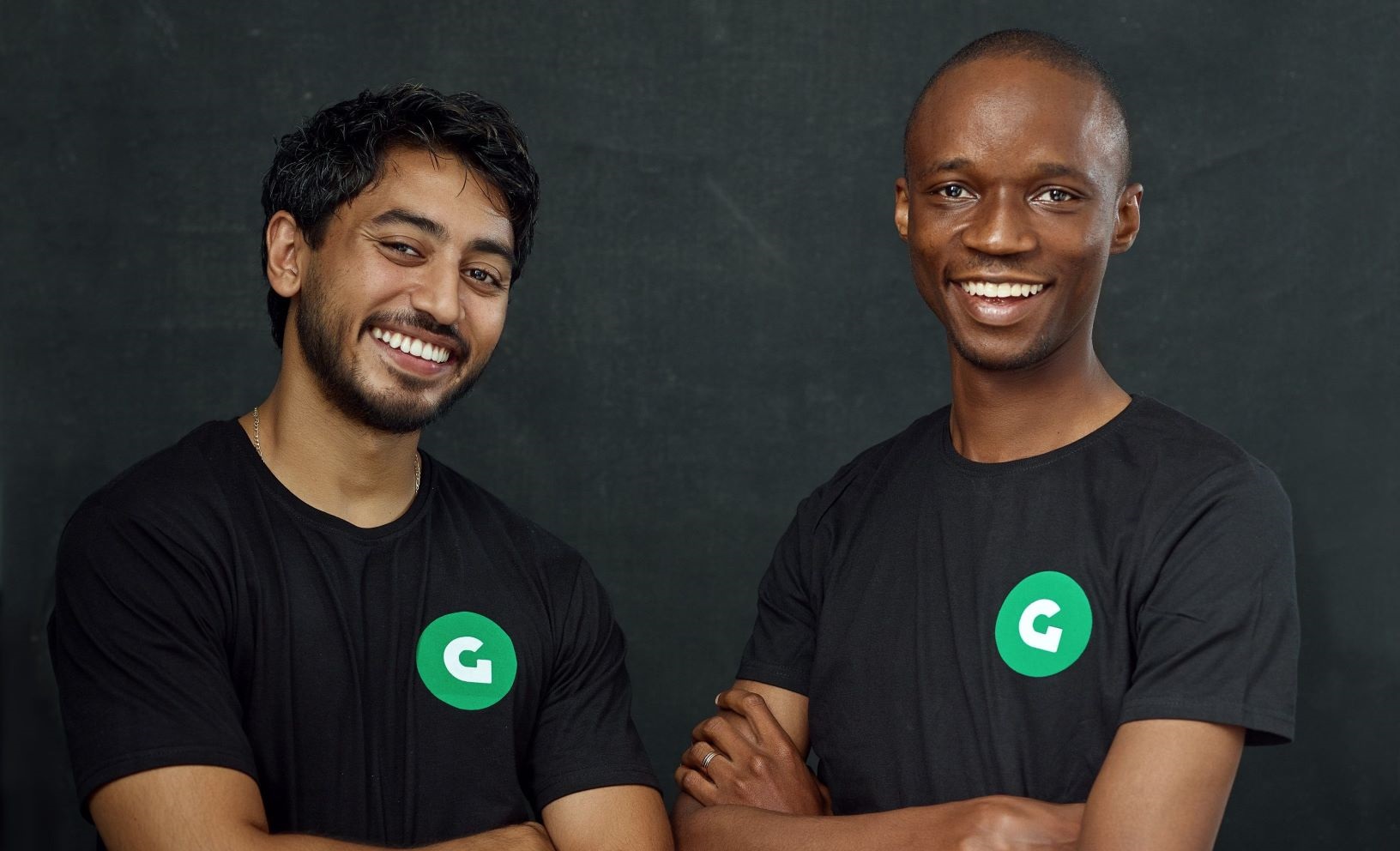
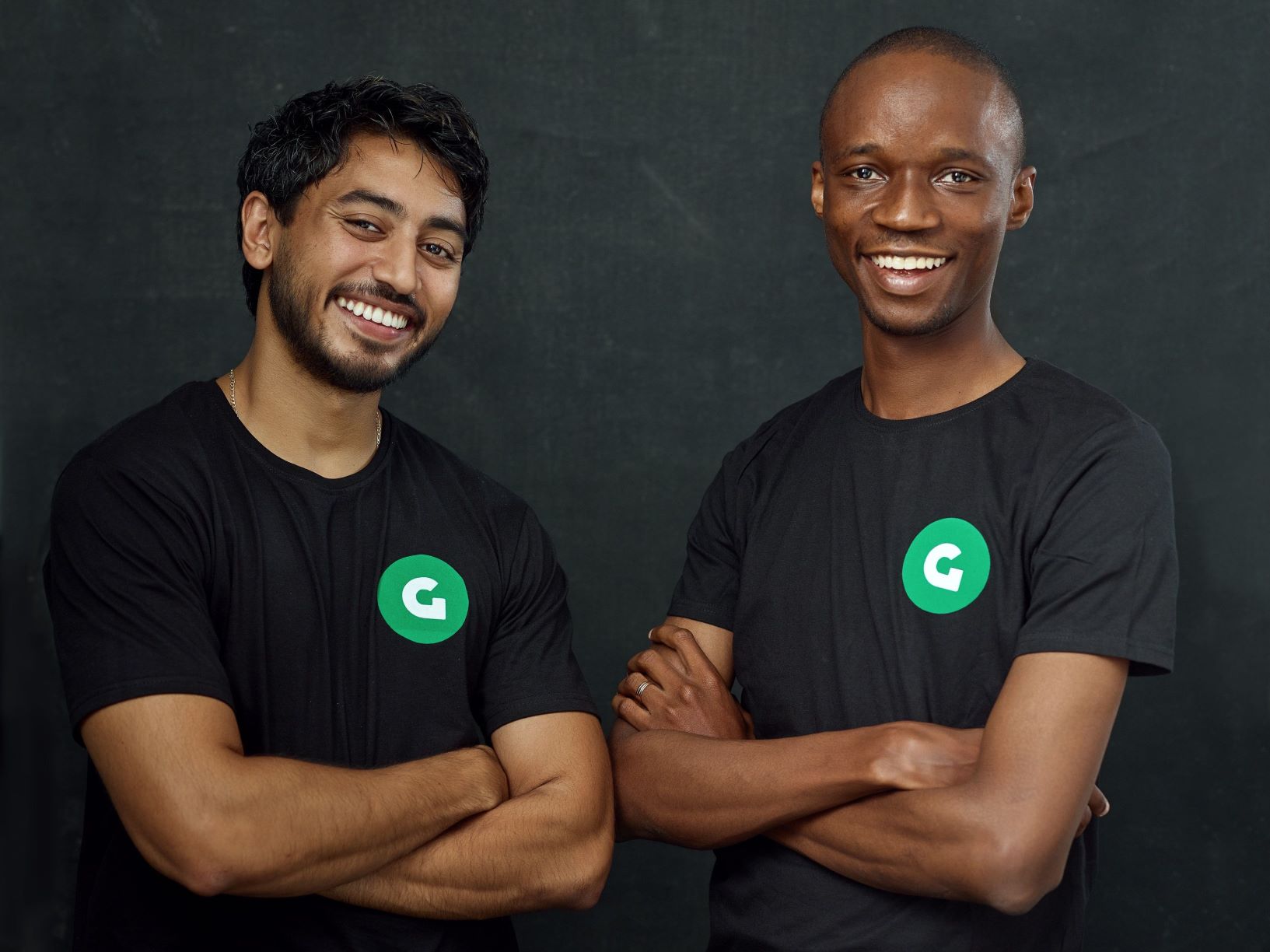
Gokada continues its trajectory to fix the transportation friction in Nigeria, rising on its vision that the “future is green”. That “future is green” is Gokada as what the firm plans to do is largely unbounded in the transportation domain of Nigeria. Today, the company announces that it has raised $5.3 million Series A, and Jobberman co-Founder (Deji Adewumni) has joined as Co-CEO. It is evident this money will take Gokada to more cities in Nigeria and beyond.
Yes, the modern okada company is now bigger than most insurance companies in Nigeria, and on the way to glory. Big problems provide huge moments for those that dare: our transportation paralysis in major cities in Nigeria will create $millionaires.
…the press release with some additions
Gokada, the Lagos-based on-demand motorcycle taxi app, has secured a Series A fundraise of $5.3 million. Led by Rise Capital with participation from Adventure Capital, First MidWest Group, IC Global Partners and several local investors, Gokada will deploy its investment to expand its driver fleet, increase daily rides by 10 fold and acquire local tech talent. In addition, the company will explore new verticals for business growth.
Gokada is an on-demand transportation company headquartered in Lagos, Nigeria. Customers can order a motorbike ride through the company’s website, or by using the company’s geo-location -based smartphone Gokada mobile app.
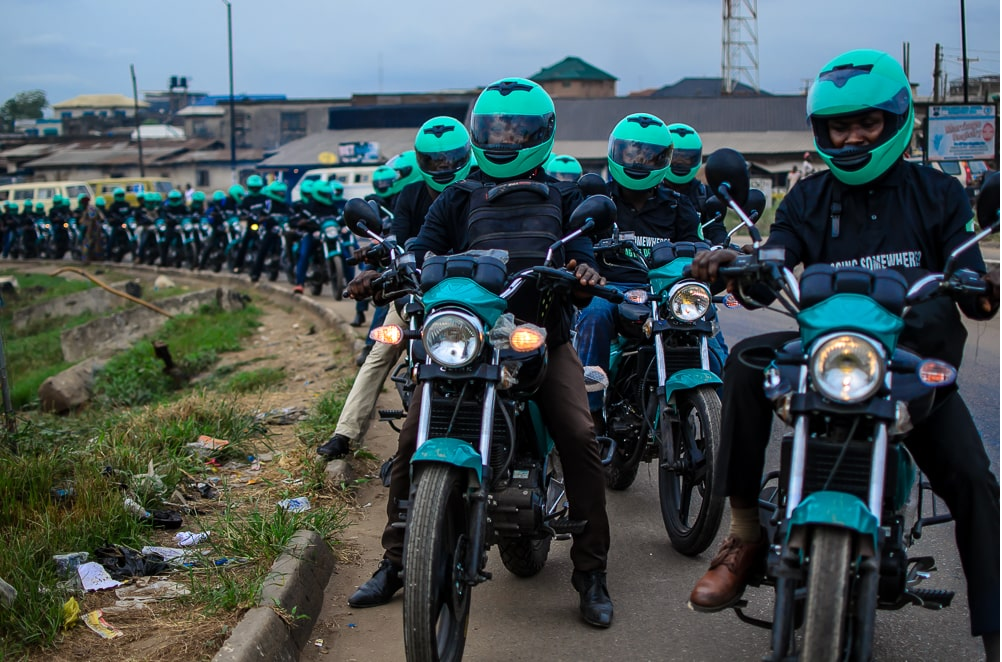
Based in Lagos, Gokada provides quick, safe and reliable transport, in the form of okadas (commercial motorcycles) – a functional form of transport which has become part of the fabric of everyday life in the heavily-congested city. To date, regular okadas have been deemed as largely unreliable and unregulated. With Gokada, riders can hail drivers via its mobile app which is available on Android and iOS. Since launching in 2018, Gokada has already acquired approximately 1,000 motorcycles that are manned by trained, insured and verified drivers, kitted out with helmets which are DOT (US Department of Transportation) approved and certified. The company has completed nearly one million rides since inception, getting riders to their destination 50% quicker than travel by car. With combined app downloads of close to 200,000, Gokada currently ranks as the most popular motorcycle-hailing app in Nigeria and a top 100 app overall.
Gokada is committed to driver empowerment; ensuring drivers benefit from health insurance, access to loans as well as the opportunity to own their motorcycles after a year of employment. With this fundraise, the company will be able to provide more value added benefits to its driver fleet.
Fahim Saleh, Co-Founder and Co-CEO of Gokada says, “Our green Gokada motorcycles have become a regular feature of Lagos’ roads in the 14 months since our official launch. Gokada was built with the intention of becoming the future of two-wheel transport in West Africa, and we are fast becoming the go-to platform to hail a motorcycle ride in Lagos. Today’s announcement allows us to accelerate our growth projections significantly, as we continue to grow our market share and look to introduce more product features and services”.
Saleh is joined by Nigerian tech stalwart Ayodeji Adewunmi, Director at Rise Capital and the Co-founder and former CEO of Jobberman, who is joining Gokada as Co-CEO. Former CEO Deji Oduntan will be stepping down from his role at the company as part of the funding round.
Ayodeji Adewumni adds, “It is an incredible time to be joining Gokada on this journey to transform transportation in Nigeria and the rest of Africa. I am truly excited about the promise of Gokada becoming the operating system of how cities function optimally and efficiently across Africa. There is no doubt in my mind that this will become one of the most important companies in Africa.”
Nazar Yasin, Founder and Managing Partner at Rise Capital says “Gokada’s rapid entry into Lagos’ transport market has been transformative. We have noticed that some markets like Nigeria and Indonesia, which both have large populations and inadequate road infrastructure, are more likely to be dominated by motorcycle-hailing companies rather than traditional car-hailing players, and Gokada’s relentless focus on product, customer service, and safety has enabled them to take advantage of this dynamic and produce some truly impressive growth metrics. They are reshaping the tech-enabled transport market in Lagos, and we are excited to be partnering with them as they scale”.
Rise Capital is a global investment firm that focuses on investing in technology companies in Emerging Markets. Headquartered in San Francisco and with offices around the world including in Lagos Nigeria, Rise Capital’s partners have an extensive history of backing some of Africa’s most iconic companies, including Iroko, Jobberman (acquired), and Cheki (acquired).
Gokada recently celebrated its first year in business with the launch of its brand new office in Ilupeju, Lagos set to house a state-of-the-art Driver Training School to train and verify up to 500 drivers at a time.
On a very fascinating thread, MTN explains what we have been saying: I can go to a market (Nigerian Stock Exchange) and display my farm produce (MTN Shares) for all to see but without any obligation to sell to any new person. But if some people that had bought the produce while I was on the road to the market decide to re-sell their portions, they are free to do. I have done nothing wrong in the community because people know where these resellers are: ”According to Nairametrics, just yesterday, MTN Nigeria Plc was the most actively traded stock, with 93.7 million shares valued at N13.5 billion exchanged in 464 deals.” This is the source of the episode. [MTN linked to it via the ad below, so I give it to it].
There has been misconception and confusion in some quarters about MTN’s listing of shares on the Nigerian Stock Exchange (NSE) a week ago.
There has been confusion in some quarters since MTN announced a week ago, that it was listing its shares on the Nigerian Stock Exchange (NSE) by way of introduction. Nigeria info in a podcast and CNBC in a report have both tried to break this down but this thread by Neusroom will help put things in clearer perspective. The issue primarily borders on the perceived scarcity of the company’s stock but the numbers indicate a different story. According to Nairametrics, just yesterday, MTN Nigeria Plc was the most actively traded stock, with 93.7 million shares valued at N13.5 billion exchanged in 464 deals. (TC Daily)
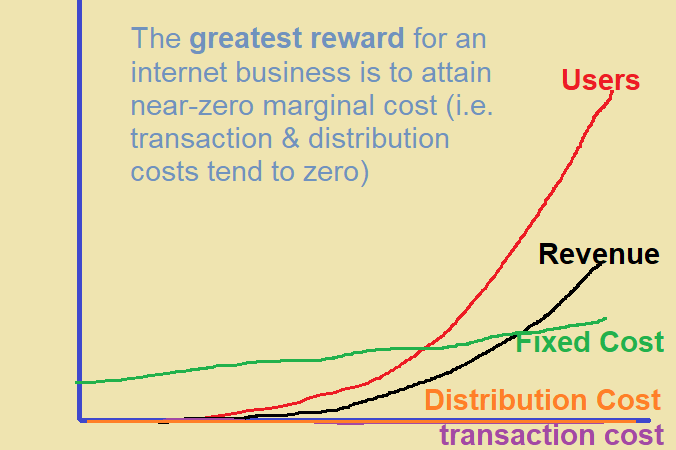
If you are doing digital transformation designed to drive consumer digital product sales on the web, one cost element you must watch carefully is marginal cost. Simply, marginal cost is the cost of serving an additional user in your ecosystem; understanding that cost is extremely important to architect a scalable business. You can also read this my Harvard Business Review piece.
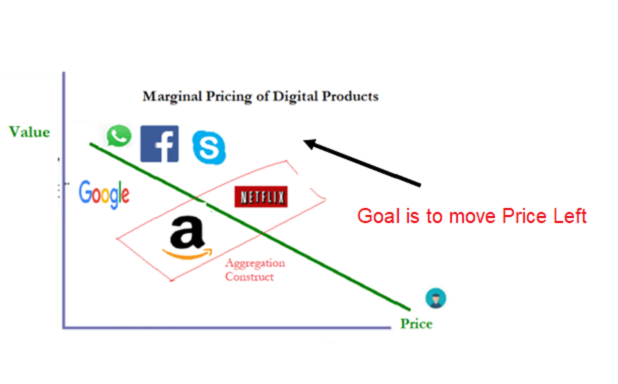
In a perfect internet market, the marginal cost of a digital product is zero. The implication is that only companies with natural equilibrium tending to near-zero marginal cost for consumer markets tend to experience huge growths. Google and Facebook are largely offering products at close to zero marginal costs. For accomplishing that, they make the products free, triggering huge scalability.
And of course, the scalable advantage is possible since the companies are also delivering huge value even as marginal cost is going low. Your goal is to move your product towards the LEFT of the plot where value is high even as marginal cost is lower.
Understand that when marginal cost goes low and value increases, you have disruptive impact in the market.
The freemium is possible because under that near-perfect market system, the marginal cost of producing a digital product becomes zero [Facebook cost is negligible when a new user registers on Facebook]. And if that zero production cost is attained, selling cost can be set at zero, marginally. By doing that, scale comes, and network effects set in – yes, more users will bring more users in a positive continuum that create virtuoso circle.
I give lectures on marginal cost as part of our workshops. I do spend two hours explaining to digital technology companies why they must understand marginal cost to build scalable strategies. Marginal cost is broadly broken into Transaction Cost and Distribution Cost. If your distribution does not go lower as you grow, your unit economics will struggle online.
That is why ecommerce does not scale in Africa as the distribution cost does not marginally reduce as scale happens. Why that does not happen is because logistics is a physical component of the distribution cost, not a digital element, and cannot be reduced via codes online. In other words, ecommerce is nothing “electronic” when it comes to Africa; it remains an offline business because the marginal cost is dominated by offline logistics as we have no efficient postal system which startups can leverage for growth.
It is the same marginal cost paralysis that hinders banking services from reaching every corner of Nigeria, at scale. Because in some cases, you are likely to encounter scenarios where cost of providing the services outweighs the revenue accrued there; making it obviously an unsustainable practice.
So most times, when you question why companies aren’t in a rush to set up businesses in certain locations, the supposed goldmines; bear in mind that business activities don’t always equate profitable returns, and without thinking things through, you are likely to fizzle out after starting on a high.
What happens in digital businesses also takes place offline, that is why you do not go about opening up branches just to count the number of outlets; if you open without analysing the cost implications, economics will help close them after a while.
In other words, if the marginal cost is not moving towards zero, then you are better off saying goodbye to massive scaling.
Invention is an idea; innovation gives you products and services. Fixing the transportation paralysis in Lagos remains a challenge in our nation’s largest economy. Many have postulated how different ideas could help: have a water-based transportation system, have a subway system, move some parts of Lagos to another state, and more. Of course, when you check most of the suggestions, it comes down to political actions at both local and state levels.
But things in Nigeria do not just happen at the jet speed – they crawl when governments drive them. That does not mean you should always blame governments – most times, they have limited resources, despite the huge challenges that abound. The implication is thus: they have to prioritize, and too bad, traffic continues to drain the economic energy of Lagos.
Interestingly, few months ago, I met a company that was doing something in the space: Gokada. The startup is a co-pioneering on-demand motorbike hailing service which makes it easier to move from one location in Lagos to another. The young people there pursued a solution to a market friction, and in less than a year, built a recognizable brand in Lagos.
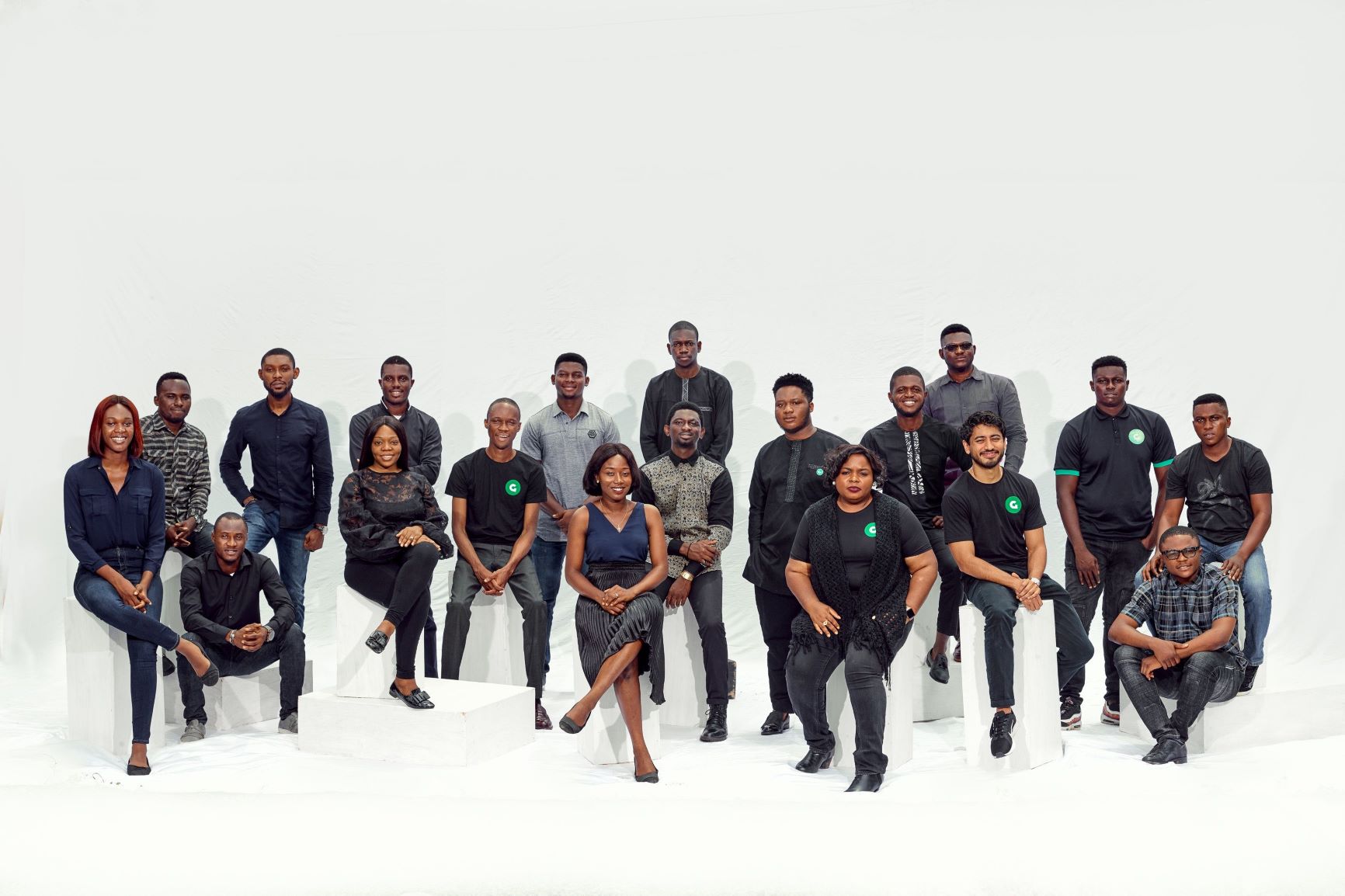
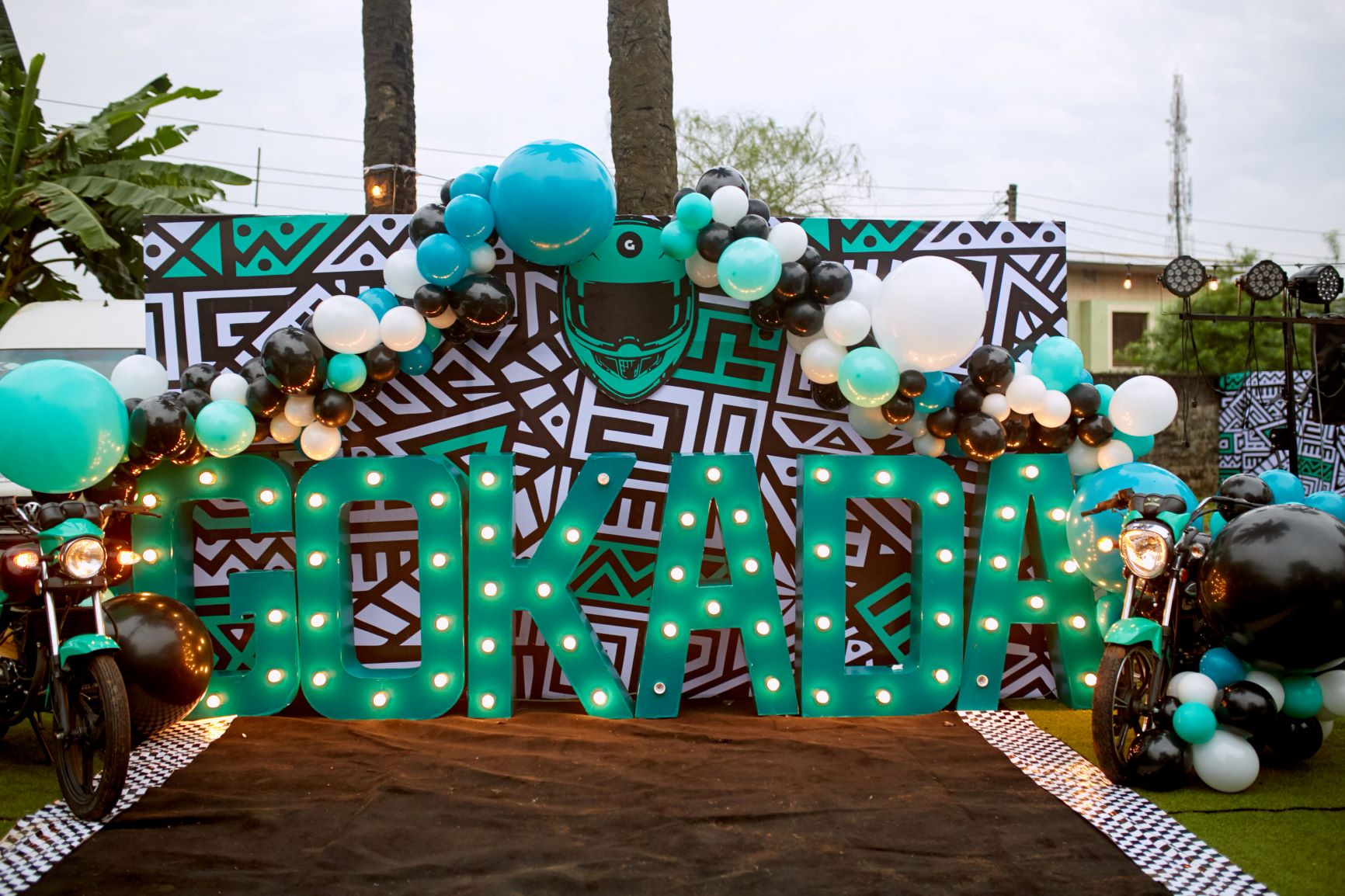
During one year anniversary of Gokada
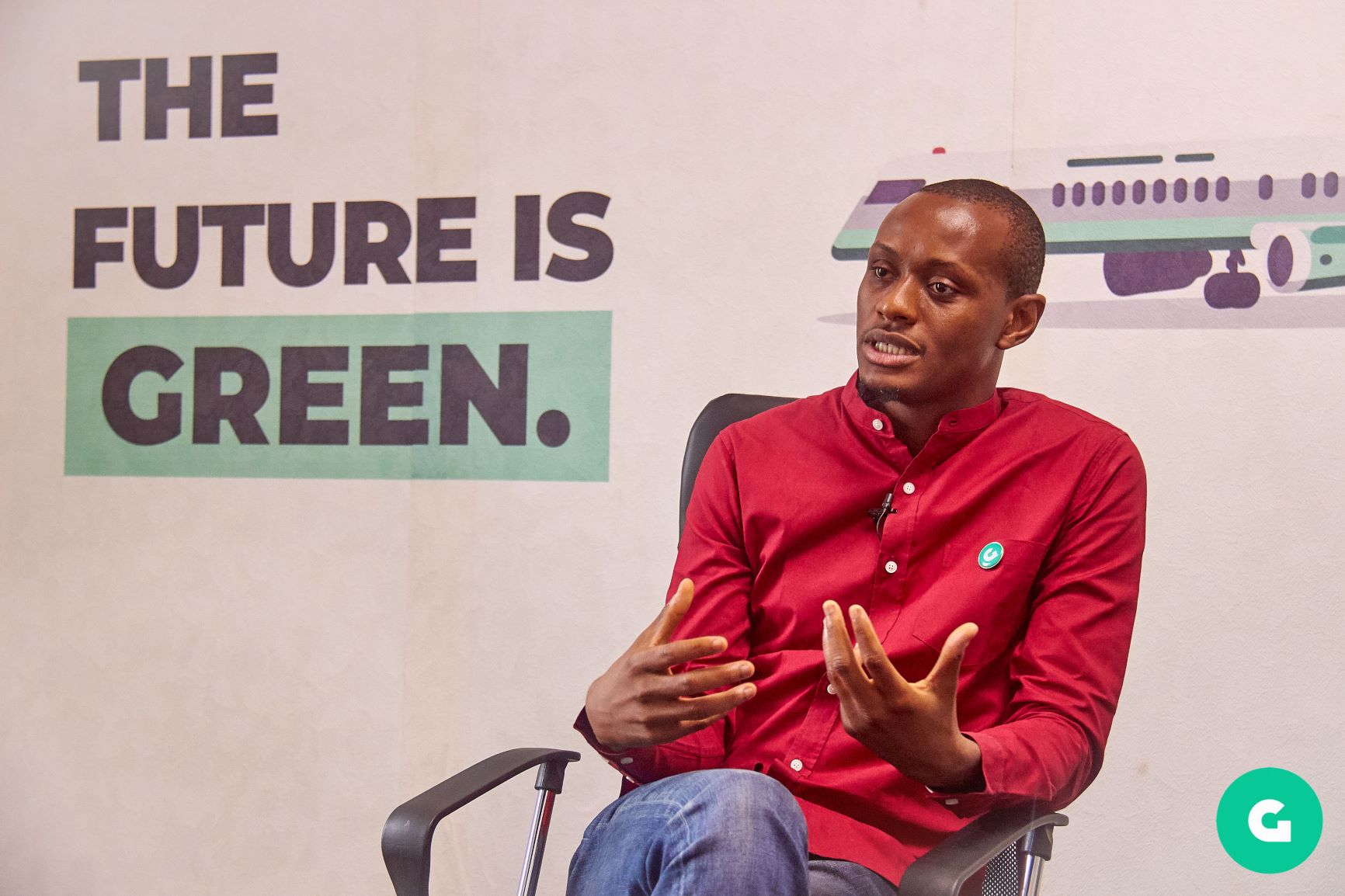
When they celebrated their first year of service to Lagosians, I visited them in their Ilupeju headquarters during my last visit to Lagos. There, I met the head of the team, Deji Oduntan, who communicated his vision that motorbike was just the entry point into the broad transportation opportunity. They have a really nice artwork where they declared “The Future is Green”. Gokada is that green – very fascinating futuristic vision I must note.
So, I was shocked when I read that Deji had left. It does happen – they always have things ahead. Who knows – he may announce something new in days: fintech, edutech, agtech, insurtech, VC funds, etc. While he gets my wishes to his future [no company statement yet of reason and possible next thing], let me examine what has happened in this sector and Gokada over the last one year he ran the show.
I’m Deji Oduntan, Co-Founder and former CEO of Gokada, an innovative motorcycle taxi startup that has taken Lagos and soon, the rest of Nigeria, by storm. Yes, former CEO. I can confirm that I’ve indeed left the company, and as finally announced, Gokada recently raised its Series A round of funding, an achievement that took a great deal of my time and effort, which I now fondly consider one of the best parting gifts I could’ve given.
My understanding is that Gokada co-pioneered this sector by professionalizing the regular okada domain. Yes, they utilized aggregation construct and unlocked huge value for the stakeholders. Today, Nigeria has at least five motorcycle taxi players including MAX. Simply, Deji and his team stimulated a latent industry and opened new areas for investors to deploy capital and create opportunities in the nation. That they created such impacts within a year is commendable. The sector Gokada plays is going to become more active across Nigeria in coming years.
If anyone had told me that something like this can be done in Nigeria that quickly, I would not have believed. But the day I rode a bike in Victoria Island to meet an important meeting reminded me why innovation is key. Finding a roadmap to separate the amalgam of okadas in Lagos, and creating a unique brand along the way is not easy. That Deji and team did that demonstrate capability on awareness and observation in the market opportunity.
When I visited their HQ office, I noted they planned to get female riders in the game. They have setup a Driver Training School to train new drivers. The idea of training is critical because anything happens on the Nigerian roads with okada drivers. So, finding a nexus to have professionally trained drivers was strategic for Gokada. And getting women into the sector is great for economic equality.
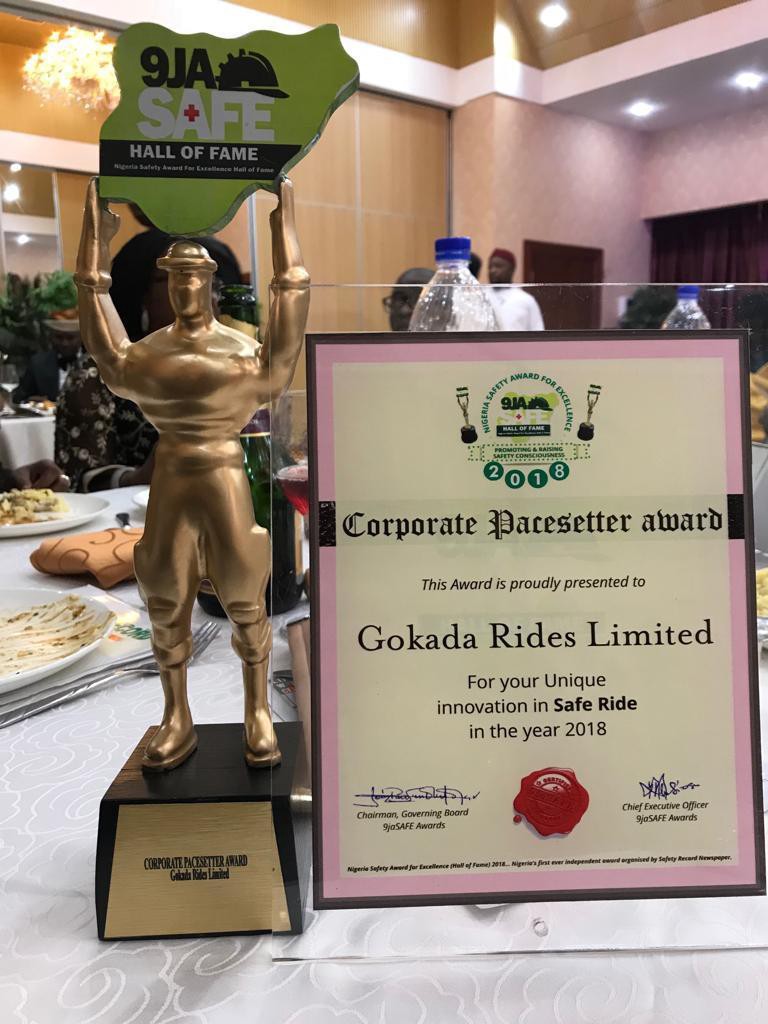
Gokada award (source: Medium)
Running a business of this type is never easy – you have to have statistical models to ensure supply and demand are well managed. That can come via decentralization of drivers while ensuring that originating and transit locations must offer you volume to attain sustainable equilibrium point. To get the best drivers, you may even have to have the recruitment localized while making sure their locations are strategic in the hub where the business runs.
This is not Uber or Bolt – this is Gokada. It is a very great example of Aggregation Construct which actually worked locally. The scale of many elements that must align and how they were able to piece them together within a year to great the brand bring optimism that Nigerians can build category-king companies not just locally but internationally.
To Deji Oduntan, who executed this with his team, he just opened a Pandora box in this sector – I expect great things to continue to happen in the industry. The Future is Green may include Black, Red, and Blue with the end goal being that traffic frictions are fixed across the streets in Nigerians.
We will be checking what comes next for the exiting CEO. Nigeria needs people that can kickstart new sectors and expand our economic growth. And build to glory, at scale.