DD
MM
YYYY

PAGES

DD
MM
YYYY

spot_img

PAGES

Home Blog Page 6903

The Defective $32 Million Website Design

0

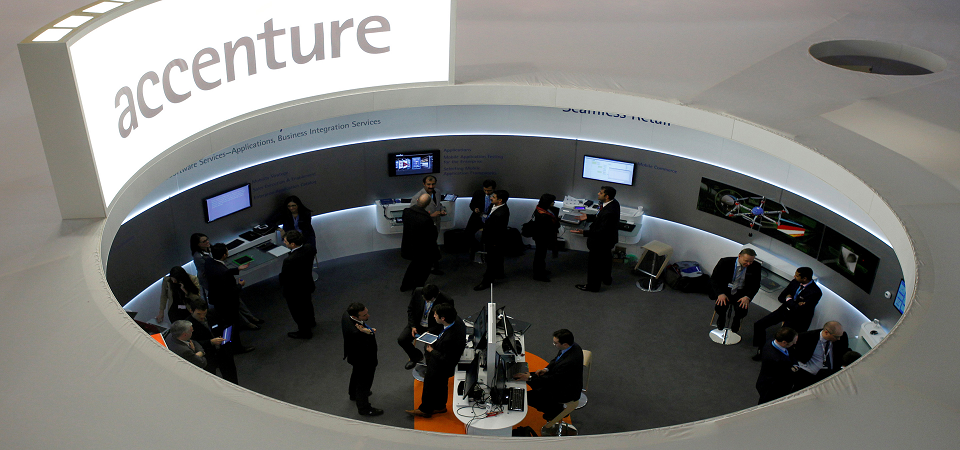
This is simply unbelievable: Hertz paid Accenture $32 million for web design, and bad things then happened. Yes, the rental car company is claiming that after paying Accenture $32 million to make a website that the consulting firm could not deliver the product. Hertz now wants its money back. It reads like fiction for Accenture to be accused of such! I mean to be sued for the inability to make a decent website?

Car rental giant Hertz is suing over a website redesign from hell.

The US corporation hired monster management consultancy firm Accenture in August 2016 to completely revamp its online presence. The new site was due to go live in December 2017. But a failure to get on top of things led to a delay to January 2018, and then a second delay to April 2018 which was then also missed, we’re told.

As Hertz endured the delays, it found itself immersed in a nightmare: a product and design that apparently didn’t do half of what was specified and still wasn’t finished. “By that point, Hertz no longer had any confidence that Accenture was capable of completing the project, and Hertz terminated Accenture,” the car rental company complained in a lawsuit [PDF] lodged against Accenture in New York this month.

Hertz is suing for the $32m it paid Accenture in fees to get to that aborted stage, and it wants more millions to cover the cost of fixing the mess. “Accenture never delivered a functional website or mobile app,” Hertz claimed.

Accenture told El Reg on Tuesday this week it believes Hertz’s lawsuit is “without merit.”

Among the most mind-boggling allegations in Hertz’s filed complaint is that Accenture didn’t incorporate a responsive design, in which webpages automatically resize to accommodate the visitor’s screen size whether they are using a phone, tablet, desktop, or laptop.

That has been standard website practice for years and was even included in the contract that was signed, but the boffins at Accenture decided that only desktop and mobile versions were needed, according to Hertz. When the rental giant’s execs asked where the tablet version was, Accenture “demanded hundreds of thousands of dollars in additional fees to deliver the promised medium-sized layout.”

It actually gets worse.

But this gives us a window into what it costs to have those great websites we like to shop, and patronize, in top leading global companies. Your $500 budget in Lagos will not cut it!
The Brilliance of Paypal’s $500 Million Planned Investment in Uber

0

It is a slam dunk on the brilliance of the move – Paypal investing $500 million in Uber through the planned IPO. Uber needs a solid payment processor to win new markets and territories as it transmutes to become a super-app while Paypal needs a platform where people are buying and paying regularly. The one-off payment structure is stale; Uber offers the future that will drive processing volume for Paypal.

Online payments company PayPal plans to invest $500 million in Uber Technologies as the ride-hailing firm unveiled terms for its initial public offering on Friday, Refinitiv IFR reported.

PayPal will invest in Uber through a concurrent private placement at the IPO price, IFR reported on Thursday, citing sources.

A financial services component is important to Uber as it works to expand into a “superapp” of logistics and transportation services.

Superapps are applications where customers go for a range of services, such as transportation, shopping and payments. Such companies can be much more lucrative than those that offer just one core business or service.

If Paypal assumes the default payment gateway for processing Uber payments in most leading global markets, it will be a big win. Uber runs 14 million trips a day, with most paid with a credit card. Simply, if Paypal takes processing those charges, any investment in Uber will return a win, even if Uber stock tanks! That is why the planned Paypal investment in Uber is a brilliant one.

The Danger of confusing successful products with sustainable businesses

0

The biggest danger in modern business strategy is confusing successful products with sustainable businesses. Hyper-growth abounds due to near-zero marginal cost, anchored by digital systems which are powered by the unbounded and unconstrained internet, confusing strategists tethered in the old-thinking that a Great Win has arrived.

One danger in the modern economy is companies confusing successful products with sustainable businesses. Listing off examples like GoPro, Groupon and Pokemon Go, Abbosh says explosive growth is not necessarily the signal of a long-term win that it once might have been. Social media makes it easier than ever for viral trends to take off, but also to be replaced, overtaken and erased. “The market doesn’t play out in a gentle S curve,” he says. “It’s more of a shark fin, with a sharp drop off. You have to realize when something is just a product. It’s not a business.” (Fortune newsletter)

Yes, ephemeral growth like the one experienced by Groupon can happen, easily replaced or overtaken, and possibly completely erased within a very short time. Groupon would have been a great product but not a great sustainable business – that distinction is important.

Groupon inside Google which wanted to buy it would have done well but a standalone Groupon business remains a bad idea.

This thinking should guide you when to sell that viral “product”-business over thinking you can build it and make it a sustainable business.

The Power of WE in ME

0

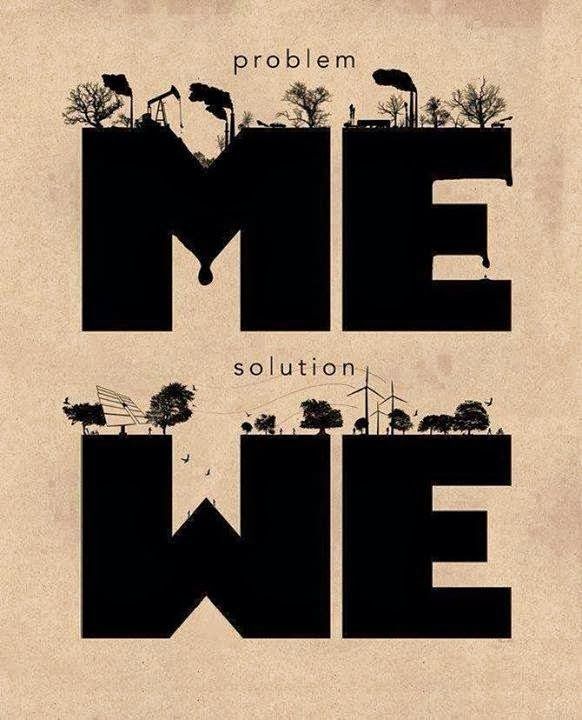
If you write ME and then flip it vertically, you will see WE. If you take that WE, and flip it again, before you will be ME. You need a team to win market battles but even in that team, you have a singular responsibility. For every WE, we can extract ME, and from every ME, we can build WE. To be a team player, you must be a role player – and to be a role player, you must be team-built. ME overwhelms with problems, WE delivers solutions for markets.