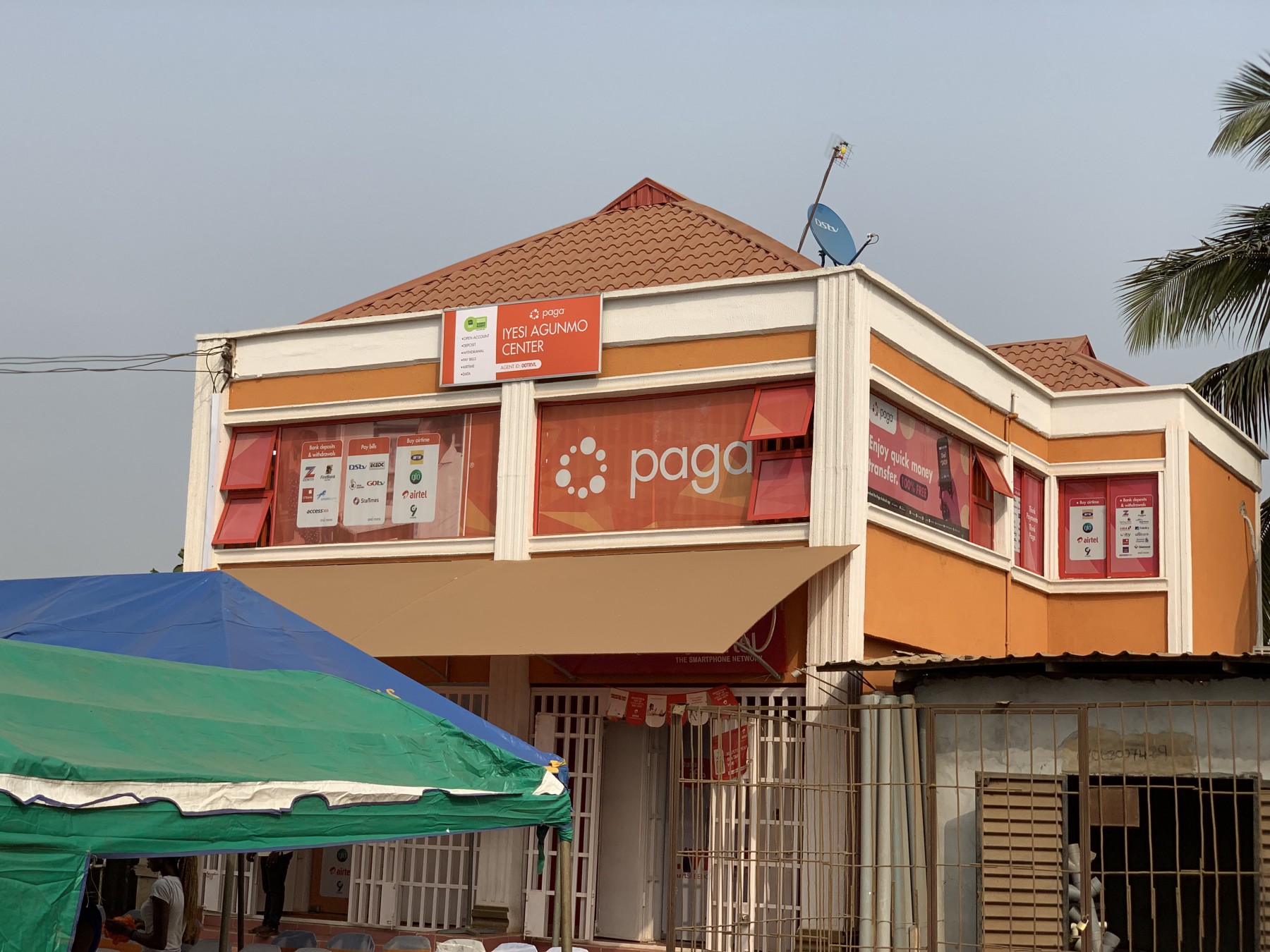
Paga celebrates ten years of serving Nigeria with digital payment. TC Daily, a newsletter, summarizes the numbers: “In 10 years, the company has grown to a team of 460 and counting, recruited over 20,000 agents, served over 12 million customers, process over 72 million transactions worth $4.6 billion in value.”
Today, April 3rd, 2019 marks 10 years from when I embarked on the Paga journey. A journey that began because of my frustration with carrying cash everywhere in Nigeria and not being able to make payments efficiently.
In today’s videocast, I discuss the rise of Paga. Paga is a fintech company based in Lagos, Nigeria. It started as a mobile money company but quickly pivoted when it realized that mobile money was not (quickly) taking shape in Nigeria. Paga is growing and is well positioned to become a very important financial institution in Nigeria. Its numbers, revealed by its Founder, are better than most public-traded Nigerian insurance companies and in coming years, I expect it to overtake most banks in profitability.
Nigeria’s MDaaS Global raises $1 million in equity funding, reports Ventureburn. The company, a healthtech, builds network of diagnostic and primary care facilities to provide convenient, high-quality, and affordable healthcare. It works under the brand name BeaconHealth, through which it builds and operates tech-enabled diagnostic centers in clinically-underserved communities, starting in Nigeria. The diagnostic centers offer radiology, cardiology, and lab services and are located in the neighborhoods where the patients live, emphasizing patient experience above all else.
MDaaS Global, a Lagos-based medtech startup that builds and operates diagnostic centres in Nigeria, has raised just over $1-million in equity funding, reveals a US Securities and Exchange Commission filling made yesterday (1 April).
The filling states that up to 12 investors were involved in the round which commenced on 15 March. According to the filling the total offering amount was $1 580 062, while the amount sold was $1 055 496, with $524 566 remaining to be sold.
It is not clear if the startup still intends to raise the remaining amount of $524 566.
MDaaS Global was founded in 2016 by CEO Oluwasoga Oni, CFO Genevieve Barnard Oni, supply chain manager Joe McCord and Nigeria country manager Opeyemi Ologun.
As it sojourns to IPO in NYSE, Jumia has picked $56 million from Mastercard Europe. It needs any boost it can get as it goes public for good. The business of ecommerce in Africa is a long-run game. All the investors must play that game.
Jumia, which will trade as “JMIA” on the NYSE, has also received a cash injection ahead of its public offering: in a private stock sale, the company has confirmed a $56 million private placement from Mastercard Europe. It means Mastercard will be buying shares at whatever price investors agree ahead of the float and gives Jumia a confidence boost ahead of an uncertain listing for a young company which positions itself both as an “emerging growth company” and a “foreign private issues” as defined under US securities regulations.
As with most companies ahead of a prospective listing, Jumia’s S1 filing covered several risk factors for investors to consider while it talked up its ambitions in Africa’s e-commerce space, including touting its four million active customers across 14 African countries. But as Quartz Africa noted, the risk factors offer just a hint of how costly it is to crack e-commerce across Africa. As of the end of last year, Jumia had accumulated losses of nearly $1 billion and had negative operating cash flows of $159.2 million, for the 12 months to Dec 31, 2018. Its annual losses have also grown annually widening to $195.2 million on revenue of just $149.6 million last year.
In this videocast, I discuss the future of e-commerce in Africa and why the sector is still anyone’s game to win despite the presence of key competitors. The loss-making sector demands someone with capital to boost logistics and accelerate scale to make money. Today’s leaders are not doing that yet, and can be easily disrupted and displaced. But there are challenges in competing in this sector because the environment and the fundamentals are toxic with largely no infrastructure to key in. The business competitive factor is not the internet or website but logistics. Winning this sector to become a category-king will be settled by a company that can invest, at scale, in logistics to serve more cities and countries.
I noted many months ago that winning in the automotive sector will mean focusing on the edges of the smiling curve. Yes, the companies that just focus on making cars will not be the ones creating most values in the industry. The ones making the intelligent solutions for future transportation will transform the sector. So, Intel is a better car company than Ford because Intel is investing in making better computing systems for future cars. Those devices are specialized systems, and more premium, than the boxes we know as cars, which unfortunately are increasingly commoditized.
Evidently, car companies have understood this redesign and are now investing in technology with companies known for innovations and technology-anchored transformations. Yes, BMW and Microsoft are going to work together to develop and build an Open Manufacturing Platform to seed the future of intelligent manufacturing. GE had called that industrial internet, and it is going to be the defining elements of future manufacturing where factories become intelligent as all the elements will be smartly connected.
Today, at Hannover Messe, Microsoft Corp. and the BMW Group announced a new community initiative to enable faster, more cost-effective innovation in the manufacturing sector. In manufacturing today, production and profitability can be hindered by complex, proprietary systems that create data silos and slow productivity. The Open Manufacturing Platform (OMP) is designed to break down these barriers through the creation of an open technology framework and cross-industry community. The initiative is expected to support the development of smart factory solutions that will be shared by OMP participants across the automotive and broader manufacturing sectors. The goal is to significantly accelerate future industrial IoT developments, shorten time to value and drive production efficiencies while addressing common industrial challenges.
Built on the Microsoft Azure industrial IoT cloud platform, the OMP is intended to provide community members with a reference architecture with open source components based on open industrial standards and an open data model. In addition to facilitating collaboration, this platform approach is designed to unlock and standardize data models that enable analytics and machine learning scenarios — data that has traditionally been managed in proprietary systems. Utilizing industrial use cases and sample code, community members and other partners will have the capability to develop their own services and solutions while maintaining control over their data.
This is Microsoft Azure at work just as Amazon has partnered with Volkswagen. What is happening with cloud is an industrial design where future cars will be built on Microsoft Azure and Amazon AWS. Of course, Google Cloud is powering Waymo, the autonomous car company within Google’s parent holding firm (Alphabet).
I was in Ibadan to celebrate the retirement of a major client. We had worked to prepare his son to take over the business by offering a solution that gives founders and CEOs unrestricted access to me. The man gave me a letter. In that letter, he wrote (partly): “your humility is unprecedented and I commend your parents for raising an honorable man for this nation”. I said my mother will read this one, and decided to send the letter to her.
Unfortunately, the luxury bus we had used – Young Shall Grow Motors – did not deliver to Umuahia. As I write, they do not know where the parcel is, and I am confident no one intentionally stole it. Yes, there was nothing to steal because the letter has no value except to me and my family.
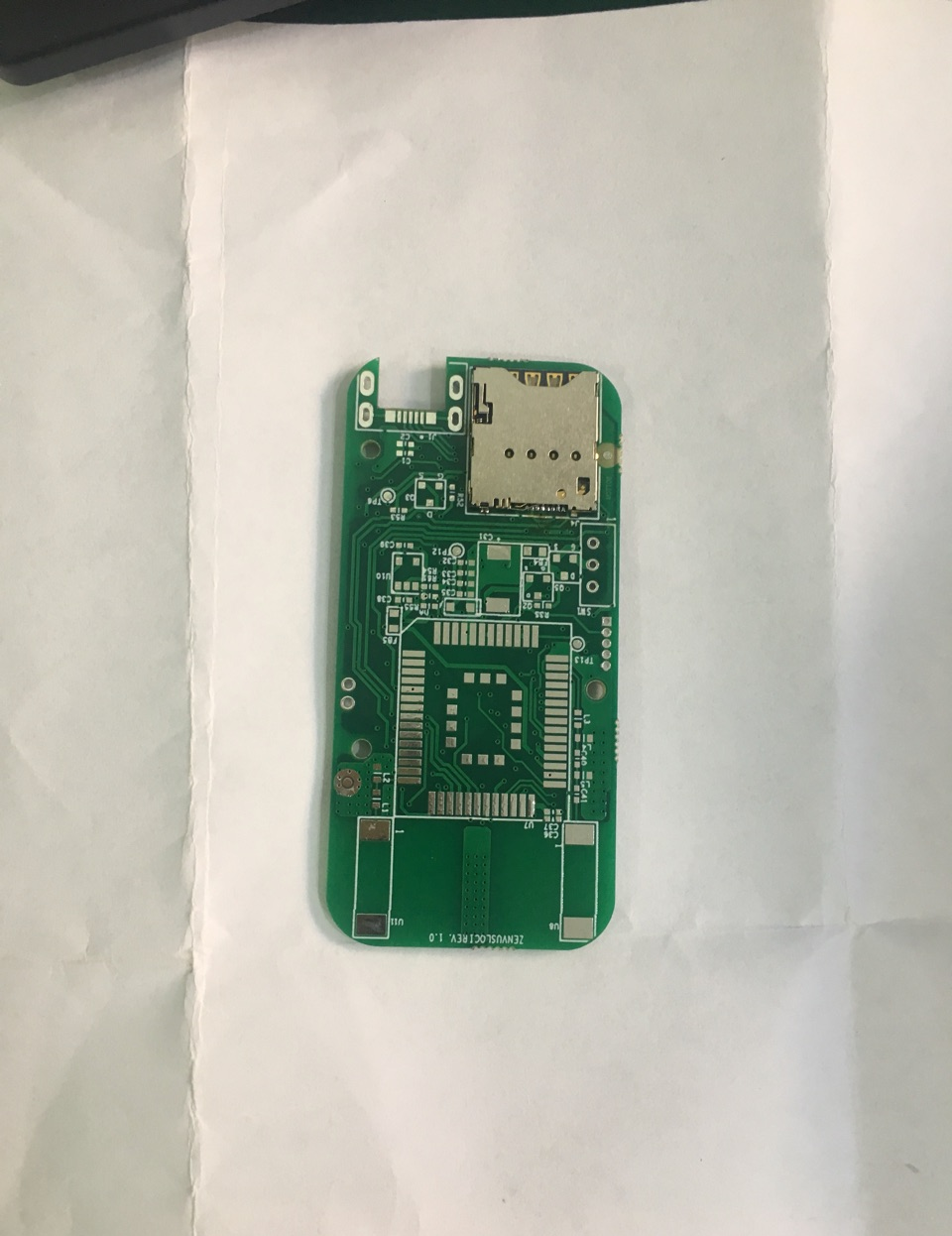
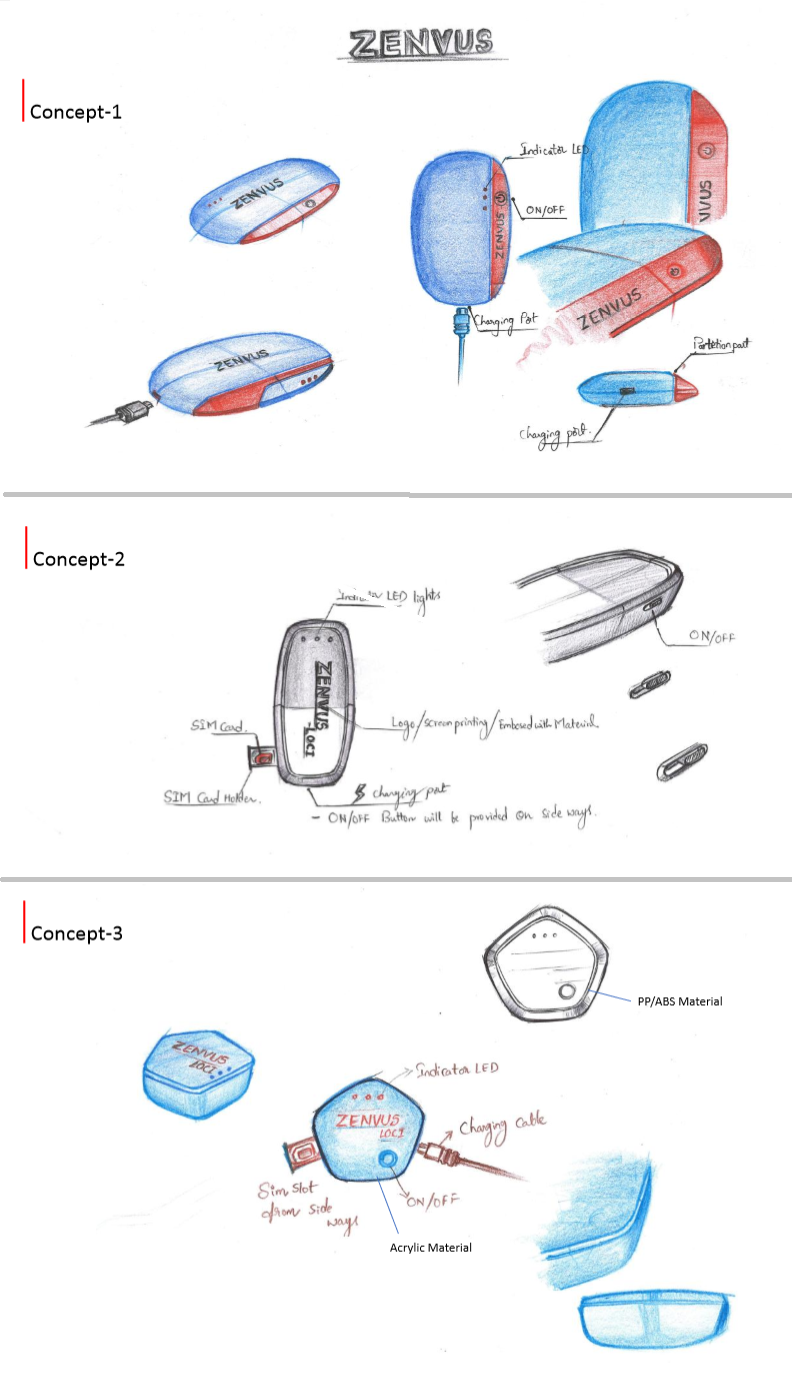
So, as typical, I saw a huge opportunity: would it not be good to have a very affordable package GPS that can last up to 7 days on a single USB charge, for important packages? Driven by that, we started drawing, designing and making.
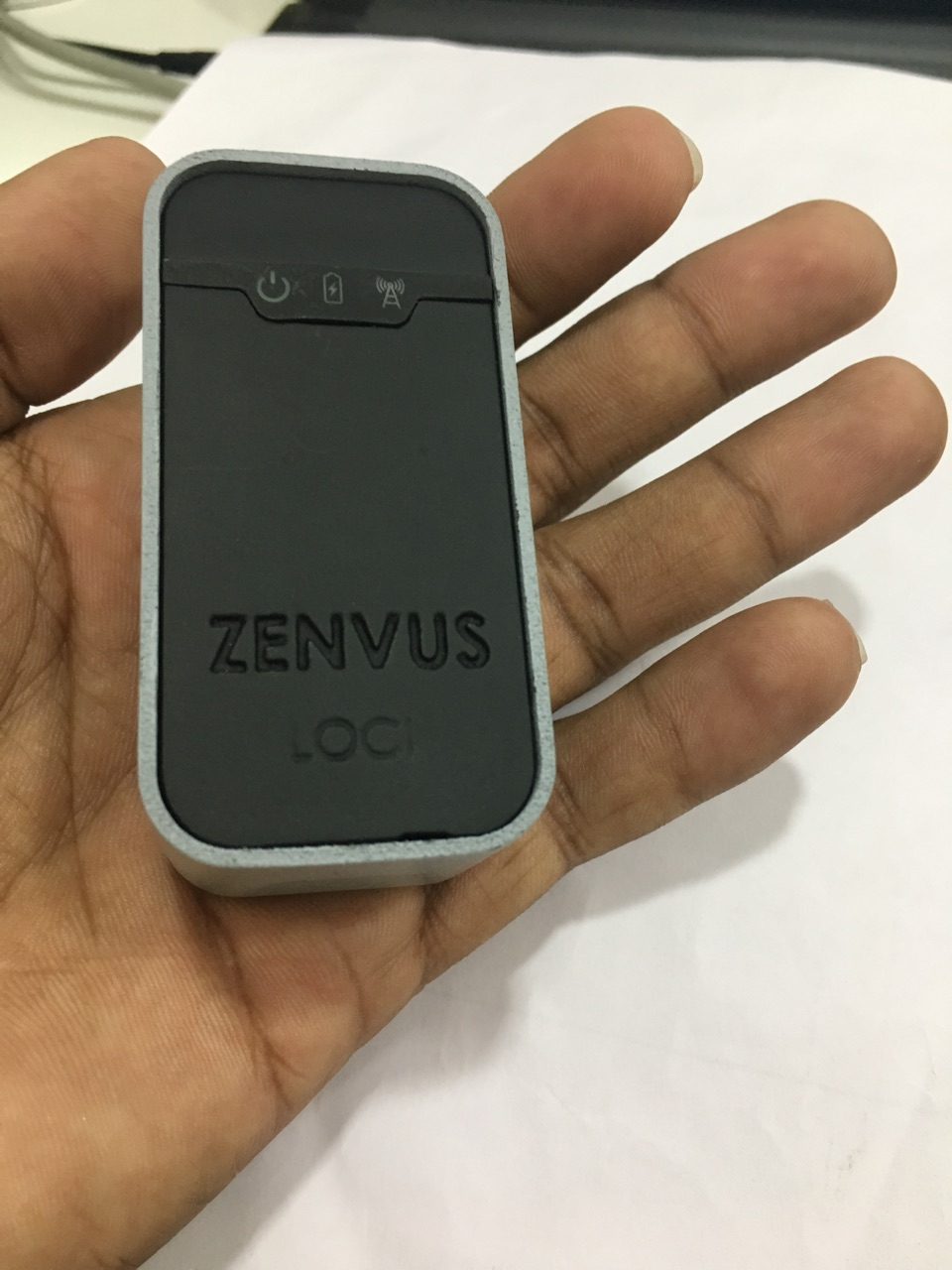
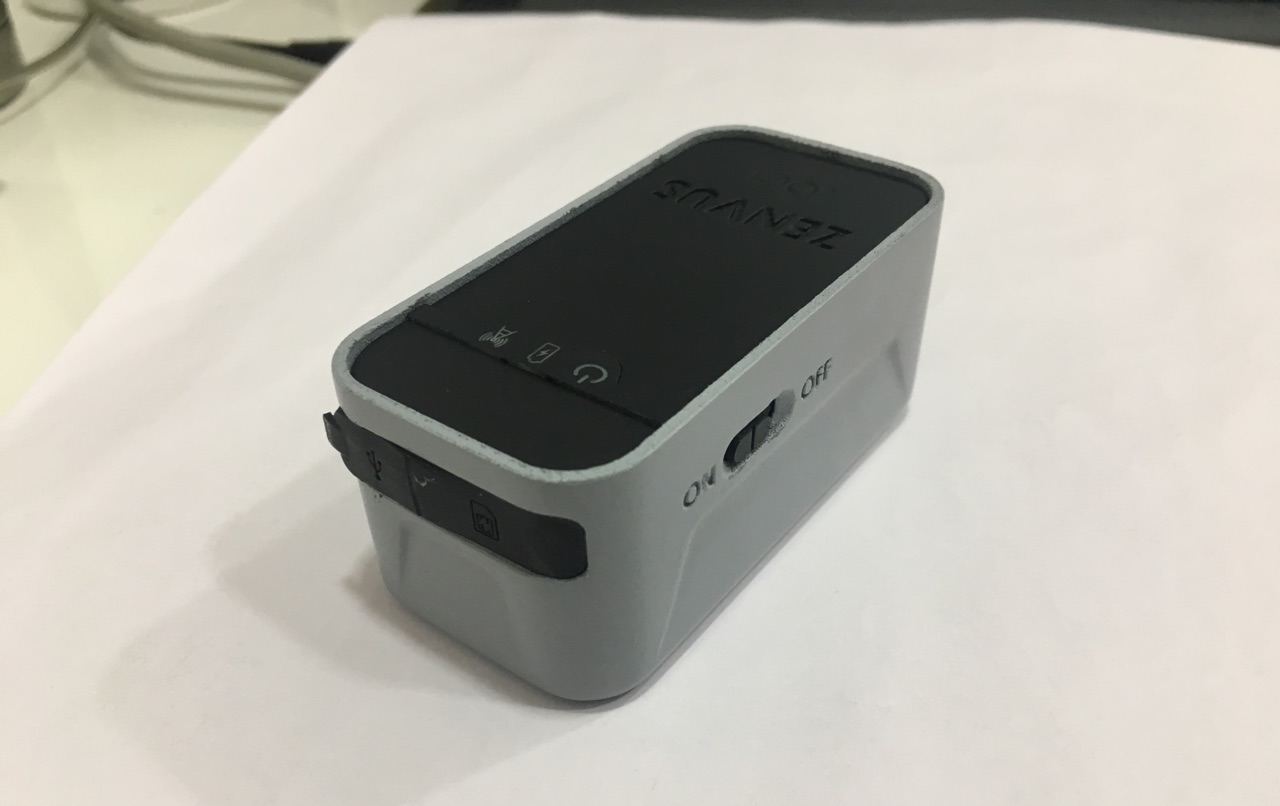
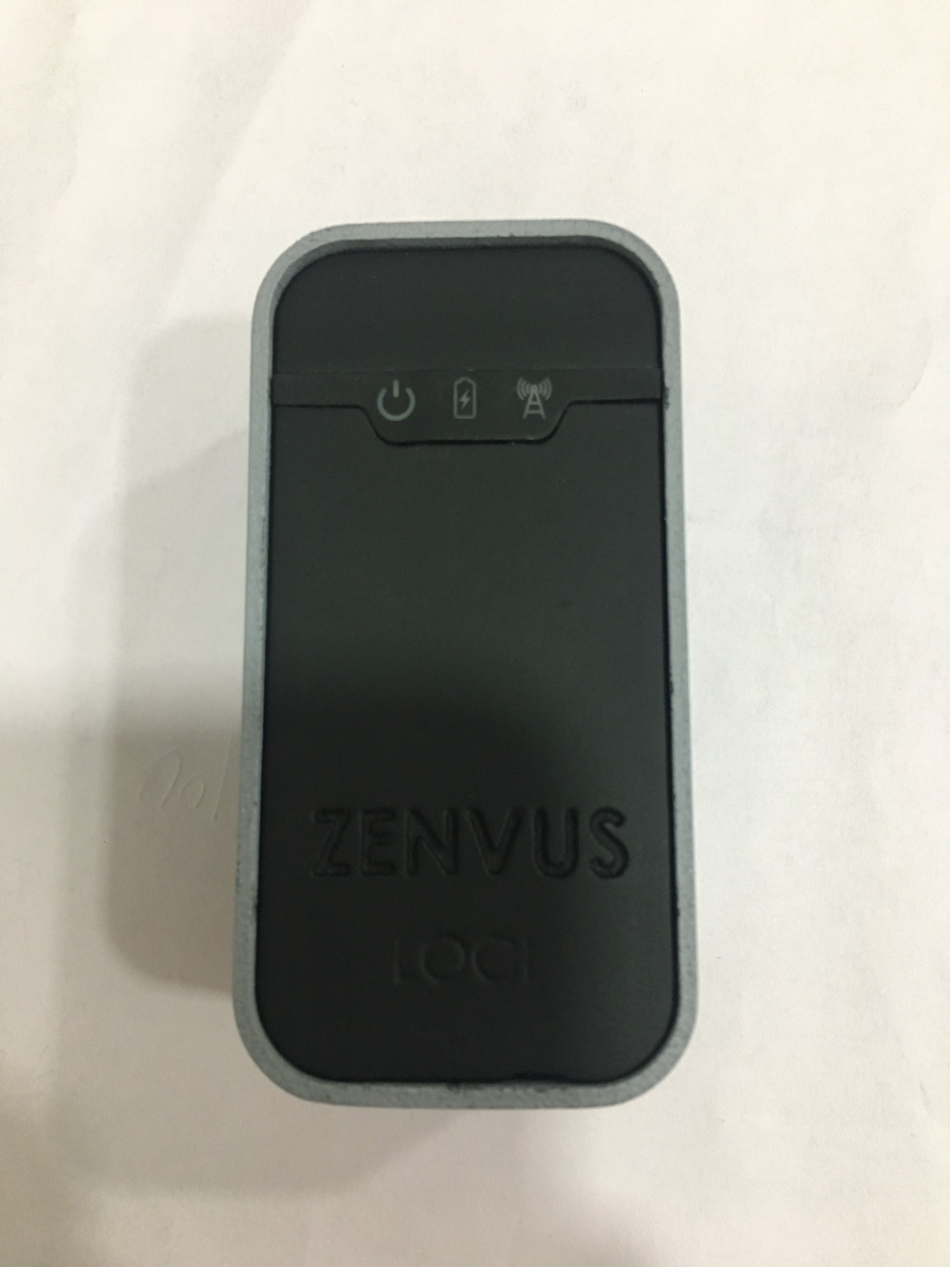
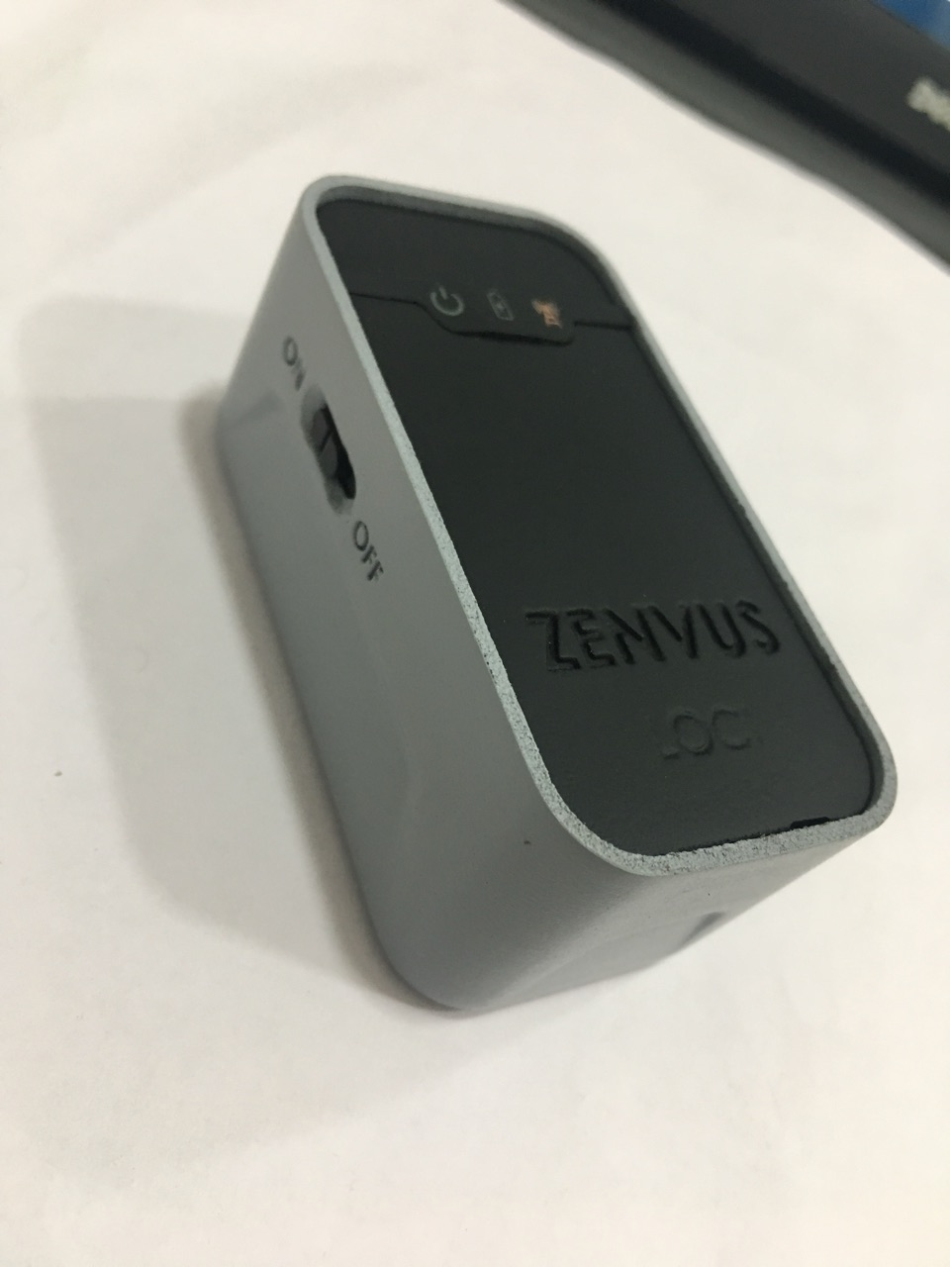
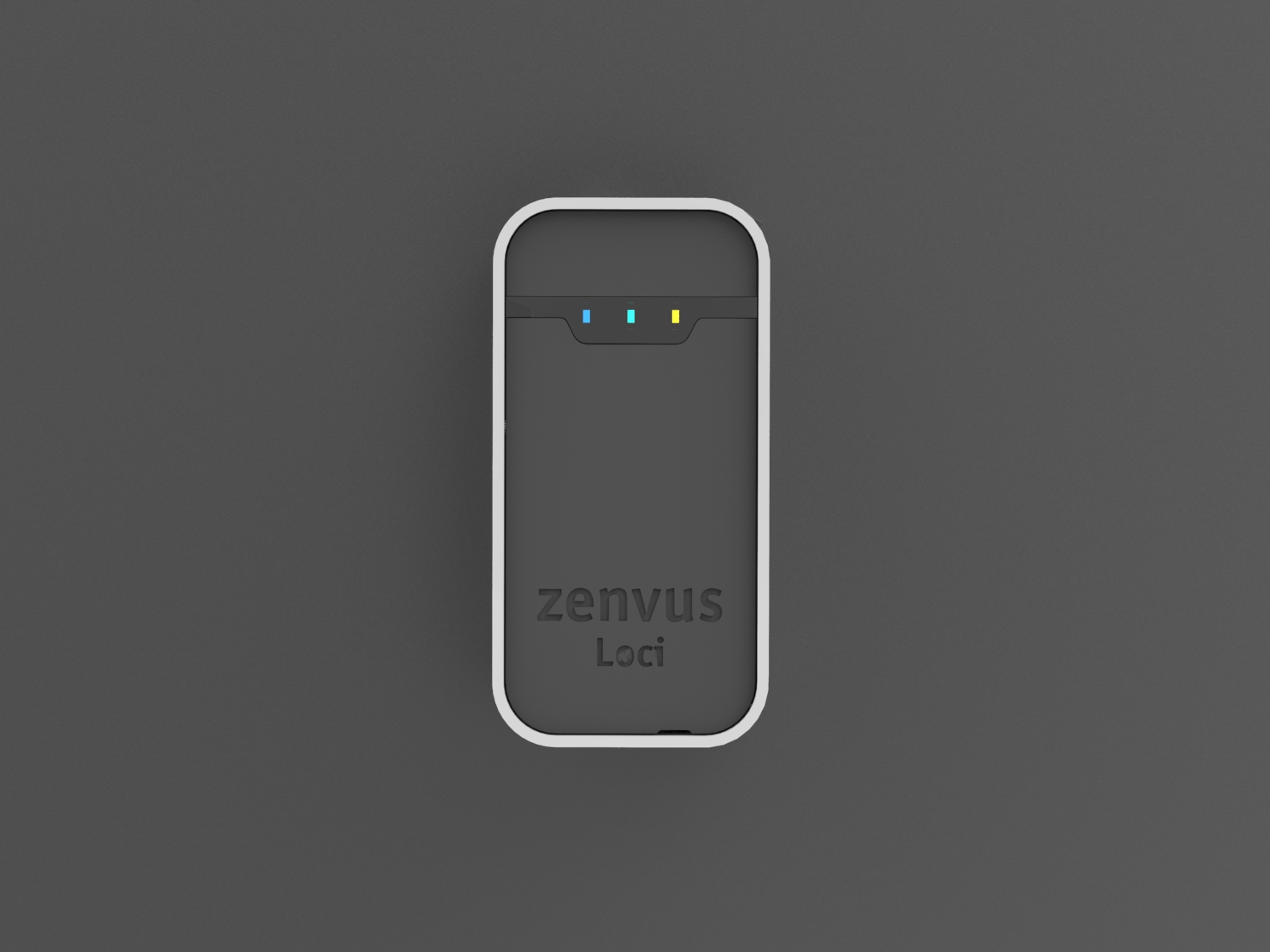
Today, we have Zenvus Loci. I am very happy to introduce Zenvus Loci. Zenvus Loci is a largely disposable package tracker but engineered to be re-usable. Two versions, operating days on full charge (one hour reporting):
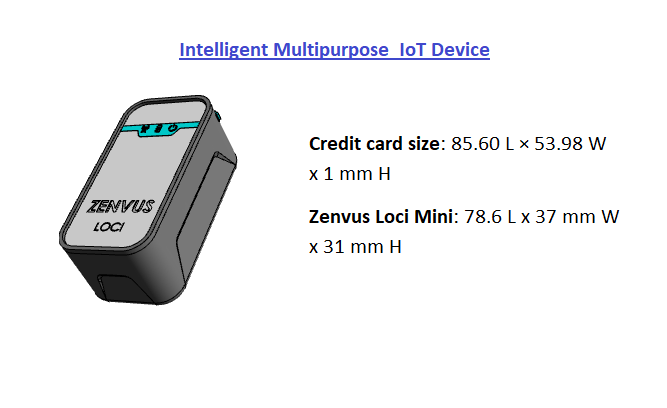
Loci Mini (3 days); Loci Max (7 days)
Recharge is via USB.
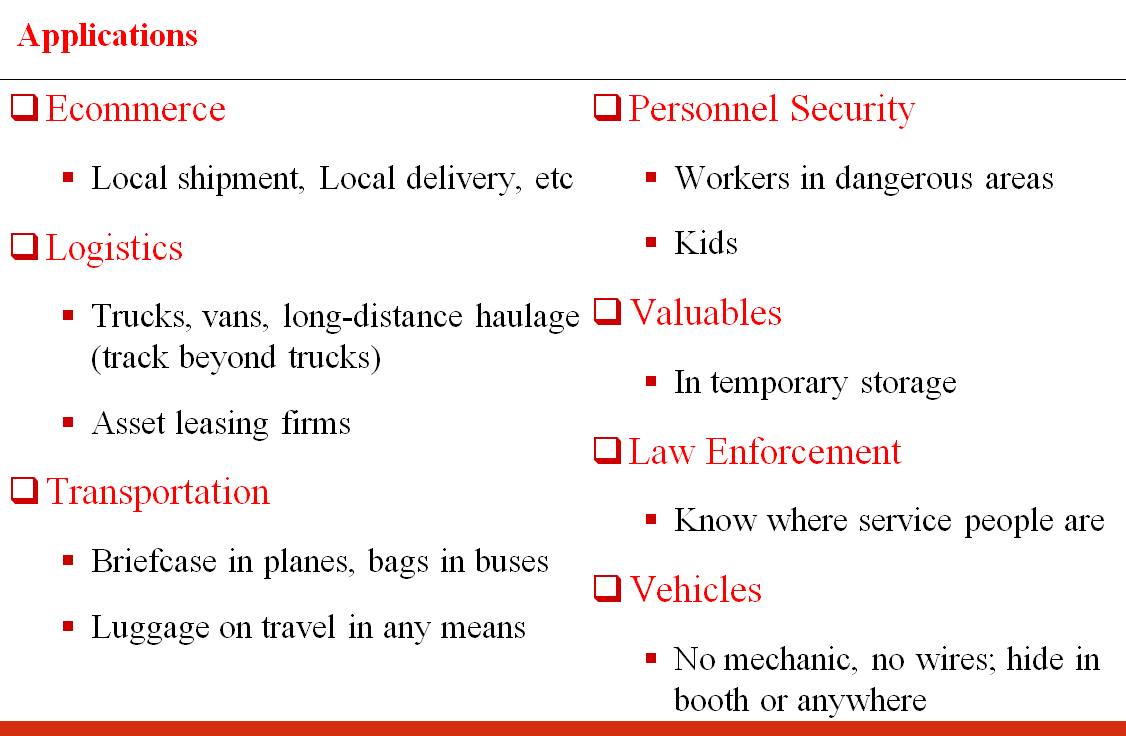
Loci is a disposable or reusable package GPS that you can put in a briefcase, cargo, personnel, etc and monitor in real time its location. We see opportunities in tracking the specific cargoes (not just the trucks), ecommerce shipments, security guards, equipment on transit, law enforcement (police, army, etc), human (child, oil workers, etc), luggage (individuals shipping via buses, personal air travel luggage, etc), vehicles (no installation), etc. It is cheaper than anything in the market and it is rechargeable with USB.
For example, to track a car, one does not need a mechanic for all the complex wiring: just drop it anywhere inside the car (booth, under seat, etc) but make sure say every week to recharge it. And if you are sending a package using a luxury bus (like ABC Transport in Nigeria), you can put the device inside the package to know where it is on the way. It requires extremely affordable monthly subscription to use. Loci is an ecosystem with analytics, API and inventory management solutions.
To apply to become a distribution partner, email tekedia@fasmicro.com
3D printed. Mass factory production will be neater and smoother
Zenvus Loci application areas
Zenvus Loci Product
Zenvus Loci 3D modelDimension comparison with debit card