DD
MM
YYYY

PAGES

DD
MM
YYYY

spot_img

PAGES

Home Blog Page 6970

Final Results of Nigeria’s 2019 Presidential Election by States – APC (19), PDP (18)

3

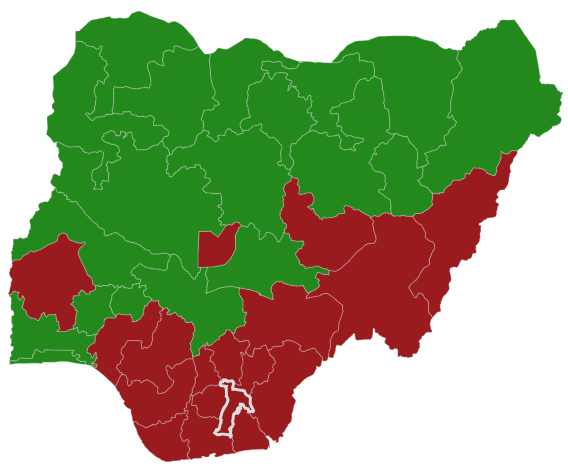
Nigerians voted on 23 February. President Muhammadu Buhari (APC) faced former Vice President Atiku Abubakar (PDP). APC won 19 states while PDP won 18. Also, APC won 15,191,847 votes while PDP picked 11,262,978 votes.

To be declared the winner, an aspirant must win a majority of votes cast, and at least 25% of the votes in 24 or more of the 36 states. Based on these numbers, President Buhari is projected to be re-elected.

Here are the results on graphics by state

Results for all states

APC PDP AAC YPP ANN
Abia 85,058 219,698 212 720 88
Adamawa 378,078 410,266 282 109 162
Akwa Ibom 175,429 395,832 222 118 95
Anambra 33,298 524,738 124 4,091 45
Bauchi 798,428 209,313 183 112 46
Bayelsa 118,821 197,933 126 50 37
Benue 347,668 356,817 309 557 201
Borno 836,496 71,788 269 78 29
Cross River 117,302 295,737 242 217 88
Delta 221,292 594,068 1,626 497 320
Ebonyi 90,726 258,573 205 192 683
Edo 267,842 275,691 3,106 531 273
Ekiti 219,231 154,032 400 68 88
Enugu 54,423 355,553 219 1,379 141
FCT 152,224 259,997 583 1,083 652
Gombe 402,961 138,484 165 39 78
Imo 140,463 334,923 467 676 119
Jigawa 794,738 289,895 226 67 66
Kaduna 993,445 649,612 243 196 261
Kano 1,464,768 391,593 416 200 114
Katsina 1,232,133 308,056 186 61 82
Kebbi 581,552 154,282 276 53 99
Kogi 285,894 218,207 250 87 89
Kwara 308,984 138,184 401 140 422
Lagos 580,825 448,015 8,910 5,733 6,946
Nasarawa 289,903 283,847 75 44 45
Niger 612,371 218,052 324 113 145
Ogun 281,762 194,655 3,196 553 1,509
Ondo 241,769 275,901 4,414 1,224 311
Osun 347,634 337,377 1,022 189 268
Oyo 365,229 366,690 4,014 1,608 1,896
Plateau 468,555 548,665 268 442 796
Rivers 150,710 473,971 372 415 365
Sokoto 490,333 361,604 181 84 124
Taraba 324,906 374,743 116 80 35
Yobe 497,914 50,763 137 36 37
Zamfara 438,682 125,423 186 44 24
Total: 15,191,847 11,262,978 33,953 21,886 16,779

LIVE UPDATE- Nigeria 2019 General Election Results – President, Senate, House of Representatives


How Data is Enabling Personalization for Immersive Customer Experience

0

By Nnamdi Odumody

Data has been fondly described as the new oil. The organizations which will reap the new oil fields are those which are data-driven, utilizing the vast amounts of data from customers to offer them personalized experiences to suit their unique tastes. From banking to e-commerce and indeed across other sectors like healthcare and entertainment, different organizations across the globe are utilizing big data to create the customer experiences of the future. Below are few examples.

Stitch Fix, an online subscription shopping service, uses images from social media and other sources to track emerging fashion trends and evolving customer experiences. Its process begins with clients answering a detailed questionnaire about their tastes in clothing, and with client permission, the company’s team of data scientists augment that information by scanning images on customers Pinterest boards and other social media sites, analyzing them, and using the resulting insights to develop a deeper understanding of style. Company stylists and algorithms use these profiles to select appropriate items of clothing to be shipped to individual customers at regular intervals.

Pear Deck allows teachers to share interactive slide decks with their students in real time, while enabling students to indicate to teachers when they are having trouble so that the teachers can adjust, creating personalized learning outcomes. Kickboard makes it easy for schools to understand and benefit from the data they collect. The platform helps teachers look at their classes as a whole and track their students across classes to see the big picture.

Capital One Bank mines customers’ data on its platform to select the best financial products that will suit them. Amazon has patented an AI to anticipate what shoppers want and ship it to their location of choice before they even realize they need it. Shoppers will receive the goods they want or need without having to take time to schedule and order themselves. Through predictive modeling, the technology allows for the most cost efficient delivery of goods, capturing incremental sales and revenues.

Habit, a personalized nutrition startup provides consumers with personalized food recommendations tailored to their unique DNAs. Consumers collect bio samples and send them to a processing facility. Habit uses the data to provide biology reports and a personalized eating plan through a mobile app. It also provides one on one nutrition coaching.

For Nigerian and African businesses to play and win in this new area, utilizing the vast amounts of data they have of their customers to deliver personalized experiences for them, is the only way for success or else they will lose out.

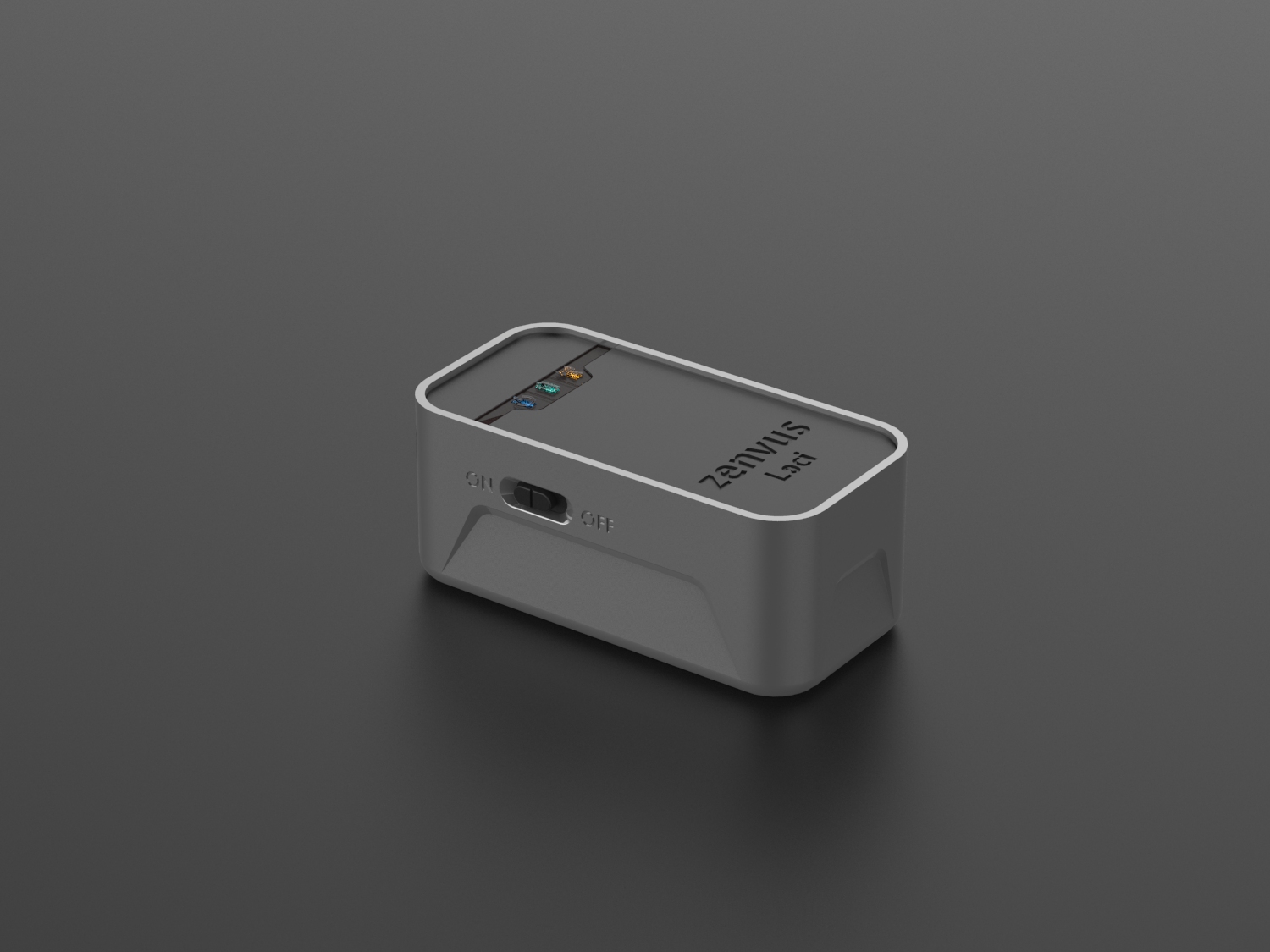
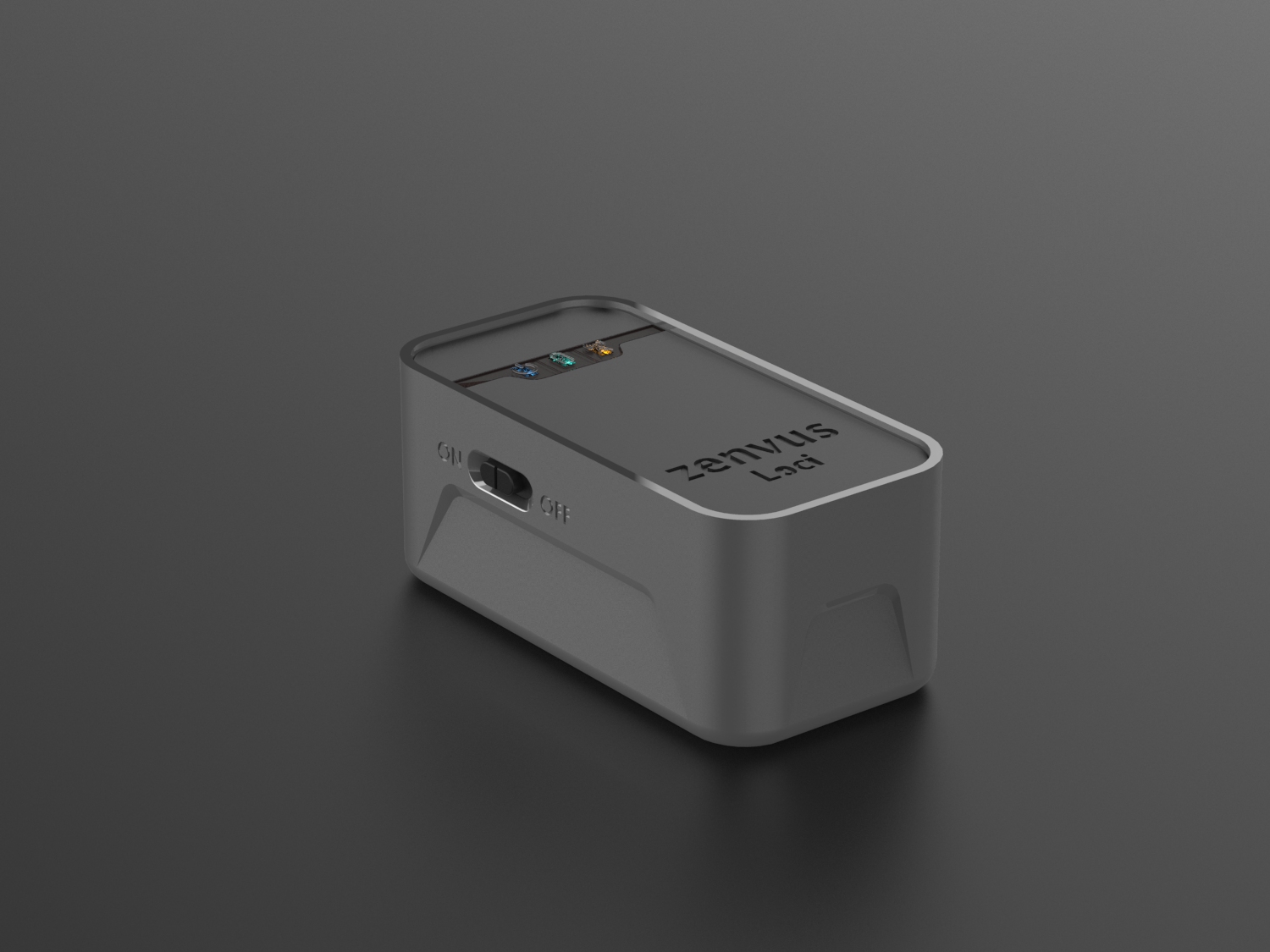
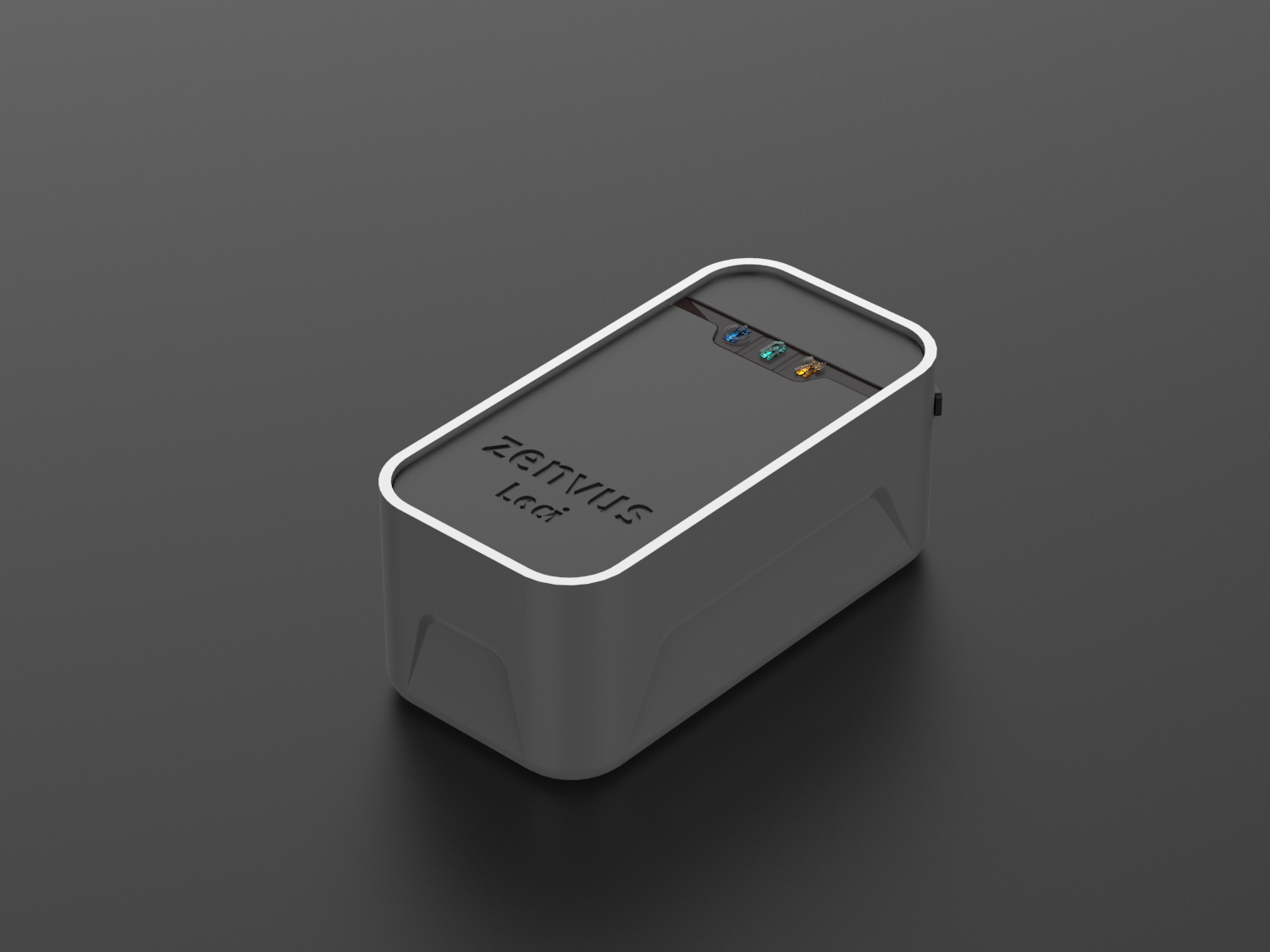
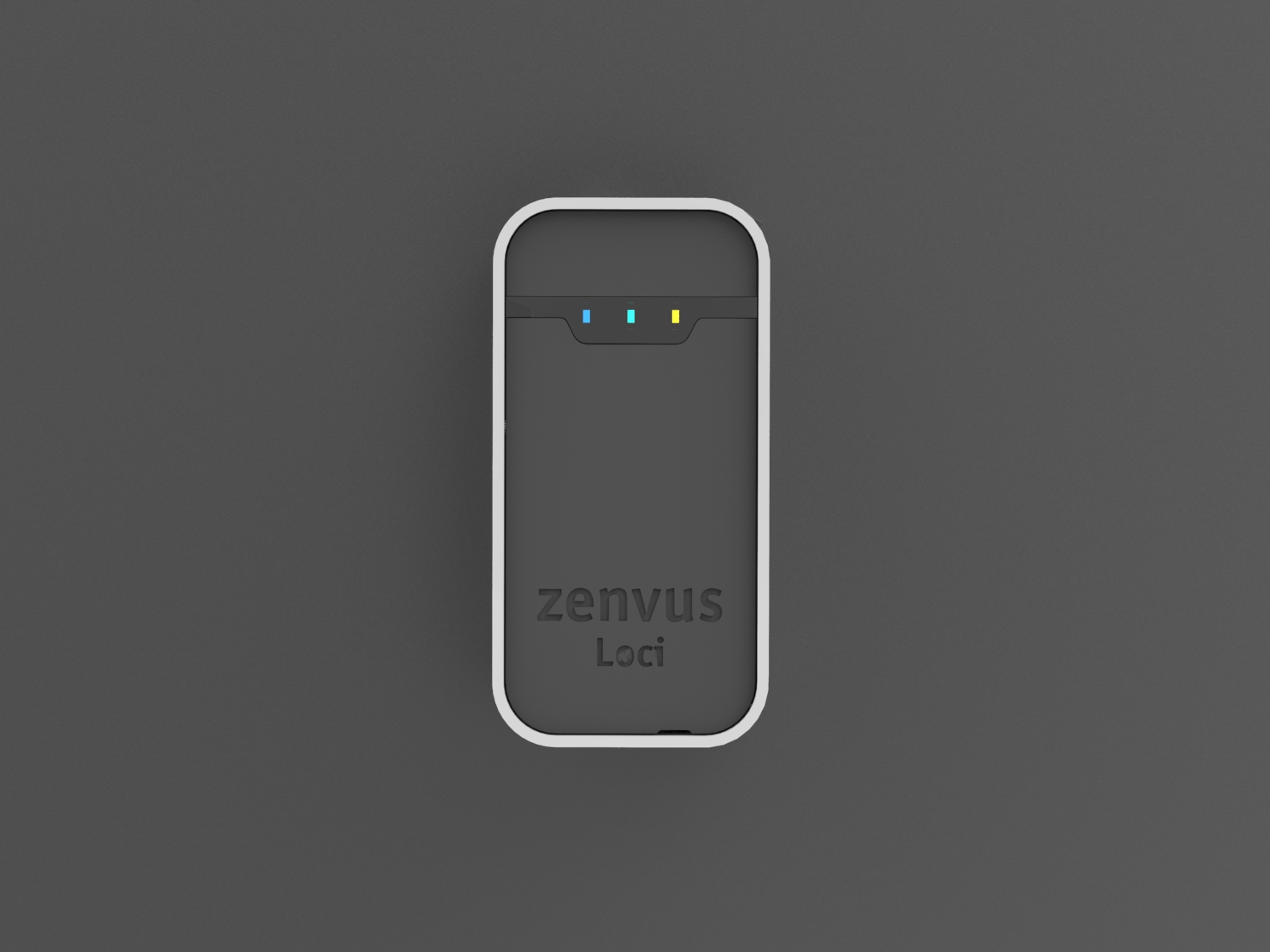
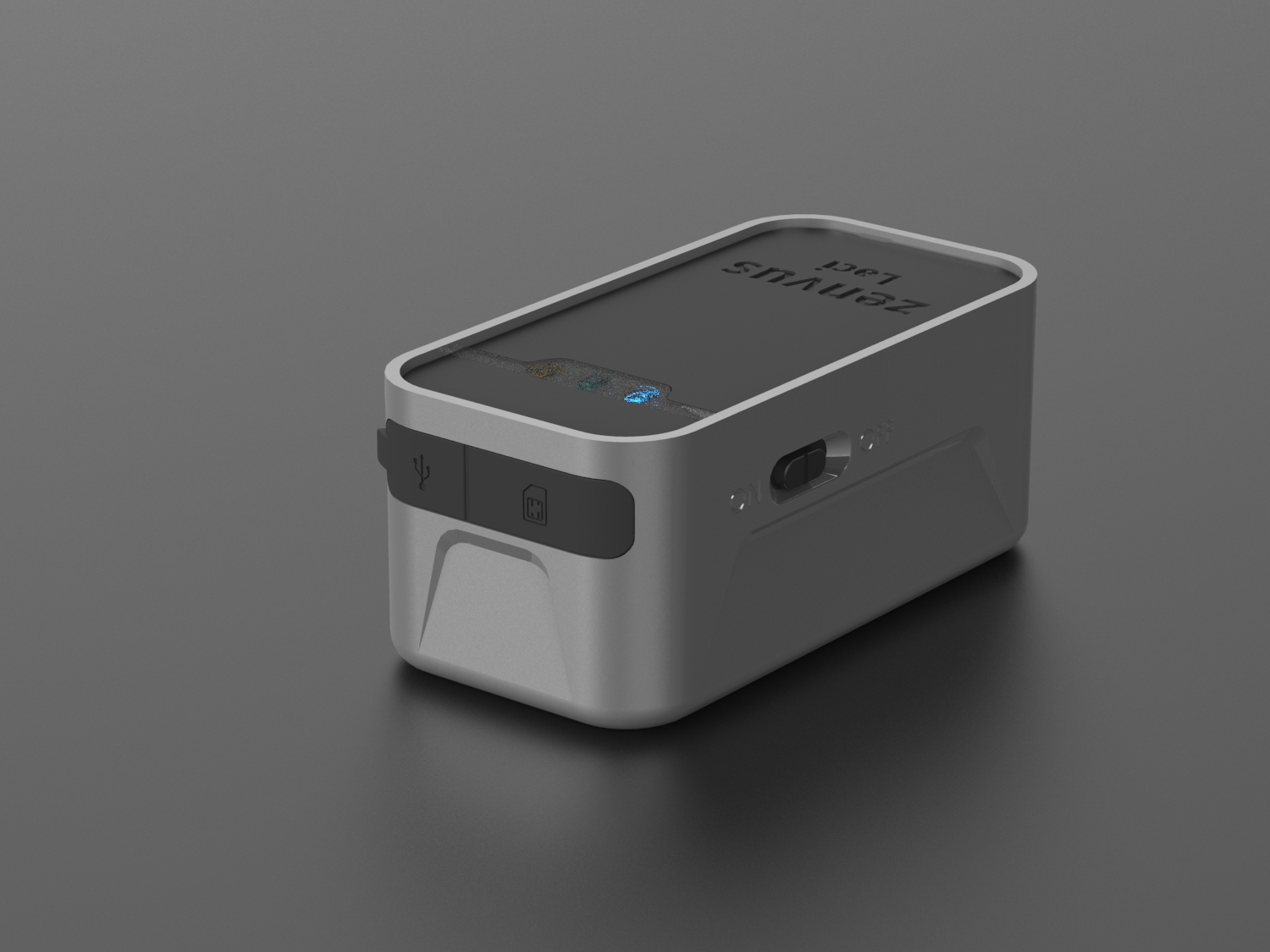
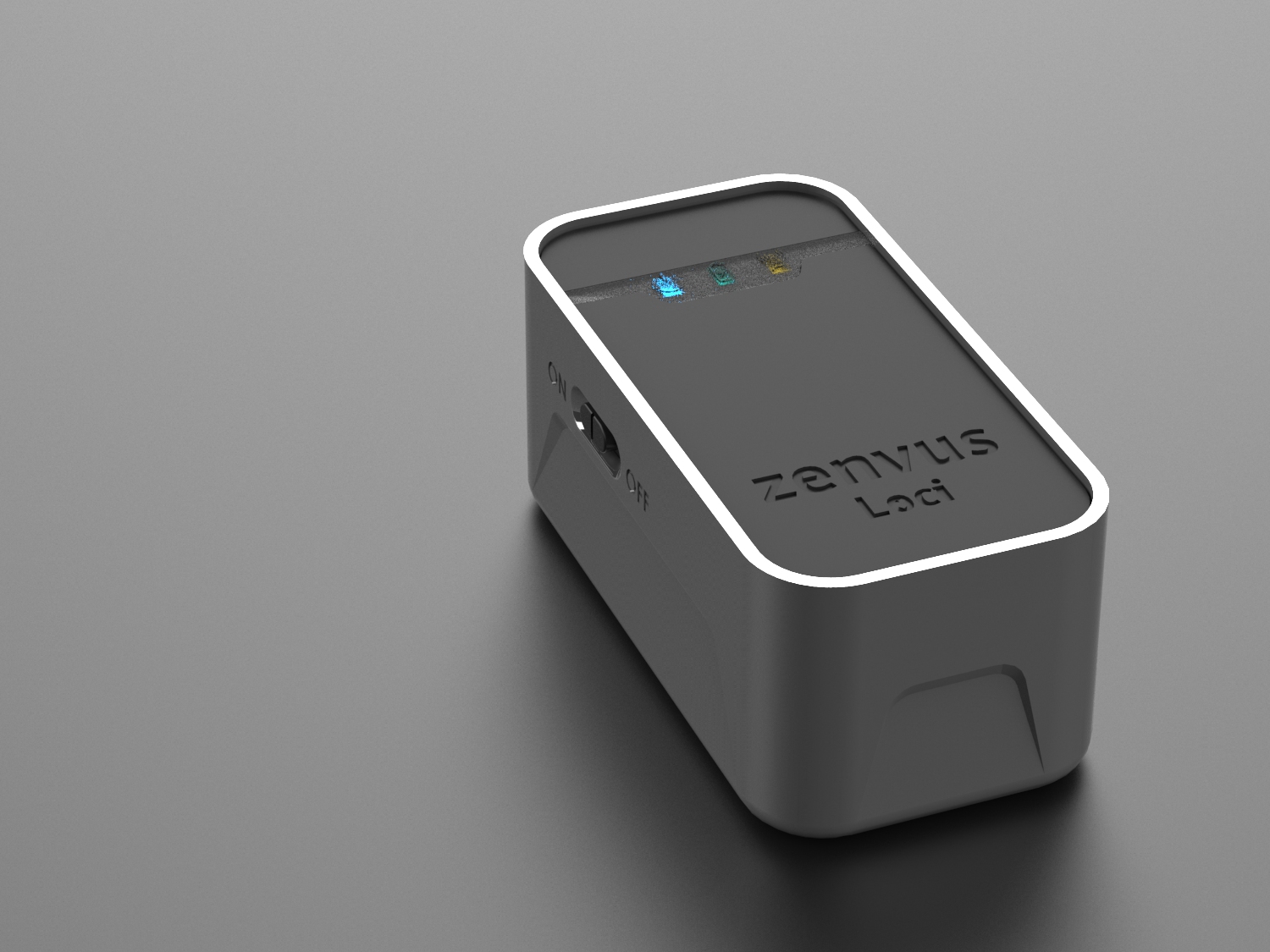
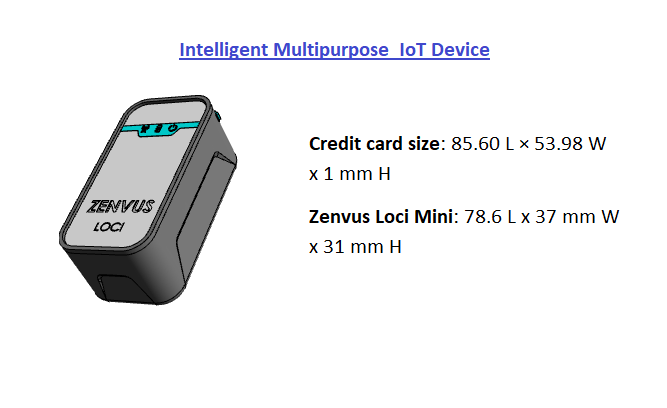
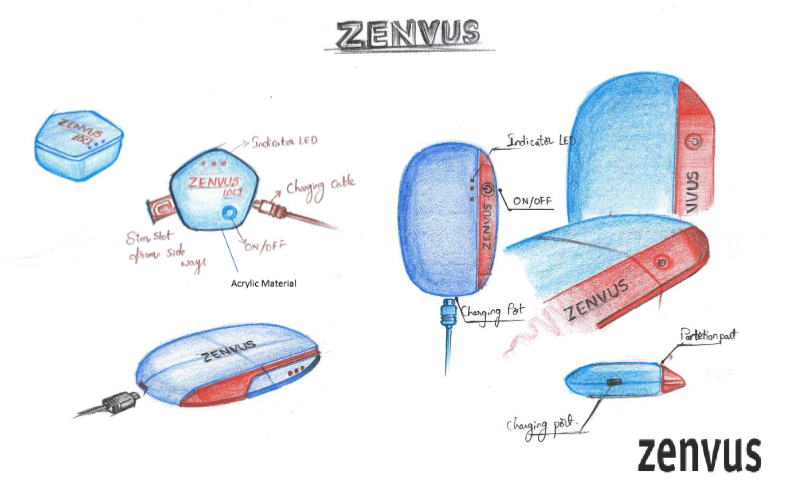
Zenvus Loci Mini Size

0
Dimension comparison with debit card

As the elections ramped up, we were on designs, tapping capabilities from Engineering Drawing to model electronic components, system reliability, etc for Zenvus Loci. As I always say ‘If you design, you will note that no engineering course in a Nigerian university is a waste”. This is the size of Zenvus Loci Mini; the Max is a little bigger.

We want markets and territories.

We’re Launching A New Hardware Product (Loci), Distribution Partners Wanted

Dubai Blink Pioneers The Future of Global Trade, Nigeria’s Ibom Deep Seaport Should Follow

0

By Nnamdi Odumody

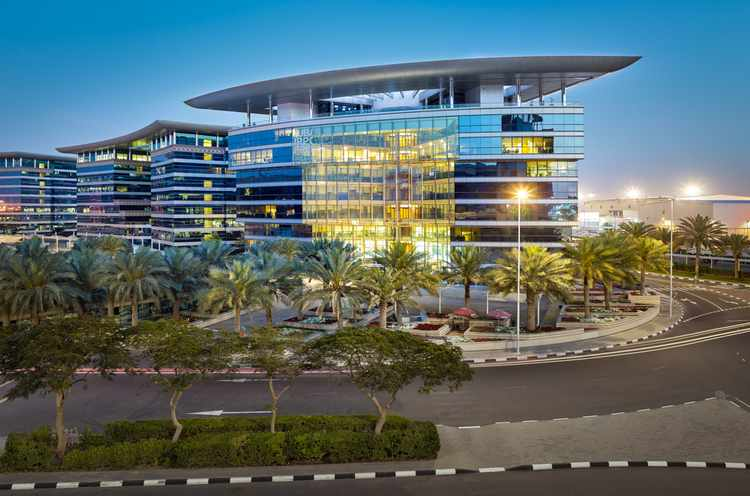
Dubai Airport Free Zone is an ideal platform which offers individuals the opportunity to start businesses in the UAE and provides a business friendly environment with exceptional technological facilities.

The Dubai Airport Free Zone Authority in 2018 announced the development of Dubai Blink, the world’s first B2B Smart Commerce Platform which will leverage artificial intelligence, blockchain technology and virtual business licenses allowing companies from across the world to connect and trade via Dubai. Through new trade platforms for global free zone companies, it hopes to reshape the future of global supply chains. It will allow global companies and small businesses to virtually set up digital businesses in Dubai Free Zones.

The Smart Commerce project is an innovation which will redesign the future of global supply chains and E-Commerce encouraging trade growth for companies in the UAE.

The Emirate of Dubai is sparing no effort to make the city the business hub of the world ahead of Hong Kong, London, New York, Shanghai, and Singapore. While countries across the globe are putting reforms in place to open up to the global investment community, some African countries whose leaders are not forward thinking are enacting laws and other initiatives to scare away foreign investors from their shores. The integration of artificial intelligence and blockchain will enable intelligent, real time trading round the clock in a decentralized platform which is part of its Smart Dubai Initiative to eliminate paper based transactions by adopting technology driven processes in businesses, government ministries, departments and agencies by the year 2021, creating a smart happy city for its citizens and other residents alike as well as a digital economy driven by innovation and technology.

Through holistic solutions Dubai Blink will accelerate its trade in free zone, helping companies search for services and make online purchases via combined platforms using artificial intelligence and blockchain. It will solve two common problems, identification as AI algorithms will provide customized results lengthy supplier identification and validation processes quicker and accurate than human efforts.

The second problem which revolves around transactions as international trade barriers, regulations and transaction fees add unwanted complications to B2B Commerce, therefore the combination of free zone set ups, AI & Blockchain will help reduce cross border transactions and time.

Dubai Blink will also offer companies a Cloud Trading license which is a virtual business license, allowing them to explore commercial opportunities in Dubai without a physical copy of the license. The project will unlock connections, assets, goods and services for business in the UAE.

Dubai has once again pioneered the road ahead.

Ibom Deep Seaport

Nigeria’s planned Ibom Deep Seaport should emulate the Dubai Blink as it is being worked out. The nation needs to build a top-grade deep seaport since the one we have in Lagos is largely a 20st century infrastructure.  By investing on Ibom Deep Seaport, Nigeria will unlock more economic opportunities in the south east and south-south regions of the nation.

The much anticipated $2 billion Ibom Deep Seaport project is closer to actualisation, following the opening of the bid process in Lagos recently.

Of the three firms shortlisted for the bid process, Bollore & China Power and China Harbour Engineering Company are still interested while the third firm, China Road Breach Corporation (CRBC) has reportedly withdrawn from the process, The Nation learnt.

The Akwa Ibom State governor, Emmanuel Udom, while thanking the Ministerial Project Development Steering Committee (MPDSC), the body midwifing the project, explained that the project is very “dear to us.”

Aba Will Become Shenzhen Of Africa With Its FTZ Status