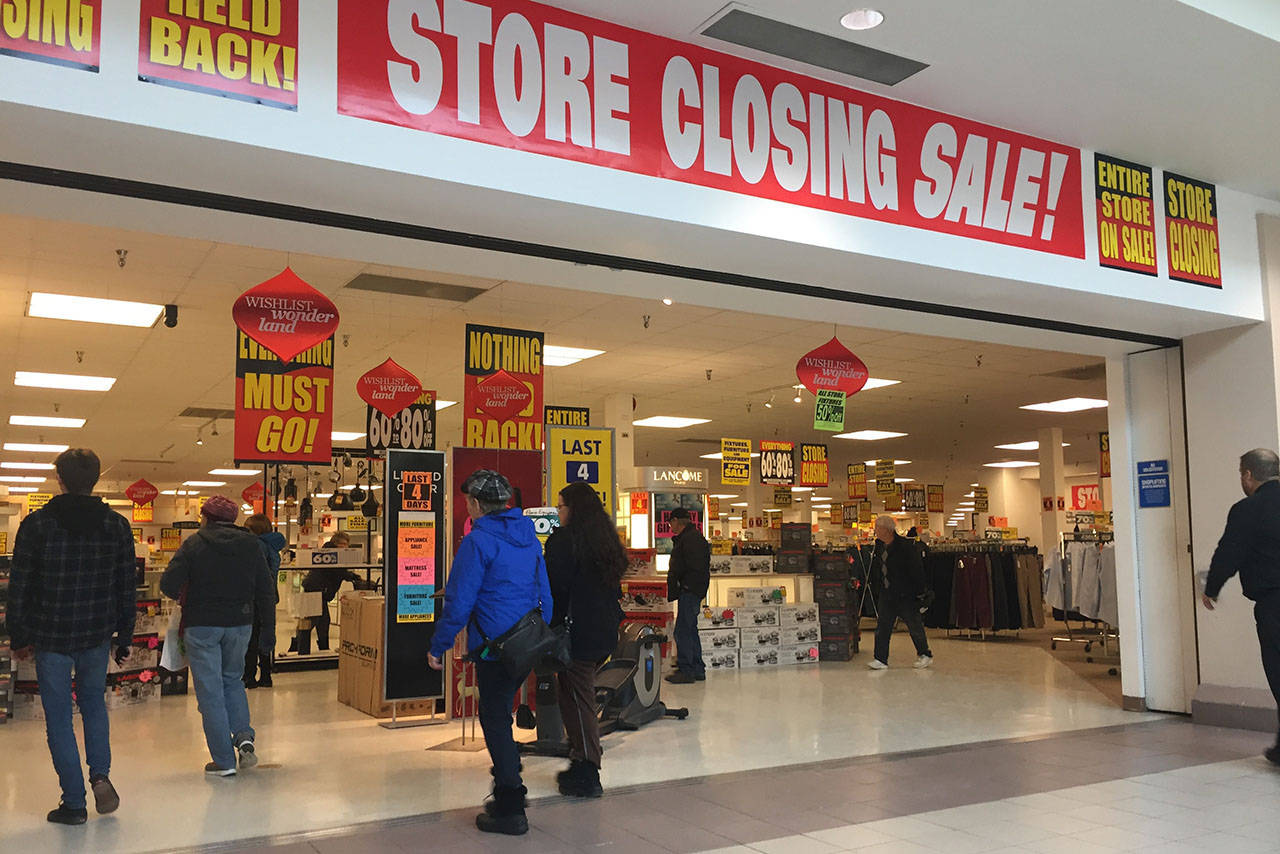
Sears, a bankrupt American retail chain, was built on catalog – a fangled technology of its time. It was typical of industrial age business model: send the customers options on what they might need with no certainty on what they actually want. The discovery process was weak, defining the retailer with no sense to get insights at scale, quickly.
On Monday, Sears filed for bankruptcy—a long-expected development in the retailer’s long decline. Sears was once the Amazon of its day: the first “everything store.” Today it’s not worth much more than the real estate its stores sit on.
Like Amazon, Sears started with a single product—watches, in its case—and grew to offer virtually all the goods a growing consumer culture could ever need. In perhaps the one way Amazon hasn’t (yet) caught up, Sears even sold the homes to put those goods in, which have since become quite trendy. (QZ Newsletter)
Amazon is built on search – a modern technology which is unconstrained and unbounded, only limited by the imaginations of the consumers. Search provides a window into possibilities, making it even possible that Amazon can see patterns on things it does not have in stock, and quickly respond to add them.
Sears catalog
Search has velocity, catalog has only speed; no antenna for direction. Search enables Perception Demand which enables the acceleration of consumerism by rewiring the mindsets of users to a new domain which they might have never imagined. As customer tastes move, your business must adapt. You need the antenna to move in the right direction to make that happen. Yes, in the 21st century, you win with Perception Demand.
Yes, no matter what you do, you cannot catalog your customers. You need to find a way to help them discover the future in your ecosystem, and you must respond to WIN with them.
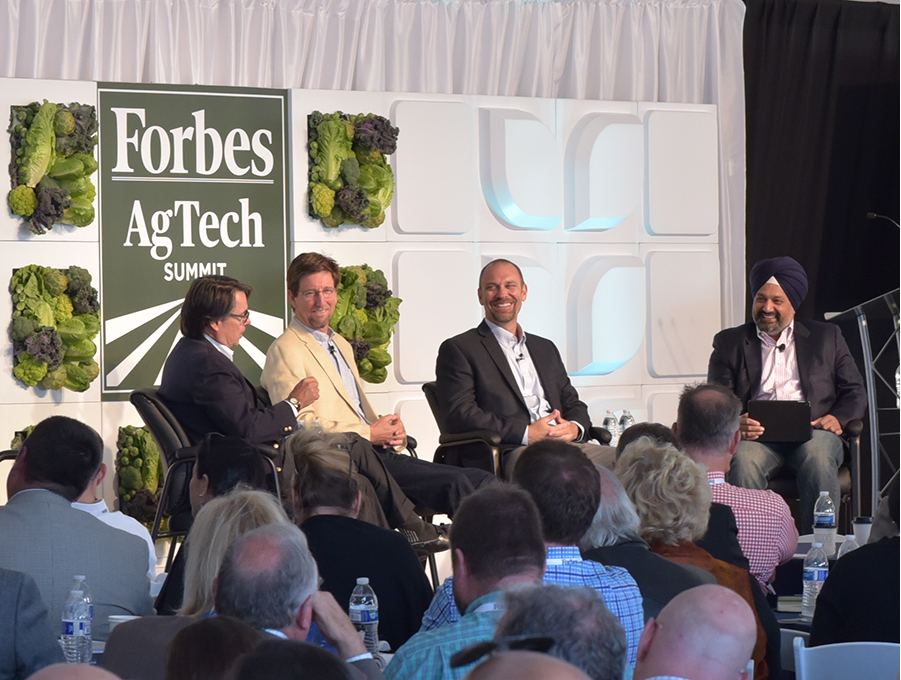
This may be of interest to agtech companies across Africa. We received this email from Thrive, USA. If you do well, you would take a stage during Forbes AgTech Summit in June 2019. Thrive is also making investments via its acceleration fund.
I have found Fasmicro during my research and thought it would be interested for you to know that we have just launched a call for early stage agtech companies developing big data & analytics, biotech, farm management, next gen farms, and robotics & automation solutions to apply to our fifth accelerator class.
10 startups will be selected to participate in the four month accelerator, which will kick off in spring 2019 and culminate at THRIVE’s Demo Day held at the Forbes AgTech Summit June 2019.
Briefly about key benefits:
TRIALS Connect with our corporate partners and 1000s of farmers who can provide field trials and product validation
INVESTMENT $100K per company ($50K cash & $50K program value)
MENTORSHIP Top tier industry, technical and business experts on hand to guide and support your startup
GLOBAL RECOGNITION Demo Day at Forbes AgTech Summit and participation in THRIVE Innovation Showcase
VIRTUAL Curriculum: In-class and virtual content including pitching and fundraising, marketing, grower insights
RESOURCES Membership to Western Growers Innovation Center, legal Services from Orrick, and subscriptions to AWS and Hubspot
In Africa, there is going to be a lot of disintermediation in the banking sector: many providers would be cut-out as companies reach end consumers. And that disintermediation will be enabled and anchored by the internet. So, if that is the case, winning the game of future banking would be driven by the quality of digital service experiences, and internet is going to become the ecosystem where that will happen. Like the disruption of Kenyan banking via MPESA which happened through mobile telephony, South Africa expects fintech to cause massive dislocation in the banking order.
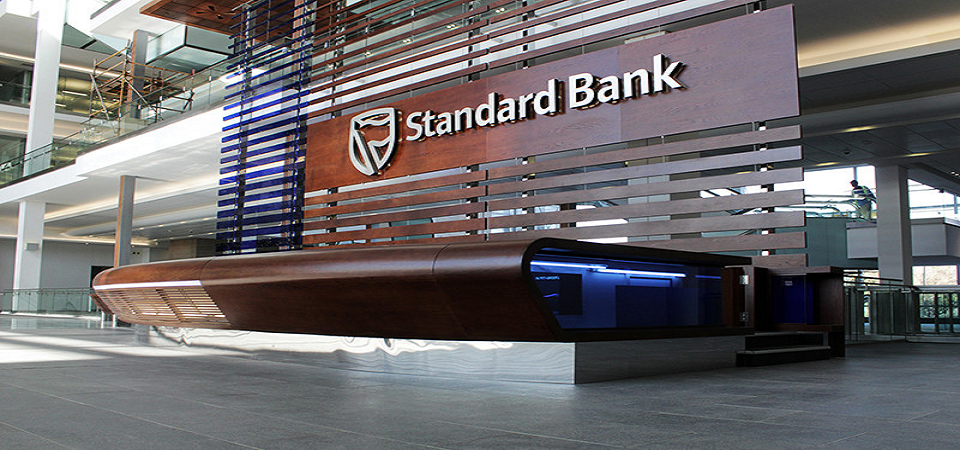
Then with that knowledge, what do you do as a bank? You go and protect the flanks: you get a mobile virtual network operator (MVNO) license – “A mobile virtual network operator, virtual network operator, or mobile other licensed operator, is a wireless communications services provider that does not own the wireless network infrastructure over which it provides services to its customers”. Yes, you become a telecom company without physical assets. That is what Standard Bank has done, becoming the second bank in South Africa that has acquired MVNO license.
Standard Bank has finally confirmed one of the telecommunications industry’s worst-kept secrets: it will launch a mobile virtual network operator (MVNO), becoming the second major bank in South Africa to do so.
TechCentral first reported in February that Standard Bank is building an MVNO, revealing at the time that it had hired former Virgin Mobile South Africa CEO Steve Bailey to its executive team.
Standard Bank spokesman Ross Linstrom said in an e-mail in response to questions from TechCentral: “Yes, we are launching an MVNO. We expect to launch soon.”
Standard Bank joins FNB which unveiled FNB Connect in 2015 making it possible to serve its customers at scale without them spending any money on telecom charges. When I put these questions in LinkedIn based on the strategy that FNB has deployed, I got good feedbacks that a bank could technically win by delivering unmetered services to its customers.
1. If you know that a bank in Nigeria makes it possible that you can use its digital banking services (including web app, mobile apps, etc) even when you do not have mobile browsing credit, would it be a factor to open an account in that bank?
2. Then, you come to the bank for a problem, and it offers free WIFI to make it easier for you to deal with some issues you may be having, would that be a factor to open an account?
From the comments on LinkedIn, many people do believe that removing the mobile cost friction on top of delivery at par service quality would make them flip to use a specific banking institution. So, Standard Bank must have seen some movements for FNB to have responded by getting its own MNVO license. It is possible we would be seeing more banks going for MNVO. This is a typical case of moving towards the upstream to deliver unmatched value while your competitors are left in the downstream. When you do that, you would rewire the architecture of the industry competition. Provided the MNVO cost is well managed, this is a clear new basis of competition in the industry and could potentially help nip many fintech challenges.
The Accumulation of Capability Construct teaches you how to separate from everyone by going upstream when most are operating at downstream. You get more value because you are handling bigger frictions and targeting severe pain points.
If you know that a bank in Nigeria makes it possible that you can use its digital banking services (including web app, mobile apps, etc) even when you do not have mobile browsing credit, would it be a factor to open an account in that bank?
Then, you come to the bank for a problem, and it offers free WIFI to make it easier for you to deal with some issues you may be having, would that be a factor to open an account?
A bank in South Africa has just executed some components of the above.
“The expansion of WiFi connectivity across our branch network is primarily aimed at giving customers easy access to digital banking platforms. The digital journey is enabled through sustained investment in infrastructure which continues to be intensified through consistent innovation across branches. As we evolve and build the branch of the future, we would like customers to be part of the journey as well,” chief executive officer of FNB Points of Presnece, Lee-Anne van Zyl said in a statement.
As many FNB customers are aware, data used to access the FNB app for smartphones was and still is zero-rated across all major local networks. So why then is FNB giving customers WiFi access at its branches?
I do believe that this strategy makes sense: you can even reduce the cost of service by making it easier for customers to serve themselves. Of course, this will work if the customers are fairly literate. Nonetheless, I expect this to begin to make way at scale in Nigeria.