DD
MM
YYYY

PAGES

DD
MM
YYYY

spot_img

PAGES

Home Blog Page 7111

Liberate Your Mindset

1
Liberate your mindset

Liberate your mindset and think abundance. Your vision cannot be impactful if you dwell on scarcity. The best energies are released when optimism triumphs over scarcity. Have a shift of your mindset and begin to like the world you live. To thrive in a class, it is always good to like the teacher. To get the best from the world, it makes sense to imagine a hopeful world.

To unlock breakthrough in Nigeria, you must see the nation as having the capacity to offer one. If you think nothing can happen, you would experience a stunted mission. And without the certainty of the mission, the result is likely an uncertainty of the vision.

Only you can do this shift. As you walk on the streets of Lagos, Kano and Aba, depending on your mindset, you may feel lost. But in those cities, people are experiencing their moments. The cities would not change to accommodate you: you would have to change to align.

An abundant mindset activates awareness: you see opportunities where people just complain. And because of your optimistic mission, you can go out to pursue them. It takes a man who believes there would be tomorrow to start a company in Yola, Uyo and Lokoja. For many others, Nigeria was unborn tomorrow, but buried yesterday!

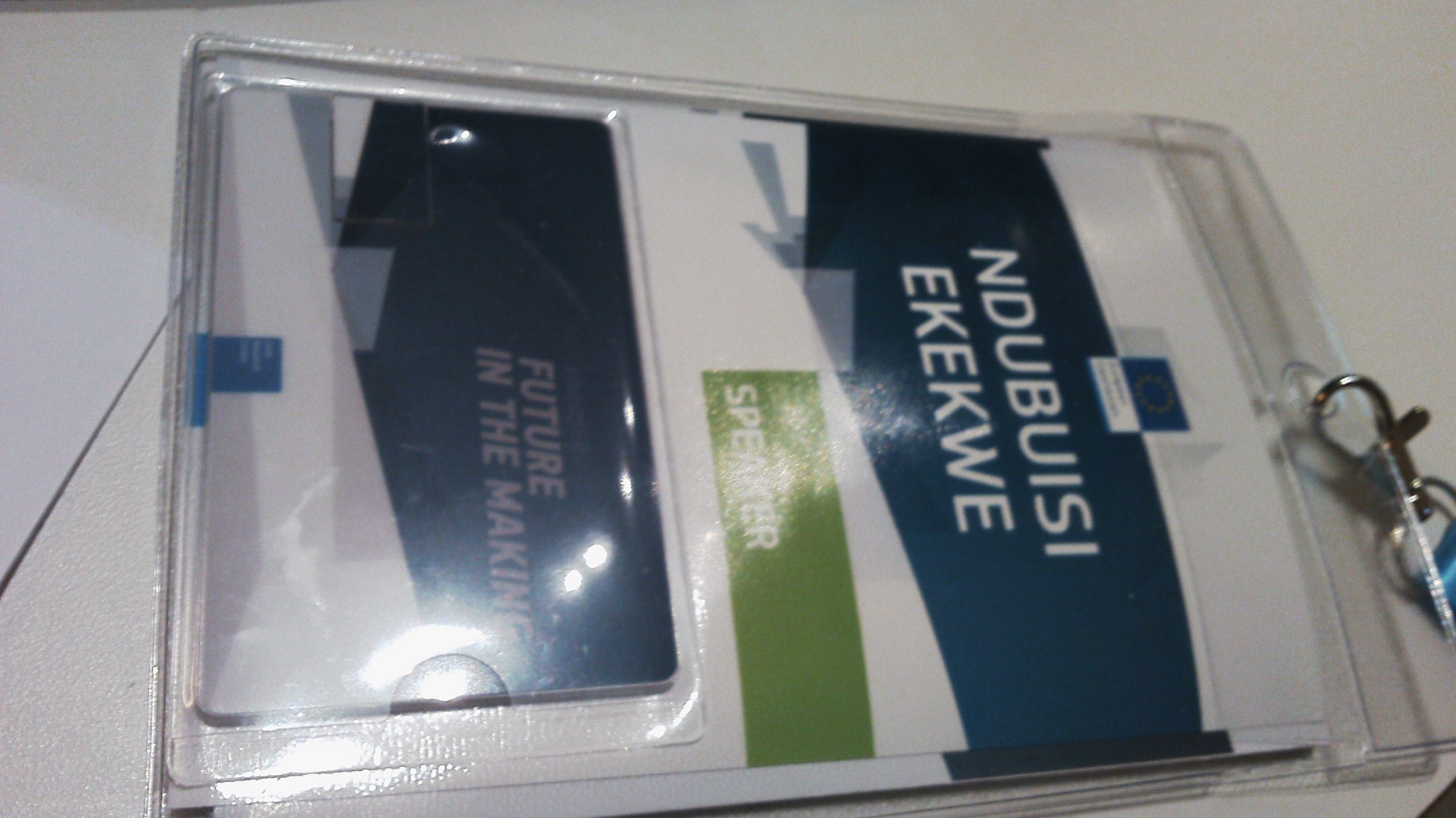
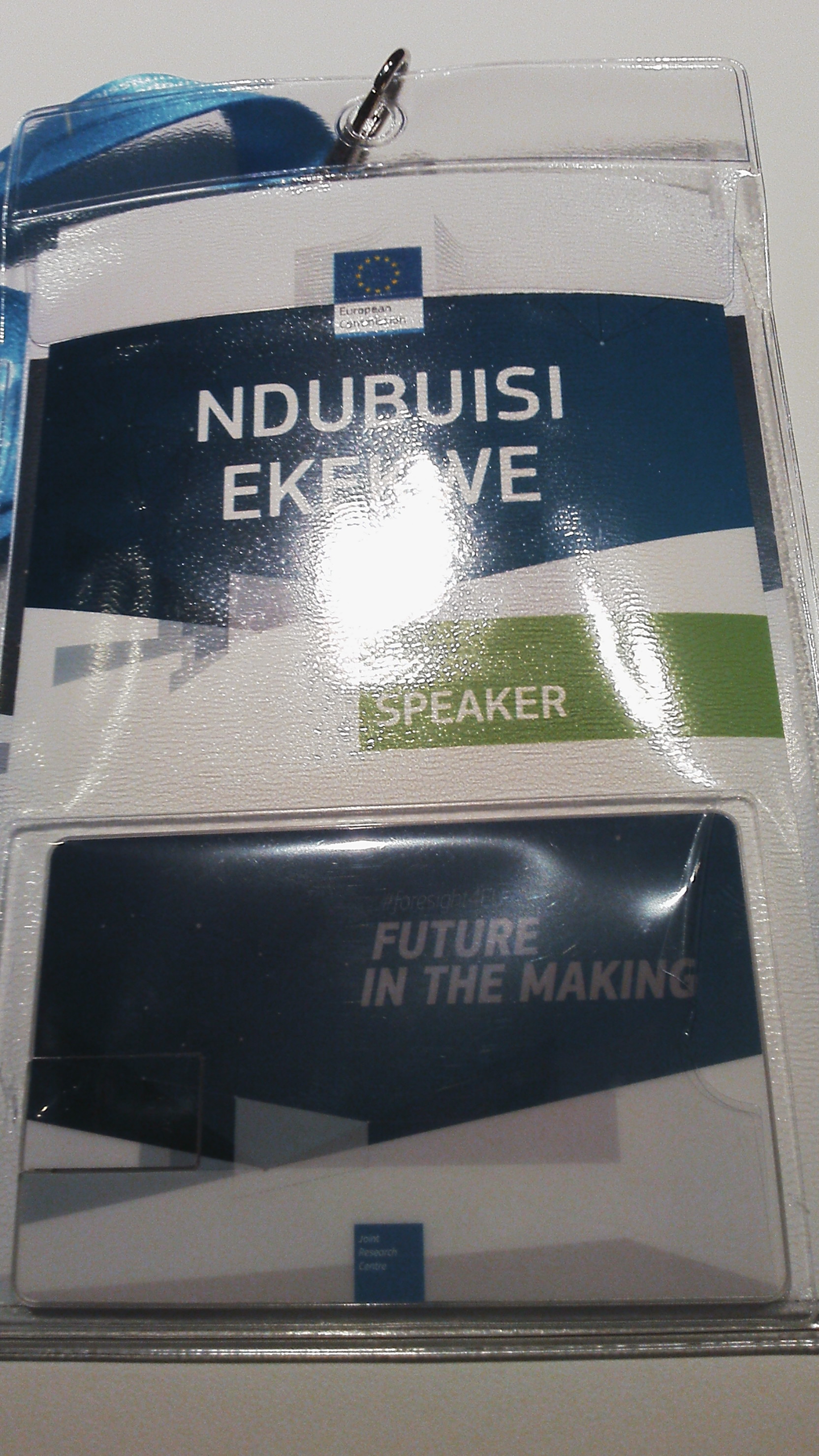
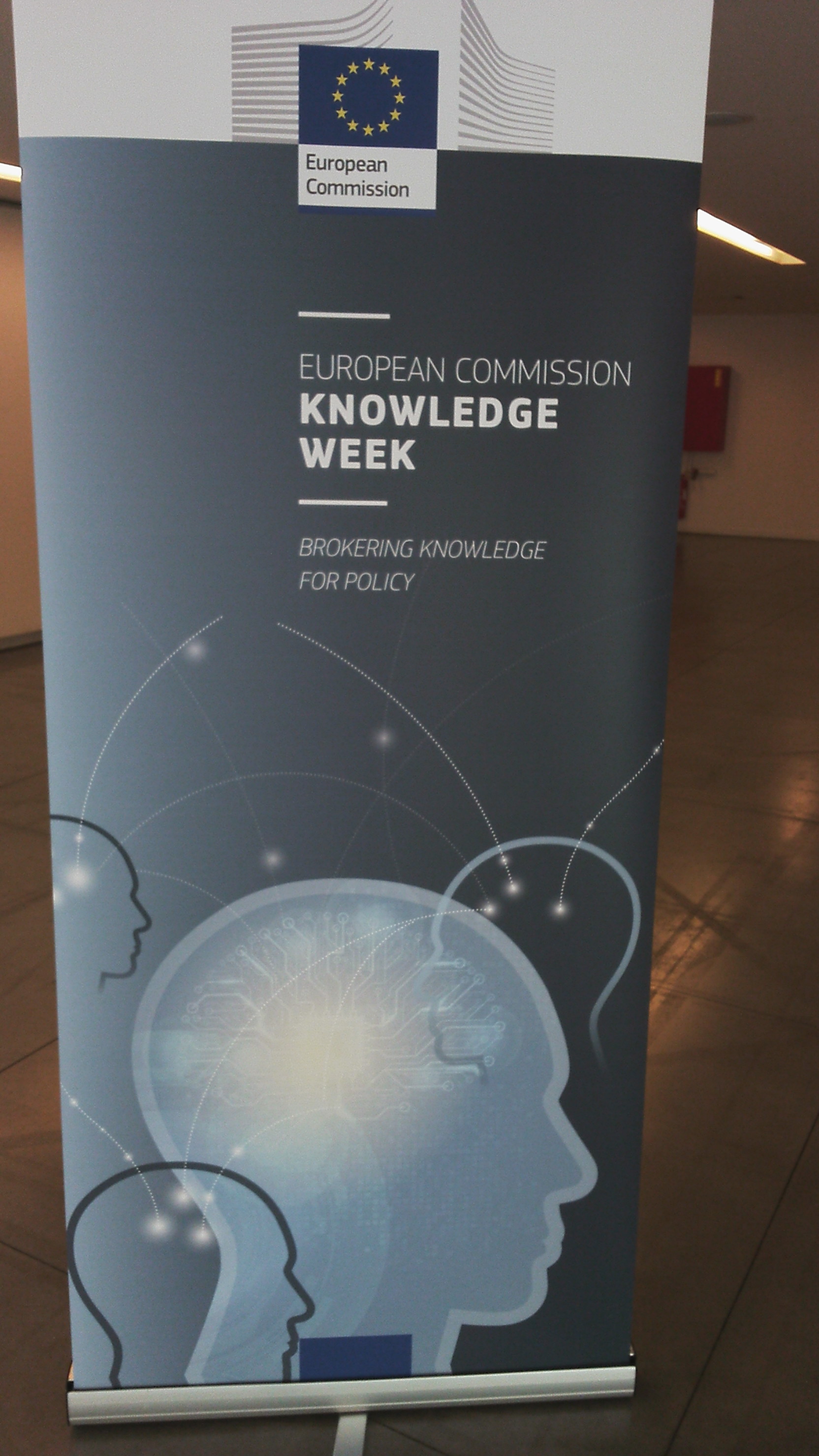
Still in Brussels attending the EC Knowledge Week.
Fasmicro Selects Abuja and Aba for Zenvus Demo Farms

0
Zenvus

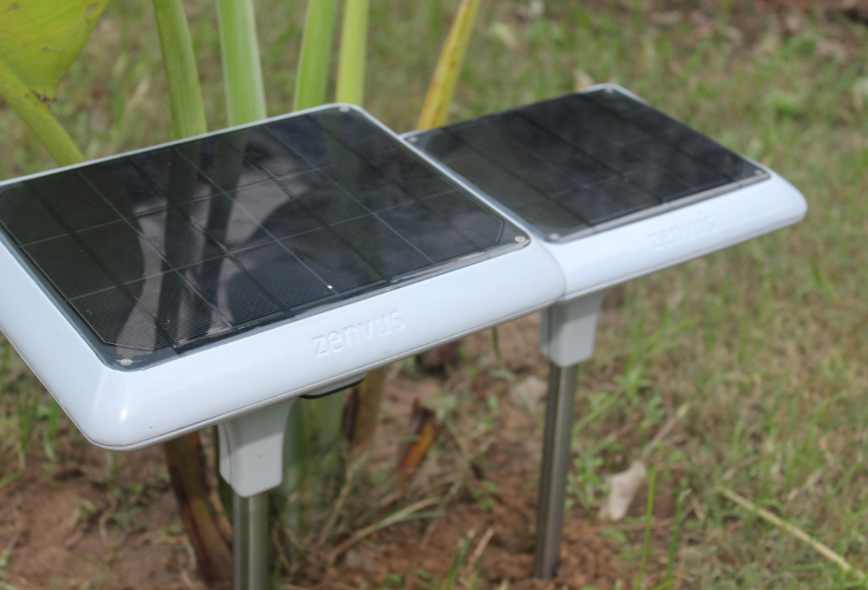
Today, Fasmicro Group finalized the processes to establish Zenvus Demo Farms in two Nigerian cities – Aba and Abuja. These demo farms would help governments and cooperatives [our major focus at the moment] experience deeper engagements in our award-winning technologies. We would plant rice in Abuja demo farm. Aba demo farm will be for maize. Through these farms, we would showcase our innovations in live sessions for clients.

Fasmicro Group completed the acquisitions of the lands which we will also use to demonstrate the best practices in modern technology-driven agriculture in Nigeria.

Similar farms are planned for Zambia and Zimbabwe. Our vision is to anchor a new framework for Africa’s agriculture and we are working towards just that.

The farms would be launched in 2019 during the wet farming season.


CPC’s Mistake on Nigeria’s 0.005 Electronic Transaction Levy

0

I noted few days that the Central Bank of Nigeria (CBN) as part of the implementation of a certain section of the Cybercrime Act 2015 would be collecting a new levy on all electronic transactions into a National Cyber Security Fund account with the CBN. The Association of Telecommunications Companies of Nigeria (ATCON) hates that because it would make your phone calls and browsing more expensive since telcos would pass the costs to you. Banks, insurers and fintechs would also help to collect the new levies since anything electronic transaction would be levied the 0.005%.

But that is not the end of this matter as the Consumer Protection Council (CPC), a government-funded consumer protection institution, has put a note that telecom operators or other institutions cannot transfer the operating costs to customers [ we do assume CPC meant the 0.005% related operating cost].

The Consumer Protection Council (CPC) has said telecom operators’ decision to transfer their operating cost to customers is unacceptable.

The Director-General of CPC, Babatunde Irukera, made this known at end of the E-Payment Providers Association of Nigeria workshop in Lagos on Sunday.

According to him, the 0.005 per cent directive imposed by Central Bank of Nigeria (CBN) on all electronic transactions is an operational cost for operators and should not in any way be transferred to customers.

“At CPC, our main focus is the customer; that they are treated with fairness and with transparency.

“We are unwilling to accept the decision of operators to transfer the cost of business to consumers.

“What they provide is airtime and broadband and if they decide to make additional things to secure consumers, it is cost of business to them,” he said.

Certainly, no one will listen to CPC as any company that cannot cover its “operating cost” will cease to be in business, over time. While the CPC has the best of intentions, making such demands which no one would likely honor simply makes it irrelevant. I do hope this educates and informs CPC: all government imposed levies, taxes and fees are typically paid by customers. Where CPC does not want the banks, telcos and other digital institutions to charge customers more, specially related to his 0.005% levy, it needs to focus on government and ask it to drop the levy.

Future in the Making

0

This is a short summary of my panel discussion in the EC.

It is very important to be conscious of the dislocation which AI can bring in the future. But today, Africa’s main problem is not necessarily AI but electricity to power the engines upon which AI would run. While we have progress through the applications of ICT, sustained prosperity will only come when Africa builds anchors and pillars for modern economies through infrastructures.

I am not moved by the promise of leapfrogging anyone because drones can send blood supplies to remote villages in Africa. I would hope a future where roads would be built will come. As global organizations, from European Commission to World Bank, support Africa on the path to deepen our capacities to redesign our economies, time has come to fund entrepreneurs over small businesses. Entrepreneurs build nations; small businesses feed families – that is noble, of course. But their impacts are not similar. Entrepreneurs will scale their visions, fixing the labour paralysis while small businesses will remain as they were created for years. Where we fail to see that, our policies will not advance Africa.

So the initiatives Africa needs would be those initiatives Europe and America dealt with many decades ago. I am a  core believer that no African leader should focus on mobile apps unless he or she had provided 24/7 electricity in the cities. The mobile apps are ephemeral without electricity: the creators would not scale and become entrepreneurs. They would just remain apps makers because the citizens they want to serve cannot advance their economic states without critical infrastructures.

Yes, if the African farmers – more than 65% of all workers- could have access to decent electricity, they would become more productive. With electricity, crop wastes would drop. They would make more money and just like that, they would have more money to support the businesses of the apps makers. If the farmers improve productivity, we would cut poverty in Africa by huge margins. In short, if we double farm yield up to the point of sale, poverty will drop by 30%. And that means farmers, players in the largest sector in Africa (by labour participation), will have more money in their pockets. That would create a virtuoso system.

The future looks promising but we need to deal with key issues to make it happen.

(…this continues)

The History of Football in Nigeria by Dr. Wiebe Boer

0

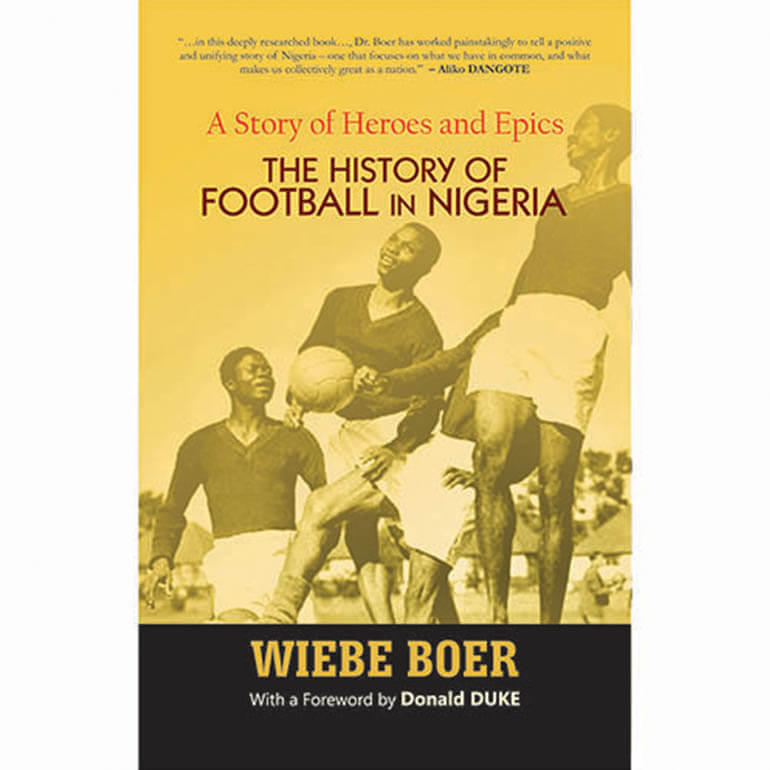
Good people, the Super Eagles coach has released the names of the 23 men who would represent Nigeria in Russia 2018 World Cup. As you study the names and how the coach would deploy them for glory in Russia, you may need to go back to the database of history. A new book – The History of Football in Nigeria – is available to help you. This book by Dr. Wiebe Boer chronicles our national passion in a very insightful and entertaining way.  Get your copy here for N5,000.

The Book Summary

A Story of Heroes and Epics: The History of Football in Nigeria tells the hugely significant story of the rise of football in colonial Nigeria as a unifying cultural force in the country. The origins of the game in Nigeria, the history of organised football, the institutions that produced the early football stars, the first Nigerian players to play abroad, Nigeria’s first international matches, the earliest rivalries and narratives on football’s incursion into the southern and northern regions, are some of the subjects that form the basis of this incredible social history of Nigeria.

Lucid, entertaining and insightful, the writer introduces you to key historical characters ranging from the colonial officers, western missionaries and school principals to the Nigerian political leaders and founding fathers who influenced the rise of football as both a popular pastime and a unifying force for the country.

After undertaking the difficult task of researching Nigeria’s colonial era, conducting dozens of primary interviews, and collating documented history on the roots of football in the country from local and foreign archives, Dr. Wiebe Boer came up with a fabulous book that is destined to become an essential read for understanding Nigeria’s intriguing relationship with football and how the game has played such an important role in the construction of Nigeria’s national identity.