DD
MM
YYYY

PAGES

DD
MM
YYYY

spot_img

PAGES

Home Blog Page 7181

Women, Software and Pricing

2

If you read Tekedia regularly, you would have noticed that I am extremely fixated with cost. There is no week I do not think about marginal cost because that is the most important cost element in any modern digital business. It makes it possible to have scalable advantage. The business model of freemium product is largely anchored on that: if marginal cost is near zero, you can get many customers quickly especially if you allow the pricing to tend near-zero [free].

But knowing that growth is important is certainly obvious, for every founder. The challenge is executing the growth strategy. Companies like Google and Facebook which can acquire customers at ease, even at low or zero costs, have huge scalable advantages. It means they can scale without much burdens, financially.

But besides this, one of the finest pricing inventions of all time is licensing. You buy something and typically yearly you must send money to the maker to have legal rights to use that product. When Henry Ford built his cars, he did not think about that. But Bill Gates and others did just that. It is irrelevant that cars are “hardware” while software is what it is.

Today’s Tesla is as software as it could become. But when you buy one, you never have to keep paying annual license to have rights to use your car even though they send software updates and patches when necessary. But do same on Oracle and Windows as an enterprise client and stop paying for license. You would be in trouble – the Police will come and ransack your property for using the software illegally.  That would be happening as Tesla is parked by the side of the office. For the vehicle, no one would ask you to pay any license fee on it for the perpetual usage rights. You paid and got 100% rights. In software, you paid and got intermittent rights but never in perpetuity.

Smart pricing is the innovation which has transformed software over hardware business. No matter what happens, revenue would always come next year even if the client is not using the software. Provided it has not been decommissioned, money must be paid on it.

Around 1930s, hardware was a superior career path when compared with software. Then, women were relegated to software [discrimination in all phases]. The men had felt there was nothing there. The earliest computers built were actually supported by women coders. They never allowed women close to the hardware. Yes, the men reasoned that hardware was for men and the programming was the job made for women [men made tons of money, the women made largely nothing because software job then was like nothing big]. The best pay was in hardware. They made legends in them; from Shockley to Jack Kilby.

Then, by the time Bill Gates and Larry Ellison started engineering pricing, wealth flipped from hardware to software. Yes, they made great products but part of the success was the pricing innovation and the capacity to convince the world that software would be licensed.

By then, men saw software as being more promising [more money coming there]. They jumped ship and now command the sector, pushing women out. So, the software which women excelled and supported is now made to look harder, attracting more wages. We had all forgotten women were able to hold their levels many decades ago.

All Together

In this, you can see how the capacity to use pricing to earn massive income changed an industry. When you design, always think about pricing. It is one of the most important elements that could lead to success. Do not make pricing an after-thought. It must be part of the product design and evolution. It could be the most important innovation in your firm. There is no hardware that does not have software. Yet, the people that built hardware industry did not invent that ingenious pricing. Pricing will continue to change markets and companies. Pay attention to it.

That pricing was the reason software overtook hardware to become a more rewarding career [on average] and in the process moved men to hijack the sector back from women. In other words, software companies make more money, not just because of their products, but due to how they price them.

Two Types of Digital Startups for African Entrepreneurs

0

There are two types of startups which any African entrepreneur could pursue in the digital ecosystem:  advertisement-supported consumer and Software as a Service (SaaS) businesses. While the latter focuses largely on enterprise clients, the former is usually structured for consumer markets. In this piece, I explain how these businesses work and how entrepreneurs can structure […]

This post is only available to members.

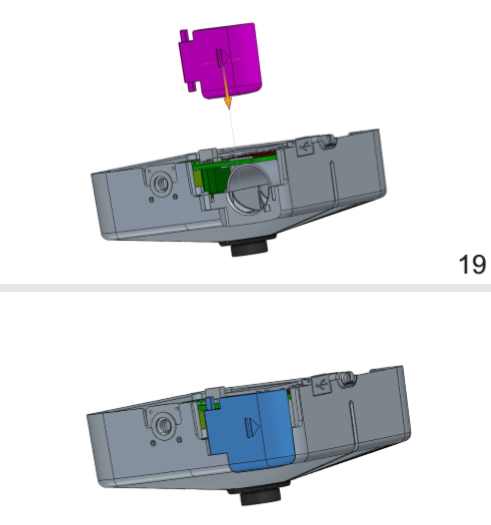
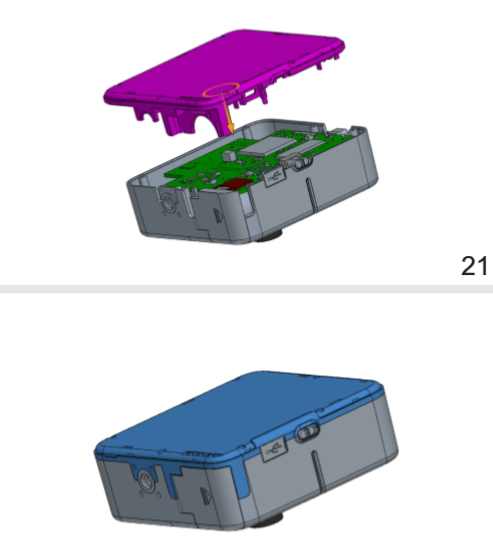
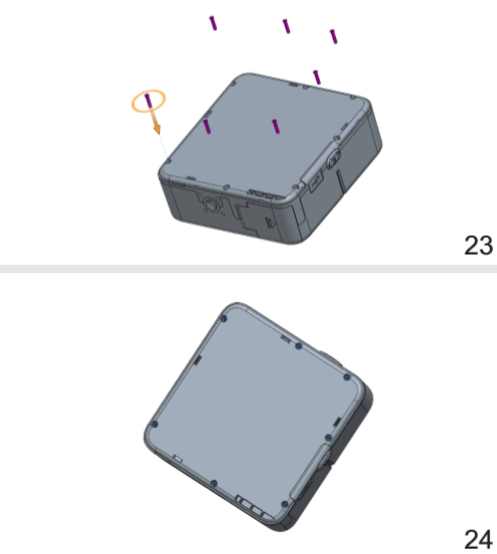
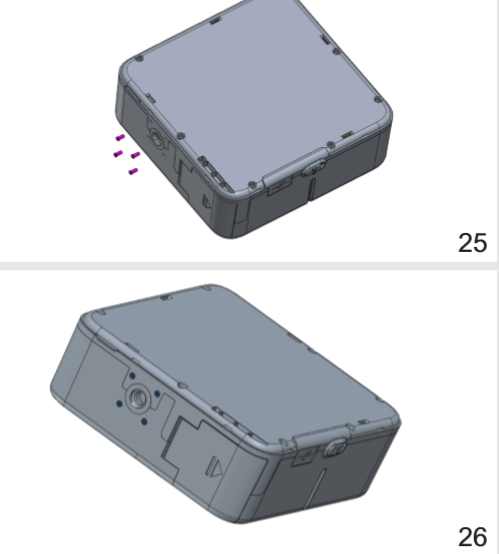
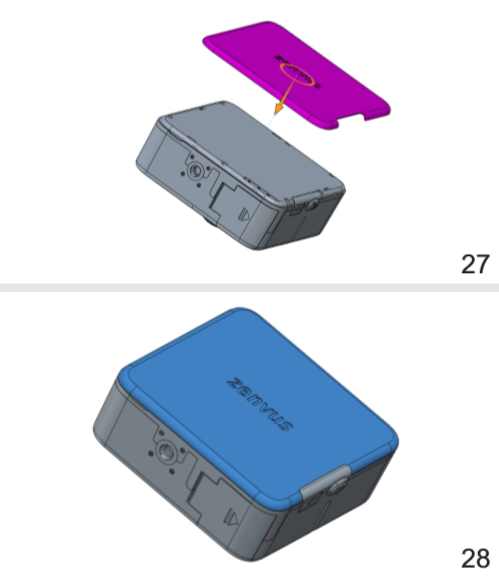
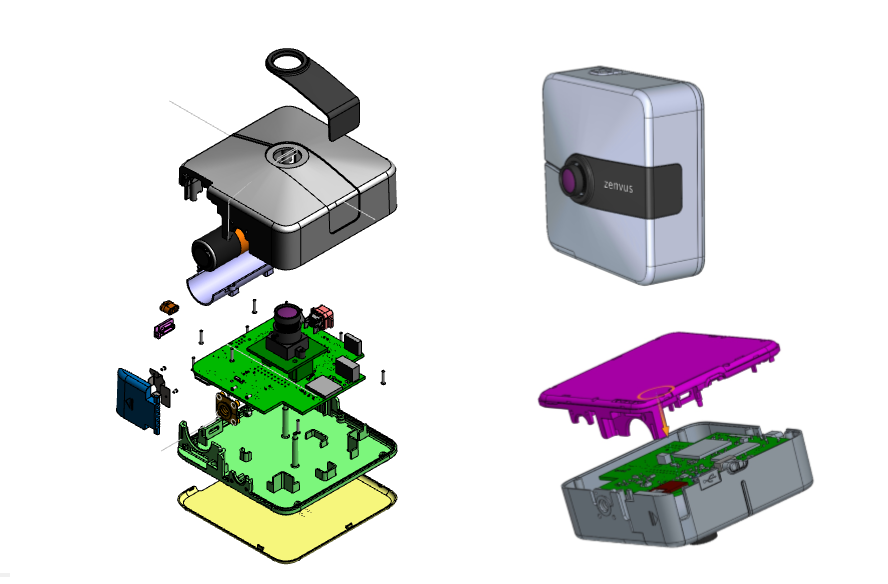
Zenvus Imaging Packaging Instructions

0

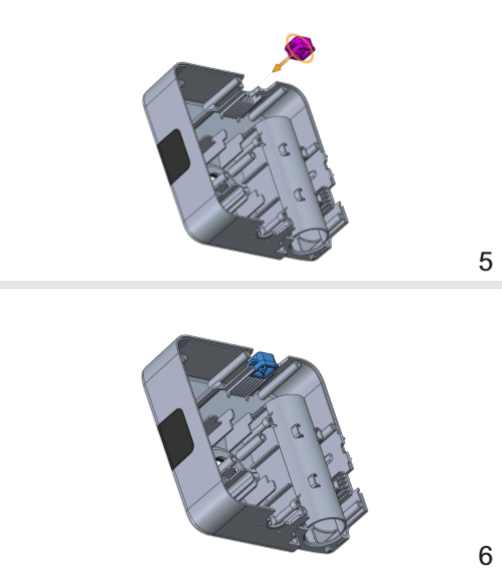
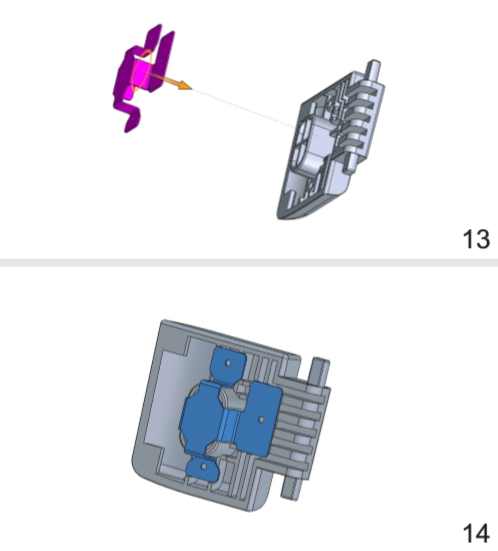
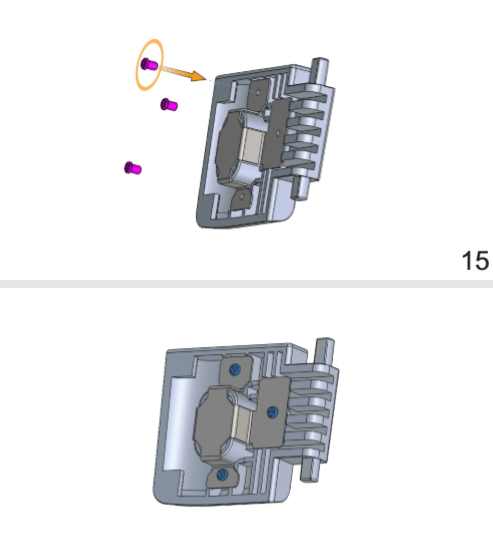
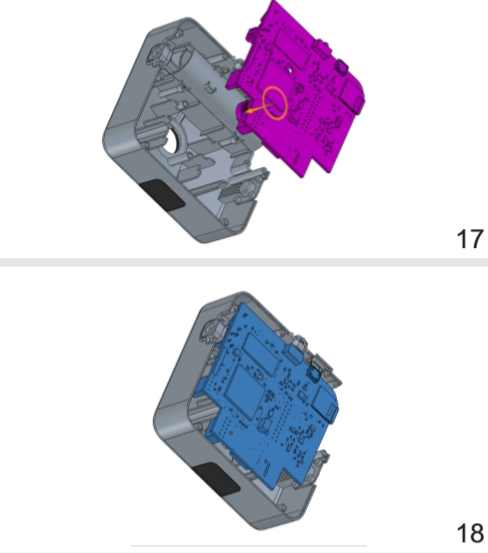
The best time in design is when the assembly manual is being created. Today, we finalized an assembly manual for a product. It is an enterprise product. It would be fully assembled when clients receive them. This is for our production line assemblers. I have given it APPROVED.

Zenvus Imaging System

Do You Have a Business Roadmap?

0

Your business plan is not enough to anchor your business execution. Most times you need a Roadmap Document especially if your business is in a state of flux [changing market, changing model, startup, etc]. To avoid pursuing many windy paths or dead ends, it is always good to have a roadmap. That roadmap encapsulates the path to the vision with pillars and enablers which team members can understand.

Business leaders and practitioners need a framework for guiding the mobilization of an organization around its strategic plan. Such a roadmap enables business leaders and members to clearly understand each element for rolling out a strategy. It details what decisions need to be made, who needs to make them and when.

{…}

A “roadmap” enables everyone in the business to clearly understand each action and what decisions need to be made, who needs to make them and when.

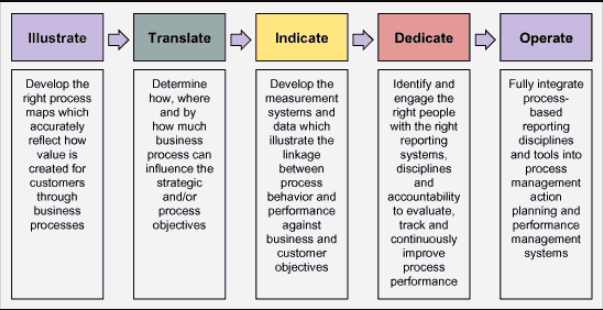
The reason why things are not working is simple: all the ideas and visions are in your head. But your team members have no way to pull them out. So, at the end, no one can help you build the business. The figure below offers a methodological way to execute a roadmap.


Even without Coding, You have a Role in Tech Sector

2

In a piece where I noted that opportunities abound in the technology industry even for those who do not code, someone commented on LinkedIn thus:

“Not everyone must code” I’m taking that with me. I’m a Sage Software Consultant, many a times my friends when I’m with friends, they’re always saying “Guy, develop your own business management software” but they don’t understand it’s not just developing, you need to sell too. Make money from it, that’s when it makes sense.

The point made in that comment is huge. Most times, the greatest value is not created in the technology but in the services which the technology powers. As I noted in the earlier piece which was actually from an old piece in the Harvard Business Review, you can have a great career if you excel in the other elements besides coding.

Before “Intel Inside”, Intel chips were just like other microprocessors in the world. In a world of slow dot matrix printers, someone coined HP LaserJet, giving that illusion that printing could be fast.

As you pursue your career, always remember that not everyone needs to be a techie. The guy that coined “Intel Inside” transformed Intel and made it the undisputed leader because people actually wanted the PCs and laptops with Intel inside. The world of microprocessor became Intel’s. HP became the printer company.

I will explain that point by using the smiling curve. Accenture derives more value from digital technology than most companies that make computers [check the revenues and gross margins]. Accenture is playing at the edges of the smiling curve. If you use farming for illustration, the best farmers are not those in the farms but the commodity traders who are waging billions of dollars in Wall Street with commissions that can buy any farm they want. Yes, they are not farmers but they are getting the best out of farming. The same applies in technology. That you do not code does not mean there is no opportunity [sure, if you code, you have an edge at the entry level].

In this videocast, I make a case why Nigeria must look beyond the center as it works to develop a homegrown manufacturing plan. Manufacturing is critical for job creation but using the Smiling Curves, there are many other elements in commerce that must be enabled for a strong economic system. If you neglect those elements, you just keep being busy while other countries get all the values. We use cases of banking and publishing to support our thesis for a new plan that is wholistic, beyond the ability to make just pencils and toothpicks in Nigeria. We need to build brands and create original ideas.

All together, the key is to find something you can do better than many. If you passionately elevate the game, your world will discover you and you will find success.