This is a slightly modified version of our last videocast. I made this after the last cast but decided to share them together.


This is a slightly modified version of our last videocast. I made this after the last cast but decided to share them together.
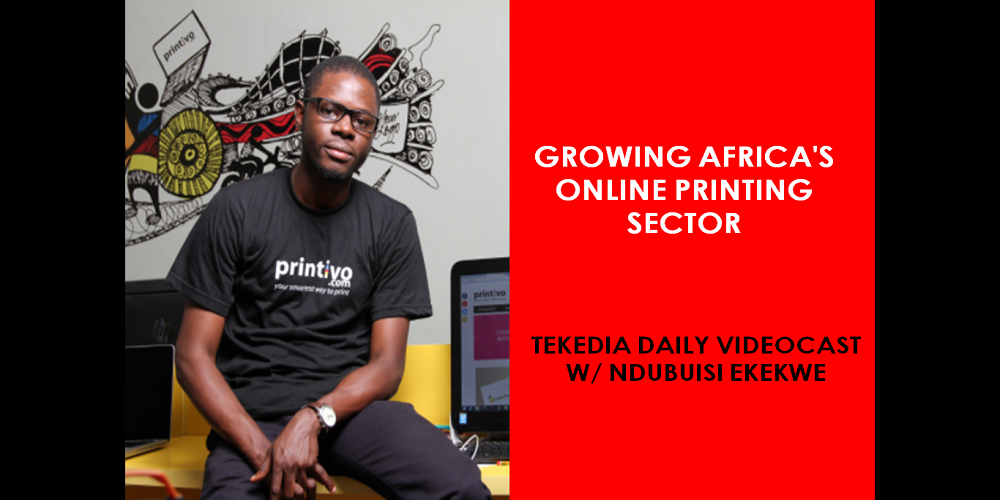
In this videocast, I discuss the emerging African online printing sector. As broadband penetrates across the continent, this sector will continue to grow. Despite the digitization of enterprises, printing will remain a key part of commerce for a very long time. Companies like HP and Dell that make printers are seeing growth in the sub-sector. In Africa, printing is still largely managed by small fragmented family companies. The online is certainly one way to bring scale, digitally, in the sector. Nigeria’s Printivo is a leading firm in this sector, and others like Printweza and Brandcoma are coming up. From wedding cards to business cards, printing is a growth industry in Africa, though it may be a low-margin one where scale will determine the winners. Any firm emerges as a category-king company will dominate the industry when it becomes a norm to order printed documents via the web as is done in the U.S. now.

Pepsi has posted an innovation request on an idea portal looking for new ideas for sources of protein in its food and drinks. According to the beverage giant, “consumers the world over have embraced a variety of high-protein foods, such as Greek-style yogurt and beef jerky style meat products. Unfortunately, that increased level of protein in the product can negatively impact consumer perceptions by adversely impacting texture, taste, color, etc”.
Accordingly, PepsiCo would like to achieve a protein level that provides a measurable positive impact for consumers while enabling a comparable consumer experience. This means that PpsiCo is seeking novel protein sources that include plant-based, Mycoprotein or insect
Nothing to worry – they will take care of the insects and fungi. They do think we do not have to depend on dairy, egg, meat and gelatin sourced proteins, and therefore exploring these natural options. Go figure.
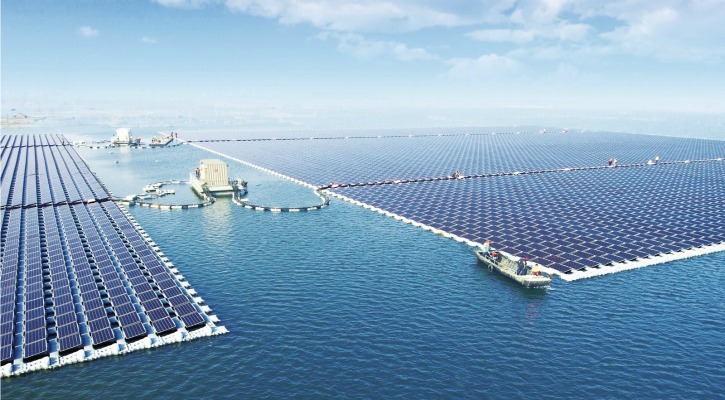
A Chinese energy giant Sungrow which makes photovoltaic (PV) inverter systems has unveiled the world’s largest floating PV power plant. The plant capacity is astonishing 40-megawatt solar power plant, situated atop a flooded former coal-mining town in the Anhui province of eastern China. “The plant not only makes full use of this area, reducing the demand for lands – but also improves generation due to the cooling effects of the surface,” a local government official said.
The water has no other major value as it is mineralized which makes it valueless, notes Sungrow.
Sungrow is one of the world’s largest PV inverter system suppliers with over 31 gigawatts installed worldwide as of December 2016.
We need this type of solution in the lagoons of Lagos, Niger Delta and River Niger where we do not have uses for the water bodies.

The Challenge consists of 10 tracks: